
How To Protect Cactus From Too Much Rain
Too much rain can harm even the toughest cactus. While these plants survive harsh deserts, constant moisture weakens their roots and causes rot. To protect your cactus from too much rain, focus on keeping the soil well-drained and limiting how long it stays wet.
A few simple adjustments can make a big difference. The right container, soil, and shelter can keep excess water from seeping in and damaging your plant. With a little planning, you can maintain healthy roots through any rainy season.
You’ll explore what happens when a cactus gets too much rain, practical ways to prevent damage, and how to maintain long-term protection once storms pass.
Risks of Too Much Rain for Cactus
Excessive rain can threaten your cactus by saturating the soil, suffocating roots, and limiting oxygen flow. When the roots stay wet for too long, they become vulnerable to decay, fungal growth, and structural failure that weakens the entire plant.
Susceptibility to Root Rot
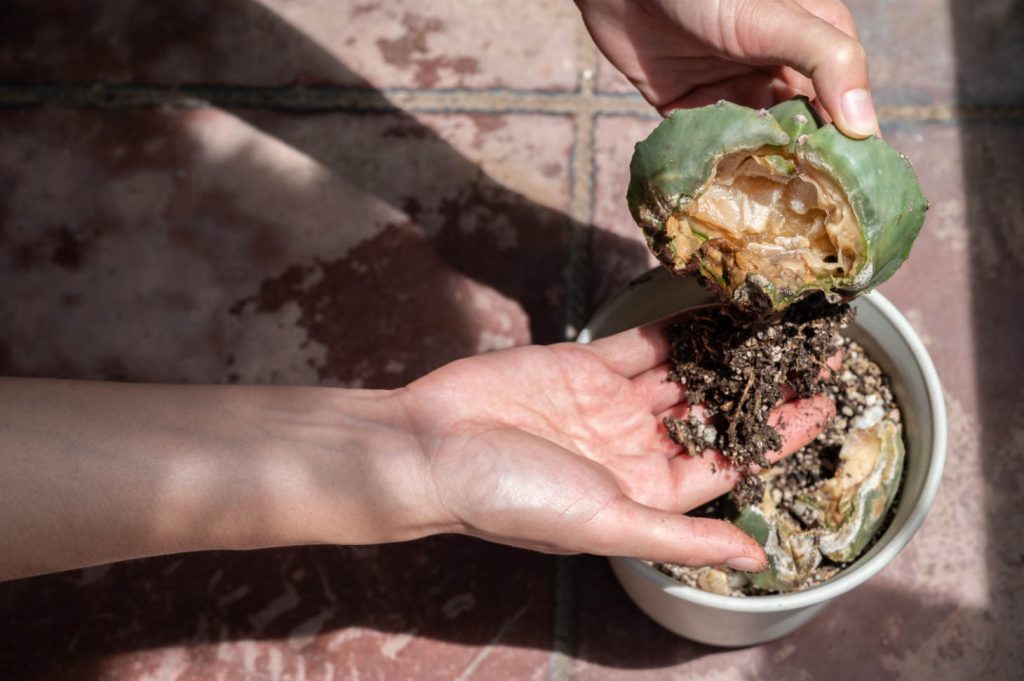
Root rot develops when the soil around your cactus stays wet and lacks proper ventilation. Cacti are highly adapted to drought and cannot tolerate constant moisture; their roots require dry periods to prevent decay. If water pools near the roots, oxygen cannot reach them, and decay begins.
Early rot often occurs unseen below the surface. You might notice a soft or unstable base as the first clue. Fungi and bacteria thrive in these damp conditions and spread quickly through the root system.
Use well-draining soil such as a mix of coarse sand, perlite, or pumice, and always ensure water can escape through drainage holes. If you grow cacti outdoors, plant them on sloped ground or raised beds to prevent rainwater from accumulating near the roots.
Signs of Overwatering Damage
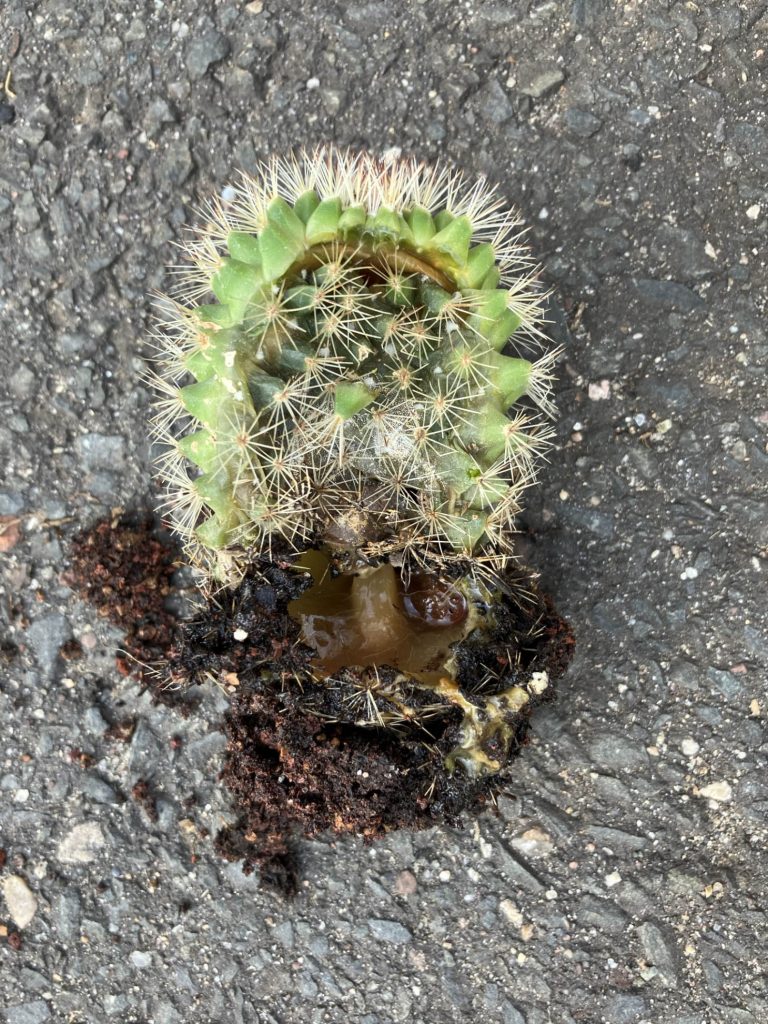
Too much rain leads to visible stress in a cactus. The flesh may swell, split, or develop dark, mushy spots. A healthy cactus should feel firm; soft or discolored areas signal water damage.
Look for a dull color tone or a sagging appearance. These signs mean the cells have absorbed more water than they can store safely. Crucially, prolonged overwatering leads to root rot, which weakens the plant’s entire structure, making it highly susceptible to fatal fungal diseases and opportunistic pests.
Table: Common Signs and What They Mean
| Visible Change | Likely Cause | Recommended Action |
|---|---|---|
| Mushy base | Prolonged wet soil | Repot in dry soil |
| Yellowing or translucence | Oxygen loss at roots | Adjust watering and airflow |
| Cracking or splitting | Rapid water absorption | Move to shelter during heavy rain |
Cacti Adaptations and Limitations
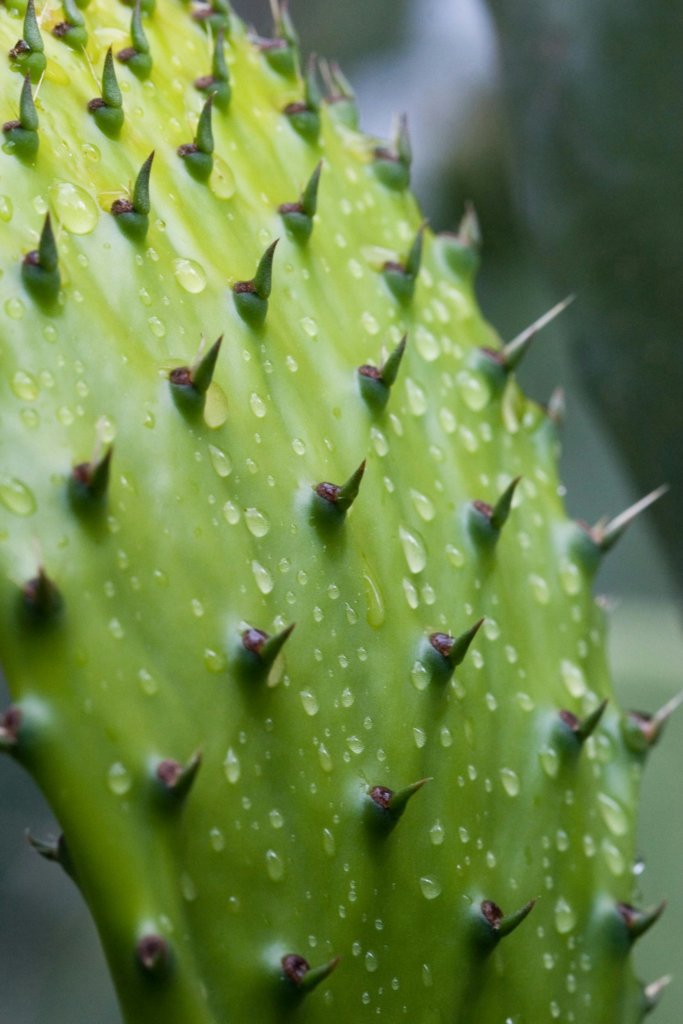
Cacti evolved to store water and survive long droughts, but this same ability limits how they handle excess moisture. Their succulent stems and thick, waxy cuticle minimize transpiration but make them highly susceptible to over-hydration.
You may see some species tolerate light rain because their waxy coating repels water. However, prolonged rain exceeds that defense. The spines and ribs that channel occasional rainfall toward the roots work against them if the soil stays soggy.
Even desert-adapted succulents have limits. Extended exposure to rain interrupts their natural dry-with-wet rhythm and can eventually collapse the plant’s water balance. Providing a temporary cover or movable shelter helps maintain conditions closer to their native dry habitats.
Practical Methods to Protect Cactus from Excess Rain
Too much rain can lead to root rot, fungal problems, and weak growth in cactus plants. Using proper setups like movable containers, raised beds, and simple covers helps you keep your cactus dry and healthy even during the rainy season.
Container Growing and Relocation
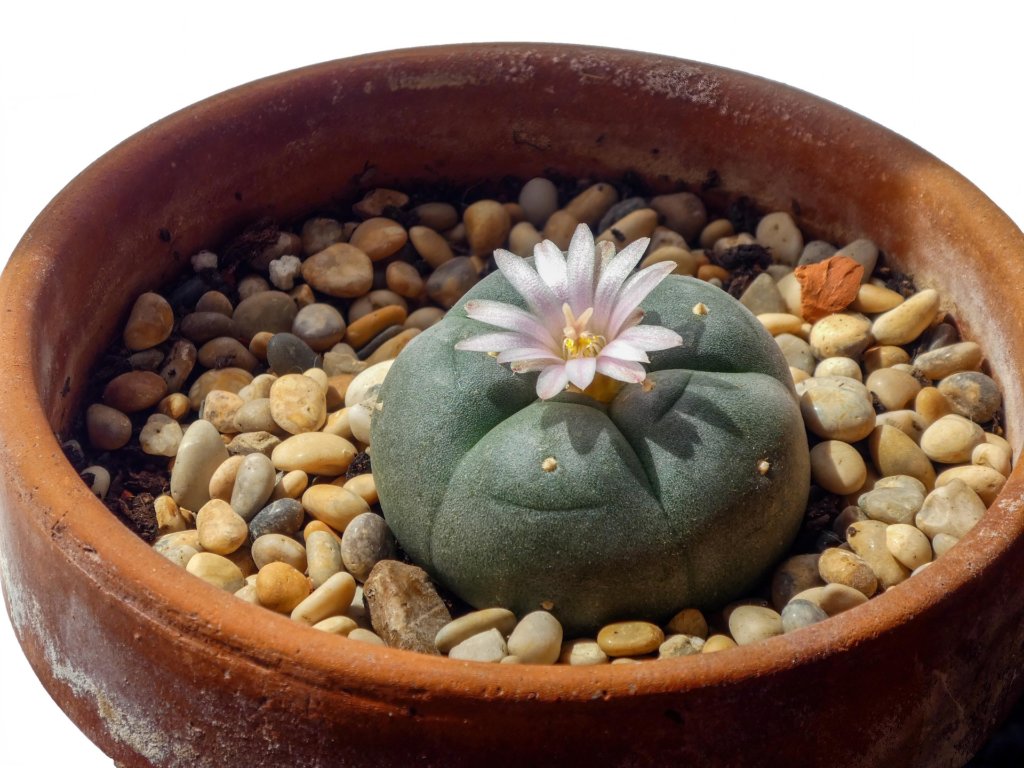
Growing a cactus in containers lets you control water exposure. Choose pots with drainage holes and well-draining soil that dries quickly after rainfall. Terracotta pots are highly recommended as their porosity promotes faster soil drying.
During rainstorms, move potted cacti under a patio, roof eave, or covered porch where rainwater cannot reach them directly. If space is limited, even a temporary cover made from plastic or a clear storage box can shield plants. Keep containers slightly elevated on bricks or pot feet to prevent pooling underneath.
After the rain, inspect the soil. If it feels soggy, bring the cactus into a dry spot with airflow. This helps the soil dry faster and prevents rot from setting in. Consistent relocation during wet periods keeps container cacti thriving.
Creating Physical Rain Shelters
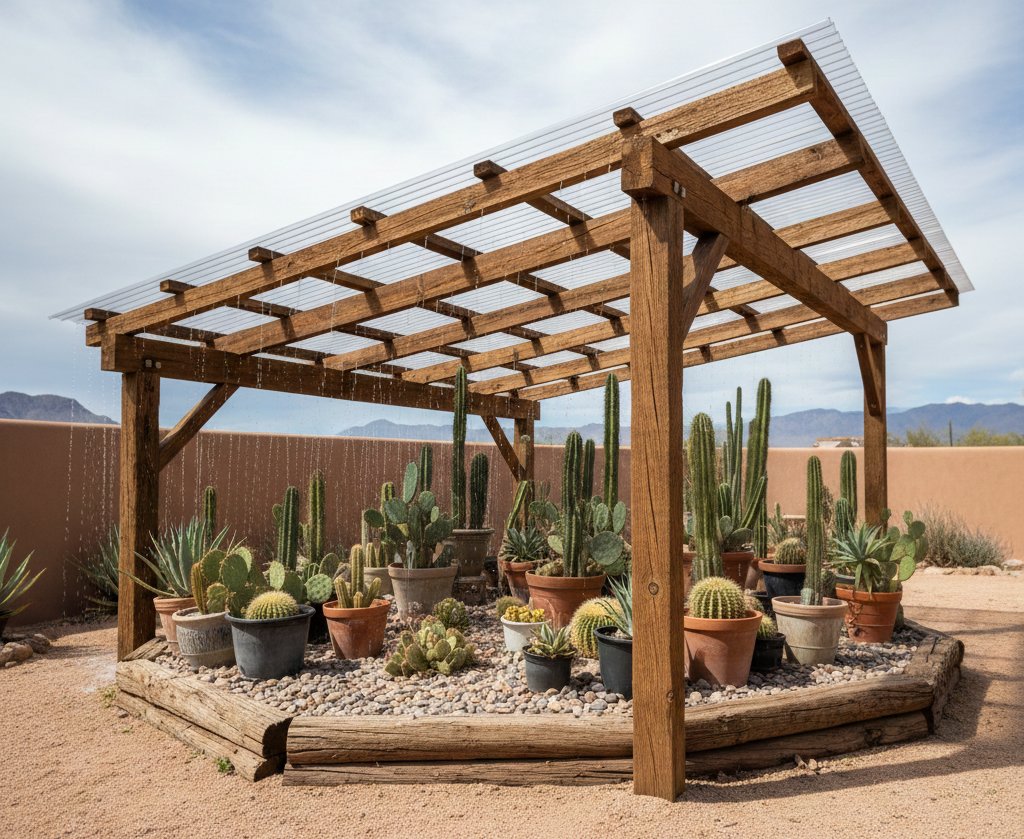
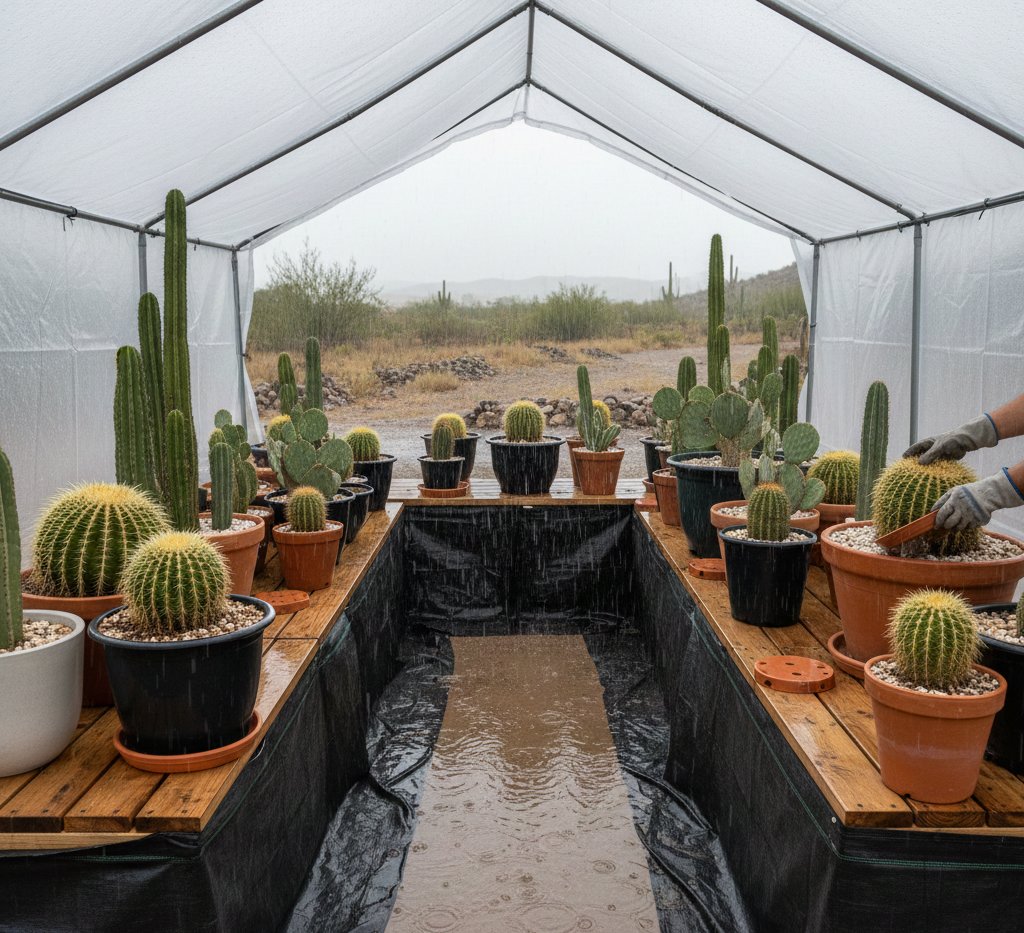
Building a small shelter can protect your cactus bed from heavy rain. Use corrugated fiberglass panels, polycarbonate sheets, or clear plastic panels supported by wood or metal frames. These materials allow light to pass through while blocking excess rainwater.
Install the cover at a slight angle so water can flow off easily. A slope prevents dripping that might saturate the soil. Keep sides open for air movement to reduce humidity, since trapped moisture encourages fungus.
In areas with frequent rainstorms, permanent shelters are better than temporary tarps. A sturdy structure never has to be moved and will protect multiple plants. Use simple tools to secure panels and ensure the frame is stable during windy conditions.
Covering Individual Plants Outdoors
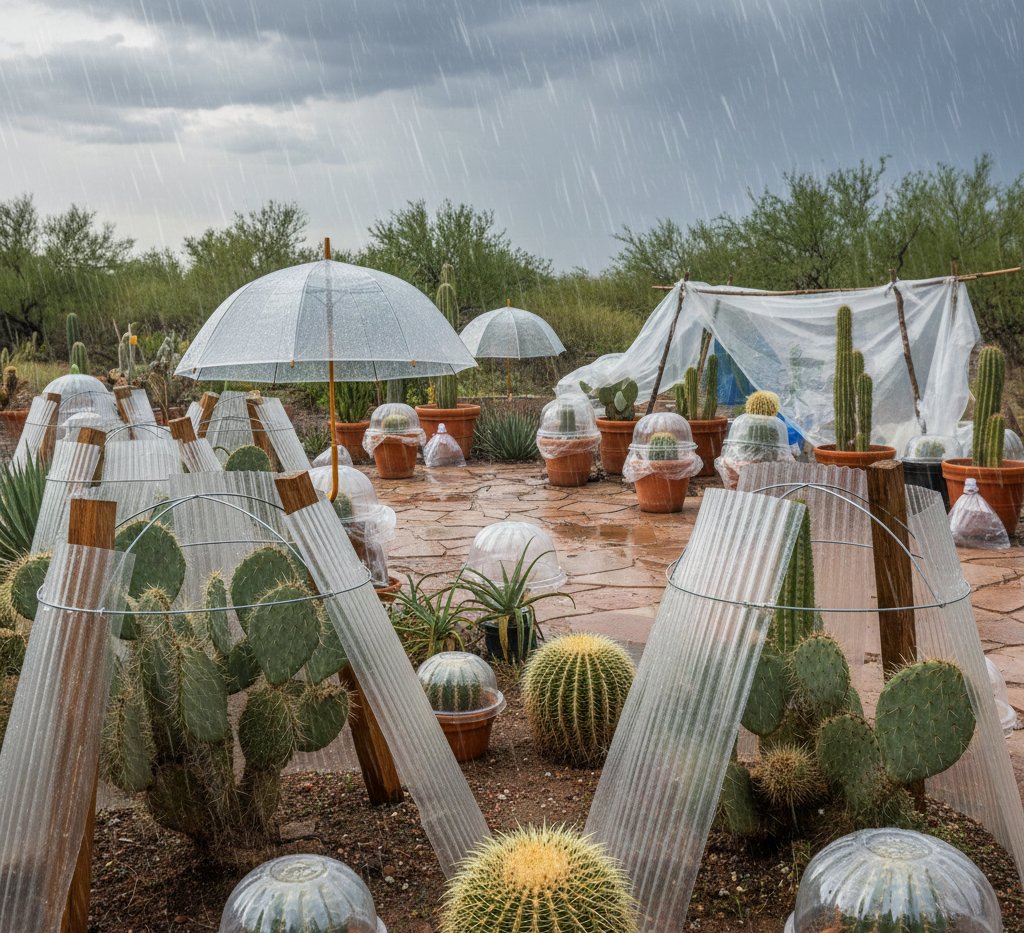
If your cactus grows in the ground, cover each plant when storms are expected. Lightweight options like plastic domes, clear umbrellas, or cut plastic bottles work well for small species.
For larger plants, use corrugated fiberglass panels supported by stakes or garden hoops.
Avoid sealing covers tightly to the ground. Leave openings around the base so air can circulate. This reduces the chance of mildew after the rain ends. Once the ground dries, remove covers right away to prevent overheating under the sun.
If you live in a place with a long rainy season, reusable covers are worth the effort. They protect succulents from repeated soaking while letting in enough light for growth.
Elevating and Slope Planting
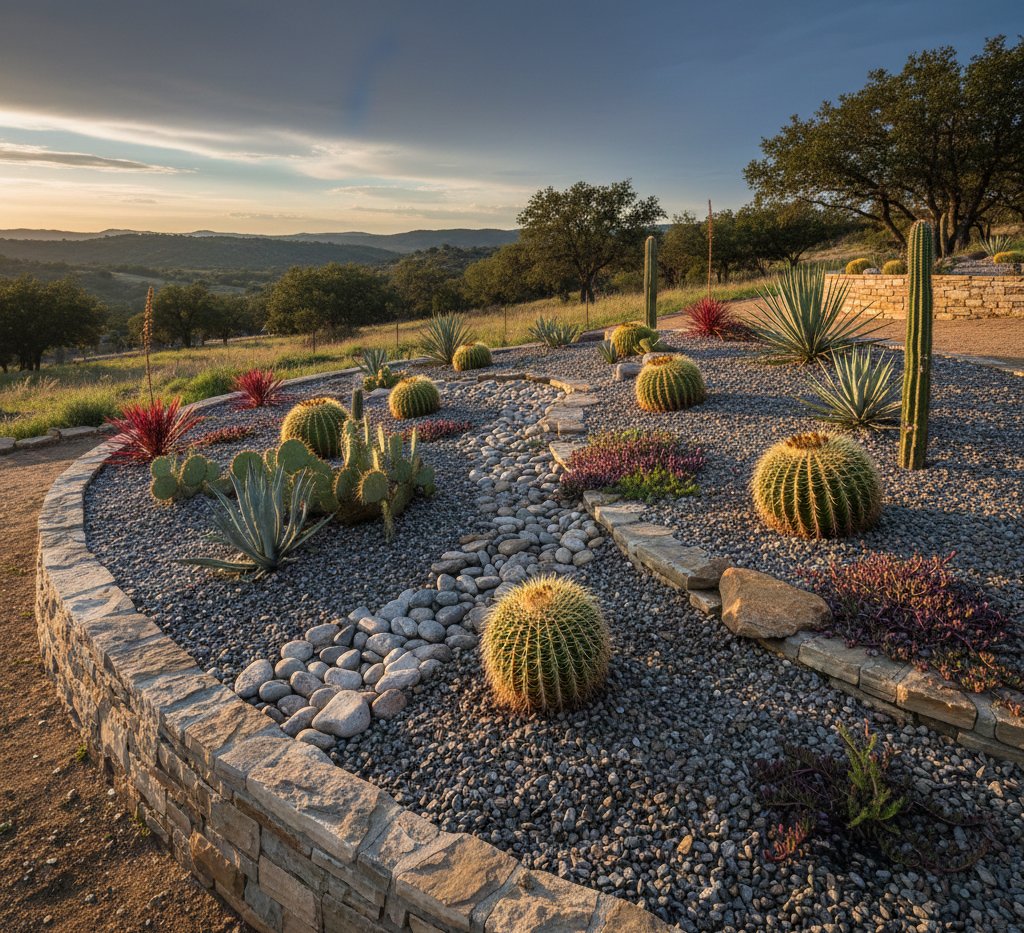
Elevation helps excess rainwater drain away from the cactus roots. Planting on a sloped bed or a raised mound prevents water from sitting around the base. This method is especially helpful for heavy clay soils that hold moisture.
To further improve drainage, amend the planting mix with coarse sand or gritty material throughout the entire soil volume. A 2–3 inch top layer of stones can also reduce splashback from rainwater hitting the soil. Combine this with spacing between plants so each one gets air circulation and sunlight after storms.
If your region experiences frequent downpours, raise garden beds at least 6–8 inches high. Over time, good elevation reduces the risk of root rot and improves plant survival through unpredictable rain patterns.
Aftercare and Long-Term Maintenance for Rain Protection
Keeping your cactus healthy after heavy or frequent rain requires close attention to moisture levels, plant condition, and changing seasonal weather. Regular checks and simple maintenance help prevent rot, promote drainage, and keep your succulent collection strong year-round.
Monitoring Soil Moisture
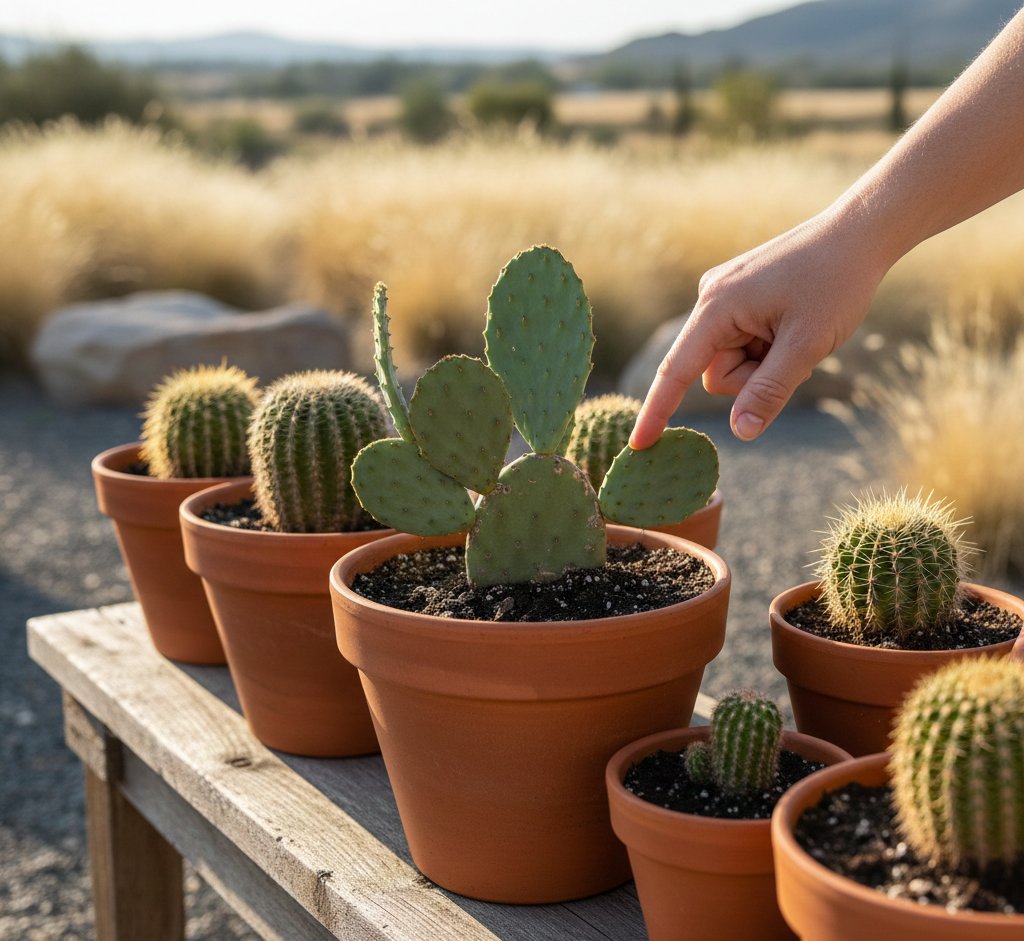
Cacti and succulents need dry soil between waterings. After rainfall, test the soil’s moisture by pressing your finger about an inch deep; it should feel slightly damp but not wet. If it stays soggy for more than a few days, improve drainage or move pots to a drier location.
Use pots with drainage holes and gritty soil containing coarse sand, pumice, or perlite. These materials help excess water flow out quickly. For ground-planted cacti, consider raising the bed or mixing in coarse materials to improve flow.
A simple moisture meter can help track water levels more accurately. Wait until the soil feels completely dry throughout the container before watering thoroughly. Regular monitoring ensures the roots get enough air and prevents fungal growth caused by oversaturation.
Identifying and Treating Water Damage
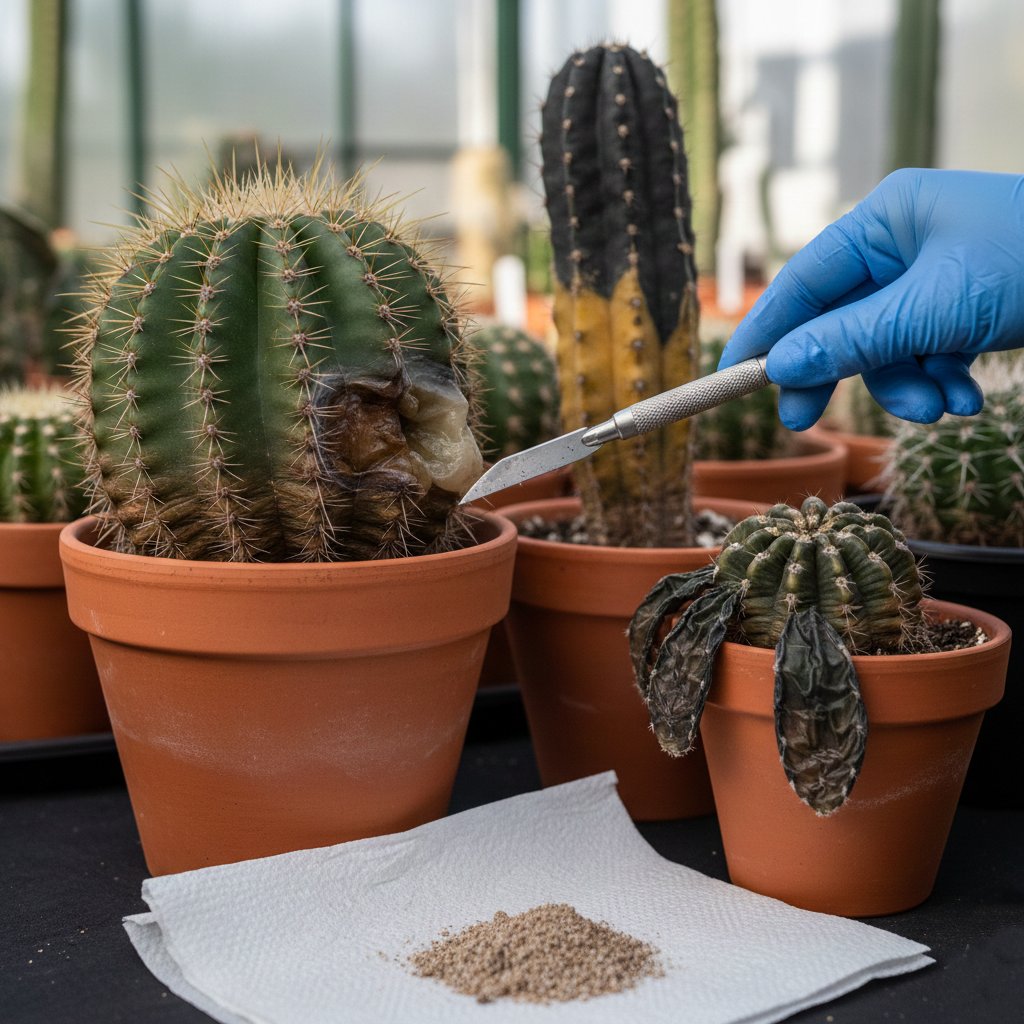
Excess rain can lead to root rot, stem discoloration, or mushy spots. Watch for soft, dark patches or leaves that appear translucent. These are signs of overwatering. Remove affected areas using a sterile knife and allow the wound to dry before replanting or moving the cactus.
If the entire plant leans or feels unstable, inspect the base for rot. Clean the roots, trim damaged sections, and repot in fresh, dry soil. Use fungicide if mold or decay has spread widely. Provide airflow around the plants to speed recovery.
Keep a table or checklist for early warnings:
| Symptom | Likely Cause | Action |
|---|---|---|
| Mushy base | Root rot (overwatering) | Repot in dry soil, trim damage |
| Yellowing tissue | Overwatering/Root Damage | Unpot and inspect roots; ensure soil is well-draining. |
| Soft stems | Excess moisture | Shield from rain, reduce watering. |
Seasonal Succulent Care Strategies
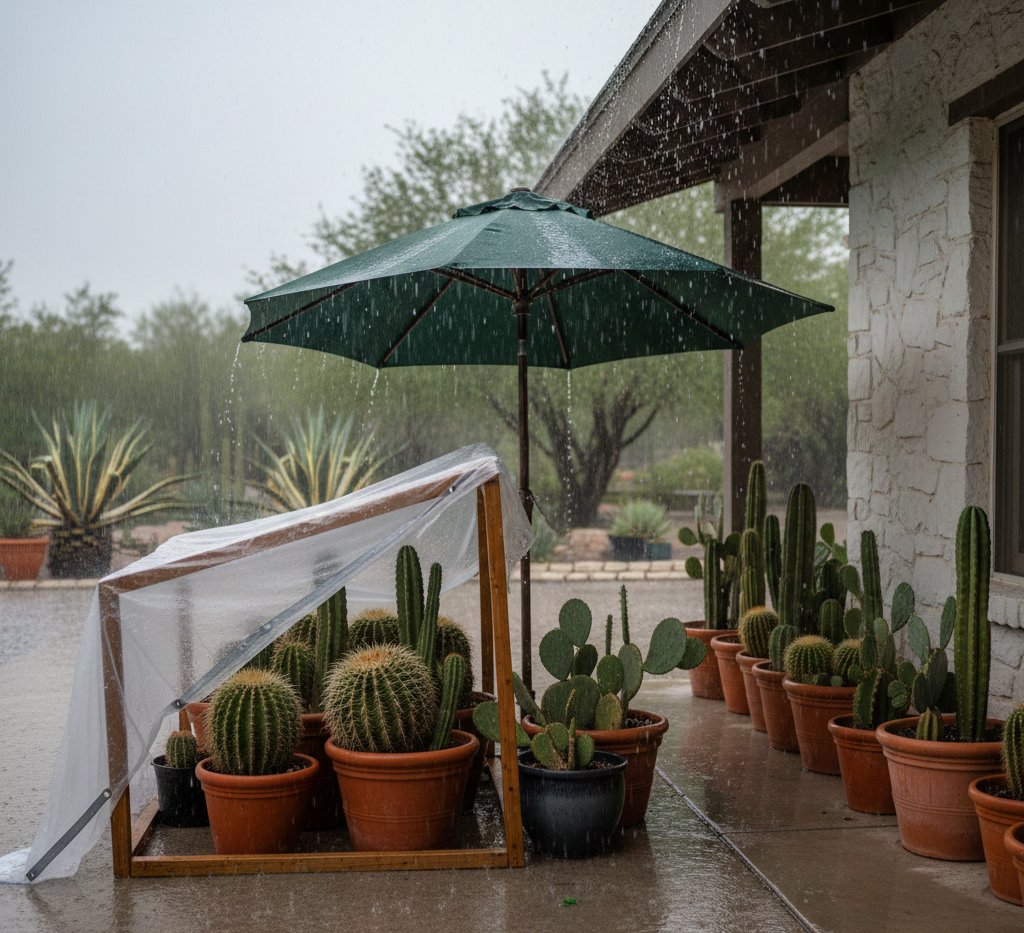
Weather changes throughout the year affect how your cactus responds to rain. In rainy seasons, protect outdoor succulents with temporary covers like clear plastic sheets or patio umbrellas. Move smaller pots under eaves, porches, or covered patios.
During dry seasons, water only when soil is fully dry. This watering strategy encourages deep, strong root development rather than relying on constant, shallow moisture. Rotate plants occasionally so sunlight reaches all sides evenly.
For long-term succulent care, clean debris from the soil surface and maintain airflow to prevent fungus. Recheck pot drainage every few months. These steady practices reduce rain-related stress and keep your cactus collection in healthy condition year after year.