
How To Root Cactus Cuttings Faster
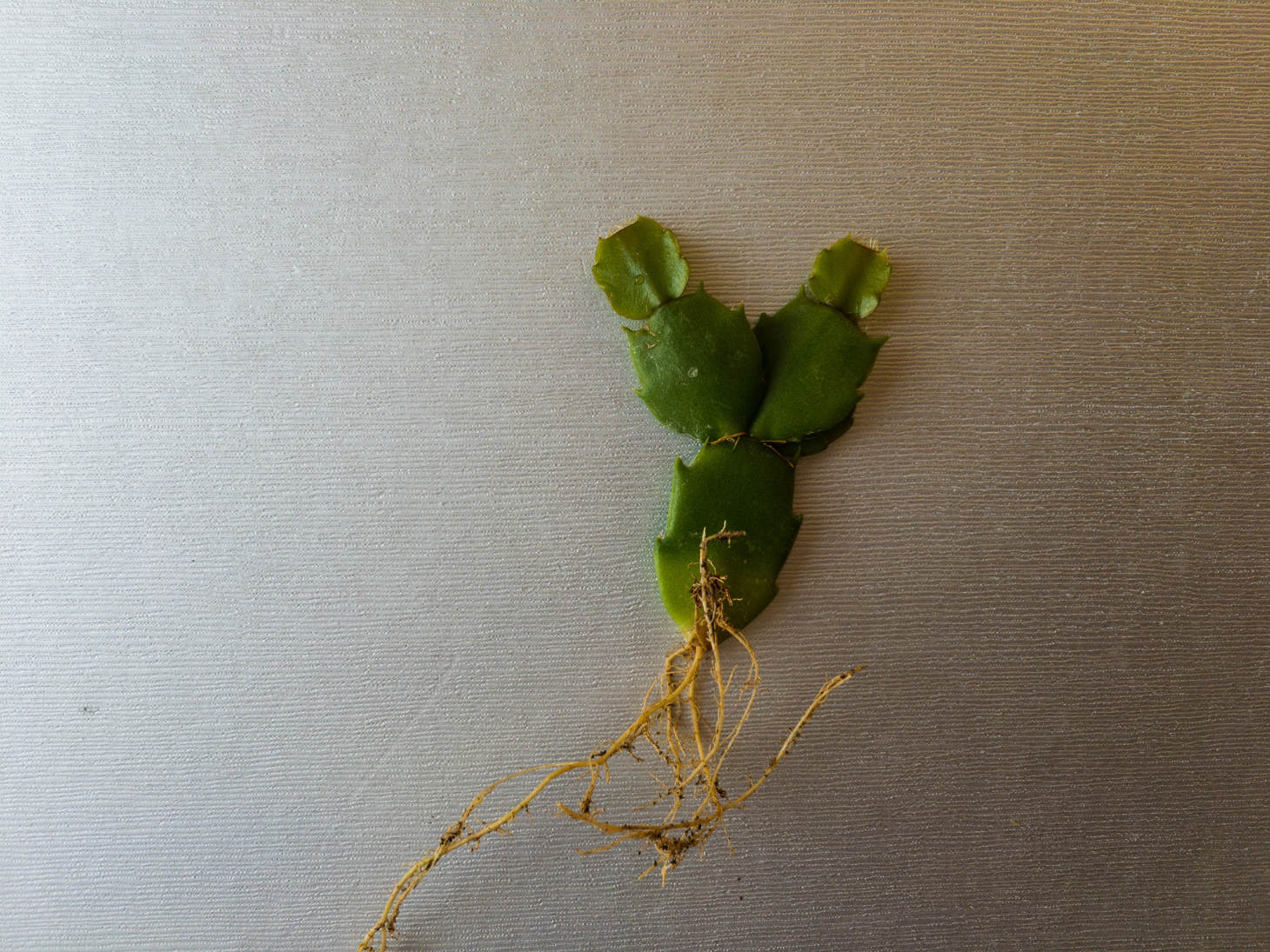
Growing new cacti from cuttings saves time and gives quick results when done right. You can avoid slow rooting or failed starts by understanding how cactus cuttings develop and what conditions make them grow faster. To root cactus cuttings faster, let the cut end dry and callus, use a well-draining soil mix, and keep the cutting warm and slightly moist until roots form.
You control how quickly your cactus forms roots by adjusting temperature, humidity, and light. Using a rooting hormone can also shorten the rooting time and improve success, especially for slower-growing species. With the right setup, new roots can appear within a few weeks instead of months.
Knowing how to create ideal conditions makes the difference between a slow process and quick growth. Once you master the basics, you can propagate healthy cacti easily and grow a larger collection with minimal effort.
Key Takeaways
- Proper preparation and environment speed up cactus rooting
- Heat, airflow, and moisture balance help roots form faster
- Simple care after rooting ensures healthy, lasting growth
Fundamentals of Rapid Cactus Rooting
Rooting cactus cuttings successfully depends on understanding how roots form, controlling conditions that slow growth, and managing moisture to prevent decay. You can increase your success rate by learning what supports healthy root development and by avoiding mistakes that cause rot or stress.
How Rooting Works in Cactus Cuttings
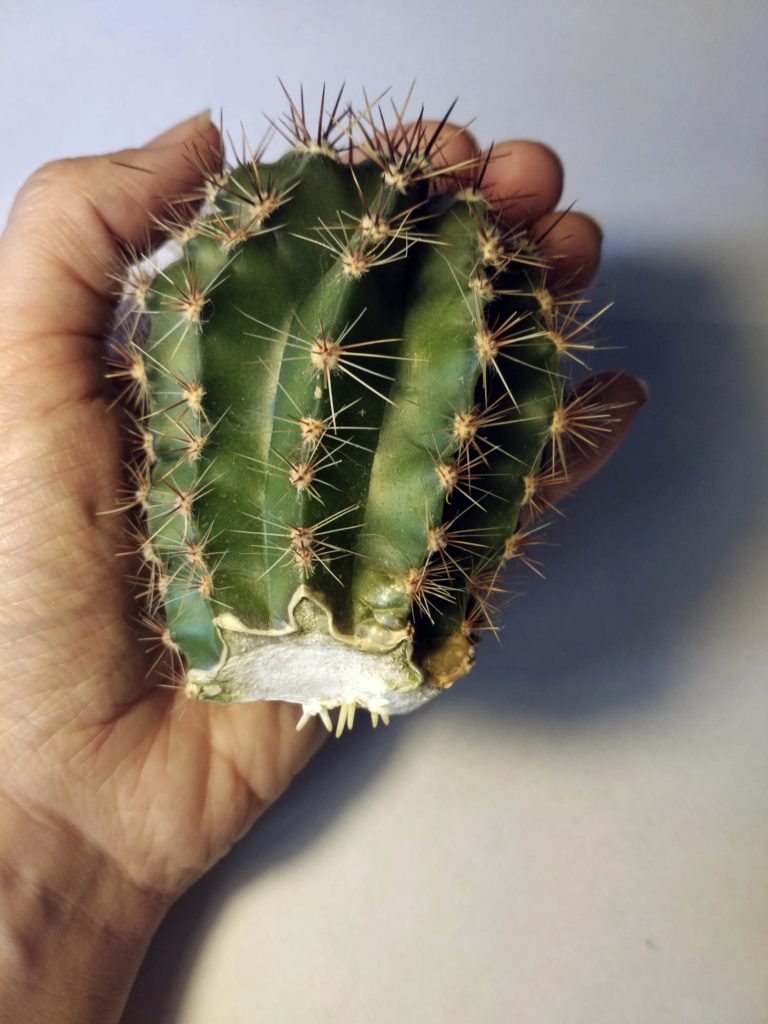
When you cut a cactus, the base of the cutting must heal before roots can grow. This healing forms a dry callus that protects the plant from infection. Once calloused, the cutting starts producing small root cells from the tissue just under the surface.
These new roots emerge in response to warmth and slight moisture. In many species, rooting begins within two to four weeks in suitable conditions. Using a rooting compound with auxins can speed this process by signaling the cutting to form roots more quickly.
Light also plays a role. Bright, indirect sunlight provides energy for early growth without overheating the cutting. Avoid direct sunlight until roots develop. Once roots appear, you can gradually increase light exposure and begin light watering to strengthen new growth.
Common Challenges in Rooting Cacti
Excess moisture often causes the biggest problems. Too much water prevents air from reaching the wound, leading to rot. Always let the cutting’s base dry for several days before planting it. Use a gritty, fast-draining soil mix with materials such as pumice or coarse sand.
Another challenge is temperature imbalance. Cool conditions slow rooting, while high heat can dry out the tissue too quickly. Keeping the cutting between 70–85°F (21–29°C) encourages steady root initiation.
Contamination from dirty tools or soil can also affect cactus propagation. Always sterilize your knife or shears and use clean containers. Proper airflow and low humidity reduce fungal issues that can halt root formation.
Key Factors Affecting Root Development
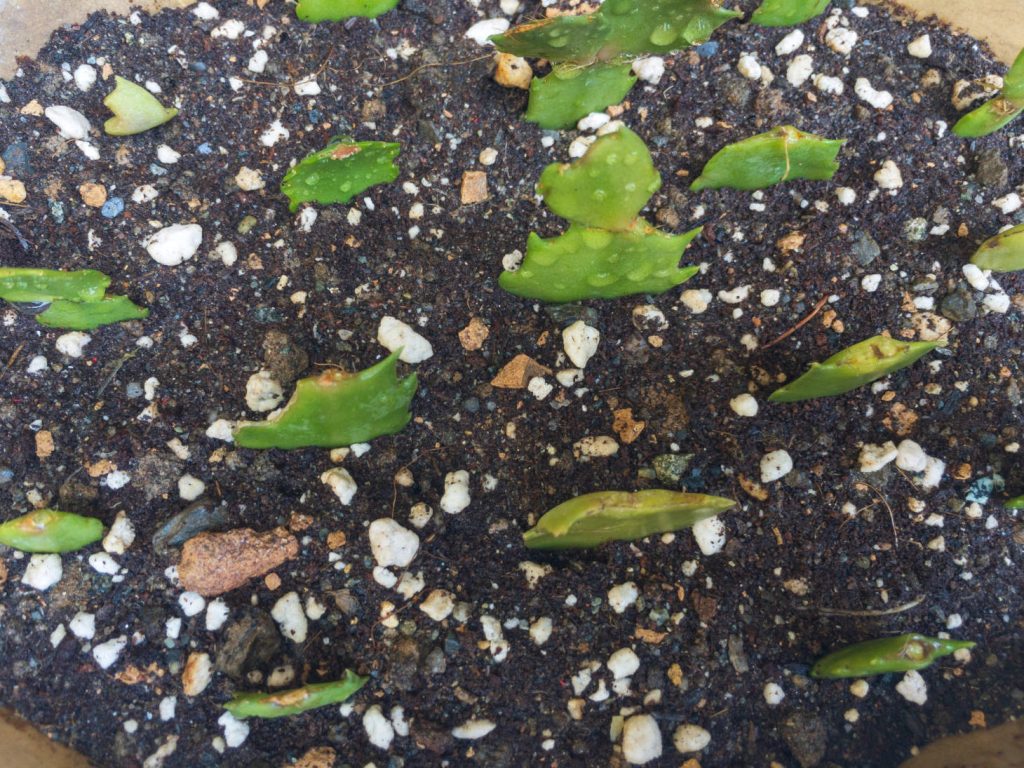
Several specific conditions determine how quickly cactus roots form. You should monitor soil texture, moisture level, warmth, and air circulation. A mix that holds some moisture but drains well supports faster root growth than heavy or compact soil.
Table: Recommended Rooting Conditions
| Factor | Ideal Range | Purpose |
|---|---|---|
| Soil moisture | Slightly damp | Supports root initiation without rot |
| Temperature | 70–85°F (21–29°C) | Speeds cell activity |
| Light | Bright, indirect | Prevents stress and dehydration |
| Airflow | Moderate | Reduces mold and encourages oxygen exchange |
Handling cuttings gently also matters. Disturbing new roots can interrupt their development. Leave the cutting in place until roots are strong enough to anchor the plant before repotting or watering more frequently.
Creating Ideal Rooting Conditions
To help cactus cuttings root faster, you need to control both the planting medium and the environment. Using a mix that drains well and keeping steady warmth and sunlight will give cactus roots the best start.
Best Rooting Medium for Fast Results
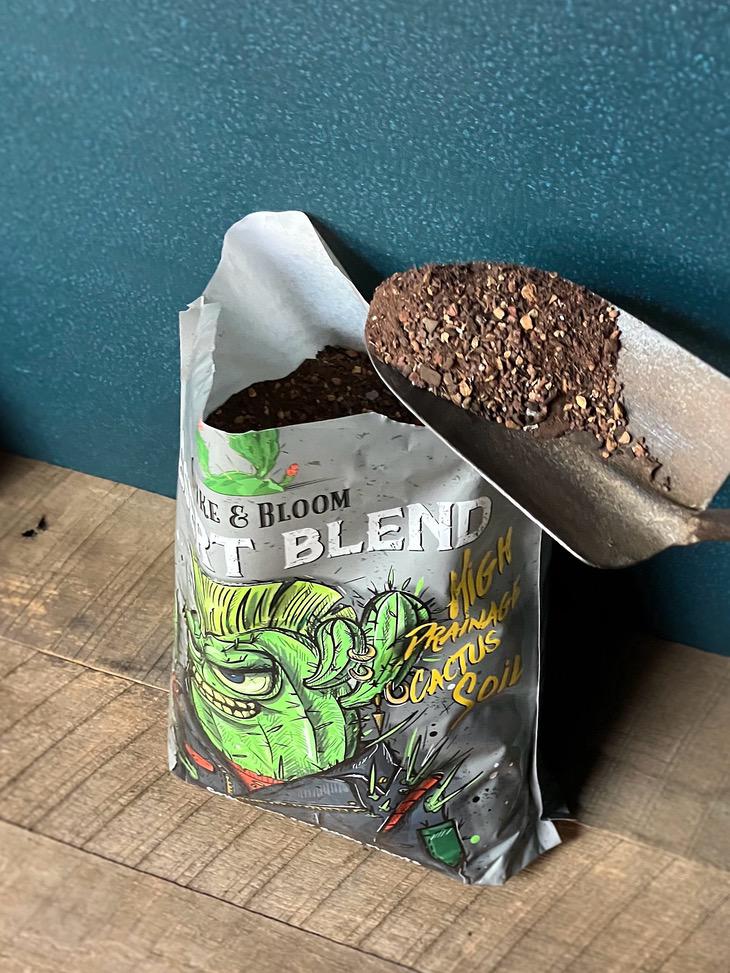
Cactus cuttings root best in a well-draining potting mix that limits moisture buildup. For the fastest, safest results, use a mix of 3 parts inorganic material (perlite, pumice, or coarse sand) to 1 part organic matter (peat or coco coir). This balance ensures moisture retention without soggy soil that can cause rot. If the cutting sits in waterlogged soil, it may decay before roots form.
Use a clean, shallow pot with drainage holes to prevent standing water. Before planting, let the cut end of the cactus callous over for several days. Then, place the cutting just deep enough to stand upright. Mist lightly rather than drenching the soil.
Keeping the soil slightly damp but never wet encourages faster cactus rooting and reduces the chance of fungus or rot.
Light and Temperature Requirements
Bright, indirect light provides cactus cuttings with energy and prevents stretching (etiolation). Place them near a sunny window but out of direct midday light. If your space is dim, use a grow light set 12 to 18 inches above the plants for 10–12 hours per day.
Cactus roots develop most efficiently at 70–80°F (21–27°C). Cooler temperatures slow growth, while excessive heat dries out the cuttings too quickly. Avoid sudden temperature changes or drafts.
Keep air circulation high as the cutting calluses and roots to prevent rot and mold. Avoid using a humidity cover for most desert cactus cuttings. Stable warmth and moderate light help signal to the cactus that conditions are safe for rooting and future growth.
Accelerating Root Growth
Quick root development depends on the use of proper rooting hormones and identifying the right active compound for the cactus species. Consistent preparation, accurate application, and choosing quality materials will produce stronger root systems with fewer losses.
Using Rooting Hormone Effectively
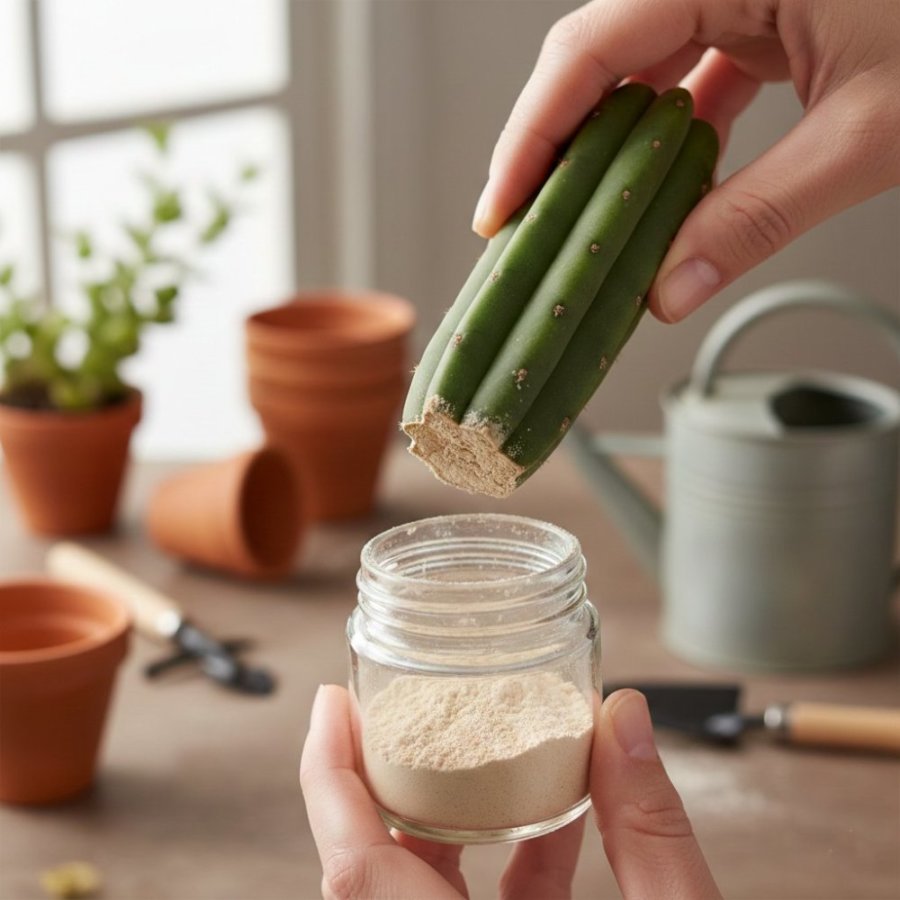
You can use a rooting hormone powder or gel to speed up root formation and protect the exposed cutting surface. After letting the cut end of the cactus dry and callous, dip it lightly into the powder. Avoid thick coatings, as excess hormone can slow root growth or trap moisture that leads to rot.
Apply the hormone evenly, then place the cutting into sterile, well‑draining soil. A soil mix of coarse sand and perlite works well. Keep the temperature around 70–80°F (21–27°C) and water sparingly until roots appear.
Tips for better results:
- Handle cuttings gently to avoid tissue bruising.
- Store hormone powder in a dry, cool place to maintain potency.
- Avoid re dipping multiple cuttings into the same container to reduce contamination.
Regular observation helps you catch early signs of rot or fungus before they spread. Healthy calloused ends and firm stem usually indicate that roots will form soon.
Selecting Between IBA, NAA, and Other Compounds
Rooting products often contain Indole‑3‑butyric acid (IBA) or Naphthaleneacetic acid (NAA). Popular examples of these products include Clonex Gel and Dip-N-Grow Liquid. Both are synthetic forms of auxin, a plant hormone that encourages root cell formation. You should choose based on concentration and cactus type.
| Compound | Typical Form | Common Strength Range | Notes |
|---|---|---|---|
| IBA | Powder or gel | 0.1–0.8% | Gentle, reliable for most cactus species |
| NAA | Liquid or powder | 0.02–0.5% | Stronger, may cause tissue burn if overapplied |
Use IBA‑based rooting hormone when working with delicate or slow‑rooting cuttings such as columnar or thin‑stemmed cacti. NAA works faster but needs careful handling, especially for sensitive species.
Products labeled rapid rooting often combine low doses of both IBA and NAA to balance safety and speed. Read the label carefully to ensure the formula suits your plant type. Test on a small sample before applying to all cuttings to prevent loss from chemical sensitivity.