Why Your Cactus Is Not Blooming
A cactus that refuses to bloom can feel disappointing, especially when you’ve cared for it all year. Blooms depend on more than luck, they rely on the right balance of light, temperature, and rest. Your cactus isn’t blooming because it’s missing the specific conditions it needs to trigger flower development.
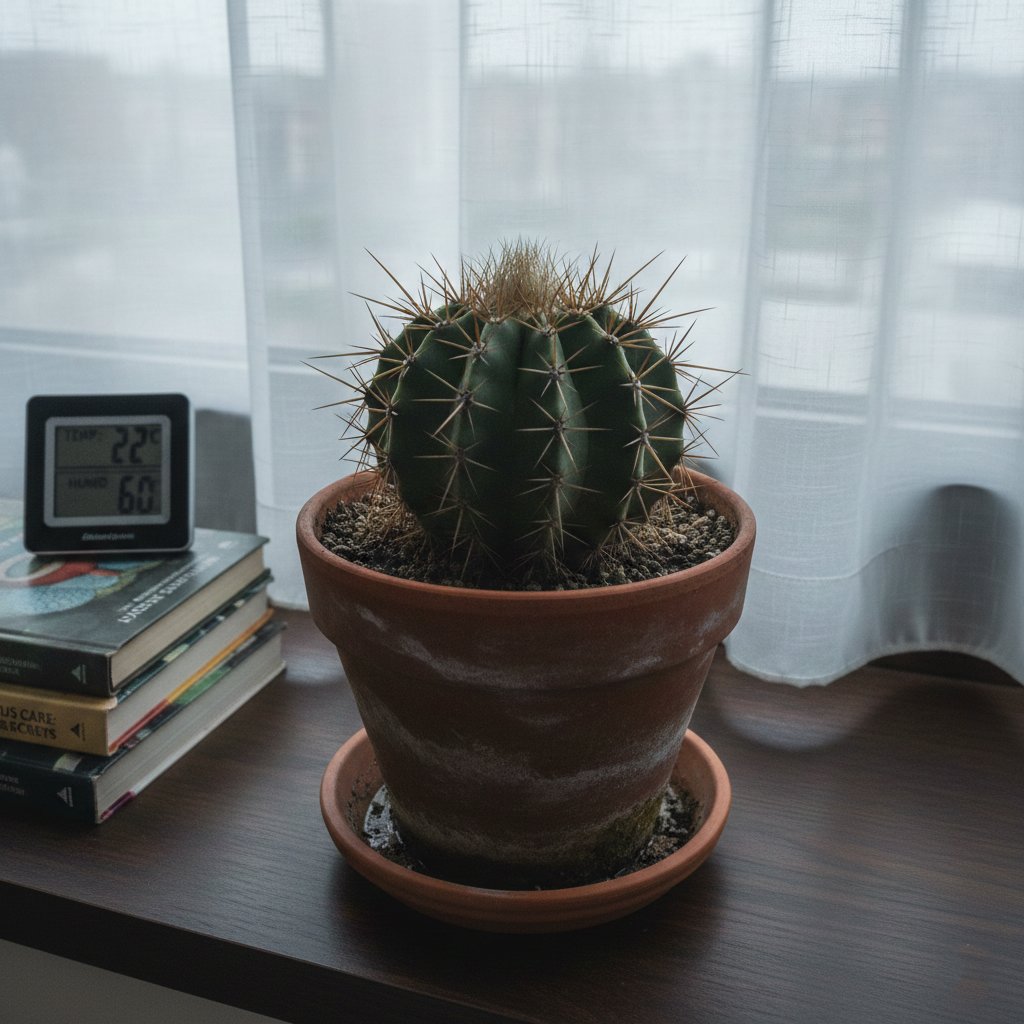
You might be giving it too much water, inadequate light (the most frequent cause for indoor cacti), or not enough cool, dark time to rest before the blooming season. Each cactus species has different requirements, and even small changes in your home can affect the plant’s rhythm. When those needs go unmet, buds never form.
Once you understand what your cactus needs, helping it bloom becomes much easier. With the right care routine and environment, your plant can reward you with colorful, lasting flowers year after year.
Key Takeaways
- Blooming depends on proper light, water, and temperature balance.
- Each cactus species has unique seasonal care needs.
- Adjusting environment and routine encourages consistent flowering.
Fundamental Reasons Your Cactus Is Not Blooming
Cactus bloom depends on light, temperature, water, and rest cycles that match its natural environment. When any of these needs are not met, flower buds fail to form, even if the plant seems healthy and well cared for.
Insufficient Light Exposure
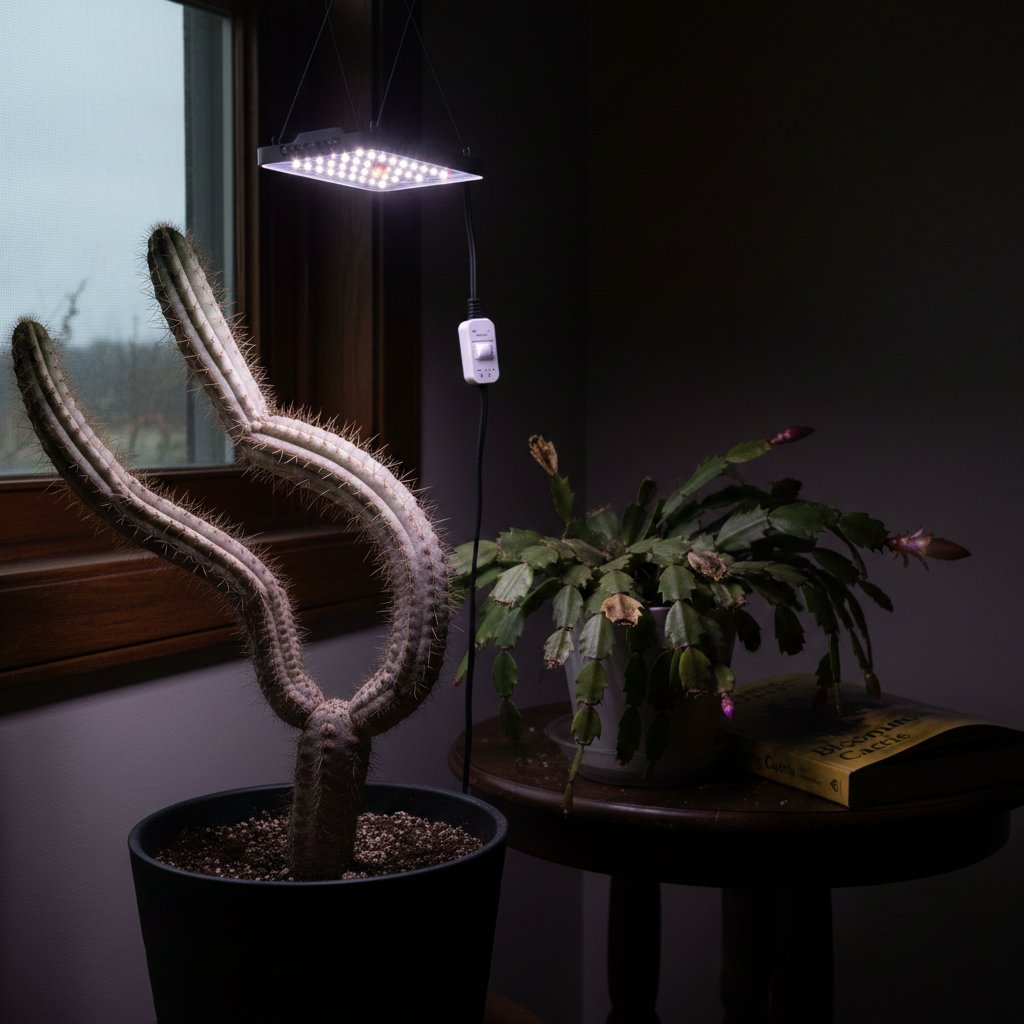
Most cacti need bright, direct light to bloom. Without enough sunlight, your cactus focuses on survival and stem growth rather than producing flowers. A lack of light often causes the plant to look stretched or pale, signs that it’s not receiving enough energy for blooming.
For desert cacti, provide at least 6 hours of bright light daily. Windows facing south or west work best. If sunlight is limited, use a grow light that provides a similar intensity. Position the light 6–12 inches above the cactus and keep it on for about 12 hours each day.
The Schlumbergera (Christmas cactus) prefers bright but indirect light. Too much direct light can scorch its pads, while too little will stop flower development. Moving your plant closer to a bright window or supplementing with artificial light often restores blooming potential.
Inadequate Photoperiod and Dormancy
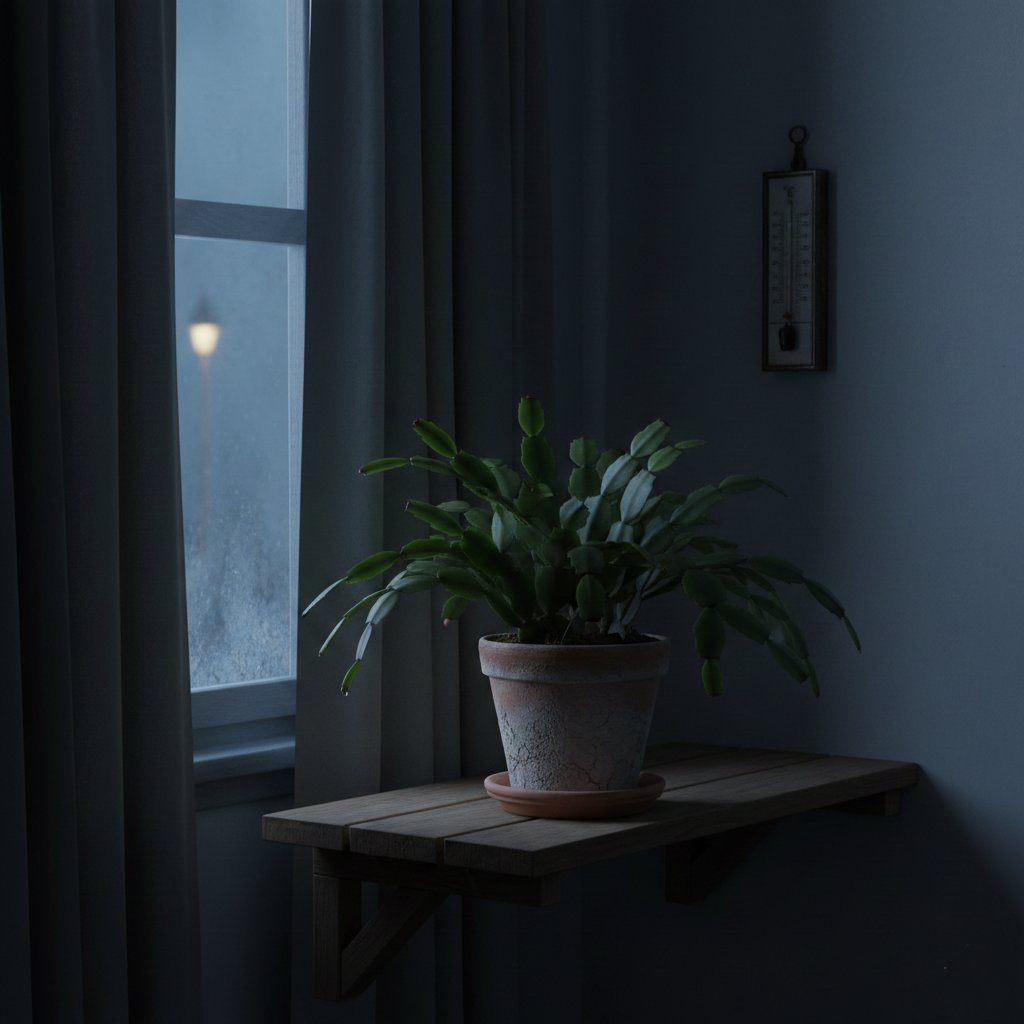
Many cacti, including Schlumbergera, need a rest period to trigger flowering. Without a cool, dark dormancy phase, the plant won’t form buds. During this time, it slows its growth and stores energy for future blooms.
For Schlumbergera, the rest period lasts 6–8 weeks in late fall or winter. Reduce watering, keep temperatures between 50°F and 60°F (10°C–16°C), and limit exposure to artificial light at night. The combination of shortened day length and cooler temperatures signals to the cactus that it is time to prepare for blooming.
Cacti that stay in constantly warm and bright conditions often skip dormancy. This interrupts their internal rhythm, preventing flowering even in ideal growing seasons afterward.
Incorrect Temperature Ranges
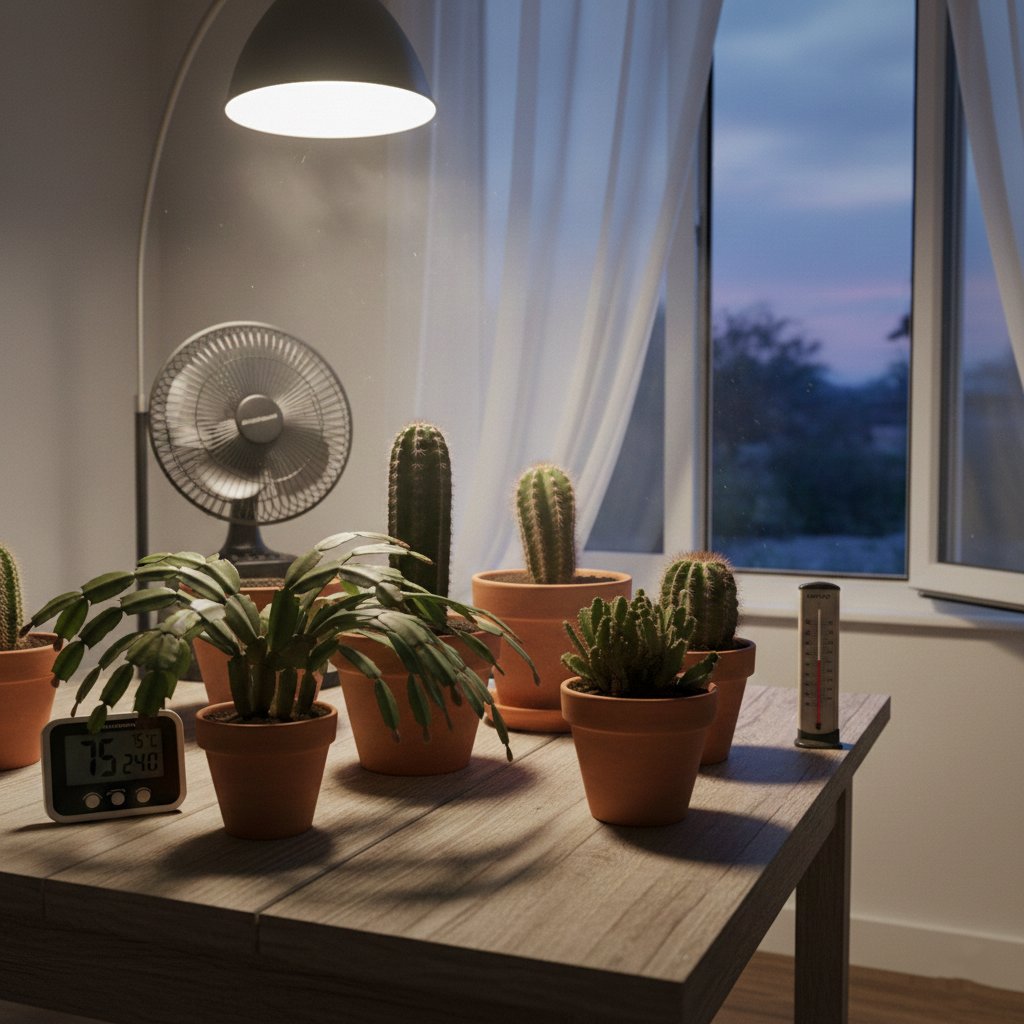
Cacti rely on natural day and night temperature differences to form buds. When temperatures stay too uniform, blooming can stall. Most desert cacti prefer warm days of 70°F–90°F (21°C–32°C) and cooler nights around 50°F–60°F (10°C–16°C).
If your cactus is indoors, lack of airflow and consistent temperatures can block this thermal cue. Move it to a cooler room during the night or near a slightly open window if outdoor conditions are mild. For Schlumbergera, slightly cooler nighttime temperatures around 55°F (13°C) after the rest period help bud formation.
Avoid exposing the plant to cold drafts or sudden temperature drops below 40°F (4°C). Such shock can stress the cactus, damaging cells that would otherwise support blooming.
Improper Watering Practices
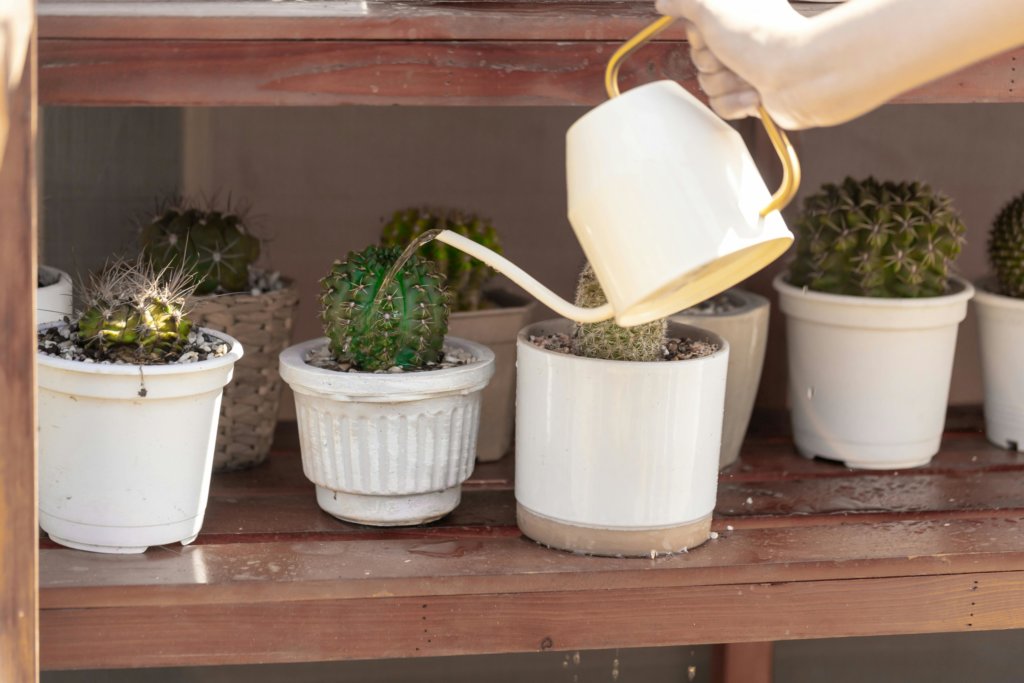
Watering patterns strongly influence whether your cactus can bloom. Both overwatering and underwatering cause stress that stops bud development. Overwatering leads to root rot, while letting soil remain too dry for extended periods limits nutrient transport.
Always use well-draining soil and containers with drainage holes. Clay or compacted soil traps moisture, suffocating roots. For most cacti, soaking the soil thoroughly and letting it dry before watering again works best.
During dormancy, cut watering back sharply. Resume normal watering when new growth appears. Schlumbergera needs a bit more moisture than desert cacti but still requires drainage. Keeping the balance between moisture and dryness gives your cactus the best chance to produce healthy blooms.
Specific Care Requirements for Holiday and Seasonal Cacti
Holiday cacti thrive when you understand their species differences, nutrient balance, environmental needs, and proper potting conditions. Their health and flowering depend on details like day length, humidity levels, and how well the soil drains after watering.
Identifying Christmas, Thanksgiving, and Easter Cactus
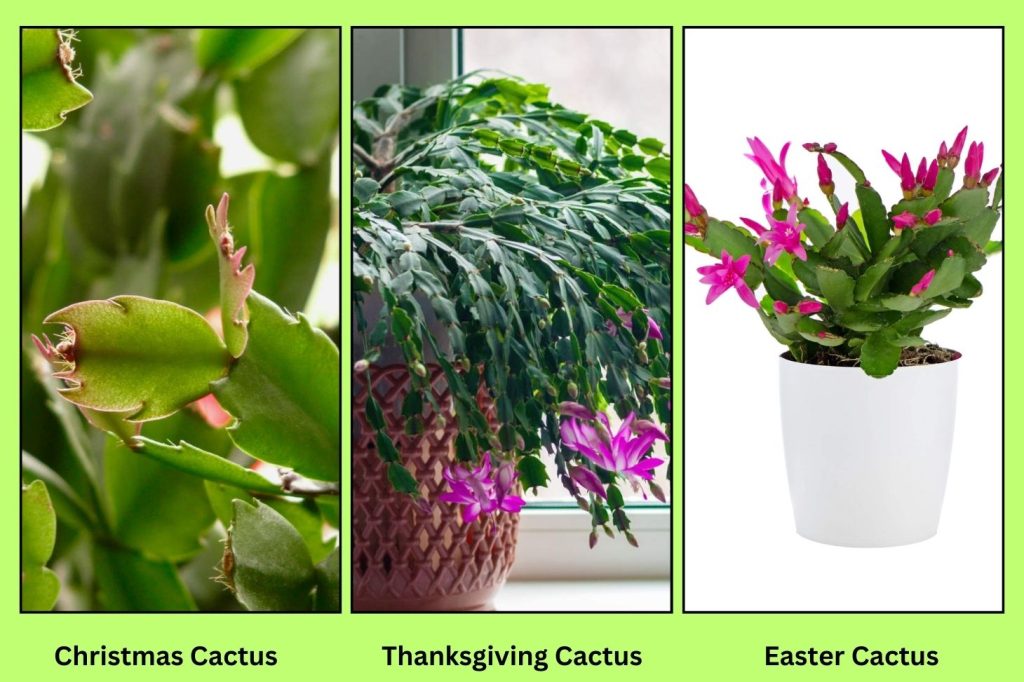
Though all belong to the same broad family, each type of Schlumbergera or Hatiora cactus has distinct traits. The Thanksgiving cactus (Schlumbergera truncata) has pointed, claw-like segments and is the one most often sold as “Christmas cactus,” typically blooming from late November to late December. The true Christmas cactus (Schlumbergera × buckleyi) has rounded, scalloped segments and blooms later, usually in January. The Easter cactus (Rhipsalidopsis gaertneri, sometimes Hatiora gaertneri) has segments with very rounded edges and produces star-shaped flowers in spring (March–May).
You can identify them by bloom time and the shape of their joints. Schlumbergera truncata prefers slightly cooler night temperatures before blooming, while Hatiora gaertneri responds better to gradual light changes. Knowing which type you have helps you time watering, darkness periods, and feeding schedules more precisely.
Labeling the pot or noting bloom timing helps you avoid confusion. Accurate identification lets you align the plant’s rest, light, and temperature cycles with its natural rhythm.
Nutrient and Fertilizer Considerations
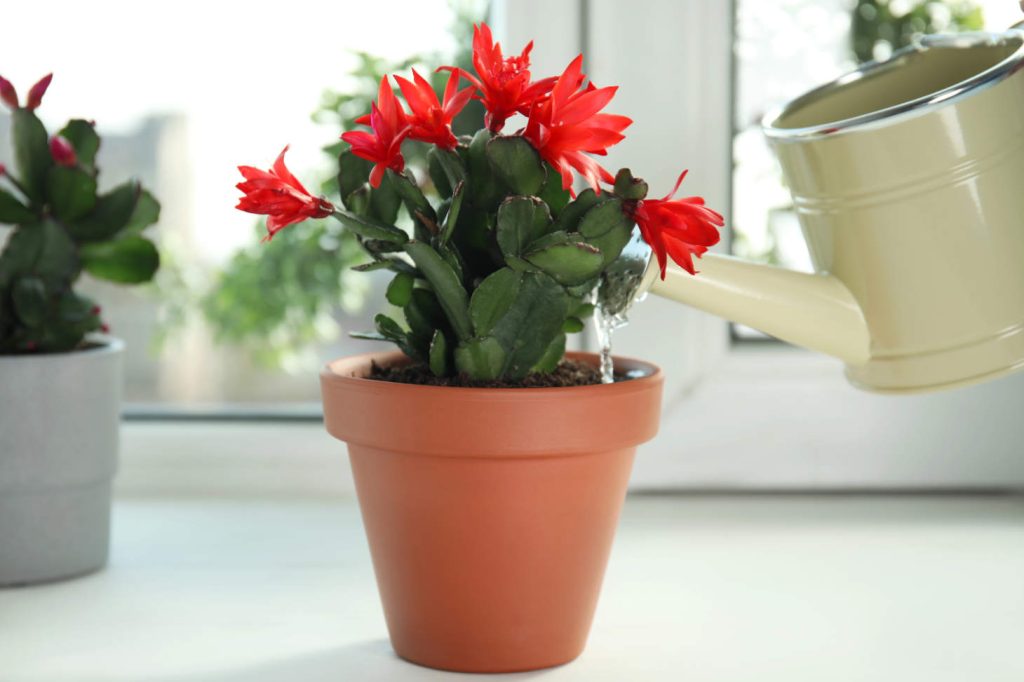
Holiday cacti need nutrients in moderation. Use a balanced, water-soluble fertilizer such as 10-10-10 or 20-20-20 diluted to half strength. Feed about once a month from spring through summer. Stop fertilizing by late summer (August) or switch to a low-nitrogen formula to encourage flower formation.
Too much nitrogen leads to soft, leafy growth instead of buds. Phosphorus supports bloom development, so formulas labeled for flowering plants can help before the budding stage. To prevent damaging salt buildup, flush the potting mix thoroughly with clean water occasionally, and repot every two to three years.
If growth slows or leaves turn pale, you may need trace elements like magnesium. Mixing a small amount of Epsom salt (1 teaspoon per gallon of water, monthly) can correct this deficiency without overfeeding.
Humidity and Airflow Needs
Unlike desert cacti, these tropical epiphytes prefer moderate humidity. Aim for 50% to 60% humidity around your plants. Dry indoor air from heating systems can cause bud drop. A humidifier or a tray of water with pebbles underneath the pot keeps conditions stable.
Good airflow matters as much as moisture. Stale or stagnant air encourages fungal issues on stem joints. Keep the cactus near a window with light air movement but away from strong vents.
Mist lightly in the morning during dry months, but avoid leaving water sitting on the leaves overnight. Consistent humidity is vital, but cooler nights and a period of reduced light or water are the signals for the plant to set its buds and bloom.
Pot Size and Soil Drainage
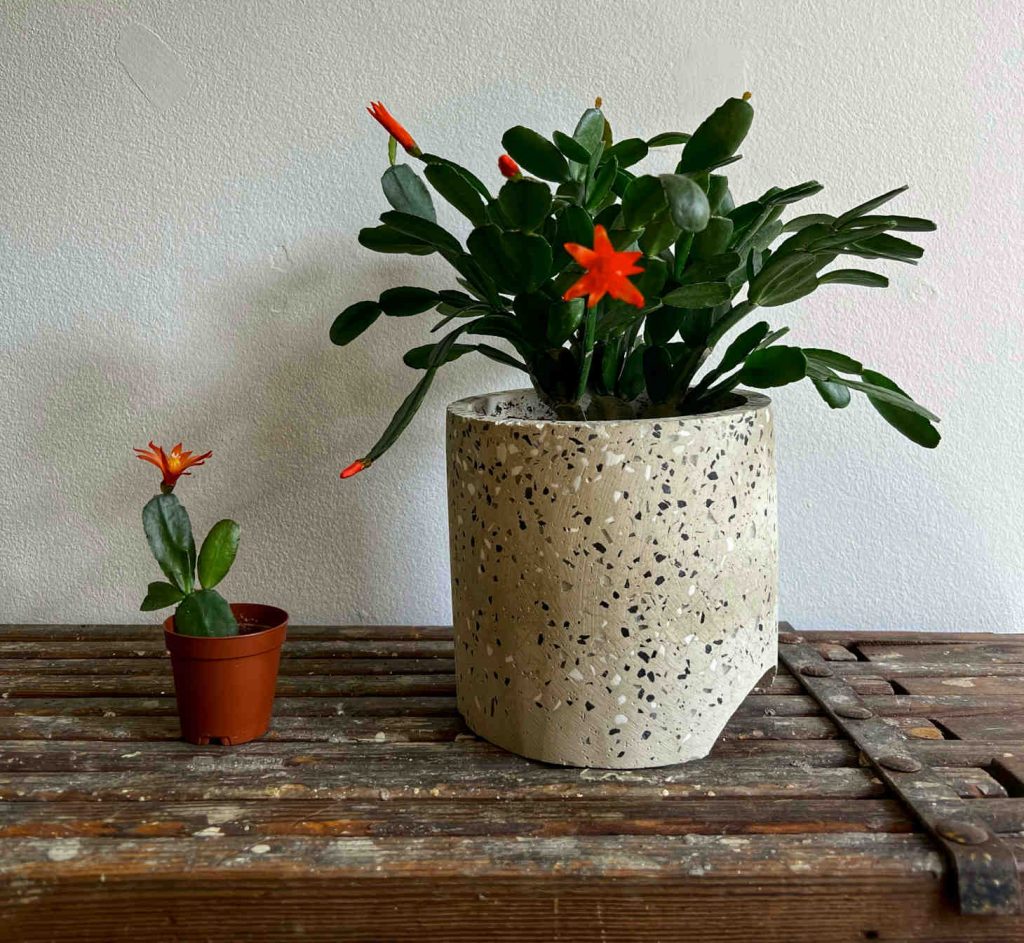
Proper potting prevents root rot and nutrient loss. Choose a pot 1 to 2 inches wider than the root ball for small plants, or 2 to 4 inches wider for larger ones. Too large a container holds excess moisture, stopping bloom formation. A pot with drainage holes is essential to release extra water.
The best soil mix is porous and lightweight. Combine components like peat/coco coir (for moisture), perlite (for aeration), and compost (for nutrients) for best results. The soil pH should stay slightly acidic, around 5 to 6.5.
Check the drainage regularly. After watering, allow the top inch of soil to dry before rewatering. If you notice yellowing stems or saggy leaves, test for compacted soil or poor aeration. Re-potting every 2–3 years in fresh medium refreshes roots and encourages steady, healthy flowering.
Environmental and Biological Factors Affecting Blooms
Healthy cactus blooms depend on the plant’s age, growing conditions, and resistance to stress. Factors like maturity, pests, and changing seasons all influence whether buds form and open properly. Simple adjustments to care can often make a major difference in bloom success.
Cactus Maturity and Blooming Age
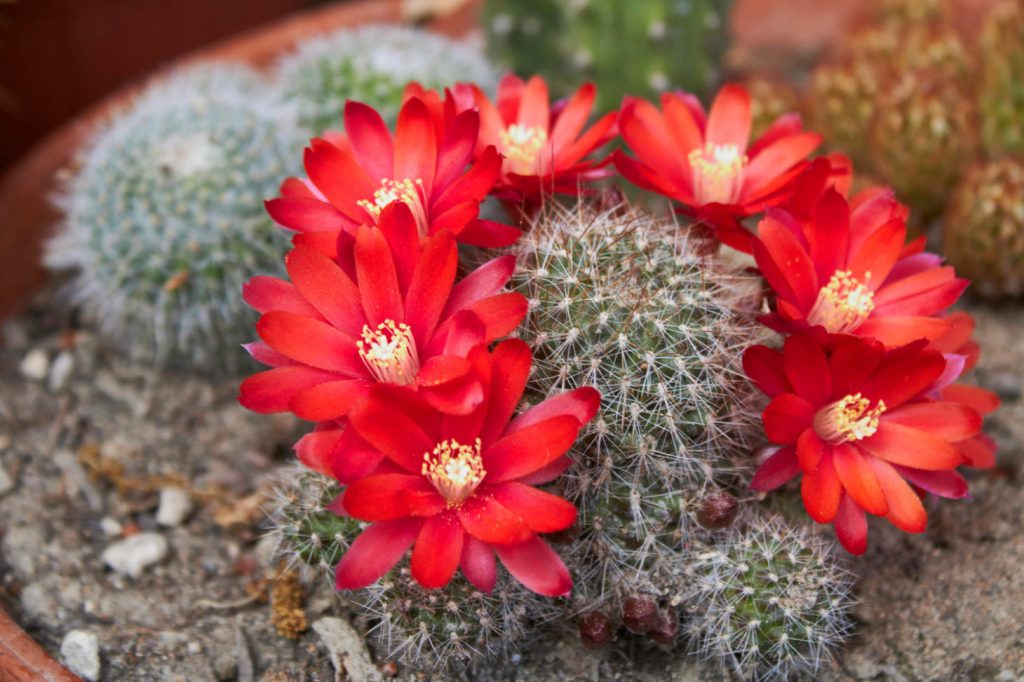
Most cactus species need to reach a certain age before producing flowers. A young cactus, even with good care, may not have the stored energy or root development to bloom. Some species bloom after only 2–3 years, while others may take 5–10 years or longer.
If you grow your cactus from seed or a small cutting, you may wait several years before seeing its first bloom. Established plants bought at garden centers tend to bloom sooner because they are mature. Make sure the cactus grows in well-draining soil so roots stay healthy and strong enough to support flowering.
Limiting fertilizer during the winter and allowing rest helps the plant build up reserves. When the cactus gets enough sunlight and reaches blooming age, it can redirect energy from growth to flower production.
Pest or Disease Issues
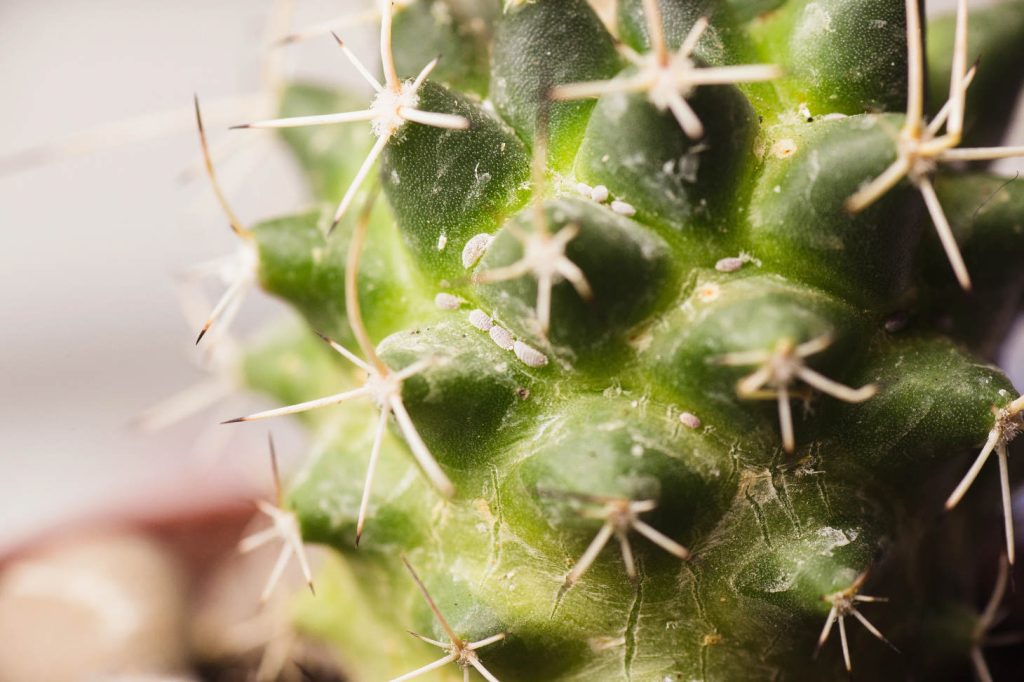
Pests like mealybugs, spider mites, or scale insects can interfere with blooming by feeding on the plant’s tissues. They stress the cactus, weaken its structure, and may prevent buds from forming. You might see white cotton-like spots or tiny moving dots on the stems. Early detection is important because infestations grow quickly.
Fungal infections from overwatering or poor drainage also cause root rot, which interrupts the plant’s nutrient uptake. Once roots decay, blooms rarely appear. Using a sterile potting mix and watering only when the soil is completely dry helps reduce disease risk.
If pests or fungus appear, isolate the plant and treat it with insecticidal soap or a diluted alcohol solution. Infections that persist may require repotting in fresh, well-draining soil. Maintaining clean growing conditions supports consistent blooming cycles.
Impact of Seasonal Changes
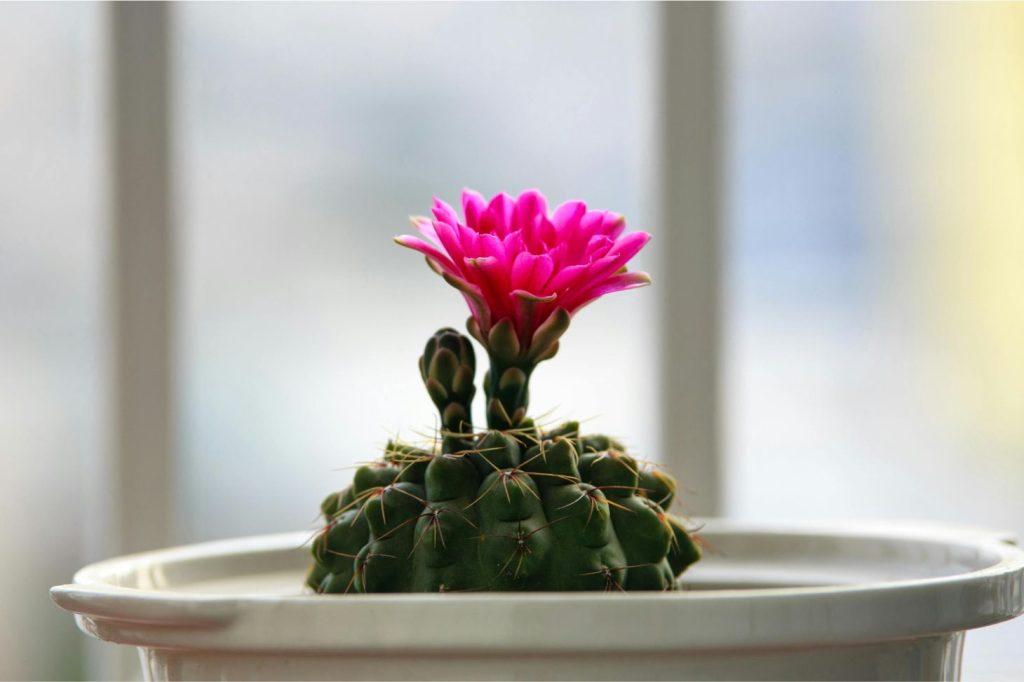
Cacti depend on seasonal temperature and light changes to trigger blooming. Many desert varieties form buds when days get longer and nights stay slightly cooler. This small difference between daytime warmth and nighttime chill imitates natural desert patterns.
In low-light indoor settings, a cactus might not receive the sunlight it needs to bloom. Place it near a bright window or use a grow light for 10–12 hours daily. Reduced daylight in winter often signals dormancy, allowing the plant to rest before spring growth.
Indoor heating or constant temperatures can confuse the plant’s seasonal rhythm. Try to keep nighttime temperatures a few degrees lower than daytime. By recreating natural cycles of light, warmth, and rest, you give your cactus the environmental cues it needs to set buds and produce flowers.