Saguaro Cactus Care In Pots
Caring for a saguaro cactus in a pot takes patience and a clear understanding of its needs. These desert icons can live for decades and grow large, but when young, they adapt well to containers. You can keep a potted saguaro healthy by providing the right pot, soil, light, and watering schedule.
A potted saguaro thrives when you mimic its desert environment. That means bright light, well-draining soil, and infrequent watering. The right setup protects it from root rot and helps it grow strong without stress.
As you learn how to select a proper pot, support good drainage, and time repotting, you’ll see how small choices shape long-term success. A few smart steps today ensure your cactus stands tall and healthy for years.
Choosing the Right Pot for Saguaro Cactus
Your saguaro cactus needs a stable pot with excellent drainage to prevent root rot, accommodating its shallow, wide-spreading roots. Clay or ceramic materials help control moisture, while the pot’s size and shape must adapt to your cactus’s growth over time.
Selecting Pot Size by Growth Stage
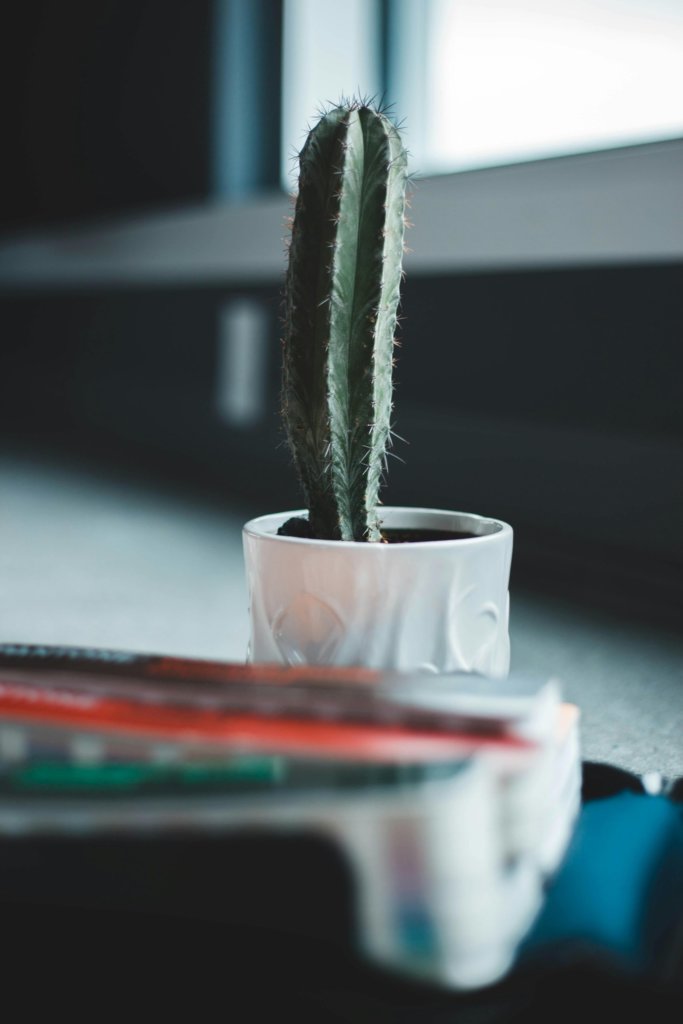
Young Carnegiea gigantea plants grow slowly, so start with a pot about 1–2 inches wider than the cactus’s base. This gives roots enough space without trapping extra moisture. A smaller size also keeps soil from staying damp too long, which helps prevent root rot.
As your saguaro matures, move it to a deeper pot that allows for stronger vertical root growth. While saguaros have a shallow, wide-spreading root system for absorbing water, a deeper container is essential for stability and developing strong anchoring roots. Using a deeper container every few years reduces transplant stress.
When the cactus reaches several feet in height, select a pot large enough to support added weight and root spread. Deep clay pots often work best because they let roots grow downward while maintaining balance. Avoid pots that are either too shallow or too wide, as they can lead to instability and uneven drying.
Best Pot Materials for Saguaro
Pot material affects both drainage and temperature. Unglazed clay (terra cotta) is often recommended because it allows air to move through the sides and helps water evaporate evenly. This airflow keeps roots from sitting in wet soil for too long.
Ceramic and concrete pots are also solid options if they have drainage holes. These heavier materials help steady top-heavy cacti as they get taller. Plastic pots, while lightweight and inexpensive, tend to trap moisture and heat, which can damage roots.
Metal or glass containers are poor choices because they retain heat or restrict air movement. Choose materials that match your climate; non-porous pots (like plastic) can be better in hot, dry regions, as clay may dry out too quickly.
Ensuring Pot Stability
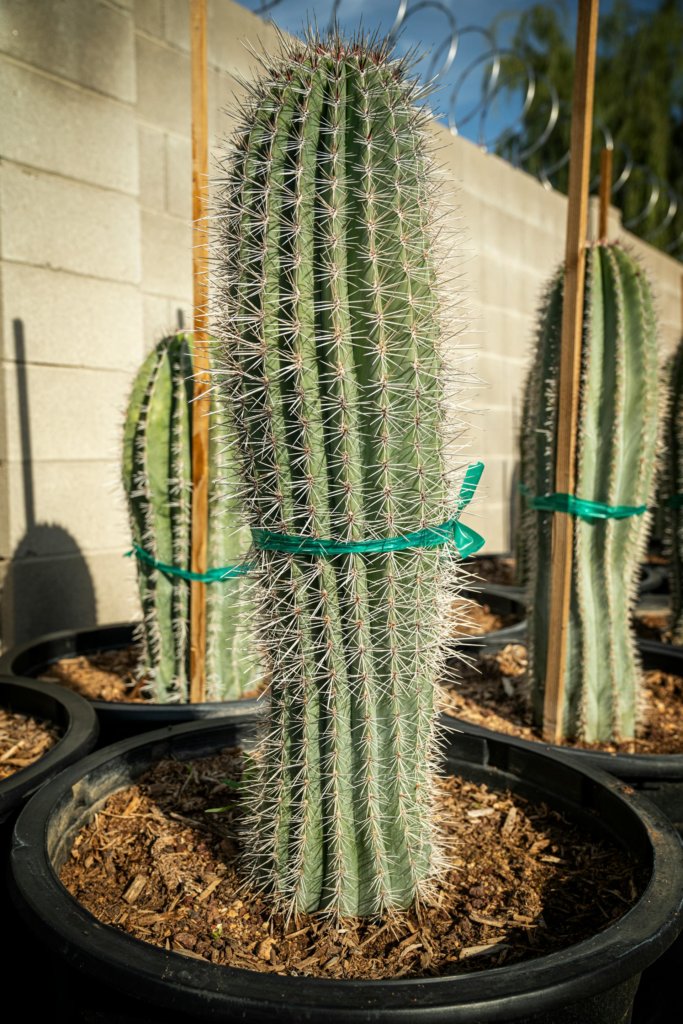
A mature saguaro grows tall and heavy, so you must use a pot that will not tip easily. A broad base and heavy material add stability and prevent accidents. Clay or concrete pots help anchor the cactus, especially if placed outdoors where wind may cause sway.
Avoid placing a tall cactus in a lightweight or narrow pot, as it can lean or fall with minor movement.
For very tall specimens, you can place the pot in a heavier outer container or secure it within a decorative planter. Stability is more than just appearance, it’s key to keeping your saguaro cactus safe and growing upright.
Soil and Drainage Essentials
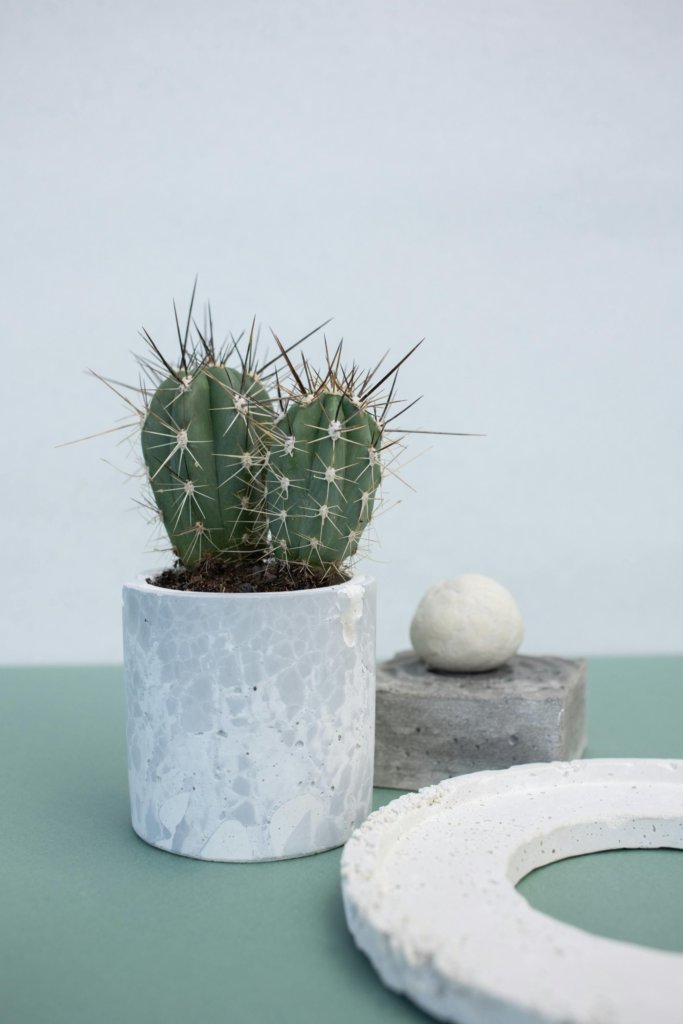
Your potted saguaro cactus depends on a soil mix that drains quickly and prevents excess moisture from surrounding its roots. Proper drainage holes and a carefully chosen mix of coarse materials help your plant maintain the dry conditions it needs to stay healthy.
Importance of Drainage Holes
Drainage holes let extra water escape instead of pooling at the bottom of the pot. Without them, water can build up and suffocate the roots. Standing water also leads to fungal growth, which damages the plant’s base.
Choose a pot made of clay or terracotta because these materials dry faster than plastic. Make sure each container has at least one clear and open hole at the bottom. If water drains slowly, check that the hole is not blocked by soil or roots.
Do not add a layer of pebbles or gravel at the pot’s base; this practice raises the water level in the soil, hindering drainage. Proper water control is achieved primarily through a suitable, well-draining soil mix.
Optimal Soil Mix for Saguaro
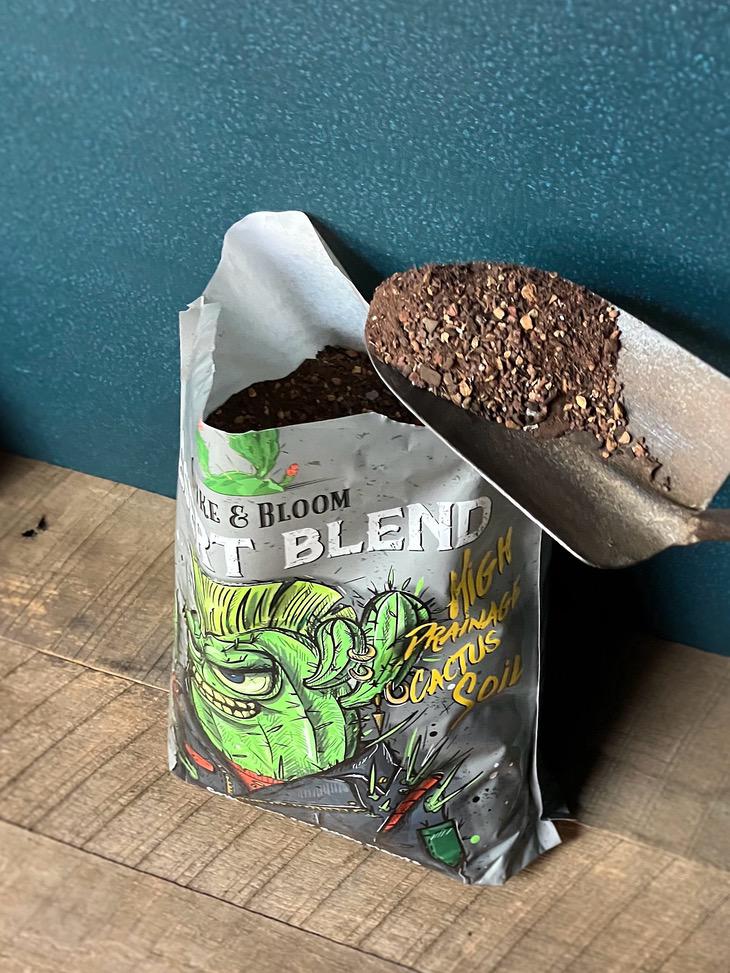
A saguaro cactus prefers dry, open soil with fast drainage. Use a blend that mimics desert ground: gritty, loose, and low in organic matter. A simple mix might be:
| Ingredient | Ratio | Purpose |
|---|---|---|
| Porous mineral (Pumice/Perlite) | 2 parts | Ensures rapid drainage and aeration |
| Coarse sand/Grit | 1 part | Improves drainage and provides weight |
| Potting mix (Low-peat, if possible) | 1 part | Provides minimal nutrients and structure |
Avoid heavy garden soil because it traps water. If you buy commercial cactus soil, check that it lists coarse sand, perlite, or pumice as main ingredients.
When potting, fill the container loosely so air can move through the soil. Compacting it too tightly restricts flow and causes moisture buildup near the roots.
Preventing Root Rot
Root rot starts when the roots sit in damp soil for too long. To reduce risk, water only when the potting mix has completely dried out all the way through the pot. Check by pressing your finger into the mix or using a moisture meter.
If the base of the cactus looks dark or soft, remove the plant and inspect the roots. Trim any brown or mushy parts with clean scissors. Then replant in fresh, dry cactus soil.
Temperature and airflow also help. Keep the pot in a warm, bright area with good ventilation so moisture can evaporate after watering. By maintaining dryness between waterings and using a well-draining mix, you protect your cactus from decay and long-term stress.
Core Saguaro Cactus Care in Pots
A healthy saguaro cactus (Carnegiea gigantea) depends on strong light, careful watering, and balanced nutrients. Consistent attention to these basics helps the plant grow steadily and prevents rot or stress common in indoor or container settings.
Light and Temperature Needs
Saguaro cacti require full sun for optimal growth, typically needing 8 to 12 hours daily. Place your pot in a south-facing window or an outdoor area with bright light, but acclimate new plants to prevent sunburn. When growing indoors, rotate the pot every few weeks so light reaches all sides evenly.
Keep temperatures between 65°F and 95°F (18°C–35°C) during the day. In winter, cooler temperatures above 23°F (-5°C) promote rest; keep them dry. Avoid cold drafts, sudden temperature drops, or placing the plant too close to windows where frost may form.
If you live in a cooler climate, move the cactus indoors when nighttime temperatures fall below 50°F (10°C). Supplemental lighting from a grow lamp can help maintain healthy growth when sunlight is limited.
Watering Schedule and Techniques
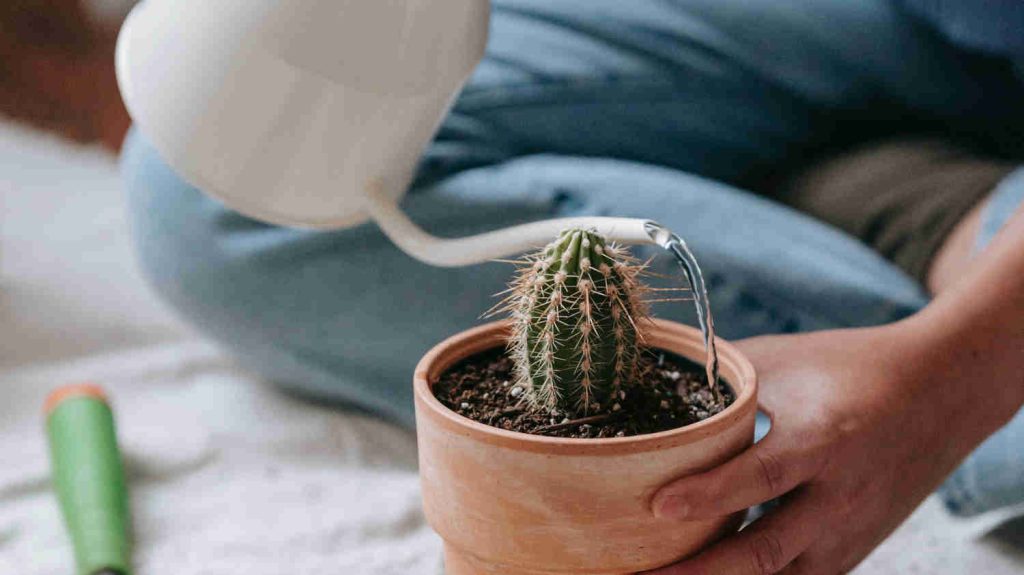
Watering is the most critical part of cactus care in pots. A saguaro cactus stores water in its stem and does not need frequent watering. Check the top 2–3 inches of soil; water only when completely dry.
Use the soak-and-dry method: pour water slowly until it runs out of the drainage holes, then let the soil dry fully before watering again. This prevents root rot, a common issue in compacted or overly wet soil.
In the active growing season (warm months), the watering frequency will depend on the environment and soil composition, but typically ranges from 3 to 4 weeks. During winter dormancy, reduce watering to once every 6 to 8 weeks or skip it entirely if the cactus shows no signs of shrinking. Always empty saucers under the pot to keep roots from sitting in water.
Fertilizing During Growth Season
Saguaros grow slowly and require minimal nutrients. During the spring and summer growing season, a light feeding can support development, especially for potted or young plants. Use a liquid cactus-specific fertilizer with a low-nitrogen formula (e.g., 5-10-10 or 2-7-7). Apply it once every 4–6 weeks.
Avoid high-nitrogen fertilizers as they can encourage weak, fast growth. Mix fertilizer at half the recommended strength and apply after watering to reduce root burn.
Always skip fertilizing if the cactus looks stressed or freshly transplanted.
Common Health Issues and Prevention
Several issues can appear when growing saguaro cacti in pots, but most are preventable with proper care. Root rot occurs from poor drainage or overwatering. Use pots with a single, effective drainage hole or multiple holes, and plant the saguaro in a well-draining, gritty mix. Soft, darkened bases signal excess moisture.
Sunburn can happen if you move a cactus too quickly from shade to sunlight. Introduce more light gradually over a week. Watch for pale patches or a rough texture on the surface.
Pests like mealybugs or scale insects sometimes appear indoors. Remove them with a cotton swab dipped in rubbing alcohol or use insecticidal soap as needed. Keep the pot clean and inspect your cactus regularly for small changes in color or firmness.
Repotting and Long-Term Maintenance
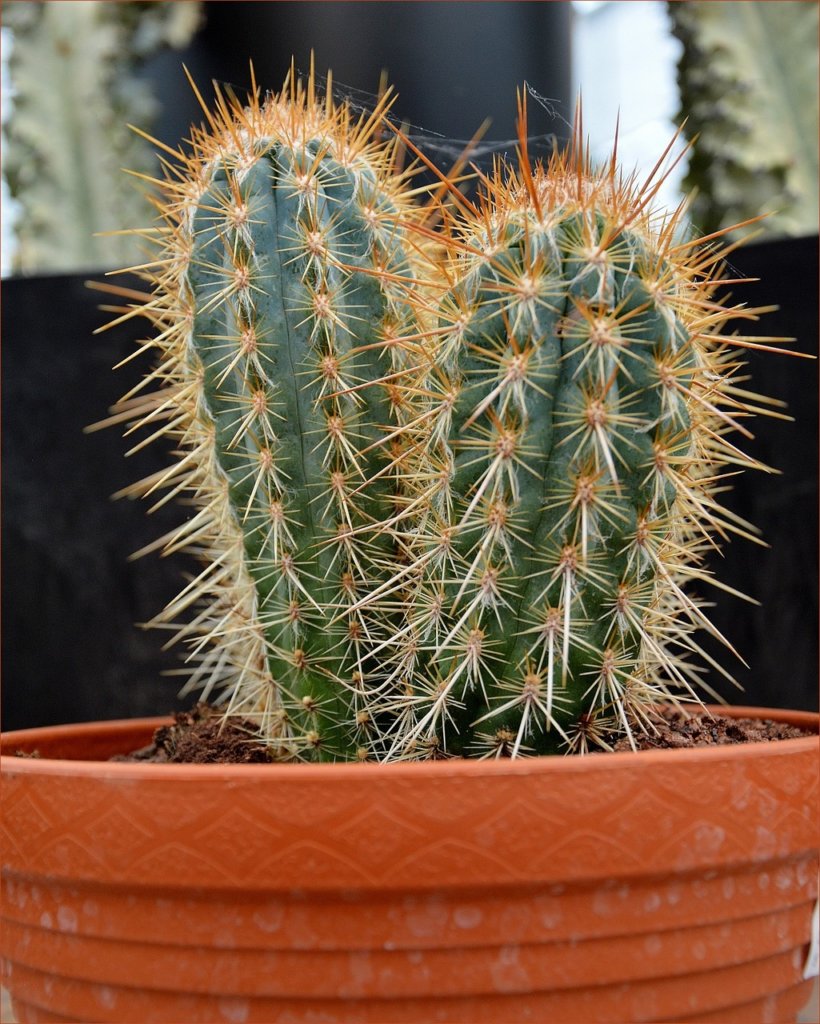
Healthy potted saguaros need proper space for their roots and steady support as they grow taller and heavier. Good soil drainage, a sturdy container, and careful handling help prevent stress and keep the cactus stable over time.
When and How to Repot
Repot your saguaro when roots start growing through drainage holes or circle tightly inside the pot. These signs mean the cactus has outgrown its space. Repotting every 3–5 years refreshes the soil and allows new root growth.
Wear thick gloves or wrap the cactus with several layers of newspaper to protect your hands. Use a well-draining cactus mix that contains materials like pumice, perlite, and coarse sand. Gently loosen the roots but avoid damaging them. Place the cactus in a pot that’s only 1–2 inches wider than the old one, ensuring there’s firm but not compacted soil around the base.
After repotting, wait 7–10 days before watering to reduce rot risk. Keep the plant in bright, indirect sunlight until it settles, then return it to full sun. This slow adjustment prevents shock and supports steady recovery.
Supporting Mature Saguaro in Pots
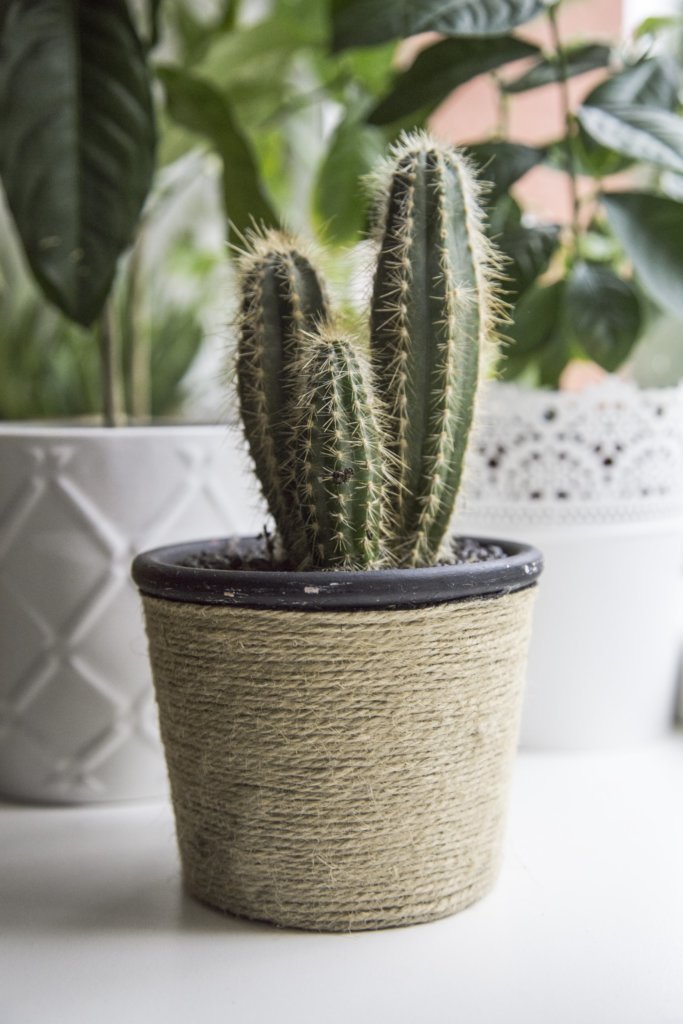
A mature potted saguaro can weigh hundreds of pounds, making stability essential. Choose a heavy, wide-based pot such as clay or concrete to prevent tipping. Place the pot in a location sheltered from strong wind or vibration.
As the cactus grows, use wood or metal stakes to support its upright position. Pad contact points with soft material, like rubber or cloth, to avoid bruising the skin. Periodically check that stakes or ties are not restricting growth.
Keep the soil healthy by removing any surface salt buildup and refreshing the top layer (top dressing) every few years to replace lost nutrients. Maintain an infrequent watering schedule appropriate for desert plants, and provide full, direct sunlight to ensure strong, balanced growth.