
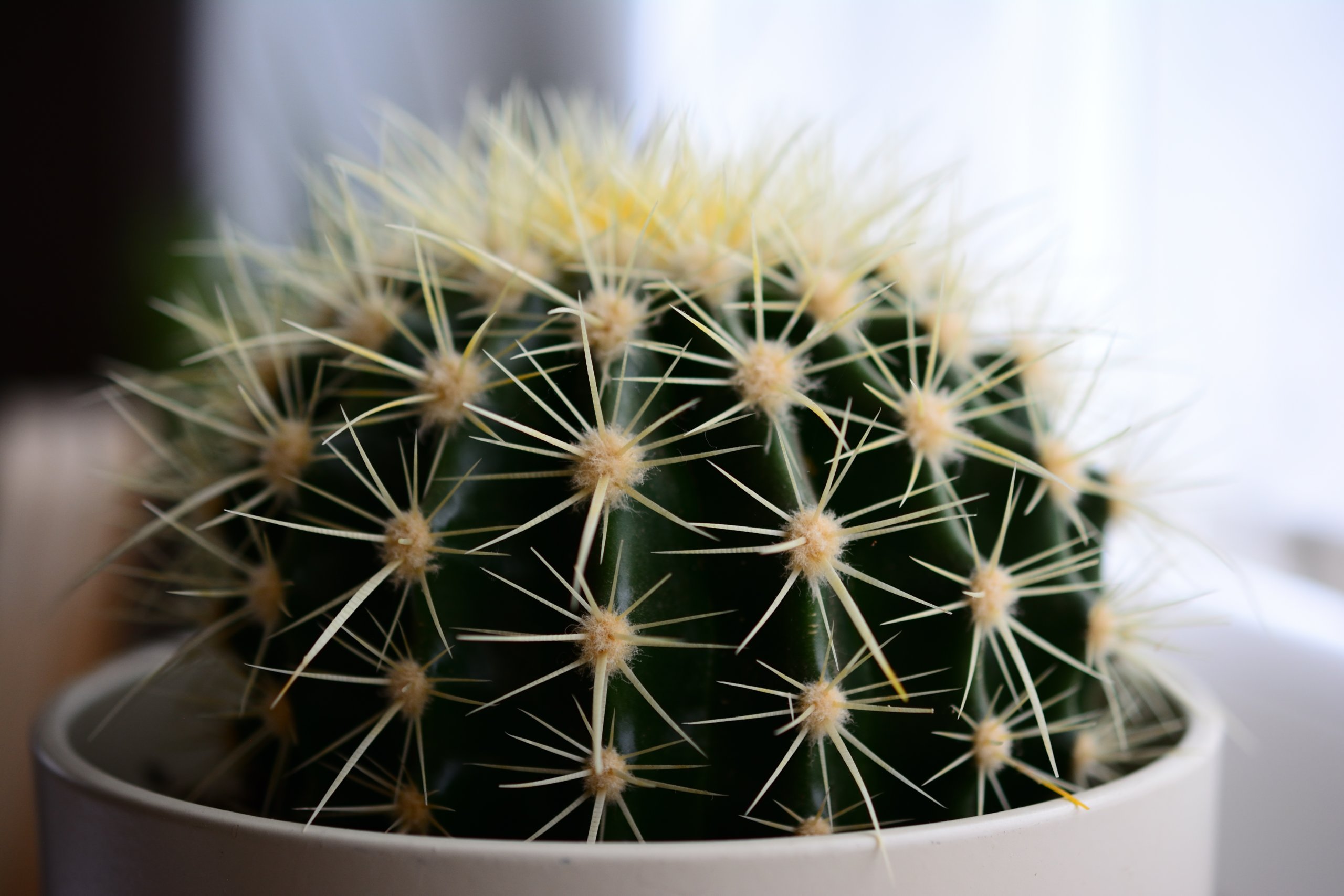
How To Care For Globular Cactus
A globular cactus adds a neat, sculpted look to any space. Its rounded shape and slow growth make it easy to manage and long-lasting with the right care. To keep a globular cactus healthy, give it bright light, well-draining soil, and just enough water to prevent shriveling without causing rot.
You can grow these cacti indoors near a sunny window or outdoors in dry, warm areas. They prefer soil that drains fast, such as a mix made for cacti. Overwatering is the main cause of problems, so let the soil dry before you water again.
Healthy globular cacti reward you with firm stems and sometimes small flowers if given proper light and care. With the right setup and a consistent routine, you can enjoy their simple beauty for years.
Key Takeaways
- Provide strong light, dry soil, and careful watering.
- Choose well-draining pots and soil for steady growth.
- Watch for pests and adjust care to keep the cactus firm and colorful.
Fundamental Care Requirements for Globular Cactus
Globular cacti stay healthiest when they receive strong light, limited yet consistent water, and a stable, warm environment. Their care depends on recreating the dry conditions of their native desert habitats while preventing excess moisture that leads to root rot.
Ideal Light Conditions
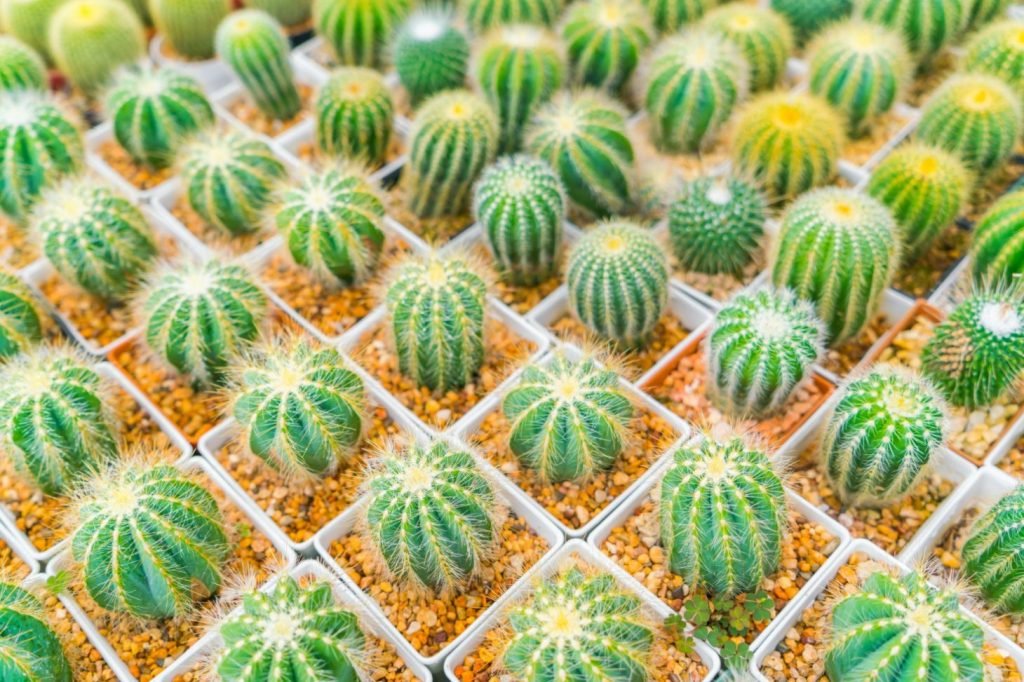
Provide bright, direct sunlight for several hours daily. A south-facing window works well for indoor globular cacti, while outdoor plants thrive in open, sunny spots. Insufficient light causes etiolation, or stretching, which distorts their spherical form and weakens growth.
Rotate your plant every few weeks so all sides receive equal light. When moving it outdoors, gradually increase sun exposure to prevent sunburn. Light intensity changes can stress the plant, especially after prolonged indoor growth.
If you live in low-light areas, use a full-spectrum grow light for 12–14 hours a day. Keep the light about 6–12 inches above the cactus for the best effect. Aim for a visual cue, firm, compact growth with even color signals proper light conditions.
Watering Best Practices
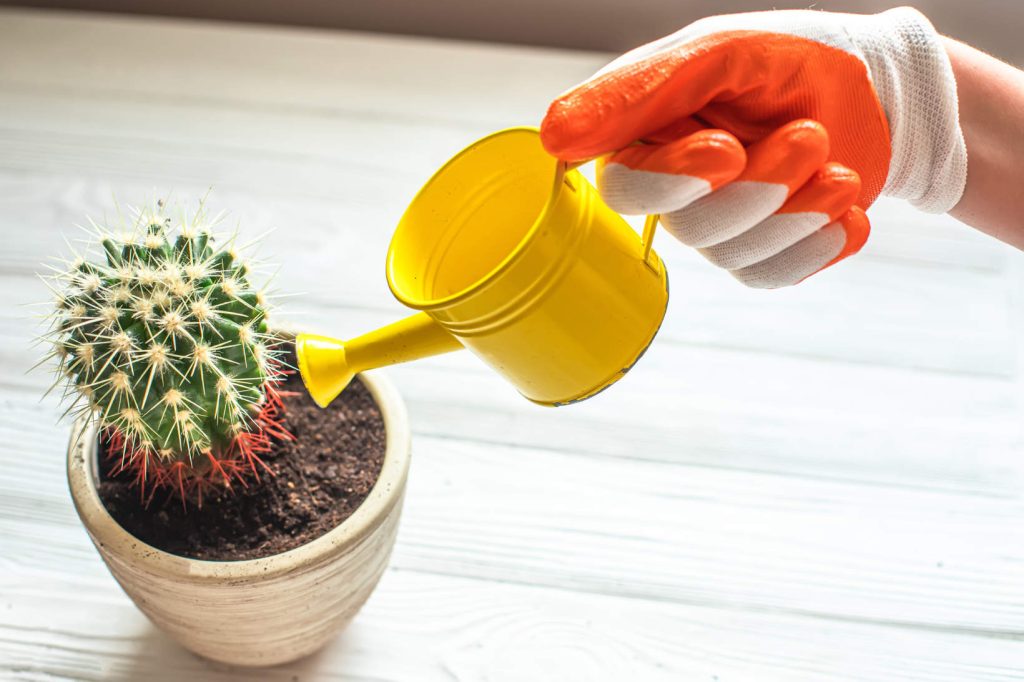
Watering globular cacti correctly prevents root damage and supports steady growth. Always let the soil dry completely between waterings. Deeply soak the potting mix, then drain excess water so roots do not sit in moisture.
Use a gritty, fast-draining mix that combines coarse sand, perlite, or pumice with cactus soil. This texture mimics desert ground and limits rot risk. During the growing season (spring to early fall), watering every 2–4 weeks is often enough.
In winter, when growth slows, reduce watering to once every month or less. The cactus stores moisture in its tissues, so less frequent watering supports its natural rest phase. If the plant shrinks slightly in winter, it usually signals normal dormancy, not dehydration.
Temperature and Humidity Needs
Globular cacti, part of the Cactaceae family, prefer warm and dry conditions. Keep daytime temperatures between 70–90°F (21–32°C) and night temperatures above 50°F (10°C). These ranges encourage healthy photosynthesis and flowering.
Avoid cold drafts or areas near air conditioners. Extended exposure below 40°F (4°C) can damage tissue. In humid climates, ensure good air circulation around the plant to reduce fungal risk. Use a small fan or open window for airflow indoors.
Low humidity suits these cacti best. Levels between 20–40% are typical of desert cacti environments. When growing them as houseplants, choose a bright, dry room such as a sunny windowsill, greenhouse, or ventilated terrace.
Soil, Potting, and Planting Techniques
Proper soil, containers, and care during planting determine how well your globular cactus adapts and grows. Using the right mix and pot prevents rot, supports root health, and provides the right balance between moisture and airflow.
Choosing Fast-Draining Soil
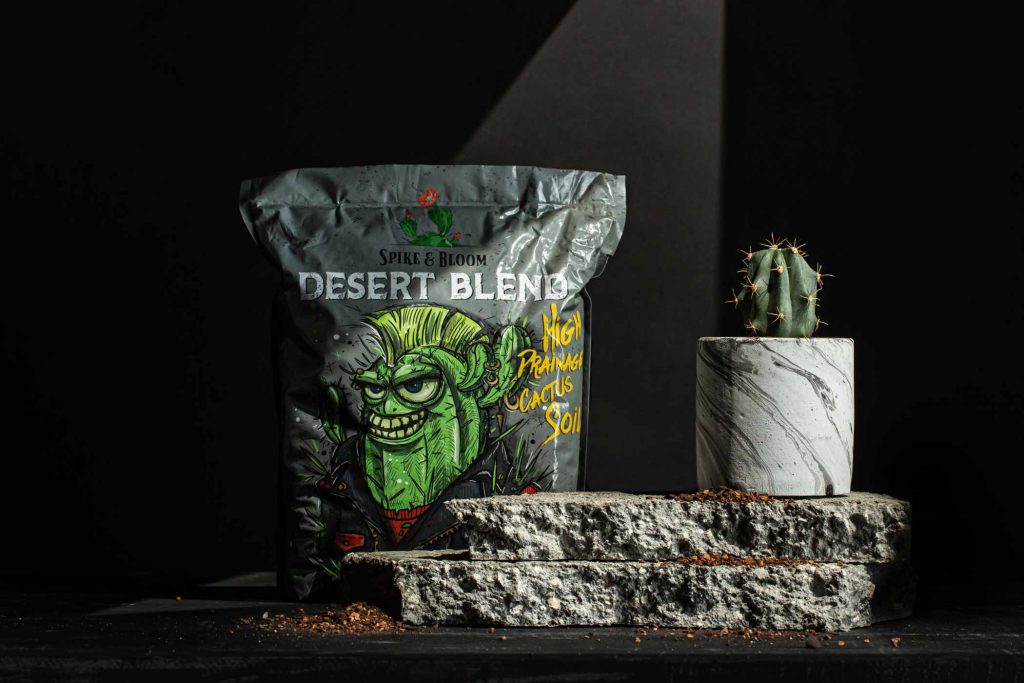
Globular cacti require highly porous, mineral-rich soil to prevent root rot. Use a mix of 70%–80% inorganic grit (pumice, perlite, or poultry grit) and only 20%–30% organic base (well-screened potting soil).
Avoid standard garden soil. It holds too much moisture. If you grow your cactus outside in a cactus garden, amend native soil with perlite or pumice to improve drainage. A small amount of organic matter, such as composted bark, adds nutrients without trapping excess water.
| Component | Purpose | Ratio |
|---|---|---|
| Pumice or Perlite | Aeration and Drainage | 2-3 parts |
| Horticultural Grit | Weight and Structure | 1 part |
| Potting soil | Nutrients | 1 part |
Let the mix stay slightly dry between waterings so the roots stay healthy and firm.
Selecting and Preparing Pots
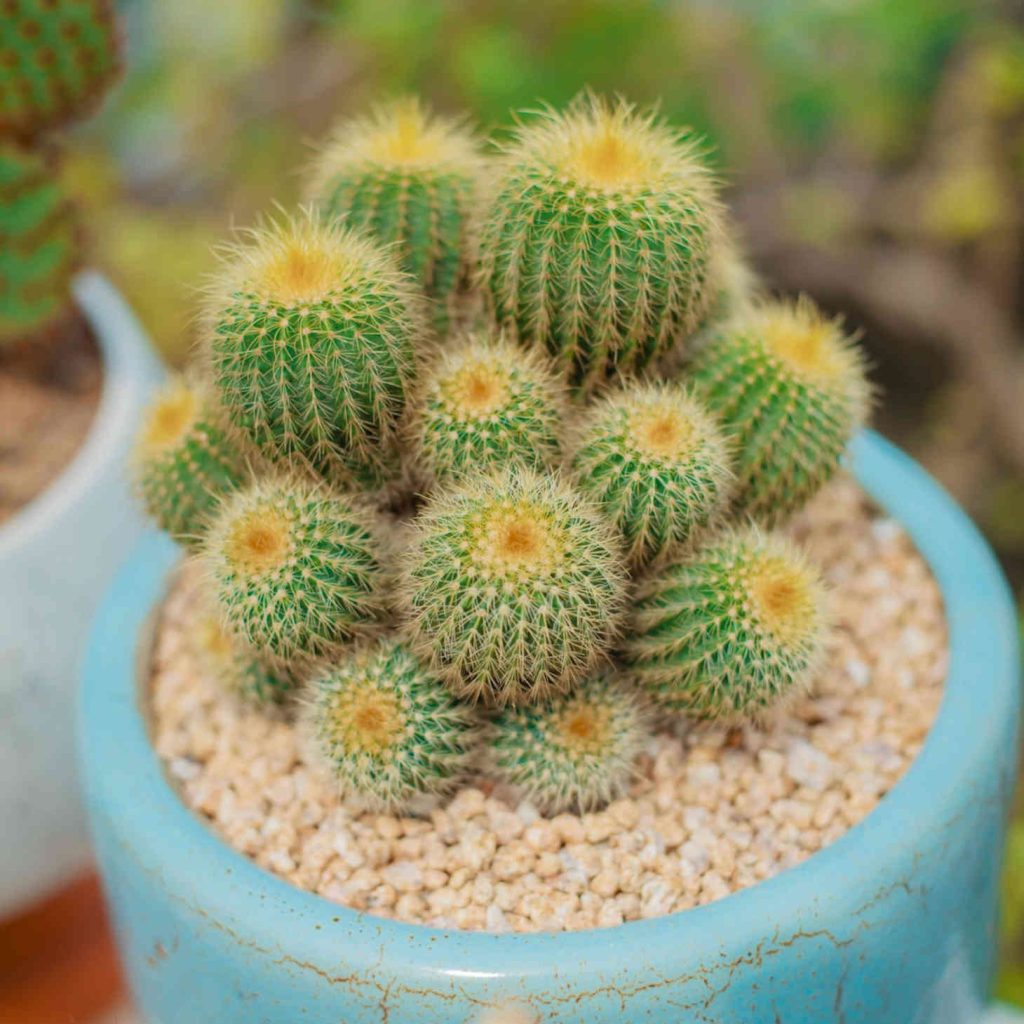
Choose a container that allows roots to breathe and water to escape. Unglazed clay or terracotta pots release moisture faster than plastic ones. Each pot must have at least one drainage hole. If it doesn’t, drill one before planting.
Pick a pot that’s about 1 to 2 inches wider than the cactus itself. Too large a pot keeps soil wet for too long. For small globular cacti, shallow pots often work best.
Avoid placing gravel at the bottom; instead, use a mesh screen over the hole to keep soil in while allowing water to flow freely. Always sterilize reused containers to prevent fungal problems.
Replanting and Transplant Tips
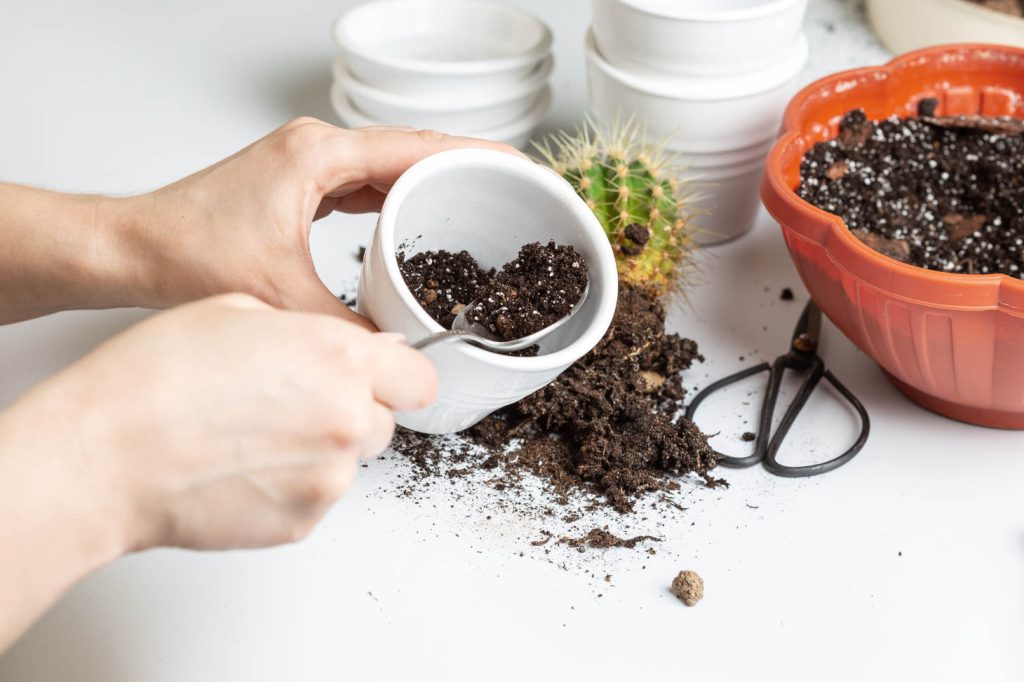
Replant your cactus every two to three years or when it outgrows its pot. Use gloves or folded paper to handle the plant safely. Remove it gently, keeping the roots intact. Trim any mushy or rotted roots, then allow the cactus to air-dry for several days until the cuts callous over.
When placing the cactus into its new pot, position it at the same depth as before. Fill around it with fresh cactus potting mix, firming the soil lightly without compacting it.
Avoid watering right after transplanting. Wait 5–7 days, giving roots time to callous and adjust. Then resume light watering in small amounts. With good soil and careful handling, your cactus will quickly establish and continue growing healthily.
Fertilization, Propagation, and Maintenance
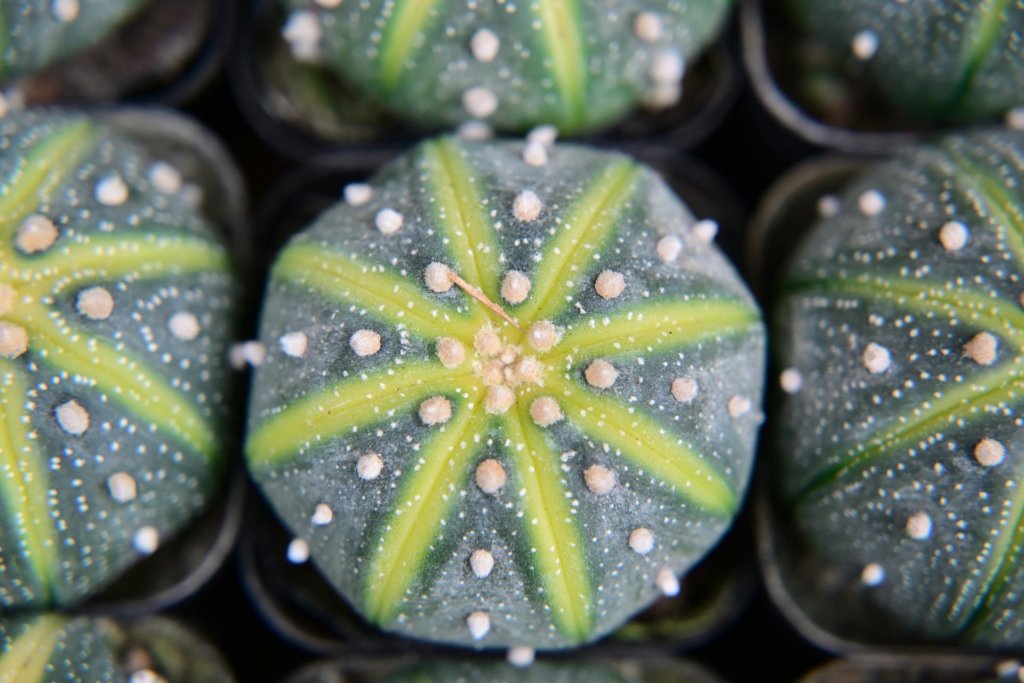
Healthy globular cacti depend on proper feeding, controlled reproduction, and consistent upkeep. You maintain growth and prevent problems by using balanced or low-nitrogen fertilizer, propagating carefully, and removing damaged parts when needed.
Proper Use of Cactus Fertilizer
Feed your globular cactus only during its active growing season, usually spring through early fall. Use a water-soluble fertilizer with a low-nitrogen ratio (such as 5-10-10) or a balanced 10-10-10 formula, always diluted to half-strength. High nitrogen can produce weak, elongated growth rather than firm, compact shapes.
Apply fertilizer once a month while growth is active. Make sure the soil is moist before feeding to prevent root burn. Avoid fertilizing when the plant is dormant in winter.
Keep track of specific needs by species since some, like Mammillaria or Gymnocalycium, respond well to slightly richer feeding than others. If mineral buildup appears on the soil surface, flush it with clean water to remove excess salts.
Propagation from Offsets or Seeds
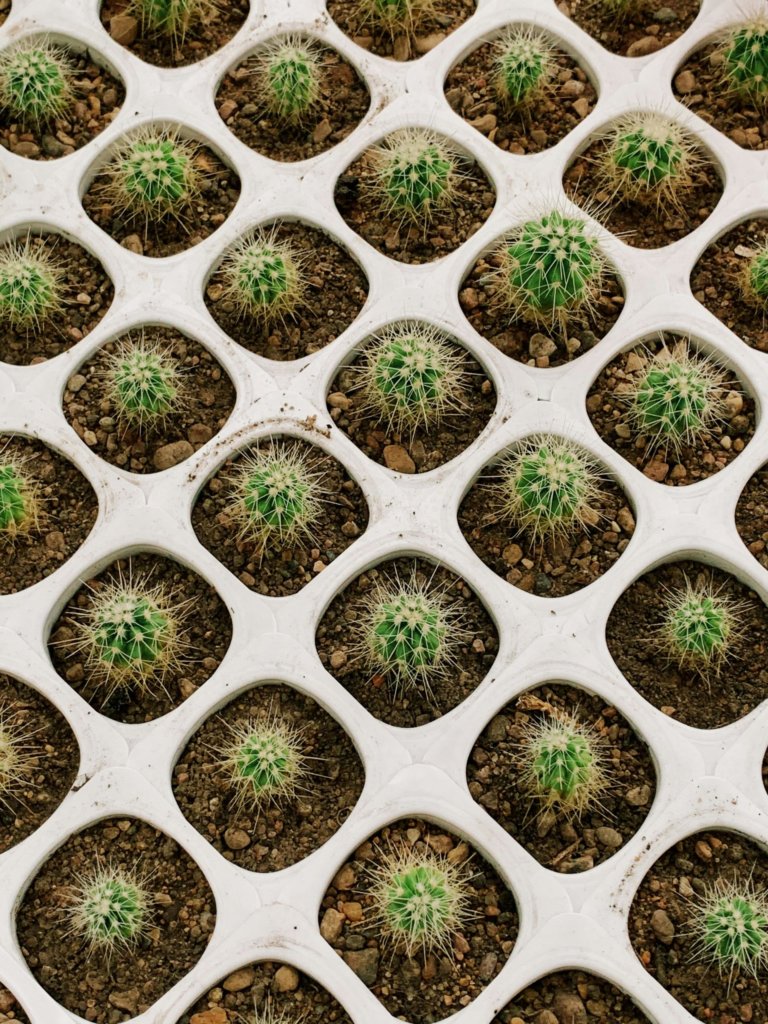
Many globular cacti produce small offsets, or pups, around the base. You can remove these once they reach at least one-third the size of the parent plant. Let the offset dry for a few days until a callus forms at the cut surface before planting it in dry cactus mix. This reduces the risk of rot.
Place the newly potted offset in bright, indirect light and avoid watering for about a week. Once roots form, begin light watering.
Propagation by seeds takes longer but allows for more plants at once. Sow seeds in a shallow tray filled with sterile, well-draining soil. Cover lightly, keep slightly moist but never wet, and maintain a warm environment between 70–80°F (21–27°C). Germination may take a few weeks to several months depending on species.
Pruning and Routine Care
Globular cacti need little pruning, but you should remove dead or damaged tissue with sterilized scissors or a clean knife. This prevents decay and encourages a tidy shape.
Inspect your cactus for signs of pests such as mealybugs or scale insects. If you find any, wipe affected areas with a cotton swab dipped in rubbing alcohol or use a mild insecticidal soap.
Rotate pots every few weeks to keep growth even on all sides. Avoid overwatering, let soil dry completely between waterings. When repotting, choose containers with good drainage and only one size larger than the current pot.
Regular attention to these simple steps keeps your cactus healthy and its spherical form well-defined.
Preventing and Treating Pests and Problems
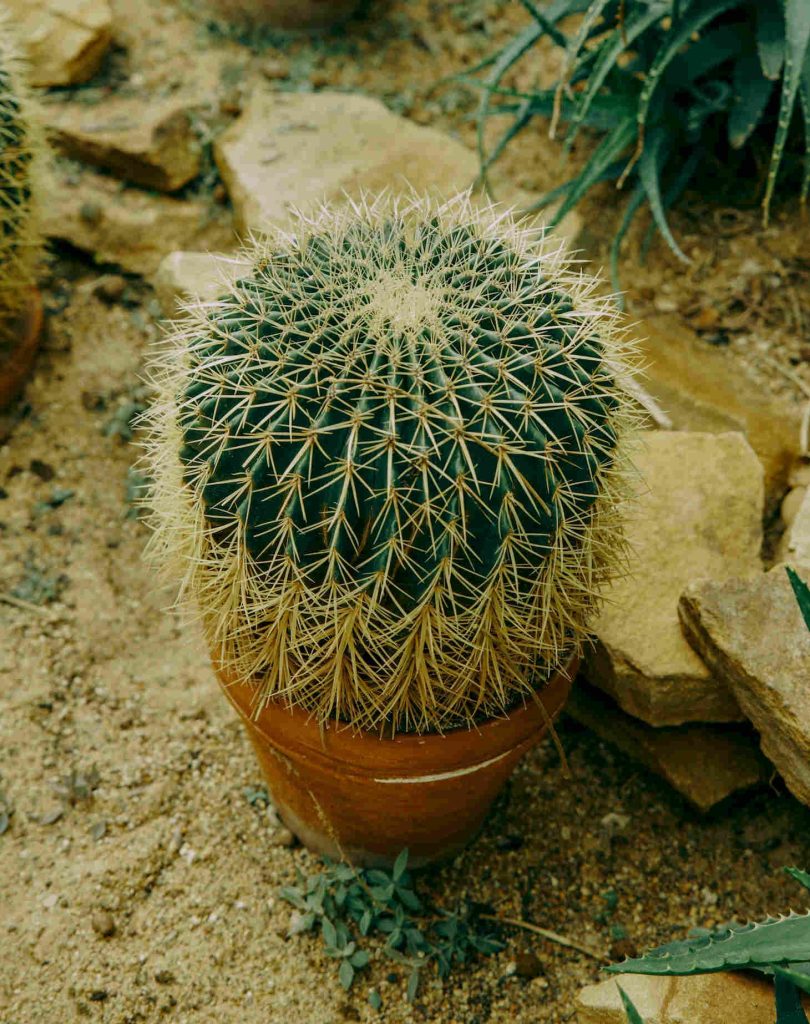
Healthy globular cacti depend on balanced watering, clean growing conditions, and early detection of pests. Proper care reduces stress on the plant and keeps infestations and rot from spreading.
Managing Spider Mites
Spider mites often appear when the air is dry or when cacti sit in dusty conditions. You may notice tiny specks on the surface or faint webbing between the spines. The skin can look dull or spotted, showing damage from their feeding.
Increase humidity slightly and rinse the cactus gently with lukewarm water to remove mites. A soft brush or cloth also helps. For persistent cases, use insecticidal soap or a diluted neem oil spray. Apply it to all surfaces, including under ridges and near the base, where mites hide.
Monitor your cactus for a few weeks. Reapply treatment every 7–10 days until no mites remain. Regular cleaning and improved airflow discourage new infestations.
Dealing with Scale and Mealybugs
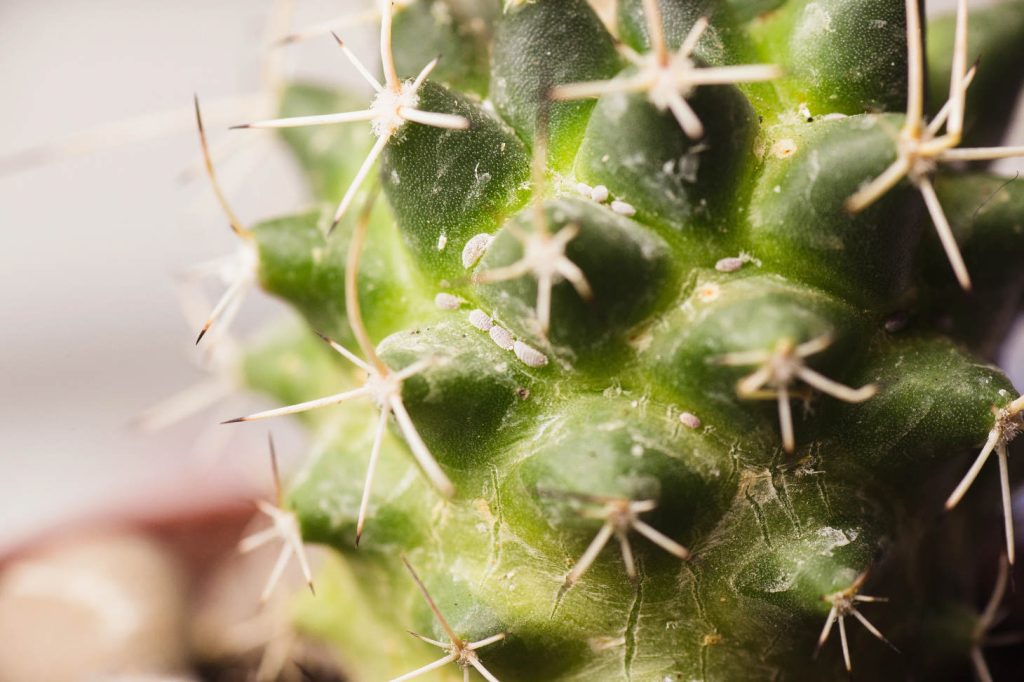
Scale and mealybugs feed on plant sap, causing slow growth and yellowing. Mealybugs appear as small white cotton-like clusters, while scale insects form hard brown or gray bumps on the surface. Both can spread quickly if ignored.
Dab visible pests with a cotton swab dipped in 70% isopropyl alcohol to dissolve their protective coatings. For larger areas, use insecticidal soap or neem oil to suffocate pests.
Keep the plant isolated from others until it is clear of pests. Check roots when repotting; mealybugs sometimes hide there. Clean pots and tools before reuse to prevent re‑infestation.
Avoiding Rot and Overwatering Issues
Too much water or poor drainage often leads to root or stem rot. Early signs include soft spots, a sour smell, or tissue turning dark and mushy. These problems progress quickly if water remains trapped around the roots.
To prevent this, use a gritty cactus mix and a pot with drainage holes. Let the soil dry between waterings. In cooler seasons, reduce watering frequency even more.
If rot occurs, cut away affected parts with a sterile knife. Allow the healthy section to dry for several days before re‑potting in fresh, dry soil. Keeping your cactus dry and the potting mix airy is the most reliable way to avoid rot.