
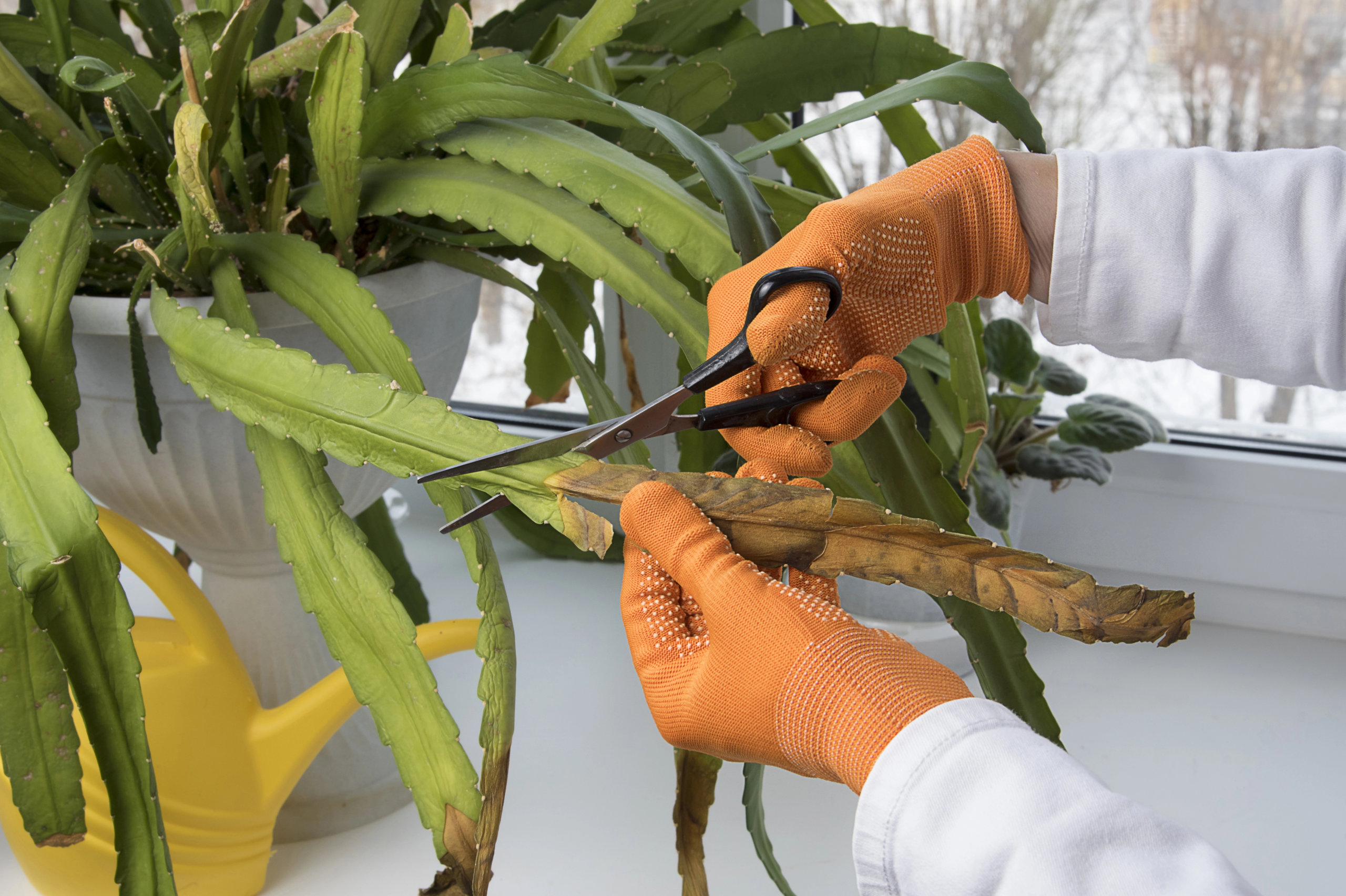
How To Prune Cactus Without Harming It
Cacti can grow wild and uneven over time, and a few careful cuts can keep them healthy and attractive. You can prune a cactus without harming it by using clean, sharp tools, making precise cuts, and allowing the plant to heal naturally. With the right approach, trimming supports growth and may even create opportunities to propagate new plants.
You’ll learn how to prepare the right tools, handle different cactus types, and manage cuts to avoid stress or infection. Practical techniques will help you shape your cactus to fit your space while keeping it strong and thriving.
Proper aftercare ensures clean healing and prevents rot. By the end, you’ll know exactly how to prune safely, encourage regrowth, and maintain a long-lived, resilient cactus.
Essential Preparation For Pruning Cacti
Proper preparation prevents injury to both you and your cactus. You need to know the right time to prune, use clean tools, and protect yourself from spines and sap before starting. Good preparation makes cactus trimming safer and helps your desert plants recover faster with minimal stress.
When And Why To Prune
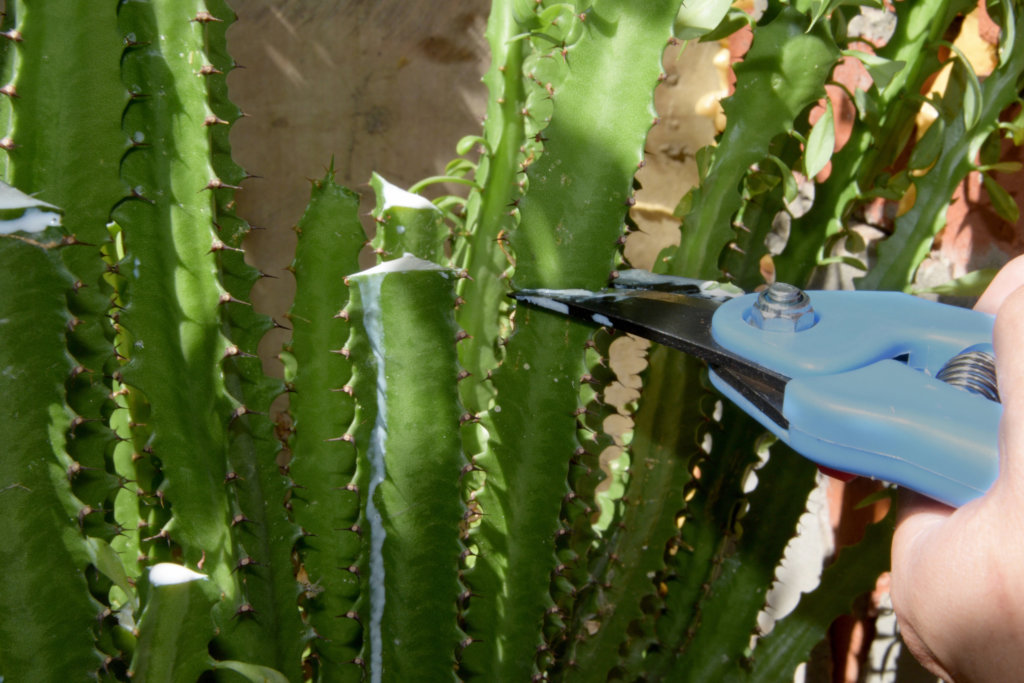
Pruning works best when your cactus is actively growing, usually in spring or early summer. During this period, new tissue forms faster, which helps wounds heal and reduces the risk of rot. Avoid pruning during cold or dormant seasons because damaged tissue can stay open longer and invite infection.
You should prune when you see damaged, diseased, or overgrown sections. Brown or soft areas often indicate rot that can spread if left untreated. Tall, heavy stems or crowded pads may also split or break under their own weight. Removing weak growth improves airflow and stability.
Healthy trimming keeps your plant’s shape balanced and encourages strong regrowth. For propagation, you can cut healthy pads or stems to create new plants. This keeps your cactus collection strong and prevents overgrowth in limited spaces.
Choosing And Sterilizing Tools
Use clean, sharp pruning shears, knives, or handsaws depending on the size of the cactus. Dull blades can crush tissue instead of making clean cuts, which can slow healing. Long-handled tools are safer for tall or spine-heavy species.
Always sterilize your cutting equipment before and after use. Dip blades in rubbing alcohol or a solution of one part bleach to nine parts water, then rinse and dry them. This step reduces the chance of spreading fungus or bacteria between plants.
Keep a small cleaning cloth nearby to wipe sap from blades during trimming. Sticky residue can trap debris or microbial spores that harm future cuts. Re-sharpen dull blades as needed to keep your cactus trimming smooth and precise.
Personal Safety Measures
Cacti often have sharp spines or irritating sap, so always wear heavy-duty leather or thorn-proof gloves for protection. For large or columnar species, use long sleeves and safety goggles to prevent scratches from falling pieces.
If your cactus is spiny and wide, wrap it gently with a folded towel, newspaper, or foam padding before handling. This provides grip while shielding delicate skin from punctures.
Work in a stable, well-lit area with enough space to move safely. Keep pets and children away during pruning. When cutting heavy sections, support the piece with one hand or rest it on a stable surface to avoid snapping.
After finishing, check your gloves and clothing for spines before washing up. Careful preparation helps you prune efficiently without harm.
Techniques For Pruning Without Harming The Cactus
To trim a cactus without killing it, focus on clean cuts, gentle handling, and proper healing time. Using the right tools and careful technique helps the plant stay healthy and continue growing normally.
Step-By-Step Pruning Process
Start by examining the cactus to identify which parts need pruning. Remove damaged, diseased, or overgrown sections while leaving healthy tissue intact. Always disinfect tools like pruning shears or knives with rubbing alcohol before each use to prevent infection.
Wear thick gloves or use tongs to protect your hands. Hold the plant steady, and make precise cuts near the base of the segment or pad you want to remove. Cut at a slight angle to help water drain away from the surface.
Use the right tool for the cactus type:
| Cactus Type | Recommended Tool |
|---|---|
| Small or thin-stemmed | Pruning shears or scissors |
| Large or thick-stemmed | Serrated knife or handsaw |
| Columnar (tall) | Long-handled saw |
After trimming, discard any rotting tissue to stop disease from spreading. For propagation, set aside healthy cut pieces to dry before replanting.
Preventing Damage During Cutting
To keep the cactus healthy, avoid cutting into the main stem or removing too much material. Over-pruning causes stress, weakens growth, and delays recovery. Limit trimming to removing diseased tissue, controlling size, or harvesting offsets for propagation.
Keep tools sharp and clean. Dull blades crush tissue, making wounds harder to heal.
Work slowly to control your movements. If you must shape the cactus, make gradual, minimal trims over time rather than one large removal. For the best recovery, prune during the active growing season (Spring/Summer) and avoid periods of high humidity or frost.
Handling Cut Surfaces And Callusing
After trimming, the cactus needs time to form a protective callus over each cut. Place the plant in a dry, shaded area with good air flow. This prevents moisture from entering the wound and causing rot.
Do not water immediately after pruning. Allow several days to a week for the cuts to dry completely before watering or replanting. In humid conditions, extend drying time to prevent fungal growth.
You can apply sulfur powder or a cactus-safe fungicide lightly to the fresh cuts to reduce infection risk. Once callused, return the plant to regular light and care. This careful after-step helps the cactus maintain health and grow new tissue safely.
Pruning Methods For Different Cactus Varieties
Different cactus types require specific pruning techniques. You adjust your approach based on how each species grows. Using the right cut, tools, and timing reduces stress on the plant and encourages healthy regrowth.
Prickly Pear And Padded Cacti
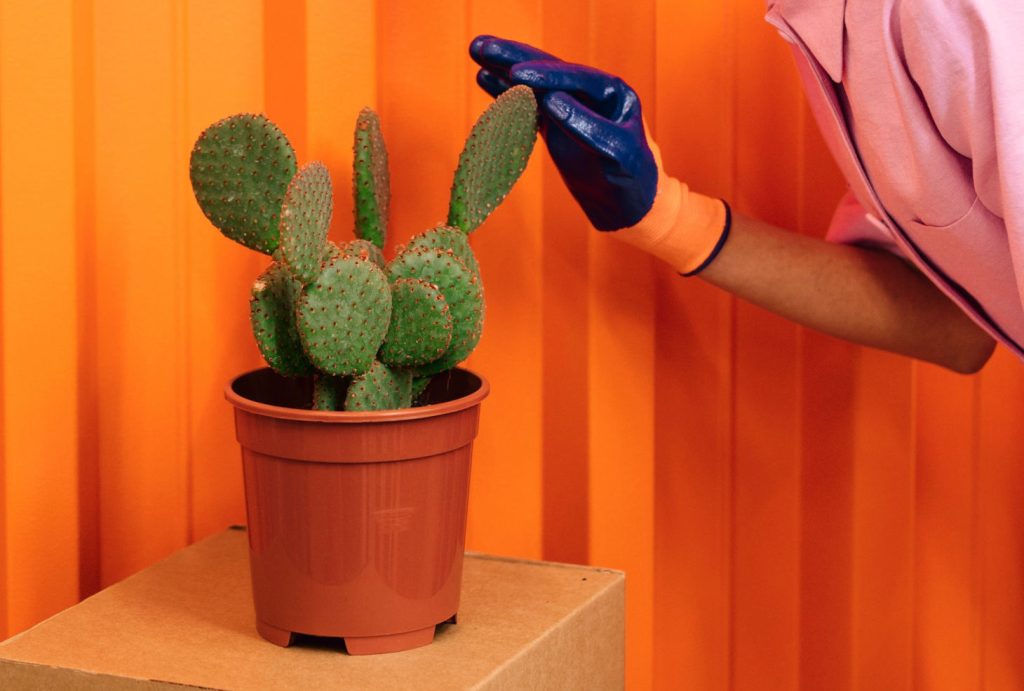
Prickly pear cacti and other padded types grow in flat segments called pads. These pads often become overcrowded, damaged, or diseased. You can trim them to improve airflow and shape.
Use clean, sharp pruning shears or a knife to cut at the joint where one pad connects to another. Avoid tearing or breaking pads by hand, which can damage the flesh. Wear thick gloves and long sleeves to protect yourself from small spines called glochids.
Remove pads that grow in odd directions or show dark or shriveled spots. You can replant healthy pads, let the cut end dry for a few days before placing it in soil. Keep the new cutting upright to prevent rot. Regular trimming keeps the cactus balanced and prevents pads from snapping under their own weight.
Columnar Cacti Care

Columnar cacti, such as the saguaro or organ pipe cactus, grow tall, straight stems that branch vertically. These species rarely need heavy pruning, but selective trimming helps control height and remove damaged arms.
Before cutting, inspect for rot, frost damage, or crowded sections. Cut just above a growth node or branch point using a fine-toothed saw. A clean cut heals faster and lowers infection risk. For tall plants, use tongs or padded grips to steady the cactus while cutting.
If an arm becomes too heavy, prune it at the base where it joins the main stem. After cutting, allow the wound to air-dry and form a hard callus. Avoid overhead watering or rainfall on the fresh cut for several days to prevent fungal decay.
Managing Barrel Cactus Growth
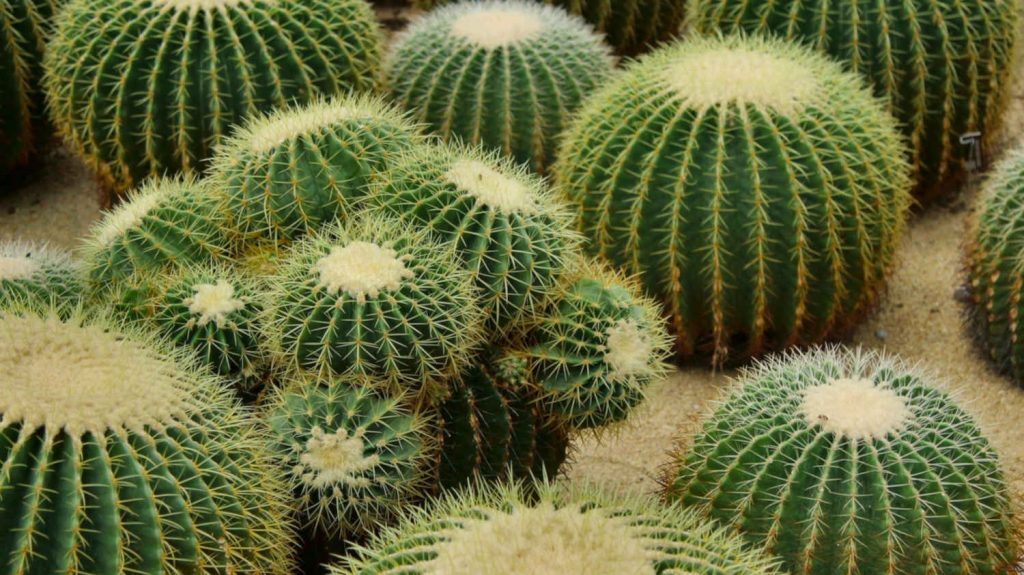
The barrel cactus is shorter and rounder, so pruning serves a different purpose. Focus on removing small “pups” (offsets) at the base or carefully extracting diseased tissue.
Use sterilized scissors or pruning shears for fine work. Never trim healthy spines, as they do not regrow and protect the plant from sunburn. Avoid cutting the main body since large wounds heal slowly. Instead, gently lift and trim any small growths competing for space. If you must remove a rotting or scarred patch, cut only the affected area and let the wound harden.
Barrel cacti rarely need reshaping, but occasional grooming keeps their form neat. Removing debris also discourages pests from hiding between ribs. Minimal trimming combined with good light and dry soil promotes even, healthy growth.
Post-Pruning Care And Propagation
Proper care after cactus trimming helps the plant heal faster, resist disease, and grow new healthy tissue. You also have a chance to root cuttings for new plants and maintain stable growth in the long term.
Monitoring Healing And Preventing Disease
After pruning, place your cactus in a dry area with indirect sunlight. Fresh cuts need several days to form a callus, a tough, dry surface that seals the wound. Avoid watering during this time because moisture can let fungi or bacteria enter.
Check each cut once a day for signs of soft spots, dark patches, or mold. If you see decay, remove the affected tissue with a clean knife. Sterilize the blade using rubbing alcohol before and after each cut to prevent the spread of infection.
Use a well-ventilated environment to minimize humidity buildup. You can also apply a thin layer of sulfur powder or a cactus-safe fungicide on large cuts. These steps work especially well for desert plants that store moisture in their pads or stems, where trapped dampness can cause rot quickly.
Repotting And Rooting Cuttings
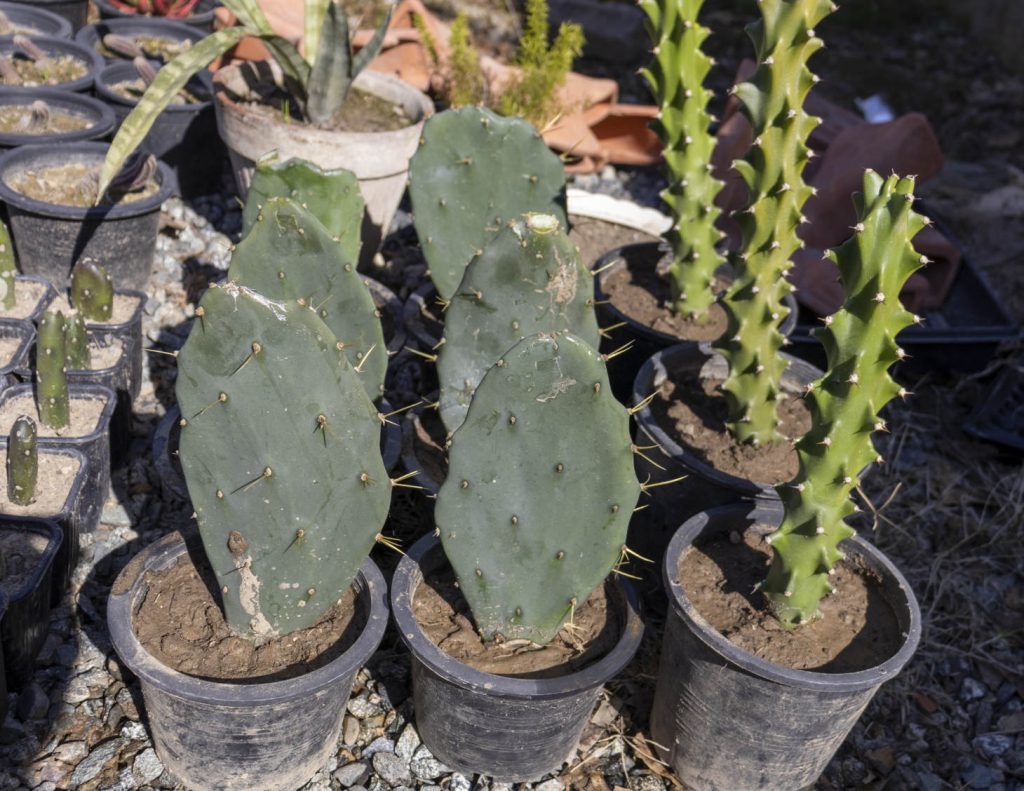
When you trim a cactus, you can use healthy segments to grow new plants. Let cuttings dry for several days until the base forms a hard callus. This step is essential for preventing rot once placed in soil.
Prepare a pot with well-draining cactus mix; a blend of coarse sand, perlite, and potting soil works well. Insert the cutting about one inch deep, standing upright. Avoid watering right away. Wait about a week, then add a small amount of water to slightly moisten the soil.
Keep the pot in bright but indirect light. Roots usually start forming within three to four weeks. Once the cutting feels firm when gently tugged, you can treat it like a mature cactus. Consistency in light, soil drainage, and limited water will help it become established.
Long-Term Maintenance Tips
After your cactus has healed and re-rooted, return it to normal care. Provide plenty of sunlight but rotate the pot occasionally to keep growth even. Water deeply only when the soil is dry, and always use containers with drainage holes.
Remove dead or shriveled pads as they appear. This keeps air flowing around the plant and reduces pest problems. Every couple of years, refresh the top layer of soil or repot entirely if the roots fill the container.
Regular observation is key. Healthy color, firm texture, and slow, steady growth show that your cactus trimming worked well and the plant is thriving.
Frequently Asked Questions
When you prune a cactus, you must protect yourself from injury and protect the plant from damage or infection. The process depends on using clean, sharp tools, cutting at the right locations, and ensuring proper healing and timing for healthy growth.
What safety precautions should be taken when pruning a cactus?
Wear thick gloves made from leather or other puncture-resistant material to guard your hands against spines. Use long sleeves and closed-toe shoes for extra protection. If you are handling large or tall cacti, safety goggles can prevent spines from injuring your eyes.
Work in a clear, stable area, ideally outdoors or on a tarp to catch debris. Move slowly and carefully to prevent accidental contact with spines or falling pieces.
Can you describe the proper technique for pruning a cactus to encourage growth?
Use short, clean cuts at a slight angle to remove unwanted sections. Avoid tearing or breaking plant tissue, as this increases the risk of infection. Focus on removing damaged, diseased, or overcrowded parts while keeping the main stem intact.
After pruning, avoid overhead watering or rainfall on the fresh cut for several days to allow a hard callus to form. While the soil can be watered at the base, the wound itself must remain dry to prevent fungal decay and rot.
How do you identify which parts of a cactus should be pruned?
Identify sections that are mushy, blackened, or severely yellowed, as these signal rot or pest infestations. Remove crossing or crowded stems to improve airflow.
If your goal is shaping, cut only enough to maintain balance and stability without altering the plant’s natural form too drastically.
What is the best time of year to prune a cactus for optimal health?
Prune during the warm months, usually in late spring or early summer, when the plant is actively growing. The higher temperatures and brighter light help wounds heal faster.
Avoid pruning during the dormant period, typically in late fall or winter, since the plant’s slower recovery can increase the risk of rot.
What tools are recommended for safely pruning a cactus?
Use clean, sharp tools such as pruning shears, knives, or small handsaws. Choose the tool size that fits your cactus, smaller blades for small potted varieties and saws for large columnar types.
Before use, disinfect tools with a mild bleach solution or rubbing alcohol to prevent spreading disease between cuts.
How should cut areas on a cactus be treated to prevent infection?
Let each cut dry and form a callus before watering or replanting. This usually takes a few days in a dry environment.
Keep the plant out of direct sun during healing to avoid stress. Do not apply sealants or wound dressings; clean air circulation encourages natural recovery.