
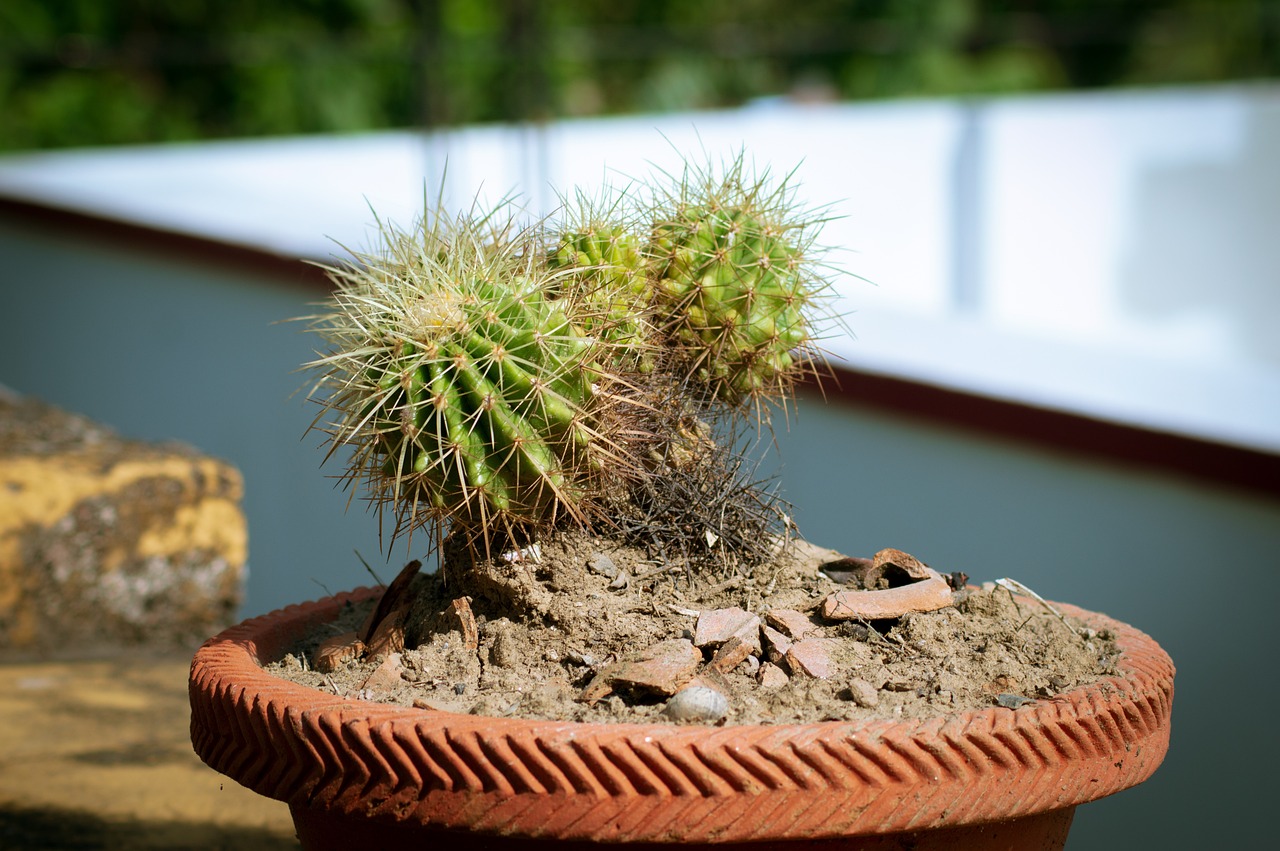
Why Your Cactus Is Not Absorbing Water
When water pools on the surface of your cactus soil and refuses to soak in, it’s a clear sign something is off. You might think the plant is getting enough moisture, but it’s often the opposite. Your cactus isn’t absorbing water because the soil has become hydrophobic or the roots are too bound to take in moisture.
Cactus soil can dry out so much that it starts to repel water instead of absorbing it. Additionally, if roots have completely filled the pot, water will bypass the root ball entirely. Poor drainage or compact soil can make the problem worse and leave the cactus thirsty no matter how much you water it.
Once you understand what causes the problem, you can fix it with simple changes. Adjusting the soil mix, repotting, and using the right watering method will help your cactus hydrate properly again and stay healthy over time.
Key Takeaways
- Cactus soil or roots often block proper water absorption.
- Environmental and watering habits strongly affect how well your cactus absorbs water.
- Improving soil, drainage, and watering methods restores healthy water uptake.
Key Reasons Your Cactus Is Not Absorbing Water
Several conditions can stop your cactus from taking in water properly. Issues such as hydrophobic soil, compacted roots, dense potting mix, and blocked drainage holes can all keep moisture from reaching the roots where it’s needed most.
Hydrophobic Soil Issues
When soil becomes hydrophobic, it repels water instead of absorbing it. This often happens when potting soil dries out too much between waterings. The surface hardens, and water pools on top or runs down the sides of the pot instead of soaking in.
To test for hydrophobic soil, pour a small amount of water onto the surface. If it sits there for more than a few seconds, your soil has likely lost its ability to absorb moisture. Cacti in this condition struggle to take up water, even when you water regularly.
To fix it, use bottom watering (submerging the pot base in water for 10-15 minutes) or apply a surfactant (a drop of biodegradable dish soap in water) to break the surface tension. Once rehydrated, maintain consistent watering schedules to prevent the soil from hardening again.
Adding perlite, pumice, or sand improves drainage, but these materials do not fix hydrophobicity (the inability to wet). In fact, purely mineral mixes can dry out even faster. To fix the “repelling” issue, you need a wetting agent or deep saturation, not just a surface mix of gritty materials.
Root-Bound Cactus Problems
If your cactus has been in the same pot for a long time, the roots can grow tightly around the inside, forming a dense mass. When this happens, the roots have little room to spread or take up water efficiently. The potting soil around them may dry out too fast, and even when you water, it may not reach all areas of the root ball.
You can check for a root-bound cactus by carefully sliding it out of the pot. Look for roots circling the edges or poking through the drainage holes. If so, it’s time to repot.
Choose a container that’s about 1–2 inches wider than the current one. Use a fresh, well-draining soil mix, and spread the roots slightly before placing the plant back. This helps restore normal moisture flow and gives your cactus space to grow stronger roots.
Compacted Potting Soil
Compacted soil becomes dense and hard over time, often due to mineral buildup, old organic matter, or repeated watering without loosening the soil. When the mix compacts, air spaces disappear, and water cannot move evenly through it.
In this condition, water runs off quickly, leaving the cactus dry despite frequent watering. You may also notice that only small portions of the soil get wet, while the rest stays dry.
To fix this, fully repot the plant into a fresh, well-draining substrate rather than mixing old soil with new. Adding gritty materials like perlite or coarse sand improves water movement and aeration.
Mixing old, compacted, or “dead” soil with new soil often results in the new soil compacting just as quickly. For cacti, it is much safer to perform a full soil replacement to ensure the roots aren’t trapped in a dense “plug” of old dirt.
Blocked Drainage Holes
When drainage holes get blocked by roots, compacted soil, or debris, water collects at the bottom of the pot instead of flowing out. Over time, trapped moisture can cause rot, while upper soil layers remain dry.
To check, lift the pot after watering. If it feels heavy or takes several minutes to drain, the holes may be clogged. Remove the plant carefully and clear out any buildup from the holes using a stick or small tool.
Use pots with at least one good-sized hole and avoid placing small pebbles directly over it. Instead, use a mesh screen or piece of fabric to keep soil from escaping while maintaining airflow and drainage. This ensures your cactus gets water evenly without pooling or stagnation.
Environmental and Watering Factors Affecting Water Absorption
Cactus roots depend on the right balance of moisture, space, and technique to absorb water effectively. Problems like excess watering, cramped roots, and poor watering methods can stop your cactus from taking in moisture even when the soil looks damp.
Overwatering and Root Rot
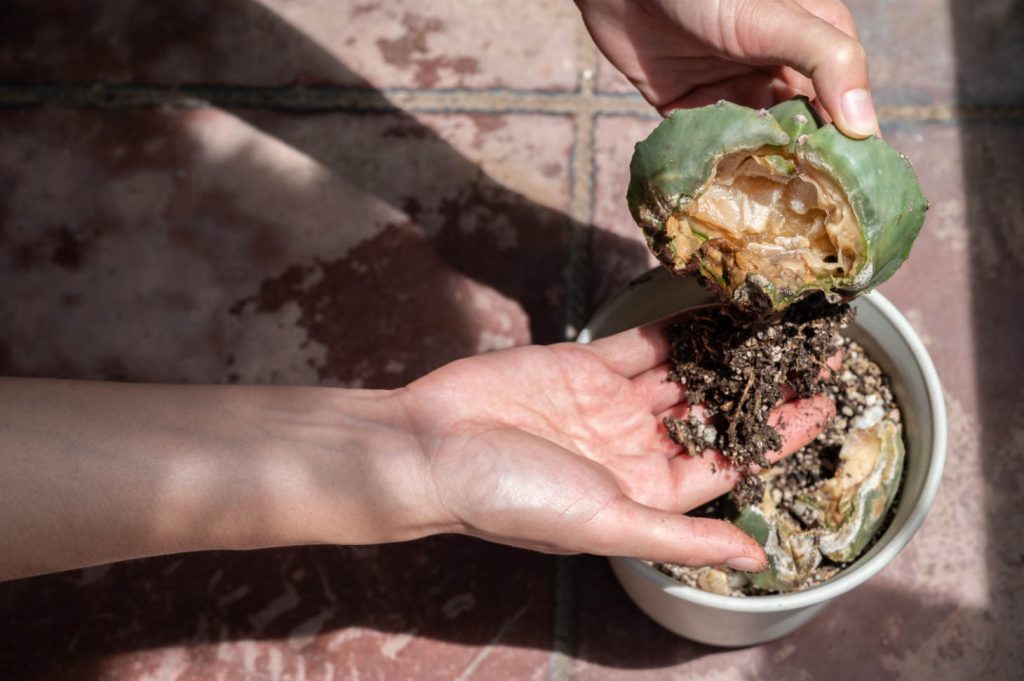
When you water too often, the soil stays wet for too long and reduces the air available to the roots. Without oxygen, root tissues can rot, turning brown or black and soft. Rotten roots can no longer absorb water, leaving the plant dehydrated even though the soil is moist.
Cacti grow naturally in dry habitats where their roots dry between brief rainfalls. To mimic this, you should always let the soil dry completely before watering again. Using a well‑draining cactus mix with coarse sand and perlite helps water move through the soil quickly and prevents standing moisture.
Early signs of overwatering include yellowing, mushy stems, and a musty soil smell. Once rot sets in, you may need to remove the cactus from the pot, cut off the soft or dark roots, and replant it in fresh dry soil.
Improper Pot Size
The pot size affects how well water drains and how fast the soil dries. A pot that’s too large holds more soil than the roots can use, causing moisture to linger. This makes it easier for mold and root rot to develop. On the other hand, a pot that’s too small can restrict root growth, leading to root‑bound plants that struggle to absorb water.
Choose a pot that gives the roots room to spread while staying snug around the root ball. Always use a container with drainage holes. Clay pots release extra moisture through their walls and help prevent soggy soil, while plastic pots retain water longer. Checking pot weight before and after watering can help you judge moisture levels more accurately.
Proper pot size allows the soil to dry at a steady rate, keeping root health stable and water absorption balanced.
Watering Technique Mistakes
How you water your cactus matters as much as how often you do it. Pouring water only on the surface can cause it to run off hydrophobic dry soil rather than soak in. Instead, water slowly until moisture runs out of the drainage holes. This ensures the entire root zone gets hydrated.
If the soil repels water, bottom watering can help. Place the pot in a shallow tray of water for 10–15 minutes so the soil absorbs moisture from below. Once the surface feels slightly damp, remove the pot and let excess water drain fully.
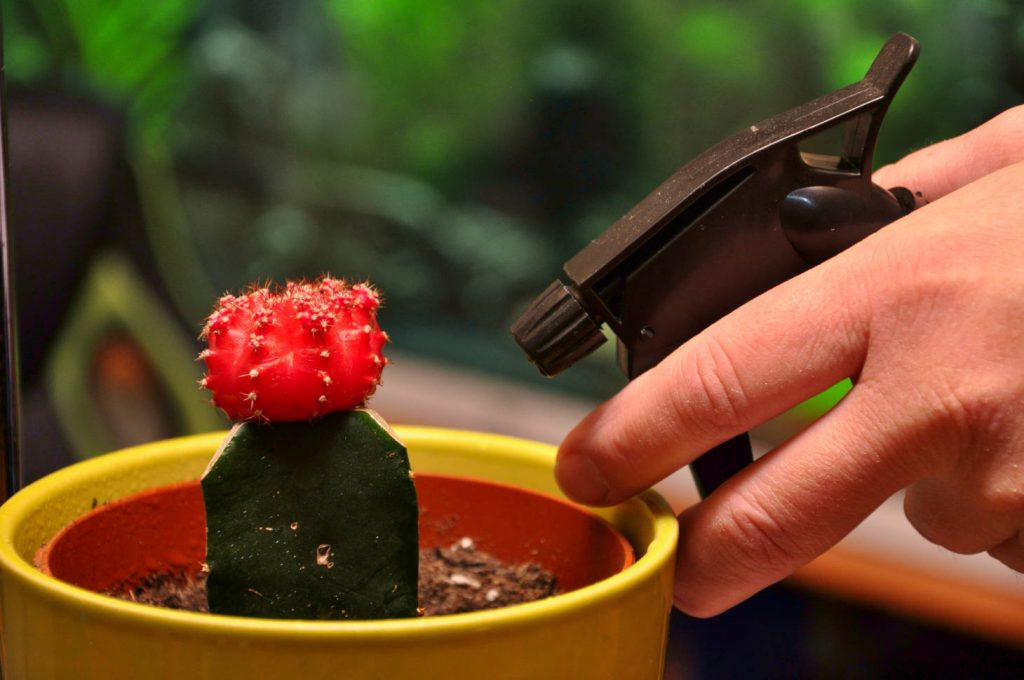
Avoid misting or light sprinkling, which only wets the surface and can promote fungal growth. Use room‑temperature water and adjust your routine by season, less in winter when growth slows, and more only when the soil dries deeply.
Essential Cactus Care Tips for Healthy Water Absorption
Proper watering, soil monitoring, and seasonal adjustments keep your cactus hydrated and prevent root problems. Balancing moisture and airflow helps the plant’s roots absorb water effectively without causing rot or dehydration.
Establishing the Right Watering Schedule
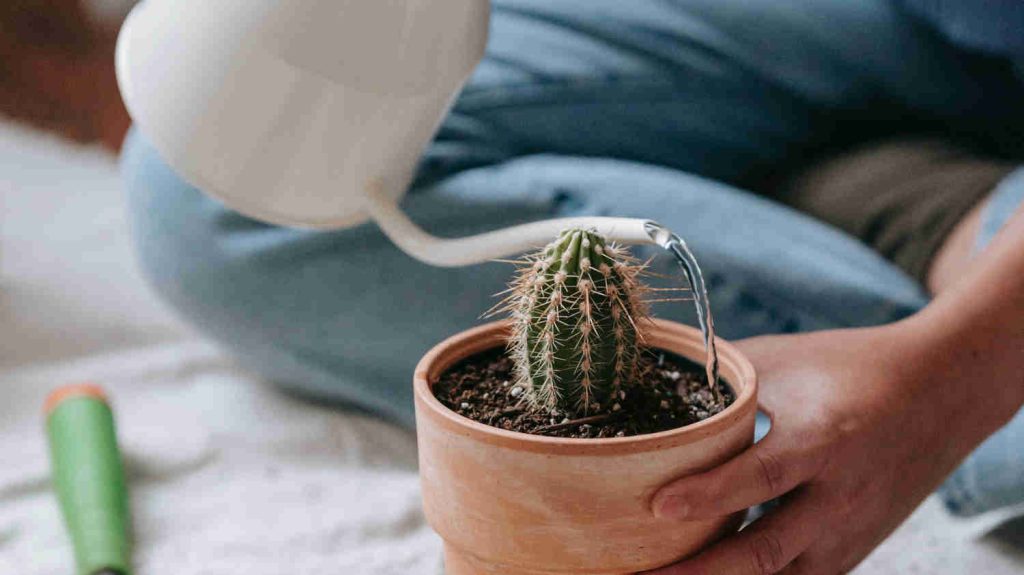
You should let the soil dry completely before watering again. This encourages strong root growth and prevents soggy conditions that block oxygen. Most cacti follow a “soak and dry” method, water deeply until it drains through the pot, then wait until the soil feels dry several inches down.
Indoor houseplants often need watering every 2–4 weeks, depending on light, pot size, and temperature. Outdoor cacti in hot, dry environments may require slightly more frequent watering.
Excessive watering is the most common mistake in cactus care. If the roots sit in water, they lose the ability to absorb moisture properly. Use a container with drainage holes and well-draining soil that includes materials like pumice or perlite. These ingredients create air spaces that help balance water and oxygen at the root zone.
Monitoring Soil Moisture
Checking soil moisture prevents both overwatering and underwatering. Beyond a surface check, insert a finger or wooden skewer 2–3 inches deep. If the soil feels completely dry, it’s time to water.
Keep an eye on the topsoil color and texture; dry soil becomes lighter and pulls away from the pot’s edges. For larger potted cacti, lift the container slightly; a noticeably lighter pot often means the soil lacks water.
Avoid compacted soils that impede evaporation and gas exchange. Well-aerated, porous mixes ensure roots receive oxygen and prevent suffocating moisture. Replace old potting mix every 2–3 years to maintain healthy soil structure.
Adjusting for Seasonal Changes
Cactus water needs shift with light, heat, and humidity. During summer, when growth and transpiration increase, you should water more regularly but still let the soil dry between waterings.
In winter, most cacti rest and use less water. Reduce watering frequency and keep the plant in a bright, cool space. Soil that stays damp during dormancy can cause root rot.
Cacti kept outdoors may also need a different approach. Rainfall, wind, and sunlight change evaporation rates. Create a simple routine: check soil conditions weekly during active growth and monthly during dormancy. This steady habit keeps your cactus hydrated without excess moisture buildup.