
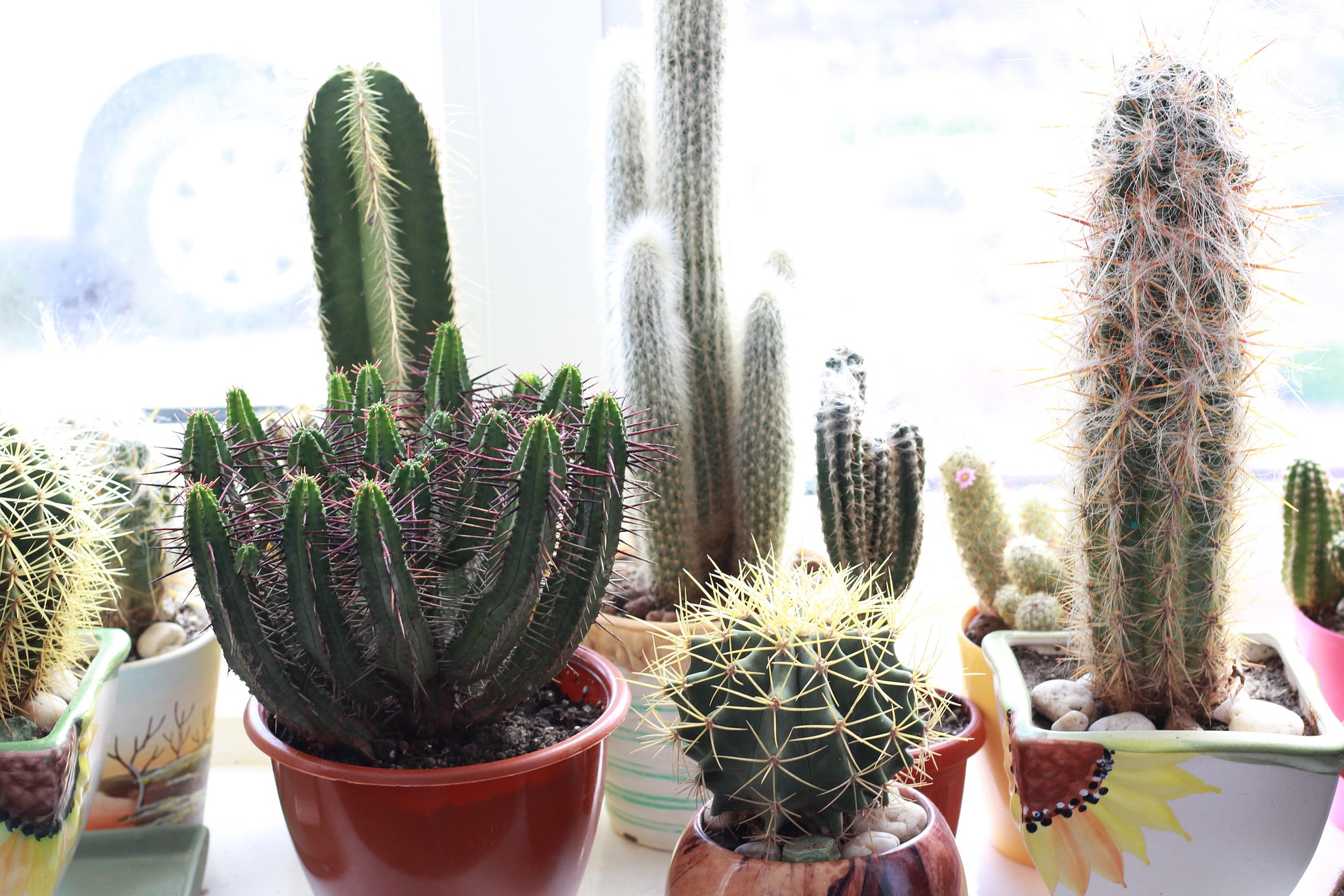
Best Cactus For Bright Windowsills
A bright windowsill gives you the perfect spot to grow cacti that love sunlight and need little care. These hardy plants thrive where light is strong and space is limited, adding texture and color without demanding much effort. The best cacti for bright windowsills are compact species that tolerate direct sunlight and need only minimal watering.
You’ll discover varieties that bloom with vivid flowers, others that form sculptural shapes, and some that stay small enough for narrow ledges. With the right choice, your windowsill becomes both a decorative accent and a low-maintenance indoor garden.
Understanding what makes a cactus ideal for this setting will help you choose plants that stay healthy year-round. The next sections explain the traits to look for and highlight the top species that match bright indoor conditions.
What Makes a Cactus Ideal for Bright Windowsills

A good windowsill cactus handles strong sunlight, steady indoor temperatures, and limited space. The best picks tolerate bright light without burning, stay compact, and adapt well to dry indoor air.
Light Requirements and Window Orientation
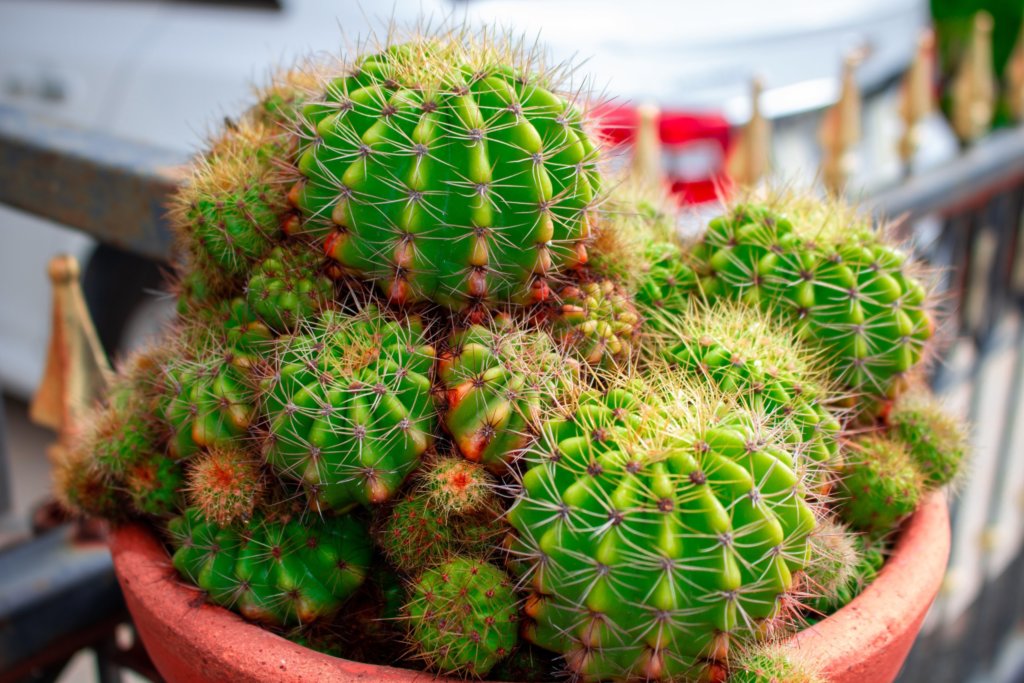
Cacti thrive in bright, direct or indirect sunlight, depending on the species. A south-facing window usually provides the most consistent light throughout the day, making it ideal for sun-loving types like Echinopsis or Mammillaria. If light is too harsh, you can use a sheer curtain to diffuse it and prevent sunburn on delicate stems.
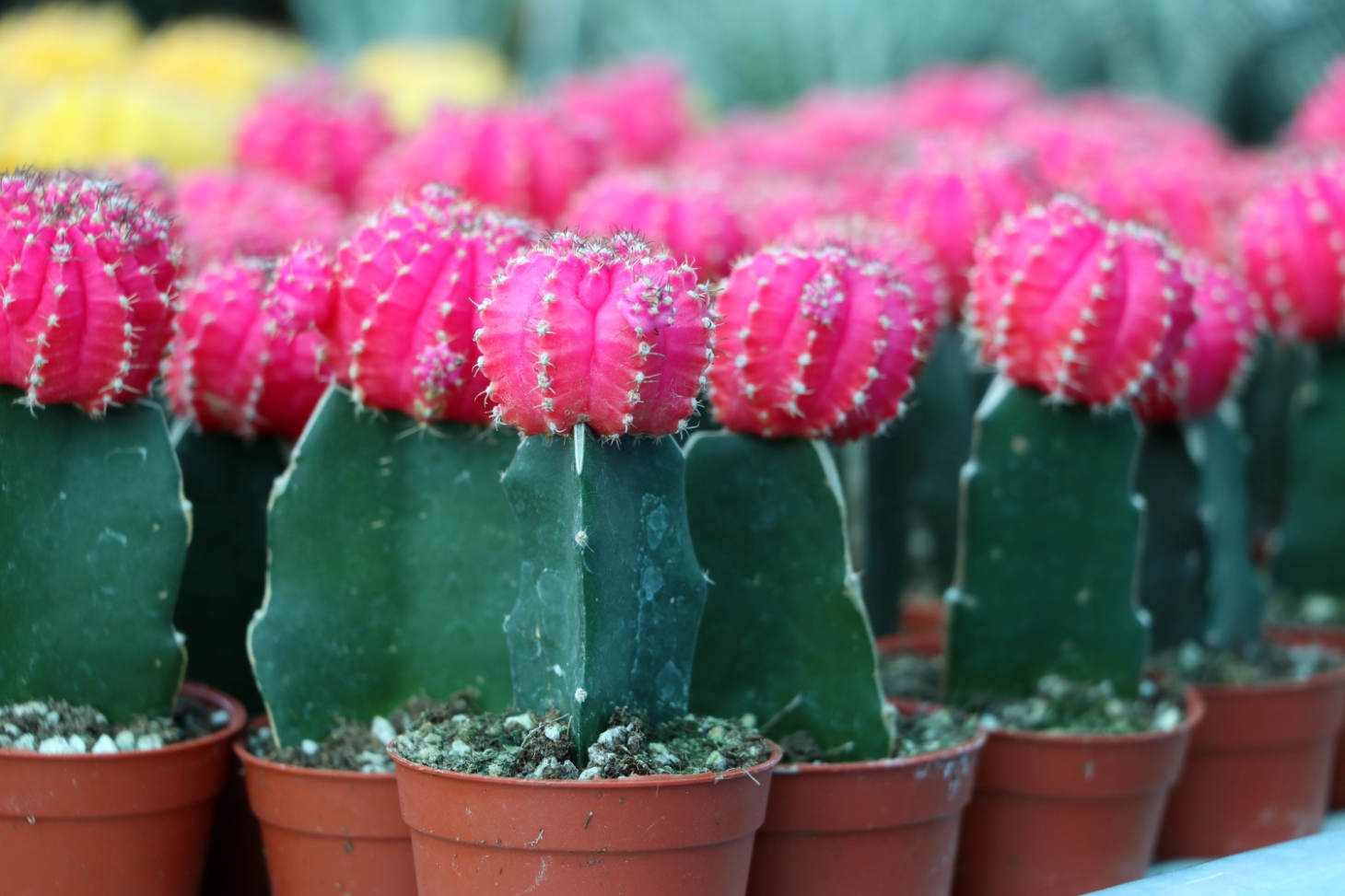
An east-facing window gives gentle morning light that suits smaller or shade-tolerant varieties such as Moon cactus. West-facing windows can work too but often bring heat in the afternoon, so monitor for signs of yellowing or scorched patches. North-facing windows generally lack enough light unless supplemented with a grow lamp.
Tip: Rotate pots every few weeks to help your cactus grow evenly toward the light. Ensure plants are close to the glass for maximum lumens, but move them back slightly during extreme winter freezes to avoid frost damage.
Temperature and Airflow Considerations
Cacti perform best in temperatures between 65°F and 85°F (18°C–29°C). Most houseplants, including indoor cacti, prefer stability rather than quick changes. Avoid placing them near vents, radiators, or drafty windows that can cause temperature swings.
Good airflow prevents moisture buildup, which helps stop rot and fungal issues. Windowsills often have still air, so open the window slightly on warm days or run a low fan nearby. During winter, many cacti rest and prefer slightly cooler nights, around 50-55°F (10-13°C).
A short checklist helps maintain ideal conditions:
- Keep temperature steady – avoid extremes.
- Allow airflow – reduce humidity pockets.
- Monitor glass surfaces – cold glass can chill roots.
Size and Growth Habits for Small Spaces
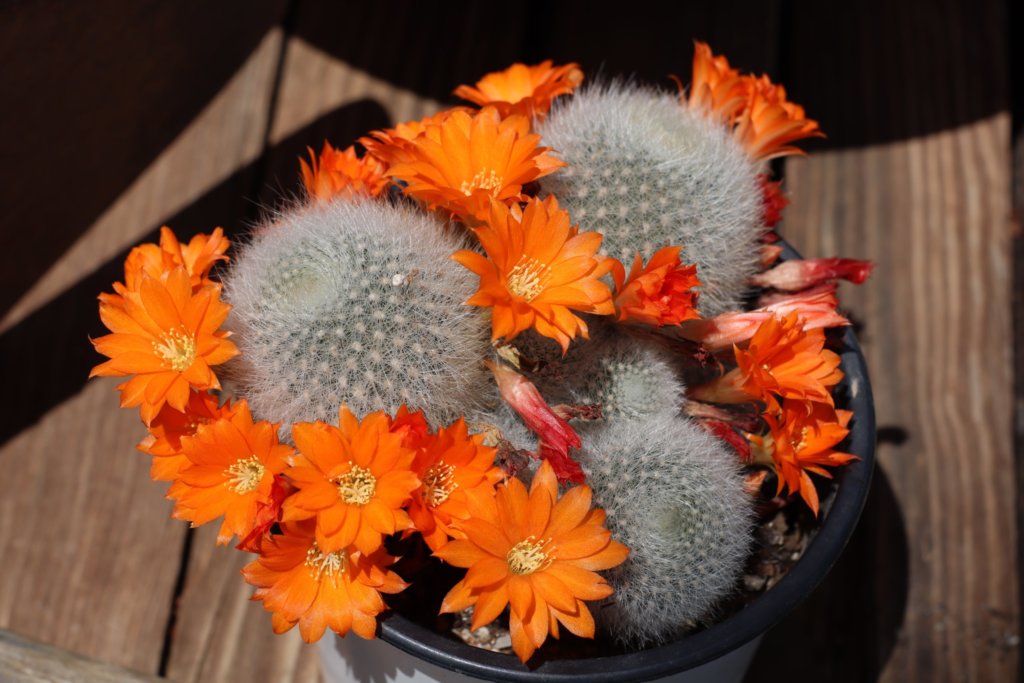
Not all cacti fit small window sills. Compact species make indoor gardening easier and reduce crowding. Varieties such as Rebutia, Gymnocalycium, and Parodia stay under 6 inches tall and spread slowly. These small houseplants balance visual appeal and low care.
Use shallow pots with drainage holes and gritty soil to prevent root rot. You can group several mini cacti together for variety, but give each plant at least an inch of space for airflow.
For narrow ledges, columnar types can outgrow the area quickly. Round or clustering forms suit small containers better. With steady light and limited water, your indoor cactus can stay compact, colorful, and long-lived in a bright household window.
Top Cactus Varieties for Bright Windowsills
Bright windowsills can support small desert species with compact shapes and low water needs. Some adapt better than others, offering both interesting forms and occasional blooms that stand out against their glossy green bodies.
Golden Barrel Cactus
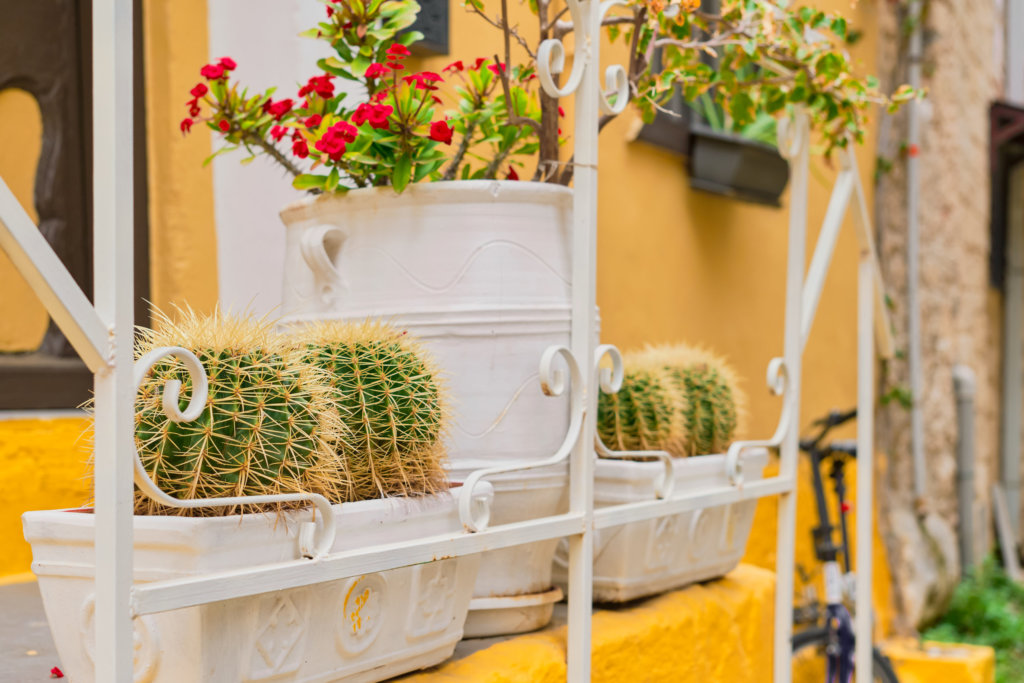
The Golden Barrel Cactus (Echinocactus grusonii) features a round, ribbed body covered with dense yellow spines. It thrives in bright conditions, making a sunny windowsill an ideal location. This species grows slowly and stays compact for years, which helps it fit small indoor spaces.
Water every 2–4 weeks during the growing season, ensuring the soil dries completely between sessions. Overwatering causes rot, so use a coarse, fast‑draining soil mix.
With enough light, its golden spines maintain color and texture, adding a sculptural look to any window display.
Pincushion Cactus (Mammillaria species)
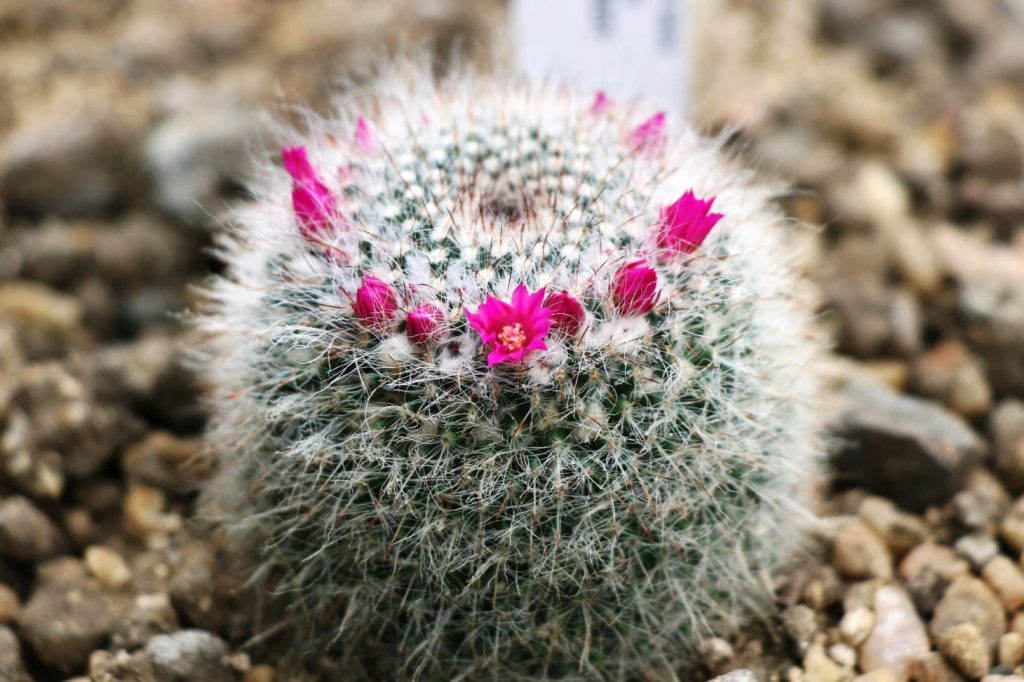
The Pincushion Cactus (Mammillaria species) grows in small clusters of rounded heads covered with fine spines. It’s one of the easiest types of succulents and cacti to keep indoors because it tolerates heat and dry air well. You may notice tiny, circular pink or white cactus flowers forming in spring or early summer.
Choose a container with strong drainage holes to prevent root problems. The plant prefers several hours of direct sunlight each day but can also tolerate bright filtered light. Allow the soil to dry out completely between waterings and avoid misting.
This variety stays small, often less than 4 inches tall, making it suitable for narrow ledges or grouped arrangements with other miniature succulents.
Fairy Castle Cactus
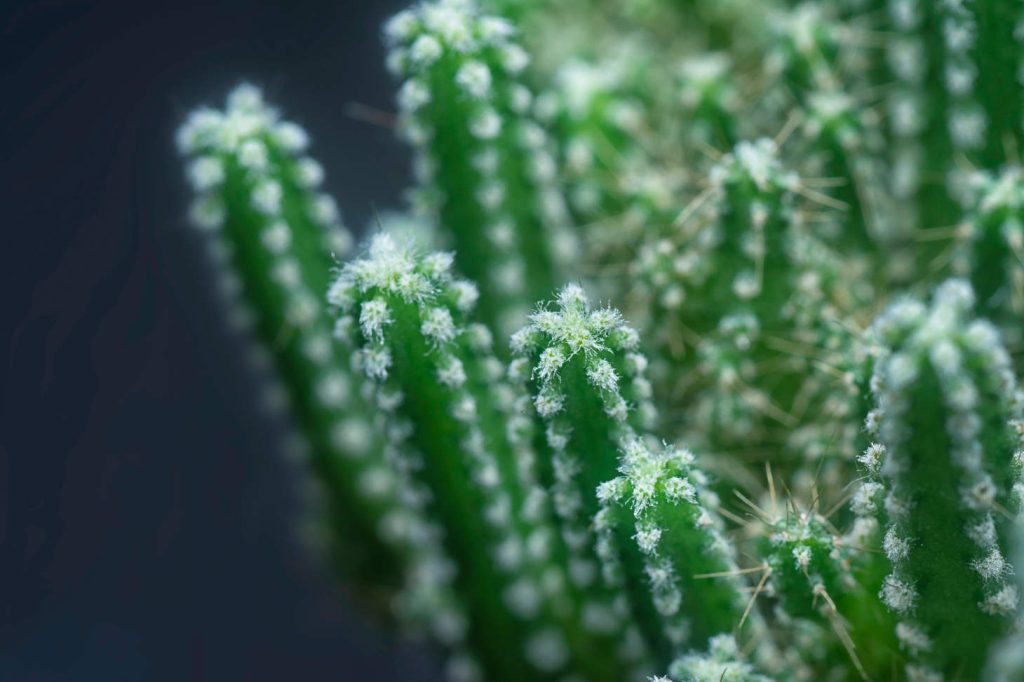
The Fairy Castle Cactus (Acanthocereus tetragonus) gets its name from its tall, branching stems that resemble castle towers. It grows upright with five-sided green stems and short spines along the ridges. This plant can eventually reach over 6 feet outdoors, but indoors it stays compact when grown in shallow pots.
Place it in a location receiving several hours of full, direct sun to prevent stretching. The Fairy Castle rarely blooms indoors, but mature examples can produce creamy white flowers at night.
Keep watering minimal, every few weeks in warm weather and much less during winter. This cactus tolerates neglect, making it suitable for busy spaces like offices or living rooms.
Frequently Asked Questions
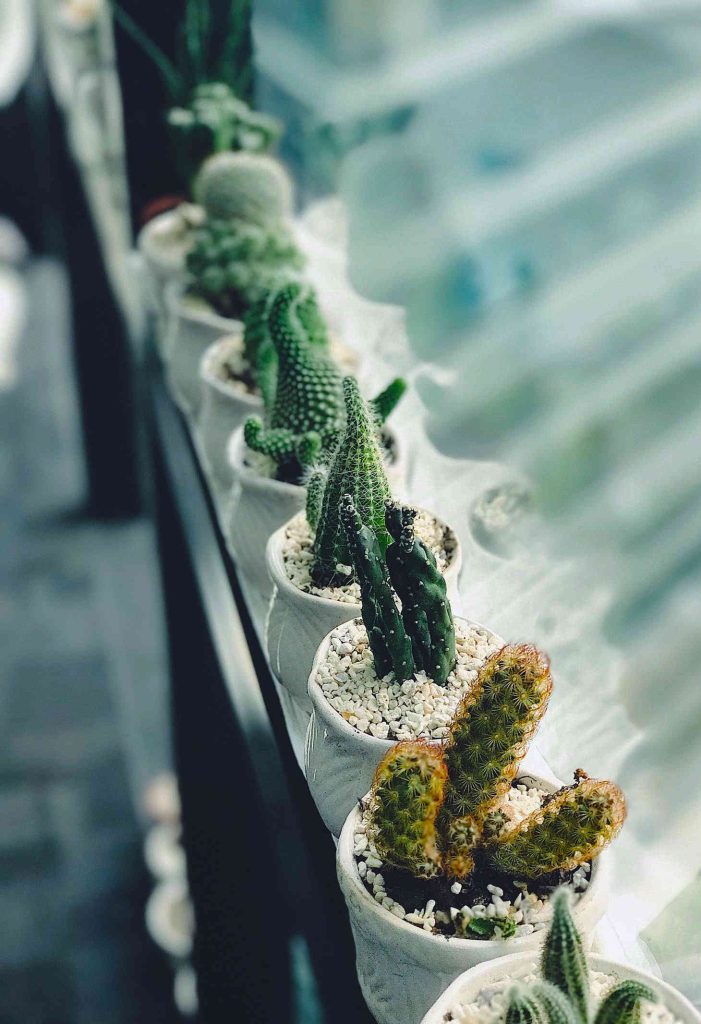
Cacti thrive on sunny windowsills when given the right light, watering schedule, and gradual adjustment to brightness. Paying attention to species selection and light exposure helps you maintain healthy growth and avoid stress symptoms.
What varieties of cacti are most suitable for direct sunlight exposure?
You can choose pincushion cactus (Mammillaria), golden barrel cactus (Echinocactus grusonii), or hedgehog cactus (Echinocereus) for windows with strong sunlight. These species tolerate long hours of light and warm indoor air. They maintain compact shapes and often develop rich colors under bright light.
How often should cacti placed on bright windowsills be watered?
Water your cacti only when the soil is completely dry. On a bright windowsill, this typically occurs every 1 to 3 weeks during the summer, depending on pot size and heat. Reduce watering significantly in autumn and keep the soil nearly dry throughout winter dormancy.
Are there any particular cactus species recommended for beginners with sunny windows?
You can start with Rebutia, Gymnocalycium, and Echinopsis types. They adapt well to indoor conditions and recover easily from small care mistakes. Their moderate size and simple watering needs make them reliable options for first-time growers.
What are the signs of too much light exposure for cacti on windowsills?
Too much sun can cause pale or bleached spots on the surface. You might also see shriveled areas or brown patches on exposed ribs. When this happens, move the cactus slightly away from the window or provide filtered light for a few days.
How can one acclimate a cactus to a bright windowsill environment?
Place your cactus in a bright but indirect spot first. Gradually move it closer to the window over one to two weeks. This slow adjustment prevents light shock and helps the plant develop protective pigments for full sun exposure.
What are the common mistakes to avoid when caring for cacti in high light conditions?
Avoid watering too often, especially after recent sunlight exposure. Never place cacti directly against hot glass, which can overheat roots and stems. Using heavy or poorly draining soil also causes root rot, even in bright settings.