

How to Protect Cactus From Strong Winds
Strong winds can bend, scar, or topple a cactus, even one that looks tough. Wind dries the plant fast, weakens roots, and can snap tall or young growth. You protect your cactus best when you understand how wind affects its body and its roots.
You can protect cactus from strong winds by choosing a sheltered spot, adding support, and using simple wind barriers to reduce force and drying. The right setup keeps the plant stable, limits stress, and lowers the risk of breakage or uprooting.
Your space, climate, and cactus type all matter. A cactus in the ground faces different risks than one in a pot. With smart planning and practical steps, you keep your cactus steady and healthy through rough weather.
Understanding Wind Threats to Cacti
Strong winds affect cactus health in clear and predictable ways. Wind speed, direction, and frequency all shape the type of damage you may see. Knowing these threats helps you act early and choose the right protection.
How Strong Winds Damage Cacti
Strong winds place constant pressure on cactus pads, stems, and joints. Tall or top-heavy cacti face the highest risk. Nopal cacti often lose pads when wind bends them back and forth.
High winds also loosen soil around the roots. This reduces root grip and makes plants more likely to tip or fall. In potted cacti, wind can shift containers and snap fine roots.
Wind damage also increases water stress. Wind dries the plant surface and soil faster, even in cool weather. Over time, this stress slows growth and weakens the cactus.
Common wind-related damage includes:
- Broken or torn pads
- Leaning or uprooted plants
- Scarred skin and open wounds
- Reduced flowering or pad growth
Recognizing Signs of Wind Damage
You can spot wind damage by watching for changes in shape and posture. Cacti leaning abruptly or showing disturbed soil at the base often suffer from “wind rock,” which compromises root integrity.
Check for “corking”, tough, tan, bark-like patches, where the plant has hardened its skin against abrasive gusts. On nopal, pads may hang loose or detach at the joint.
Wind stress also shows through slowed growth. New pads may stay small or fail to form. In severe cases, damaged tissue invites pests or rot, especially after rain.
Early warning signs to watch:
- Tilting or uneven growth
- Loose soil at the base
- Cracks or splits along pads
- Pads that wrinkle despite proper watering
Influence of Wind Direction and Patterns
Wind direction shapes how damage develops over time. Prevailing winds hit the same side of the cactus again and again. This causes uneven growth and long-term leaning.
Seasonal wind patterns matter as well. Spring and summer storms often bring sudden gusts that snap pads. Winter winds tend to dry tissues and chill exposed surfaces.
You should note where wind funnels through your yard. Gaps between buildings or fences create wind tunnels. These areas expose cacti to stronger and more frequent gusts.
Wind pattern factors that increase risk:
- Open, elevated planting sites
- Repeated winds from one direction
- Storm-driven gusts with rain
- Reflected wind from walls or pavement
Evaluating Your Environment
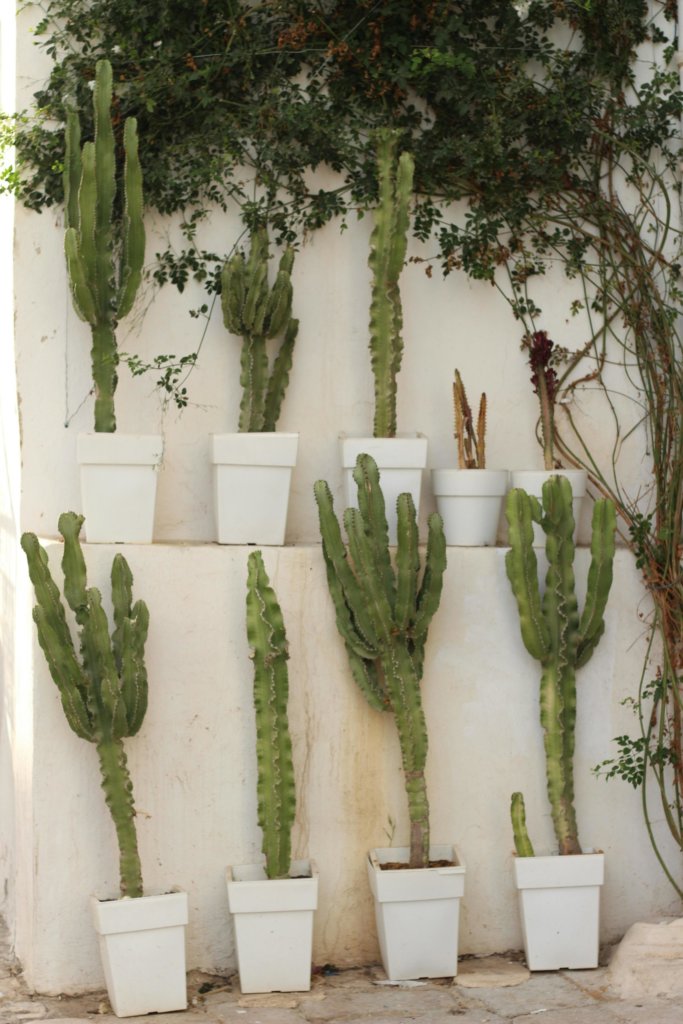
Strong winds affect cacti in different ways based on location, exposure, and soil conditions. You protect plants from wind more effectively when you match the plant to the site and understand how air moves across your space.
Selecting the Best Planting Location
Choose a spot with natural wind protection. Place cacti near solid walls, fences, or large rocks that block wind without trapping moisture.
Watch wind direction during storms and seasonal changes. Most areas have prevailing winds that come from the same direction. Plant cacti on the leeward side, where structures break wind force.
Avoid open hilltops and wide, flat yards. These areas increase wind speed and can loosen roots, especially in wet soil.
Use this quick guide when choosing a site:
| Location Feature | Wind Risk |
|---|---|
| Near walls or boulders | Low |
| Courtyards or alcoves | Low |
| Open lawns | High |
| Slopes facing wind | High |
Assessing Shelter and Exposure
Check how exposed your cactus stays throughout the day. Wind often increases in the afternoon, even when mornings feel calm.
Look for gaps that funnel air, such as between buildings or through narrow side yards. These channels can create strong gusts that snap pads or tip tall cacti.
Balance shelter with airflow. Complete blockage can trap heat and moisture, which raises rot risk. Aim for filtered protection, not full enclosure.
Before planting, stand at the site during a windy day. Note where leaves, dust, or debris move fastest. These signs show where you need extra protection.
Effective Protection Strategies for Cacti
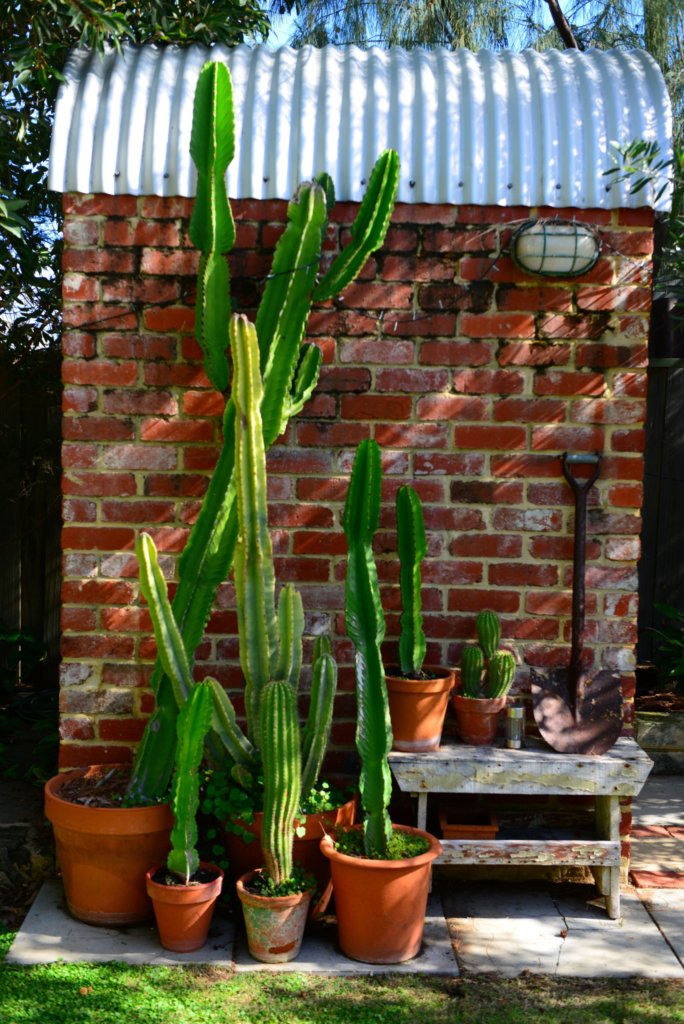
Strong winds can snap pads, tip plants, and dry out soil fast. You can reduce damage by blocking wind, adding support, and protecting the soil around the roots.
Creating Windbreaks and Barriers
Windbreaks slow wind before it hits your cactus. You can use fences, walls, or shade cloth to cut wind speed. Place them on the side that gets the strongest gusts. Leave small gaps so air can pass through without creating pressure.
Shade cloth works well in hot areas. It blocks wind and reduces sun stress at the same time. Secure it tight so it does not flap.
Living windbreaks offer long-term help. Shrubs like hawthorn, holly, boxwood, and juniper handle wind well. Plant them far enough away so they do not block light or steal water.
Choosing Wind-Tolerant Companion Plants
Companion plants can shield cacti without hard structures. Choose wind-tolerant plants with flexible stems and dense root systems that sway without breaking.
Good options include lavender, grasses, and low shrubs. Place them upwind to soften gusts before they reach your cactus. Keep spacing wide to avoid trapped moisture.
Benefits of companion planting include:
- Reduced wind speed at ground level
- Less soil erosion
- Added shade in extreme heat
Avoid tall plants with weak stems. They can fall and damage your cactus during storms.
Structural Supports and Staking
Tall or top-heavy cacti often need extra support. Stakes help keep plants upright during strong winds. Use wood or metal stakes that resist rust and rot.
Tie the cactus loosely with soft ties or cloth strips. Leave space for movement to prevent skin damage. Tight ties can cut into the plant.
For grouped plants, trellises offer shared support. Anchor them deep into the ground. Check stakes after storms and adjust as needed. Keep supports in place until the root system is fully established and the plant is self-supporting. Unlike woody trees, tall columnar cacti (like San Pedro or Saguaro) often require permanent or semi-permanent support if they are grown in containers or in areas with loose soil. They do not “strengthen” their trunk in the same way a tree develops reaction wood; instead, they rely on a deep, established root system.
Mulching for Soil Protection
Wind dries soil and exposes roots. Mulching helps hold moisture and keeps soil in place. Use gravel, crushed stone, or coarse sand. These materials match desert conditions and drain well.
Spread mulch in a thin layer around the base. Keep it a few inches away from the stem to prevent rot. Avoid organic mulches that trap water.
Mulch also adds weight to the soil. This reduces shifting during high winds and helps stabilize shallow roots.
Special Considerations for Potted and Container Cacti
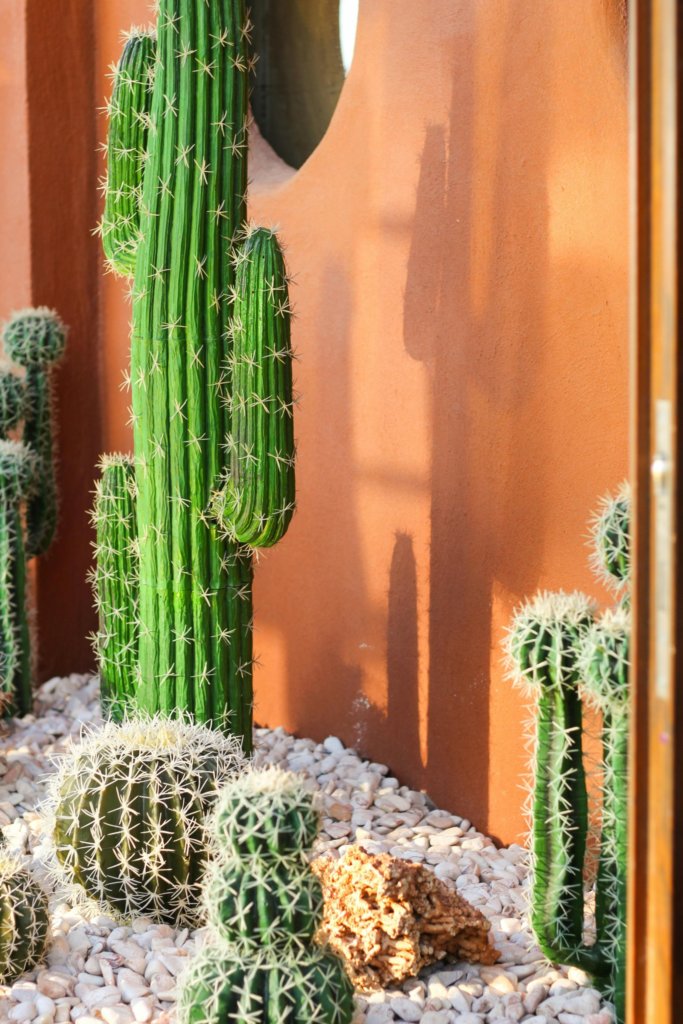
Potted cacti face higher wind risk because pots tip, dry out fast, and expose roots. You can reduce damage by stabilizing containers and using simple protective structures.
Best Practices for Potted Plants
Place potted plants where walls, fences, or shrubs block direct wind. Corners and alcoves work well and still allow light. Avoid open patios during windy seasons.
Choose heavy pots made of clay or concrete. Extra weight keeps containers from tipping.
Group pots close together so they shield each other. Keep taller plants behind shorter ones. This layout cuts wind speed at the soil level.
Secure loose soil and topdress with gravel. This step limits soil loss and root exposure. Water lightly before strong winds so plants do not dry out too fast.
Quick stability checklist
| Action | Purpose |
|---|---|
| Heavy pots | Prevent tipping |
| Grouping | Reduce wind force |
| Gravel top layer | Protect roots |
Using Cold Frames and Greenhouses
A cold frame offers strong wind protection while letting in light. Place it on level ground and face it away from prevailing winds. Anchor it with stakes or weights so gusts cannot lift the lid.
Vent the cold frame on calm days to prevent heat buildup. Close it before wind picks up. Keep pots spaced so air can move without drafts.
A greenhouse gives the best control for container cacti in windy areas. Use solid panels, not thin plastic, to reduce rattling and stress. Secure doors and vents tightly.
Inside a greenhouse, place pots on benches with lips or rails. This setup stops sliding during storms. Keep plants away from direct fan airflow to avoid drying.