
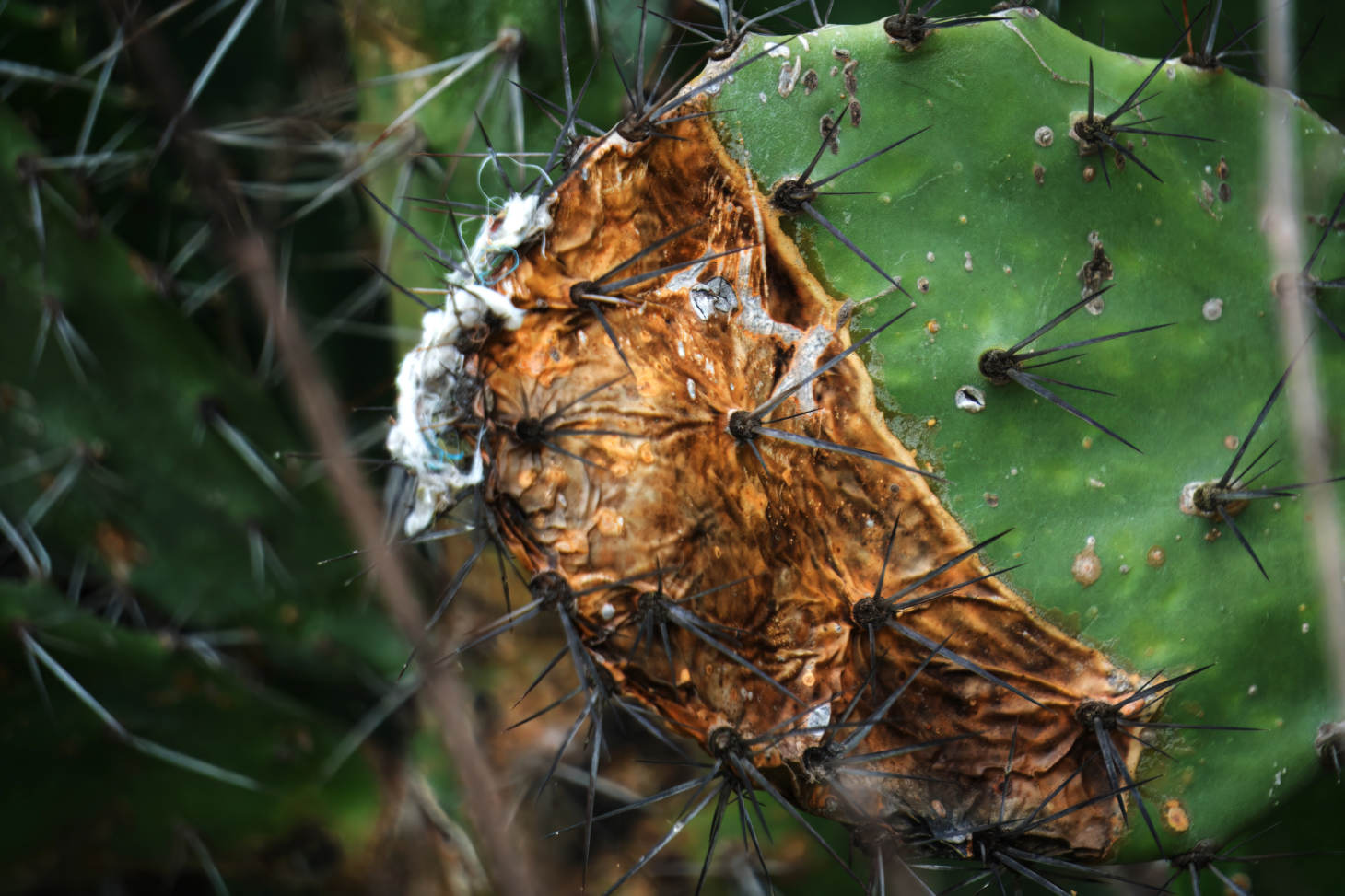
Why Your Cactus Is Turning Brown
You notice brown patches or a dark base on your cactus, and it feels worrying because these plants usually look tough and green. That color change signals stress, not mystery. You can fix many causes once you know what to look for.
Your cactus is turning brown because of stress from too much water, harsh sunlight, poor drainage, pests, disease, or natural aging. Overwatering often leads to root rot and a soft brown base, while strong sun can burn the skin and leave dry brown spots. In some cases, brown areas appear as a cactus matures and hardens near the base.
This guide breaks down the most common reasons and shows how daily care choices affect color and health. You learn how to spot warning signs early and keep your cactus stable over time.
Key Takeaways
- Brown color usually means water, light, or soil problems.
- Pests, disease, and age can also cause browning.
- Simple care habits help prevent cactus turning brown.
Primary Causes of Cactus Turning Brown
A brown cactus usually points to stress from water, light, or age. You can often fix the problem once you identify the cause and adjust care before damage spreads.
Overwatering and Root Rot
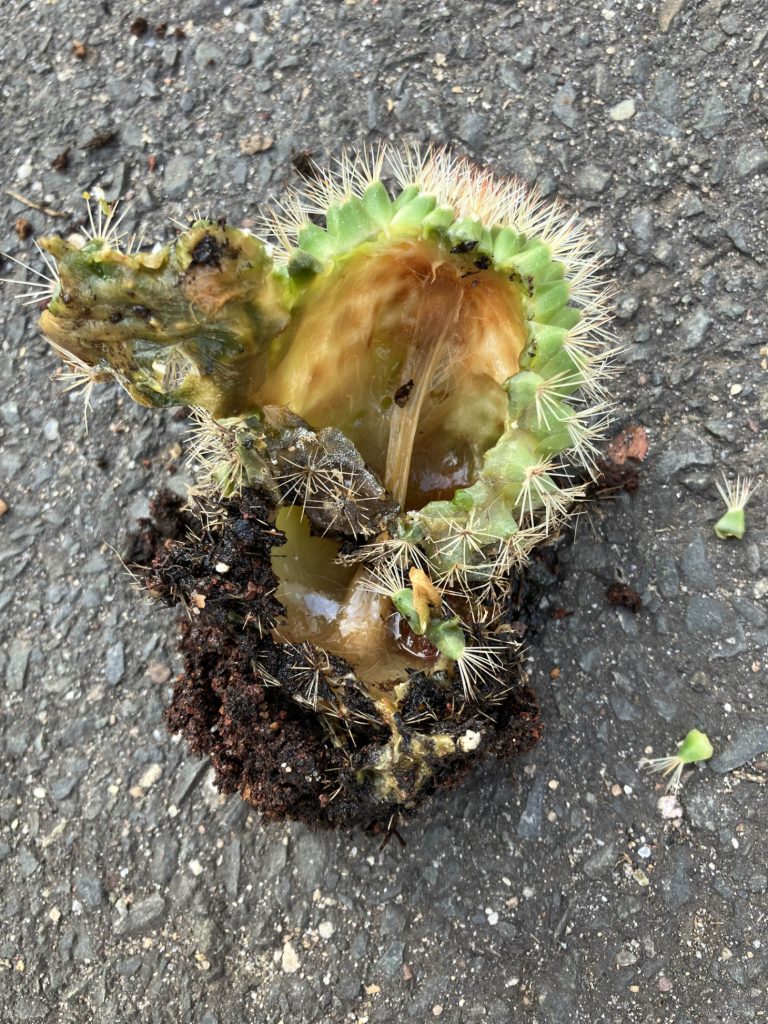
Overwatering stands as the most common reason a cactus turns brown. Too much water keeps soil wet for long periods, which cuts off air to the roots. This leads to root rot, a condition that causes the base of the cactus to turn brown or black and feel soft.
You may notice browning starting near the soil line and moving upward. The cactus may also lean or collapse. These signs mean the roots can no longer support the plant.
To reduce risk, let soil dry fully between waterings. Use pots with drainage holes and a fast-draining cactus mix. If rot has started, remove the cactus, trim damaged roots, let the wound air-dry for a few days, and repot in fresh, dry soil.
Underwatering and Drought Stress
Underwatering can also cause cactus turning brown, though it develops more slowly. When a cactus lacks water for long periods, it pulls moisture from its own tissues. This stress leads to browning, shriveling, and a dull surface.
Browning from drought often appears as dry, thin patches rather than soft spots. The cactus may feel lighter and look deflated. Spines may also appear brittle.
Water deeply but infrequently. Soak the soil until water drains out, then wait until it dries again. This pattern supports healthy roots and prevents repeated stress that leads to browning.
Sunburn and Light Damage
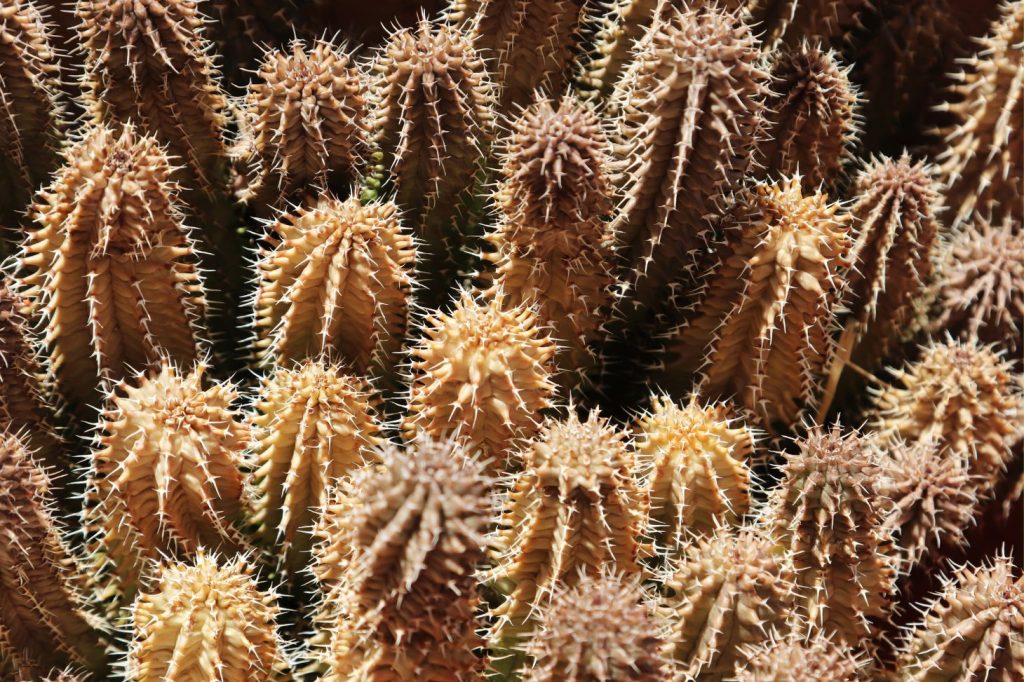
Too much direct sun can damage cactus skin, especially if you move it suddenly. Sunburn causes brown, tan, or yellow patches on the side facing the light. These areas feel firm, not soft.
Indoor cacti often suffer sunburn when placed outdoors or near a strong window without adjustment. The damage does not spread, but the discolored areas rarely turn green again.
Protect your cactus by increasing light exposure over one to two weeks. Use filtered light or a sheer curtain. Once burned, focus on preventing further damage rather than reversing marks.
Corking and Natural Aging
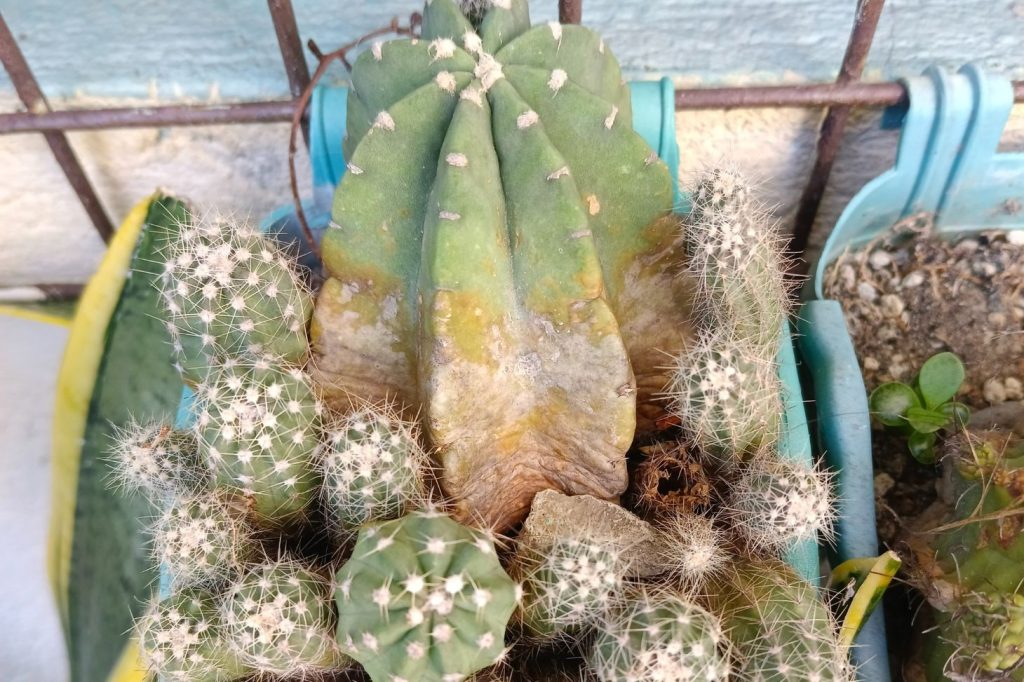
Corking is a normal process in many cacti, especially older ones. The cactus forms a hard, brown, woody layer at the base as it ages. This change helps support growth and does not signal poor health.
Cactus corking looks dry and firm, not soft or mushy. It stays limited to older sections and does not move upward quickly. New growth above the corked area remains green.
You do not need to treat corking. Avoid extra watering or moving the cactus, as this can cause stress. Learn to tell corking apart from rot to avoid unnecessary care changes.
Environmental and Cultural Factors
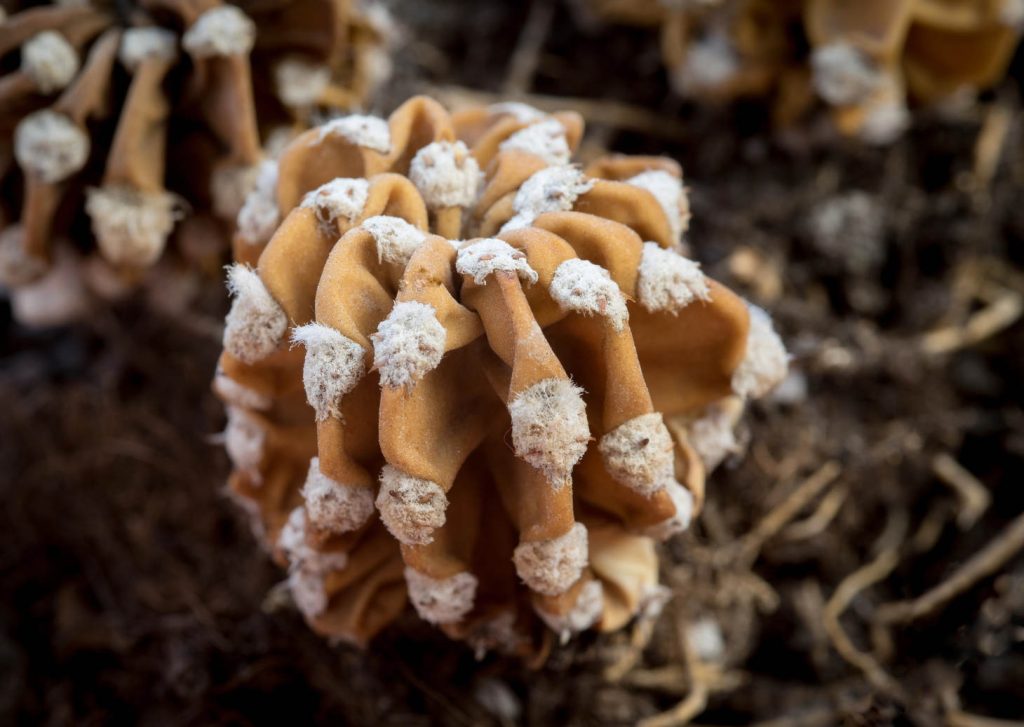
Your cactus reacts fast to its surroundings and daily care. Brown areas often link to soil drainage, air conditions, and how you pot and water the plant.
Poor Drainage and Soil Issues
Poor drainage stands as a top cause of browning. Cactus roots need air as much as water. When soil holds water too long, roots stay wet and begin to rot. You often see a brown, soft base first.
Use well-draining soil made for cacti. These mixes drain fast and dry evenly. Avoid dense garden soil or peat-heavy blends. They trap water and raise the risk of watering problems.
Most importantly, avoid a fixed watering schedule. Water only when the soil dries fully. Drought-tolerant plants prefer dry gaps between watering. Many house plants like steady moisture, but cacti do not.
Signs of soil trouble
- Soil stays wet for days
- Base turns brown or mushy
- Plant leans or shrinks
Humidity and Temperature Stress
Cacti thrive in low humidity and high light. High humidity slows soil drying and raises the risk of fungus. This stress can cause brown patches on the skin.
Keep humidity low, especially indoors. Avoid kitchens, bathrooms, or closed rooms with poor airflow. A small fan helps air move and speeds drying.
Temperature swings also cause stress. Cold drafts from windows or heat blasts from vents damage tissue. Browning often appears on the side facing the source.
Best ranges
- Temperature: 65–85°F (18–29°C)
- Humidity: Low to moderate
Most drought-tolerant plants handle heat well, but sudden changes still harm them. Keep your cactus away from doors, vents, and cold glass.
Potting Practices and Drainage Holes
Your pot choice matters as much as soil. Pots without drainage holes trap water at the bottom. This leads to root damage and browning over time.
Choose pots with at least one large hole. Clay or terracotta works well because it breathes and dries faster. Plastic holds moisture longer, so water less if you use it.
Do not oversize the pot. Large pots hold extra soil that stays wet. This creates ongoing watering problems.
Good potting habits
- Use pots with drainage holes
- Match pot size to root size
- Empty saucers after watering
These steps protect roots and support healthy growth for cacti and other house plants.
Pests, Diseases, and Other Stressors
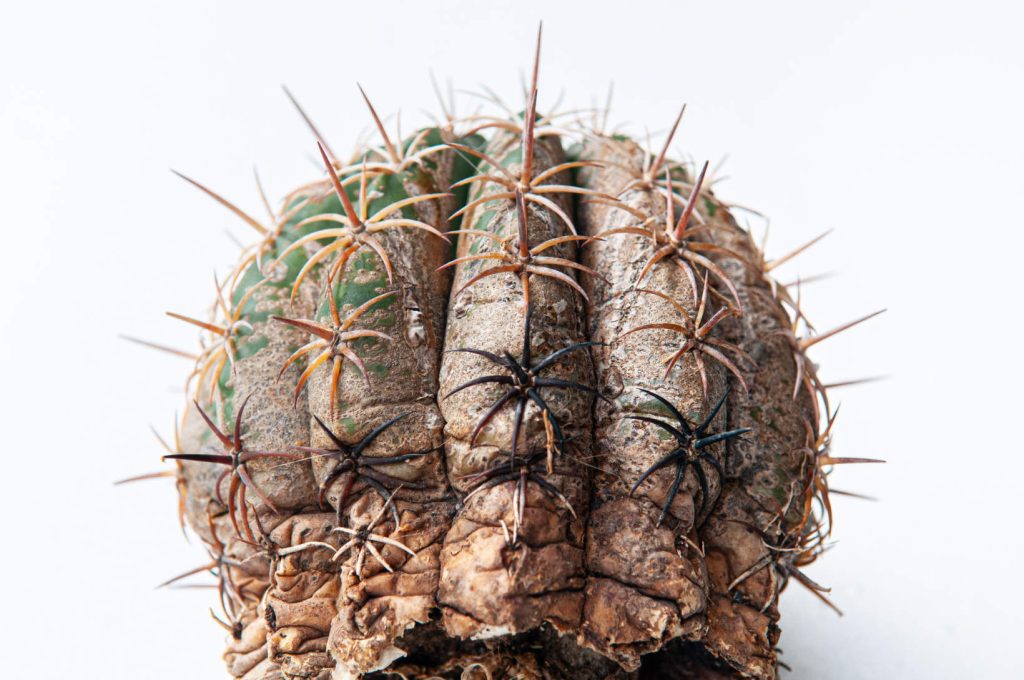
Brown areas on a cactus often point to living threats or ongoing stress. Infections, insects, and physical damage can change color, weaken tissue, and slow growth if you do not act early.
Fungal and Bacterial Infections
Fungal infections often appear as dry, corky patches or sunken spots that expand slowly. If the area feels mushy or damp, it typically indicates advanced cactus rot triggered by overwatering and poor drainage. While some fungi cause soft rot, many fungal infections actually cause dry, corky, or powdery spots. Soft, “mushy” rot is more characteristic of bacterial pathogens (like Erwinia) or specific water-molds.
Bacterial infections act faster and can create watery brown patches with a bad smell. These infections move through tissue quickly and can kill parts of the plant.
You can limit damage by cutting away infected areas with a clean blade. Let the cut dry, then improve airflow and reduce watering. Always isolate an infected cactus to protect nearby houseplants.
Common Cactus Pests
Plant pests can stress your cactus and leave brown marks behind. Spider mites and other mites feed on plant cells, which leads to dull color and small brown scars. You may also see fine webbing near the spines.
Scale insects attach to stems and pads and suck sap. They look like small, hard bumps and often cause yellowing that turns brown.
Check your cactus every few weeks. If you find pests, treat them early with insecticidal soap or horticultural oil. Focus on affected areas and repeat treatment as needed.
Identifying Brown Blotches and Scarring
Not all brown blotches come from disease or pests. Physical stress can scar the surface and leave dry, firm brown patches. These often appear after sunburn, rough handling, or sudden changes in light.
Use this quick guide to spot the cause:
| Sign | Likely Cause |
|---|---|
| Soft, spreading brown spots | Fungal or bacterial infection |
| Hard bumps or webbing | Scale insects or spider mites |
| Dry, flat brown scars | Stress or past damage |
Scars will not turn green again, but they usually stay stable. Focus on steady care to prevent new damage.
Long-Term Care and Prevention Strategies
You can prevent browning by controlling water, soil, and routine care. Small, steady habits protect cactus plants from stress, rot, and sun damage over time.
Establishing a Consistent Watering Routine
Watering depends on the specific species and environment rather than a fixed schedule. Water only when the soil dries out fully. In most homes, that means every 2–4 weeks in spring and summer, and less in winter.
Use the soak-and-dry method. Water deeply until it drains from the pot, then wait. Never let the cactus sit in water.
Check soil with your finger or a moisture meter. Soft, brown tissue often signals too much water, not too little.
Choosing the Right Fertilizer and Soil

Healthy cactus plants need well-draining soil. Use a cactus mix or make your own with potting soil, coarse sand, and perlite. Fast drainage protects roots from rot, which often causes browning at the base.
Feed lightly with a cactus fertilizer during active growth. Choose a low-nitrogen formula and dilute it to half strength. Apply it once every 4–6 weeks in spring and summer only.
Avoid fertilizing in fall and winter. Cacti rest during this time, and extra nutrients can damage roots.
Soil and fertilizer tips:
- Use pots with drainage holes
- Avoid dense or moisture-holding soil
- Stop feeding when growth slows
Proper Maintenance for Healthy Cacti
Place your cactus in bright, direct sunlight for most of the day. If moving a plant outdoors, introduce sun gradually to avoid scorching. Rotate the pot every few weeks to ensure even, upright growth.
Inspect your plant often. Look for pests, soft spots, or color changes. Early action prevents lasting damage.
Remove dead or damaged parts with a clean blade. Keep tools sanitized to avoid infection.
Repot every 2–3 years or when roots outgrow the pot. Fresh soil restores airflow and drainage. Simple upkeep keeps your cactus firm, green, and stable for the long term.
Frequently Asked Questions
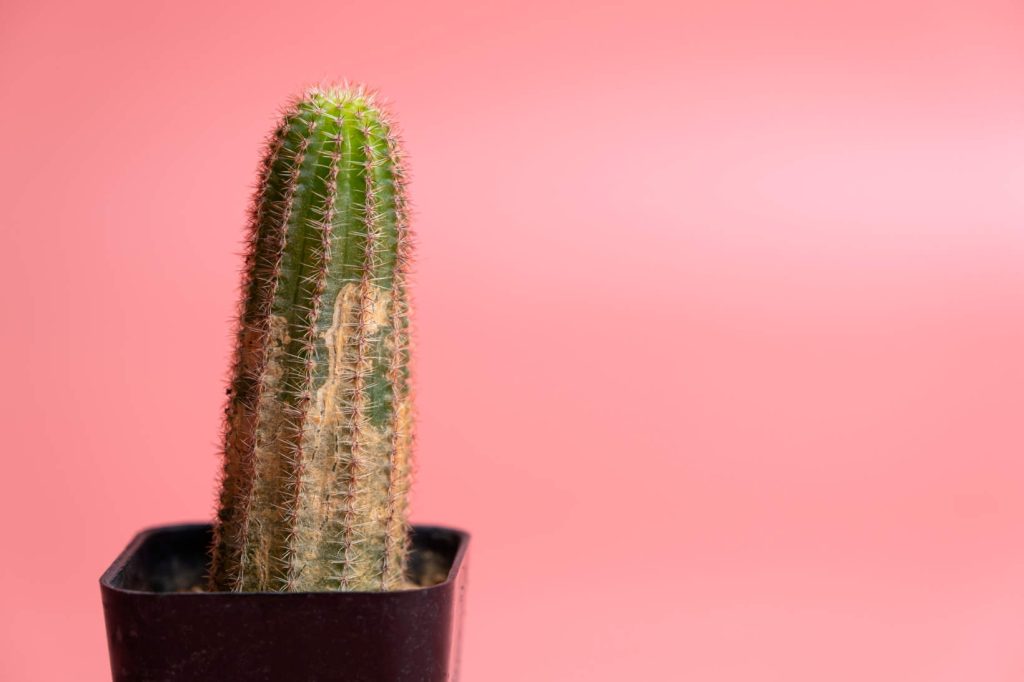
Brown color on a cactus can come from water issues, light stress, age, or disease. Texture, location, and speed of change help you decide what is normal and what needs action.
Why is my cactus turning brown at the bottom?
Brown at the base often points to overwatering and early rot. Wet soil blocks air from roots and causes damage that starts low on the plant.
If the brown area feels firm and bark-like, it is likely “corking.” This is a natural aging process where the cactus develops a woody base for stability.
What causes a cactus to turn brown and soft?
Soft brown tissue usually means rot from too much water. Fungal or bacterial growth can follow and make the problem worse.
You should remove the cactus from the pot and check the roots. Trim away soft parts and let healthy sections dry before replanting.
How to distinguish cactus corking from other browning issues?
Corking looks dry, hard, and rough. It starts near the base and moves up slowly over time.
Problem browning spreads faster and may feel soft or wet. It often comes with yellowing or a bad smell.
What does it mean when a cactus turns reddish brown?
Reddish brown color often comes from light stress. Too much direct sun can burn the skin and change its color.
Cold stress can also cause red tones. Move the cactus to bright but indirect light and keep temperatures steady.
Could a brown cactus still be alive, or is it dead?
A cactus with brown patches may still be alive. If the brown area is hard, it is likely “corking,” a natural aging process. However, if the plant feels mushy, soft, or smells foul, it is rotting. As long as some tissue remains firm and green, you can often save the plant by taking healthy cuttings.
What steps should I take if my cactus starts turning yellow?
Yellowing usually indicates overwatering or poor drainage. Ensure the pot has holes and use a gritty mix. Let soil dry completely between waterings. However, if the yellowing is localized or mushy, check for root rot or pests. Provide consistent bright, indirect light to avoid stress or sunburn.