Why Your Cactus Stopped Growing
You expect a cactus to grow with little effort, so stalled growth feels confusing. Most cacti grow slowly, but a full stop often points to a care issue that needs attention. Light, water, soil, and seasonal rest all shape how your cactus grows.
Your cactus usually stops growing because it lacks enough light, receives too much water, sits in poor soil, or enters a natural dormancy period. Small problems can stack up and stress the plant without clear warning signs. Because cacti have slow metabolisms, they may not show distress immediately, making proactive care essential.
This guide breaks down the most common reasons growth slows or stops. You will learn how soil, pots, pests, and daily care choices affect your cactus. With a few clear fixes, you can support steady and healthy growth again.
Key Reasons Your Cactus Stopped Growing
Cactus growth slows or stops when basic needs fall out of balance. Seasonal rest, water problems, and light levels explain most cases of stalled growth and visible signs of distress.
Natural Dormancy Periods
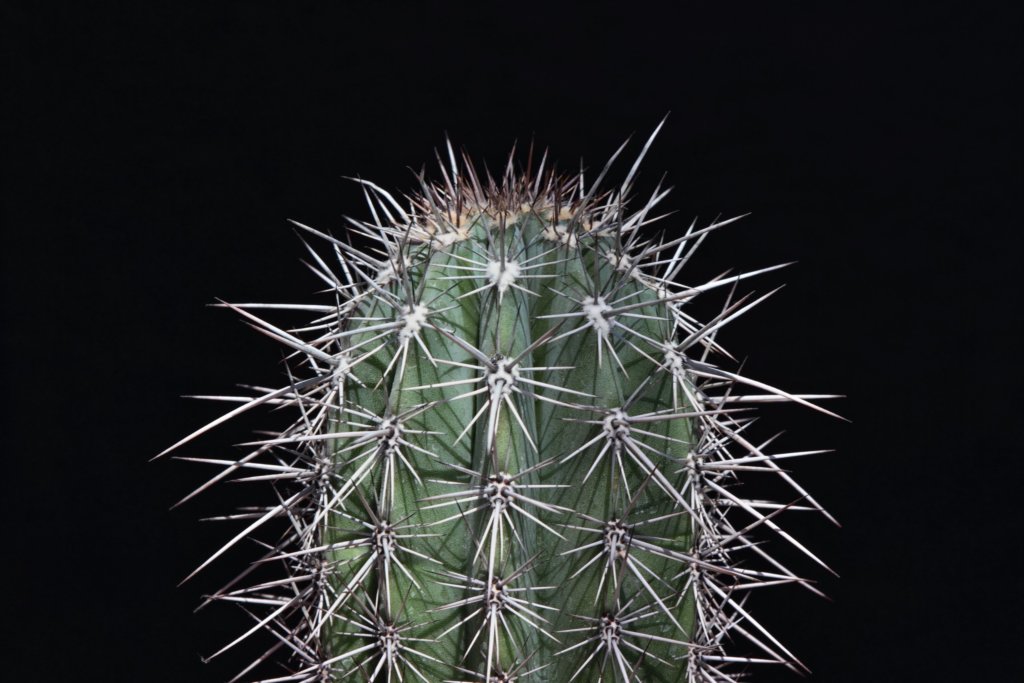
Many cacti stop growing during cooler months because of cactus dormancy. This rest period usually starts in fall and lasts through winter. You may notice no new growth even though the plant looks healthy.
During dormancy, your cactus uses less water and energy. If you keep watering on a summer schedule, you can cause stress. Growth will not resume until temperatures rise and daylight increases.
Signs of normal dormancy include firm stems, stable color, and no shriveling. Soft tissue, dark spots, or collapse point to a problem, not rest. Dormancy is natural and does not mean something is wrong.
Overwatering and Root Rot
Overwatering is a top reason people ask, why won’t my cactus grow. Too much water fills air spaces in the soil. Roots then lose oxygen and begin to rot.
Root rot stops nutrient uptake, so growth halts. Common signs include mushy stems, yellowing, and a sour smell from the soil. In severe cases, the base of the cactus turns black.
Use a fast-draining cactus mix and pots with drainage holes. Water only after the soil dries out fully. In cool months, you may water once every few weeks or not at all.
Underwatering and Dehydration
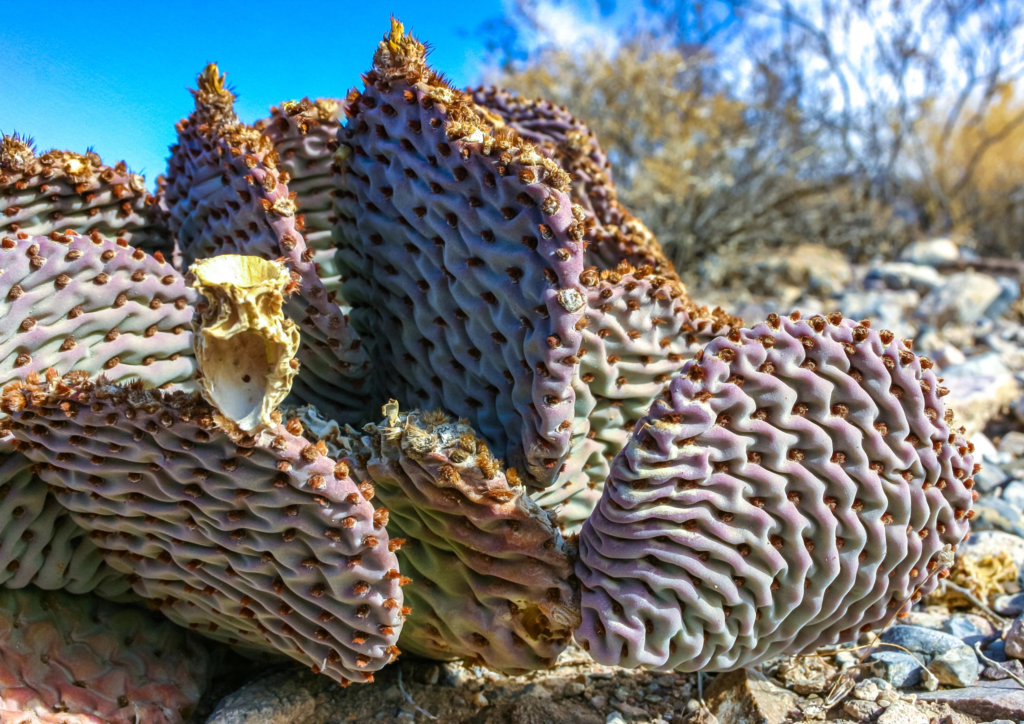
Underwatering can also stop growth, even in desert plants. Cacti still need water to grow new tissue. Long dry periods cause dehydration and stress.
You may see wrinkled skin, dull color, or slow shrinking. Growth pauses because the plant focuses on survival instead of expansion. Severe dehydration can damage roots.
Water deeply but infrequently. Let water flow through the pot, then drain fully. This method supports root health and steady growth without water buildup.
Insufficient Lighting
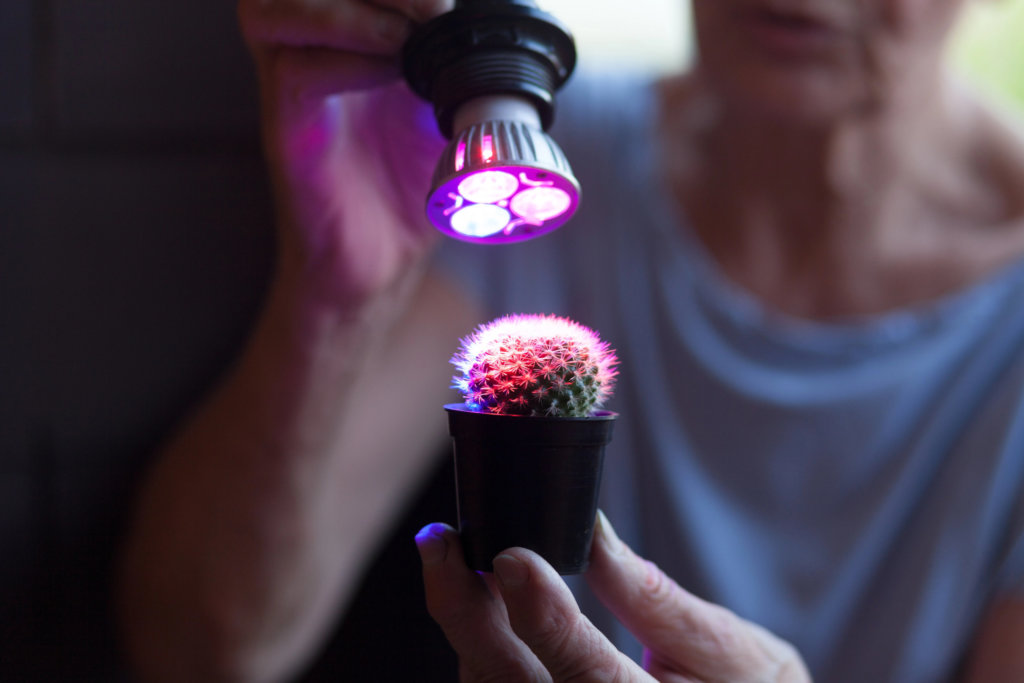
Insufficient lighting limits photosynthesis, which directly affects growth. Indoors, this problem often causes thin, weak growth or no growth at all.
Place your cactus near a south-facing window for the strongest natural light. Most cacti need at least 6 hours of bright light each day. Dim rooms and indirect light often fall short.
If natural light stays low, use a grow light. Keep it close enough to be effective, but not so close that it heats the plant. Proper light restores normal growth patterns.
Soil and Potting Issues Impacting Growth
Soil and pot choices control how water moves around the roots. When soil holds water too long or the pot traps moisture, growth slows and roots suffer.
Poor Soil Quality
Poor soil quality often stops cactus growth. Regular potting soil holds too much water and packs down over time. This limits air flow and keeps roots wet for too long.
Wet, compact soil leads to root rot and weak roots. You may notice soft spots, slow growth, or pale color. These signs often appear even when you water less.
You should avoid soil with high peat or compost content. Cacti need grit, not rich soil. Proper drainage ensures that water passes through quickly, allowing oxygen to reach the roots while preventing rot.
If the soil feels muddy or stays wet for days, replace it. Fresh soil gives roots space to grow and recover.
Improper Pot Size
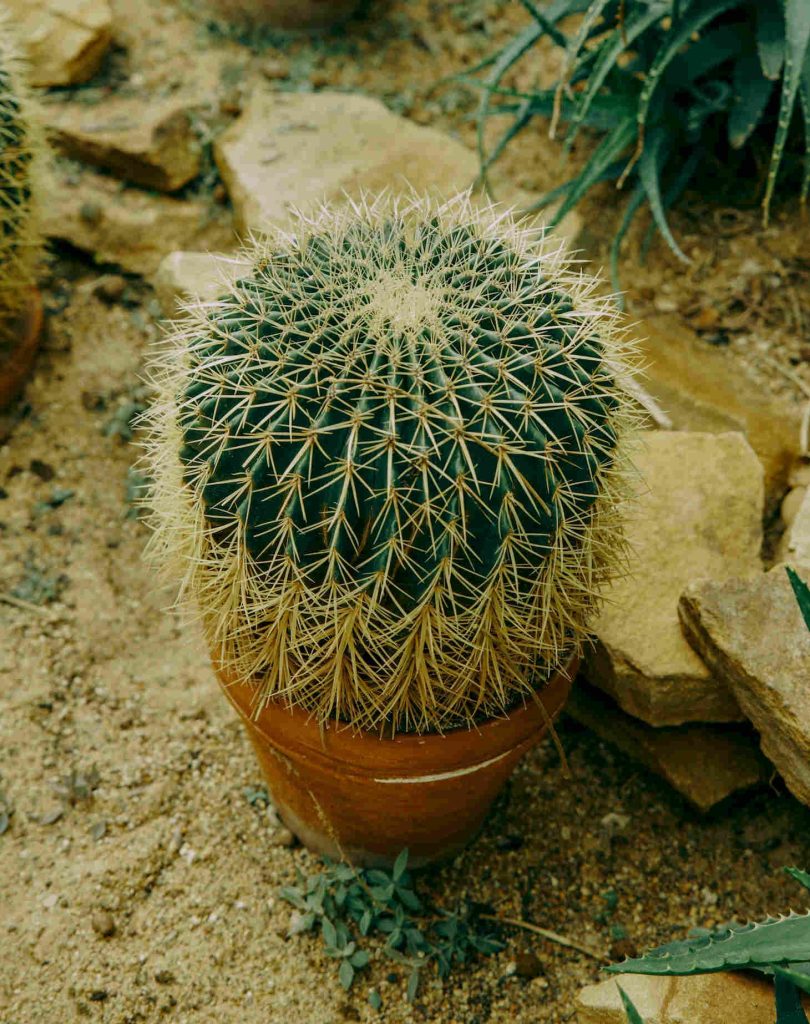
Pot size affects how fast the soil dries. A pot that is too large holds extra soil and water. This raises the risk of rot and slows growth.
A pot that is too small can also cause problems. Roots may circle the pot and struggle to absorb water and nutrients. Growth may stall even with good care.
Choose a pot that is just slightly larger than the root ball. Make sure it has drainage holes at the bottom. These holes let excess water escape and protect the roots.
Clay pots help soil dry faster than plastic. They work well in humid areas or for indoor plants with limited air flow.
Well-Draining Soil Mix
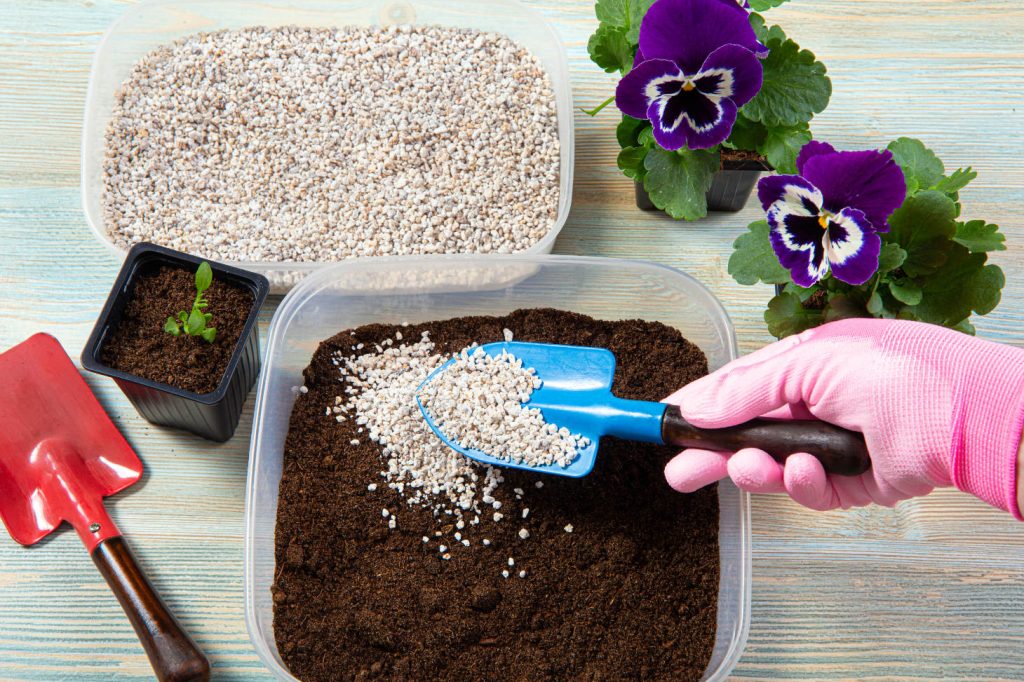
A well-draining cactus mix supports steady growth. You can buy a cactus mix or make your own. The goal is fast drainage with enough structure to hold roots.
A simple mix uses common materials:
| Component | Purpose |
|---|---|
| Coarse Sand | Improves drainage |
| Perlite or Pumice | Adds air pockets |
| Potting Soil | Provides minimal organic nutrients |
Mix two parts grit/pumice to one part potting soil. Keep organic material low. Too much traps water and causes problems.
When you repot, shake off old soil if it stays wet. Fresh, well-draining cactus mix helps reset moisture balance and supports new root growth.
Pests, Diseases, and Environmental Stress
Pests, moisture problems, and unstable conditions can slow or stop cactus growth. You often see these issues together, and each one adds stress that limits new growth.
Common Pest Infestations
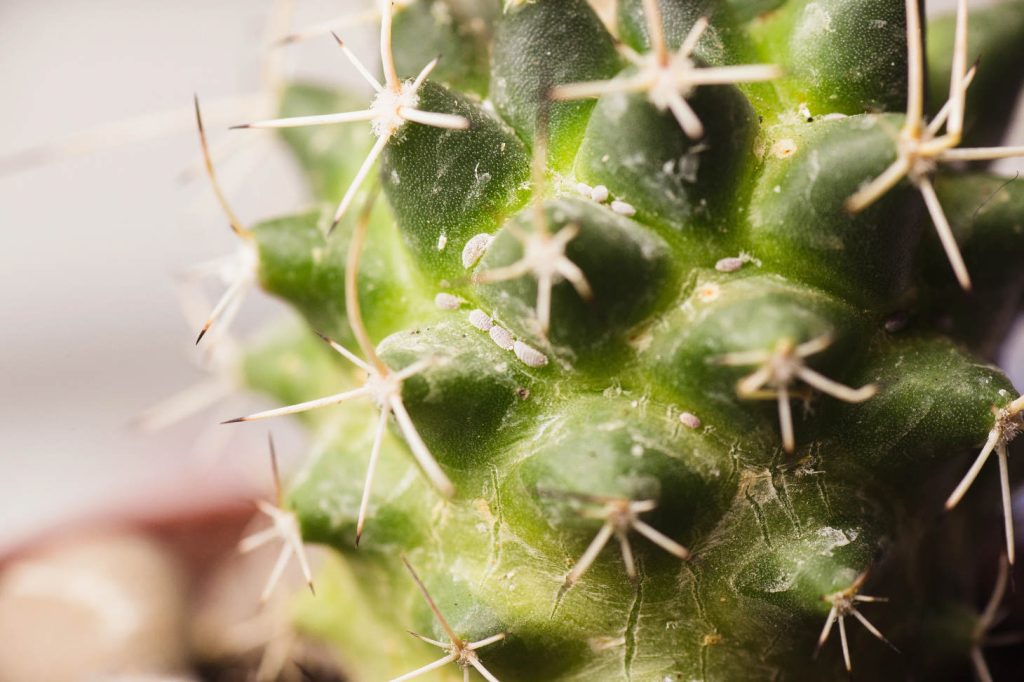
Pest infestations drain energy from your cactus and weaken its ability to grow. The most common pests include mealybugs, spider mites, and scale insects. They feed on sap, which slows growth and causes dull color or soft spots.
Watch for white cottony clumps from mealybugs, fine webbing from spider mites, and hard bumps from scale. These pests often hide near joints or at the soil line.
You can treat light infestations with insecticidal soap or neem oil. Apply it to all plant surfaces and repeat as directed. For severe cases, systemic insecticides may help, but use them with care and only as needed.
Fungal Infections and High Humidity
Fungal infections often start when moisture stays on the plant too long. High humidity, poor drainage, or frequent watering raise the risk. These conditions stress roots and slow growth.
Early signs include dark spots, soft tissue, and mushy stems near the base. Once rot begins, growth usually stops.
Remove infected areas with a clean tool. Let the plant dry fully before watering again. Use fast-draining soil and pots with drainage holes. Keep humidity low, especially indoors, to limit fungal spread.
Air Circulation and Temperature Fluctuations
Poor air circulation traps moisture around your cactus and encourages pests and disease. Stagnant air also slows drying after watering, which stresses roots.
Place your cactus where air can move freely. Avoid tight clusters of plants or closed shelves.
Sudden temperature fluctuations also affect growth. Cold drafts, unheated windows, and heat vents cause stress. Keep temperatures steady and within the cactus’s preferred range. Stable conditions support steady growth and reduce long-term damage.
Optimizing Cactus Care for Healthy Growth
You can restore steady cactus growth by adjusting three core habits. Use the right fertilizer, manage light with care, and water only when the soil is completely dry to mimic arid environments.
Fertilizing Practices
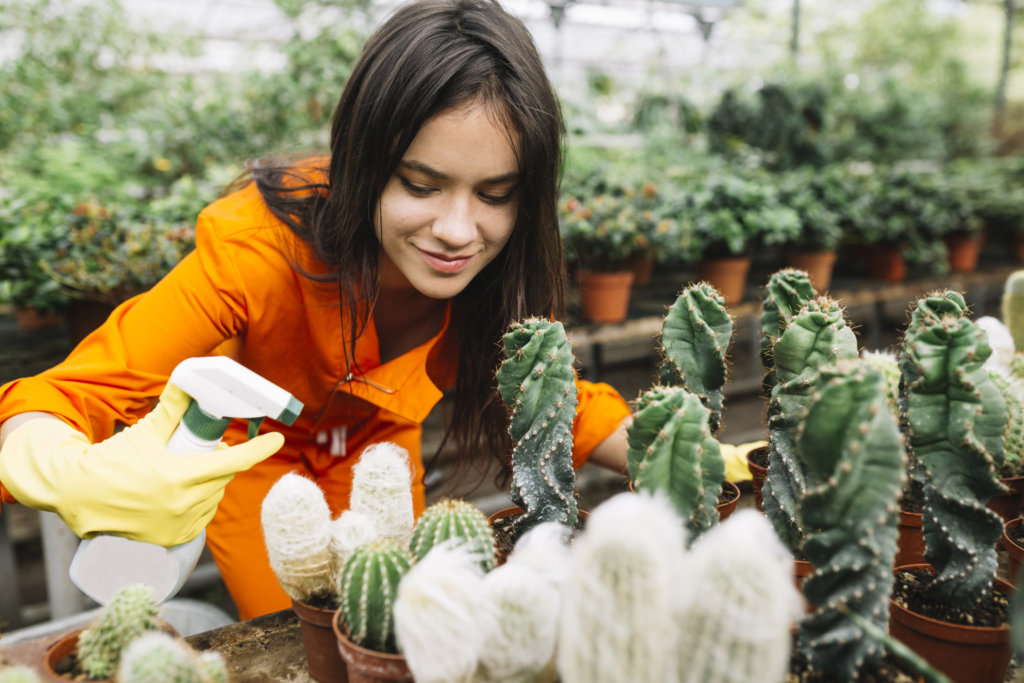
Cacti need light feeding during active growth. Feed only in spring and summer, when the plant can use nutrients.
Use a fertilizer for cacti with low nitrogen. Too much nitrogen causes soft, weak growth. A liquid fertilizer for cacti works best because it spreads evenly through the soil.
Best practices
- Dilute fertilizer to half strength
- Apply once every 4–6 weeks
- Never fertilize dry soil
Skip feeding in fall and winter. During dormancy, fertilizer builds up in the soil and can damage roots. If growth stalled after heavy feeding, flush the soil with plain water and pause fertilizing for several weeks.
Light Acclimation and Sun Protection
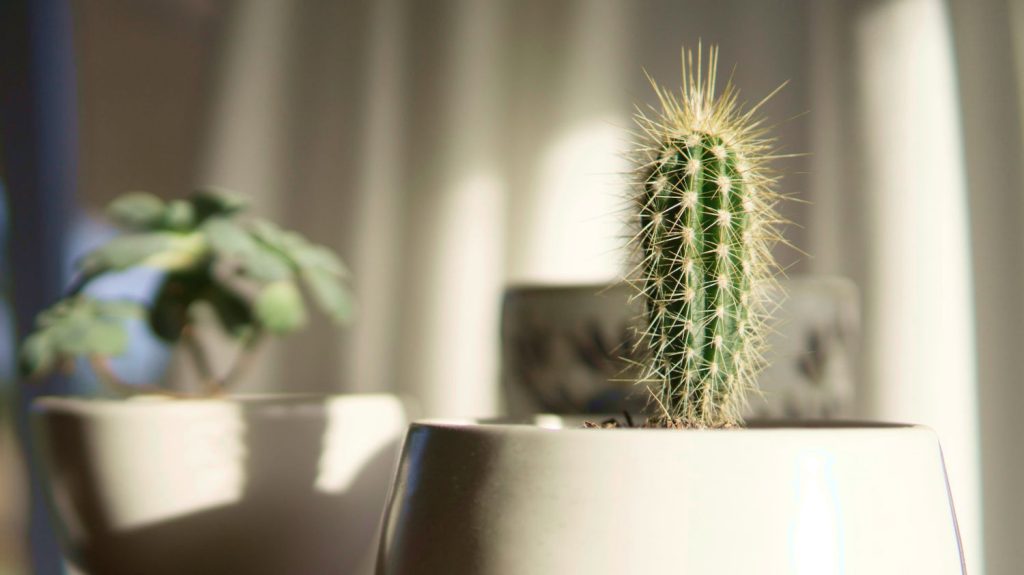
Light drives cactus growth, but balance matters. Too little light causes etiolation, which makes stems stretch and weaken.
Place your cactus near a bright window, ideally south- or west-facing. Indoor cacti need several hours of direct light each day.
Avoid sudden exposure to excessive sunlight. Move plants outdoors or closer to windows in stages over 7–14 days.
Signs to watch
- Leaning/Stretching: Insufficient light.
- Yellowing/Bleaching: Initial sun stress.
- Crispy Brown Patches: Permanent sunburn damage.
Use sheer curtains or light shade during peak summer sun. Stable light helps your cactus grow evenly and maintain a firm shape.
Best Watering Routines
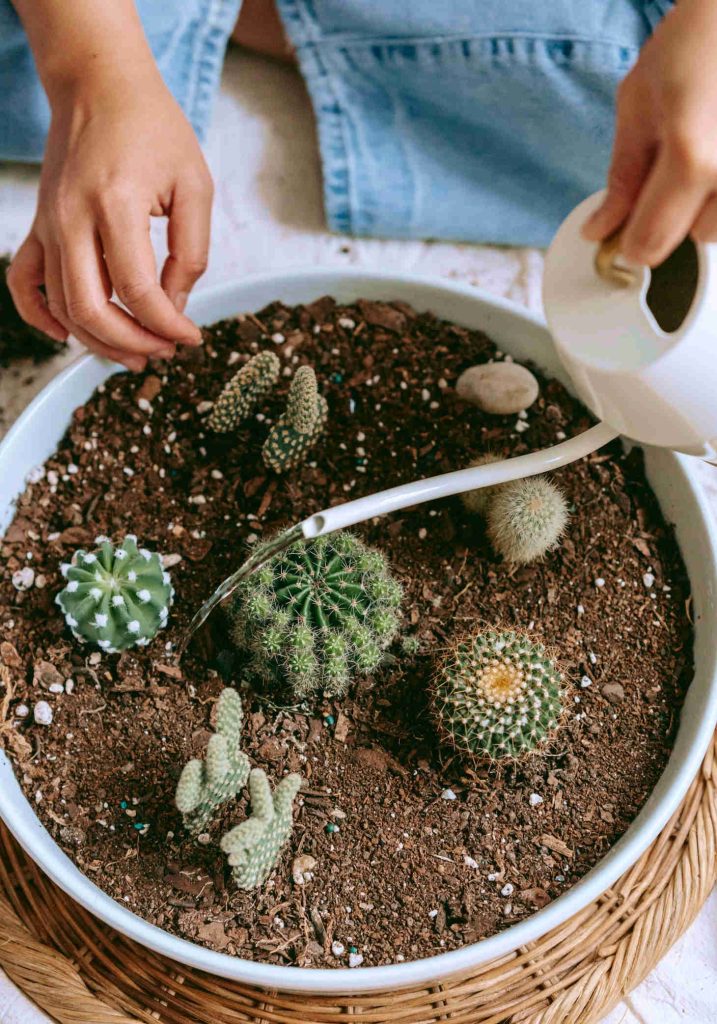
Watering mistakes stop growth more than any other issue. You need to reduce watering compared to most houseplants.
Water only when the soil dries out completely. Then soak the soil and let excess water drain away.
Simple watering guide
| Season | Frequency |
|---|---|
| Spring–Summer | Every 1–3 weeks (when dry) |
| Fall | Every 4–6 weeks |
| Winter | Rare or none |
Always use pots with drainage holes. Soggy soil blocks oxygen and halts root function. Consistent, deep watering supports healthy roots and steady cactus care without stress.