
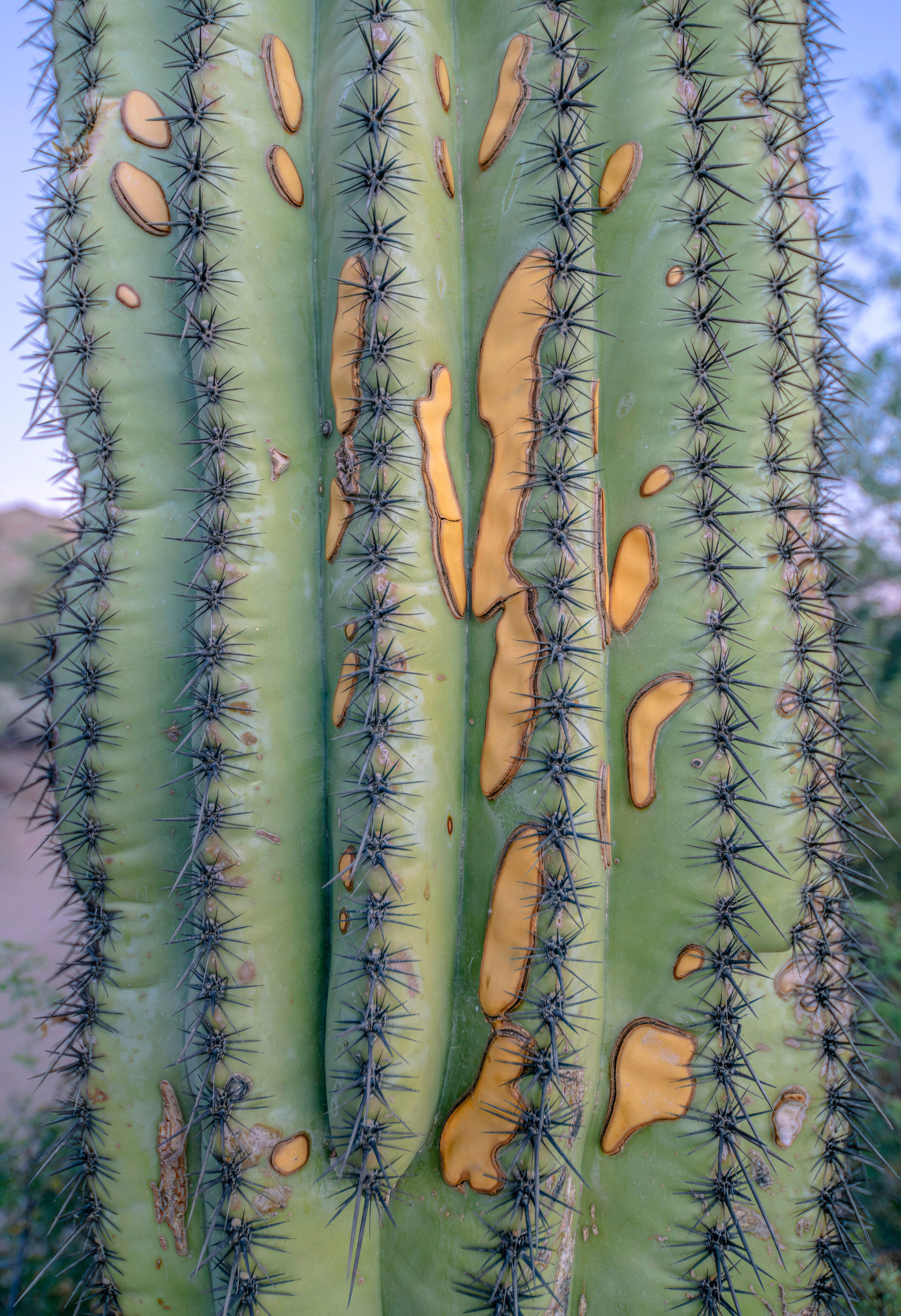
Why Your Cactus Has Orange Or Rust-Colored Spots
Orange or rust-colored spots on your cactus can feel alarming, especially when the plant once looked healthy. These spots usually come from a rust fungus, pest damage like mites or scale, or stress from water, light, or temperature problems. Each cause leaves marks that look similar, but the fix depends on the source.
You may notice raised bumps, flat stains, or rough patches that spread over time. Moist air, poor airflow, and wet soil often help fungus grow, while pests leave tiny scars that blend into rusty areas. Sunburn, cold damage, and old wounds can also turn orange as the skin hardens.
Learning the cause helps you stop the damage early and protect nearby plants. With the right care, you can slow the spread, treat the problem, and help your cactus stay strong.
Key Takeaways
- Orange spots often point to fungus, pests, or stress.
- Spot texture and spread help reveal the cause.
- Early care changes can protect your cactus.
Identifying Orange or Rust-Colored Spots on Cacti
Orange or rust-colored spots on your cactus often point to a specific problem. Careful observation helps you tell rust disease apart from harmless marks and normal aging.
Recognizing Rust Spots Versus Other Marks
Rust spots on cacti usually appear as orange, reddish-brown, or yellow patches. They often start small and grow wider over time. These spots tend to spread instead of staying in one place.
Other spots on cactus skin may look similar but behave differently. Sunburn causes pale, bleached areas that stay flat and dry. Corking appears as tan, bark-like skin near the base due to age or watering stress. Root Rot manifests as dark, sunken, and mushy spots.
Use this quick comparison to help you decide:
| Spot Type | Color | Spread | Texture |
|---|---|---|---|
| Rust spots on cactus | Orange to brown | Gradual spread | Dry or rough |
| Sunburn | White or light tan | No spread | Dry/Flat |
| Corking | Light Brown / Grey | Very slow | Woody/Hard |
| Rot | Black / Dark Brown | Rapid spread | Mushy/Slime |
Look at location and growth pattern, not just color.
Symptoms of Cactus Rust
Cactus rust often begins as tiny orange dots on the stem or pads. Over time, these dots merge into larger rust spots on cactus skin. You may notice the spots near ribs, joints, or damaged areas.
The surface may look dusty or stained. In some cases, the spot develops a thin crust that flakes when touched. The cactus tissue under the spot usually stays firm at first.
As rust progresses, the affected area may weaken. Growth can slow, and new pads or stems may appear smaller. Rust spots on cacti rarely cause sudden collapse, but they signal stress that needs attention.
Physical and Textural Differences
Texture gives you strong clues when you inspect spots on cactus plants. Rust spots on cactus surfaces often feel dry, rough, or slightly raised. They do not leak fluid when pressed.
Pest damage can look rusty but feels different. Spider mite damage creates fine speckling that feels smooth. Scale insects leave hard bumps that you can scrape off.
Pay attention to these details during inspection:
- Raised and crusty often points to rust
- Flat and smooth suggests sun or age
- Soft or wet signals rot, not rust
Touch gently and observe closely before choosing a treatment.
Primary Causes of Orange and Rust Spots
Orange or rust spots on your cactus usually point to disease, pests, stress, or age-related changes. Each cause leaves clear signs on the plant’s skin, texture, and growth pattern.
Fungal Infections and Cactus Rust
Cactus rust is one of the most common causes of orange or rust-colored spots. Fungi, often from the Puccinia group, infect the outer skin of your cactus.
You may see small orange, yellow, or brown spots that look dusty or raised. These spots can spread and join together over time. Infected areas may feel weak or dry, and the skin can crack.
The main causes of cactus rust include:
- High humidity
- Poor air flow
- Overwatering or wet soil
Fungal spores spread through water splash, wind, or tools. If you keep your cactus in damp conditions, rust can take hold quickly and worsen without treatment.
Pest Infestations and Their Impact
Some pests cause rust-like damage even though no fungus is present. Spider mites and scale insects are the most common culprits.
These pests pierce the cactus skin to feed. The damage shows up as tiny orange or brown specks that cluster into larger patches. The surface may look rough, scarred, or corky.
You may also notice:
- Fine webbing from spider mites
- Small hard bumps from scale insects
- Slow or uneven growth
Pests often attack stressed plants. Dry air, poor light, or weak roots make your cactus more vulnerable to infestations.
Environmental Stress Factors
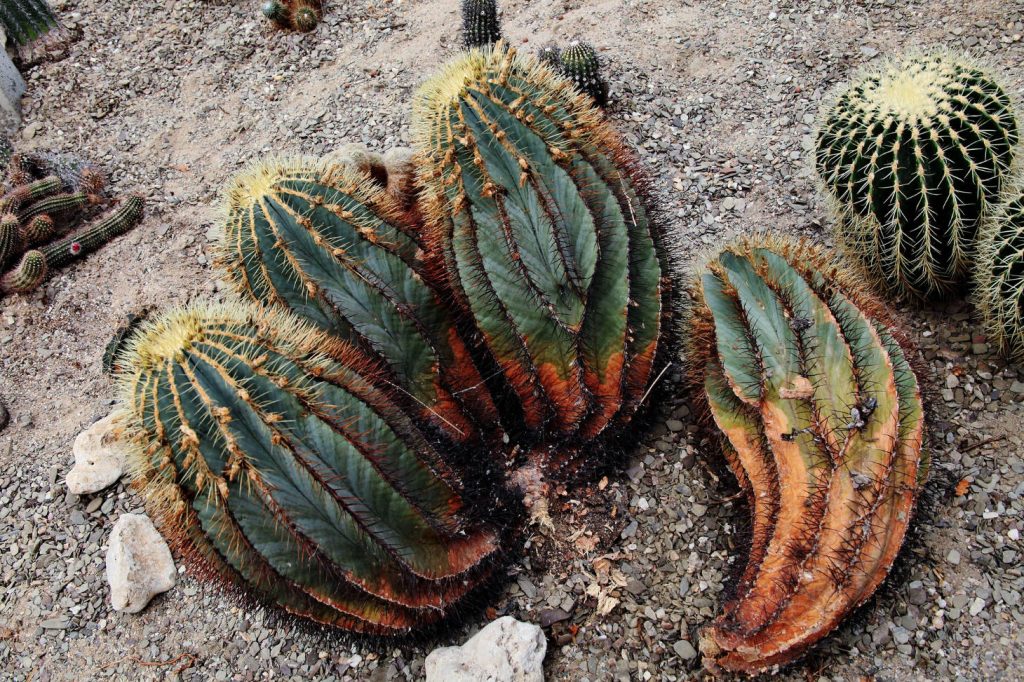
Stress can cause your cactus to change color as a defense response. Sunburn is a frequent trigger, especially after sudden exposure to strong light.
Orange or rust tones often appear on the side facing the sun. The skin may look faded, dry, or stiff. Cold damage can cause similar marks, often followed by soft or sunken spots.
Common stress-related causes include:
- Too much direct sun
- Sudden temperature drops
- Poor drainage
Stress does not spread like disease, but damaged areas rarely return to green.
Natural Aging and Corking
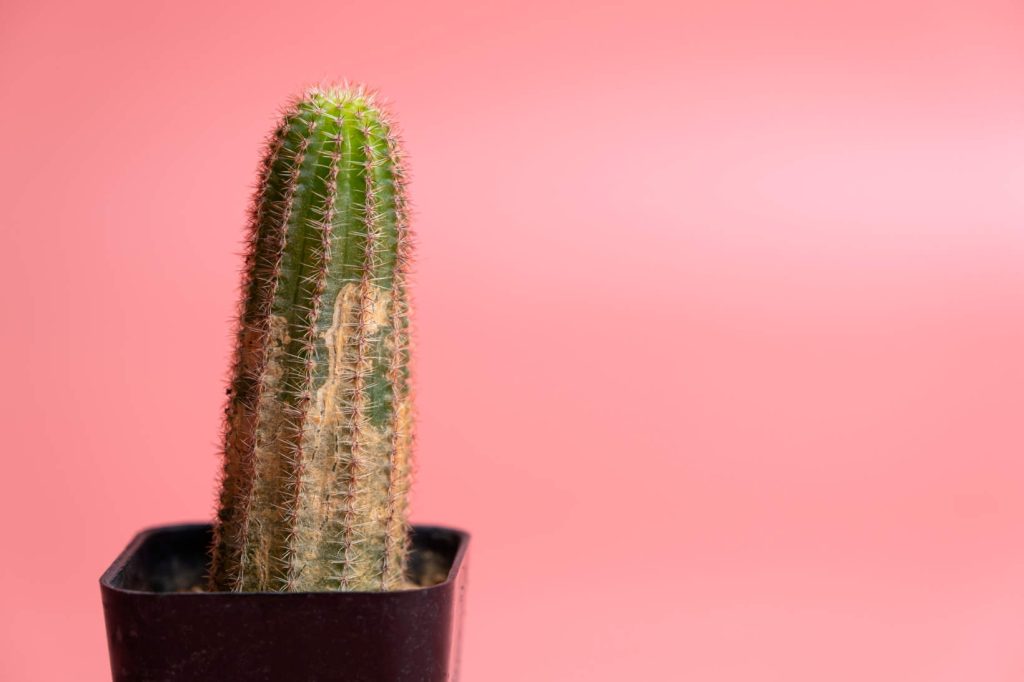
Not all rust-colored spots signal a problem. Corking is a normal aging process in many cacti.
As your cactus matures, the lower sections may turn tan or brown. The skin becomes hard and woody, which helps support the plant’s weight.
Corking usually:
- Starts near the base
- Feels firm and dry
- Does not spread upward fast
This change happens slowly and evenly. If the cactus keeps growing and feels solid, corking does not need treatment.
Effective Treatments for Affected Cacti
You can stop orange or rust spots by acting fast and staying consistent. The most effective care combines hands-on cleanup, targeted treatments, and better growing conditions.
Physical Removal and Isolation
Start by moving the cactus away from other plants. This step limits spread from fungus or pests.
Use clean, sharp tools to remove badly spotted pads or stems. Cut slightly past the damaged area. Wipe tools with rubbing alcohol before and after each cut.
Keep the plant dry; avoid scrubbing spots with water, as moisture can escalate fungal growth. Ensure the wounds callus in a well-ventilated area before watering.
Follow these basics:
- Isolate for at least 2–3 weeks
- Remove only damaged tissue
- Disinfect tools every time
Discard removed plant parts. Do not compost them.
Use of Fungicides and Natural Remedies
Treat remaining spots with a product that targets fungus or mites. Choose one method and apply it correctly.
Common options
- Copper fungicide: effective for rust fungus
- Sulfur-based spray: works for fungal scabs
- Neem oil: helps with mild fungus and spider mites
- Baking soda spray: ½ teaspoon per quart of water, for early issues
Apply treatments in the morning. Avoid strong sun until the plant dries. Repeat every 7–14 days, based on label directions.
Test any spray on a small area first. Stop treatment if you see burn or stress.
Environmental Adjustments
Fixing care problems prevents spots from returning. Most issues start with moisture and air flow.
Water only when the soil dries out completely. Use pots with drainage holes and gritty cactus soil.
Give your cactus bright light, but avoid harsh afternoon sun if the plant looks stressed. Increase air flow with space between plants or a small fan.
Check these conditions:
- Dry soil between watering
- Bright, indirect light
- Low humidity
- Good air movement
Stable care helps new growth stay clean and green.