
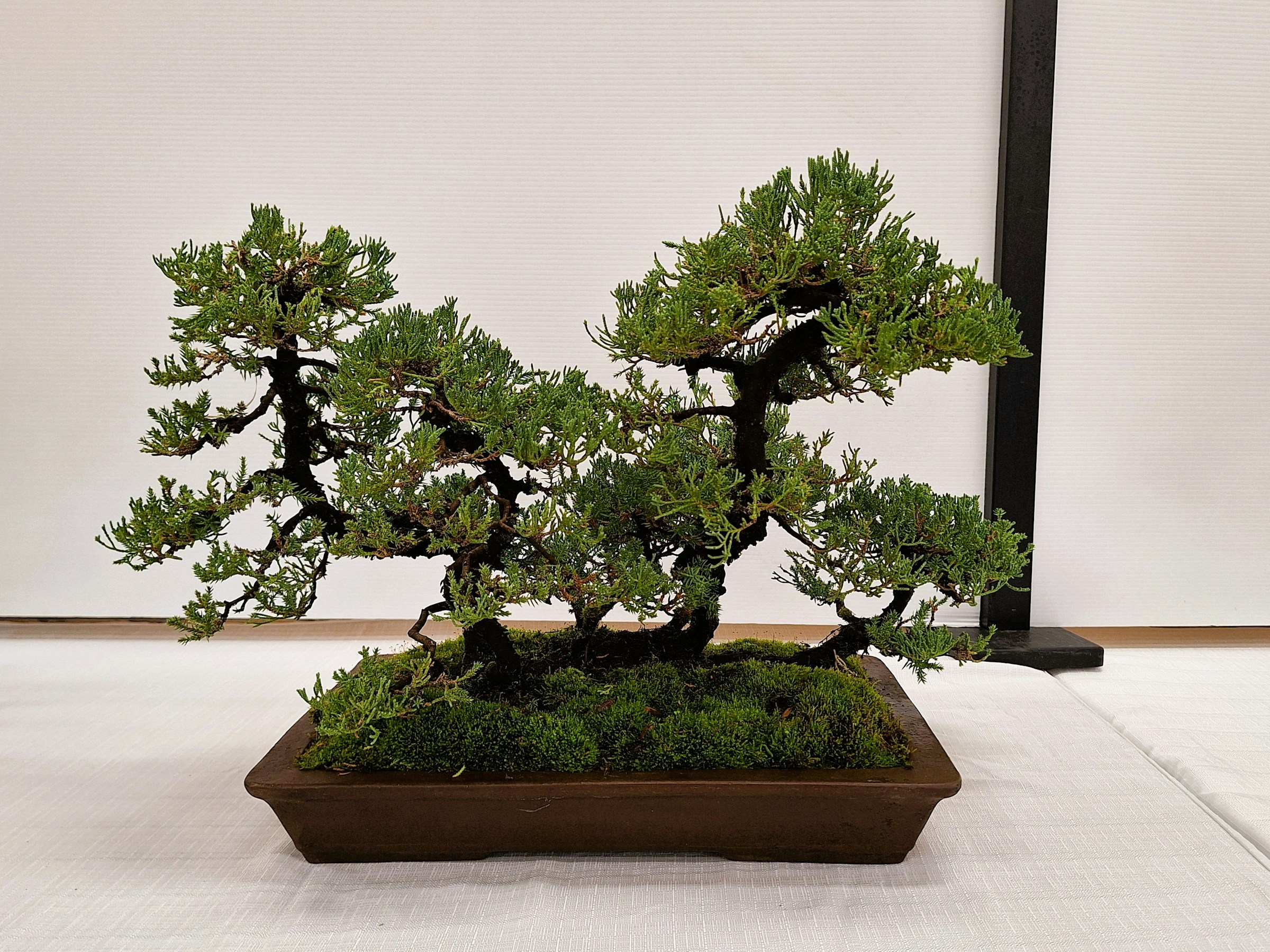
Juniper Bonsai Care
Caring for a juniper bonsai is simple when you understand its basic needs. You work with a hardy tree that responds well to steady light, careful watering, and regular pruning. With the right approach, you keep it healthy and shape it with control.
To care for a juniper bonsai, give it plenty of sunlight, water when the topsoil feels slightly dry, use well-draining soil, and prune it often to maintain shape and health. When you meet these core needs, your tree stays strong and keeps its compact form.
As you continue, you will learn the key care basics, proper watering and soil setup, and how to prune and shape with purpose. You will also see how feeding, propagation, and common questions fit into long-term success.
Fundamentals of Juniper Bonsai Care
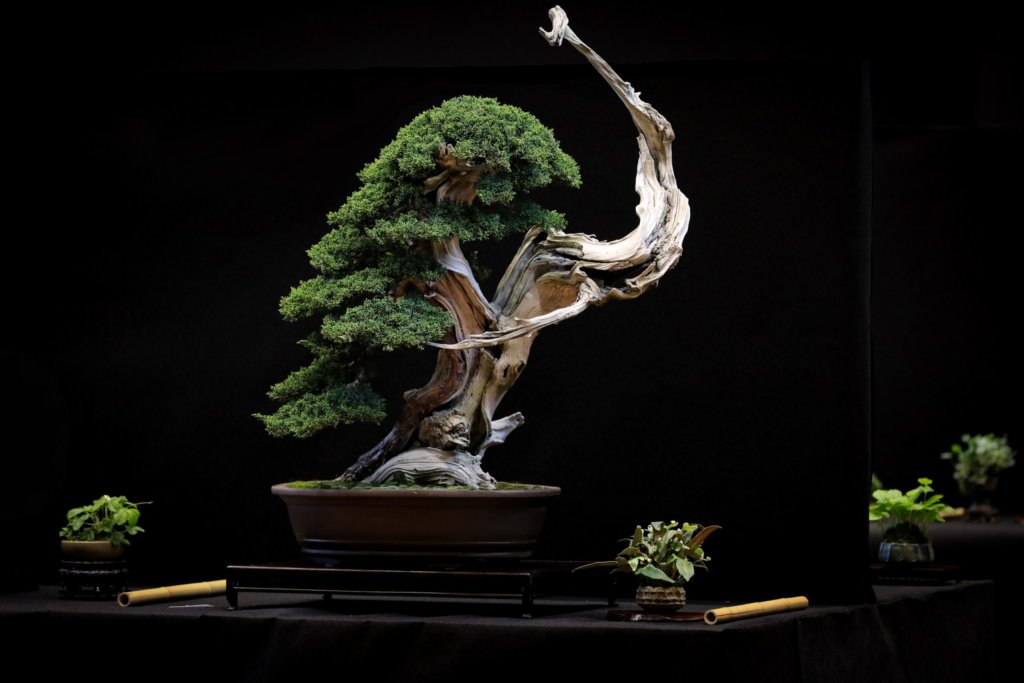
You grow strong juniper bonsai trees when you match the tree’s natural habitat and growth habits. Focus on species choice, outdoor conditions, and steady maintenance to support healthy roots and dense foliage.
Understanding Juniper Bonsai
Juniper bonsai refers to miniature trees from the Juniperus genus. These evergreen conifers include many juniper species used in bonsai, such as Juniperus chinensis, Juniperus communis, and Juniperus californica.
You will notice two main foliage types: needle-like and scale-like. Many Chinese juniper bonsai, especially Juniperus chinensis and Japanese shimpaku, develop soft, scale foliage as they mature. In contrast, common juniper (Juniperus communis) and Juniperus rigida often keep sharper needles.
Juniper bonsai trees grow slowly but steadily. They store energy in their foliage, so you should never remove all green growth at once. Healthy foliage supports root strength and helps the tree recover after pruning or wiring.
Most juniper varieties suit beginners because they tolerate pruning and shaping. Still, each juniper bonsai species responds differently, so you must adjust care based on the exact type you own.
Essential Environmental Conditions
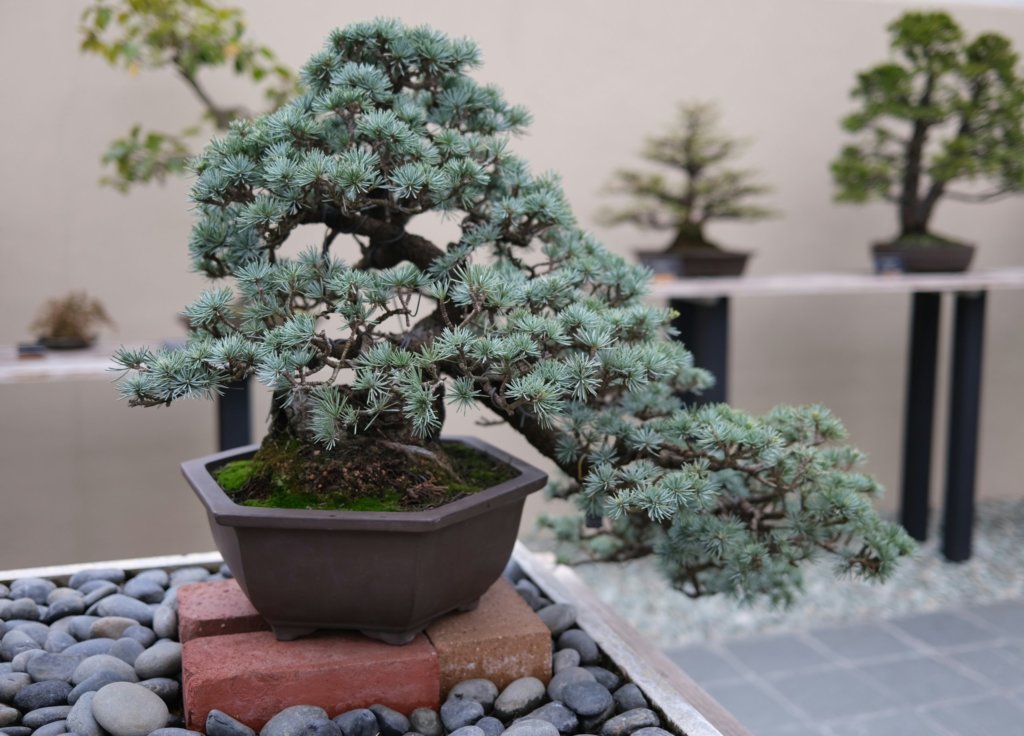
You should grow your juniper bonsai tree outdoors year-round. Junipers need full sun for strong growth and compact foliage. Aim for 4-6 hours of direct sunlight each day.
Place the tree where air moves freely. Good airflow reduces fungal problems and keeps foliage dry after watering or rain.
Water when the top layer of soil feels slightly dry. Do not follow a fixed schedule. Instead, check the soil daily during warm months. Water thoroughly until it drains from the bottom of the pot.
Use well-draining soil. A typical mix includes akadama, pumice, and lava rock or similar gritty materials. Junipers dislike soggy roots.
In winter, most juniper species, including Rocky Mountain juniper and Sierra juniper (Juniperus occidentalis), need a cold dormancy period. Protect the roots from deep freezing, but do not bring the tree into a heated room.
Common Juniper Bonsai Varieties
Several juniper bonsai species stand out for reliability and beauty. Each has traits that affect how you style and maintain it.
- Chinese juniper (Juniperus chinensis) – One of the most common choices. It includes Japanese shimpaku. These types produce fine scale foliage and respond well to wiring.
- Common juniper (Juniperus communis) – Hardy and cold-tolerant. It often has sharp needle foliage and suits natural, upright styles.
- California juniper (Juniperus californica) – Known for rugged bark and dramatic deadwood. It prefers strong sun and dry conditions.
- Rocky Mountain juniper (Juniperus scopulorum) and Sierra juniper (Juniperus occidentalis) – Native to western North America. They handle cold climates and develop twisted trunks over time.
- Juniperus sabina and Juniperus sargentii – Low-growing types often used for cascading or spreading designs.
When choosing among juniper varieties, match the species to your climate. Local adaptation improves long-term success and simplifies juniper bonsai care.
Watering, Lighting, and Soil Requirements
You keep a juniper bonsai healthy by controlling water, light, and soil. Each factor affects root health, foliage color, and steady growth. When you manage these basics well, you prevent common problems like root rot and juniper bonsai turning brown.
Watering Techniques and Schedules
Set a watering schedule based on soil moisture, not the calendar. Check the top inch of soil each day. If it feels slightly dry, water thoroughly.
Water until it flows from the drainage holes. This method flushes out salt buildup and ensures the entire root ball gets moisture. Do not mist instead of watering. Misting does not reach the roots.
Junipers prefer evenly moist soil, but they do not tolerate soggy roots. Let the surface dry slightly between waterings. While summer heat may require daily watering, winter dormancy demands much less frequency.
Overwatering often leads to root rot, which can cause a juniper bonsai to turn brown from the inside out. Underwatering causes dry, brittle foliage. Adjust your routine as temperatures, wind, and pot size change.
Optimal Light Exposure
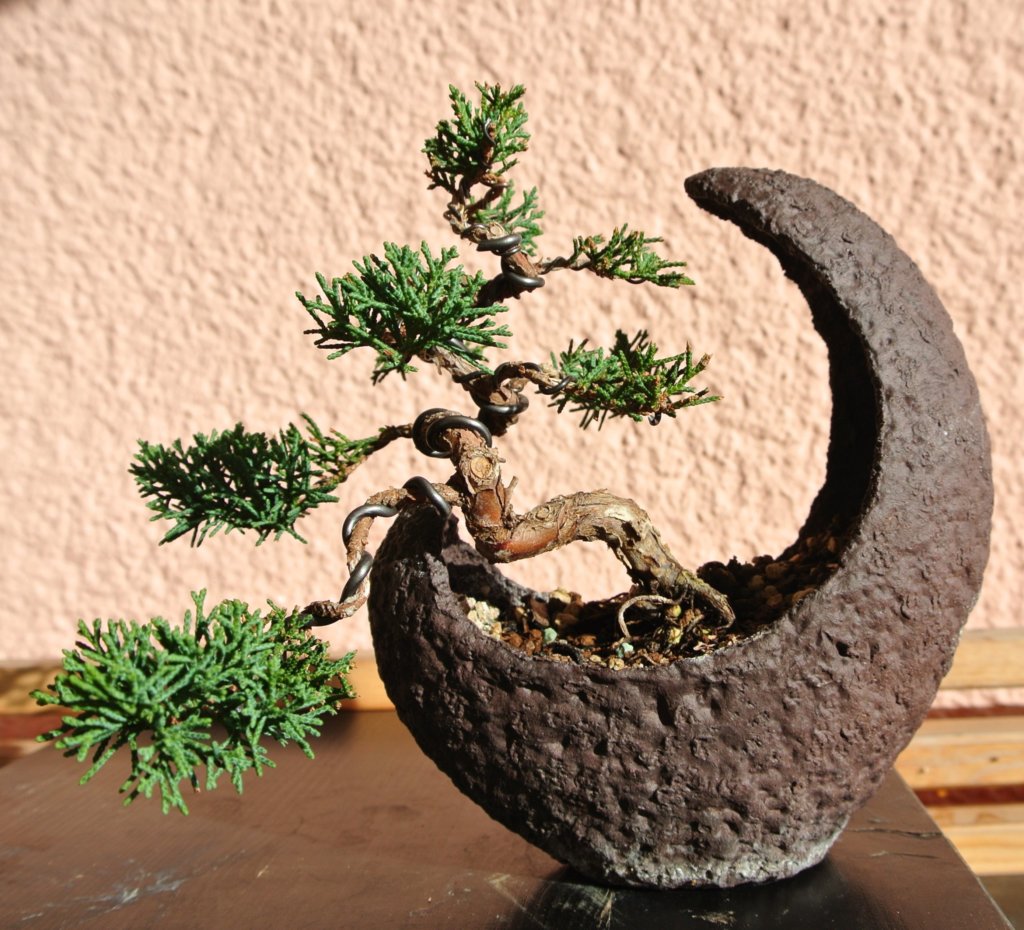
Place your juniper bonsai outdoors in full sun. It needs 4-6 hours of direct sunlight each day. Strong light supports dense foliage and compact growth.
Do not treat junipers as houseplants. Indoor light is insufficient, and more importantly, they require seasonal temperature shifts to survive.
Low light leads to pale or thinning foliage. Over time, weak light can cause browning and dieback. Good light also helps control excess moisture in the soil by increasing evaporation.
Rotate the pot every week. This step keeps growth even and prevents one-sided development.
Soil Selection and Drainage
Use a well-draining bonsai soil to keep roots healthy. Standard potting soil holds too much water and can suffocate roots.
Choose a proper bonsai soil mix made of coarse particles. A common mix for soil for juniper bonsai includes:
- Akadama for moisture control
- Pumice for drainage and root health
- Lava rock or grit for structure
This type of well-draining soil allows air to reach the roots while holding enough moisture for steady growth. Fast drainage helps prevent root rot, which is critical when learning how to care for a juniper bonsai.
Repot young trees every 2 years and mature specimens every 3–5 years to refresh the bonsai soil. Fresh soil improves drainage and supports fine root growth.
Pruning, Shaping, and Maintenance
Pruning and shaping keep your juniper compact and healthy. You must trim growth, guide branches with wire, manage roots, and adjust care by season to maintain balance and strong structure.
How to Prune a Juniper Bonsai
Prune your juniper to control shape and support healthy growth. Focus on thinning and selective cuts, not heavy shearing.
Use sharp bonsai shears to remove dead, damaged, or weak branches first. Cut back long shoots to keep the tree compact. Avoid cutting straight across the foliage like a hedge. Instead, trim small shoots back to a side branch.
Junipers grow from the tips. If you cut into old bare wood, new growth may not form. Always leave green foliage on each branch.
To build clean foliage pads, thin crowded areas. Let light and air reach the inner branches. This step reduces pests and keeps needles healthy.
Follow these basic steps when learning how to prune a juniper bonsai:
- Remove dead or brown growth.
- Cut crossing or downward-growing branches.
- Shorten long shoots to maintain shape.
- Thin dense areas without stripping all inner growth.
Prune lightly during the growing season, from late spring through summer. Avoid heavy pruning in late fall or winter.
Wiring and Styling Techniques
Wiring helps you shape branches into your desired design. Use aluminum or copper bonsai wire that is about one-third the thickness of the branch.
Wrap the wire at a 45-degree angle. Start at the base and move toward the tip. Bend the branch slowly and support it with your fingers to prevent cracks.
Create clear layers of foliage pads. Each pad should sit slightly above the one below it. This layout allows light to reach lower growth.
Check wired branches every few weeks. Junipers thicken as they grow. Remove the wire before it cuts into the bark.
Cut the wire off in small sections instead of unwinding it. This method protects the branch. Good styling improves both structure and long-term bonsai tree care.
Repotting and Root Care
Repot every 2–5 years depending on age and growth rate. Younger trees may need more frequent repotting.
Early spring is the best time. The tree prepares for new growth, which helps it recover faster.
During repotting, perform root pruning. Trim about one-third of the root mass. Focus on shortening long, circling roots while preserving the fine feeder roots near the trunk.
While you do want to prioritize feeder roots, you should never remove all thick roots at once. Thick structural roots are necessary for stability and nutrient transport. The goal is to gradually reduce them over several repotting to encourage a compact root ball.
Use a root rake to gently clear old soil without tearing the delicate root system. Plant the tree in well-draining bonsai soil. Junipers do not tolerate soggy roots.
After repotting:
- Water deeply.
- Place the tree in light shade for 1 to 2 weeks.
- Avoid fertilizing for about a month.
Proper root care supports strong foliage and steady growth. It is a key part of any reliable juniper bonsai care guide.
Seasonal and Problem Management
Junipers grow best outdoors. They need full sun for several hours each day.
In summer, water when the top layer of soil feels dry. Do not let the soil stay wet for long periods. In winter, reduce watering but do not allow the roots to dry out completely.
Feed with a balanced fertilizer during the growing season. Stop feeding in late fall.
Watch for common problems such as spider mites, scale insects, and fungal issues. Good airflow and proper pruning lower these risks.
If foliage turns brown inside the tree, check light levels and watering habits. Adjust care before the problem spreads.
Consistent attention to pruning, wiring, watering, and root health forms the core of a strong bonsai care guide for junipers.
Fertilizing, Propagation, and Advanced Tips
Feed your juniper with a steady plan, use simple methods to grow new trees, and watch closely for stress or pests. Careful timing and small adjustments make a clear difference in long-term health.
Feeding and Fertilizer Application
Juniper bonsai need regular feeding during the growing season. Start in early spring and continue through early fall.
Use a balanced bonsai fertilizer, such as 10-10-10 or 20-20-20. These numbers show equal parts nitrogen, phosphorus, and potassium. Balanced formulas support steady leaf growth, root strength, and overall health.
Apply liquid fertilizer every 2–4 weeks. If you prefer solid organic pellets, place them on the soil surface and replace them every 4–6 weeks.
Reduce feeding in late fall. Stop during winter if your tree is dormant outdoors.
Avoid overfeeding. Too much fertilizer can cause weak, leggy growth and salt buildup in the soil. Always water your tree before applying liquid fertilizer to protect the roots.
Propagation Methods
You can grow new juniper bonsai from cuttings or seeds. Cuttings give faster and more reliable results.
Take semi-hardwood cuttings in late autumn or winter. Choose healthy shoots and cut them 4–6 inches long. Remove lower foliage and dip the base in rooting hormone.
Plant the cutting in well-draining soil. Keep it moist but not soggy. Place it in bright, indirect light and protect it from strong winds.
Roots often form in several weeks, but strong root systems take longer. Do not rush transplanting.
Seeds take more time and require cold stratification. Most beginners find cuttings easier and more practical.
Advanced Care and Troubleshooting
Junipers prefer full sun and outdoor air. Indoor conditions often weaken them over time.
Watch for common pests such as spider mites and scale. Signs include yellowing foliage or small bumps on stems. Treat early with insecticidal soap or horticultural oil.
Check drainage often. Poor drainage leads to root rot, which causes dull color and weak growth. Use well-draining bonsai soil and never let the tree sit in standing water.
Prune regularly to control shape, but avoid heavy pruning late in the season. Stress from late cuts can reduce winter strength.
If foliage turns brown inside the canopy, thin dense areas. Better airflow and light reduce disease risk and keep your juniper compact.
Frequently Asked Questions
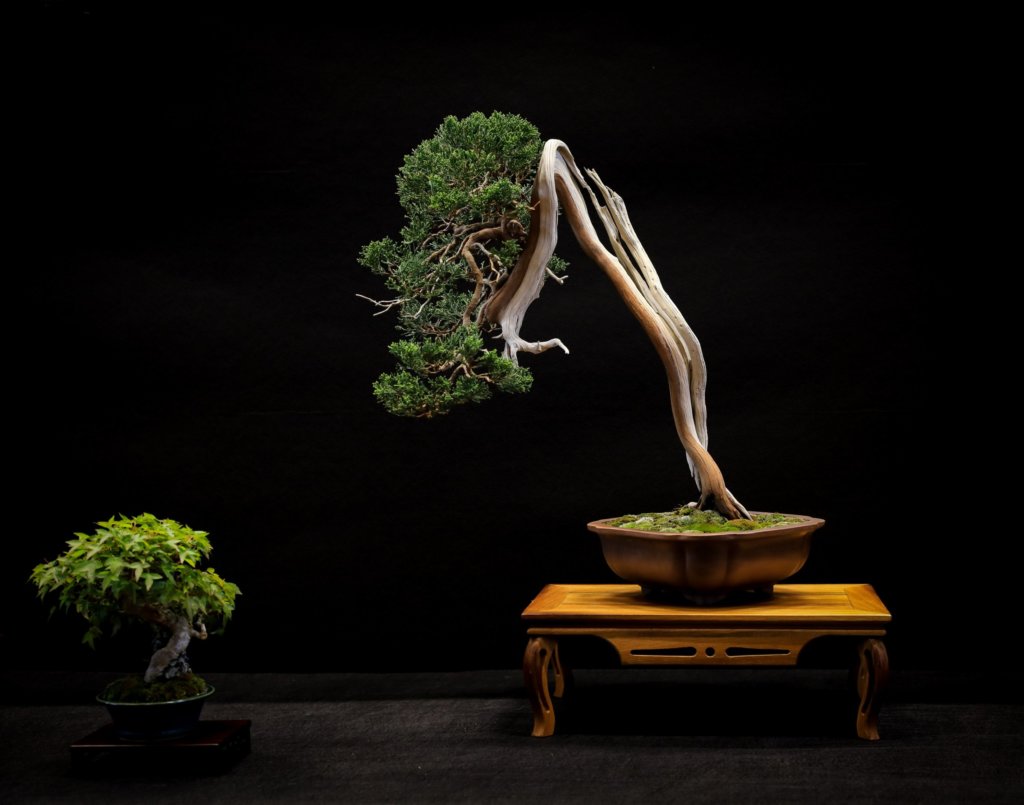
Proper watering, well-draining soil, steady pruning, and strong outdoor light keep your Juniper bonsai healthy. You also need to watch for pests and repot at the right time to protect the roots.
How often should I water my Juniper bonsai?
Water your Juniper bonsai when the top soil feels dry. Do not follow a fixed schedule.
In warm months, you may need to water every day or every other day. In winter, you may only need to water once every several days.
Water deeply until it runs out of the drainage holes. Do not let the tree sit in standing water.
What is the best soil mix for a Juniper bonsai?
Use a fast-draining soil mix. Junipers do not tolerate soggy roots.
A common mix includes akadama, pumice, and lava rock in equal parts. You can also use a commercial bonsai mix labeled for conifers.
The soil should hold some moisture but drain quickly. Good drainage helps prevent root rot.
How do I prune a Juniper bonsai to maintain its shape?
Prune during the growing season, from spring through early summer. Use clean, sharp bonsai scissors.
Trim back new growth to maintain the tree’s shape. Cut long shoots, but avoid removing all green growth from a branch.
Do not pinch juniper foliage like some other bonsai types. Instead, cut shoots with scissors to prevent damage and browning.
What are the ideal light conditions for a Juniper bonsai?
Place your Juniper bonsai outdoors in full sun. Aim for 4-6 hours of direct sunlight each day.
Junipers do not thrive indoors for long periods. Indoor light is often too weak to support healthy growth.
In very hot climates, provide light afternoon shade to prevent stress.
How do I recognize and treat common pests or diseases in Juniper bonsai?
Check your tree often for spider mites, aphids, and scale insects. Look for yellowing needles, fine webbing, or small bumps on stems.
If you spot pests, rinse the foliage with water and apply insecticidal soap as directed. Repeat treatments as needed.
Root rot can occur in poorly draining soil. Signs include weak growth and brown, soft roots. Improve drainage and reduce watering if this happens.
When is the right time of year to repot a Juniper bonsai?
Repot in early spring, just before new growth begins. This timing reduces stress on the tree.
Young trees may need repotting every 2 years. Older trees can often wait 3 to 5 years.
Trim back long roots during repotting, but avoid removing more than one-third of the root mass at one time.