
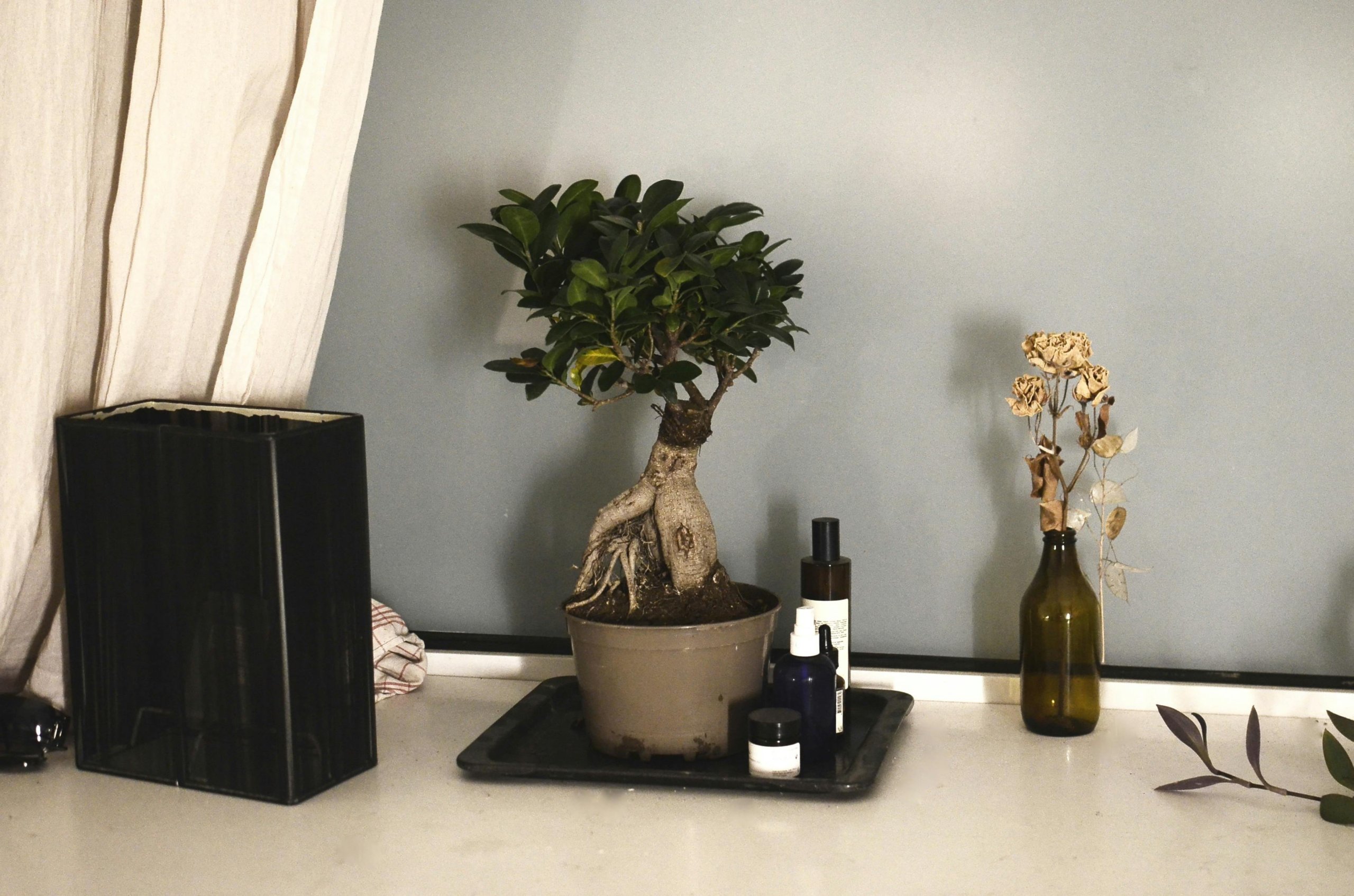
Indoor Bonsai Care
Indoor bonsai care requires steady light, careful watering, proper pruning, and the right tree species for indoor life. You keep an indoor bonsai healthy by giving it bright light, balanced watering, the right humidity, regular feeding, and routine pruning in a small, well-drained pot. When you control these basics, your tree stays strong and keeps its shape.
You also need to choose a species that can handle indoor conditions. Tropical and subtropical trees, such as ficus, often adapt better to lower light and steady room temperatures. The right choice makes daily care much easier.
As you move forward, you will learn how to set up the best environment, manage soil and watering, and protect your tree from stress and pests. With clear steps and steady care, you can grow a bonsai that stays healthy year after year.
Fundamentals of Indoor Bonsai Care
Indoor bonsai care depends on light, water, humidity, and steady temperatures. You also need to understand how indoor vs outdoor bonsai differ and how to fix common problems like leaf drop and yellowing leaves.
Indoor Bonsai vs Outdoor Bonsai
You cannot treat indoor bonsai and outdoor bonsai the same way. Most bonsai trees are outdoor species that need full sun and cold winters. They will weaken if you keep them inside all year.
Indoor bonsai trees are usually tropical or subtropical species. Common choices include Ficus, Dwarf Jade, and Fukien Tea. While they handle stable temperatures, they struggle with low indoor humidity and require supplemental moisture.
Outdoor bonsai need:
- Direct sunlight for many hours
- Seasonal temperature changes
- Winter dormancy
Indoor bonsai need:
- Bright light near a south- or west-facing window
- Protection from cold drafts
- Temperatures above 50–60°F (species dependent)
If you grow the wrong type indoors, you may see leaf drop, weak growth, or dieback. Choose a species suited for indoor bonsai care before you focus on pruning or shaping.
Key Requirements for Indoor Bonsai
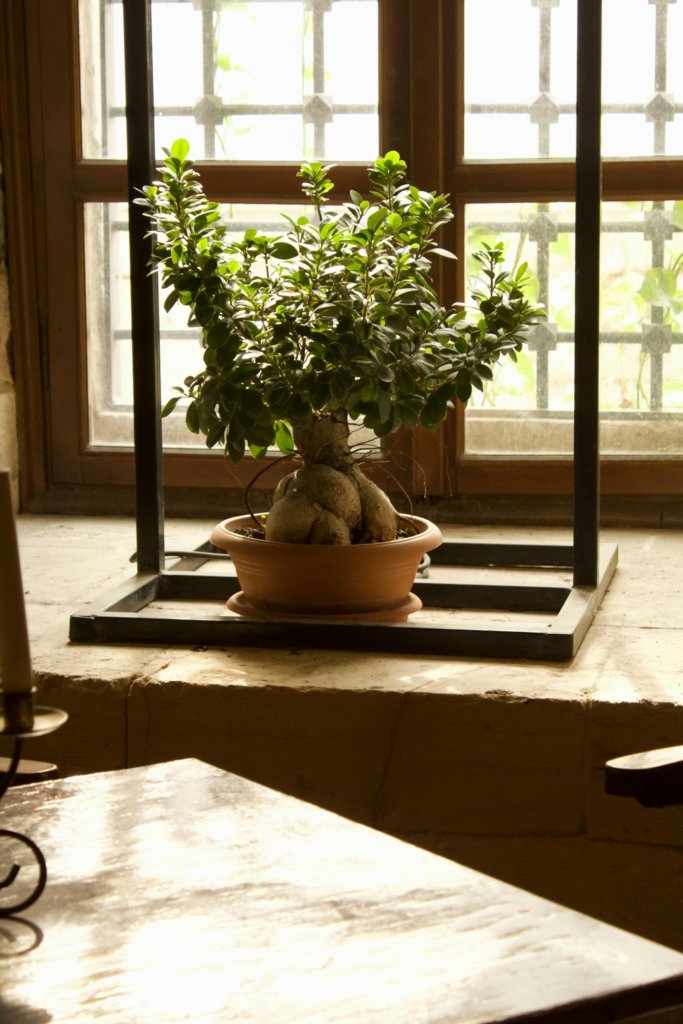
Light is the most important part of bonsai tree care indoors. Place your tree directly in a south-facing window. If natural light is limited, use a grow light for 12–14 hours each day.
Water with care. Check the soil daily and water when the top layer feels slightly dry. Do not follow a fixed schedule. Overwatering causes root rot and yellowing leaves, while underwatering leads to dry soil and leaf drop.
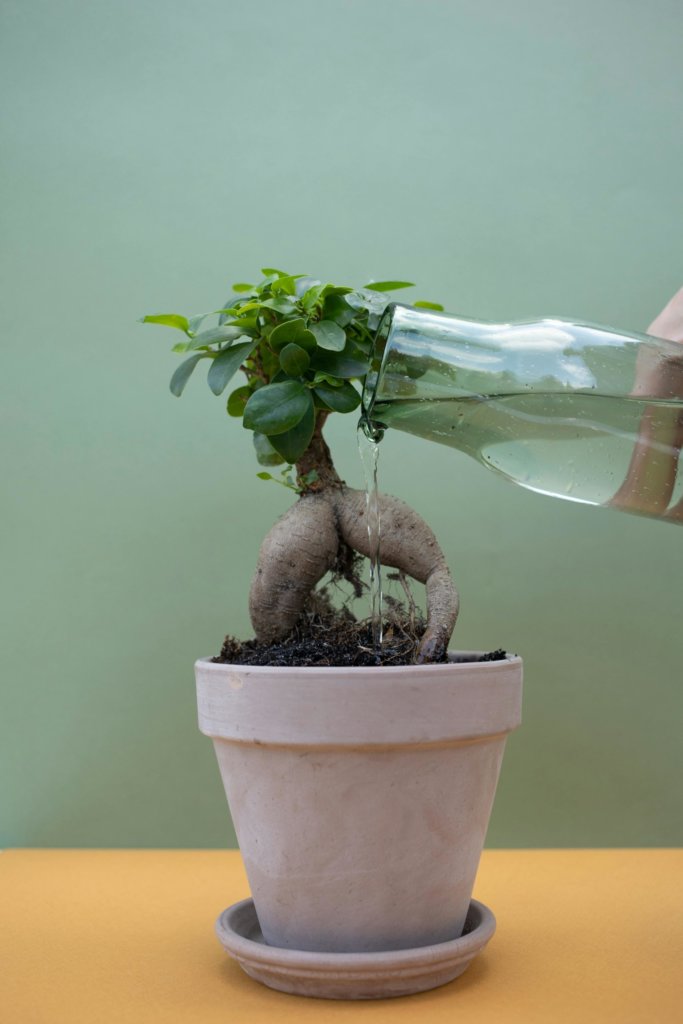
Use well-draining bonsai soil. A proper mix allows water to flow through but still holds some moisture for the roots.
Maintain moderate humidity. Indoor air can be dry, especially in winter. You can:
- Use a humidity tray
- Group plants together
- Run a small humidifier
Prune regularly to control shape and prevent leggy growth. Trim long shoots, but avoid removing too much at once.
Fertilize indoor bonsai during the growing season to replenish nutrients depleted by limited soil. Use a balanced liquid fertilizer or organic pellets every two to four weeks.
Common Challenges and Solutions
- Leaf drop often signals stress. Sudden changes in light, temperature, or watering can trigger it. Move your tree slowly when changing locations and keep care routines steady.
- Yellowing leaves usually point to watering problems. Check the soil before you water. If it stays wet for days, improve drainage and reduce watering.
- Leggy growth happens when the light is too weak. Stems stretch toward the window and leaves grow farther apart. Increase light exposure or add a grow light to correct this issue.
- Pests such as spider mites and scale can also affect indoor bonsai trees. Inspect leaves and stems often. Wipe leaves clean and treat infestations early with insecticidal soap.
Strong indoor bonsai care means you watch your tree closely and respond to small changes before they become serious problems.
Choosing the Best Indoor Bonsai Species
You improve your results when you match the tree to your space and skill level. Focus on hardy indoor bonsai species, stable room temperatures, and the amount of light your home provides.
Selecting Suitable Indoor Bonsai Trees
You should choose tropical bonsai or subtropical bonsai for indoor growing. These species handle steady room temperatures and lower humidity better than most outdoor trees.
Avoid temperate trees like many maples or pines. They need a cold winter dormancy and often decline indoors.
Look for species that tolerate:
- Indoor light levels near bright windows
- Dry air from heating or cooling systems
- Minor watering mistakes
Ficus bonsai, Schefflera arboricola, and Crassula ovata adapt well to indoor life. These indoor bonsai trees respond well to pruning and recover quickly from stress.
When buying an indoor bonsai tree, check for healthy leaves, firm roots, and no pests. A strong start reduces problems later.
Top Indoor Bonsai Species for Beginners
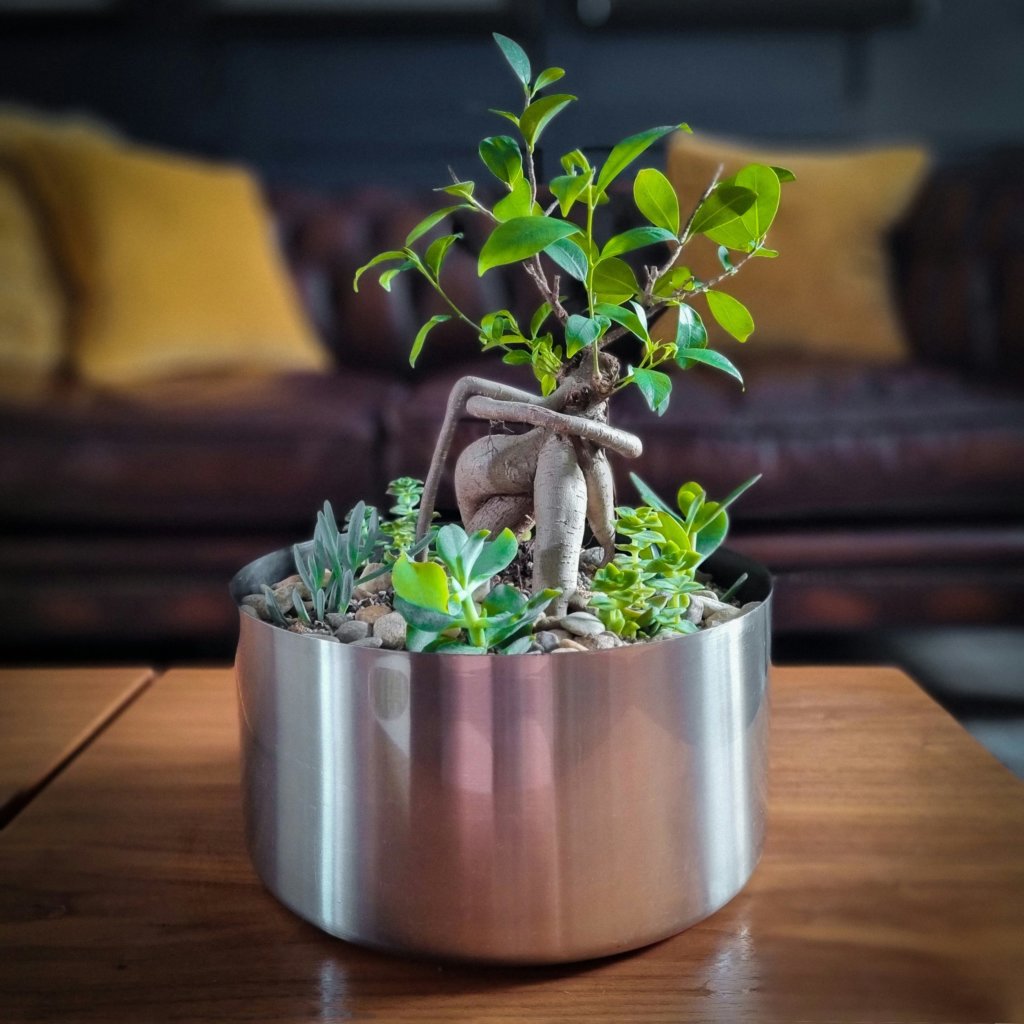
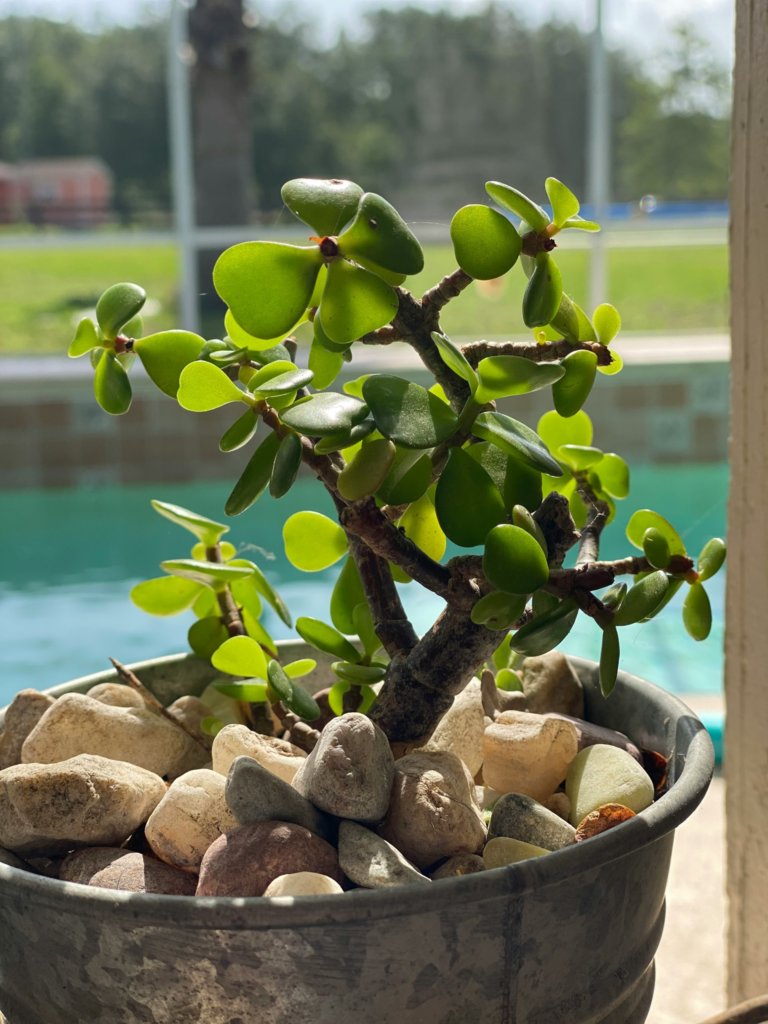
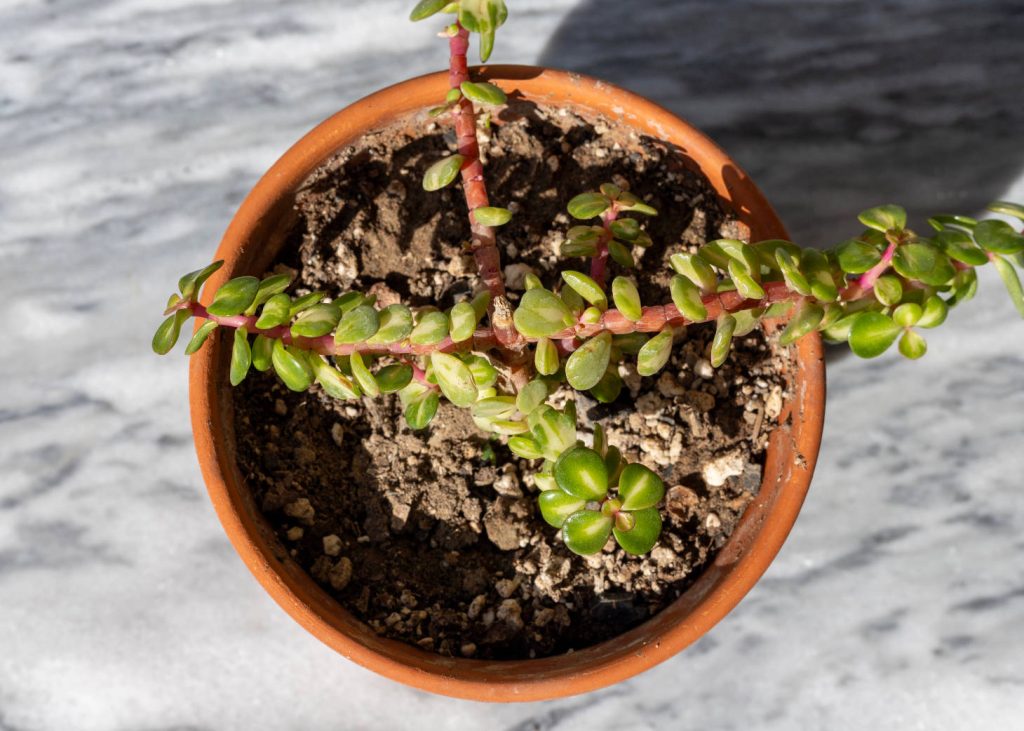
If you are new to bonsai for beginners, start with reliable and forgiving species. Some trees adjust to indoor conditions better than others.
Ficus bonsai ranks among the best indoor bonsai choices. Varieties like Ficus benjamina and Ficus microcarpa tolerate low humidity and uneven watering. They also grow strong roots and respond well to shaping.
Dwarf Jade (Portulacaria afra) is another excellent pick. It stores water in its thick leaves, making it very forgiving if you occasionally forget to water.
Schefflera (Hawaiian Umbrella) is highly reliable. It thrives in low-light conditions and is one of the easiest trees to maintain indoors.
Crassula ovata (jade) stores water in thick leaves. This makes it easier to manage if you forget to water.
While Chinese Elm and Fukien Tea are popular, they are often too sensitive for first-time indoor growers. Stick to Ficus or Jade for the best success.
Pruning, Maintenance, and Health Protection
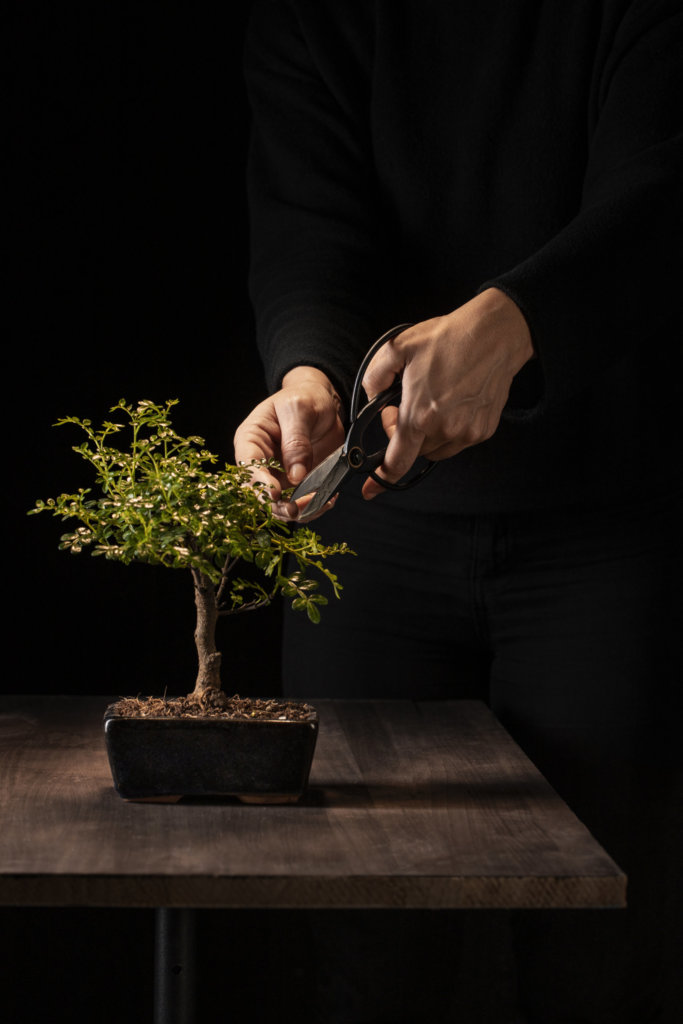
Pruning controls size, improves structure, and keeps your indoor bonsai healthy. You also shape the tree with proper tools and protect it from pests that can weaken or damage growth.
Maintenance and Structural Pruning Techniques
You use maintenance pruning to keep your bonsai small and balanced. Trim new shoots back to one or two sets of leaves once they extend past the shape you want. This step keeps the canopy compact and encourages dense growth.
Perform light maintenance pruning during the growing season. Most indoor species grow year-round, but growth slows in winter, so prune less during that time.
Structural pruning shapes the main branches and trunk. Remove thick or poorly placed branches to improve taper and spacing. Make these larger cuts in early spring when the tree can recover faster.
Use sharp bonsai scissors for small stems and a concave cutter for thicker branches. A concave cutter leaves a shallow wound that heals flatter against the trunk.
Focus on:
- Removing crossing or rubbing branches
- Cutting downward-growing shoots
- Opening space for light and air
Study natural tree forms or even penjing styles for bonsai inspiration, but keep the design simple and balanced.
Wiring, Tools, and Shaping Indoor Bonsai
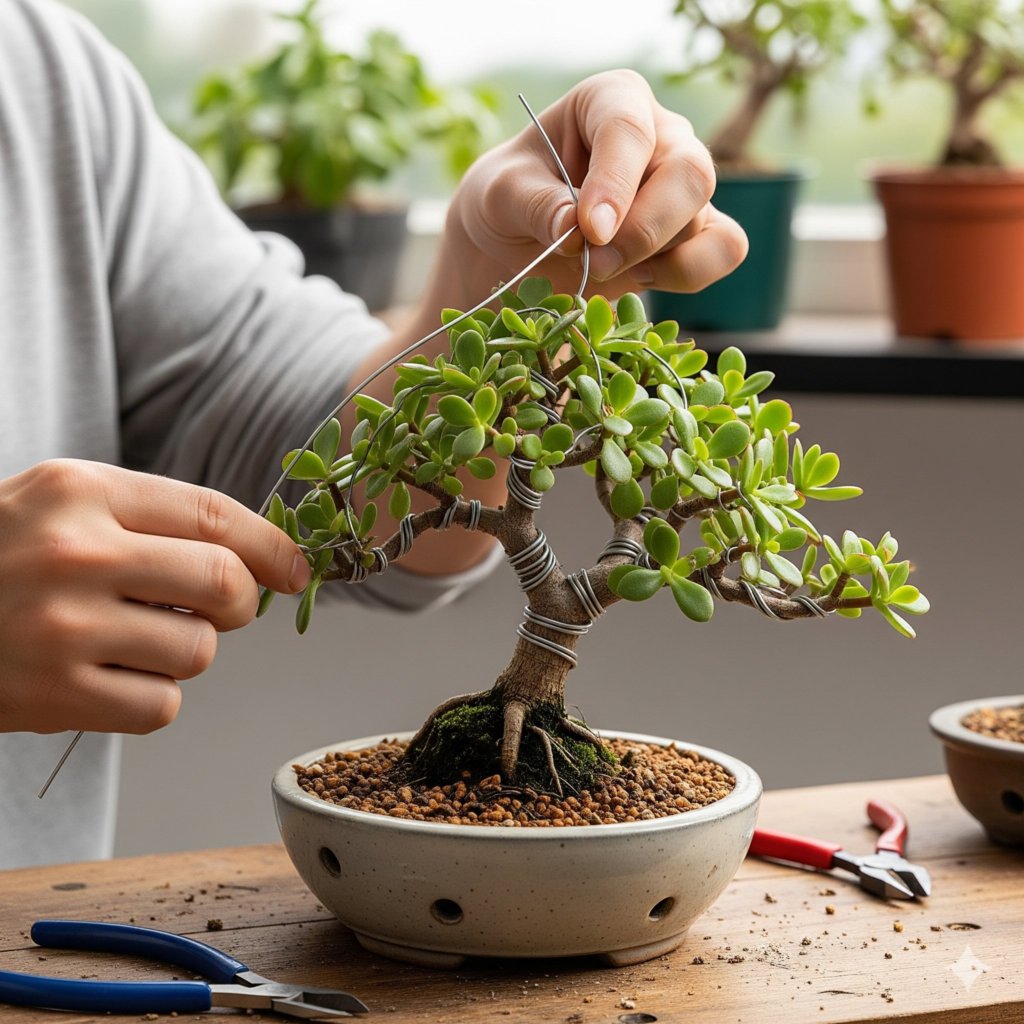
Wiring lets you guide branches into place with control. Wrap bonsai wire around a branch at a 45-degree angle, starting at the base and moving outward. Bend the branch slowly into the desired position.
Check wired branches every week. Indoor trees grow steadily, and the wire can bite into the bark if left too long. Remove it with wire cutters instead of unwinding it to avoid damage.
Keep a small set of quality bonsai tools, such as:
- Bonsai scissors
- Concave cutters
- Wire cutters
- Root rake for repotting
Clean your tools after each use. Wipe blades with alcohol to disinfect, then apply a light coat of oil to prevent rust.
Shape your bonsai with a clear plan. Aim for visible trunk movement, balanced branch spacing, and open areas that let light reach inner leaves.
Managing Pests and Common Health Issues
Indoor bonsai face common bonsai pests like spider mites and scale insects. Spider mites cause pale speckles on leaves and fine webbing. Scale insects appear as small bumps on stems and leaves.
Inspect your tree every week. Check the undersides of leaves and along branch joints.
Treat early signs with:
- Neem oil spray every 7–10 days
- Insecticidal soap for soft-bodied insects
- Rubbing alcohol on a swab to remove stubborn scale
Keep humidity steady and avoid overwatering. Weak trees attract pests more easily.
Also watch for yellow leaves, black spots, or soft roots. These signs often point to watering or drainage problems. Adjust light, watering, and airflow quickly to protect your tree’s health.