Cascade Bonsai
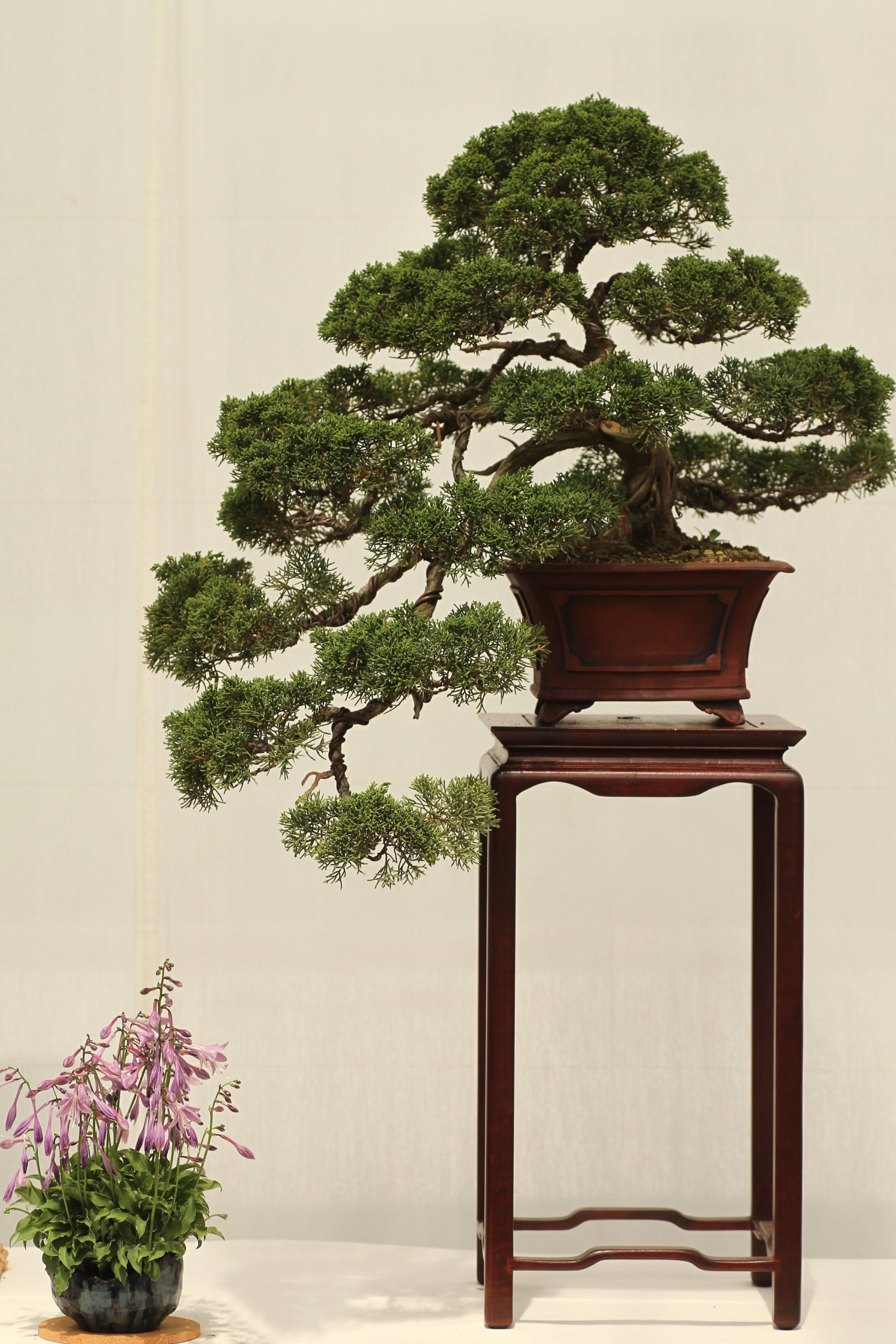
You create a cascade bonsai when you train a tree to grow downward over the edge of its pot, like a tree clinging to a cliff. This style, also called Kengai, copies how trees grow in harsh places where wind, snow, or falling rocks push them down. The trunk drops below the rim of the container, and the branches follow that downward flow.
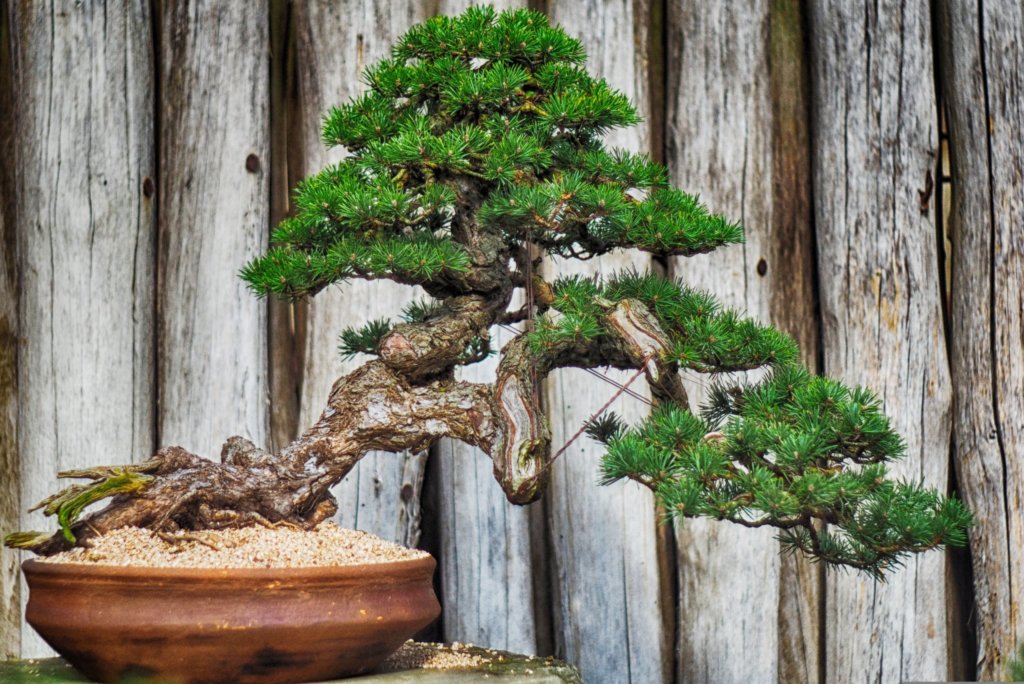
A cascade bonsai tree grows with its trunk and main branches flowing below the pot’s rim, forming a controlled downward shape that reflects trees shaped by gravity and harsh weather. You shape this form with careful pruning and wiring. You guide the trunk early, choose the right pot, and balance the top growth so the tree stays stable and healthy.
When you understand the structure and purpose behind the cascade style, you gain more control over design and care. With the right plan, you turn a young plant into a strong, well‑balanced cascade bonsai that shows movement and discipline in every line.
Key Takeaways
- A cascade bonsai tree features a trunk that drops below the pot’s rim in a downward design.
- You create the shape through early training, wiring, pruning, and proper pot choice.
- Strong structure and balanced growth keep your cascade bonsai healthy and stable.
Fundamentals of Cascade Bonsai
Cascade bonsai relies on strong downward movement, careful structure, and clear visual balance. You must control trunk flow, branch placement, and pot choice to create a stable and believable design.
Defining Cascade and Semi-Cascade Styles
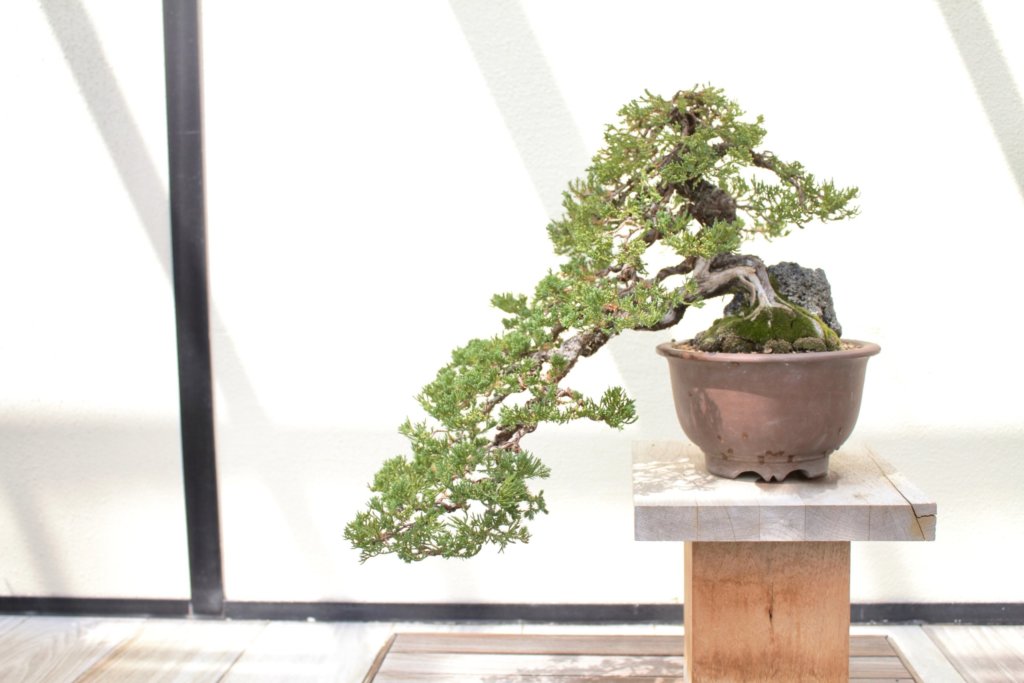
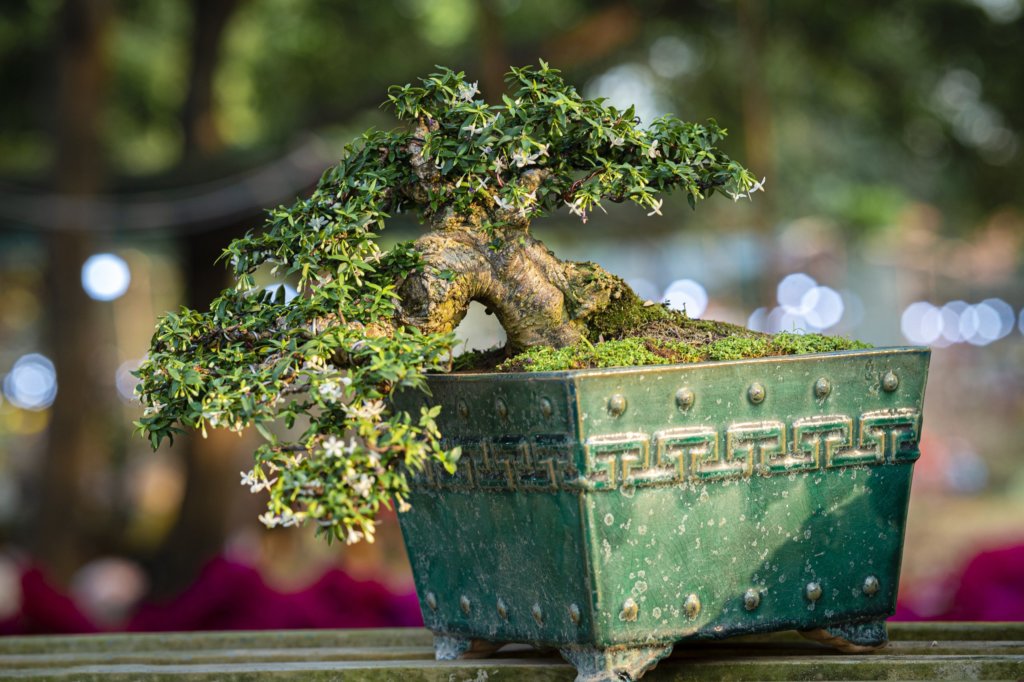
In a cascade bonsai, also called Kengai, the trunk grows downward below the base of the pot. The tip of the tree often falls lower than the bottom of the container. This shape copies trees that grow on cliffs or steep slopes.
You plant a cascade-style bonsai in a tall, narrow pot. The height of the pot helps balance the long drop of the trunk. Without this height, the tree would look unstable.
A semi-cascade bonsai, or Han-Kengai, bends downward but stops at or above the base of the pot. The trunk does not fall below the container’s bottom edge. This form feels less dramatic but still shows strong movement.
Both styles require you to wire the trunk early. You guide it downward while the wood is still flexible. Careful pruning keeps the top small so it does not compete with the cascading line.
Historical and Artistic Significance
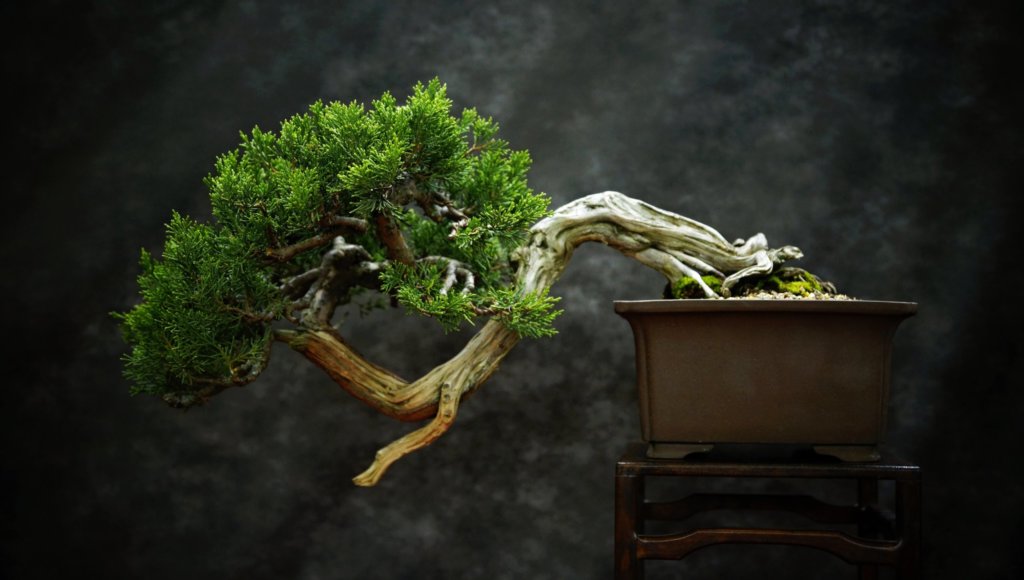
Cascade bonsai comes from the Japanese bonsai tradition, though it has roots in earlier Chinese penjing. Artists developed Kengai to reflect trees shaped by gravity, snow, and wind on mountain cliffs.
You create a sense of survival and adaptation through this style. The downward trunk suggests harsh growing conditions. While the downward growth might imply a tree adjusting to limited space, the cascade style specifically simulates a tree that has been pushed down by external forces, such as heavy snow or landslides, rather than one hiding from the sun.
In the art of bonsai, the small crown (apex) is often maintained specifically to balance the tree’s energy. Because the top of a tree naturally receives the most light and grows the most vigorously, keeping the apex small ensures that the tree’s energy is directed toward the cascading primary branch, maintaining the delicate illusion of a weathered survivor clinging to a cliffside.
Traditional cascade-style bonsai often use species that handle bending and tight root spaces well. Common choices include:
These species respond well to wiring and pruning. Over time, they form the aged look that suits a cascading bonsai.
Visual Balance and Proportion Considerations
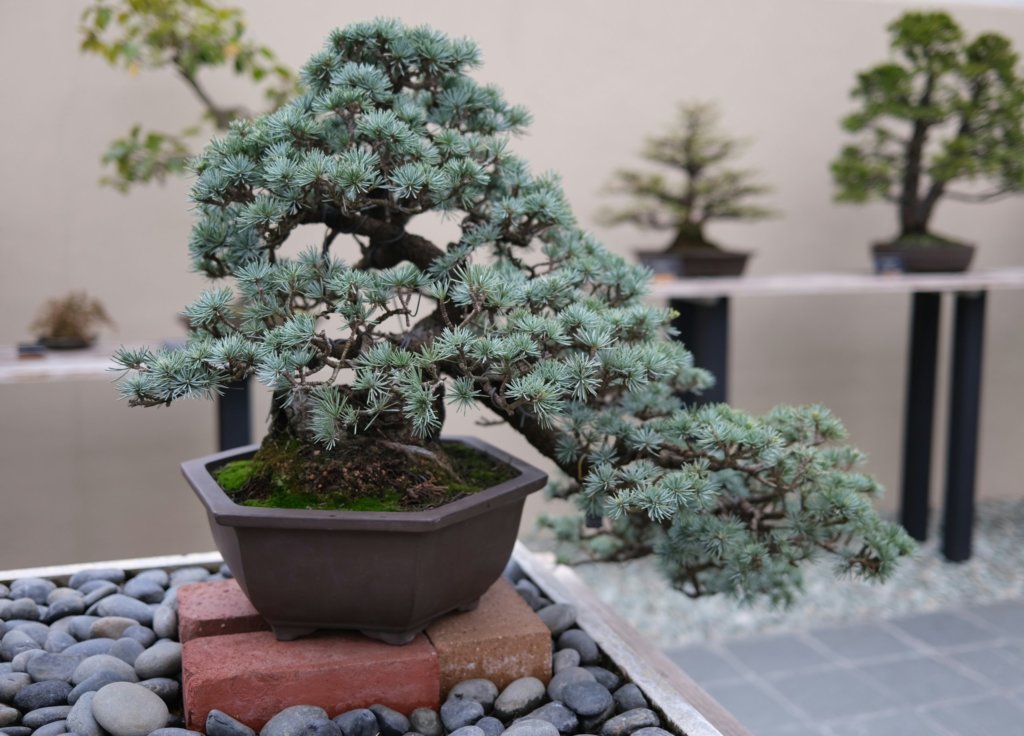
You must control proportion to make a cascade bonsai look stable. The tree extends far to one side, so balance becomes critical.
Focus on three main elements:
- Trunk line – The curve should flow in one clear direction without sharp or random bends.
- Tip placement – In full Kengai, the cascading tip drops below the pot’s base. In semi-cascade, it stays above it.
- Pot selection – Use tall, heavy containers to anchor the design.
Keep the upper section compact. A large top will pull attention away from the cascade. Place branches along the outer curves of the trunk to show depth and structure.
You also need open space. Empty space around the falling trunk highlights movement. When you manage proportion, pot height, and branch weight, your cascading bonsai will look controlled and intentional rather than accidental.
Core Techniques for Creating Cascade Bonsai
You shape a cascade bonsai by choosing the right tree, guiding its trunk downward, and securing it in a stable pot. Careful pruning, firm wiring, and strong root anchorage keep the design balanced and healthy over time.
Selecting Tree Species and Flexible Branches
Start with species that handle bending and heavy pruning well. Juniper, Chinese elm, pine, and ficus are common choices for creating a cascade bonsai. Junipers work especially well because they have flexible branches and strong growth.
Look for trees with thick trunk bases that show interesting natural curves. A heavy, tapered trunk provides the stability and aged appearance essential for downward-growing designs.
Check branch placement before you buy. You need:
- A low branch to train downward
- Several side branches for balance
- Healthy roots with no rot
Flexible branches matter more than height. You can grow a tree taller, but you cannot easily fix brittle wood.
Pruning and Shaping Methods
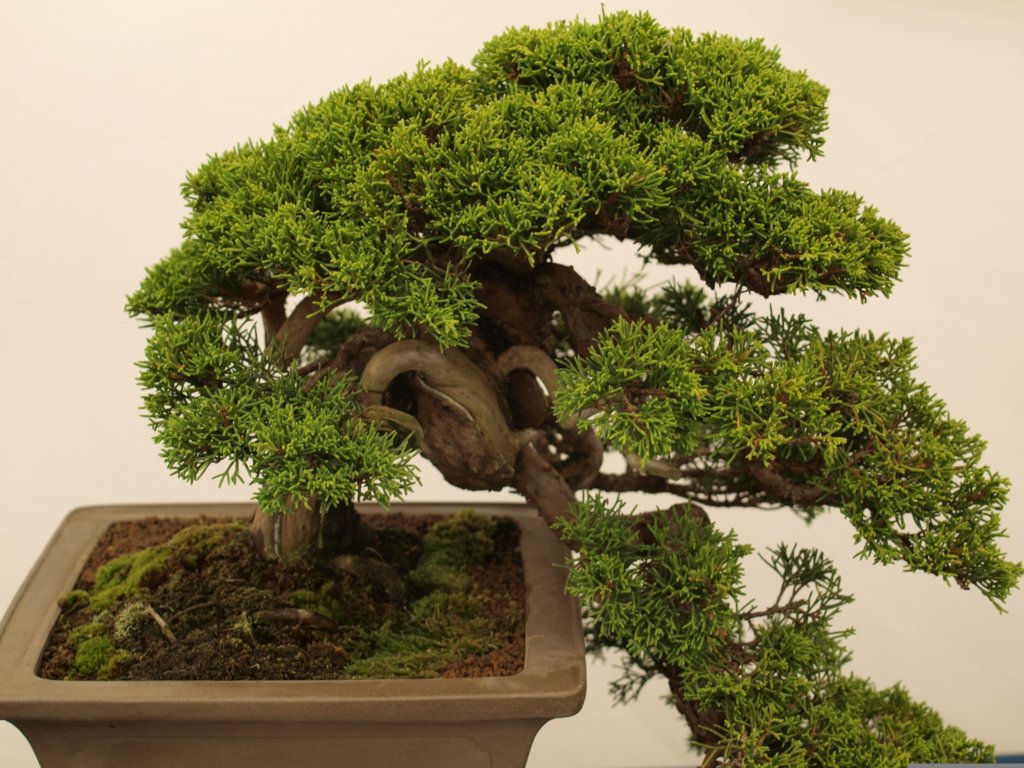
Prune with a clear goal. In cascade style, the trunk drops below the rim of the pot, often below the pot’s base.
Remove upright branches that compete with the downward flow. Keep branches that support the cascade line or form pads along the drop.
Work in stages. Cut large branches first, then refine smaller growth. Avoid removing more than one-third of the foliage at once.
Balance the apex with the cascade. Shape the crown and trunk line together, then build secondary branches along the curve.
Use sharp pruning shears to make clean cuts. Seal larger wounds to reduce stress and prevent disease.
Wiring Techniques and Materials
Wiring controls direction and angle. You guide the trunk and branches downward using steady pressure and correct wire tension.
Choose between:
- Aluminum wire – easier to bend and good for beginners
- Copper wire – stronger hold, better for conifers
Wrap the wire at a 45-degree angle. Keep spacing even and avoid crossing wires.
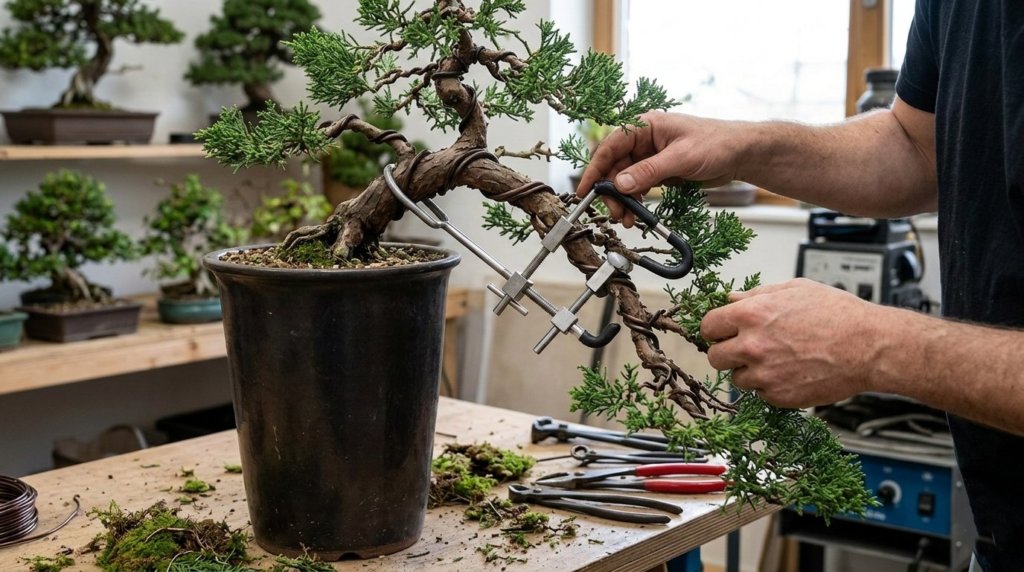
Bend slowly. Support the outside of the curve with your fingers to prevent splits. For thick wood, use a branch bender instead of forcing a sharp bend with wire alone.
Check wire every few weeks. Remove it before it cuts into the bark.
Potting and Root Anchorage
Cascade bonsai require tall, narrow pots. These pots support the visual drop and keep the tree stable.
Position the tree in the center or slightly opposite the cascade side. This placement provides balance as the trunk drops over the rim.
Strong anchorage prevents movement. Tie the root ball firmly to the pot using anchoring wires threaded through drainage holes.
Use well-draining soil. A mix with akadama, pumice, and lava rock helps prevent root rot.
Trim long roots during repotting, but keep enough fine roots to support recovery. Style the tree before potting so the roots remain undisturbed during the recovery phase.
Frequently Asked Questions
Cascade bonsai require specific care, careful species selection, and steady training to keep their downward form balanced. You need to manage watering, pruning, wiring, and pot choice with close attention to the tree’s shape and growth pattern.
How do you care for a cascade bonsai tree?
You must water a cascade bonsai based on soil dryness, not on a fixed schedule. Monitor the moisture daily, as the tall, narrow pots used for this style can experience uneven drying compared to shallower containers.
Place your tree in bright light that suits its species. Most junipers and pines need full sun outdoors, while tropical species require bright, indirect light and protection from cold.
Fertilize during the active growing season with a balanced bonsai fertilizer. Reduce feeding in late fall and stop during winter dormancy for temperate trees.
Prune regularly to control growth and keep the cascading line clear. Remove dead foliage and watch for pests, since dense lower branches can limit airflow.
What types of bonsai trees are suitable for creating a cascade style?
You should choose species with flexible branches and strong trunks. Japanese juniper is a common choice because it bends easily and holds its shape after wiring.
Other suitable options include Chinese juniper, pine, and some spruce varieties. These trees handle heavy wiring and adapt well to downward training.
For indoor growers, tropical species such as ficus can work. Make sure the tree responds well to pruning and can tolerate shaping over time.
What are the characteristics of a semi-cascade bonsai as compared to a full cascade?
A full cascade bonsai extends below the bottom of the pot. The trunk often curves downward sharply, and the apex sits lower than the container base.
A semi-cascade drops downward but stops before reaching the base of the pot. The trunk usually angles sideways before bending down.
You will notice that semi-cascade trees look less dramatic. They require less vertical space and often suit shelves or benches better than full cascades.
How do you prune and train a cascade bonsai to maintain its shape?
You maintain shape by pruning new growth that breaks the downward line. Cut back strong upward shoots so they do not compete with the main cascading branch.
Use bonsai wire to guide young branches into position. Wrap the wire at a steady angle and bend the branch slowly to avoid cracks.
Check the wire every few weeks during the growing season. Remove it before it cuts into the bark.
You should also thin dense areas to improve light and airflow. This step keeps inner foliage healthy and reduces the risk of disease.
Which pots are best suited for cascade and semi-cascade bonsai trees?
You should use tall, narrow pots for full cascade bonsai. These pots provide balance and prevent the tree from tipping as it grows downward.
Semi-cascade trees often sit well in slightly taller-than-average containers. The added depth supports angled trunks without requiring extreme height.
Choose heavy ceramic pots with good drainage holes. Stable pots protect the tree from strong wind and uneven weight distribution.
Can cascade bonsai be grown indoors, and if so, how does the care differ?
You can grow cascade bonsai indoors only if you select tropical species. Ficus and similar trees adapt better to indoor light and stable temperatures.
Place the tree near a bright window or under grow lights for 12 to 14 hours a day. Temperate species like Juniper will eventually die indoors because they require seasonal cold dormancy.
Indoor trees need careful watering since indoor air stays dry. You may need to mist foliage or use a humidity tray to support healthy growth.