Bonsai Scissors
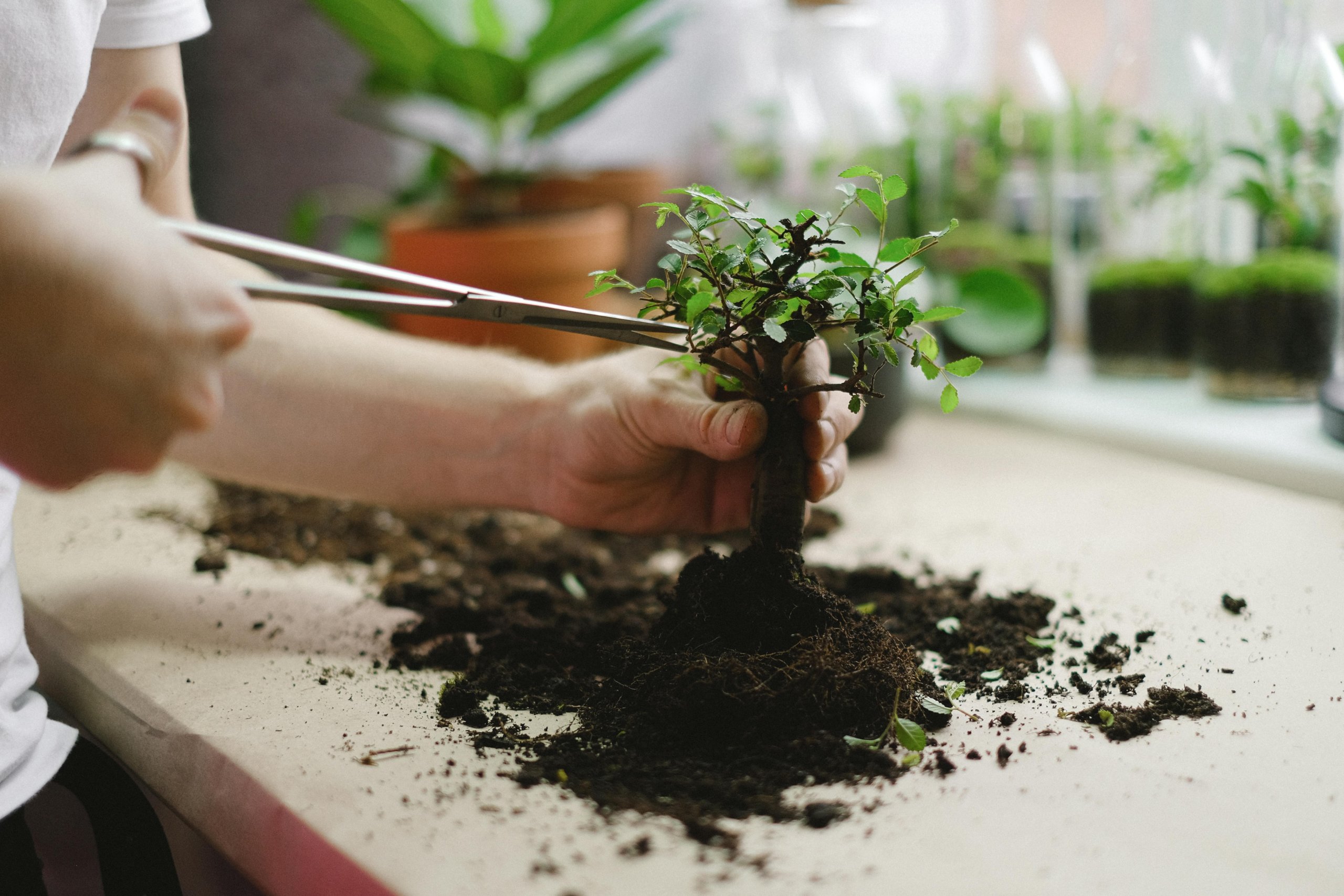
Bonsai scissors give you the control you need to shape and care for your tree with clean, precise cuts. You use them to trim small branches, snip buds, and manage roots without damaging delicate growth. Their short blades and sharp tips help you work in tight spaces with accuracy.
Bonsai scissors are small, sharp tools designed to make clean cuts that protect your tree’s health and support careful shaping. You can choose from types like long-handled butterfly scissors for reaching deep and heavy-duty root scissors. Stainless steel resists rust, while carbon steel holds a very sharp edge but needs more care.
When you pick the right pair and keep them clean and dry, you improve both the look and long-term health of your bonsai. A well-made tool feels balanced in your hand and cuts smoothly without crushing stems.
Key Takeaways
- Bonsai scissors help you make clean, precise cuts for healthy growth.
- Different types support trimming, branch removal, and root work.
- Proper choice and care keep your tools sharp and effective.
Essential Features and Types of Bonsai Scissors
You need scissors that match the size of your tree and the type of cut you plan to make. The right blade shape, strong materials, and careful craftsmanship all affect how cleanly you cut and how long your bonsai scissors last.
Blade Types and Purposes
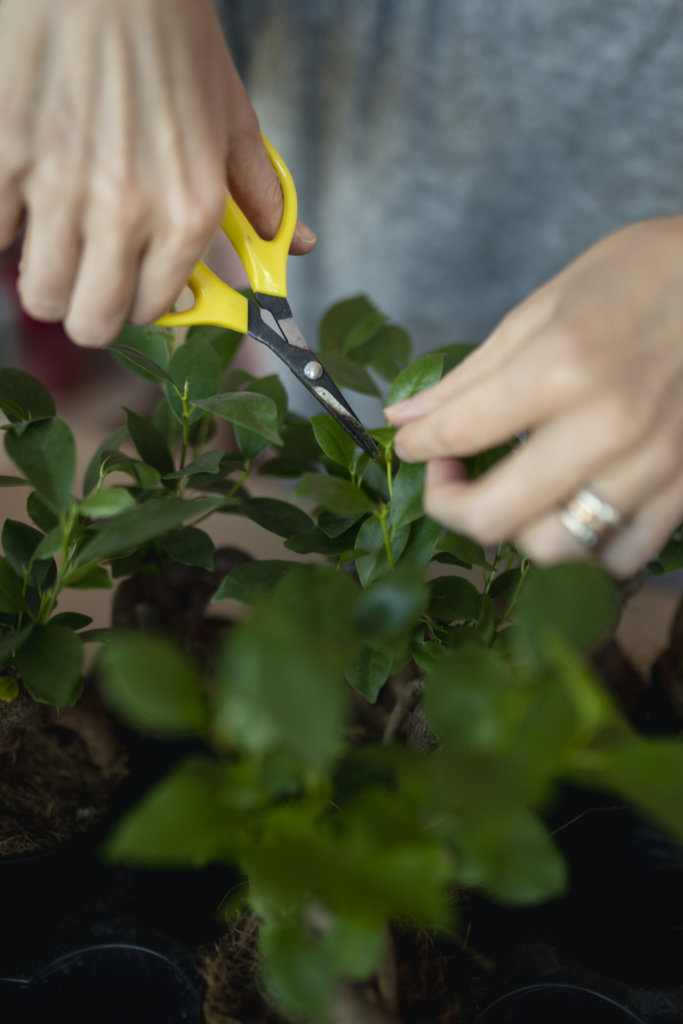
Different blade styles handle different pruning tasks. Using the correct type helps you make clean cuts and protect your tree.
Common blade types include:
- Straight scissors: Trim leaves, soft stems, and fine shoots. You use them for daily maintenance and light shaping.
- Bud shears: Work well in tight spaces. Their slim tips let you trim small buds and new growth with control.
- Root scissors: Cut thicker roots during repotting. They are stronger and built for tougher materials.
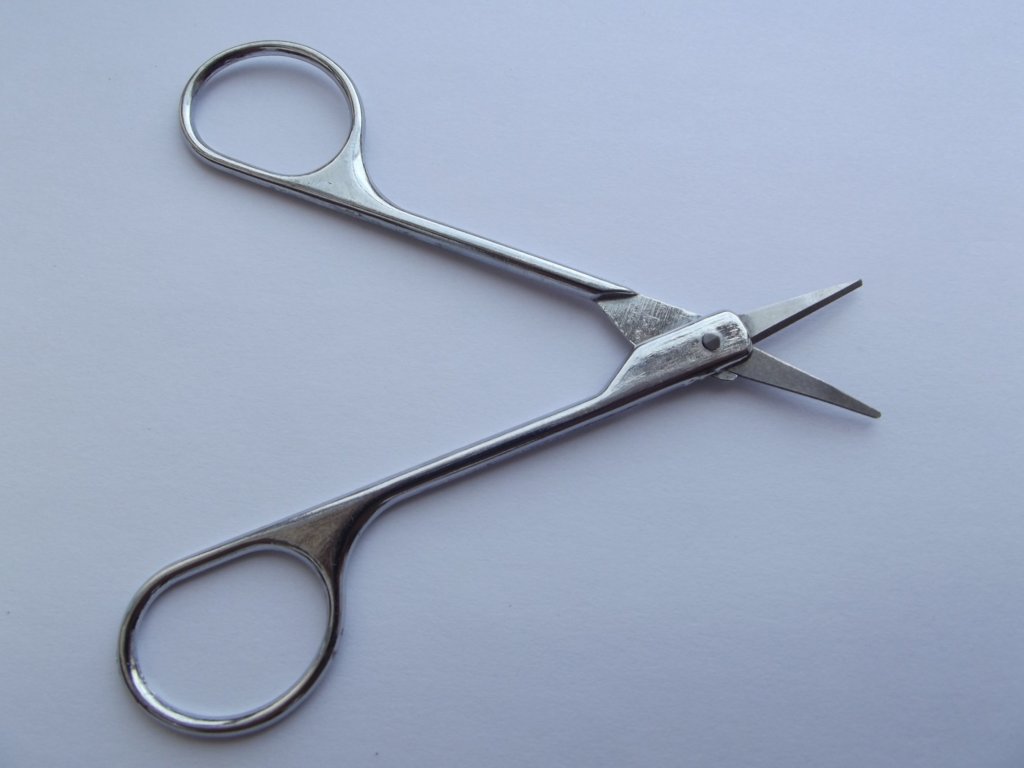
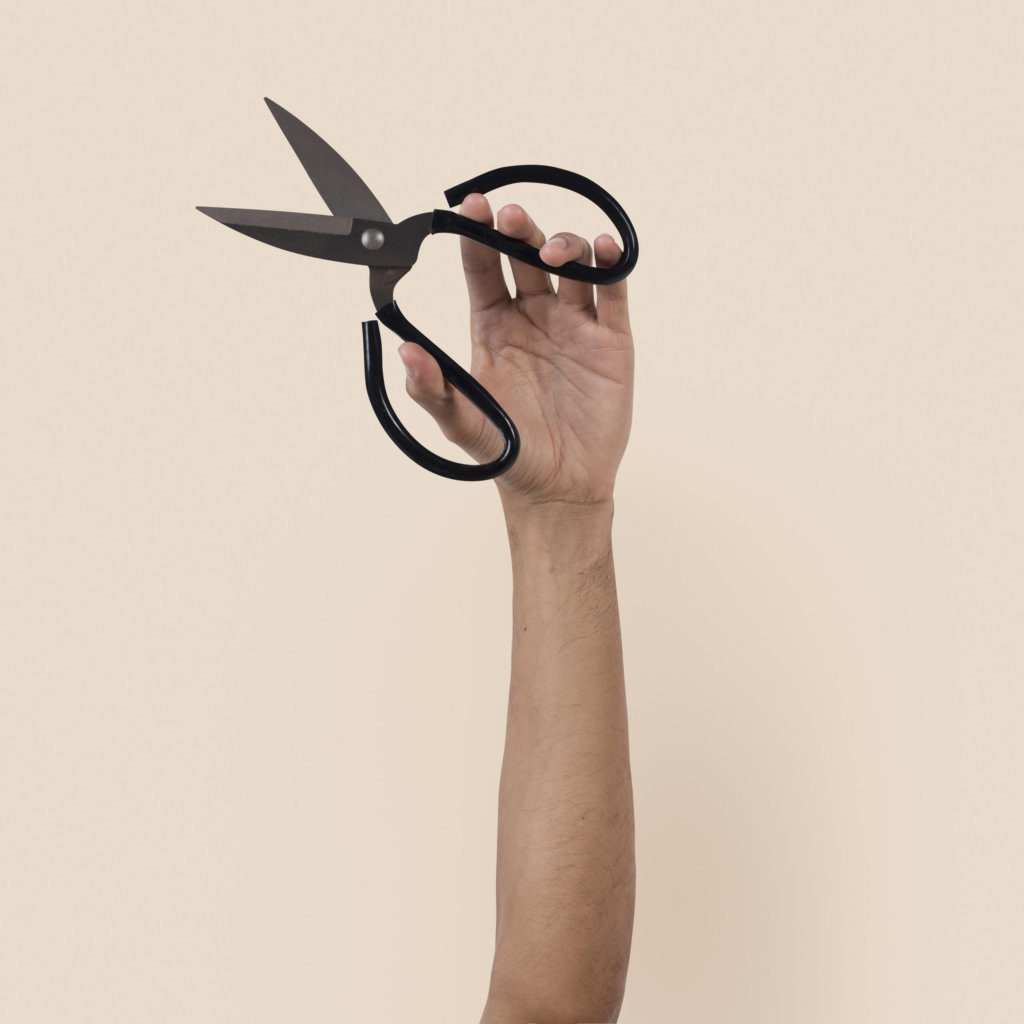
Bonsai scissors differ from regular garden shears. They have long handles and short blades, which give you better tip control. This design helps you reach inside dense foliage without damaging nearby leaves.
Choose a size that fits your hand and tree. Small scissors suit shohin bonsai, while larger bonsai shears handle thicker growth.
Importance of High-Quality Materials
High-quality materials affect sharpness, durability, and rust resistance. You should pay close attention to the type of steel.
Two common options are:
| Material | Key Benefit | Main Drawback |
|---|---|---|
| Stainless steel | Resists rust and needs less care | May dull faster than carbon steel |
| Carbon steel | Holds a very sharp edge | Requires regular cleaning and oiling |
Carbon steel cuts very cleanly. Many experienced growers prefer it for detailed work. However, you must dry and oil it to prevent rust.
Stainless steel works well if you want lower maintenance. It resists moisture better, which helps in humid climates.
Look for smooth edges, tight joints, and balanced weight. Poor-quality bonsai scissors can crush stems instead of cutting them cleanly.
Traditional Japanese Craftsmanship
Many high-end bonsai scissors are made in Japan. Japanese toolmakers have produced pruning tools for generations, often using methods similar to sword making.
These tools focus on balance and precision. The handles feel stable in your hand, which reduces strain during long pruning sessions.
Japanese bonsai shears often use high-quality materials such as refined carbon steel. Skilled forging and hand finishing create a sharp, even edge. This allows you to make precise cuts that support proper healing.
You do not need tools made in Japan to grow bonsai. However, well-crafted Japanese scissors often offer consistent performance and long service life when you care for them properly.
Choosing, Using, and Maintaining Bonsai Scissors
You shape your tree with careful cuts, steady hands, and clean tools. The right scissors, proper trimming methods, and regular care protect both your bonsai and your investment in quality bonsai tools.
Selecting the Right Bonsai Scissors for Your Needs
Choose scissors based on the size of your tree and the type of work you do most. Small bonsai need short, fine tips for tight spaces. Larger trees may need longer blades for thicker shoots.
Common options include:
- General-purpose bonsai scissors (hasami): Versatile for most branch and leaf pruning
- Long-handled scissors: Reach inside dense branches
- Heavy-duty shears: Cut thicker growth
Pick stainless steel if you want rust resistance and low maintenance. High-carbon steel holds a sharp edge longer but needs careful drying after use.
Check the handle size. Your fingers should fit without strain. When the scissors feel balanced and easy to control, you reduce hand fatigue and improve precision during bonsai trimming.
Proper Techniques for Bonsai Trimming
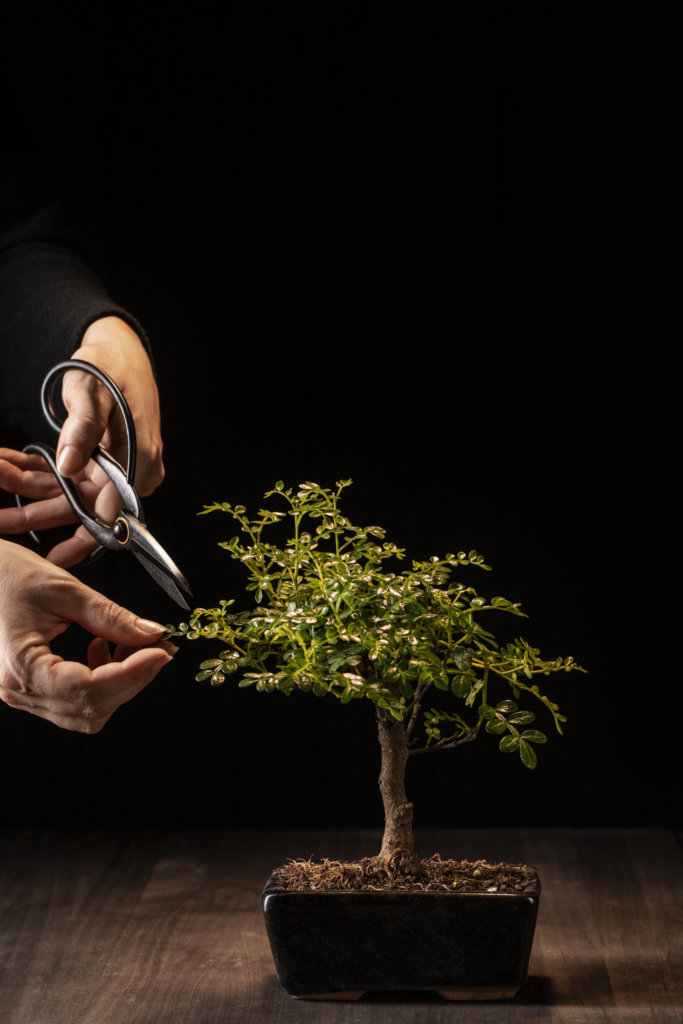
Use bonsai scissors for small branches, new shoots, and leaf trimming. Do not force them through thick wood. Switch to proper cutters when needed to avoid blade damage.
Make clean, single cuts. Place the blade close to the node when shortening a shoot. Avoid crushing stems, as rough cuts slow healing and affect bonsai care.
Work slowly and step back often. Look at the tree from different angles before you cut. Trim in stages instead of removing large sections at once.
Keep your wrist steady and cut at a slight angle when shaping branches. Clean cuts help the tree heal faster and support long-term bonsai maintenance.
Maintenance and Care for Longevity
Clean your scissors after each use. Wipe the blades with a soft cloth to remove sap and debris. For deeper cleaning, use mild soap and water, then dry the tool fully.
Moisture causes rust, especially on carbon steel. Store your scissors in a dry place. A simple tool pouch or box protects the blades from damage.
Sharpen the blades when cuts start to feel dull or require extra force. Use a fine sharpening stone designed for small tools. Maintain the original edge angle and sharpen evenly on both sides.
Regular care keeps your bonsai tools sharp, safe, and ready for precise bonsai trimming.