
When to Prune Bonsai
Pruning keeps your bonsai small, healthy, and shaped with purpose. If you trim at the wrong time, you can slow growth or stress the tree. If you prune at the right time, you guide its shape and support strong, balanced growth.
Prune for maintenance in spring and summer during active growth, and do structural pruning in early spring or late autumn. This timing helps you control size, improve branch structure, and protect the tree’s health.
As you shape your bonsai, you need to know more than just the season. You must understand the type of pruning, the tools you use, and how your specific tree responds to cuts.
When to Prune Bonsai
You need to match pruning timing to the tree’s growth cycle. Most pruning of bonsai trees happens during active growth, while heavier cuts wait for early spring or late autumn. You also need to watch each tree’s growth patterns and species needs to protect bonsai health.
Optimal Timing Throughout the Year
Plan most maintenance pruning during the growing season. For many bonsai species, this means early spring through summer, when active growth helps the tree heal fast.
Trim new shoots to control shape and size. Cut back to two or three leaves after a shoot grows longer than you want. This keeps the canopy compact and supports balanced growth.
Schedule structural pruning during early spring or late autumn. During dormancy, the tree loses less sap and handles larger cuts better. Remove thick branches, sacrifice branches, or unwanted trunk lines at this time.
Limit root pruning to early spring, just before buds open. Combine root pruning with repotting. Avoid heavy top pruning and root pruning at the same time, as this can stress the tree and harm bonsai health.
Indoor tropical bonsai differ. Prune them during warm months when they grow steadily, not during slow winter growth.
Recognizing Growth Patterns and Signs for Pruning
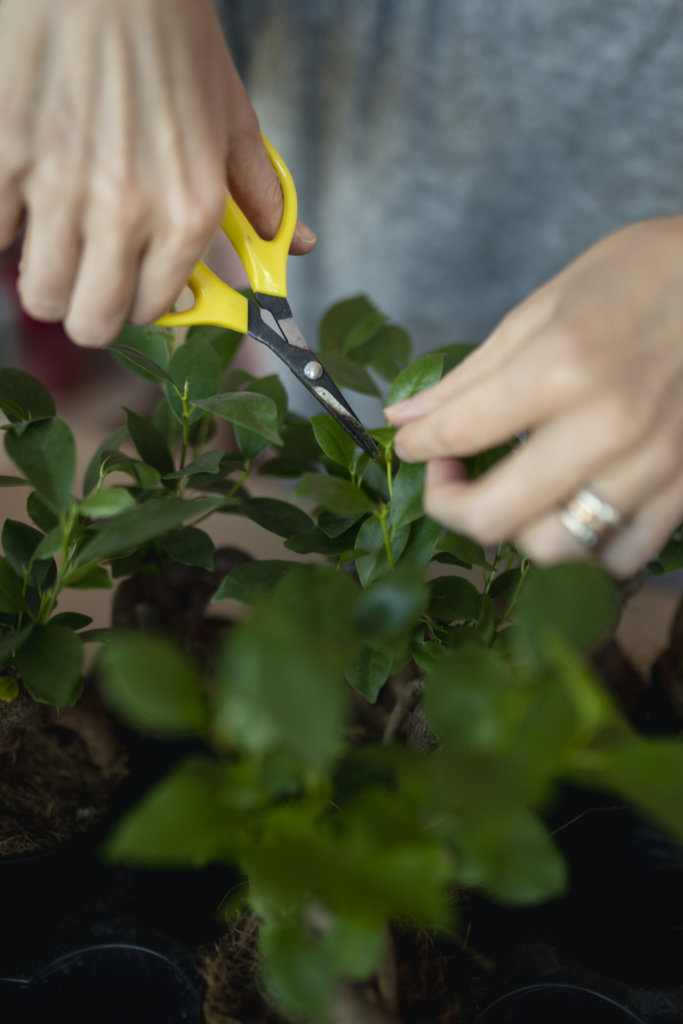
Watch your tree closely. Growth rate tells you when to act.
If shoots extend quickly and leaves grow large, your tree is in active growth. This is the right time for light trimming. Cut back long shoots to maintain shape and improve light flow.
Remove dead branches and diseased branches as soon as you see them. Do not wait for a specific season. Quick removal prevents pests and decay from spreading.
Look for these signs that pruning is needed:
- Dense foliage blocking light
- Crossing or rubbing branches
- Strong vertical shoots that break the outline
- Weak inner growth due to shade
Avoid over-pruning. If you remove too much foliage at once, you reduce the tree’s ability to produce energy. As a rule, do not remove more than one-third of healthy growth in one session.
Species-Specific Pruning Considerations
Different bonsai species respond to pruning timing in different ways. You must adjust your approach.
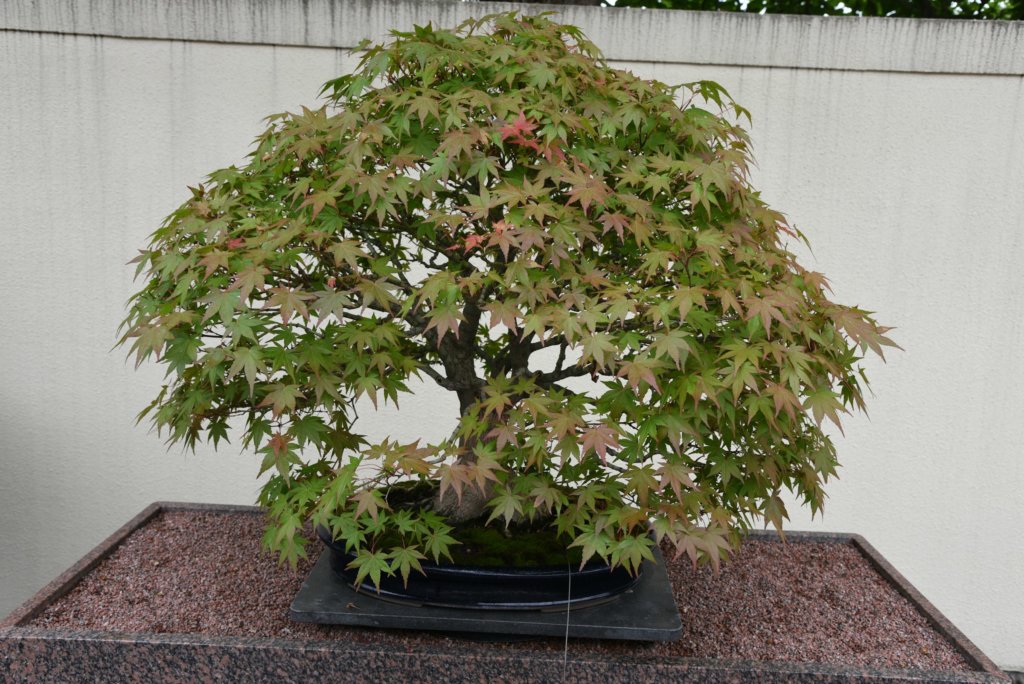
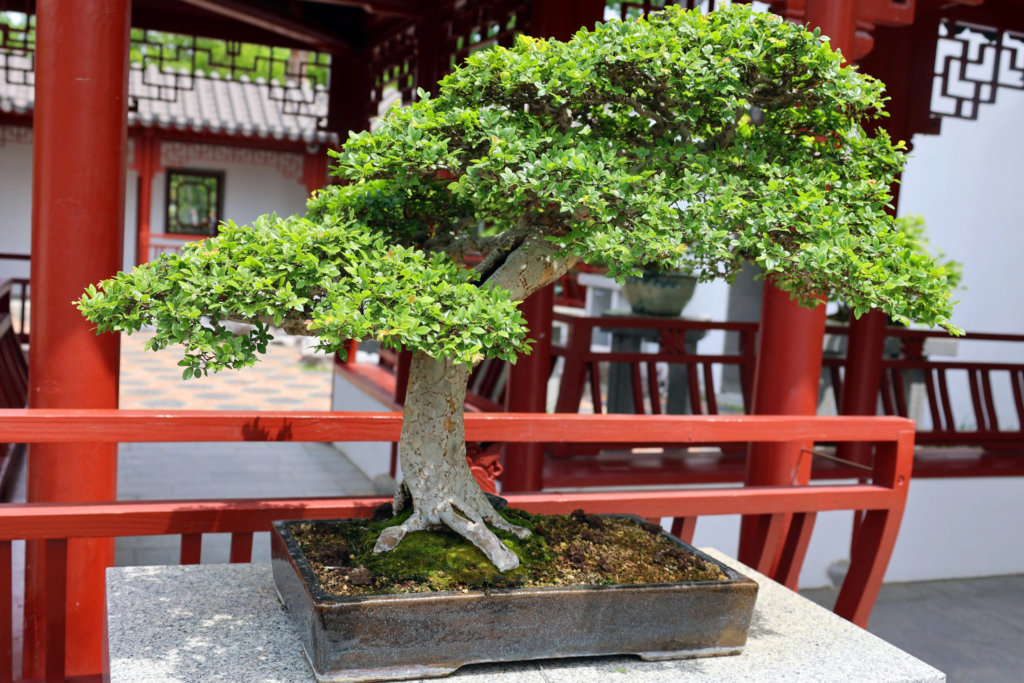
Deciduous trees like maple or elm respond well to structural pruning in late winter and maintenance after spring growth hardens. You can also defoliate some healthy deciduous trees in early summer to reduce leaf size, but only if the tree is strong.
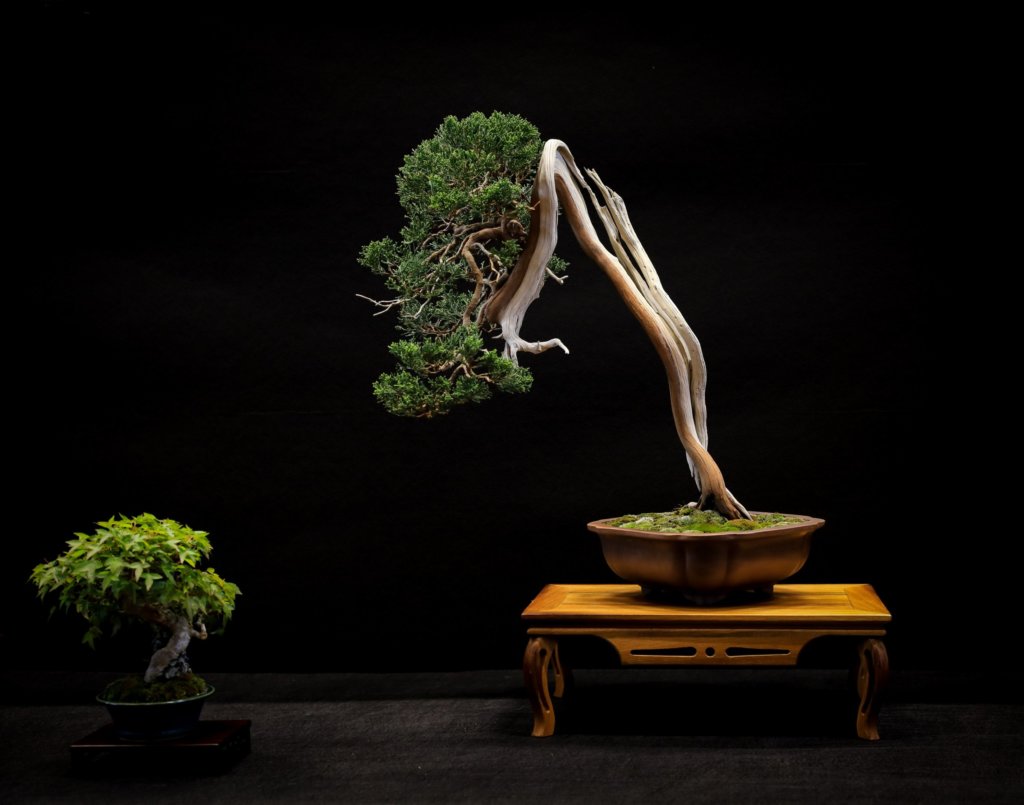
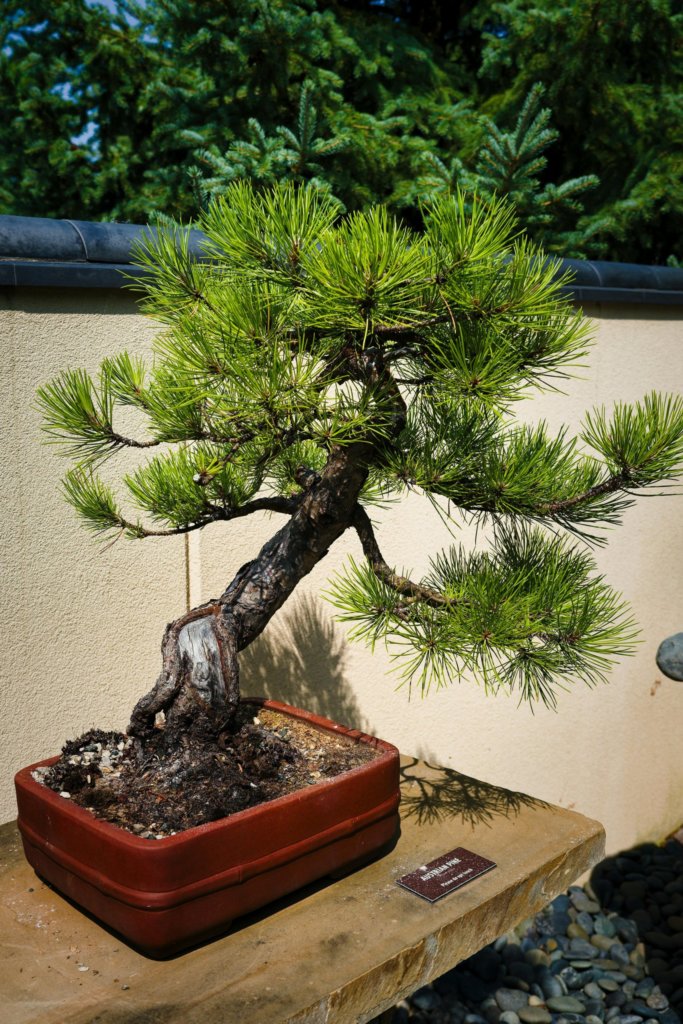
Conifers such as pine and juniper require more care. Pines often need candle pruning in late spring to early summer, when new shoots extend. Avoid cutting into old wood that lacks needles, as it may not bud back.
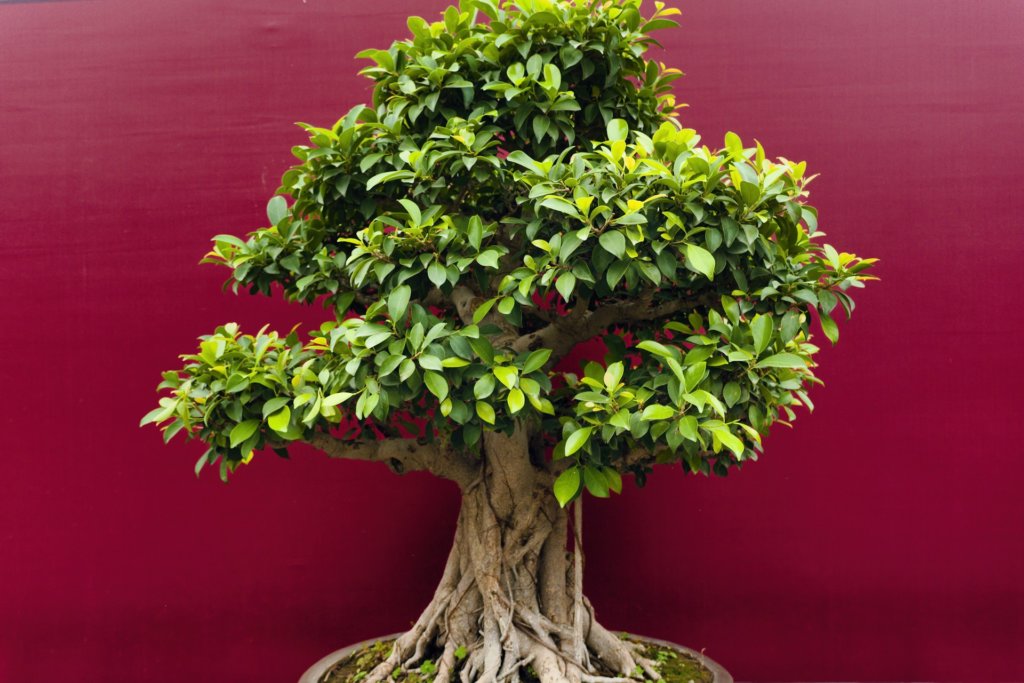
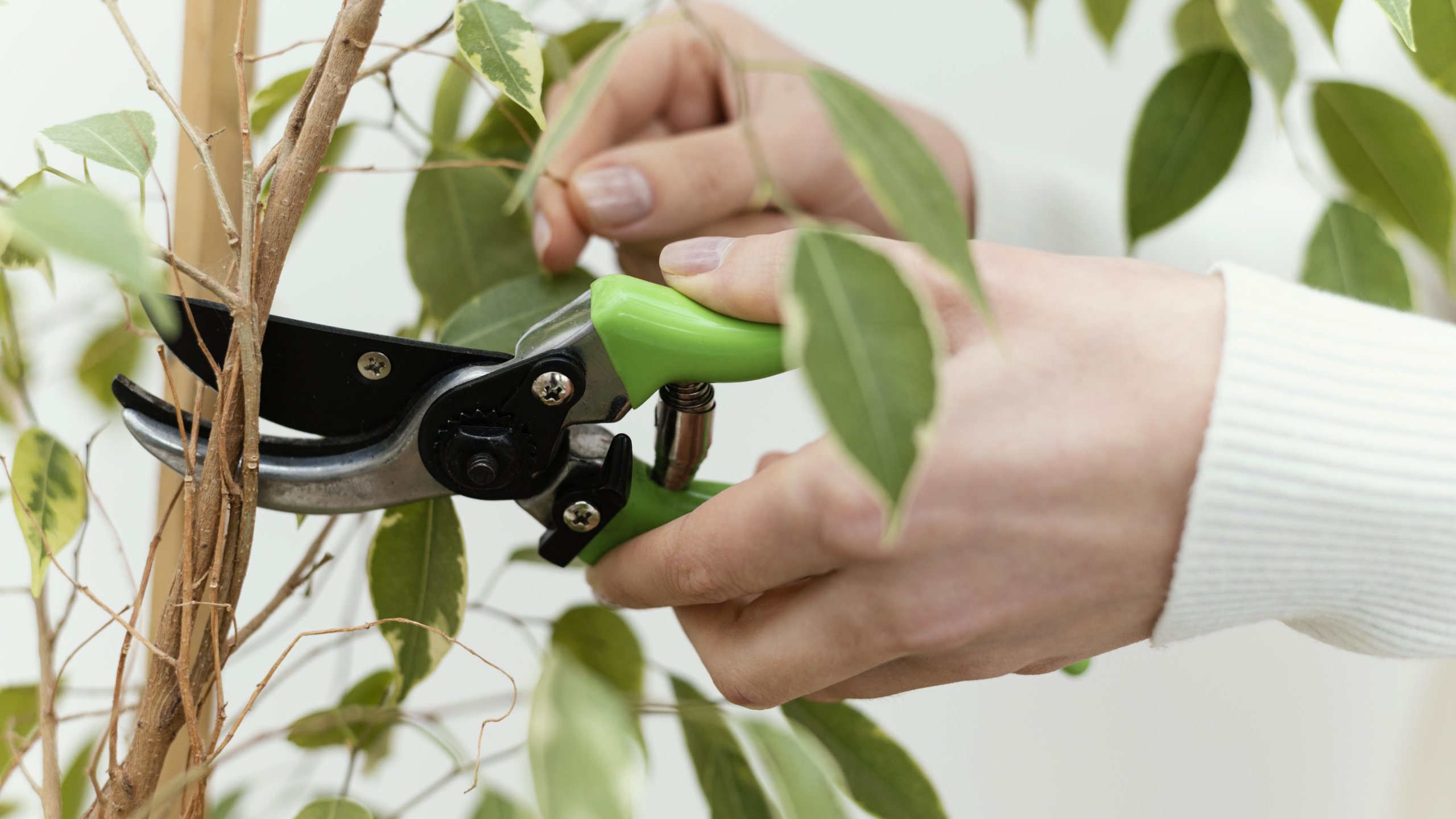
Tropical bonsai, like ficus, grow year-round in warm conditions. Prune them during periods of strong growth, usually spring through summer.
Always research your specific bonsai species. Good bonsai care depends on matching pruning timing to how your tree naturally grows.
Pruning Techniques and Essential Tools
You shape a bonsai through clear pruning methods and the right tools. Focus on when to remove growth, how to cut, and which tools give you clean results without stress.
Structural and Maintenance Pruning Methods
You use structural pruning to set the main shape of your bonsai. This method removes large or unwanted branches and defines the trunk line and primary limbs. Perform structural pruning during dormancy or early spring before strong growth begins.
Cut back crossing branches, bar branches, and growth that blocks the front view. When pruning thick branches, remove them in stages to reduce stress. Structural pruning changes the tree’s design, so plan each cut before you act.
You rely on maintenance pruning to keep the tree compact and refined. This method controls size and supports denser foliage. Trim new shoots back to one or two sets of leaves to encourage ramification and build tight foliage pads.
Use pinching back on soft new growth during the growing season. Apply leaf pruning or partial defoliation on strong, healthy trees to reduce leaf size and improve light inside the canopy. Avoid heavy pruning during weak growth or extreme heat.
Best Practices for Making Clean Cuts
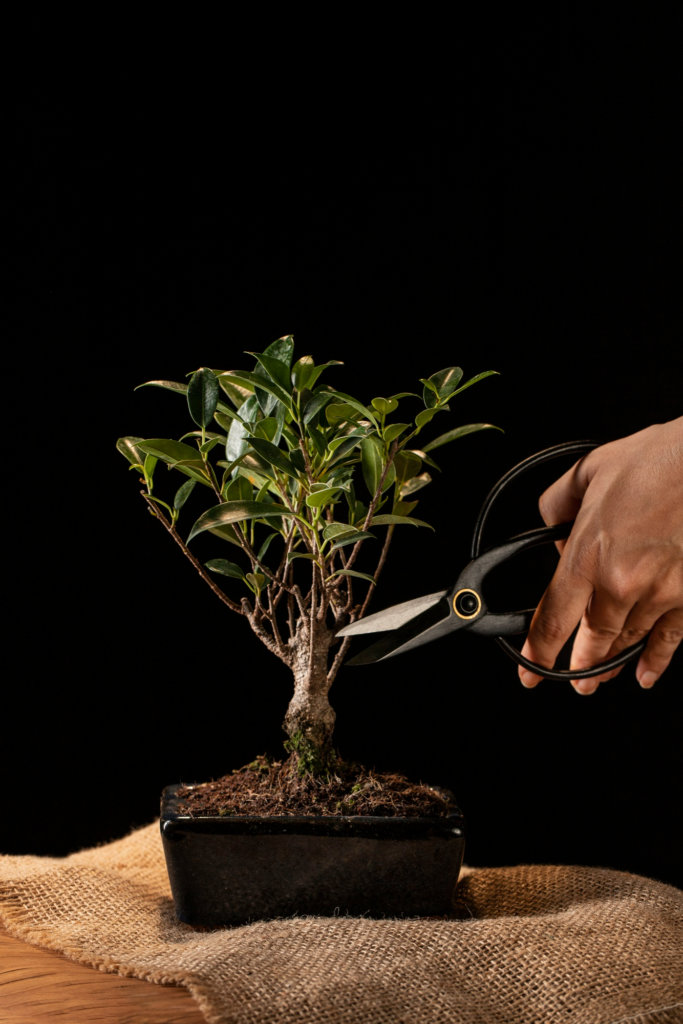
You protect your bonsai by making clean, precise cuts. Dull tools crush tissue and slow healing. Always cut just above a node or bud when shortening shoots.
When removing a branch, cut close to the trunk without leaving a long stub. A slight hollow cut helps the wound close smoothly. Do not damage the branch collar.
Keep these bonsai pruning tips in mind:
- Disinfect tools before and after use
- Avoid tearing bark
- Do not remove more foliage than the tree can support
- Pause between major cuts to assess balance
Apply cut paste or wound sealant on larger cuts, especially after pruning thick branches. This step reduces drying and supports clean healing. Many pruning mistakes come from rushing or removing too much at once.
Selecting and Using Bonsai Pruning Tools
You need proper bonsai tools to prune with control. Each tool serves a clear purpose.
| Tool | Main Use |
|---|---|
| Pruning shears / bonsai shears | Trim small shoots and leaves |
| Concave cutter | Remove branches flush with trunk |
| Bonsai saw | Cut through very thick, woody branches |
| Knob cutters | Remove knobs or leftover stubs |
| Wire cutters | Cut training wire safely |
| Root hooks | Untangle roots during root pruning |
Use concave cutters when removing a branch from the trunk. Their curved jaws create a slight hollow that heals flat. Utilize a bonsai saw for heavy wood to prevent tool strain.
Hold tools firmly and cut in one steady motion. Clean and dry your pruning tools after each session. Sharp, well-kept tools make pruning a bonsai tree safer and more precise.