
Bonsai Pruning Techniques
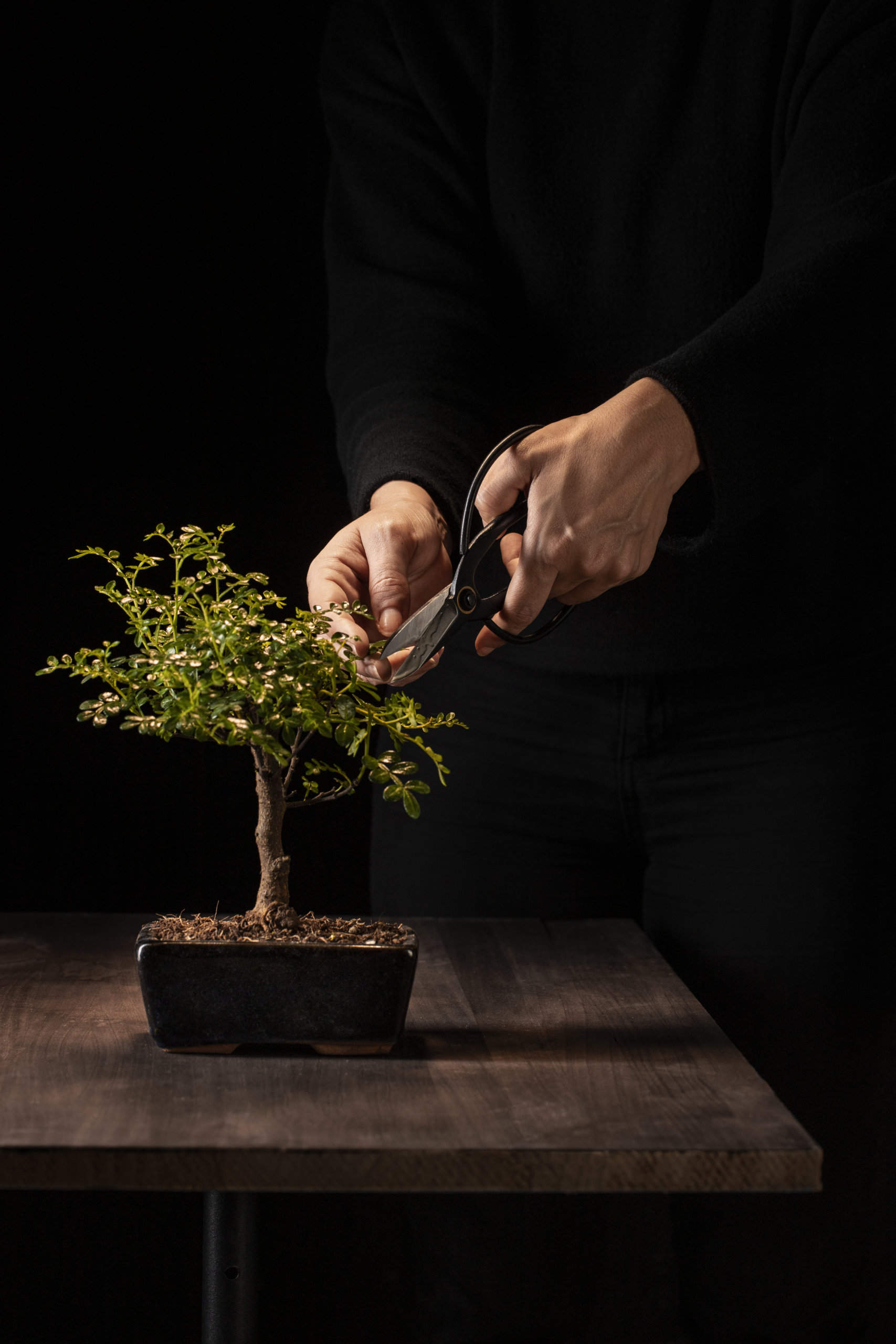
Bonsai pruning techniques shape your tree and protect its health. You do more than trim branches; you guide growth, control size, and build structure over time. Each cut affects how your bonsai looks and how it grows next season.
You use bonsai pruning techniques to control shape, manage growth, and keep your tree healthy through careful, planned cuts. Maintenance pruning keeps the design clean and compact. Structural pruning sets the main form and removes large or unwanted branches so your tree can develop a clear style.
You will learn which branches to cut, when to prune, and how to avoid common mistakes. You will also see which tools work best and how advanced methods can refine your results. With the right approach, you can shape your bonsai with purpose and confidence.
Essential Bonsai Pruning Techniques
You shape bonsai trees through clear, planned cuts. You control size, improve light penetration, and guide growth by understanding how the tree responds to each cut.
Good bonsai pruning techniques rely on timing, placement, and purpose.
Understanding Natural Growth and Apical Dominance
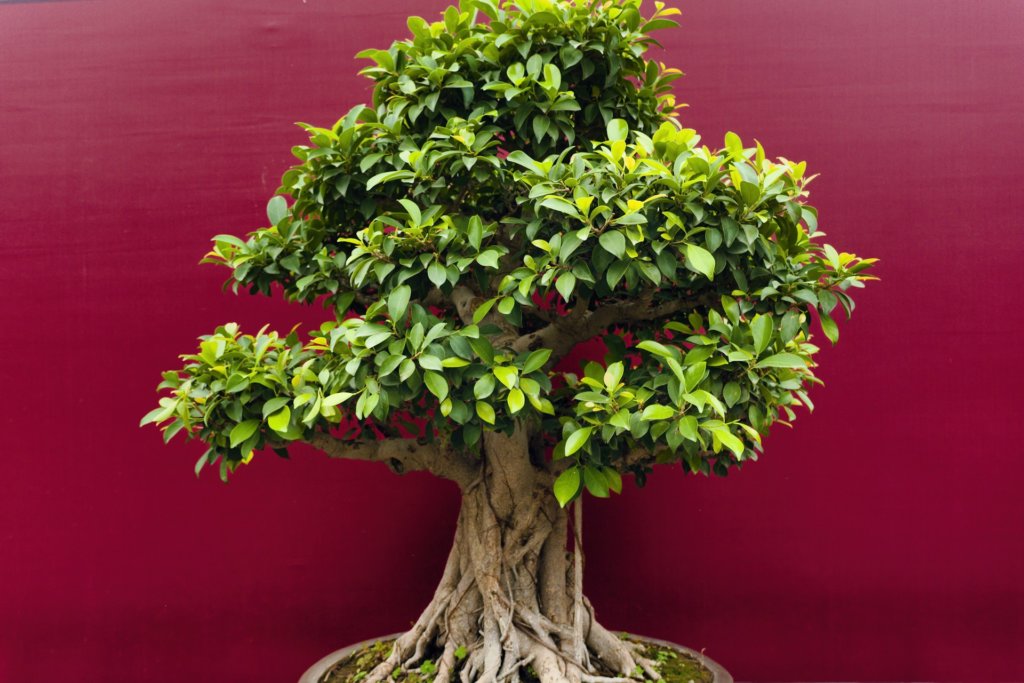
You must understand apical dominance before you prune bonsai. The top of the tree grows stronger than the lower branches because the apex produces hormones that push upward growth.
If you let the apex grow unchecked, the top becomes thick and strong while the lower branches weaken. This leads to a tall, uneven shape and sparse lower foliage.
To manage this, you:
- Trim the top more often than the bottom
- Shorten strong shoots
- Allow weaker branches to grow longer
This balance reduces apical dominance and supports even growth.
You also prune for ramification, which means creating many small branches. When you cut back a shoot to two leaves, new buds form near the cut. Over time, this builds a denser canopy and finer branch structure.
Always watch how your tree reacts. Each species responds in a slightly different way.
Maintenance Pruning for Shape and Health
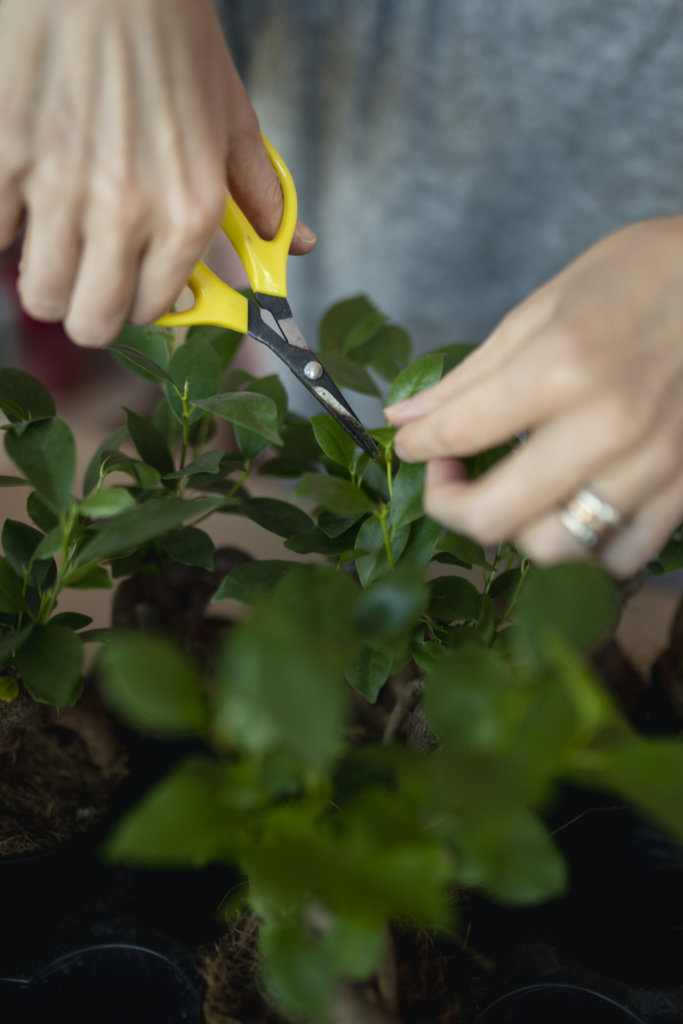
Maintenance pruning keeps your bonsai trees small and neat. You use this method during the growing season to control new shoots.
Focus on:
- Cutting back long shoots
- Leaf pruning when needed
- Removing dead branches
- Thinning dense areas
Bonsai maintenance pruning helps improve light penetration. When light reaches inner leaves, you reduce dieback and support healthy growth.
You usually cut new shoots back to one or two leaf pairs. This keeps the outline clean and encourages denser foliage.
If the canopy becomes too thick, thin selected branches instead of trimming everything evenly. Selective cuts keep the tree natural and prevent weak inner growth.
Regular, light pruning works better than heavy cutting all at once.
Structural Pruning and Cut Placement
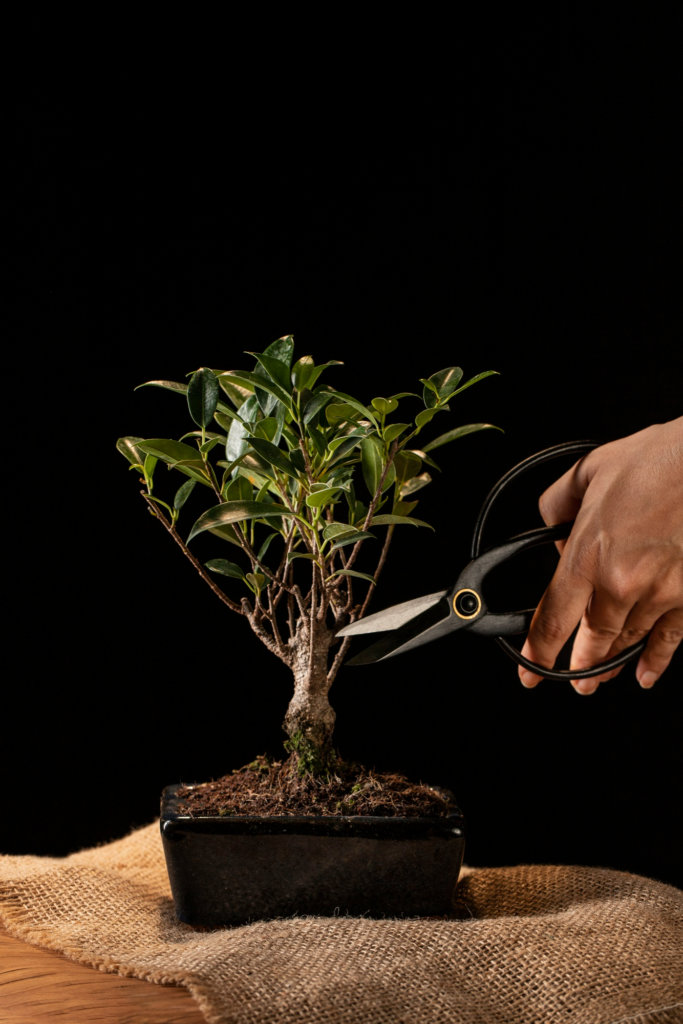
Structural bonsai pruning shapes the main form of the tree. You perform this less often because it involves pruning large branches or thick branches.
When pruning bonsai trees at this level, you may:
- Remove crossing branches
- Cut downward-growing limbs
- Eliminate branches that block the front view
Use clean, sharp tools. Execute cuts flush to the trunk or just above a strategic lateral bud. Position the cut to influence the direction of future growth.
When pruning thick branches, cut in stages. First, shorten the branch, then remove the stub carefully. Large wounds need smooth edges so they heal evenly.
Place cuts where new growth will move in the direction you want. Every structural cut should support the final design.
Timing and Seasonal Considerations
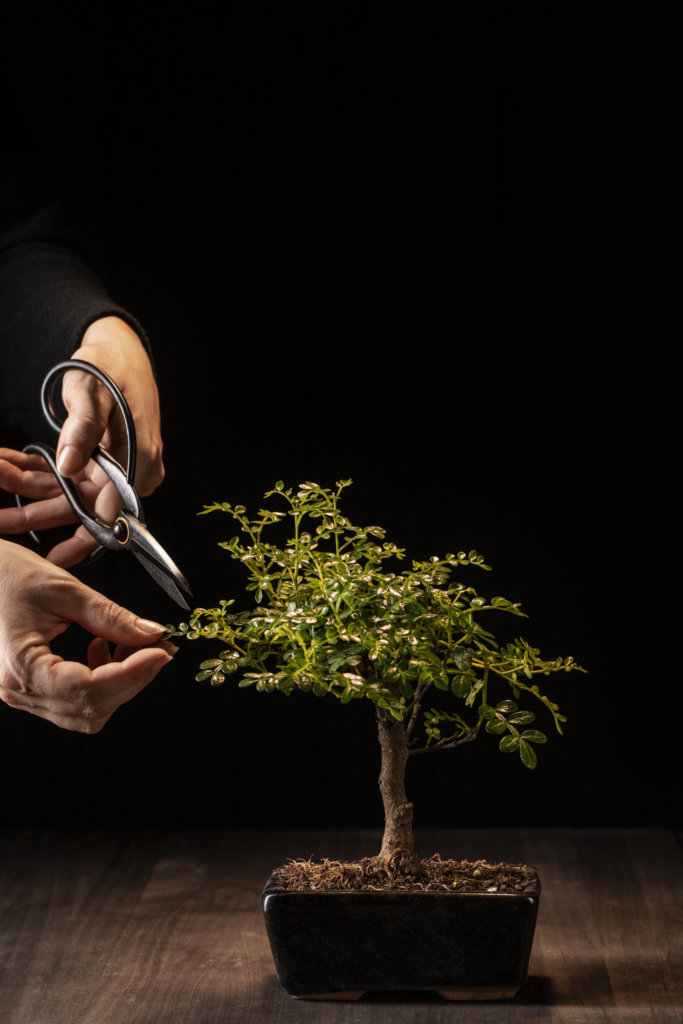
Correct pruning timing protects tree health. Poor timing can stress bonsai trees and slow recovery.
Follow a simple pruning schedule:
| Season | Main Focus |
|---|---|
| Late winter | Structural bonsai pruning |
| Late spring to summer | Maintenance pruning |
| Mid-summer | Leaf pruning (for strong, healthy trees) |
| Early spring | Root pruning during repotting |
You usually prune structural branches in late winter while the tree remains dormant. The tree heals faster at this stage.
Seasonal pruning during active growth controls shape. Leaf pruning works best on healthy deciduous trees and encourages smaller leaves.
Root pruning pairs with repotting. Trim roots carefully to maintain balance between roots and foliage.
Always adjust timing for pruning based on your tree species and climate.
Tools, Methods, and Advanced Tips for Bonsai Pruning
The right tools and methods shape your tree with control and care. Clean cuts, correct timing, and proper aftercare protect bonsai health and improve ramification.
Choosing and Using Specialized Pruning Tools

You need sharp, purpose-built bonsai tools to make precise cuts and avoid damage. Standard garden pruners often crush small branches and leave rough wounds.
Use bonsai scissors for trimming small shoots and fine twigs. They give you control in tight spaces.
Use heavy-duty bonsai shears for general foliage thinning and cutting soft, green growth.
For thicker branches, choose concave cutters. Their curved blades remove wood and leave a slight hollow. This helps the wound heal flat against the trunk.
Use branch cutters for stronger cuts and knob cutters to remove stubs or swollen areas after branch removal.
Keep wire cutters on hand when adjusting wiring techniques. They let you remove the wire without tearing the bark.
When repotting, use a root hook to comb out roots before pruning them.
Always clean and sharpen your tools. Dull blades cause tearing, slow healing, and poor bonsai tree health.
For large cuts, apply cut paste or bonsai wound paste. Seal large wounds to reduce drying and support steady healing.
Common Pruning Methods and Advanced Techniques
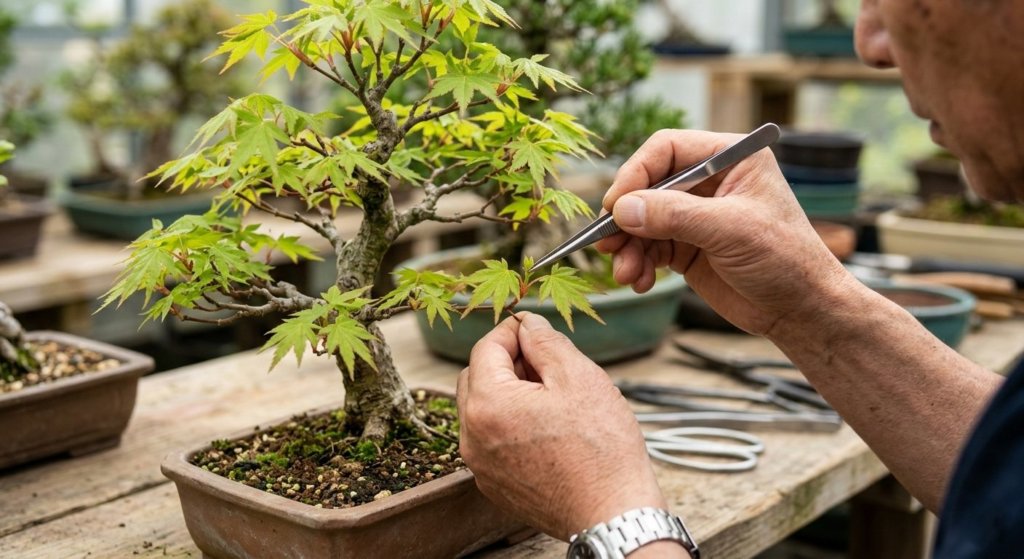
You use two main types of pruning: maintenance and structural. Maintenance pruning keeps the tree’s shape. Structural pruning sets the main design and removes large branches.
Focus on correct cut placement. Cut just above a leaf node or bud that faces the direction you want growth. This improves backbudding and builds fine branching.
Use pinching back on new shoots during the growing season. Remove the soft tip with your fingers or scissors. This controls length and increases ramification.
Apply advanced methods with care.
- Defoliation removes some or all leaves to reduce leaf size and increase inner growth.
- Candle pruning shortens new pine shoots in spring.
- Needle plucking balances strength and light on pine branches.
Avoid common pruning mistakes. Do not remove too much foliage at once. Do not leave long stubs. Do not cut flush against the trunk without the right tool.
Post-Pruning Care and Avoiding Mistakes
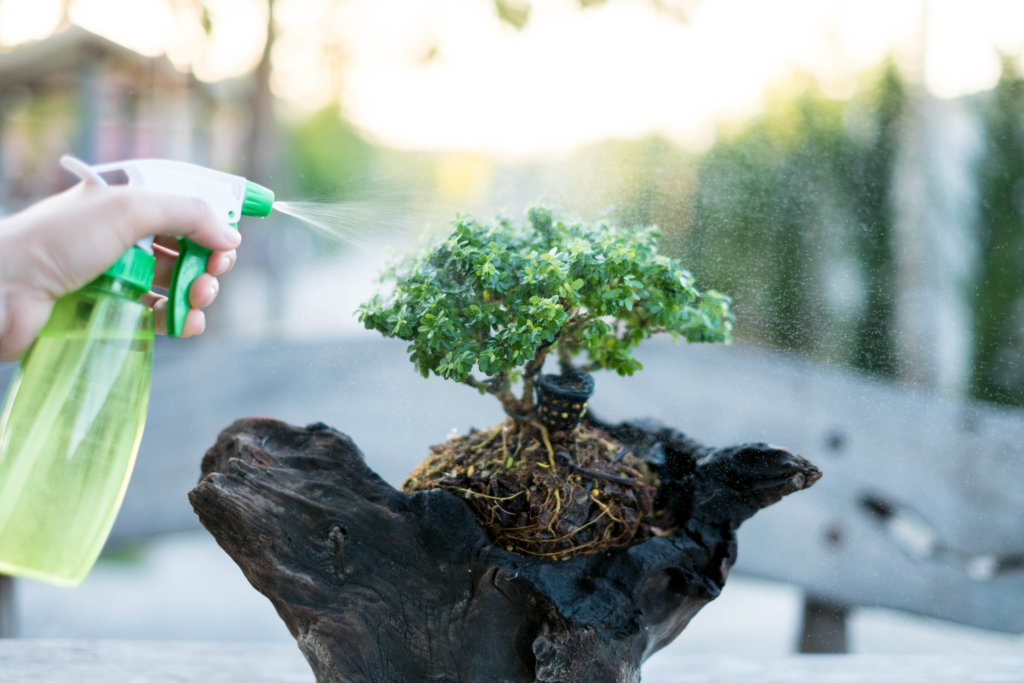
Strong post-pruning care protects bonsai health. After major work, place your tree in bright but indirect light for several days.
Water carefully. Do not let the soil dry out, but avoid overwatering. Reduced foliage means lower water use.
Seal large wounds with bonsai wound paste. Check that the paste stays in place and does not trap excess moisture.
Watch for stress. Wilting, weak buds, or dieback can signal that you pruned too hard. Adjust your bonsai care routine if needed.
Feed lightly after new growth appears. Do not fertilize immediately after heavy pruning.
Plan your pruning around the species and season. Correct timing, careful cuts, and steady follow-up care keep your tree strong and balanced.