
Bonsai Leaf Pruning
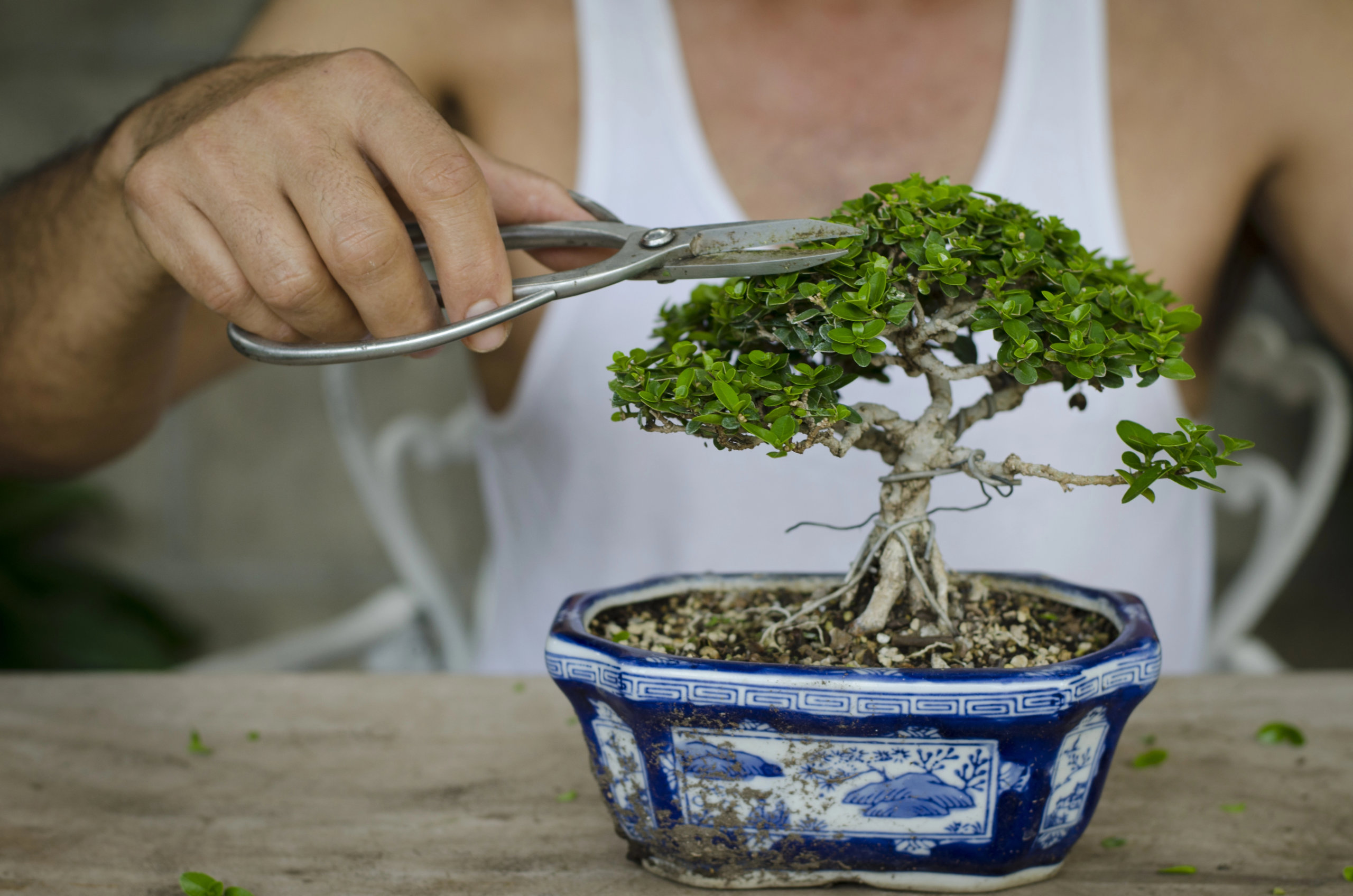
Bonsai leaf pruning helps you control size, shape, and overall balance in your tree. When you trim leaves with care, you guide growth and improve light and air flow inside the canopy. This process keeps your bonsai compact and healthy.
You prune bonsai leaves to reduce leaf size, increase branching, and encourage fresh, balanced growth. Some trees handle full defoliation in summer, while others need only partial leaf removal. You must avoid pruning weak, newly repotted, or stressed trees, since heavy leaf loss can slow recovery or cause damage.
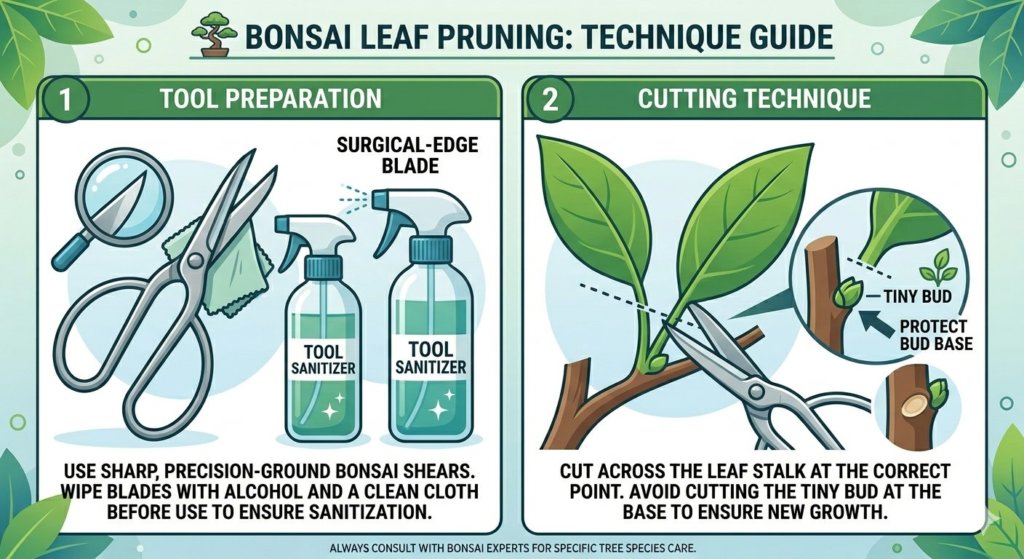
Use sharp, clean tools and cut across the leaf stalk to protect the tiny buds at the base. Remove dense or oversized leaves with a clear goal in mind, not at random. With the right timing and steady care, you shape a stronger and more refined bonsai.
Key Takeaways
- Leaf pruning controls size and supports balanced growth.
- Healthy, strong trees respond best to careful leaf removal.
- Clean cuts and proper timing protect your tree’s health.
Bonsai Leaf Pruning Fundamentals
Bonsai leaf pruning controls size, shape, and energy use in your tree. When you understand why and how to remove leaves, you improve ramification, reduce leaf size, and support steady bonsai maintenance.
Purpose and Benefits of Leaf Pruning
You use bonsai leaf pruning to manage growth and refine structure. By removing selected leaves, you let more light reach the inner buds and lower branches. This light exposure supports new shoots and improves ramification, which creates a fuller canopy.
Leaf pruning also helps reduce leaf size on many deciduous species. When you remove mature leaves during the growing season, the tree often responds with smaller replacement leaves. This effect helps keep your bonsai in scale with its small trunk and branches.
You also balance energy across the tree. Strong areas lose some leaves, which slows them down. Weaker areas keep more foliage, which helps them gain strength. This balance supports long-term bonsai care and prevents one section from dominating the design.
Apical Dominance and Growth Patterns
Most trees exhibit apical dominance because the highest buds produce the hormone auxin, which actively suppresses the development of lower, dormant buds rather than simply “directing energy upward.” This hormonal suppression causes the dominant shoot to act as a primary “sink,” diverting sugars away from lateral branches and resulting in a thicker top that often shades out lower growth.
You control this pattern through careful leaf pruning and bonsai pruning. When you remove leaves from the apex, you reduce its strength. This shift sends more energy to lower branches and inner buds.
Study how your species grows before you cut. Pines, maples, and ficus respond in different ways. Deciduous trees often back-bud after leaf pruning, while some evergreens need more caution.
When you match your pruning to the tree’s natural growth pattern, you guide development instead of fighting it.
Principles of Bonsai Pruning
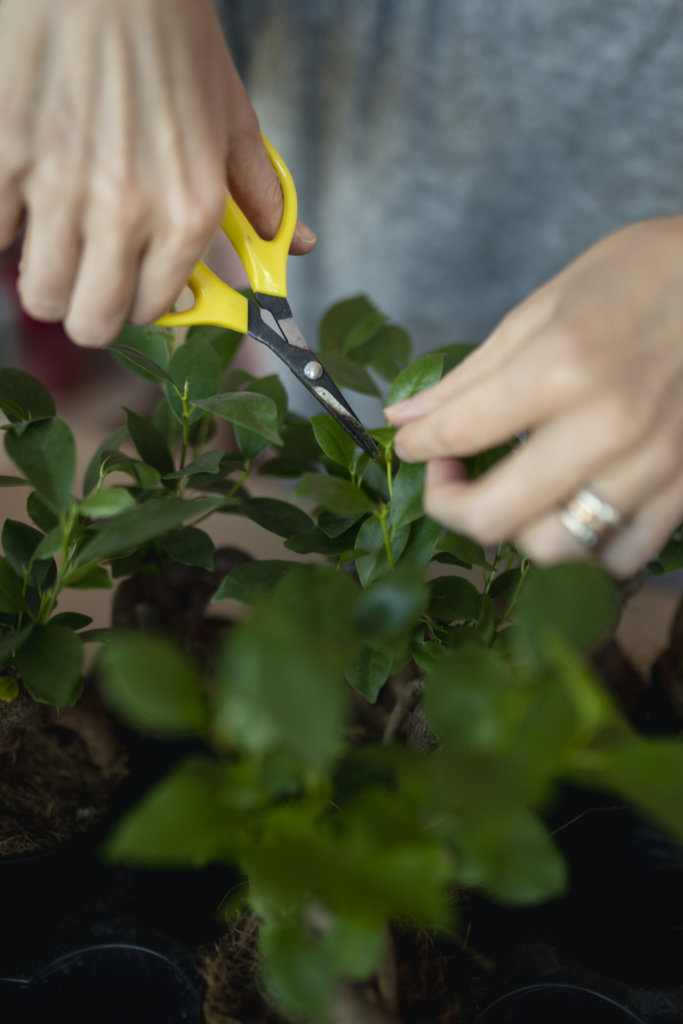
Effective bonsai pruning follows a few clear principles. You focus on tree health first, design second. Never prune a weak, newly repotted, or stressed tree.
Keep these core rules in mind:
- Use clean, sharp scissors for precise cuts
- Remove leaves evenly, not all from one area
- Never defoliate trees while they are flowering or fruiting
- Time major leaf pruning for the active growing season
Maintenance pruning keeps the current shape tidy. Structural pruning changes the main form and often involves thicker branches. You often combine light leaf pruning with maintenance pruning to refine the silhouette without shocking the tree.
Always observe how your bonsai responds. Adjust your approach based on growth speed, leaf size, and overall vigor. This steady method builds skill and keeps your bonsai healthy.
Leaf Pruning Techniques and Best Practices
Leaf pruning shapes your bonsai’s outline, controls leaf size, and directs energy to the right branches. You improve structure and health when you cut with purpose, use proper timing, and focus on balanced growth.
Selective Leaf Removal Methods
Selective leaf removal is a core maintenance pruning method. You remove individual leaves to control size and let light reach inner branches.
Use sharp scissors and cut the leaf stem (petiole), not the branch. Leave a small part of the stem so you do not damage the bud at the base. The remaining stem will dry and fall off on its own.
Focus on:
- Large leaves that block light
- Leaves growing straight up or down
- Leaves that hide branch structure
- Crowded areas with poor airflow
Avoid random cuts. Always look at the tree’s front and overall shape before you prune.
Selective leaf pruning works well during the growing season. It keeps the tree compact without the stress of heavy cuts. This method supports refinement, while structural pruning focuses more on removing or shortening branches.
Defoliation and Partial Defoliation
Defoliation means removing most or all leaves from a deciduous bonsai. You use it to reduce leaf size and improve fine branching.
Only defoliate healthy, vigorous trees. Weak trees may not recover well.
Full defoliation involves cutting off every leaf while leaving the leaf stems in place. The tree responds by producing a new set of smaller leaves. This technique also improves ramification, which means more branch tips and denser growth.
Partial defoliation removes leaves from strong areas while leaving weaker sections alone. You can:
- Remove all leaves from the top of the tree
- Remove large leaves and keep small ones
- Thin crowded areas instead of stripping the whole tree
Partial defoliation balances energy. Strong branches slow down, and weak branches gain strength. This approach reduces stress and works well for trees still in training.
Timing for Pruning and Seasonal Considerations
Timing for pruning affects how your bonsai responds. Most leaf pruning techniques work best during active growth.
Late spring pruning is ideal. After the first flush of growth hardens, you can prune or defoliate many deciduous species. The tree still has enough time to produce new leaves before the season ends.
In summer, you can continue light maintenance pruning. Avoid heavy defoliation late in the season. The tree needs time to recover before dormancy.
Winter pruning focuses more on structural pruning than leaf work. Deciduous trees lose their leaves, so leaf pruning does not apply. Instead, you shape branches and prepare for spring growth.
Always adjust timing based on species. Tropical bonsai can handle leaf pruning during warm months, while temperate trees require strict seasonal care.
Encouraging Back Budding and Dense Foliage
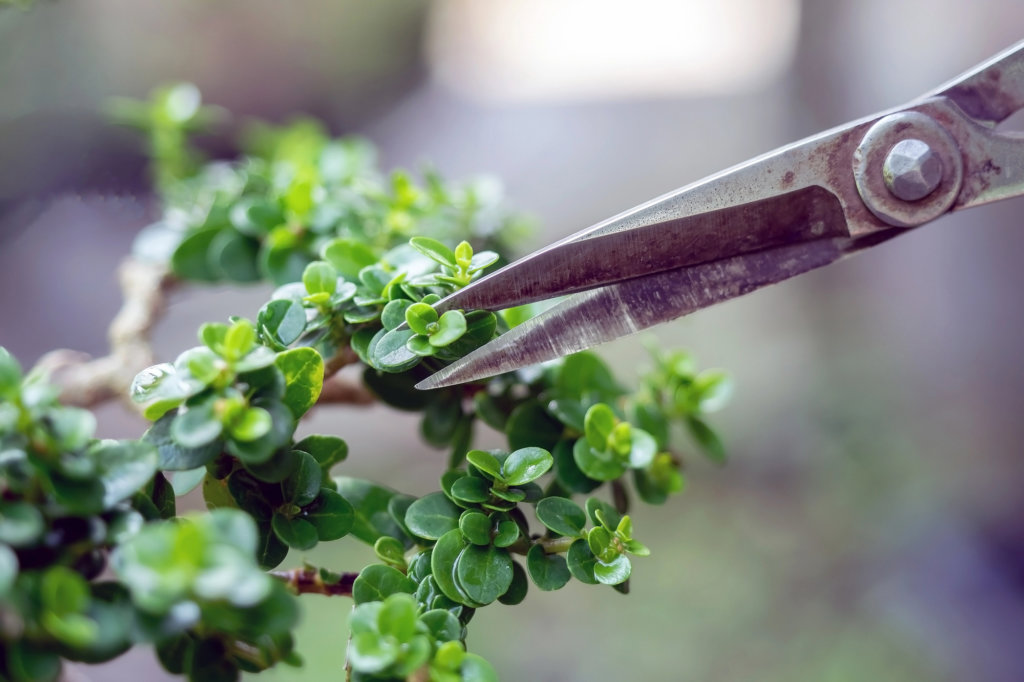
Leaf pruning helps trigger back budding, which means new buds form closer to the trunk or on older branches. This growth creates a compact and full canopy.
To encourage back budding:
- Prune back to 2–3 leaf nodes
- Allow light into inner branches
- Control overly strong shoots
When you remove large leaves and trim long shoots, you reduce the tree’s energy at the tips. The tree then pushes growth from dormant buds further inside.
Combine leaf pruning with careful watering and feeding. Water deeply after major pruning to support recovery. Do not over-fertilize right away, as this can cause long, weak shoots.
With consistent maintenance pruning, you build dense foliage pads and clear branch structure. Each cut should support your long-term design, not just short-term control.