
Bonsai Repotting Season
You shape the health of your bonsai when you choose the right time to repot. Repotting at the wrong season can slow growth and stress the tree. When you time it well, you support strong roots and steady development.
The best season to repot most bonsai trees is early spring, just before new growth begins and buds start to open. At this stage, your tree prepares for active growth, which helps it recover faster from root pruning and fresh soil. Some species allow light summer work, but spring remains the safest window for most bonsai.
As you learn more about bonsai repotting season, you will see how timing, tree type, and proper care work together. With the right approach, you protect your tree’s health and set it up for steady growth through the year.
Understanding Bonsai Repotting Season
Bonsai repotting season depends on your tree’s growth cycle, not the calendar alone. You must read both seasonal changes and clear signals from your tree before you repot bonsai.
What Is Bonsai Repotting Season?
Bonsai repotting season is the time of year when your tree can recover quickly from root work. During this period, the roots grow fast enough to replace what you prune.
For most species, early spring is the main window. Spring repotting works well because the tree moves from dormancy into active growth. Energy stored in the roots supports new root tips and fresh shoots.
Some species allow late winter or early summer repotting, but timing matters. Tropical bonsai often respond better in warm, stable weather. Deciduous and many conifers prefer work just before strong growth begins.
Repotting bonsai trees outside the proper season increases stress. Poor timing can slow growth, weaken roots, or reduce leaf size control. You should match your repotting plan to the species, climate, and local weather patterns.
Deciding When to Repot: Recognizing Tree and Seasonal Signals
You should not repot on a fixed schedule alone. Instead, check both the soil and the roots.
Common signs that you need to repot bonsai include:
- Water runs off the surface instead of soaking in
- Roots circle the pot or grow through drainage holes
- Soil breaks down into fine, compacted particles
- Growth slows even with proper care
Many trees need repotting every 1–3 years, while older bonsai may wait longer. Fast-growing species fill pots quickly and need more frequent checks.
Seasonal signals also guide you. Look for swelling buds in late winter or early spring. Mild daytime temperatures and longer light periods support recovery.
Avoid repotting during extreme heat or freezing weather. Winter repotting can work in mild climates, but hard frost can damage freshly pruned roots.
Dormancy, Bud Swell, and Seasonal Cycles
Dormancy protects your bonsai during cold months. Growth slows, and energy stores build in the roots.
The best time for many temperate species falls just before or at bud swell. Dormant buds begin to enlarge, but leaves have not opened yet. At this stage, the tree prepares for rapid growth.
When you repot during bud swell, you reduce stress. The tree quickly forms new feeder roots as the growing season starts. This timing supports strong recovery after root pruning.
If you wait until full leaf growth, the tree directs energy to foliage instead of roots. Root disturbance then creates more shock.
Study your species closely. Deciduous trees often follow a clear winter-to-spring cycle. Conifers may show subtler changes but still respond best near early spring growth.
Best Practices for Seasonal Bonsai Repotting
You need to match repotting bonsai to each tree’s growth cycle. Focus on root health, proper bonsai soil, and careful aftercare to reduce stress and support steady growth.
Spring Repotting for Deciduous Bonsai
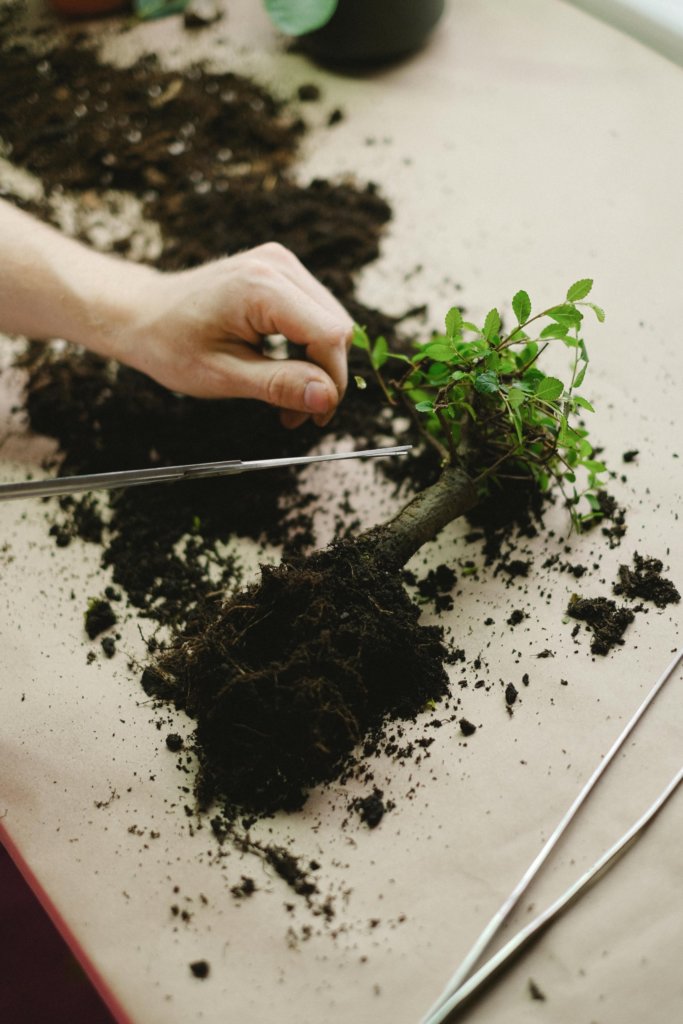
Repot most deciduous bonsai in early spring, just before buds open. At this stage, the tree stores energy in its roots and can recover fast once growth begins.
Remove the tree from its bonsai pot and loosen the root ball with a root hook. Untangle circling roots and trim long, thick roots. Keep as many fine feeder roots as possible, since they absorb water and nutrients.
Use a well-draining bonsai soil mix. A common mix includes akadama, pumice, and lava rock. Good drainage prevents root rot and supports new root growth.
After repotting, water until it runs clear from the drainage holes. Place the tree in bright shade for one to two weeks. Avoid heavy pruning at the same time, as this increases stress.
Repotting Evergreens, Tropicals, and Special Cases
Repot evergreen bonsai, such as pine and juniper, in early spring or early fall. Do not remove too much root mass at once. Conifers rely on stable root systems and recover more slowly than deciduous trees.
Tropical bonsai, like ficus, respond best when you repot during warm weather. Late spring to early summer works well because active growth helps roots recover quickly.
When handling evergreens, disturb the root ball less. Keep some original soil around the roots to protect helpful fungi. Use a fast-draining bonsai soil to prevent soggy conditions.
For older or weak trees, reduce root pruning and focus on refreshing the soil. Good bonsai care means adjusting your approach based on tree age, species, and health.
Preparing for and Managing Summer Repotting
Avoid extreme seasons when possible. Winter repotting can expose roots to cold and wet soil, which raises the risk of root rot. Postpone repotting of tropical bonsai varieties until late spring or summer when active growth ensures a faster recovery.
Tropical bonsai should generally not be repotted in winter, even indoors. Because light levels are lower and the tree is in a slower metabolic state, it cannot recover as quickly from root pruning. Most experts recommend waiting until late spring or summer when the tree is at its peak growth energy.
Summer repotting is dangerous for most deciduous and coniferous trees. High temperatures increase water loss through transpiration and place immense strain on roots that have been pruned or disturbed.
However, the “summer rule” isn’t universal. While the risks listed are accurate for most trees, summer is actually the preferred and safest time to repot many tropical species (like Ficus or Jade), as they thrive in heat and repair roots fastest during this window.
If you must repot a non-tropical tree in summer, follow these steps:
- Work during cooler morning hours
- Protect roots from direct sun and wind
- Use a moisture-retentive but well-draining bonsai soil mix
- Provide shade for two to three weeks
Monitor soil moisture closely after repotting bonsai in warm weather. Water thoroughly but do not let the soil stay soaked. Careful timing and controlled conditions protect feeder roots and support steady recovery.