
Bonsai Repotting Aftercare
Repotting helps your bonsai grow, but it also puts stress on the tree. Roots get trimmed, soil changes, and the tree must adjust fast. If you handle aftercare the right way, you help it recover and grow stronger.
After repotting, you must protect your bonsai from stress by adjusting light, watering carefully, and holding off on fertilizer until new growth appears. Place it in bright, indirect light and shield it from strong wind and direct sun. Keep the soil slightly moist, not soaked, since damaged roots can rot in wet soil.
Over the next few weeks, watch for signs of recovery like fresh buds and steady leaf color. Some leaf drop can happen, and that is often a normal stress response. With steady care and close attention, you guide your bonsai back to healthy growth.
Key Takeaways
- Protect your bonsai from stress with shade, careful watering, and no fertilizer at first.
- Expect mild stress signs, but monitor for healthy new growth.
- Consistent care during the first few weeks supports strong root recovery.
Essential Post-Repotting Care Strategies
Strong post-repotting care reduces stress and helps roots recover fast. You must manage water, temperature, light, and pot stability with care during the first few weeks after bonsai repotting.
Immediate Watering Procedures
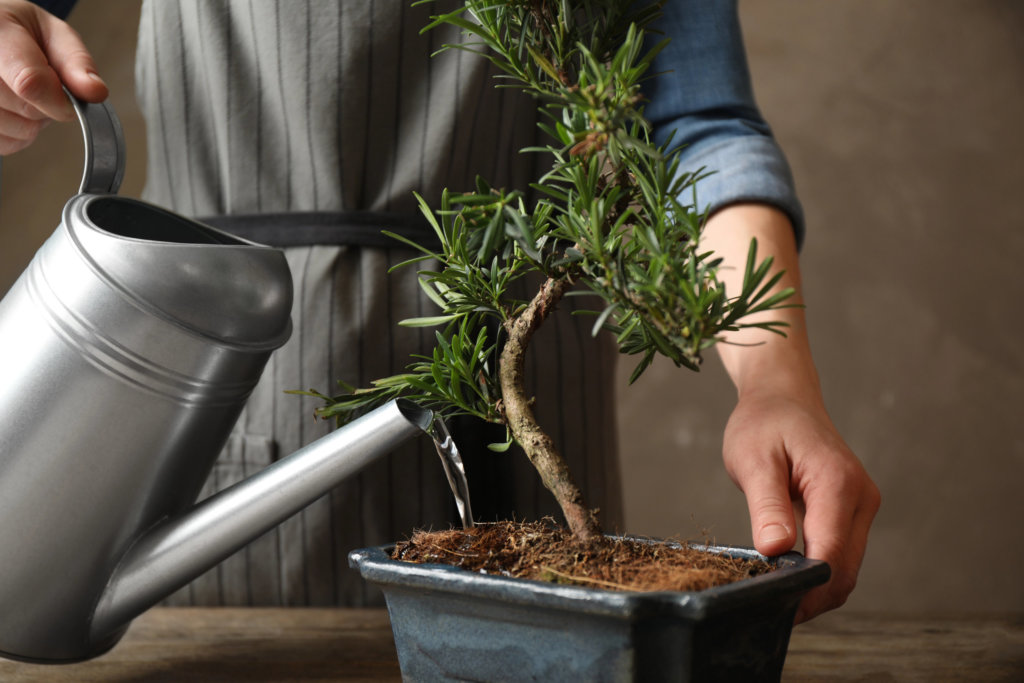
Water your bonsai right after repotting bonsai. Soak the entire root ball until water runs freely from the drainage holes.
This step settles the fresh bonsai soil mix around the roots. It also removes air pockets that can dry out fine feeder roots.
Use a gentle watering can or hose with a soft spray. A hard stream can wash away soil and disturb the new root position.
Check moisture daily during the first two weeks. Newly pruned roots absorb less water, so avoid keeping the soil constantly wet.
Follow these basic rules:
- Water when the top layer of bonsai soil feels slightly dry
- Do not let the soil dry out completely
- Do not water on a fixed schedule
Good drainage matters. If water pools on the surface, your bonsai soil mix may be too compact or too fine.
Temperature and Humidity Control
Keep your bonsai in mild and stable temperatures after repotting. Aim for a range between 50–75°F (10–24°C), depending on the species.
Avoid frost, heat waves, and sudden temperature swings. Freshly pruned roots cannot handle extreme stress.
Protect your tree from strong wind. Wind dries the soil fast and increases water loss through the leaves.
Humidity helps reduce stress while roots recover. In dry climates, you can:
- Place the bonsai on a humidity tray
- Group it with other plants
- Mist lightly if the species tolerates it
Do not place the tree near heaters, air conditioners, or drafty windows. These create uneven conditions that slow recovery.
Stable conditions support steady root growth and improve the success of post-repotting care.
Optimal Placement and Light Management
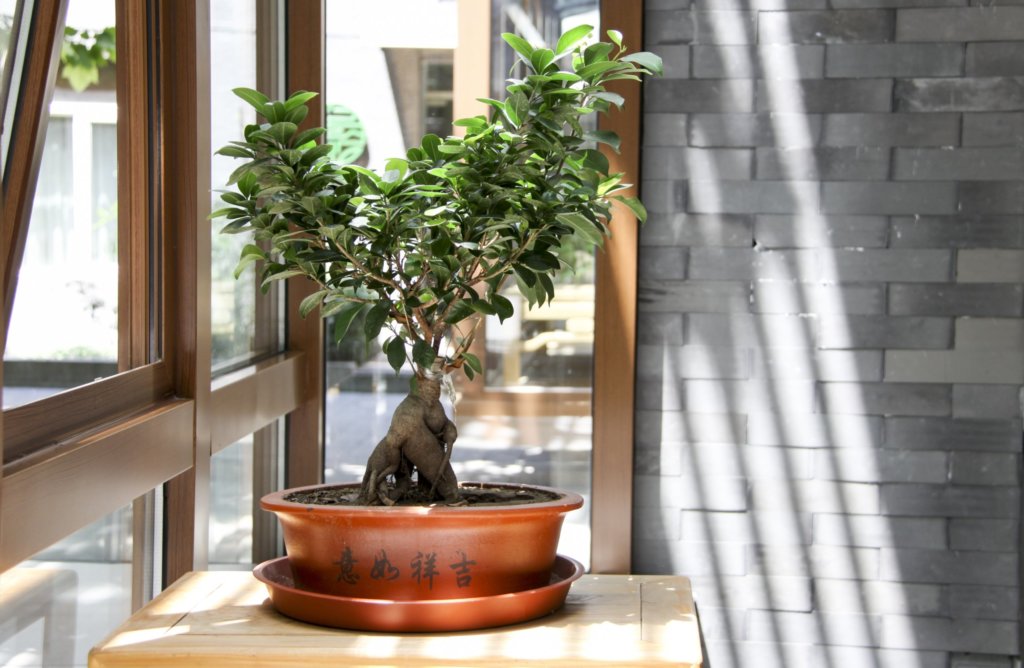
Place your bonsai in bright but indirect light for the first two to four weeks. Direct midday sun can dry the bonsai soil too quickly and stress the tree.
Outdoor bonsai should sit in light shade during this period. Morning sun with afternoon protection works well for many species.
Indoor bonsai should stay near a bright window but out of harsh sun. Rotate the pot every few days to promote even growth.
Watch for signs of stress:
- Wilting leaves
- Yellowing foliage
- Excess leaf drop
If you see these signs, reduce light intensity and check soil moisture.
As new growth appears, slowly reintroduce more sunlight. Gradual adjustment prevents shock and supports healthy development after bonsai repotting.
Securing the Bonsai in the Pot
Stability is critical after repotting bonsai. Moving roots cannot anchor the tree until they grow into the new bonsai soil mix.
Use aluminum or copper wire through the drainage holes to tie the tree firmly into the pot. Twist the wire snugly but do not crush surface roots.
Test stability by gently rocking the trunk. The tree should not shift in the soil.
If the tree moves, roots can tear. Damaged roots slow recovery and increase the risk of failure.
After securing the bonsai:
- Work soil into the roots using chopsticks
- Water thoroughly to settle the mix
A stable tree directs energy into root growth instead of repairing damage. Proper anchoring is a key part of effective post-repotting care.
Monitoring Recovery and Encouraging Healthy Growth
After repotting, you need to watch water levels, stress signals, and signs of pests or disease. Careful daily checks help the root ball settle into the new bonsai soil and support steady new growth.
Assessing Soil Moisture and Hydration Needs
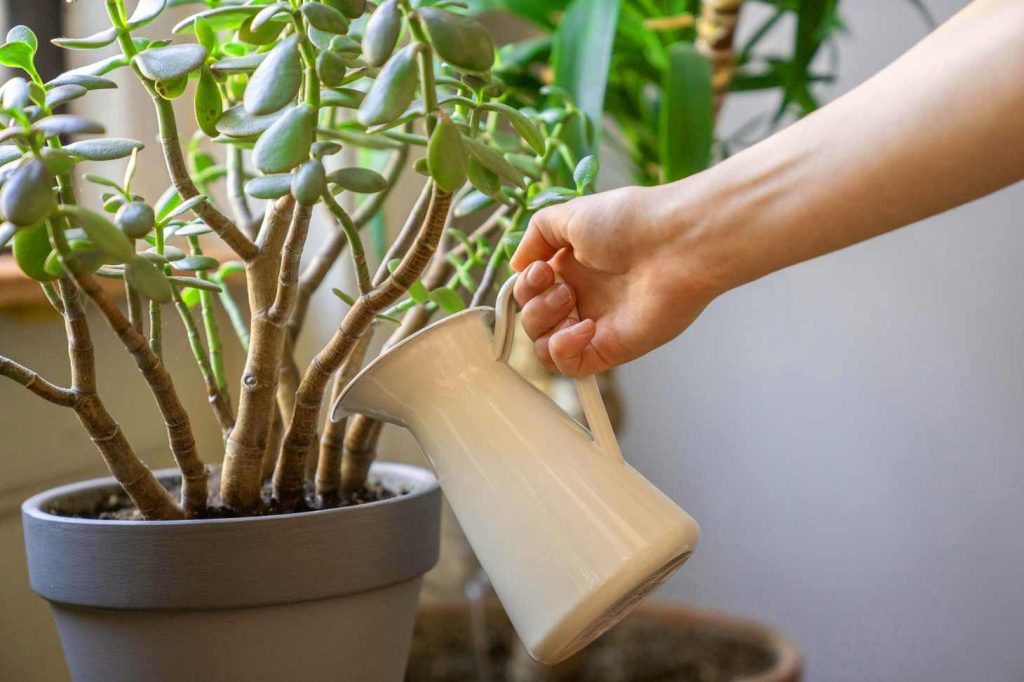
Check soil moisture every day for the first 4 to 6 weeks. Repotting reduces the root mass, meaning the tree will consume water much slower than it did previously.
Insert your finger about a half-inch into the bonsai soil. If it feels slightly dry, water thoroughly until water drains from the bottom. Do not water on a fixed schedule. Let the soil condition guide you.
If you use akadama, watch its color. Dry akadama turns lighter, while moist akadama looks darker. This visual cue helps you avoid overwatering.
Avoid keeping the soil constantly wet. Poor drainage limits oxygen around the roots and slows recovery. Make sure water flows freely through the pot. If it pools on top, you may need to gently loosen the surface with a root hook or chopstick to improve airflow without damaging new roots.
Recognizing and Reducing Stress Symptoms
Expect mild stress after repotting. You may see slight leaf drop or temporary wilting. These signs often appear within the first two weeks.
Serious stress shows up as yellowing leaves, blackened tips, or branches that dry out. If this happens, review your watering habits first. Overwatering causes more harm than short dry periods.
Place your bonsai in a sheltered spot with bright, indirect light. Avoid strong wind and direct midday sun. This reduces moisture loss while the roots recover.
Do not fertilize right away. Wait until you see new growth. Feeding too early can burn sensitive roots that you trimmed during repotting.
Prune only if necessary. Heavy top pruning adds more stress when the root system is still rebuilding.
Preventing Pests and Disease After Repotting
Repotting creates fresh cuts on roots, which makes the tree more vulnerable to infection. Clean tools such as your root hook before and after use to reduce risk.
Inspect leaves and soil daily. Look for small insects, sticky residue, webbing, or mold on the soil surface. Early detection makes treatment easier.
Keep the area around the pot clean. Remove fallen leaves and debris. Good airflow lowers the chance of fungal problems, especially in damp bonsai soil.
Avoid waterlogging. Constantly wet soil encourages root rot. Healthy drainage and proper watering remain your best defense.
If you notice pests, act quickly with a mild, species-appropriate treatment. Treat the problem early so your bonsai can focus its energy on root recovery and new growth.