
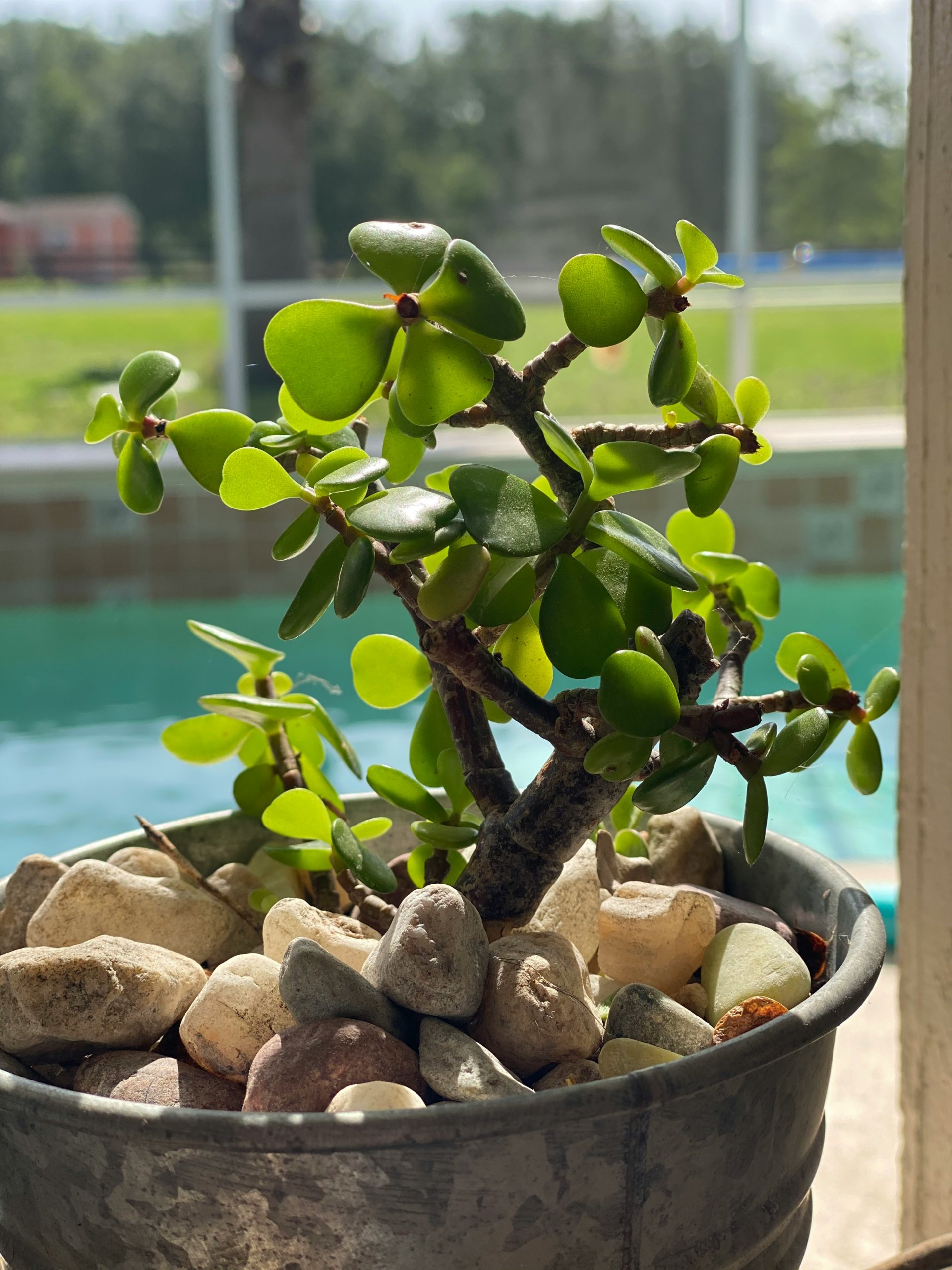
Jade Bonsai Care
You can grow a strong, attractive jade bonsai when you give it the right light, water, and pruning. This hardy succulent, often called a money tree, adapts well to indoor spaces and suits beginners and experienced growers alike. Its thick trunk and small, fleshy leaves make it ideal for shaping into a miniature tree.
To care for a jade bonsai, place it in bright light, water only when the soil dries out, use well-draining soil, and prune regularly to control shape and size. When you meet these basic needs, you prevent root rot, weak growth, and leaf drop. You also help the plant stay compact and balanced.
With steady care and simple techniques, you can train your jade bonsai to grow with strong structure and healthy foliage. A clear plan makes the process easier and keeps your plant thriving year after year.
Key Takeaways
- Give your jade bonsai bright light, sparse watering, and fast-draining soil.
- Prune and shape it often to maintain a compact, tree-like form.
- Monitor growth and adjust care to keep the plant healthy indoors.
Understanding Jade Bonsai
Jade bonsai come from hardy succulent plants that store water in thick leaves and stems. You will often work with species like Crassula ovata or Portulacaria afra, each with clear traits that affect care, pruning, and shaping.
Jade Bonsai Species and Varieties
Most jade bonsai come from Crassula ovata, often called the jade plant or jade tree. Some people also call it a money tree, though that name can refer to other plants. Crassula species have thick, oval leaves and woody stems that suit bonsai shaping.
Another common choice is Portulacaria afra, known as dwarf jade. It looks similar to Crassula ovata but has smaller, rounder leaves and thinner stems. Many growers prefer dwarf jade for bonsai because it responds well to pruning and forms fine branches faster.
You may also see varieties like ‘Hummel’s Sunset’ with yellow-edged leaves or compact forms bred for small growth. When you choose a species, focus on leaf size, growth rate, and how much shaping you plan to do.
Physical Characteristics and Growth Habits
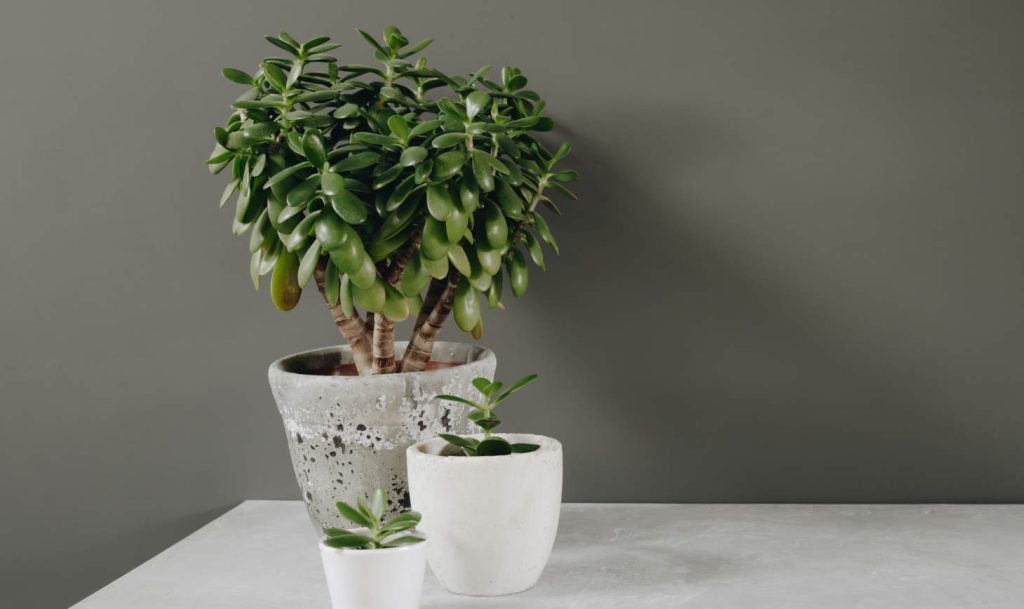
A jade bonsai is a succulent bonsai plant. Its thick leaves store water, which helps you avoid frequent watering. Leaves are smooth, firm, and usually bright green. Healthy leaves feel plump, not soft or wrinkled.
Stems start soft and green but turn woody and brown with age. This change gives your jade tree a strong trunk and a classic bonsai look. With time and pruning, you can shape it into upright, slanting, or informal styles.
Jade bonsai grow best in bright light and warm conditions. They grow slowly compared to many outdoor bonsai species. Because they store water, they handle missed watering better than most bonsai plants, but they still need proper drainage to prevent root rot.
Benefits and Symbolism
Many people keep a jade plant bonsai for its clean, simple look. Its thick leaves and compact shape fit well in homes and offices. As a succulent, it can handle indoor air that is dry from heating or cooling systems.
In many cultures, the jade tree stands for prosperity and good fortune. The nickname “money tree” reflects this belief. People often give jade bonsai as gifts for new homes or businesses.
Beyond symbolism, you gain a practical benefit. A jade bonsai does not demand complex care. With steady light, careful watering, and regular pruning, you can keep it healthy for many years.
Optimal Growing Environment
Your jade bonsai needs strong light, warm temperatures, and fast drainage to stay healthy. When you control light, heat, and airflow, you prevent weak growth and root rot.
Lighting and Sunlight Needs
Place your jade bonsai where it receives bright, direct light for at least 4–6 hours each day. A south- or west-facing window works best for indoor bonsai. Without enough light, stems stretch, leaves thin out, and growth becomes weak.
If natural light is limited, use grow lights. Position the light 6–12 inches above the canopy and keep it on for 12–14 hours per day. Full-spectrum LED grow lights provide steady results and support compact growth.
Rotate your plant every week. This keeps the trunk straight and prevents one-sided growth.
If you move your jade bonsai outdoors for summer, increase sun exposure slowly over 7–10 days. Sudden full sun can scorch leaves.
Temperature and Humidity Requirements
Jade bonsai prefer warm, stable temperatures. Keep your plant between 65–75°F (18–24°C) during the day. At night, temperatures can drop slightly, but avoid anything below 50°F (10°C).
Cold drafts, heaters, and air conditioners can stress your plant. Place your bonsai away from vents and frequently opened doors.
Unlike many bonsai species, jade bonsai do not need high humidity. They store water in their thick leaves and tolerate dry indoor air well. Average household humidity is usually enough.
Good airflow matters more than high humidity. Stagnant air increases the risk of pests and fungal problems.
Indoor vs. Outdoor Placement
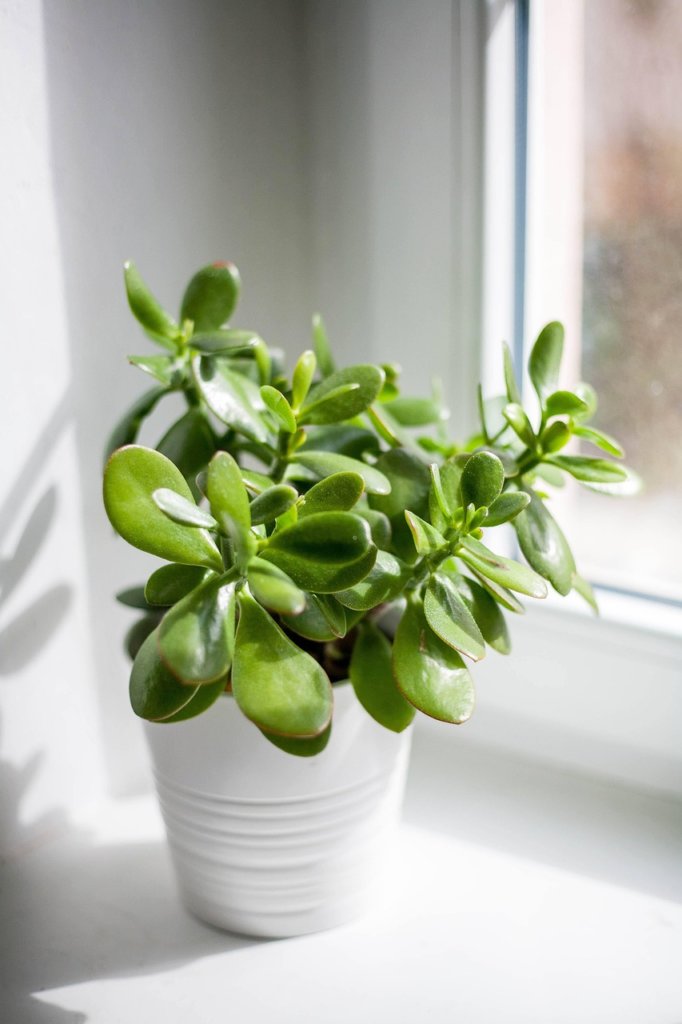
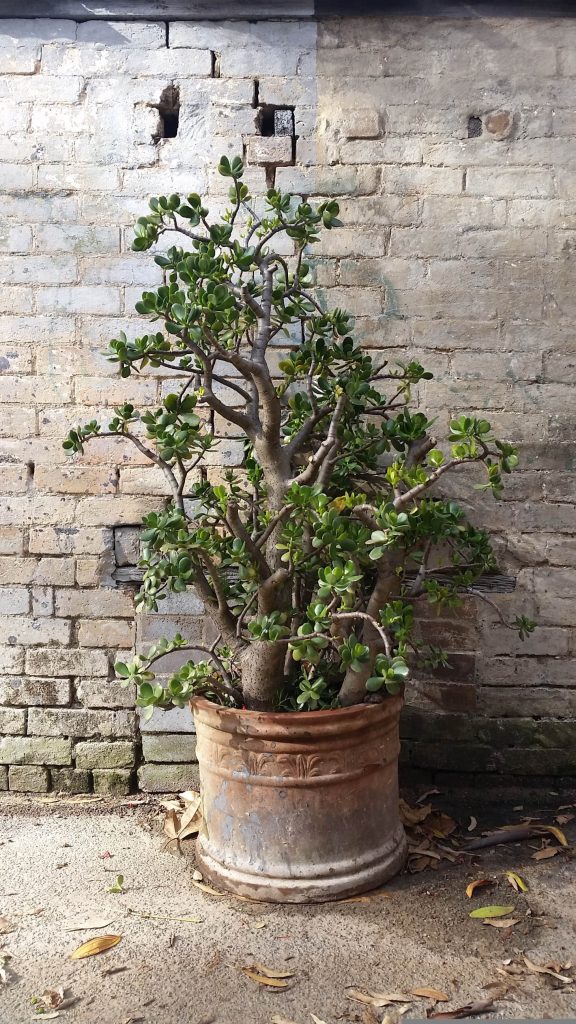
You can grow a jade bonsai indoors year-round in most climates. Strong light remains the most important factor for success in any jade bonsai care guide.
Indoors, choose the brightest window available. Use grow lights if the plant shows slow or leggy growth.
Outdoors, place your jade bonsai in a spot with:
- Full sun or light afternoon shade
- Good air movement
- Protection from heavy rain
Always bring the plant inside before temperatures fall below 50°F (10°C). Jade bonsai are not frost-tolerant.
When you shift between indoor and outdoor settings, make the change gradual. Sudden changes in light and temperature can cause leaf drop or stress.
Essential Jade Bonsai Care Techniques
You keep a jade bonsai healthy by controlling water, using the right bonsai soil mix, and feeding on a steady schedule. Each step supports strong roots, steady growth, and compact form.
Watering Practices and Frequency
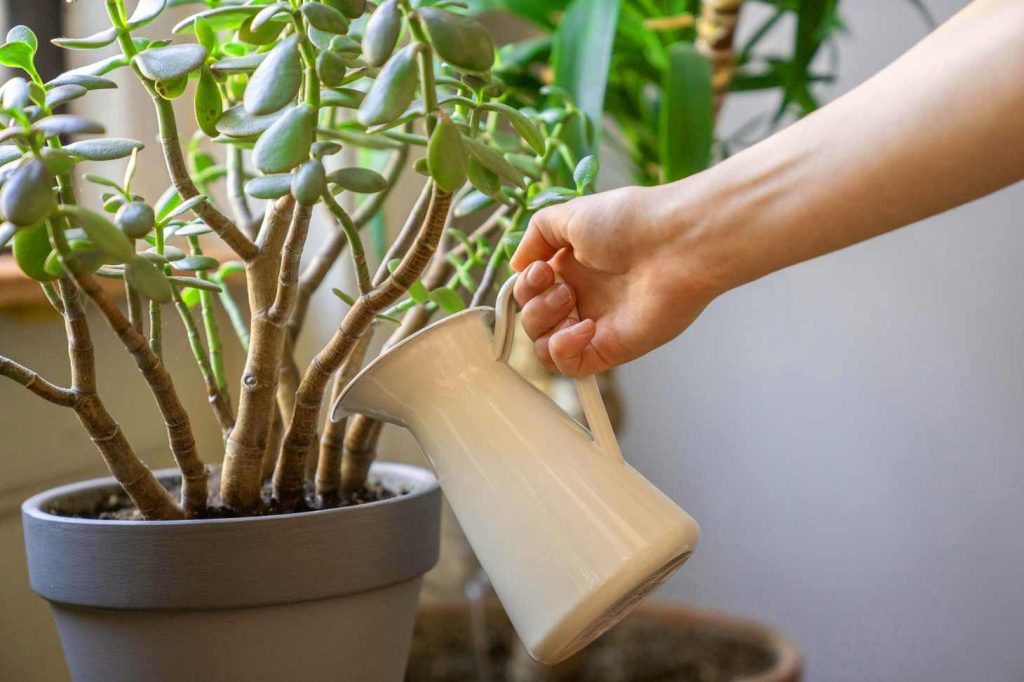
Watering is the most important part of jade bonsai care. Jade trees store water in their thick leaves, so they need less water than many other bonsai types.
Check the soil before you water. Insert your finger about 1 inch deep. If the soil feels dry, water thoroughly until it drains from the bottom of the pot.
Do not water on a fixed schedule. During active growth, the tree might need water every few days, depending on the heat and evaporation. In dormant periods, decrease frequency significantly, checking the soil every two weeks as a starting point.
Always let excess water drain away. Empty the drip tray so the pot does not sit in water. Constant wet soil leads to root rot, which causes soft roots, yellow leaves, and leaf drop.
Bright green, firm leaves often signal proper watering. Soft, wrinkled leaves can mean the plant needs water.
Soil and Repotting Guidelines
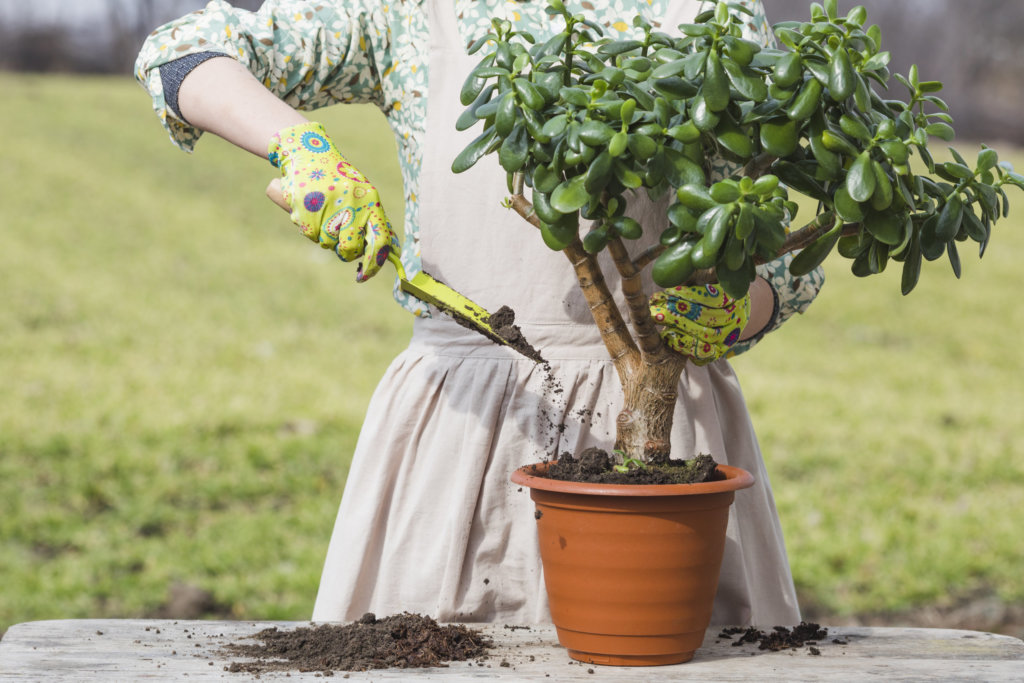
Use a fast-draining bonsai soil mix made for succulents or bonsai. Standard potting soil holds too much moisture and increases the risk of root rot.
A good bonsai soil mix often includes:
- Coarse sand or grit
- Pumice or perlite
- Akadama or similar clay particles
This blend allows air to reach the roots and lets water drain quickly. Healthy roots need both air and moisture.
Repot your jade bonsai every 2–3 years. Choose a shallow pot with drainage holes. Early spring works best, just before active growth begins.
When repotting, trim long or damaged roots with clean scissors. Remove old, compacted soil. Do not remove more than one-third of the root mass at one time.
After repotting, wait a few days before watering. This helps cut roots heal and lowers the risk of rot.
Fertilization Schedules
Feed your jade bonsai during active growth, usually from spring through early fall. Use a balanced liquid fertilizer, such as 10-10-10 or 20-20-20, diluted to half strength.
Apply fertilizer every 4 weeks during the growing season. Always water the soil lightly before feeding to prevent root burn.
Do not fertilize in winter when growth slows. The plant cannot use extra nutrients during this period.
Watch for signs of overfeeding. Salt buildup on the soil surface or leaf tip burn can mean you use too much fertilizer. Flush the soil with water if this happens.
Consistent, moderate feeding supports compact growth and thick leaves, which are key goals in proper bonsai care.
Pruning, Shaping, and Propagation
You control the size and form of your jade bonsai through careful pruning and wiring. You can also create new plants from healthy cuttings with simple steps and clean tools.
Pruning Methods and Timing
Prune your jade bonsai during active growth in spring and summer. The plant heals faster and pushes new shoots during this time.
Use sharp pruning shears or small scissors. Clean the blades with alcohol before and after each session to prevent disease. Make each cut just above a leaf node at a slight angle.
Focus on these pruning techniques:
- Remove long, thin branches that grow straight up or down.
- Cut back leggy stems to keep a compact shape.
- Thin crowded areas to improve light and air flow.
- Trim heavy top growth to prevent a top-heavy plant.
You can also prune leaves to reduce size. Jade responds by producing smaller new leaves, which helps keep the tree in scale.
Do not remove more than one-third of the plant at one time. Let the bonsai recover for several weeks before heavy pruning again.
Wiring and Shaping Safely
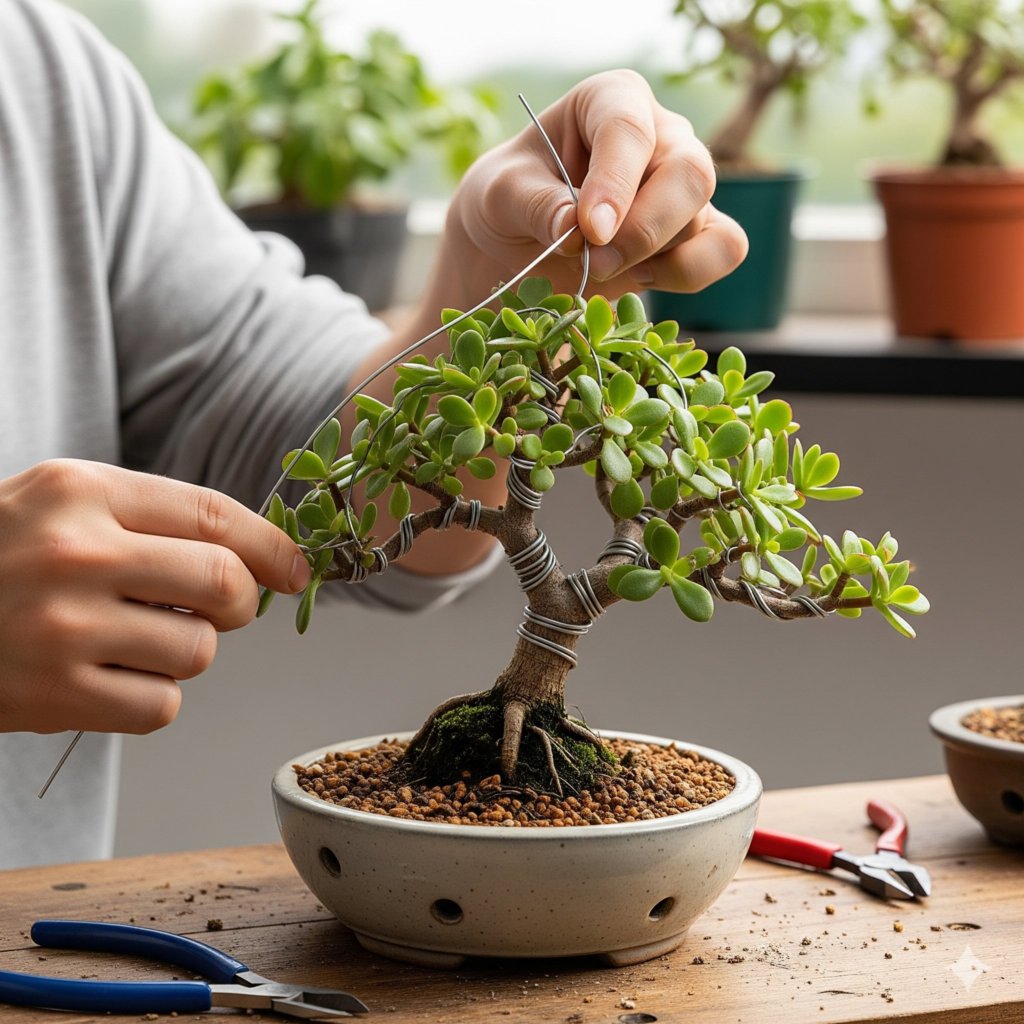
Shape your jade bonsai by guiding young branches with aluminum wire. Aluminum wire works well because it is flexible and easy to remove.
Wrap the wire around the branch at a 45-degree angle. Do not wrap too tightly. The wire should support the branch without cutting into the bark.
Bend the branch slowly into position. Jade branches are soft but can snap if you force them.
Check wired branches every 2–3 weeks. Remove the wire with wire cutters as soon as you see marks forming. Do not unwind the wire, as this can damage the branch.
Avoid wiring thick, woody stems. Instead, prune and let new shoots grow in the direction you want.
Propagation from Cuttings
You can propagate jade bonsai from stem cuttings or leaf cuttings. Stem cuttings root faster and produce stronger plants.
Follow these steps for stem cuttings:
- Cut a healthy stem 3–5 inches long.
- Let the cut end dry for 2–3 days until it forms a callus.
- Dip the end in rooting hormone if you choose, though jade often roots without it.
- Place the cutting in well-draining bonsai soil.
Water lightly after planting. Keep the soil slightly moist but not wet. Roots usually form within a few weeks.
Leaf cuttings follow the same process but take longer. Always use healthy, firm leaves and allow them to callus before setting them on soil.
Frequently Asked Questions
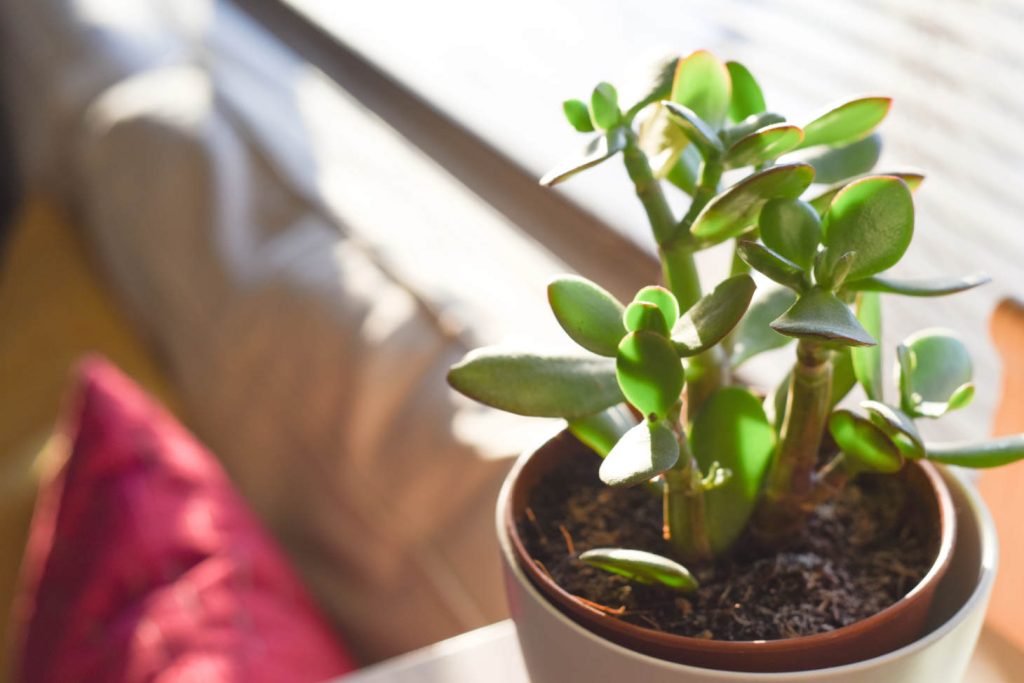
You keep a jade bonsai healthy by giving it strong light, careful watering, fast-draining soil, and regular pruning. You also need to watch for pests and keep the plant in stable indoor temperatures.
What is the ideal lighting setup for a healthy jade bonsai?
Place your jade bonsai in bright, direct light for at least 4 to 6 hours each day. A south- or west-facing window works best indoors.
If light is weak, the plant will stretch and produce thin stems with pale leaves. Rotate the pot every week so all sides receive even light and grow evenly.
During summer, you can move it outdoors to a sunny spot. Bring it inside before night temperatures drop below 50°F (10°C).
How frequently should water be given to a jade bonsai plant?
Water your jade bonsai only when the top 1 to 2 inches of soil feel dry. This plant stores water in its thick leaves and does not need constant moisture.
When you water, soak the soil until water drains from the bottom holes. Then let the soil dry out before you water again.
In winter, reduce watering. The plant grows more slowly and uses less water during this time.
Can you describe the optimal soil composition for jade bonsai growth?
Use a fast-draining soil mix made for succulents or bonsai. The mix should contain coarse sand, perlite or pumice, and a small amount of organic material.
Avoid heavy garden soil. Dense soil holds too much water and can cause root rot.
Make sure your pot has drainage holes. Good drainage protects the roots and keeps them healthy.
What are the best practices for pruning and shaping jade bonsai?
Prune your jade bonsai during the active growing season in spring or early summer. Cut back long shoots to maintain the shape you want.
Use clean, sharp scissors or pruning shears. Remove crowded branches to improve airflow and light exposure.
You can shape young branches with gentle wiring. Check the wire often and remove it before it cuts into the thickening stems.
How do I recognize and treat common pests or diseases in jade bonsai trees?
Inspect your plant for mealybugs, spider mites, and scale insects. Look for white cotton-like spots, tiny webs, or small brown bumps on stems and leaves.
Wipe pests off with a cotton swab dipped in rubbing alcohol. For larger problems, use insecticidal soap and repeat treatment as needed.
Root rot is a common disease caused by overwatering. Soft, black roots and dropping leaves signal trouble. Remove damaged roots and repot the plant in fresh, dry soil.
What temperature and humidity levels are necessary to maintain a jade bonsai?
Keep your jade bonsai in temperatures between 65°F and 75°F (18°C to 24°C) during the day. It can handle slightly cooler nights but should stay above 50°F (10°C).
Normal indoor humidity levels are fine. You do not need to mist the plant.
Avoid cold drafts and sudden temperature changes. Stable conditions support steady growth.