Bonsai Tree Price
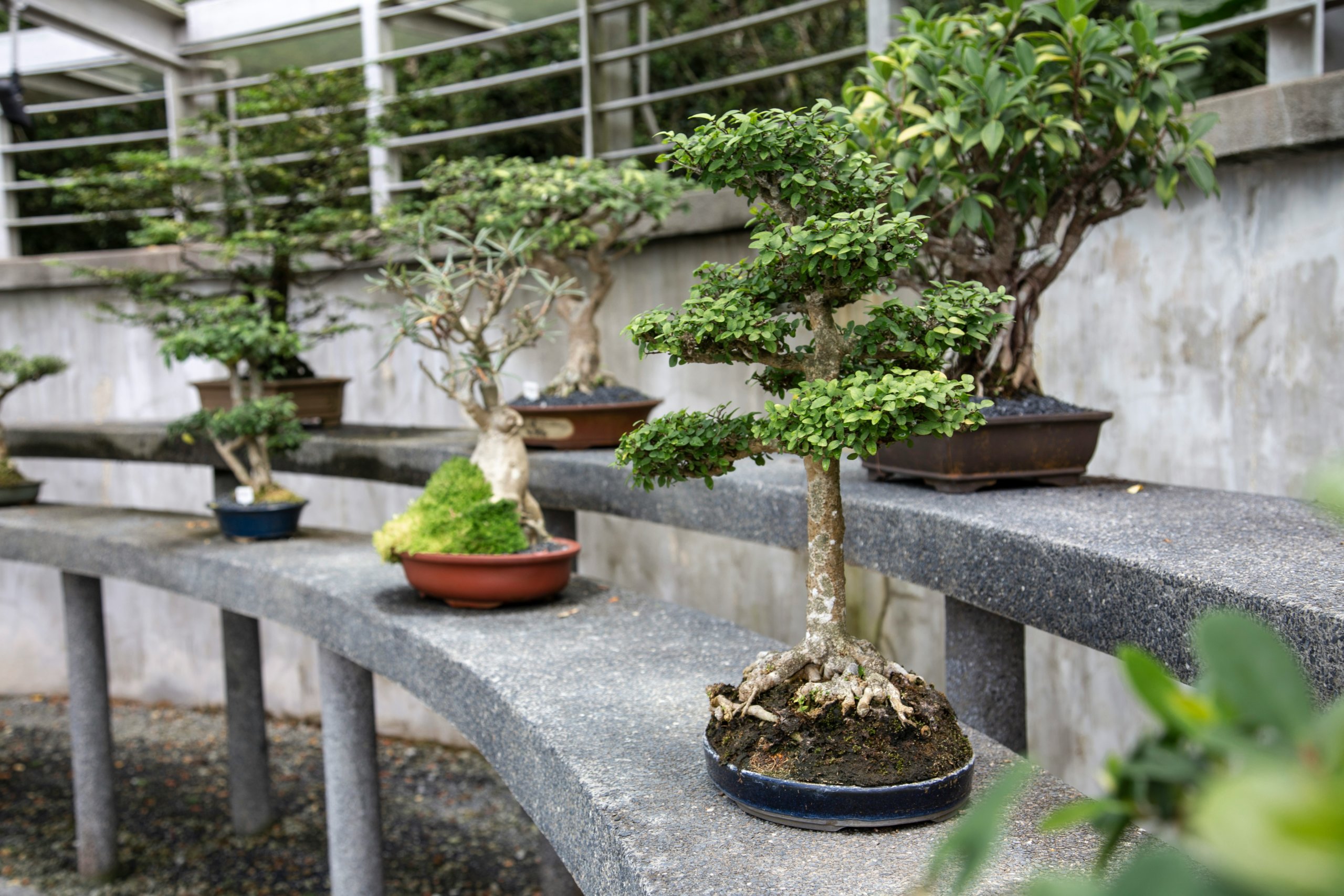
You want to know how much a bonsai tree costs before you bring one home. Prices vary based on size, age, and training, so you can spend a little or a lot depending on what you choose. Most bonsai trees cost between $20 and $150, but older and highly trained trees can cost several hundred dollars or more.
You can find small starter trees at garden centers or online for lower prices. Larger trees with shaped trunks and detailed pruning cost more because they take years of care and skill to grow. The species, pot quality, and where you buy it also affect the price.
When you understand what drives the cost, you can set a clear budget and pick a tree that fits your space and goals.
Key Takeaways
- Expect most bonsai trees to cost between $20 and $150.
- Size, age, training, and species strongly affect the price.
- You can pay more for mature, styled trees from specialty sellers.
Bonsai Tree Price Overview
Bonsai tree cost depends on age, size, species, and the level of training. You can pay under $50 for a young plant or spend thousands on a refined, older specimen.
Typical Cost Ranges of Bonsai Trees
If you ask, how much do bonsai trees cost, the answer covers a wide range. Most entry-level bonsai trees sell for $25 to $100. These are usually young plants, often 3–5 years old, in simple pots with basic shaping.
Mid-range bonsai tree prices often fall between $150 and $500. At this level, you get better trunk movement, stronger roots, and early branch structure. Many hobbyists buy in this range because the tree already has clear design work.
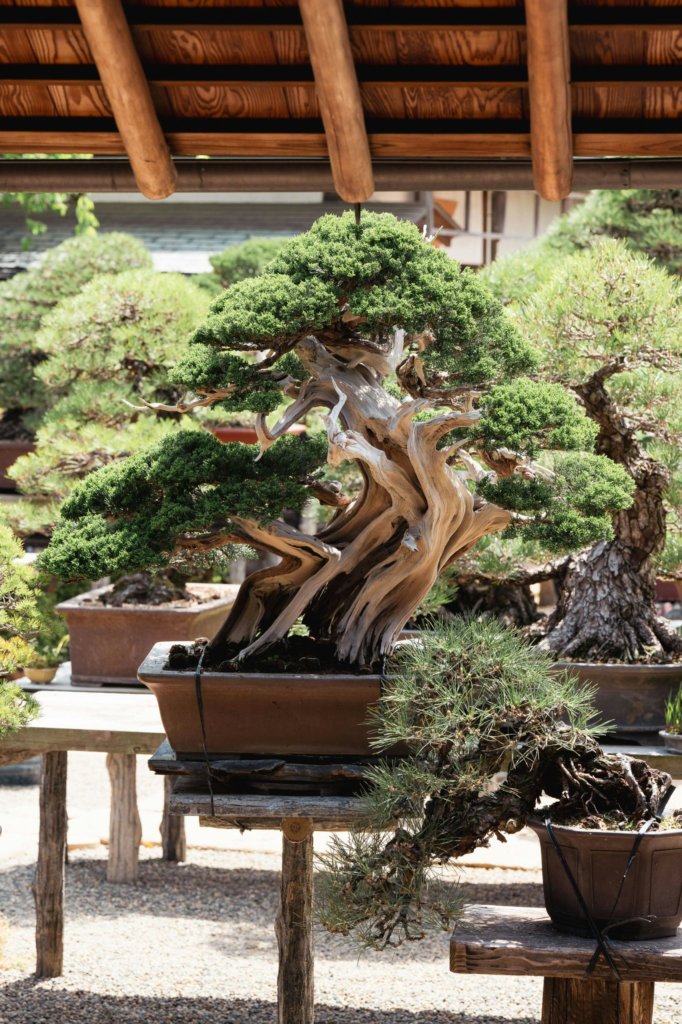
Larger or older bonsai trees can cost $700 to $2,000 or more. Trees over 20 years old often cross the $1,000 mark, especially if they show mature bark and balanced structure.
Rare cases go far beyond that. The most expensive bonsai examples, often decades or centuries old, can sell for tens of thousands of dollars at auction.
What Determines Bonsai Tree Cost
Several clear factors shape bonsai tree cost.
- Age: Older trees cost more because growers invest many years in training. A 5-year-old tree may cost under $100, while a 20-year-old tree can exceed $1,000.
- Size: Larger bonsai trees require more time and care. Trees over 50 cm tall often sell for much higher prices than small tabletop trees.
- Species: Popular species like juniper and ficus tend to be more affordable. Slow-growing or rare species raise the price.
- Training and design: A tree with refined branching, taper, and nebari (surface roots) costs more than raw nursery stock.
- Pot and presentation: High-quality ceramic pots and display stands also add to the final price.
When you compare two bonsai trees, look closely at trunk thickness, bark texture, and branch placement. These details directly affect value.
Price Tiers: Starter to Collector Trees
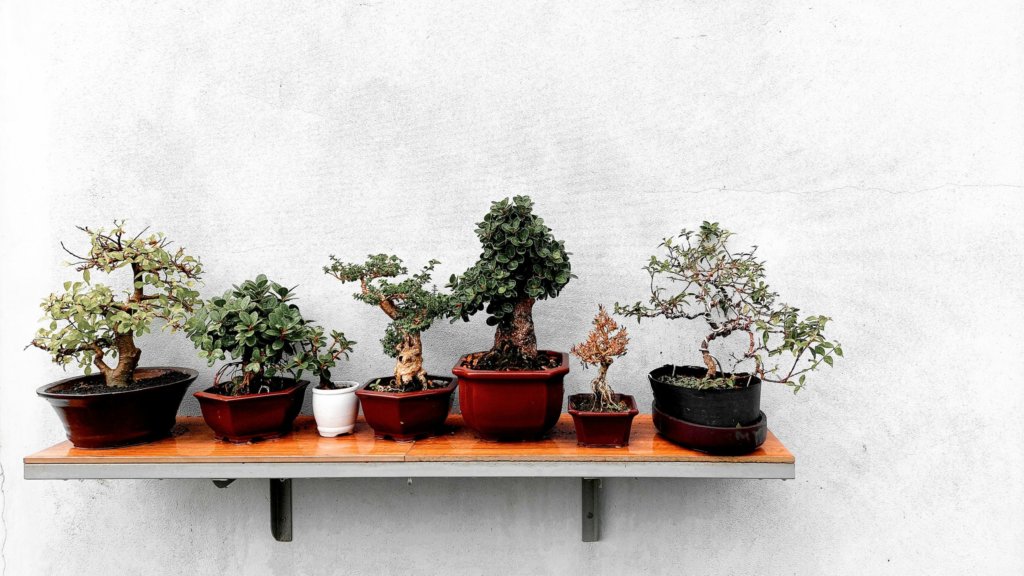
You can group bonsai into clear price tiers.
| Tier | Price Range | What You Get |
|---|---|---|
| Starter Bonsai | $20–$100 | Young tree, basic shaping, simple pot |
| Intermediate Bonsai | $150–$500 | Strong trunk, early refinement, better container |
| Advanced / Collector Bonsai | $700–$2,000+ | Mature structure, detailed styling, older age |
Starter trees work well if you want a cheap bonsai to practice pruning and wiring. You shape it yourself and accept that it needs years of work.
Intermediate trees give you a head start. The structure already exists, and you focus on refinement.
Collector or expensive bonsai often show decades of careful training. These trees appeal to serious hobbyists and collectors who value age, balance, and display quality.
Key Factors Impacting Bonsai Tree Price
Several clear factors shape what you pay for a bonsai tree. Species, age, training work, pot quality, and where you buy it all play a direct role in the final price.
Bonsai Species and Rarity
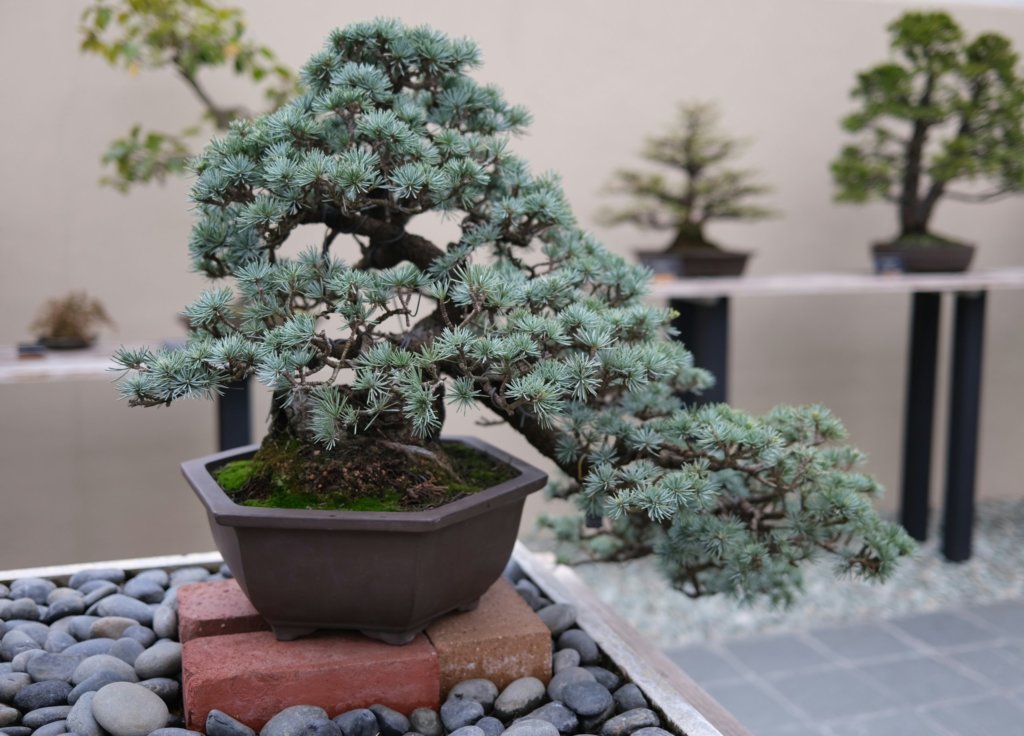
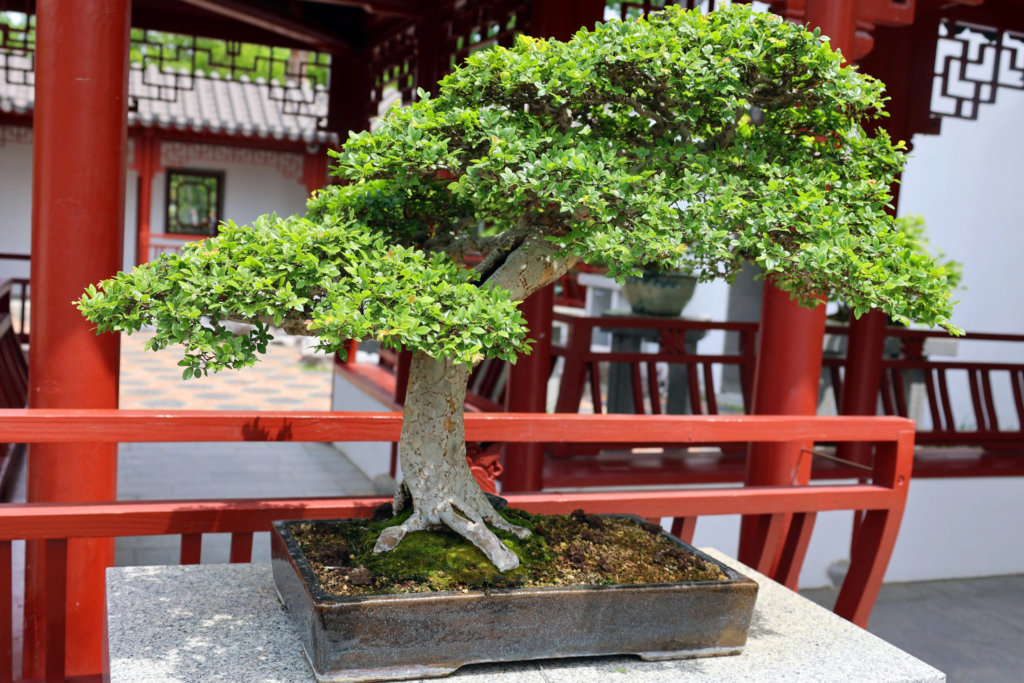
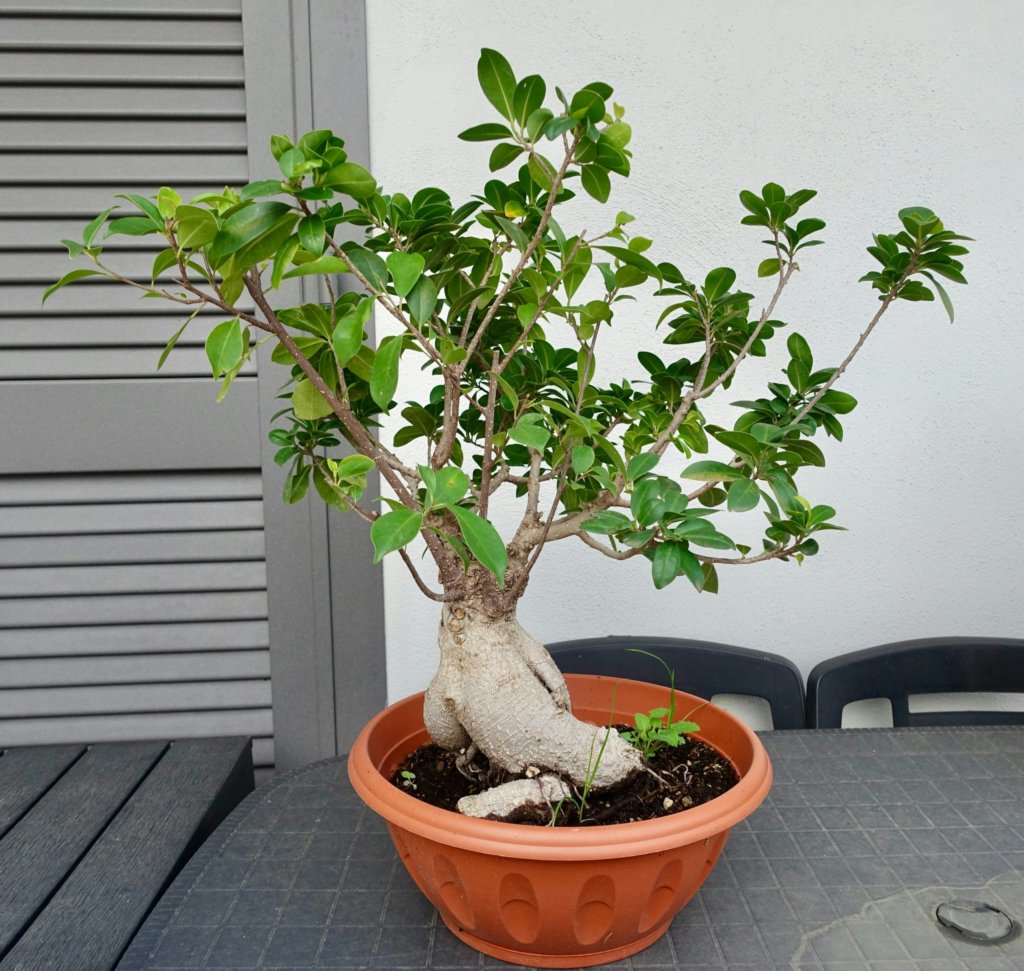
The type of bonsai species you choose affects price right away. Common species like juniper bonsai, Chinese elm, and ficus bonsai usually cost less because growers produce them in large numbers.
You can often find a young Chinese elm bonsai or juniper bonsai for $20 to $80. These trees grow well in many climates and suit beginners.
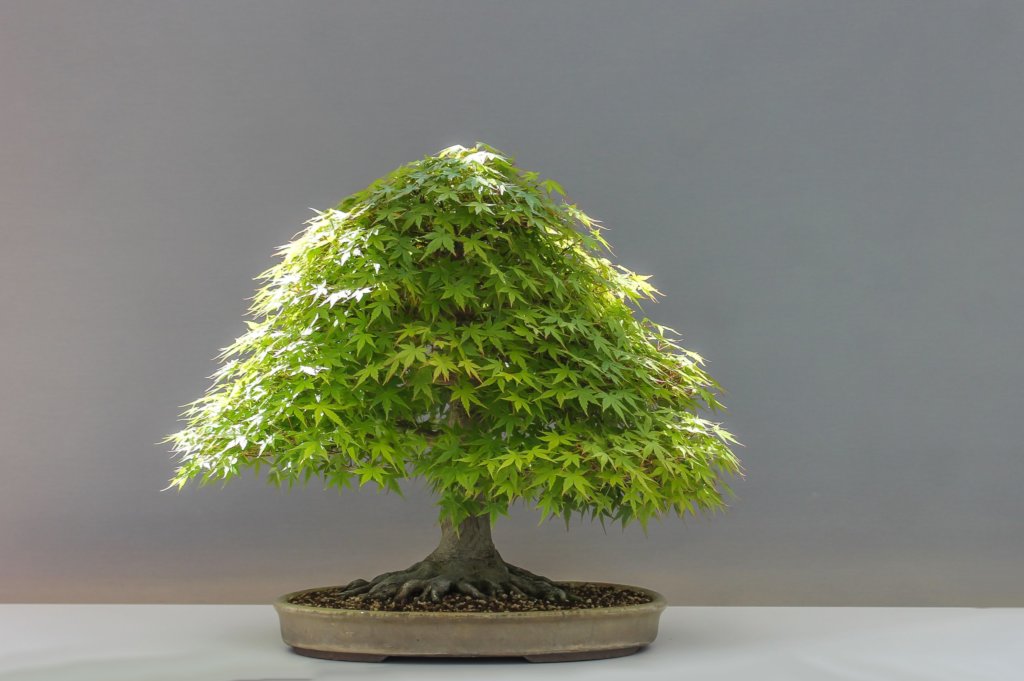
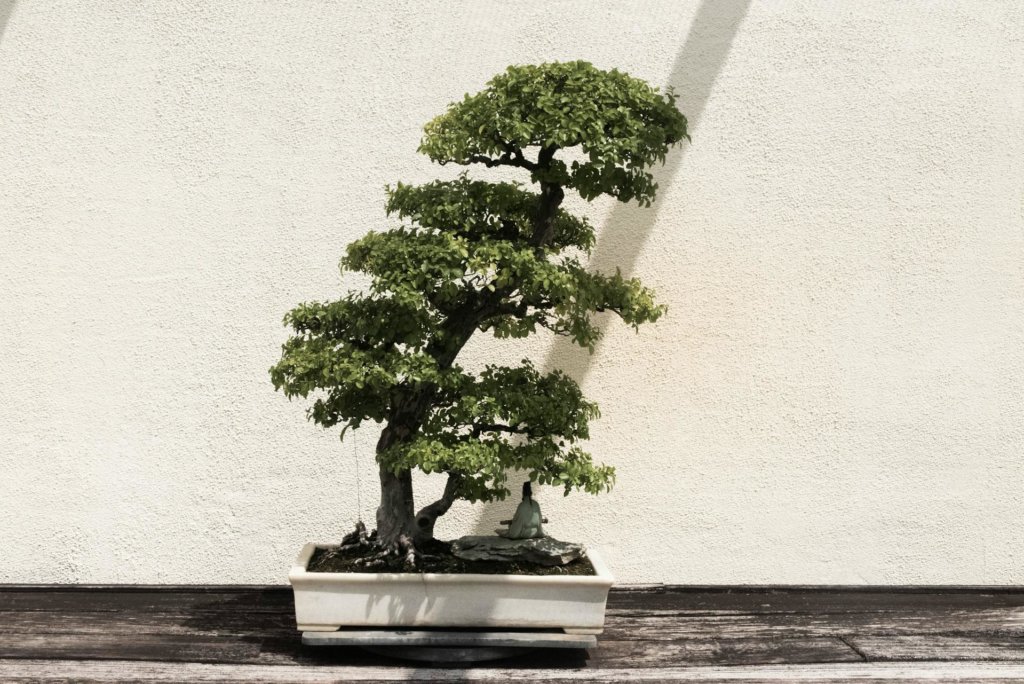
Rare or slow-growing species cost more. A well-developed Japanese maple bonsai or certain pine varieties often sell for several hundred dollars or more. Collectors value them for leaf shape, seasonal color, and structure.
Tropical species like Fukien tea and certain Ficus are often priced similarly to basic outdoor trees. While they need consistent warmth, their rapid growth rates allow for high-volume production and competitive pricing.
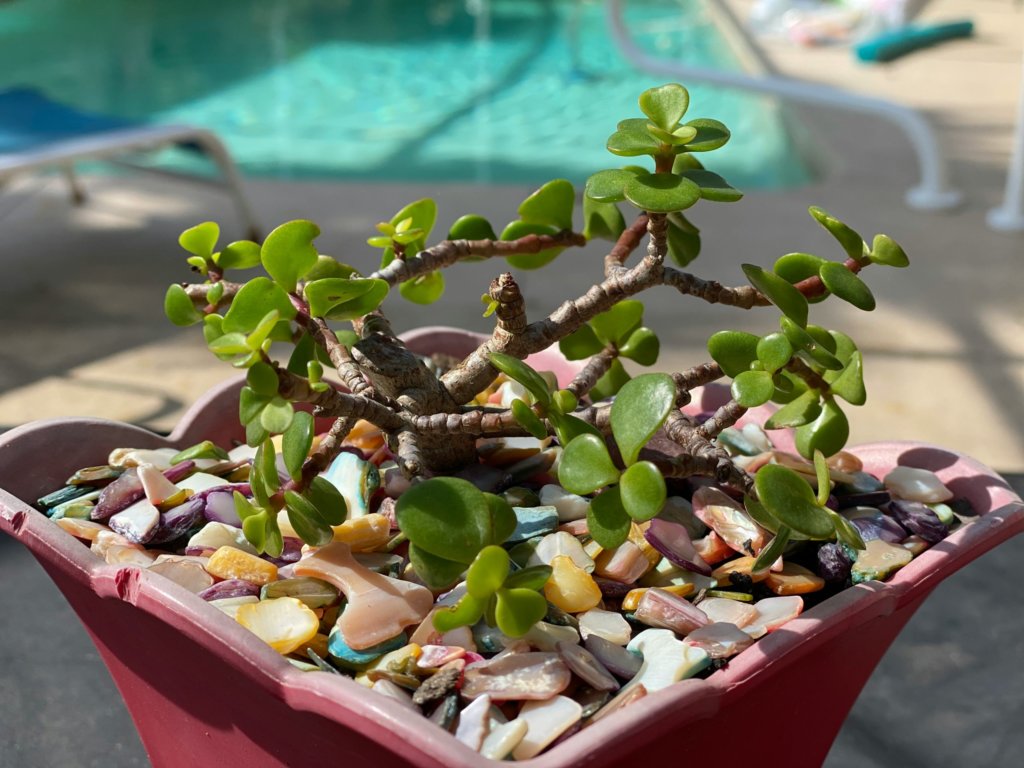
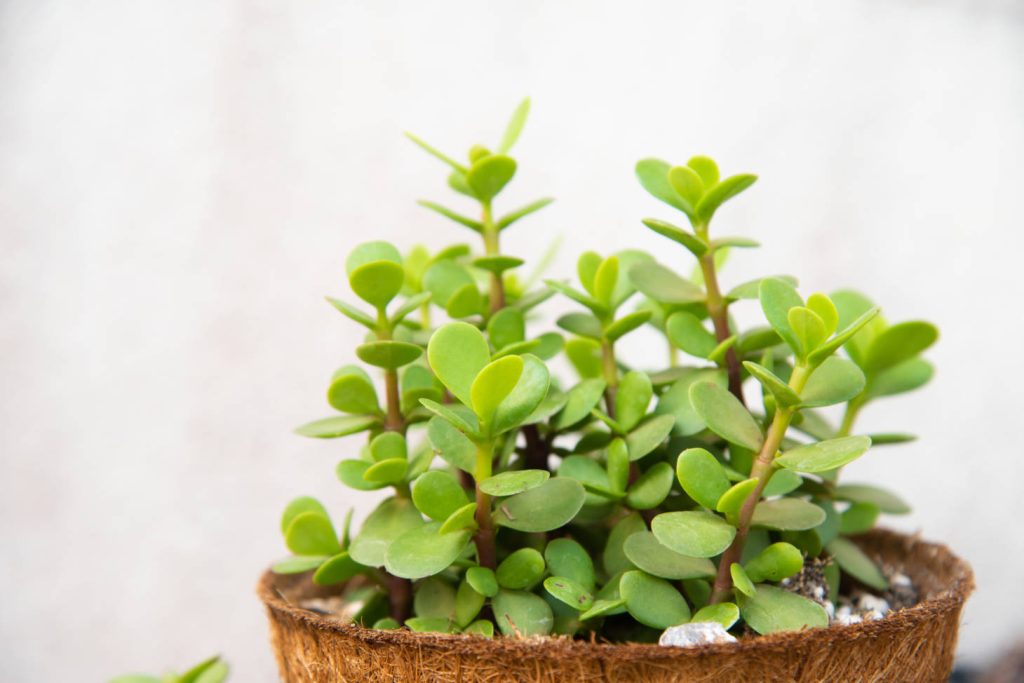
Succulent types like jade bonsai or Portulacaria afra often stay affordable. They grow fast and tolerate mistakes, which keeps the supply steady.
Age, Size, and Training Complexity
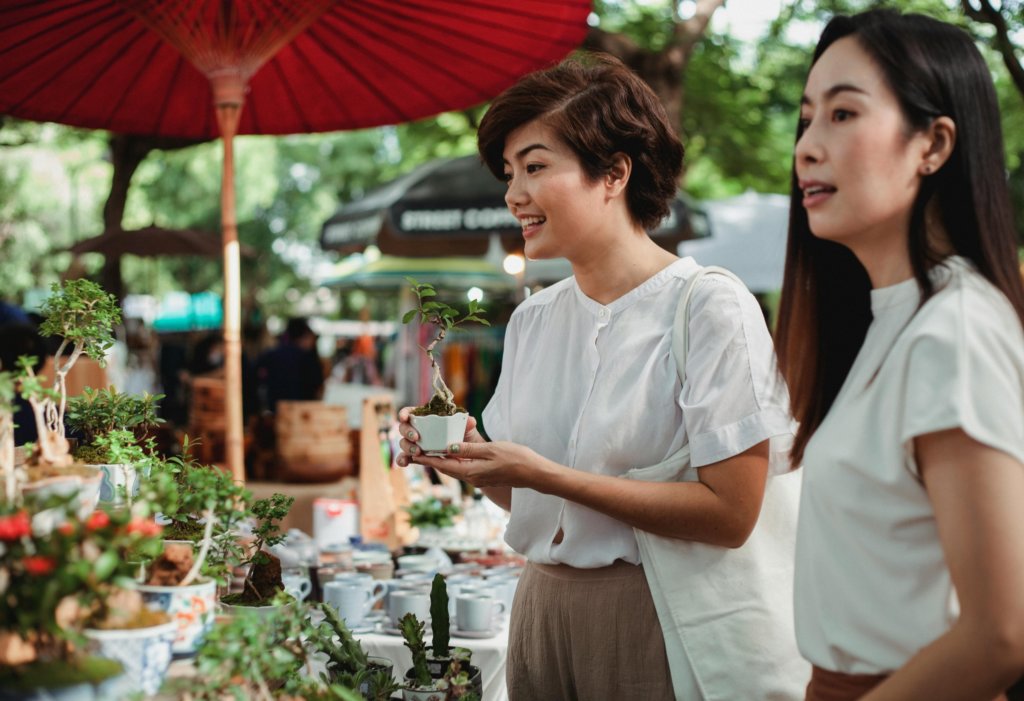
Age strongly influences bonsai tree price. Older trees require many years of pruning, wiring, and shaping.
A young pre-bonsai tree may cost between $20 and $100. It has basic structure but needs years of work before it looks refined.
In contrast, a 10- to 20-year-old trained bonsai with defined branch pads and trunk taper can cost several hundred dollars. Large, well-developed miniature trees with thick trunks and balanced canopies may reach into the thousands.
Size also matters. Small starter trees cost less because growers train them for a shorter time. Larger bonsai demand more space, more pruning, and more skill.
Training complexity raises value. Detailed wiring, carved deadwood, and advanced shaping techniques increase labor time. You pay for the grower’s years of work, not just the tree itself.
Pot Quality and Materials
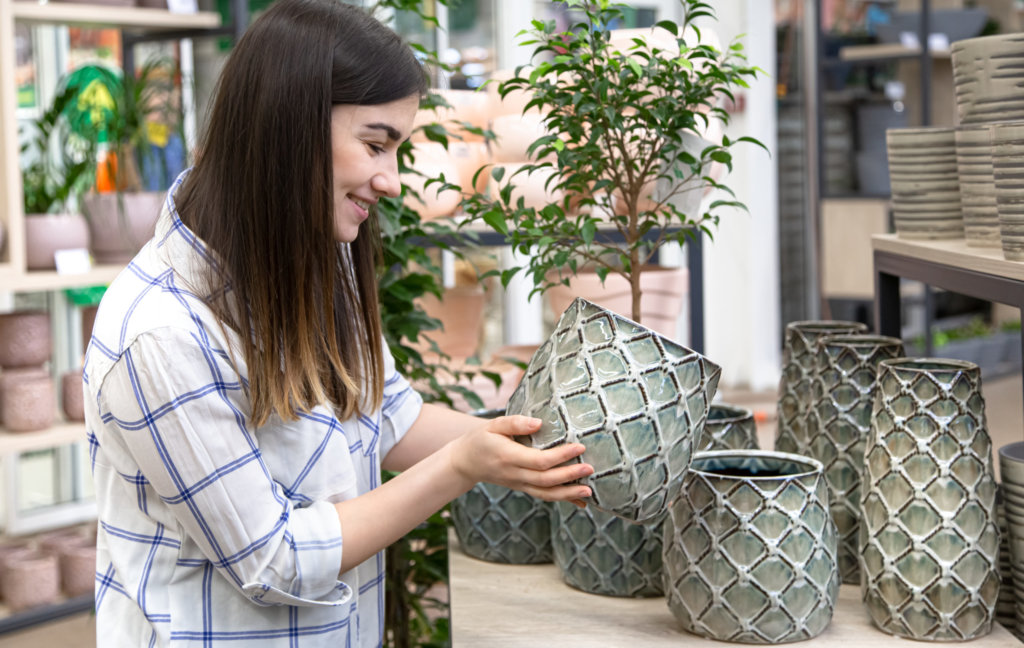
The bonsai pot adds real cost to the final price. Basic ceramic bonsai pots keep prices low, especially in starter trees.
Handmade or imported bonsai pots raise the total. Pots from Japan or from known ceramic artists often cost more due to craftsmanship and limited supply.
Material also affects price. High-fired clay, detailed glazing, and custom shapes increase value. High-end displays focus on the harmony between the kiln’s patina and the tree’s unique character.
If you buy a tree in a decorative, high-quality container, expect a higher price than the same tree in a plastic training pot. In many cases, the pot alone can add $50 to several hundred dollars to the total cost.
Seller Type and Regional Variations
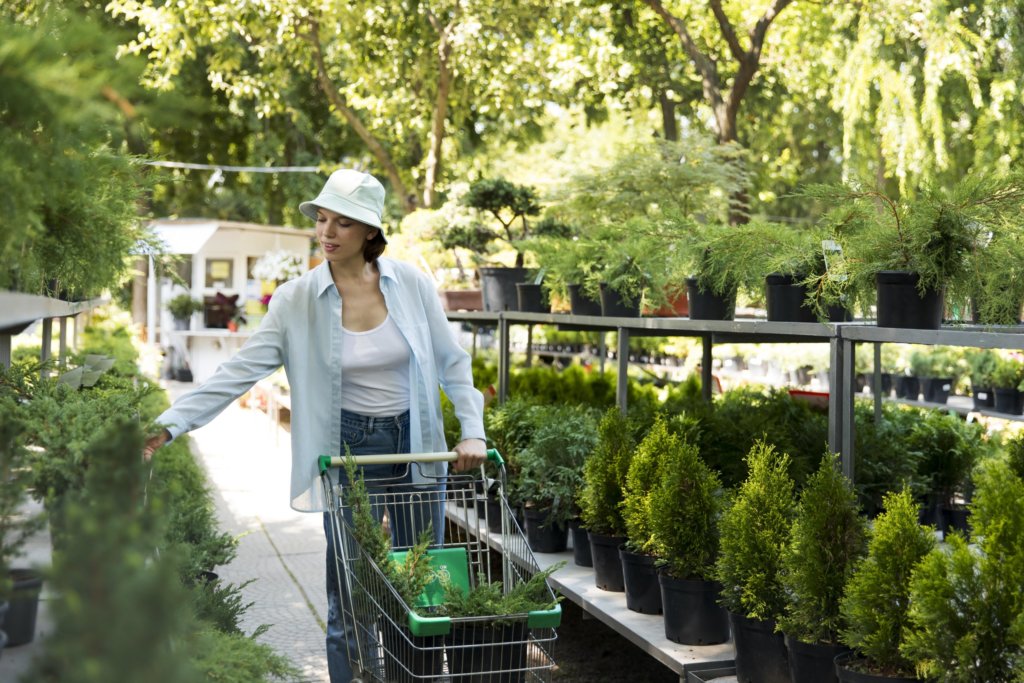
Where you buy your bonsai changes the price. A local garden center often sells beginner trees like juniper or ficus at lower prices.
A specialized bonsai nursery usually charges more. You pay for better shaping, healthier roots, and expert care. These trees often show balanced structure and proper pruning.
Online sellers vary widely. Some offer affordable pre-bonsai, while others focus on collector-grade trees with high prices.
Region also matters. In areas with strong bonsai communities, such as parts of California or Japan, you may find more variety but also higher prices for premium trees like Japanese maple bonsai or mature olive bonsai.
Indoor bonsai may cost more in colder regions because growers must use heated greenhouses. Outdoor bonsai trees often cost less in areas where they grow naturally year-round.