What Is Bonsai?
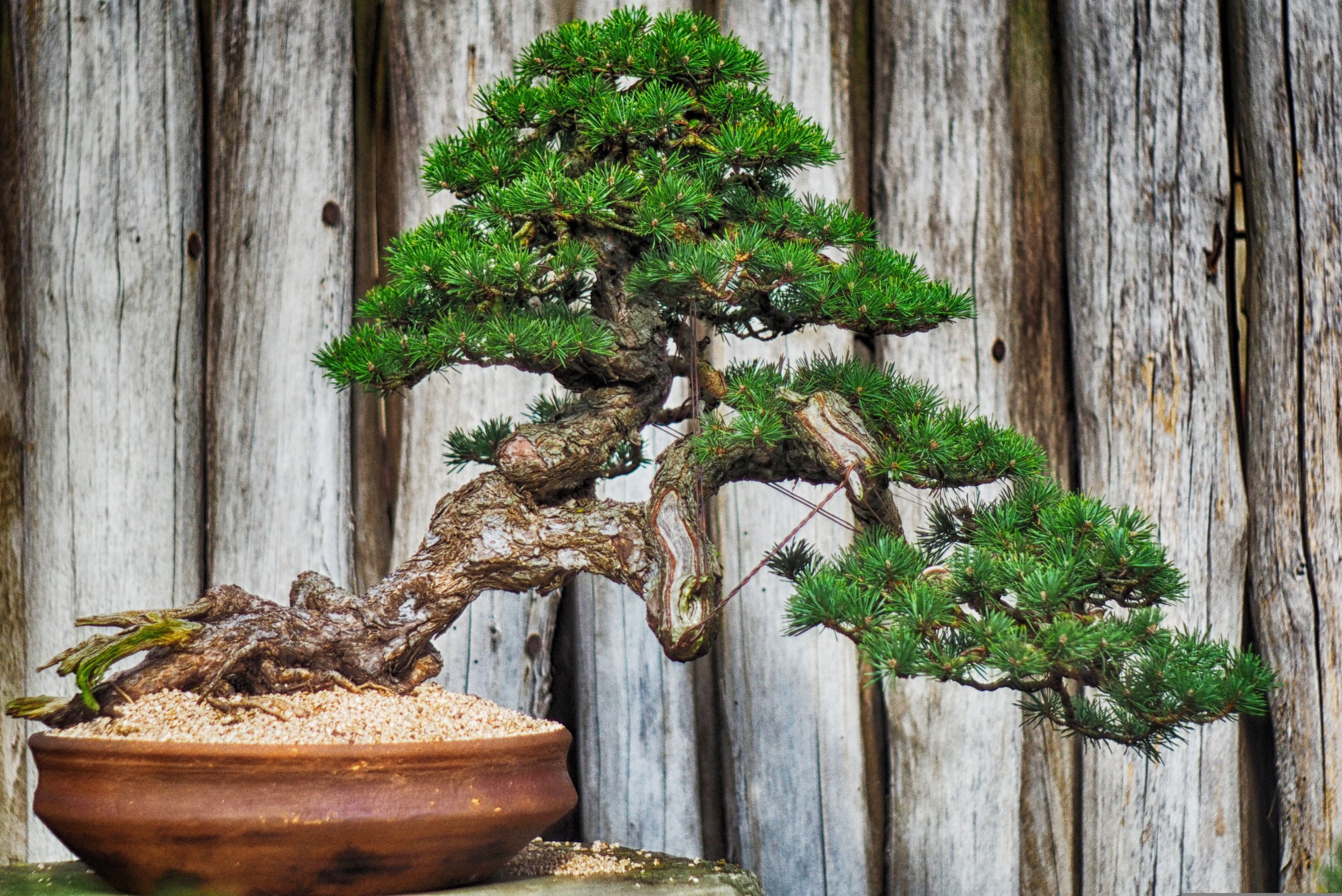
You see a small tree in a shallow pot and wonder how it stays so tiny. Bonsai is not a special dwarf plant. Bonsai is the art of growing and shaping small trees in containers to look like full-sized trees in nature.
You create bonsai by pruning branches and roots, shaping limbs with wire, and controlling growth through careful watering and soil choice. The art began in China and grew in Japan, where it became a refined practice with clear styles and rules. When you grow bonsai, you focus on balance, proportion, and long-term care.
As you explore bonsai trees, you learn that patience and steady work shape each tree over time. The art of bonsai blends horticulture and design, giving you a living tree that reflects nature in miniature form.
Key Takeaways
- Bonsai is the art of shaping and maintaining small trees in containers.
- You use pruning, root trimming, and careful care to control size and form.
- Bonsai combines plant science and design to reflect nature in a small scale.
Bonsai Defined: Origins, Art, and Symbolism
Bonsai is the art of growing and shaping miniature trees in containers. It blends plant care, design, and cultural meaning into a single living form.
What Is Bonsai: Meaning and Principles
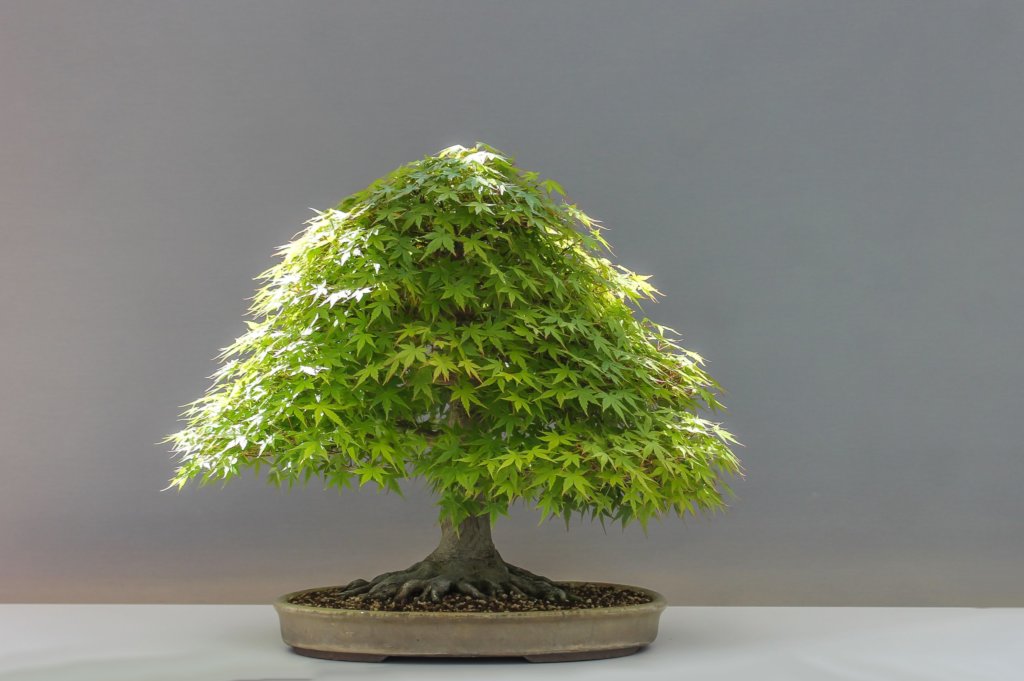
The word bonsai comes from Japanese. It means “planted in a container.”
You grow real trees, not special dwarf species. Through careful pruning, wiring, and root trimming, you guide the tree’s size and shape.
Bonsai art focuses on creating a tree that looks natural and mature, even though it stays small. You control growth by:
- Pruning branches and roots
- Shaping with wire
- Limiting soil space in shallow pots
- Managing water and nutrients
The goal is not to make a tiny plant. You aim to create the image of a full-sized tree in nature, but much smaller.
Bonsai design follows clear visual principles. You balance height, branch placement, and empty space. This approach forms the bonsai aesthetic, which values simplicity, proportion, and harmony.
Common bonsai styles include:
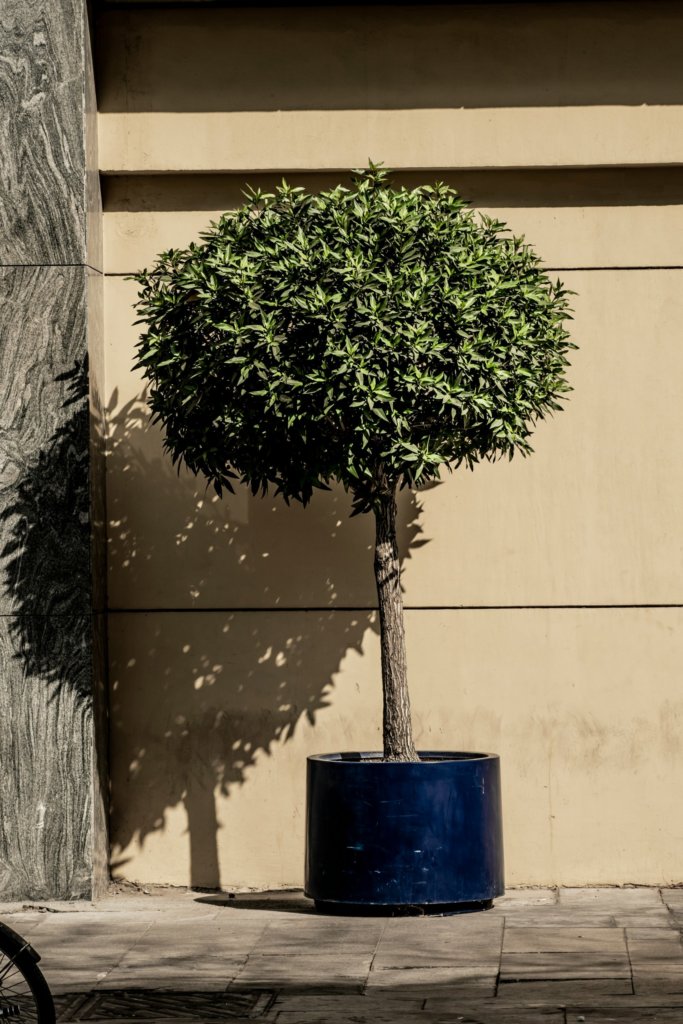
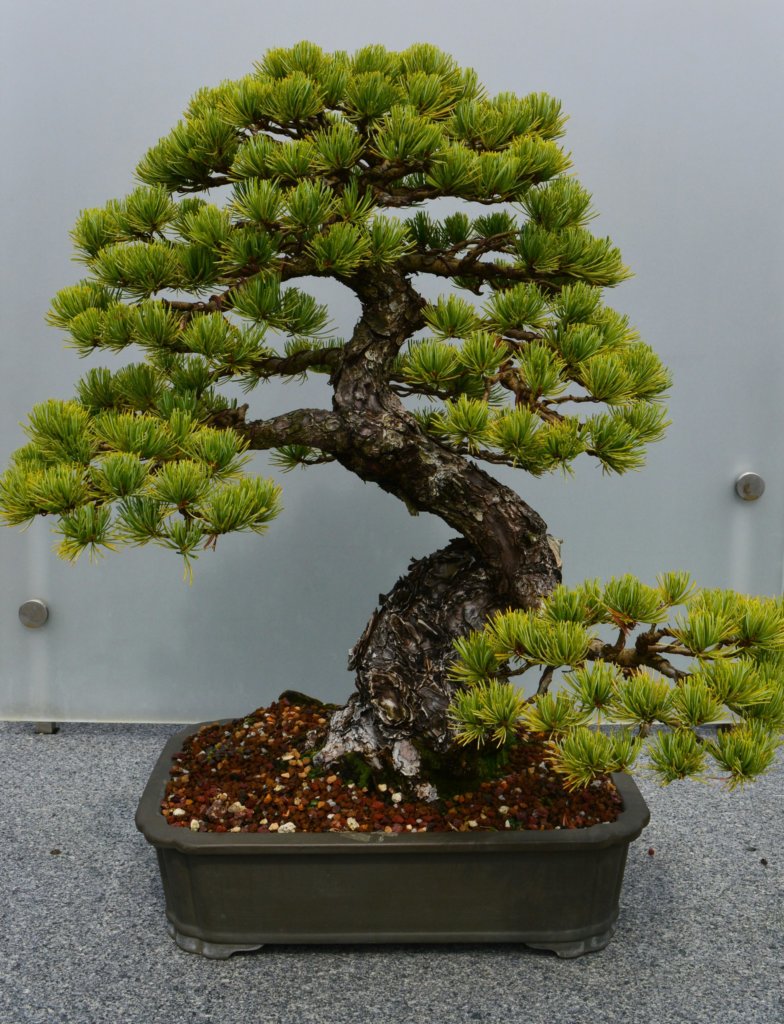
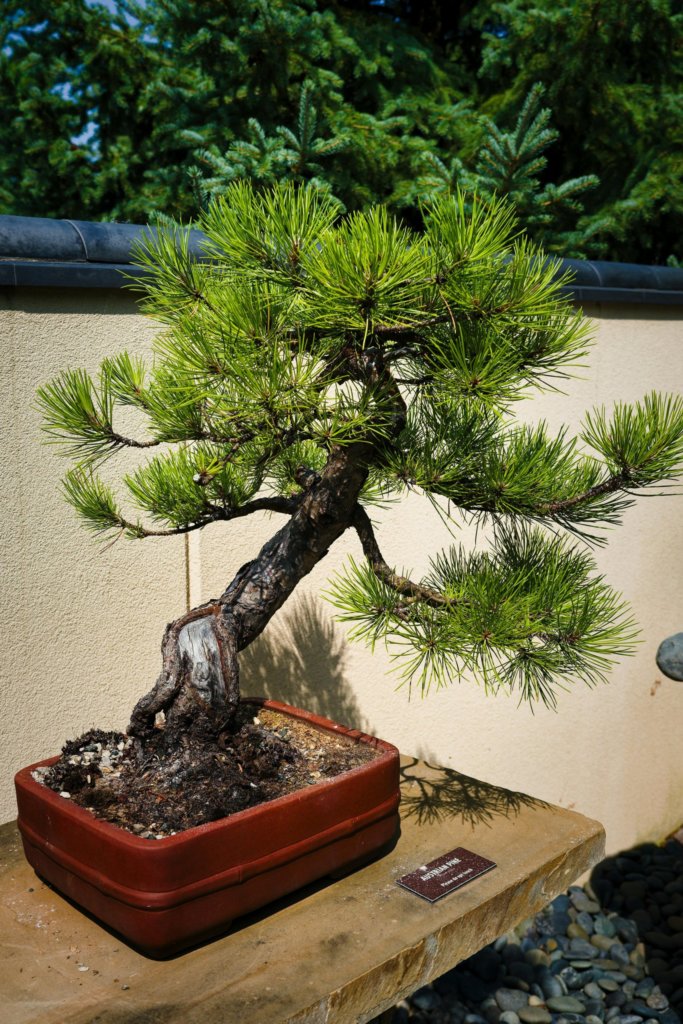
- Formal upright
- Informal upright
- Slanting
- Cascade
- Semi-cascade
- Forest planting
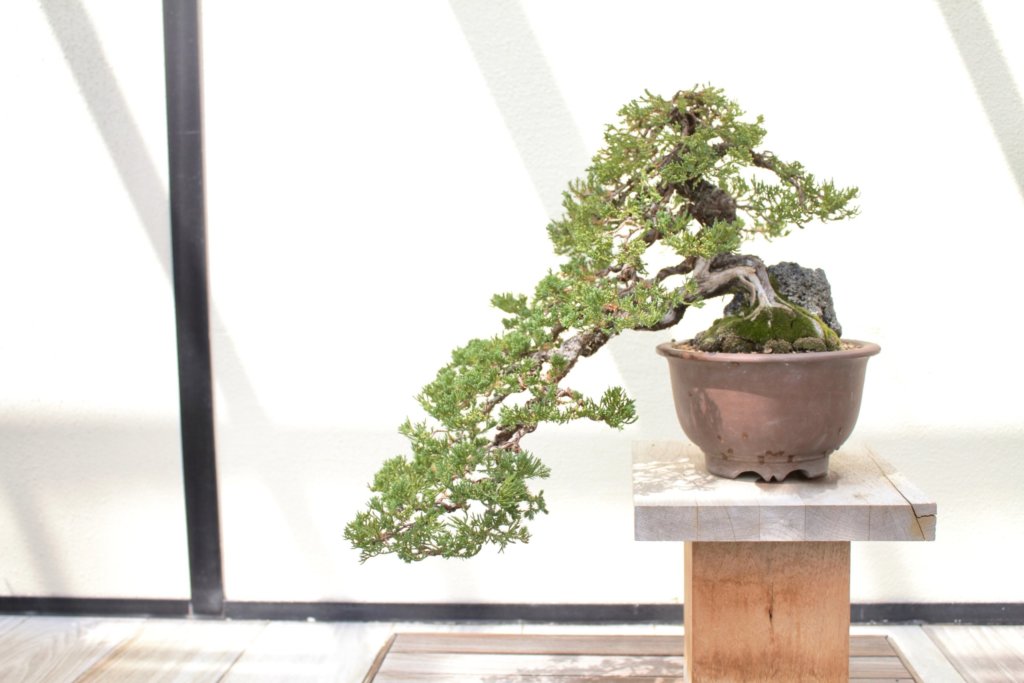
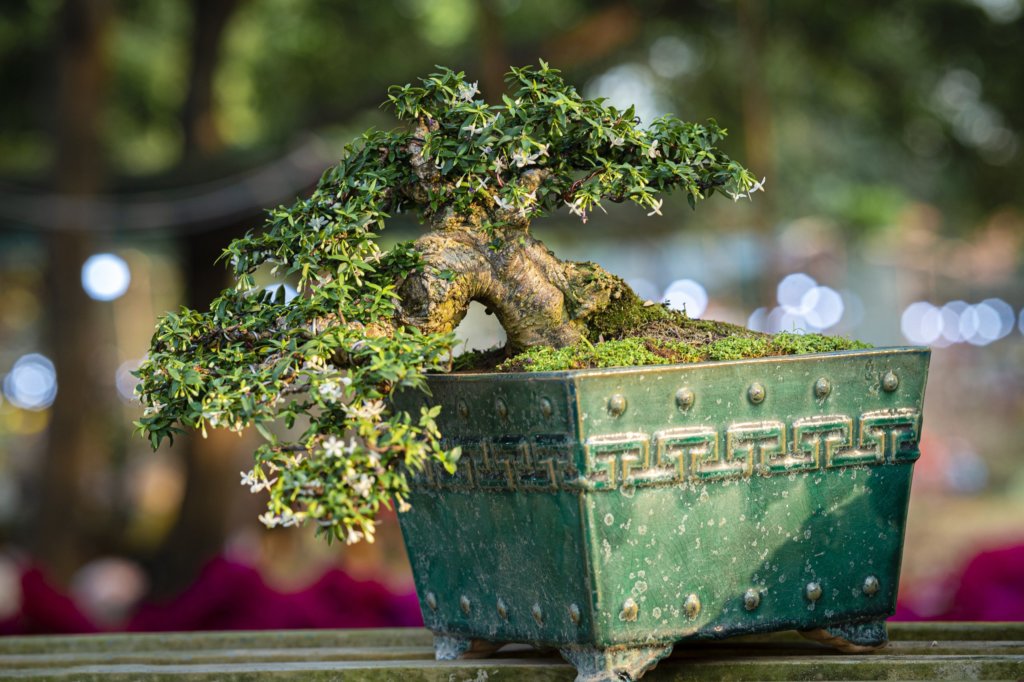
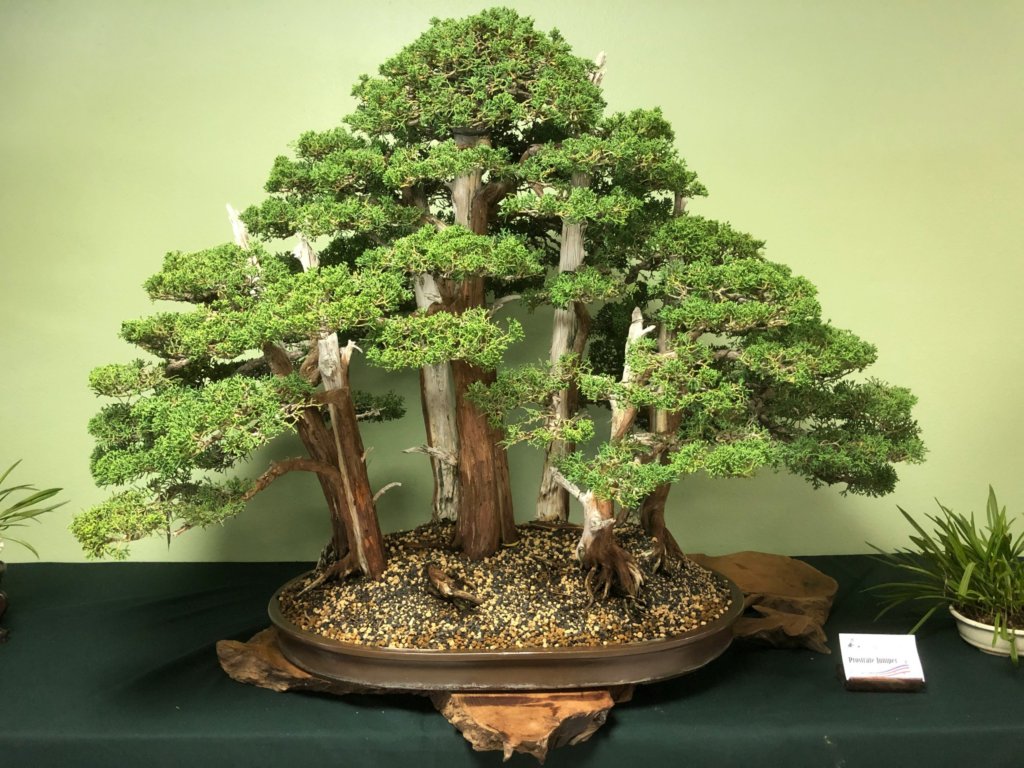
Each style reflects how trees grow in natural settings such as windy cliffs or dense woods.
History and Cultural Roots of Bonsai
Bonsai did not begin in Japan. It developed from penjing, an ancient Chinese practice of growing miniature trees and landscapes in trays.
Japanese artists later refined this practice. Over many centuries, they shaped it into the bonsai art you recognize today. Zen Buddhist ideas influenced its focus on simplicity and careful attention.
Historical records show that bonsai has existed for over a thousand years. During that time, Japanese growers developed specific tools, pots, and bonsai styling methods.
Penjing often includes rocks and small landscapes. Traditional Japanese bonsai usually focuses on a single tree and its structure.
Today, people around the world grow bonsai trees. The techniques remain rooted in Japanese tradition, even as styles continue to evolve.
Symbolic Meanings of Bonsai Trees
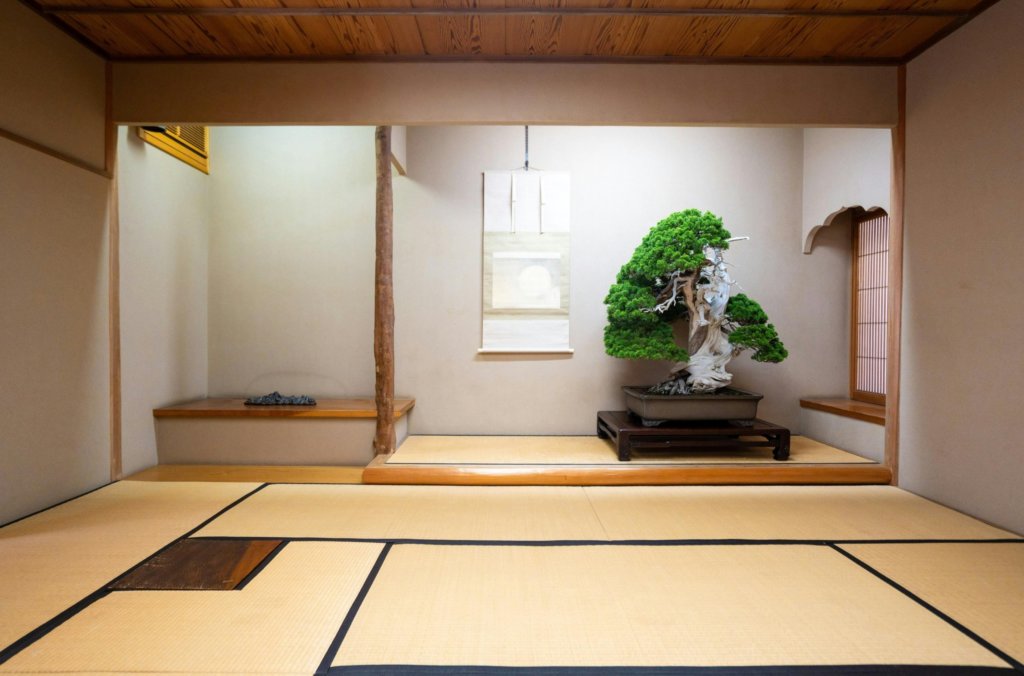
Bonsai trees carry strong symbolic meaning in many cultures. You often see them linked to:
- Harmony
- Balance
- Patience
- Resilience
Because bonsai requires steady care over many years, it reflects discipline and long-term effort. You cannot rush its growth.
In Japanese culture, people sometimes give bonsai as gifts to express respect or good wishes. Some view the tree as a sign of stability and peace.
The symbolism also connects to nature. A well-shaped bonsai shows how humans can guide growth without forcing it.
Through the art of bonsai, you shape a living tree while respecting its natural form.
How Bonsai Trees Are Created and Maintained
You create a bonsai tree by selecting the right species, shaping it with pruning and wiring, and planting it in a shallow container with a well-draining bonsai soil mix. You maintain it through steady care, root work, and proper feeding to control growth and keep the tree healthy.
Popular Bonsai Species and Varieties
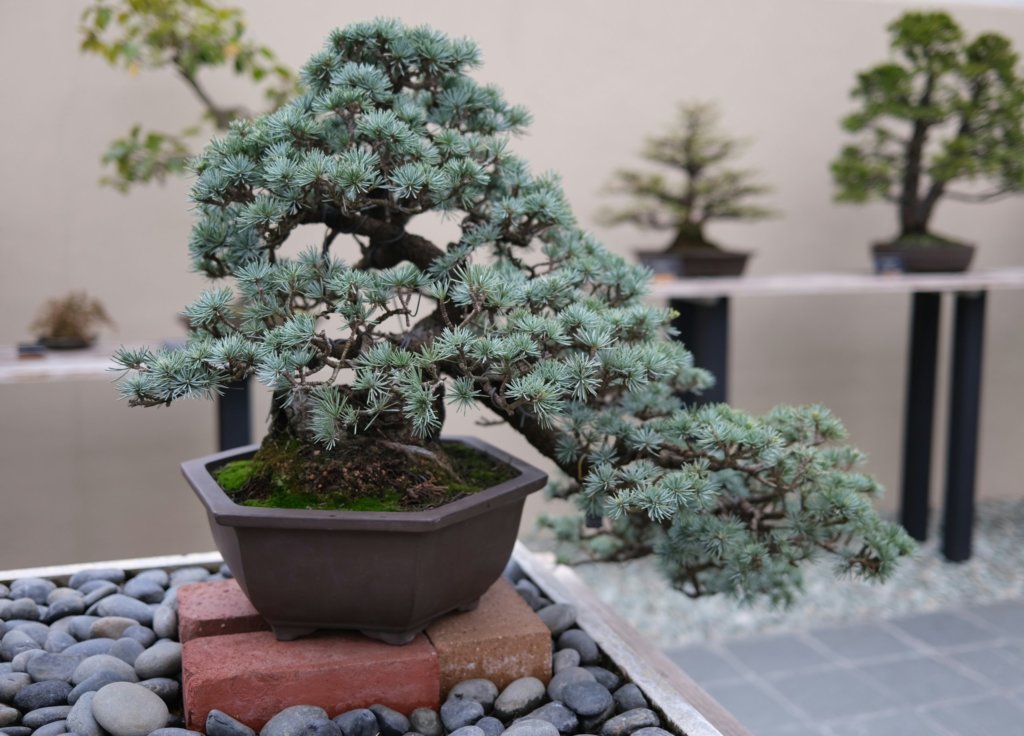
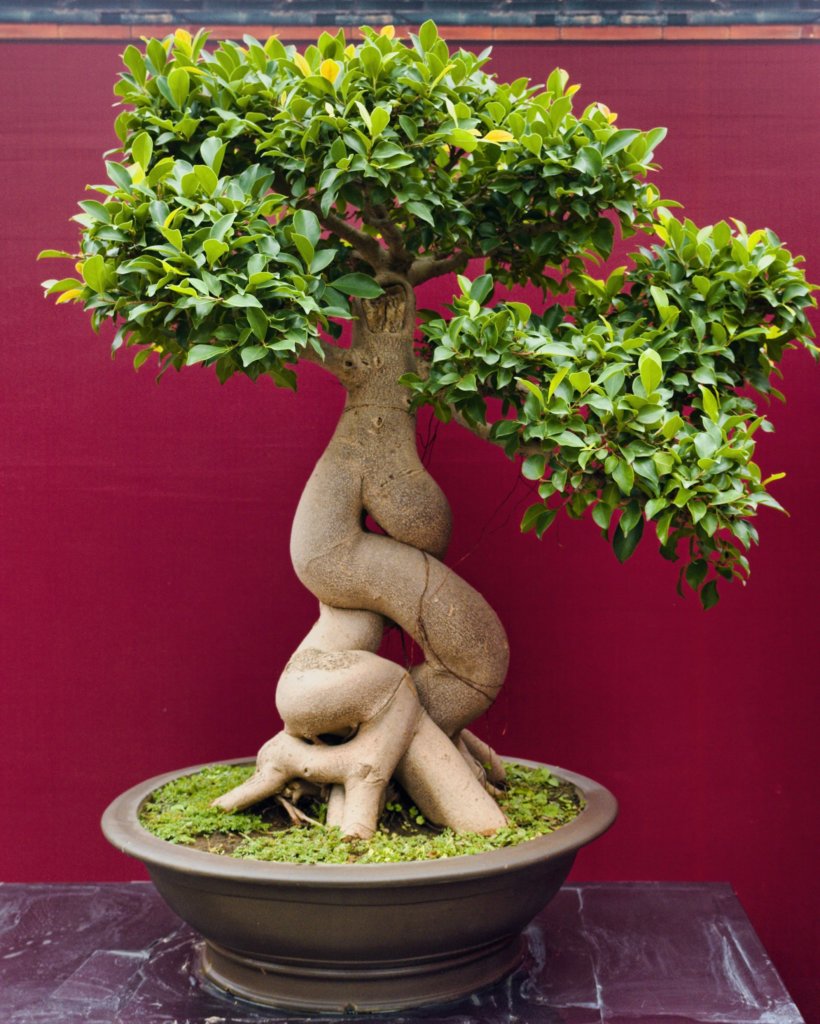
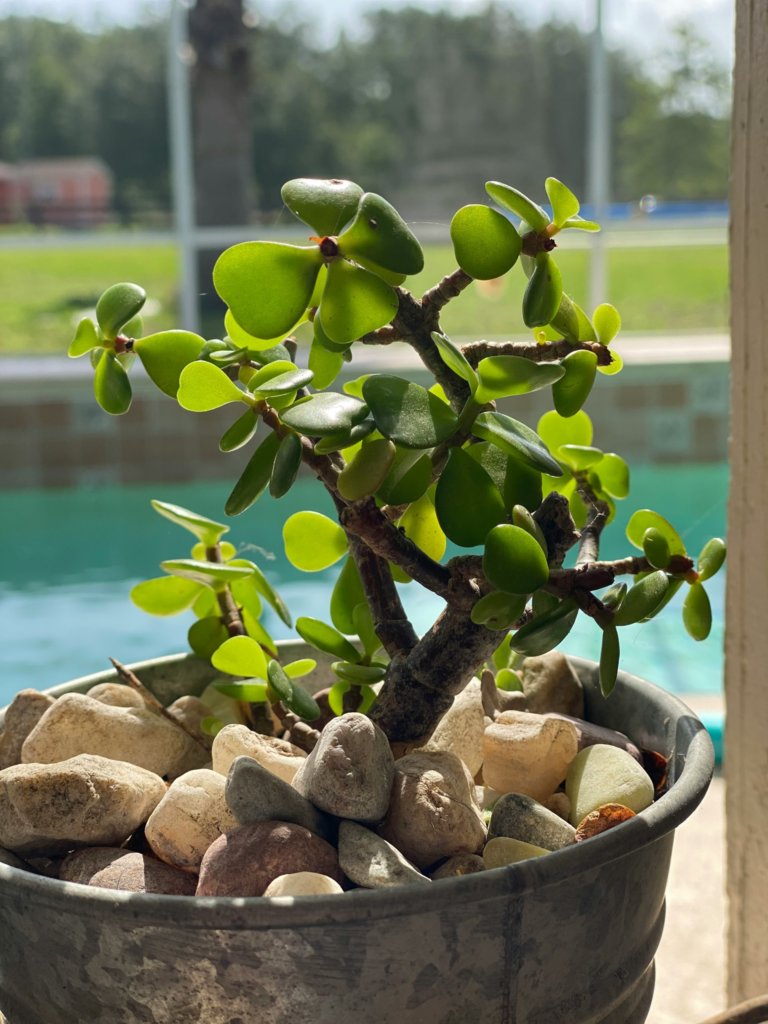
You can grow bonsai from many types of bonsai trees, but some species work better than others. Juniper bonsai and Japanese black pine are popular coniferous bonsai for outdoor bonsai displays. They handle pruning well and suit styles like formal upright (chokkan), slant (shakan), and cascade (kengai).
For indoor bonsai, you often see ficus bonsai, jade bonsai, and schefflera bonsai. Ficus tolerates low light and dry air. Jade and other succulent bonsai store water in their leaves, which makes care simpler.
Other options include cedar bonsai, pomegranate bonsai, and many evergreen bonsai varieties. You can start with nursery stock from garden centers or trees from bonsai nurseries. Some growers also collect wild material, but this requires skill and care for local laws.
Each species responds differently to bonsai cultivation. You must match the tree to your climate and decide if you want indoor bonsai or outdoor bonsai before you begin.
Fundamental Bonsai Cultivation Techniques
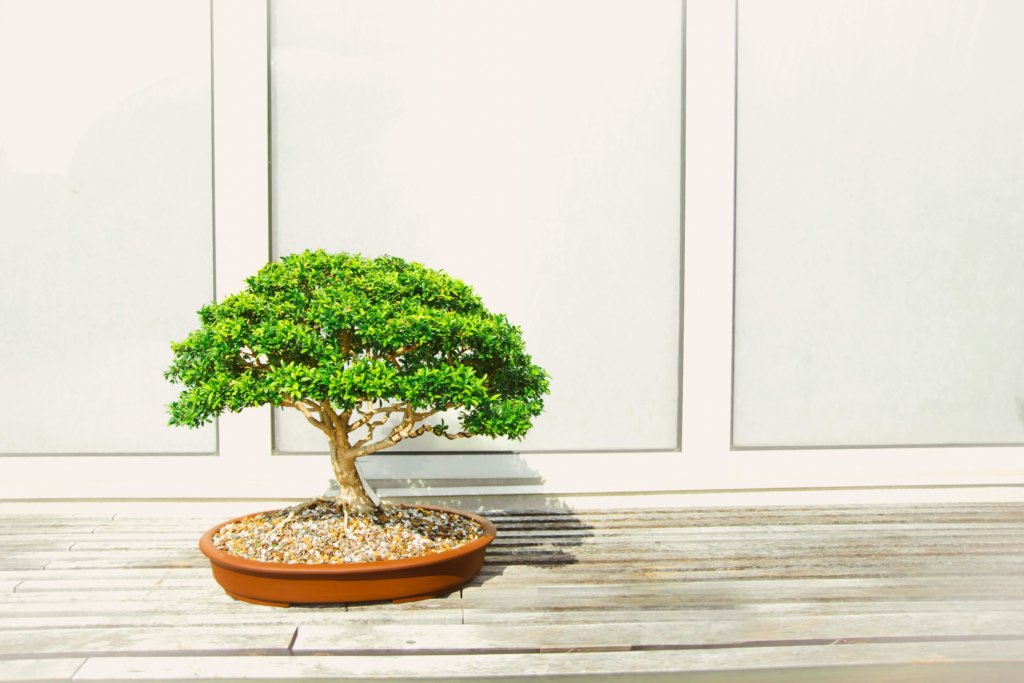
You grow bonsai by limiting root space and guiding growth over time. The shallow bonsai pot restricts the bonsai roots, which slows the tree’s size but keeps it healthy when managed well.
Light, water, and airflow matter every day. Most outdoor bonsai need full sun. Indoor bonsai need bright light near a window.
You feed your tree with bonsai fertilizer during the growing season. Use small, regular doses instead of heavy feeding. This keeps growth steady and controlled.
You also perform repotting based on species maturity. Young trees may need repotting every one to two years. Older trees can wait longer. During repotting, you perform root pruning to trim long or thick roots and refresh the bonsai soil mix.
Some growers explore related forms like saikei or kokedama, but traditional bonsai training focuses on a single tree in a container.
Pruning and Shaping Methods
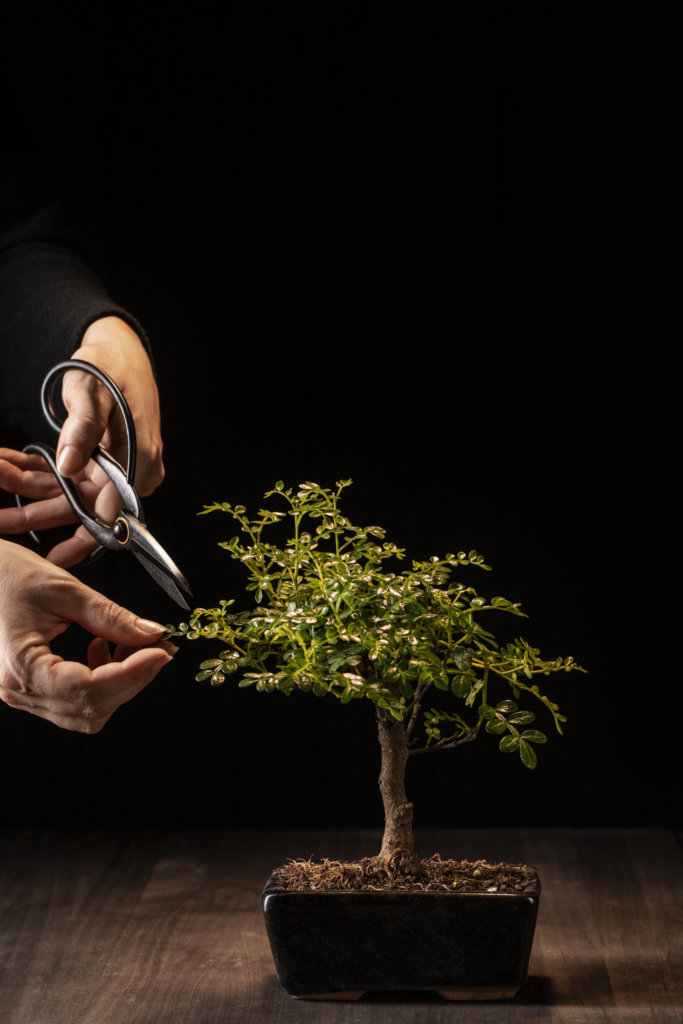
Pruning bonsai controls size and builds structure. You trim new shoots to keep the tree compact and remove unwanted branches to define the trunk line.
There are two main types of pruning:
- Maintenance pruning to hold shape
- Structural pruning to change design
You use tools like concave cutters to remove branches cleanly. These tools leave a slight hollow cut that heals smoothly.
Wiring bonsai lets you bend and place branches. You wrap wire around a branch and move it into position for styles such as informal upright, windswept (fukinagashi), semi-cascade (han-kengai), or literati. You must remove the wire before it cuts into the bark.
Advanced bonsai techniques include grafting to add branches and creating jin or shari to expose deadwood. These methods require practice but add age and character to your bonsai styling.
Containers, Soil Mixes, and Key Tools
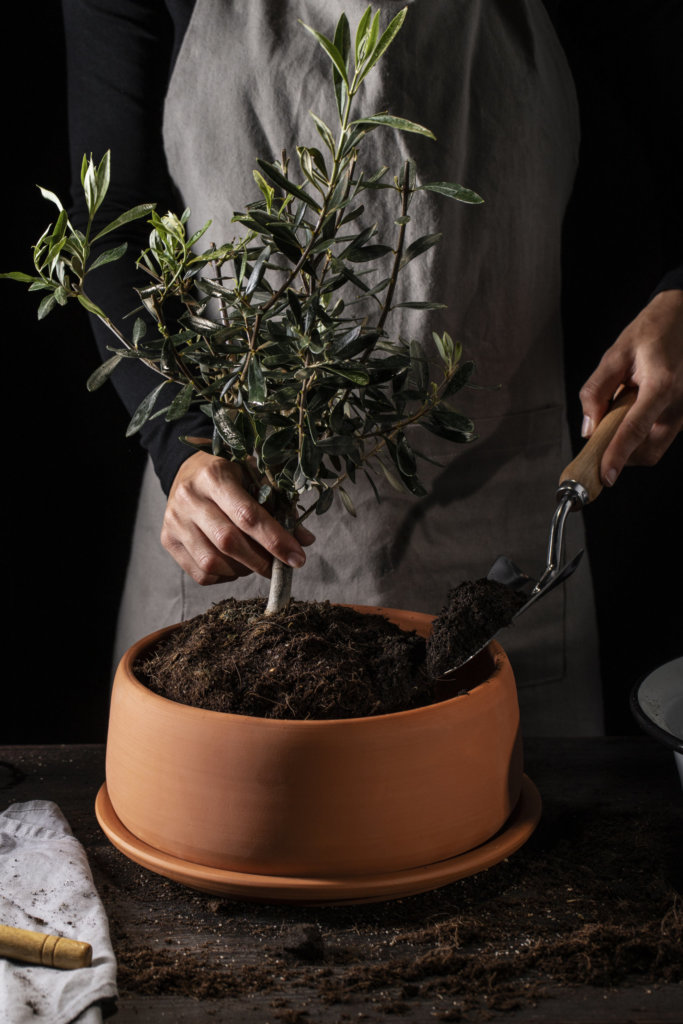
You plant your bonsai tree in a shallow bonsai container with drainage holes. Bonsai pots come in many shapes and depths. Oval and rectangular pots suit formal upright trees, while tall pots fit cascade designs.
Your bonsai soil must drain fast and hold enough moisture. A common bonsai soil mix includes:
| Component | Purpose |
|---|---|
| Akadama | Holds water and nutrients |
| Pumice | Improves drainage |
| Lava rock | Adds airflow to roots |
You adjust the mix based on species. Coniferous bonsai often need sharper drainage than ficus or jade.
Key tools for bonsai care include pruning shears, concave cutters, root hooks, and wire cutters. You must sterilize tools and sometimes heat-treat soil components to eliminate harmful pathogens.
With the right container, soil mix, and tools, you support healthy bonsai roots and steady, controlled growth.
Frequently Asked Questions
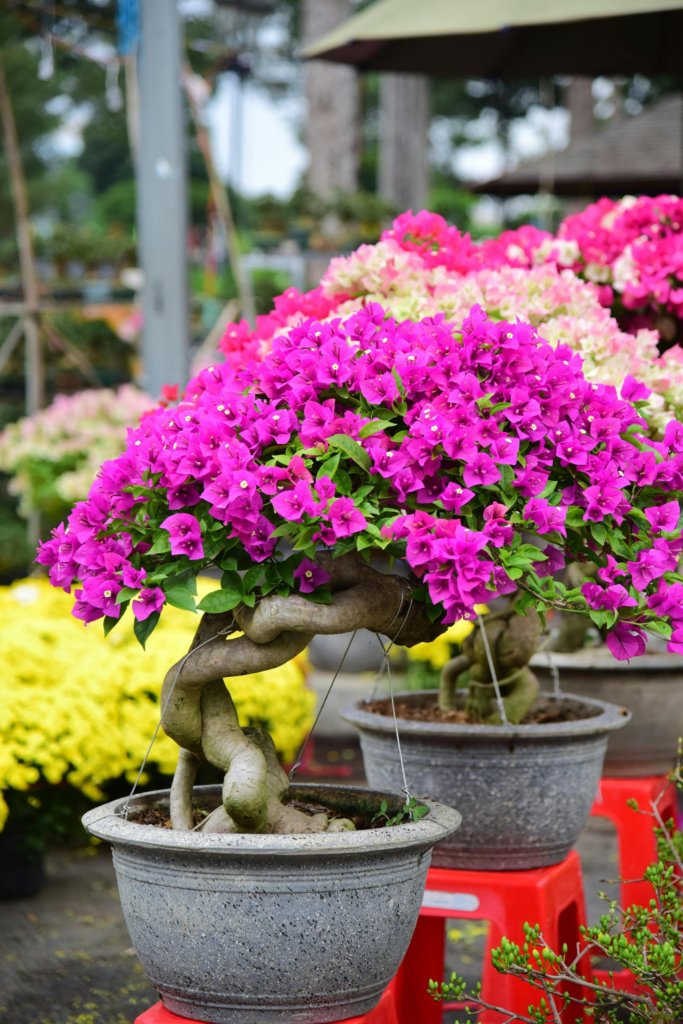
Bonsai care requires steady watering, proper soil, regular pruning, and an understanding of tree styles and lifespan. When you manage light exposure, moisture, and growth, you keep the tree healthy and shaped to your design.
How do you care for a bonsai tree?
You care for a bonsai by managing light, water, soil, and pruning. Place your tree where it gets the right amount of light for its species.
Most outdoor bonsai need full sun and fresh air. Indoor bonsai, such as tropical species, need bright light and stable room temperatures.
You must water when the soil begins to dry, not on a fixed schedule. Feed your tree with a balanced fertilizer during the growing season, usually spring through early fall.
You also trim new growth, remove dead leaves, and repot every few years to refresh the soil and control root size.
What are the different styles of bonsai trees?
Bonsai styles reflect how trees grow in nature. Each style follows a clear trunk and branch pattern.
- Formal upright (Chokkan) has a straight trunk that tapers evenly.
- Informal upright (Moyogi) has gentle curves in the trunk.
- Slanting (Shakan) grows at an angle, as if shaped by wind.
- Cascade (Kengai) drops below the pot’s rim, like a tree growing off a cliff.
- Semi-cascade (Han-kengai) falls partly downward but not below the base of the pot.
- Forest (Yose-ue) uses several trees in one container to create a small woodland scene.
How often does a bonsai need to be watered?
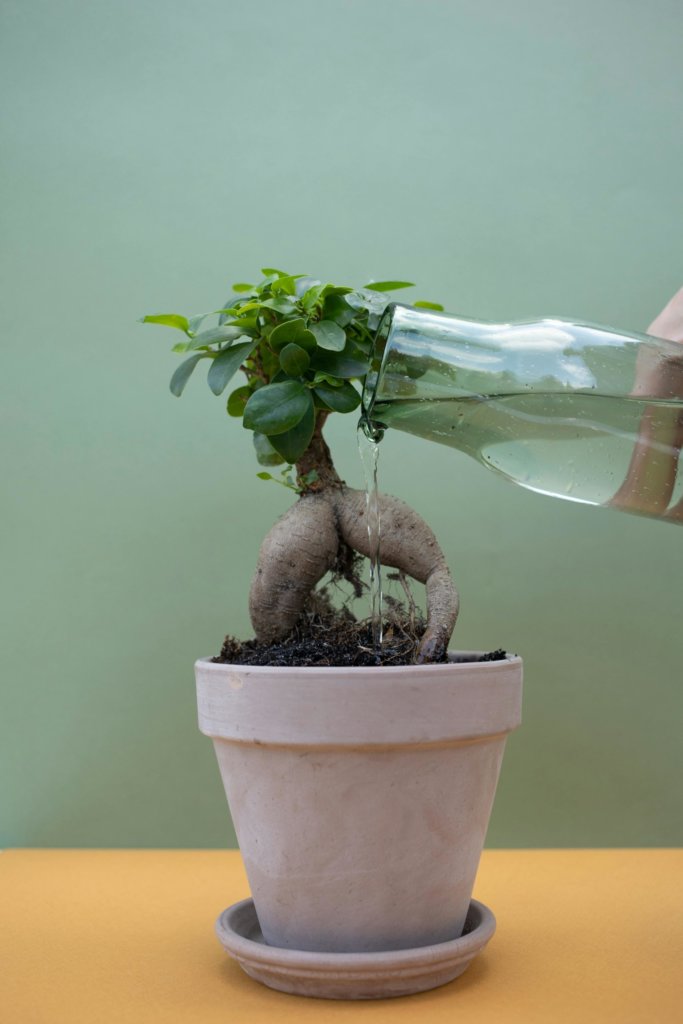
You water a bonsai when the top layer of soil feels slightly dry. Check the soil daily, especially in warm weather.
In summer, you may need to water once a day. In cooler months, watering every few days may be enough.
Water thoroughly until it drains from the bottom of the pot. Do not let the soil stay dry for long, and do not keep it constantly soaked.
What is the best soil composition for a bonsai?
You use fast-draining soil that holds some moisture but does not stay compacted. Regular garden soil is too dense for bonsai pots.
Many growers use a mix of akadama (a clay-based soil), pumice, and lava rock. This blend improves drainage and supports healthy roots.
The exact mix depends on the tree species and your climate. Pine trees often need more drainage, while tropical trees can handle slightly more moisture.
How do you prune and shape a bonsai correctly?
You prune to control size and guide the tree’s shape. Trim new shoots during the growing season to maintain form.
Remove dead, weak, or crossing branches first. Cut just above a leaf node or bud to direct future growth.
You can shape branches with wire. Wrap the wire gently around the branch and bend it slowly into position.
Remove the wire before it cuts into the bark. Check wired branches every few weeks to prevent damage.
How long can a bonsai tree live?
A bonsai can live as long as a full-sized tree of the same species. With proper care, many live for decades.
Some well-maintained bonsai live for over 100 years. Their lifespan depends on species, environment, and how carefully you manage watering, pruning, and repotting.