Best Bonsai Trees for Indoors
Growing bonsai indoors lets you enjoy a living tree in any room, even if you lack outdoor space. You just need to choose species that handle steady room temperatures and lower light. Some bonsai struggle inside, but others adapt well and stay healthy with simple care.
The best bonsai trees for indoors include Ficus, Jade, Chinese Elm, and Serissa because they tolerate indoor light, stable temperatures, and beginner-level care. These trees adjust to typical home conditions and respond well to pruning and shaping.
You will explore top indoor bonsai choices and also find a few extra beginner-friendly species worth trying. With the right tree and basic care, you can grow a strong, balanced bonsai that fits your space and skill level.
Top Bonsai Trees for Indoors
You get the best results with indoor bonsai trees that handle consistent household temperatures and bright, indirect light. The species below adapt well to life inside and suit both beginners and experienced growers.
Ficus Bonsai (Ficus retusa, Ficus microcarpa, Ficus benjamina, Ginseng ficus)
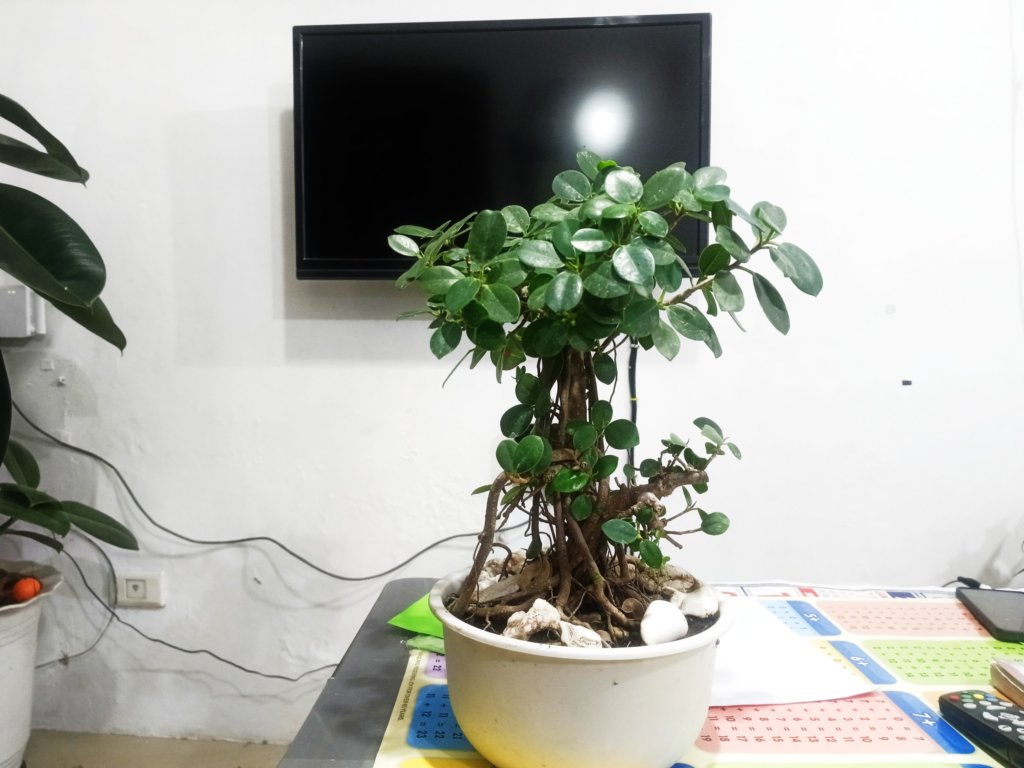
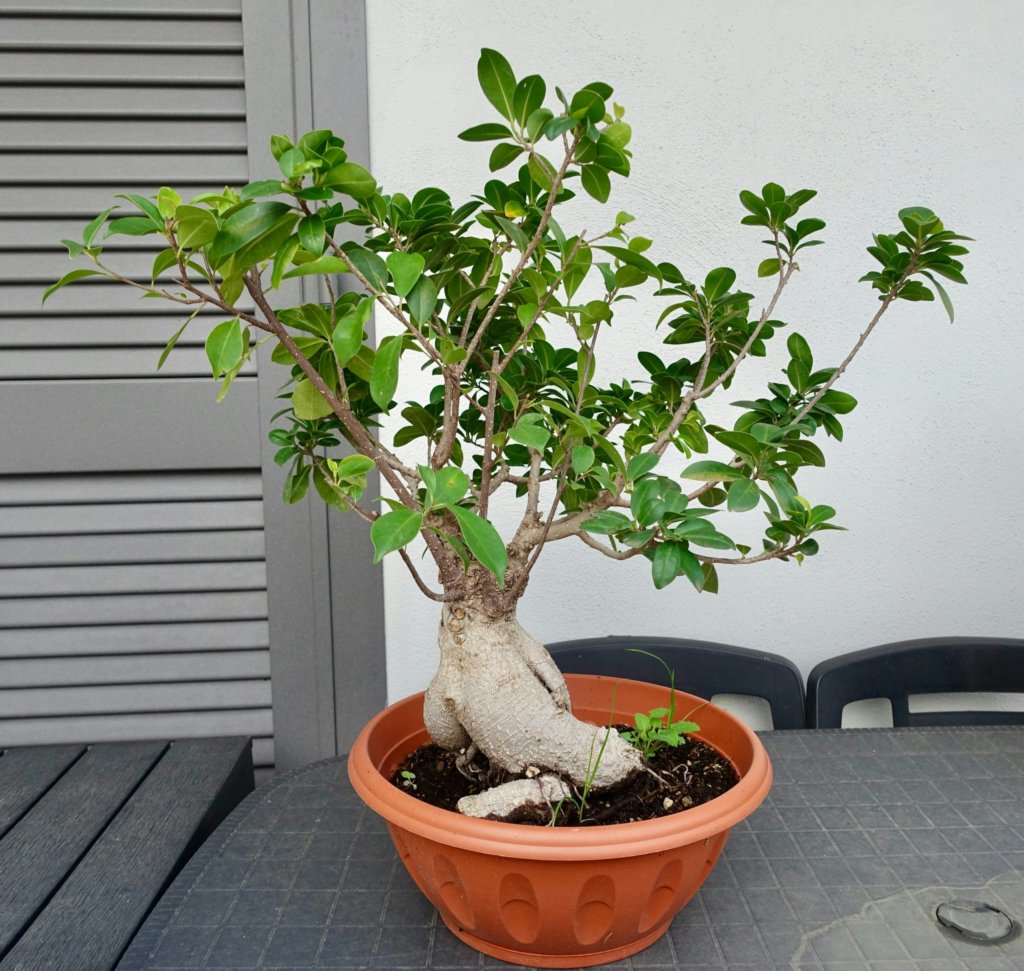
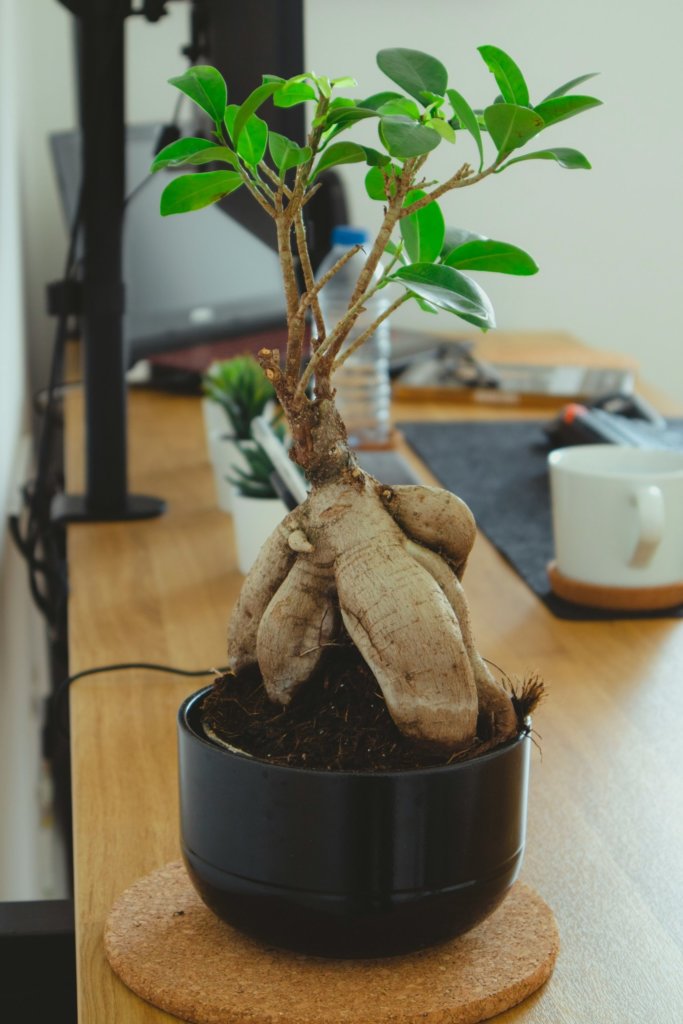
Ficus bonsai ranks among the best indoor bonsai choices for a reason. It tolerates low humidity, dry air, and small light changes better than many indoor bonsai species.
Popular types include Ficus retusa, Ficus microcarpa, Ficus benjamina, and Ginseng ficus bonsai. Ginseng ficus has thick, exposed roots and a sturdy trunk, which makes it common in stores. “Ginseng” is a style/growth habit of F. microcarpa, not a distinct species.
Place your ficus bonsai near a bright window with indirect light. It can handle some direct morning sun but avoid harsh afternoon sun. Keep temperatures between 60–75°F.
Water when the top inch of soil feels dry. Ficus prefers slightly moist soil but not soggy roots. Trim new shoots often to keep the shape compact.
Key strengths:
- Handles indoor light levels
- Forgiving if you miss a watering
- Good for beginners
Jade Bonsai (Crassula ovata, Jade plant bonsai)
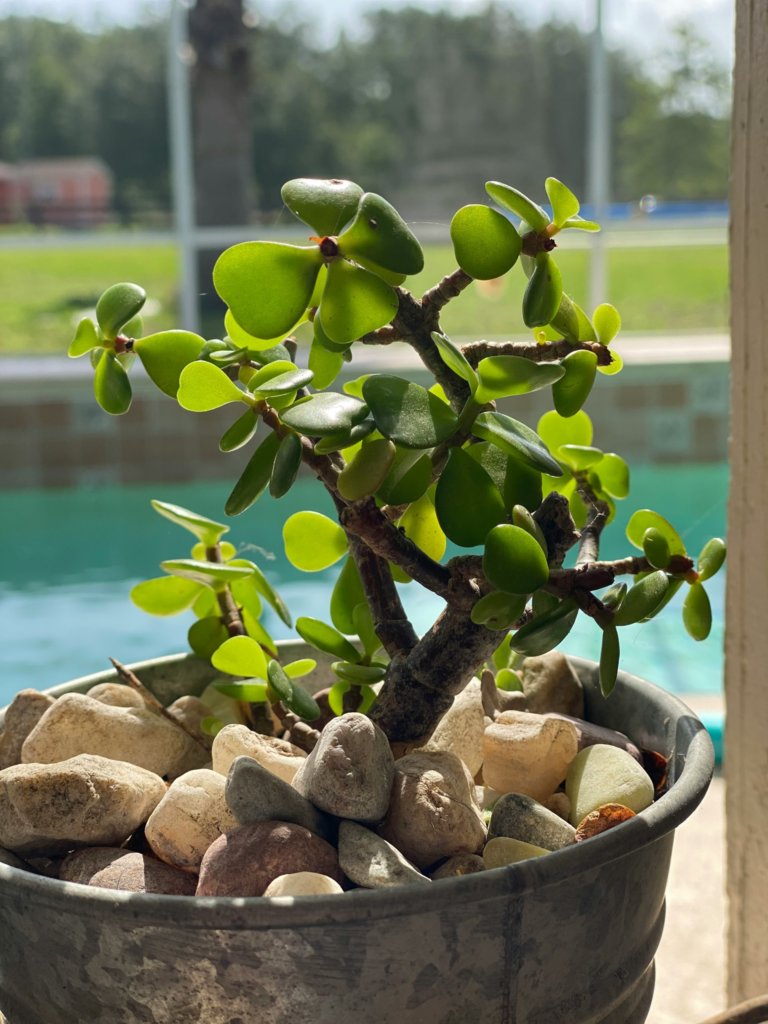
Jade bonsai, made from Crassula ovata, is a succulent grown as a small tree. You may also see it called jade plant bonsai.
Its thick leaves store water, so it needs less frequent watering than most indoor bonsai trees. Let the soil dry out fully before watering again. Overwatering causes root rot fast.
Place your jade bonsai in a bright spot with several hours of direct sun. A south- or west-facing window works well. Without enough light, stems stretch and weaken.
Jade grows slowly but responds well to pruning. You can shape it with light trimming and occasional wiring, though the branches are brittle.
Basic care needs:
| Factor | Requirement |
|---|---|
| Light | Bright light, some direct sun |
| Water | Infrequent, let soil dry out |
| Temp | 65–75°F preferred |
If you want a low-maintenance indoor bonsai, jade is a strong choice.
Chinese Elm Bonsai (Ulmus parvifolia)
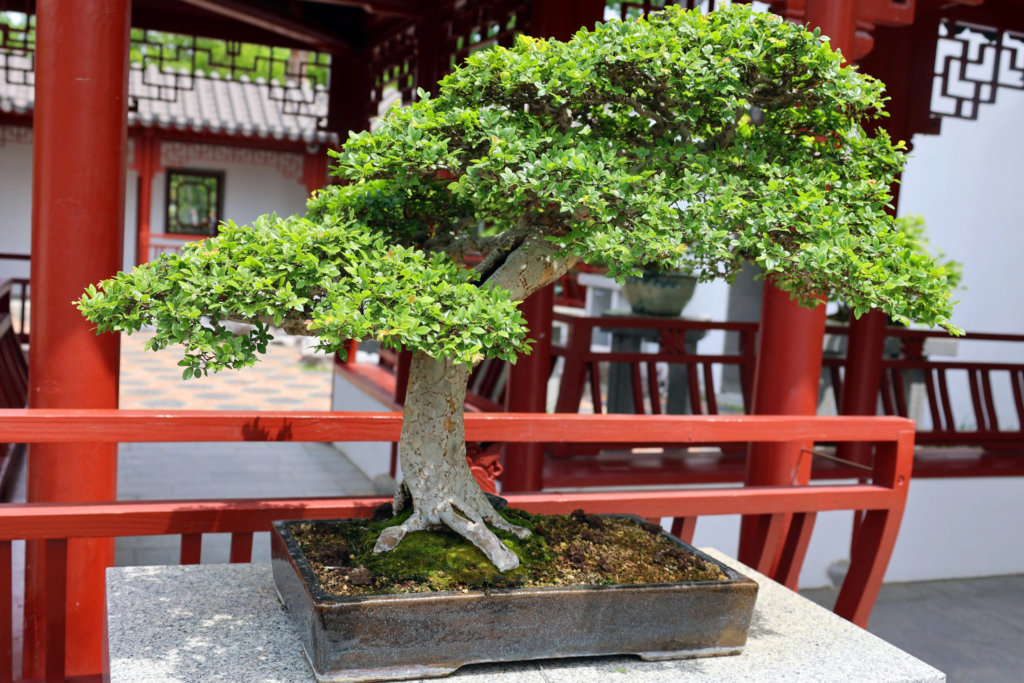
Chinese elm bonsai (Ulmus parvifolia) adapts better to indoor life than many other elm species. It works well if you give it enough light.
Place it near a bright window. It needs more light than ficus but less than many outdoor trees. If light is weak, consider a grow light.
Water when the top layer of soil begins to dry. Chinese elm prefers evenly moist soil, not dry for long periods. Good drainage is essential.
This species has small leaves and fine branching, which makes it popular for classic bonsai styles. It responds well to pruning and wiring.
Keep temperatures stable and avoid cold drafts. While Ulmus parvifolia can handle cooler air outdoors, indoor bonsai trees do best above 60°F.
Dwarf Jade Bonsai (Portulacaria afra)
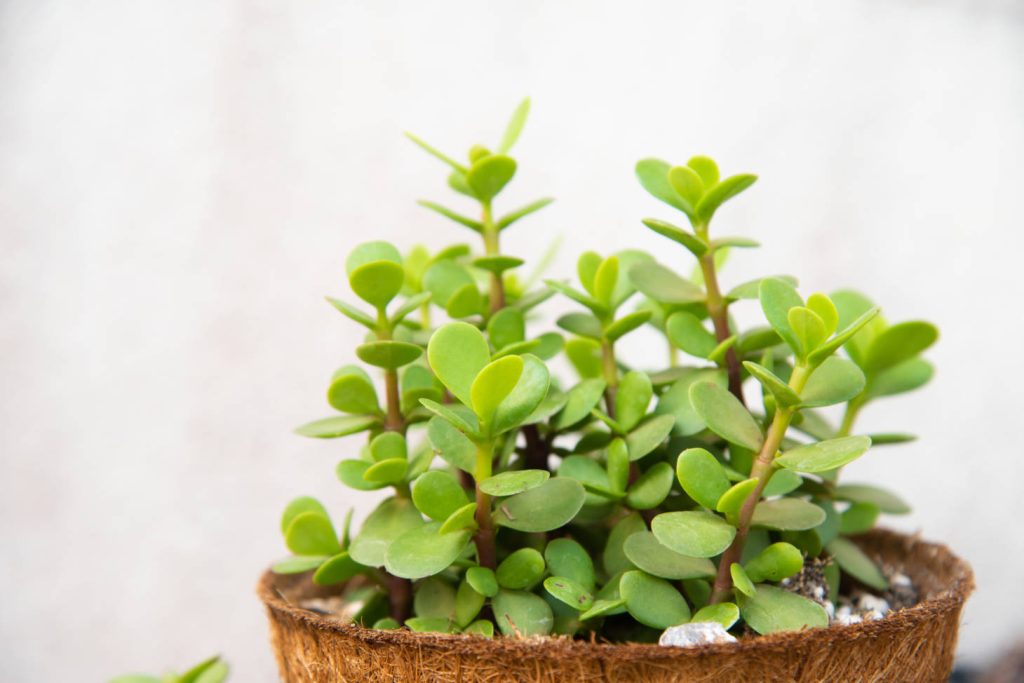
Dwarf jade bonsai, or Portulacaria afra, looks similar to jade plant bonsai but grows faster and has smaller leaves. Many growers prefer it for indoor bonsai training.
Like other succulents, it stores water in its leaves and stems. Let the soil dry almost completely before watering again.
Give it bright light and a few hours of direct sun if possible. It handles indoor air well and does not need high humidity.
Portulacaria afra is flexible and easier to wire than Crassula ovata. Branches bend without snapping as easily, which helps when shaping.
You get these benefits:
- Fast growth for quicker shaping
- Strong tolerance for dry indoor air
- Simple watering routine
If you want a hardy indoor bonsai species that forgives mistakes, dwarf jade is a practical option.
Additional Beginner-Friendly Indoor Bonsai Species
You can grow several reliable bonsai trees for beginners indoors if you match each tree to the right light and watering routine. These species handle room temperatures well and adapt to typical home conditions with steady care.
Fukien Tea Bonsai
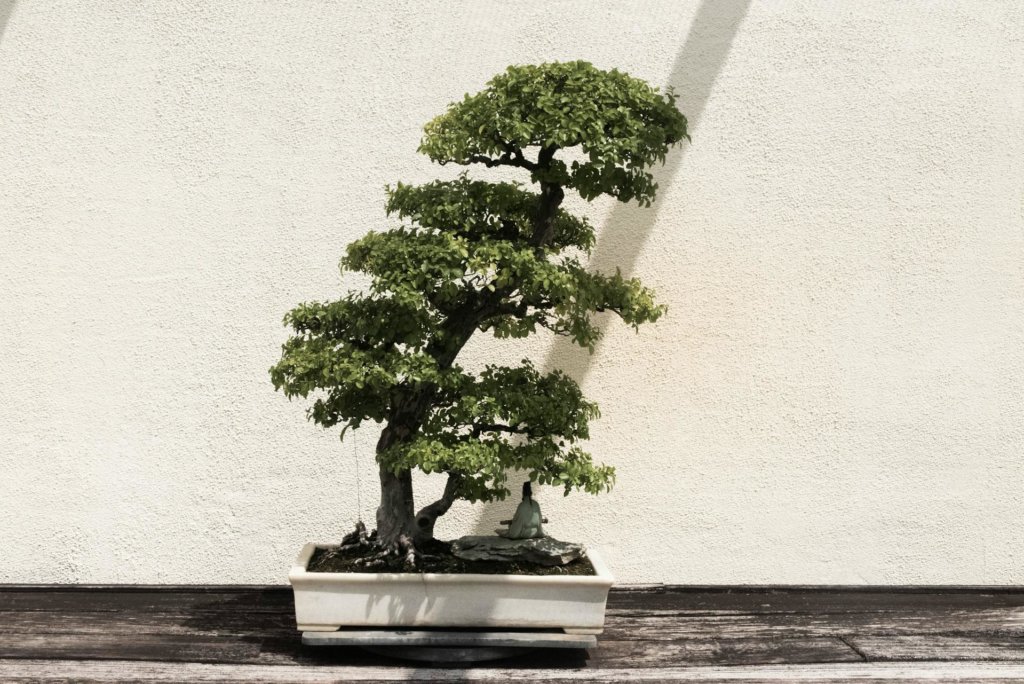
The Fukien tea bonsai is a popular choice among the best indoor bonsai trees for beginners. It has small, dark green leaves and may produce tiny white flowers during the year.
Place your tree in a bright spot with several hours of indirect sunlight. A south- or west-facing window works well. If light is low, use a grow light to prevent leaf drop.
Keep the soil slightly moist but never soggy. Water when the top layer feels dry. Fukien tea reacts quickly to overwatering, so good drainage is important.
Maintain indoor temperatures between 65–75°F. This bonsai for beginners prefers stable conditions and does not handle cold drafts well. Prune new shoots often to keep its compact shape.
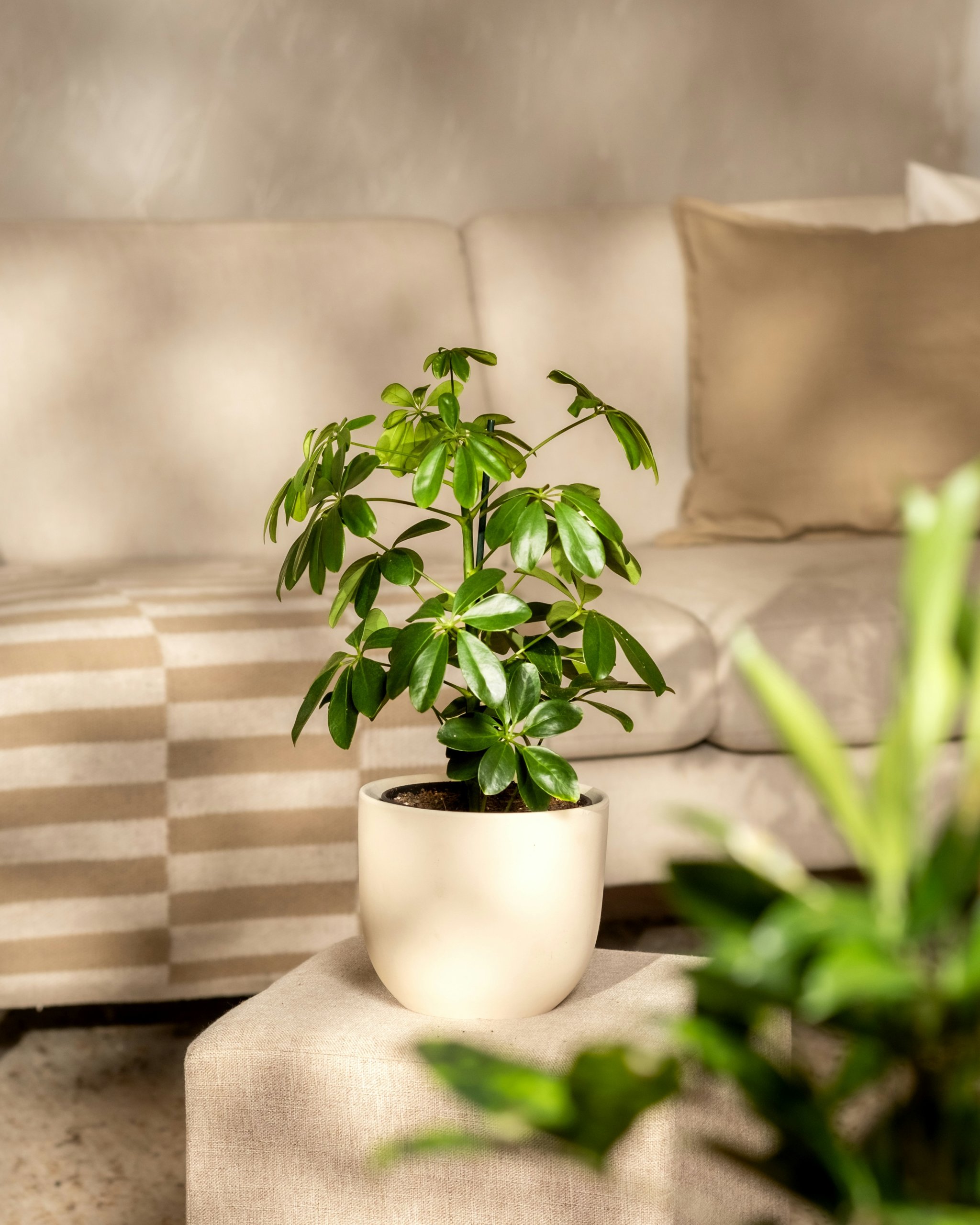
Schefflera Bonsai (Hawaiian Umbrella, Dwarf Schefflera)
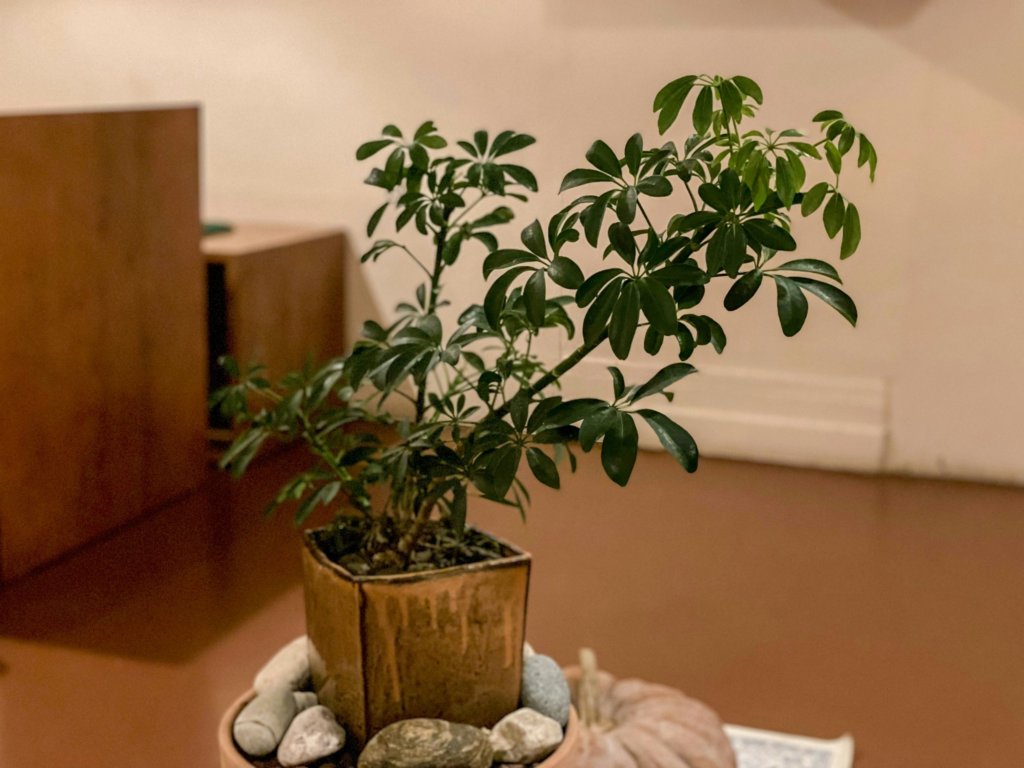
The Schefflera bonsai, also called Hawaiian umbrella bonsai or dwarf schefflera bonsai, is one of the easiest bonsai trees for beginners. It has glossy, oval leaf clusters that grow in a circular pattern.
This tree tolerates lower light better than many other indoor species. It still grows best in bright, indirect light, but it can adapt to normal room lighting.
Water when the soil feels dry about an inch deep. Schefflera stores some moisture in its leaves and roots, so it handles short dry periods better than most beginner bonsai.
You can shape it through pruning rather than wiring. Its flexible stems respond well to trimming, which makes it a practical bonsai for beginners who want simple care and steady growth.
Serissa Bonsai (Snow Rose)
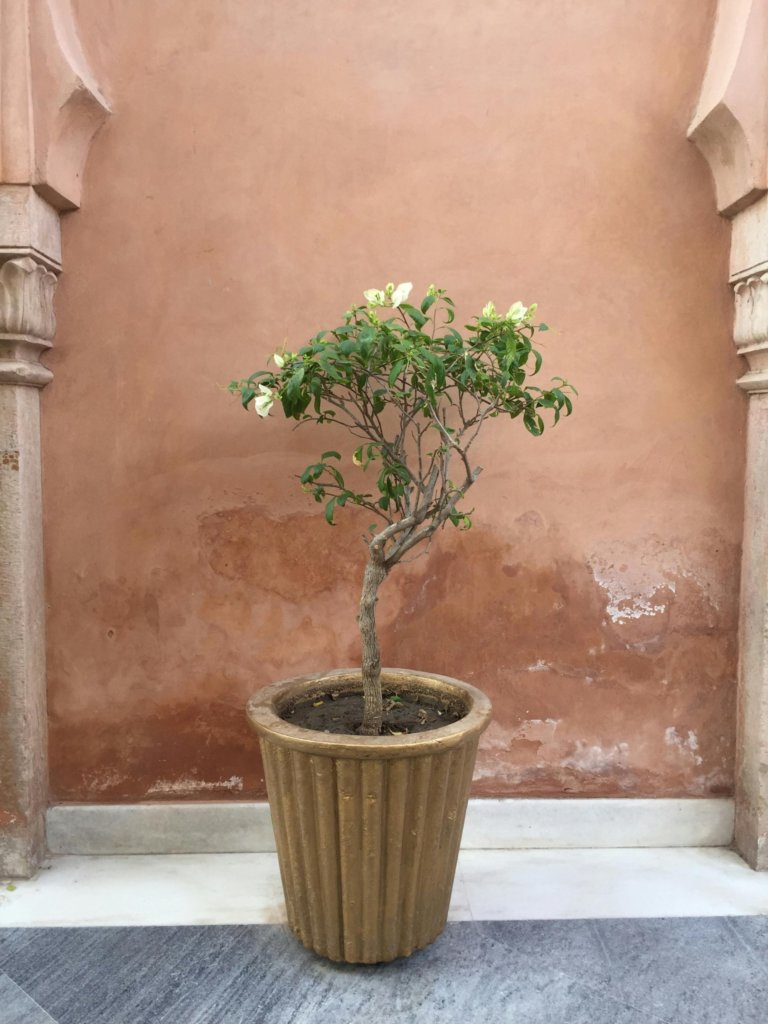
The Serissa bonsai, often called Snow Rose, is known for its small white flowers and fine leaves. Many growers include it on lists of best indoor bonsai trees for beginners, but it needs consistent care.
Place it in bright, indirect light. Avoid moving it often, because serissa reacts to changes in light and temperature by dropping leaves.
Keep the soil evenly moist. Do not let it dry out fully, but avoid standing water. Stable watering habits are key for this beginner bonsai.
Serissa grows best between 65–75°F. Trim new growth to maintain shape and encourage branching. With steady light and watering, it can bloom several times a year indoors.