
Ficus Bonsai Tree Benefits
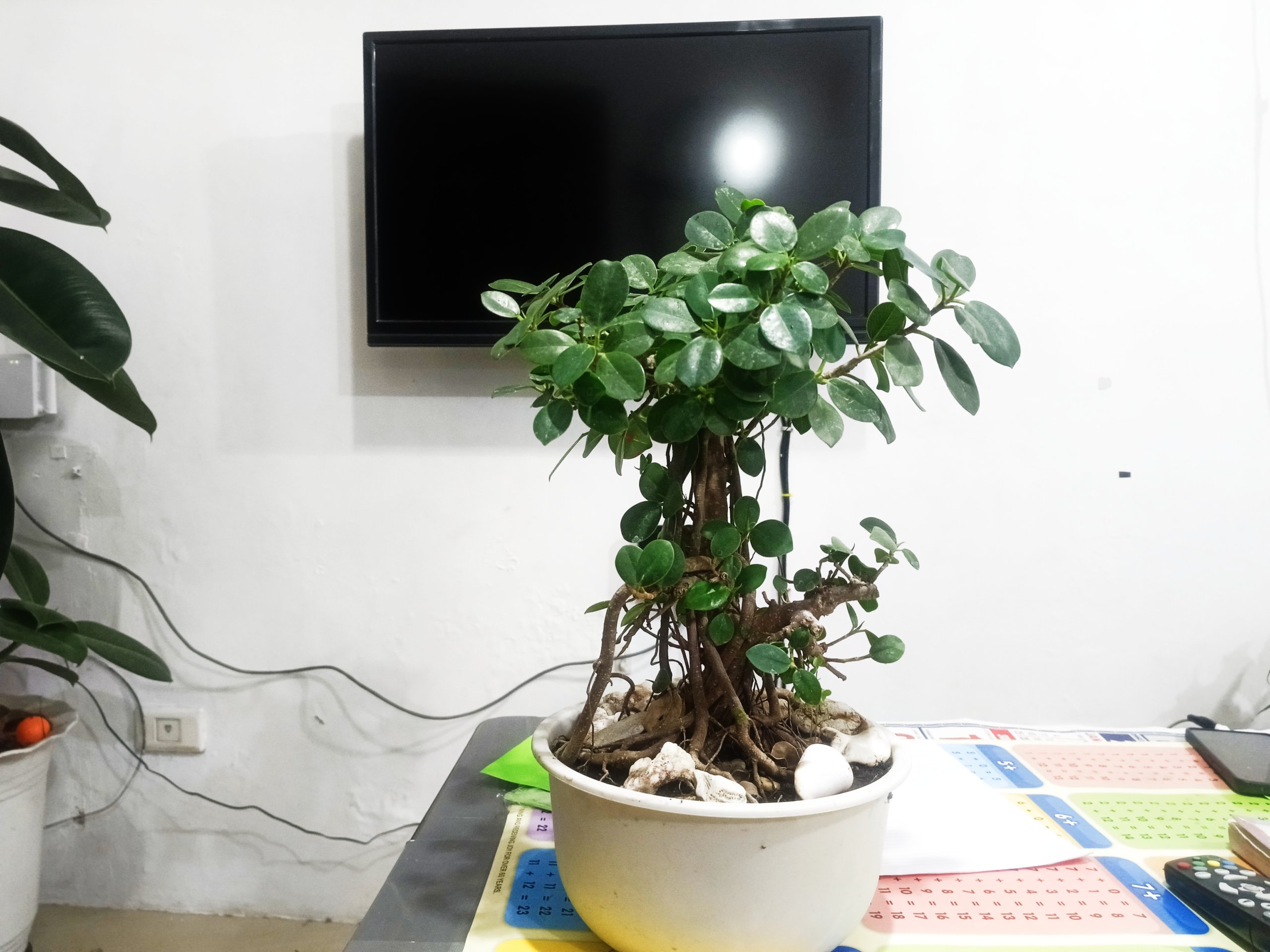
You bring both beauty and purpose into your space when you grow a ficus bonsai tree. This small tropical tree stands out for its thick trunk, glossy leaves, and compact size, which makes it ideal for indoor spaces.
Ficus bonsai trees offer practical benefits like easy care, air quality support, stress relief, and a strong starting point for learning bonsai skills. Many types, such as ginseng and retusa, adapt well to indoor light and tolerate beginner mistakes. You can shape them over time, which builds patience and focus while adding a natural element to your home.
As you explore the benefits, you will also want to understand basic care needs and possible challenges. When you know what to expect, you can decide if a ficus bonsai fits your space and your routine.
Key Benefits of Ficus Bonsai Trees
A ficus bonsai tree improves your indoor space in practical ways. It helps clean the air, supports your mental focus, and adds strong visual interest to your home or office.
Air Purification and Indoor Air Quality
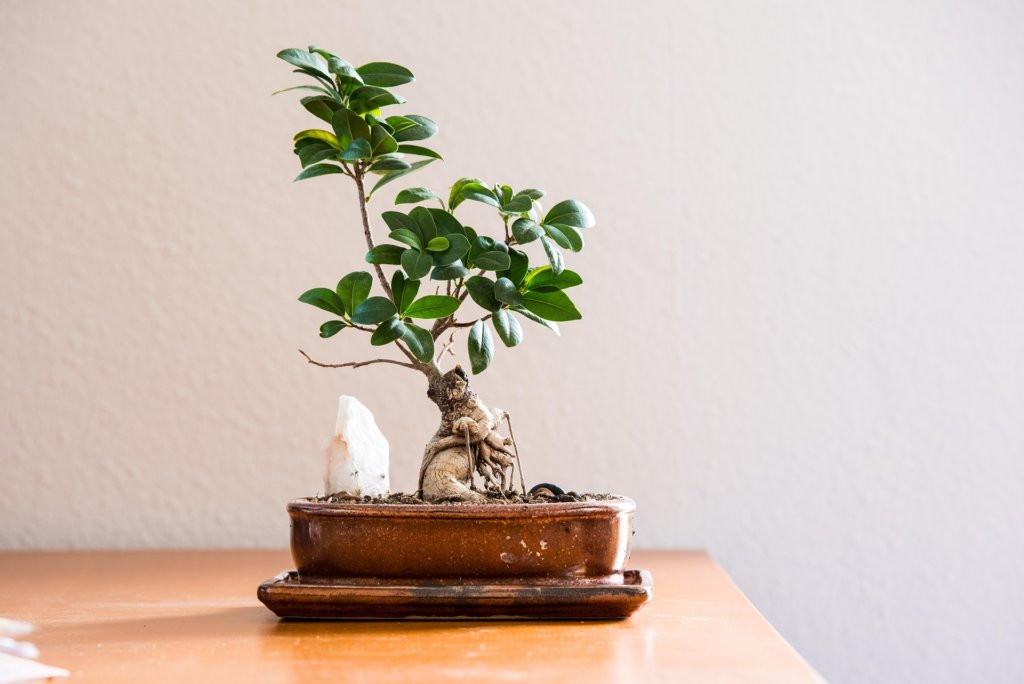
You improve indoor air quality when you grow a ficus bonsai indoors. Like many indoor plants, species such as Ficus retusa, Ficus microcarpa, and Ficus benjamina absorb carbon dioxide and release oxygen through photosynthesis.
Their leaves can also trap small airborne particles like dust. This helps keep the air in your living space cleaner, especially in closed rooms with limited airflow.
A bonsai ficus stays compact, so you can place it on desks, shelves, or side tables without using much space. This makes it easier to add greenery to apartments or offices where large plants may not fit.
Because ficus varieties adapt well to indoor light and temperature, they remain one of the most reliable indoor bonsai options. A healthy ficus ginseng bonsai or ficus microcarpa can grow for many years with steady care, giving you long-term air quality support in a small footprint.
Stress Relief and Mental Well-Being
You gain clear mental benefits when you care for a ficus bonsai. Daily tasks like watering, pruning, and shaping the tree create a steady routine that helps you slow down and focus.
Watching new leaves grow on a ficus ginseng or ficus retusa gives you visible progress. That steady growth can increase your sense of accomplishment over time.
Indoor bonsai care also encourages patience. You trim branches with purpose, guide aerial roots, and shape the canopy step by step. This focused work can lower stress and improve concentration.
Many people place a ficus bonsai tree in work areas to create a calmer setting. A small tree on your desk can reduce visual clutter and provide a natural focal point, which supports better mental balance during long work hours.
Aesthetic and Decorative Appeal
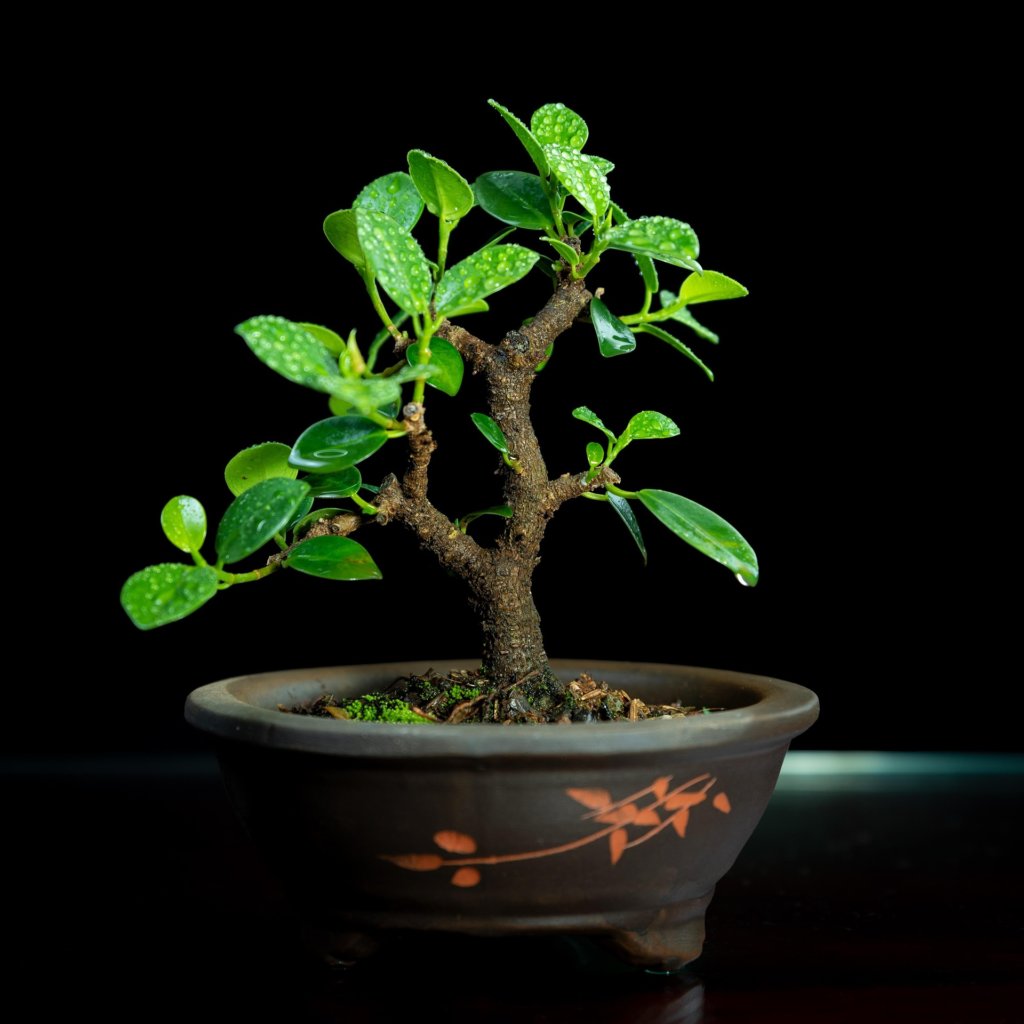
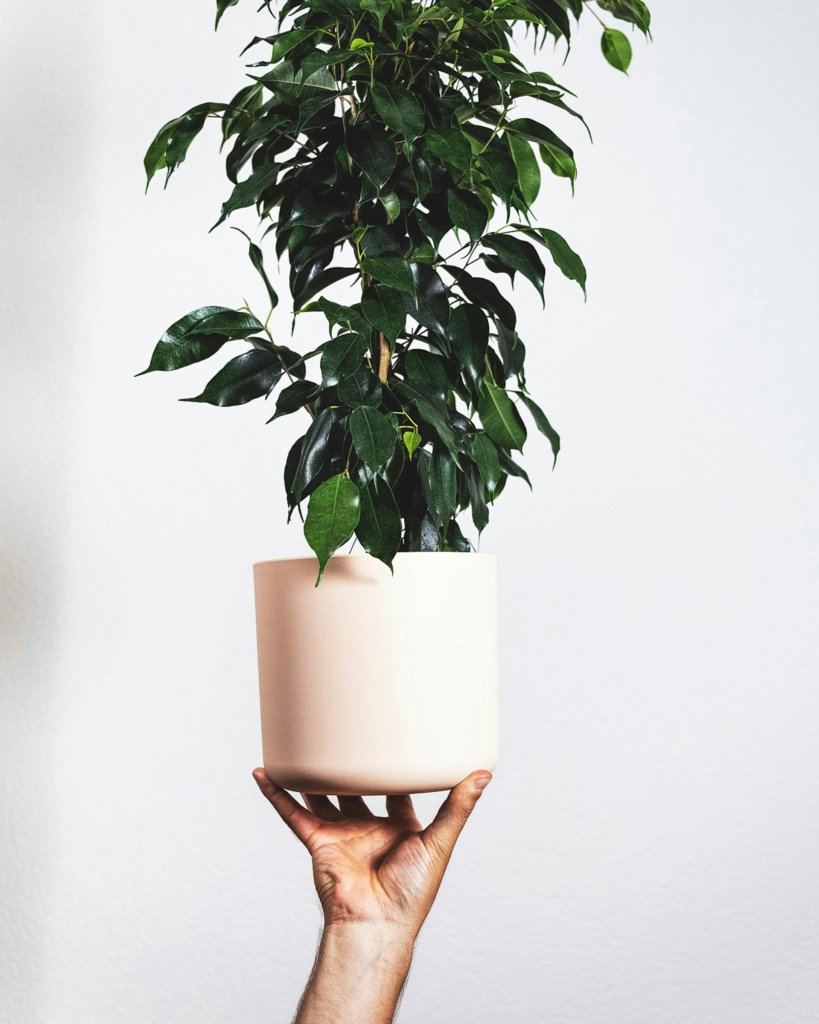
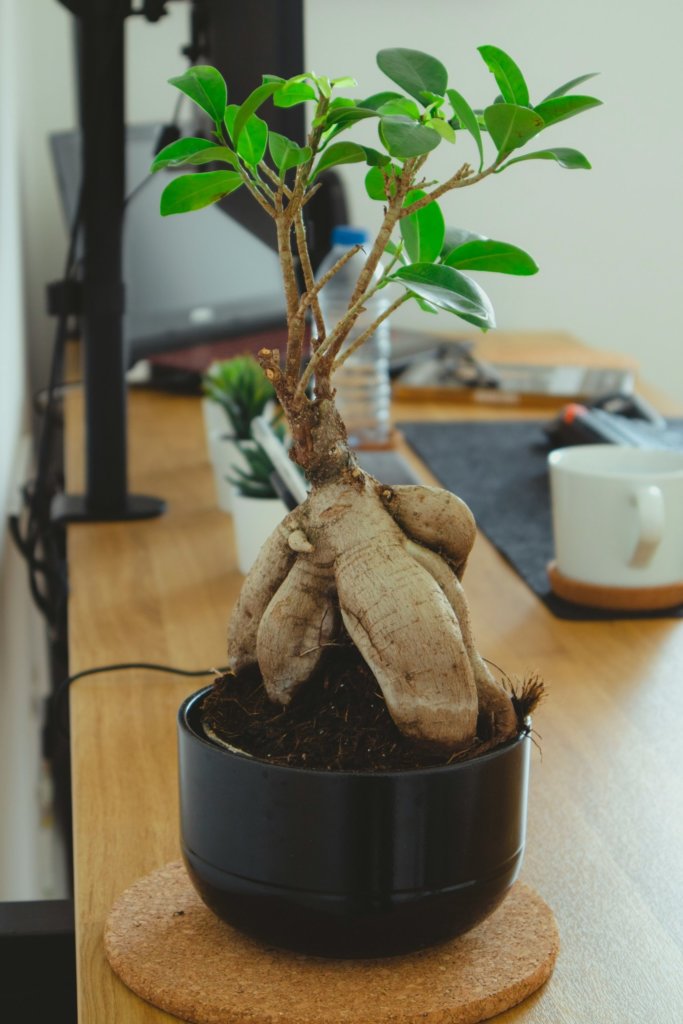
You add strong visual structure to a room with a ficus bonsai. Thick trunks, exposed roots, and glossy leaves give varieties like ficus microcarpa and ficus ginseng bonsai a bold look.
Different species offer distinct styles:
- Ficus retusa: Smooth gray bark and compact leaves
- Ficus benjamina: Graceful, slightly drooping branches
- Ficus ginseng: Thick, sculpted roots above the soil
These features let you match your indoor bonsai to modern, minimalist, or traditional decor.
A ficus bonsai tree also works well as a living centerpiece. You can display it on a coffee table, entry console, or office shelf. Its small size keeps the design clean while still adding natural texture.
Because you shape the tree over time, your bonsai ficus becomes a personal design element. The result reflects your care, style, and attention to detail.
Essential Care Considerations and Potential Drawbacks
You need steady light, careful watering, and safe handling to keep a ficus bonsai healthy. While this tree suits beginners, mistakes with soil, moisture, and placement can lead to stress, disease, or safety issues.
Fundamentals of Ficus Bonsai Care
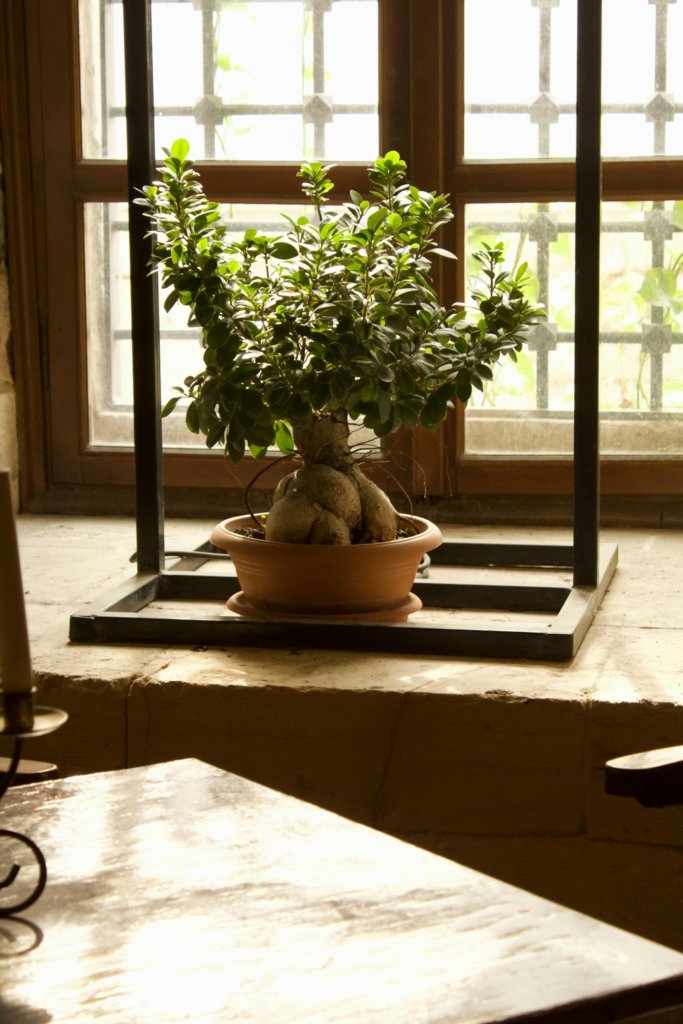
Ficus bonsai care starts with light and temperature control. Place your tree in bright, indirect light. A south- or west-facing window with filtered sun works well. Low light slows growth and weakens leaves.
Keep indoor temperatures between 60–80°F. Avoid cold drafts, heaters, and sudden temperature changes. Ficus trees come from tropical regions, so they prefer stable warmth.
Humidity also matters. Dry indoor air can cause leaf drop. You can raise humidity by:
- Using a humidity tray
- Grouping plants together
- Running a small room humidifier
Prune your tree to control shape and size. Regular trimming supports dense growth and keeps the bonsai balanced. You can wire flexible branches to guide structure, but check wires often to prevent scarring.
Consistent attention forms the base of any solid ficus bonsai care guide.
Soil, Watering, and Root Rot Prevention
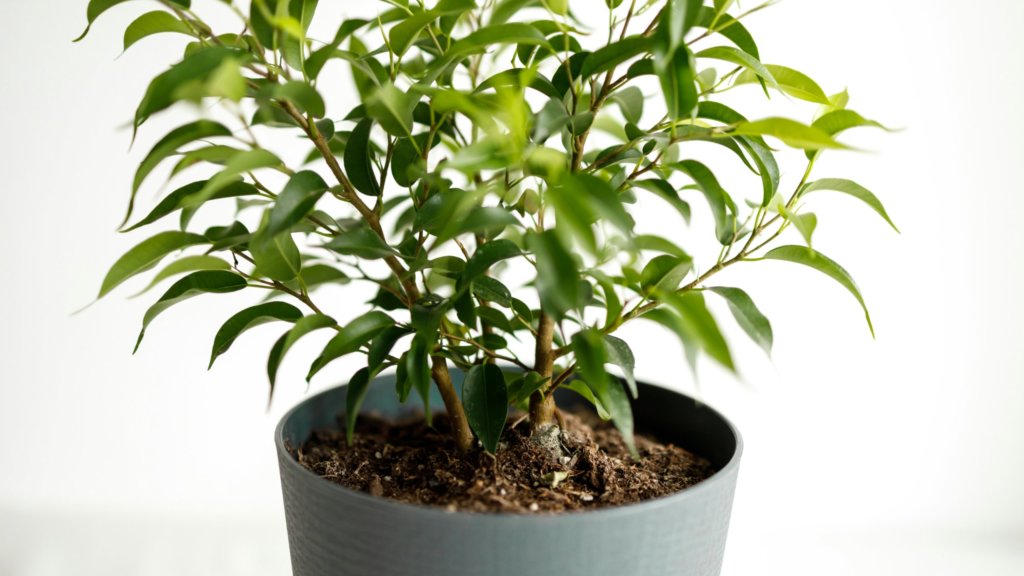
Soil and watering errors cause most ficus bonsai problems. You must use a fast-draining bonsai soil mix, not regular potting soil.
A typical mix may include:
- Akadama for moisture control
- Lava rock for drainage and airflow
- Pumice or similar grit for structure
This blend prevents water from sitting around the roots. Poor drainage leads to root rot, a common and serious issue.
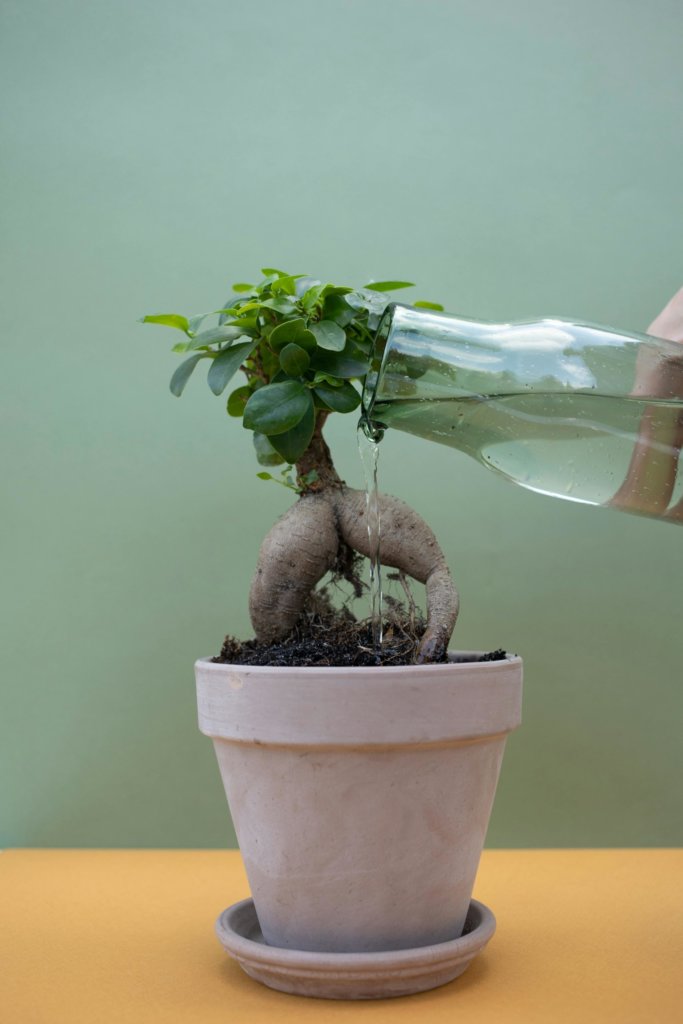
Water only when the top layer of soil feels slightly dry. Do not water on a fixed schedule. Instead, check moisture with your finger. When you water, soak the soil fully until water drains from the bottom.
Signs of root rot include yellow leaves, soft roots, and a sour soil smell. Repot every 2–3 years to refresh soil and trim roots. Healthy roots support steady growth and reduce disease risk.
Toxicity and Safety Concerns
Ficus species contain sap that can irritate skin. The compounds in the plant may be toxic to humans and toxic to pets if ingested.
If you prune your bonsai, wash your hands after handling it. Some people develop mild skin irritation from the sap. Wearing gloves helps prevent contact.
While Ficus is a staple in the bonsai world, it protects itself using a sophisticated chemical defense system. Understanding these components can help you handle your tree more safely:
- Ficin & Ficusin: The primary culprits are proteolytic enzymes (ficin) and psoralens (ficusin). When the bark or leaf is broken, a milky white latex sap is released.
- Dermal Reaction: Contact with this sap can cause phytophotodermatitis—a skin reaction that becomes more severe when exposed to sunlight. This is why some gardeners experience “unexplained” rashes after pruning on sunny days.
- Gastrointestinal Impact: If ingested by pets, these enzymes attack the proteins in the mucosal linings of the mouth and stomach, leading to the classic symptoms of drooling and inflammation.
- Airborne Sensitivity: In rare cases, highly sensitive individuals may react to dried sap particles or proteins released into the air, manifesting as mild respiratory irritation.
Pro-Tip: If sap gets on your skin, wash with cool, soapy water immediately. Avoid using warm water, as it can open your pores and allow the irritants to penetrate deeper.
Keep your ficus bonsai out of reach of:
- Cats
- Dogs
- Small children
In pets, chewing leaves may cause drooling, vomiting, or stomach upset. While severe poisoning is rare, you should still treat the plant as unsafe for consumption.
Place the tree on a stable surface where leaves will not fall into areas accessible to pets. Safe placement reduces preventable risk.
Choosing the Right Ficus Bonsai
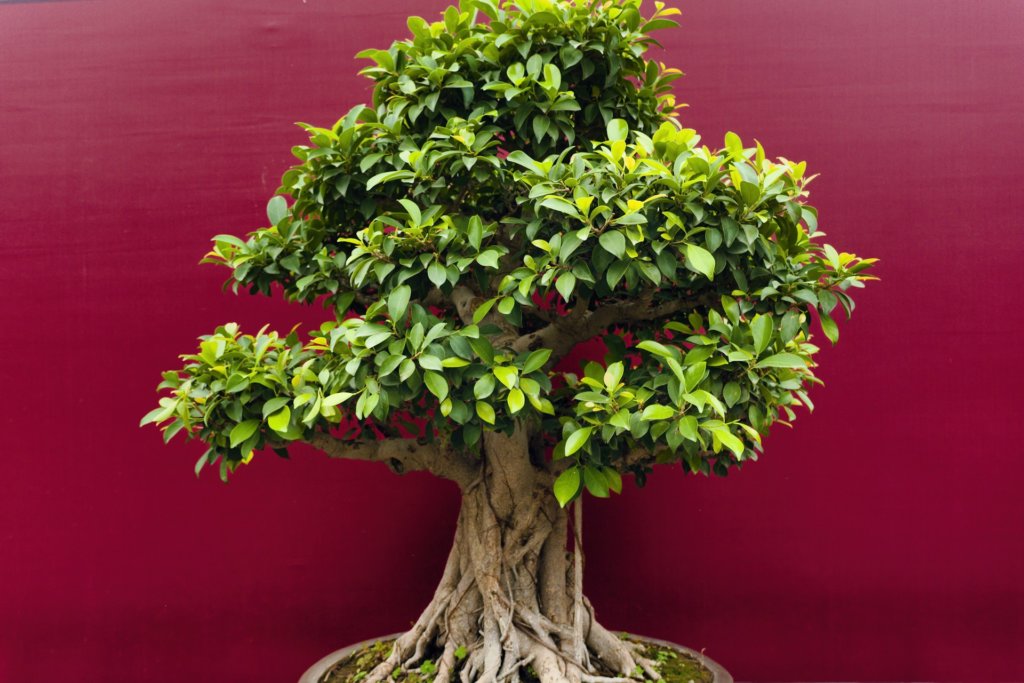
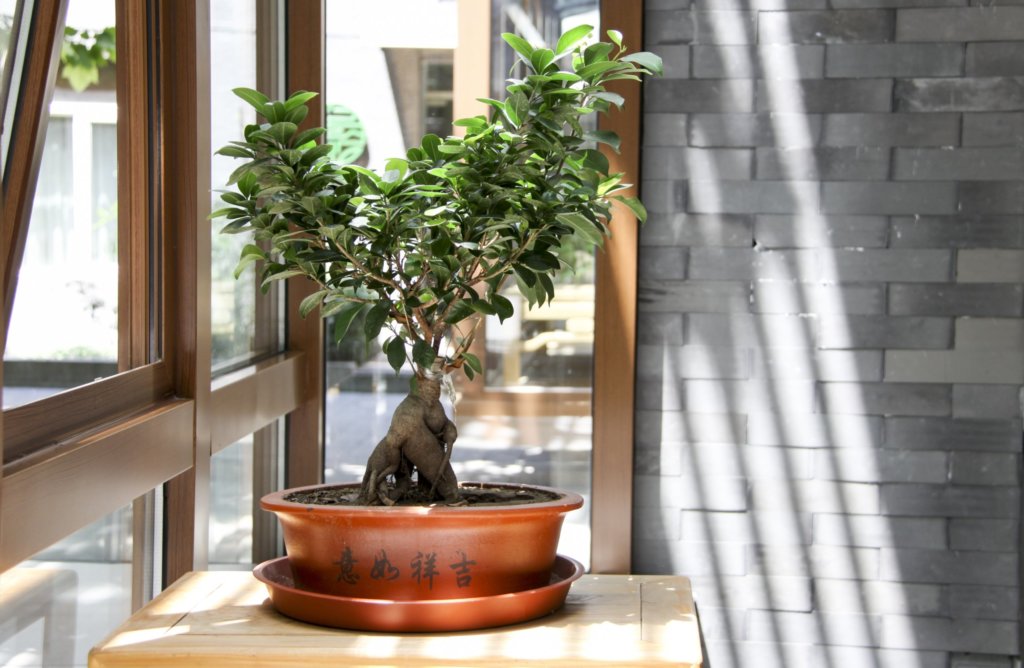
When you choose a ficus bonsai, focus on species, health, and structure. Popular indoor types include Ficus retusa and Ficus ginseng. Both adapt well to indoor bonsai care.
Note: “Ficus ginseng” is not a botanical species name; it is a horticultural trade name. These trees are almost always Ficus microcarpa that have been grown to have bulbous, “ginseng-like” roots.
Inspect the tree before buying. Look for:
- Firm, healthy leaves
- No pests on leaf undersides
- A stable trunk with no soft spots
- Even root spread at the soil surface
Avoid trees with constant leaf drop or soggy soil. These signs may point to poor ficus bonsai care before purchase.
If you are a beginner, select a hardy, well-established tree rather than a very young specimen. Strong roots and balanced growth make daily care easier and reduce stress as you learn proper bonsai care techniques.