
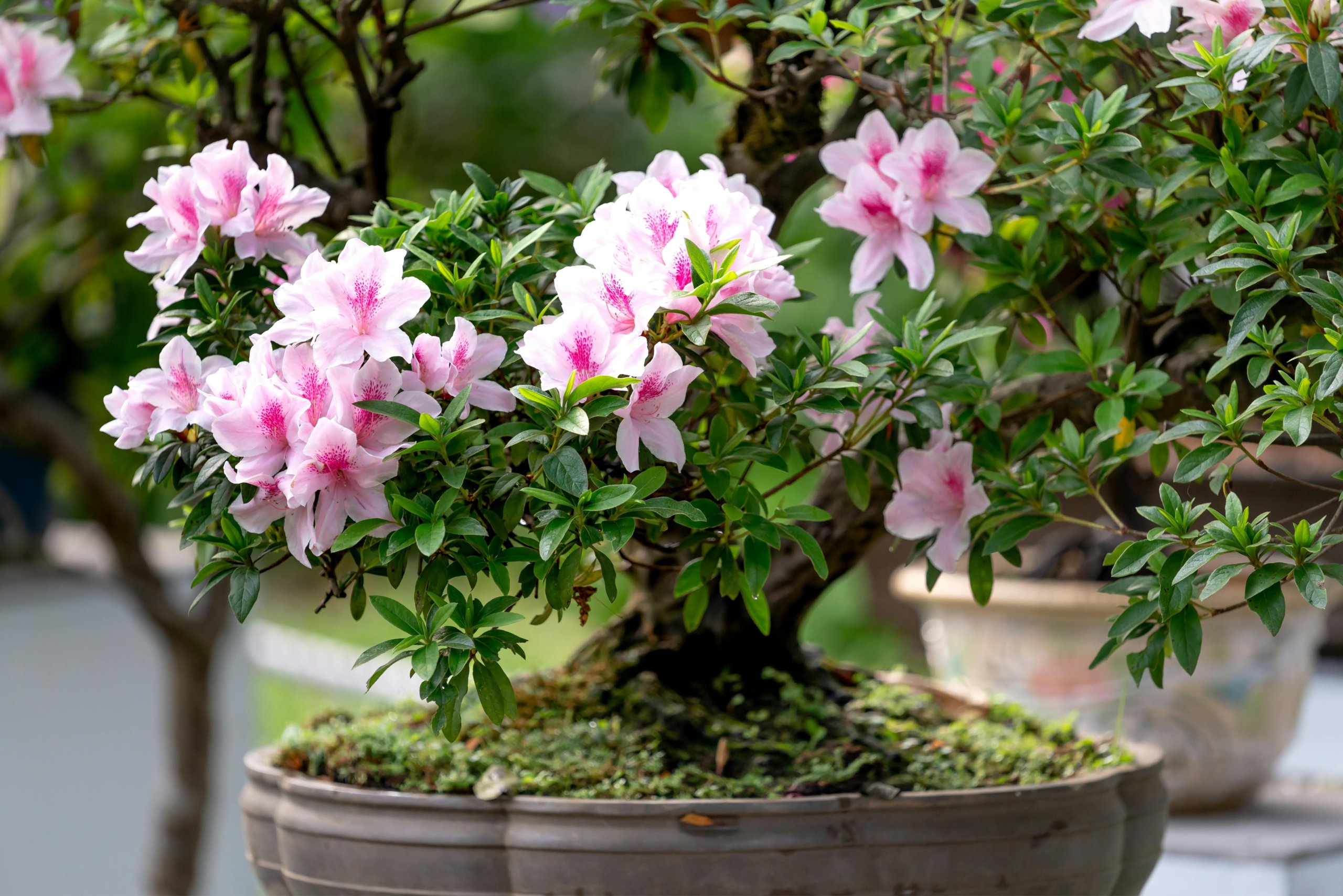
Azalea Bonsai Care
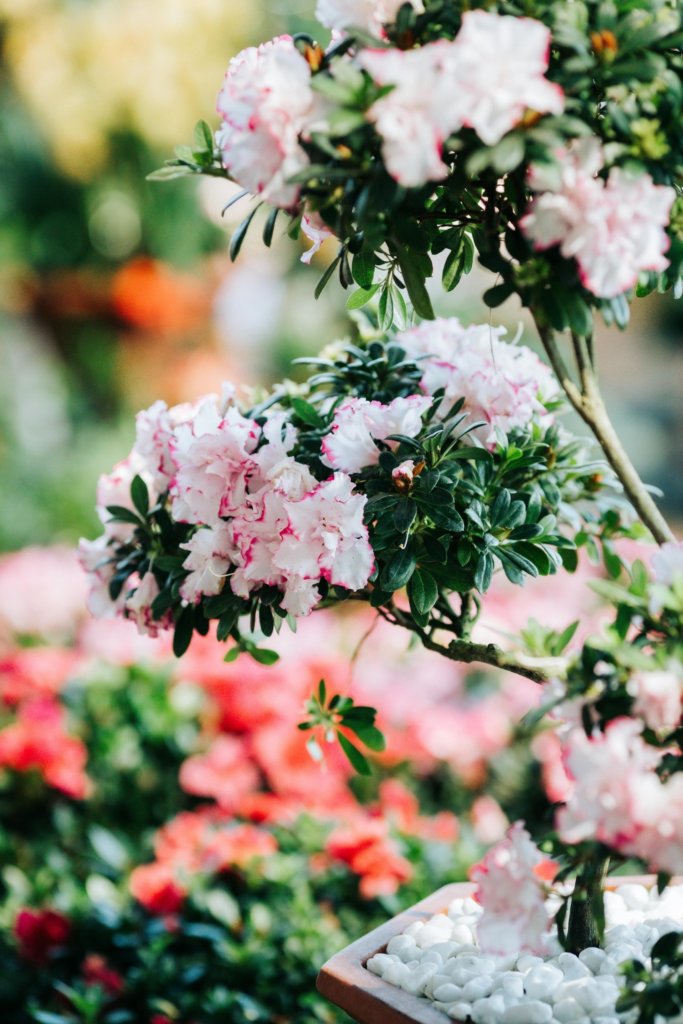
Azalea bonsai care takes focus, but you can master it with the right steps. These trees reward you with bright blooms and dense green leaves when you meet their specific needs. If you want strong growth and full flowers, you must pay close attention to light, water, soil, and pruning.
You care for an azalea bonsai by growing it outdoors in bright, indirect light, keeping the soil consistently moist and acidic, feeding it during the growing season, and pruning it after it blooms. When you follow these basics, your tree stays healthy and produces reliable spring flowers. Small changes in watering or soil can affect blooming, so steady care makes a clear difference.
With the right approach, you can shape a compact tree that flowers year after year. Understanding how and when to water, feed, prune, and repot gives you control over both health and design.
Key Takeaways
- Grow your azalea bonsai outdoors with bright light and consistent moisture.
- Use acidic, well-draining soil and feed during active growth.
- Prune after flowering and repot with care to maintain shape and health.
Key Principles of Azalea Bonsai Care
Azalea bonsai care depends on understanding the plant’s natural needs, growth style, and flower cycle. When you match light, soil, and pruning to the tree’s habits, you support steady growth and reliable blooms.
Understanding Azalea Bonsai Trees
An azalea bonsai tree is a flowering shrub trained in miniature form. Most types used for bonsai belong to the Rhododendron genus.
Unlike many other bonsai species, azaleas prefer acidic soil. You should use a well-draining mix made for acid-loving plants, often with kanuma or similar material. Standard bonsai soil may not provide the right pH.
Place your azalea bonsai outdoors where it gets bright light and several hours of sun each day. In hot climates, give it light afternoon shade to prevent leaf burn.
Watering requires close attention. Azaleas have fine roots that dry out fast, but they also suffer in soggy soil. Keep the soil evenly moist, not soaked.
A strong bonsai care guide for azaleas always centers on three points:
- Acidic, well-draining soil
- Consistent moisture
- Outdoor light exposure
These basics support healthy leaves and full flowering.
Popular Varieties and Selecting Your Tree
You will often see Satsuki azalea bonsai and Kurume azalea used in bonsai collections. Satsuki azalea bonsai is especially popular because it produces large, colorful blooms in late spring.
Satsuki varieties offer a wide range of flower colors, including white, pink, red, and striped patterns. Many growers choose them for their strong response to pruning and shaping.
When selecting your tree, look for:
- Healthy green leaves
- No signs of pests or leaf spots
- A strong trunk base
- Visible surface roots
Check the soil condition as well. If the soil feels compacted or stays wet for long periods, plan to repot at the proper time.
Choose a tree with a clear trunk line and balanced branch structure. Good structure makes future shaping easier and reduces heavy corrective pruning.
Essential Traits and Growth Habits
Azalea bonsai trees grow as dense shrubs with many small branches. They respond well to pruning, which helps you build fine ramification.
Flower buds form on the tips of new growth. If you prune at the wrong time, you remove next season’s blooms. Trim soon after flowering to protect future buds.
Azaleas develop shallow, delicate roots. Handle roots gently during repotting, usually every two to three years. Use acidic soil and avoid heavy root reduction.
Key growth traits to remember:
| Trait | What It Means for You |
|---|---|
| Shallow roots | Water carefully and repot gently |
| Heavy blooming | Prune right after flowers fade |
| Dense branching | Thin growth to allow light inside |
When you understand these traits, you can adjust your azalea bonsai care with a clear purpose instead of guesswork.
Optimal Outdoor Growing Conditions
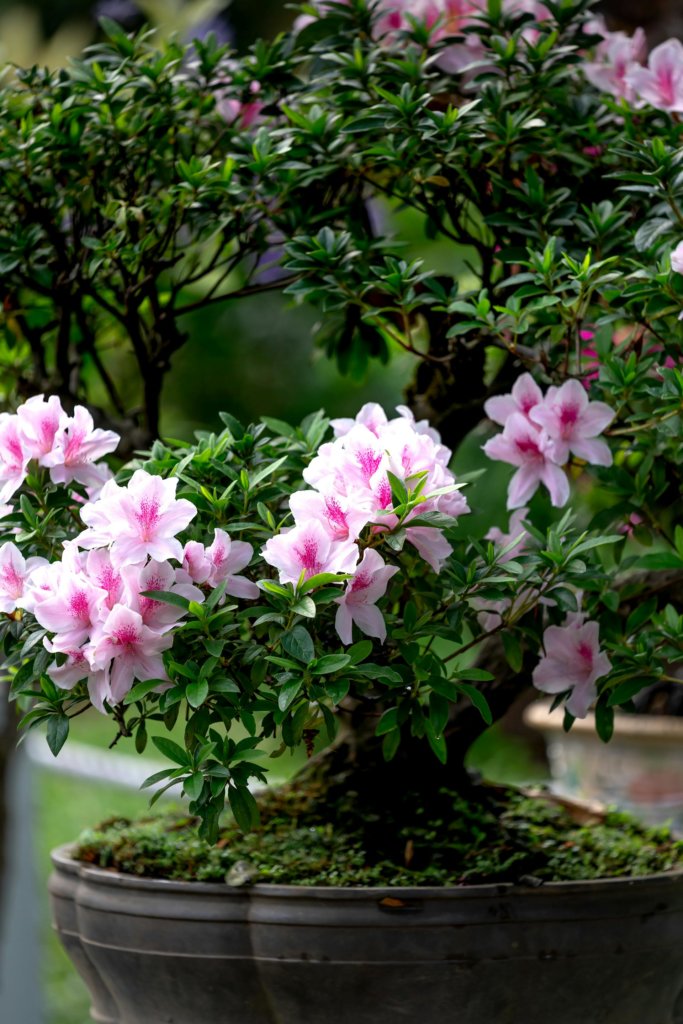
You need to grow your outdoor azalea bonsai in the right light, temperature, and moisture levels. When you match these conditions to the tree’s natural needs, you support steady growth and strong flowering.
Placement and Light Requirements
Place your outdoor azalea bonsai where it gets bright, indirect light for most of the day. Morning sun works well, especially in spring and fall. In hot summer climates, protect it from strong afternoon sun, which can scorch leaves and fade blooms.
Set the tree in a spot with good air flow. Fresh air reduces fungal problems and keeps foliage healthy. Avoid tight corners or enclosed patios where air stays still.
During the flowering period, shield the tree from heavy rain and harsh midday sun. Too much direct sun can shorten bloom time. Too little light, however, will reduce bud formation for the next season.
If you live in a mild climate, you can keep your azalea bonsai outdoors year-round. Choose a stable location and avoid moving it often, since sudden light changes can stress the tree.
Temperature and Humidity Needs
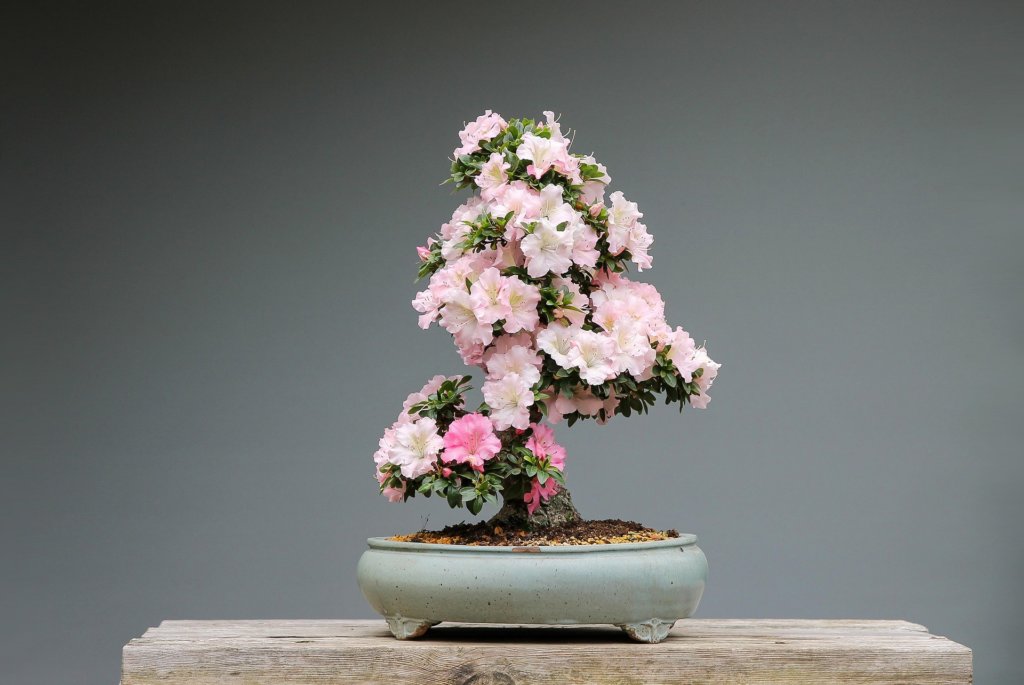
Azaleas prefer cool to moderate temperatures. Most varieties used for azalea bonsai tree care, such as Satsuki types, tolerate light frost but need protection from deep freezes.
In winter, protect roots when temperatures drop below freezing. You can place the pot in mulch, soil, or an unheated shed to shield it from strong wind and extreme cold. The roots are more sensitive than the top growth.
Azaleas also prefer moderate to high humidity. Dry air can cause leaf drop and weak growth. In hot, dry weather, water regularly and avoid letting the soil dry out completely.
Use well-draining, acidic soil. Azaleas need acidic conditions to absorb nutrients properly. Poor soil choice often leads to yellow leaves and weak growth.
Outdoor Versus Indoor Cultivation
You should grow an azalea bonsai outdoors, not indoors. Azaleas are outdoor shrubs by nature and need seasonal changes in light and temperature to stay healthy.
Indoor spaces often lack enough light. Even bright windows rarely provide the intensity required for strong growth and bud formation. Indoor air is also too dry, especially in winter.
If you bring your tree indoors briefly for display while it is in bloom, return it outside after a few days. Keep it away from heaters, air vents, and fireplaces during that time.
For proper azalea bonsai tree care, treat your tree as an outdoor plant first. Stable outdoor conditions will give you stronger roots, better flowering, and healthier foliage.
Fundamentals of Watering and Soil
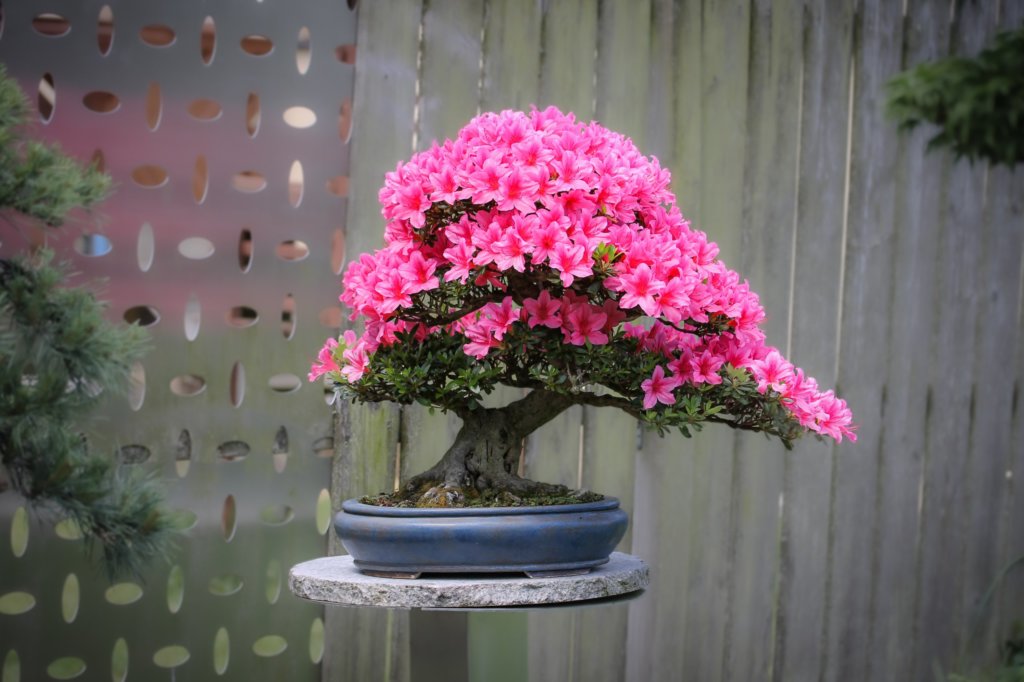
Azalea bonsai care depends on steady moisture and the right soil mix. You should maintain soil dampness, acidity, and high aeration without waterlogging.
Watering Techniques and Frequency
Water your azalea bonsai when the top layer of soil starts to feel slightly dry. Do not wait until the root ball dries out. Azaleas have fine roots that can suffer fast in dry soil.
Use a watering can with a fine rose. Pour water evenly over the soil surface until it drains from the bottom holes. This ensures the full root mass gets wet.
During spring and summer, you may need to water once a day. In hot or windy weather, check twice daily. In winter, growth slows, so water less often but never let the soil dry out fully.
While the tree is in bloom, keep the soil evenly moist. Dry spells can shorten flowering and cause buds to drop.
Moisture Monitoring and Water Quality
Check soil moisture before every watering. Push a finger about one inch into the bonsai soil. If it feels slightly damp, wait. If it feels barely moist, water thoroughly.
You can also use a wooden chopstick. Insert it into the soil and leave it for a few minutes. If it comes out almost dry, your tree needs water.
Water quality matters in azalea bonsai care. Azaleas prefer acidic conditions. If your tap water is hard and high in lime, it can raise soil pH over time.
Use rainwater when possible. Avoid water that leaves white crust on the soil surface.
Choosing the Right Bonsai Soil
Azaleas require acidic, well-draining bonsai soil. Standard bonsai mixes (typically containing akadama, lava rock, and pumice) often lack the specific acidity levels these lime-hating plants need to thrive. They require a specific high-acidity environment with a pH between 4.5 and 6.0, a level that standard inorganic mixes fail to provide.
Choose a soil made for azaleas or rhododendrons. Many growers use kanuma, a soft, acidic clay from Japan. It holds moisture while allowing air to reach the roots.
A simple soil mix may include:
- 100% kanuma
- Or a blend of kanuma and fine pine bark
Avoid heavy garden soil. It compacts easily and blocks airflow to roots.
Repot every two to three years to refresh the soil and prevent breakdown. Fresh, loose bonsai soil supports healthy roots and steady growth.
Feeding, Pruning, and Repotting Strategies
Strong growth and heavy blooms depend on the right fertilizer, careful root work, and timely pruning. You must match your care routine to the azalea’s growth cycle to keep the tree compact and healthy.
Fertilizing Azaleas for Vigorous Growth
Azaleas need nutrients made for acid-loving plants. Use a balanced azalea fertilizer or rhododendron fertilizer that supports low soil pH.
Feed every two weeks during the active growing season in spring and early summer. If you prefer liquid feed, dilute it to half strength to avoid root burn. Stop heavy feeding once flowering ends and reduce feeding in late summer.
Focus on these basics:
- Use fertilizer labeled for acid-loving plants
- Apply during active growth, not during dormancy
- Avoid high-lime products
When fertilizing azalea bonsai, water the soil first. Then apply fertilizer to moist soil to protect fine roots. Healthy feeding builds dense foliage and supports strong bud formation for the next bloom cycle.
Repotting Best Practices
Repotting azalea bonsai keeps roots healthy and prevents compacted soil. Repot every two years, either in early spring or right after flowering.
Azaleas have very fine, matted roots. Handle them with care. Gently loosen the root ball and trim long roots with sharp scissors. Do not remove more than one-third of the root mass.
Use a lime-free soil mix. Many growers use 100% Kanuma, which drains well and keeps the soil acidic.
Follow these steps:
- Remove old soil carefully.
- Trim one-third of the roots.
- Replant in fresh, acidic bonsai soil.
- Water thoroughly.
Place the tree in light shade for two weeks after repotting. Keep the soil evenly moist while roots recover.
Pruning and Shaping Timing
Prune after flowering to protect next year’s buds. Azaleas set new flower buds soon after they finish blooming.
If you prune too late in the season, you may remove future flowers. Trim back long shoots to two or three leaves once blooms fade.
Remove:
- Dead branches
- Weak growth
- Crossing shoots
Azaleas are basally-dominant. Unlike most trees, azaleas grow more strongly at the base than the top. Targeted pruning after blooming encourages dense ramification and manages the tree’s natural basal dominance.
Avoid heavy pruning in late fall. At that time, the tree prepares for dormancy and will not recover quickly.
Regular pruning keeps the canopy compact and improves light flow inside the tree.
Shaping Techniques for Artistic Form
Use shaping techniques that protect the brittle wood of azaleas. Their branches snap easily, so bend them slowly.
Wiring works best on young, flexible shoots. Wrap aluminum wire at a 45-degree angle and check it often. Remove it before it cuts into the bark.
You can also shape by:
- Clip-and-grow methods
- Selective branch removal
- Guiding new shoots early
Clip-and-grow is often safer than heavy wiring. You direct shape by pruning back to a leaf that faces the direction you want growth.
Focus on building layered pads and open spaces. Clear structure improves airflow and shows off flowers during bloom season.
Frequently Asked Questions
Proper care depends on steady watering, bright but filtered light, timely pruning, and the right fertilizer. You also need to watch for pests, manage humidity, and protect the tree from temperature extremes.
How often should I water my Azalea bonsai?
Water your Azalea bonsai when the top layer of soil feels slightly dry. Do not let the soil dry out completely.
In warm months, you may need to water every day or every other day. In cooler months, watering once a week may be enough. Always adjust based on your climate and how fast the soil drains.
Use rainwater if possible. Azaleas prefer acidic water and soil.
What is the optimal lighting for an Azalea bonsai tree?
Place your Azalea bonsai in bright, indirect light. Morning sun with afternoon shade works well.
Too much direct midday sun can burn the leaves and flowers. Too little light reduces blooming and weakens growth.
Outdoor placement during spring and summer supports strong flowering. Bring the tree indoors only when frost threatens.
When is the right time to prune an Azalea bonsai, and how should it be done?
Prune your Azalea bonsai right after it finishes flowering. This timing allows new buds to form for next year.
Trim back long shoots to two or three leaves. Remove dead flowers and weak branches.
Use clean, sharp scissors. Avoid heavy pruning in late summer or fall, as this can reduce next season’s blooms.
What kind of fertilizer is best for Azalea bonsai, and how frequently should it be applied?
Use a fertilizer made for acid-loving plants. Azaleas prefer acidic soil conditions.
Feed every two to four weeks during active growth in spring and early summer. Reduce feeding after flowering ends.
Avoid strong fertilizer during full bloom. Too much nitrogen can reduce flower production.
How can I tell if my Azalea bonsai is suffering from pests or diseases, and what should I do about it?
Check leaves for yellowing, spots, sticky residue, or fine webbing. These signs can point to aphids, spider mites, or fungal issues.
Inspect the undersides of leaves and along stems. Early detection makes treatment easier.
Prune away diseased growth and apply appropriate pesticides or neem oil for infestations. Improve air flow and avoid overhead watering to limit fungal problems.
What are the ideal temperature and humidity levels for maintaining a healthy Azalea bonsai?
Keep your Azalea bonsai in temperatures between 50°F and 75°F during the growing season. Protect it from hard frost in winter.
Azaleas prefer moderate to high humidity. Dry indoor air can stress the plant.
Place the pot on a humidity tray if needed. Ensure good air movement to prevent mold and disease.