
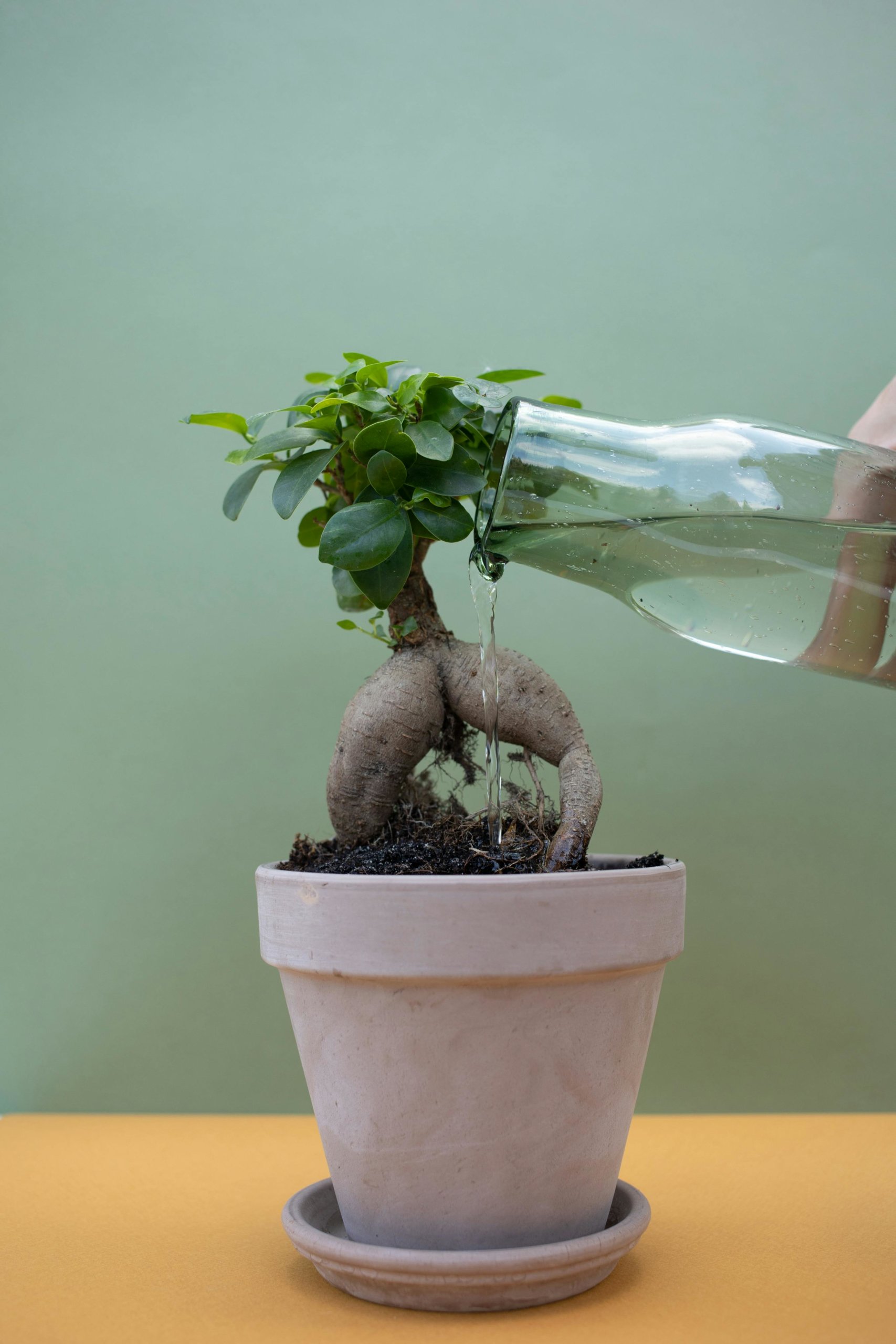
Bonsai Watering
Watering bonsai is the most important part of keeping your tree healthy. These small pots and coarse soils dry out fast, and a simple mistake can lead to root rot or dry leaves. You cannot rely on a fixed schedule because each tree, pot, and season changes how fast the soil dries.
You should water your bonsai when the top layer of soil feels slightly dry, and you should water deeply until water drains from the bottom of the pot. This method keeps roots evenly moist without leaving them in standing water. You need to check the soil often, especially during hot or windy weather.
When you understand how soil, drainage, climate, and tree type affect moisture, you gain control over your bonsai’s health. With the right approach, you prevent common problems and help your tree grow strong and balanced.
Key Takeaways
- Water when the topsoil feels slightly dry, not on a fixed schedule.
- Soak the soil fully and let excess water drain out.
- Adjust your watering based on soil, season, and tree type.
Understanding Bonsai Watering Fundamentals
Bonsai watering requires close attention to soil moisture, tree type, and growing conditions. When you understand how these factors work together, you can build a steady watering routine that supports strong roots and healthy growth.
Why Proper Watering Matters
Water keeps your bonsai alive. Without it, roots dry out fast because bonsai grow in shallow pots with limited soil.
When you water correctly, you supply oxygen and moisture to the roots at the same time. Good bonsai care depends on this balance. Soil that stays too wet blocks air from reaching roots. This can cause root rot and weak growth.
If you water too little, leaves may droop or develop dry, brown edges. In severe cases, wilting leaves fall off. The fastest way to kill a bonsai is to let the root ball dry out completely.
Proper bonsai watering also supports nutrient flow. Water moves nutrients from the soil into the roots. Without steady moisture, your tree cannot absorb what it needs, even if you fertilize on time.
Consistent watering protects both the health and shape of your tree.
Key Factors Affecting Watering Needs
There is no fixed watering schedule that works for every bonsai. You must adjust based on several clear factors.
1. Tree species
- Tropical bonsai often need more frequent watering.
- Conifers usually prefer slightly drier soil between waterings.
2. Pot size and soil type
- Small pots dry out faster than large ones.
- Fast-draining bonsai soil dries quicker than dense soil mixes.
3. Climate and season
- Hot, dry, or windy weather increases watering frequency.
- In winter, growth slows and soil stays moist longer.
4. Tree size and root mass
- Large trees with more leaves use more water.
Instead of asking, “How often should I water my bonsai?” focus on how fast the soil dries in your conditions. Your watering routine should match your environment, not a fixed calendar.
Recognizing When Your Bonsai Needs Water
Check soil moisture daily. This is the most reliable method for watering bonsai.
Insert your finger about one inch into the soil. If it feels slightly dry below the surface, water thoroughly. If it still feels damp, wait and check again later.
You can also lift the pot. A dry pot feels much lighter than a moist one. Over time, you will notice the difference.
Watch the leaves as well. Wilting leaves, dull color, or dry tips often signal underwatering. Soft yellow leaves combined with wet soil may point to overwatering.
Avoid watering on a strict schedule without checking the soil. A smart watering routine responds to real conditions. When you observe your tree closely, bonsai watering becomes steady and predictable rather than stressful.
Essential Bonsai Watering Techniques
You must water bonsai in a way that fully soaks the root ball while protecting fine roots and soil structure. The right method, tools, timing, and water quality all affect tree health and growth.
Top Watering
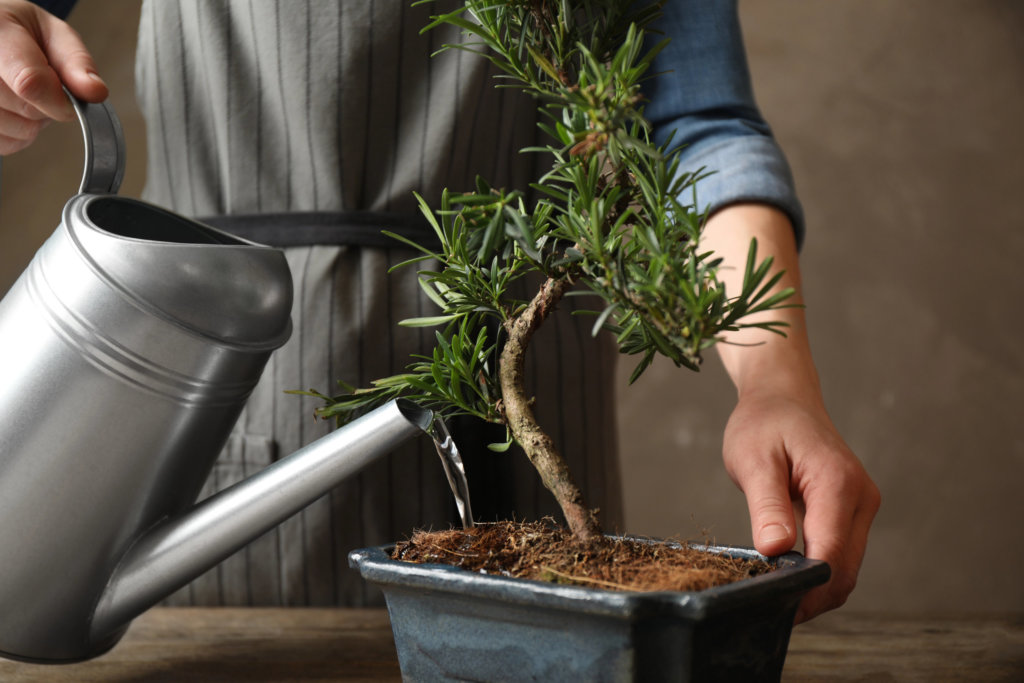
Top watering is the most common and reliable method. You pour water from above the soil surface until it drains from the holes at the bottom of the pot.
Use a watering can with a fine rose nozzle. This spreads water gently and prevents soil from washing away. A strong stream can disturb roots and compact the soil.
Water in two passes. First, wet the entire soil surface. Wait a few seconds, then water again until you see steady drainage. This ensures the full root ball absorbs moisture.
Do not rely on a set schedule. Check the soil daily. Insert your finger about one inch deep or use a soil moisture meter to confirm moisture levels. Water only when the top layer feels slightly dry, not when it is still wet.
Avoid light, frequent sprinkles. Shallow watering leads to weak root growth and dry pockets inside the pot.
Bottom Watering and Immersion
Bottom watering allows the soil to absorb water from below. You place the pot in a shallow tray of water and let it draw moisture up through the drainage holes.
This method works well when soil has dried too much and resists water from above. It helps rehydrate compacted or very dry root balls.
Leave the pot in water for about 10 to 20 minutes. Remove it once the top surface feels damp. Do not leave it soaking for long periods. Long soaks reduce oxygen in the soil and stress roots.
Immersion watering is a deeper form of bottom watering. You submerge the entire pot in water until air bubbles stop rising. This forces water into dry soil pockets.
Use immersion only when needed, such as after missed watering or during extreme heat. Regular use can lead to poor aeration and root rot.
Using Watering Tools Effectively
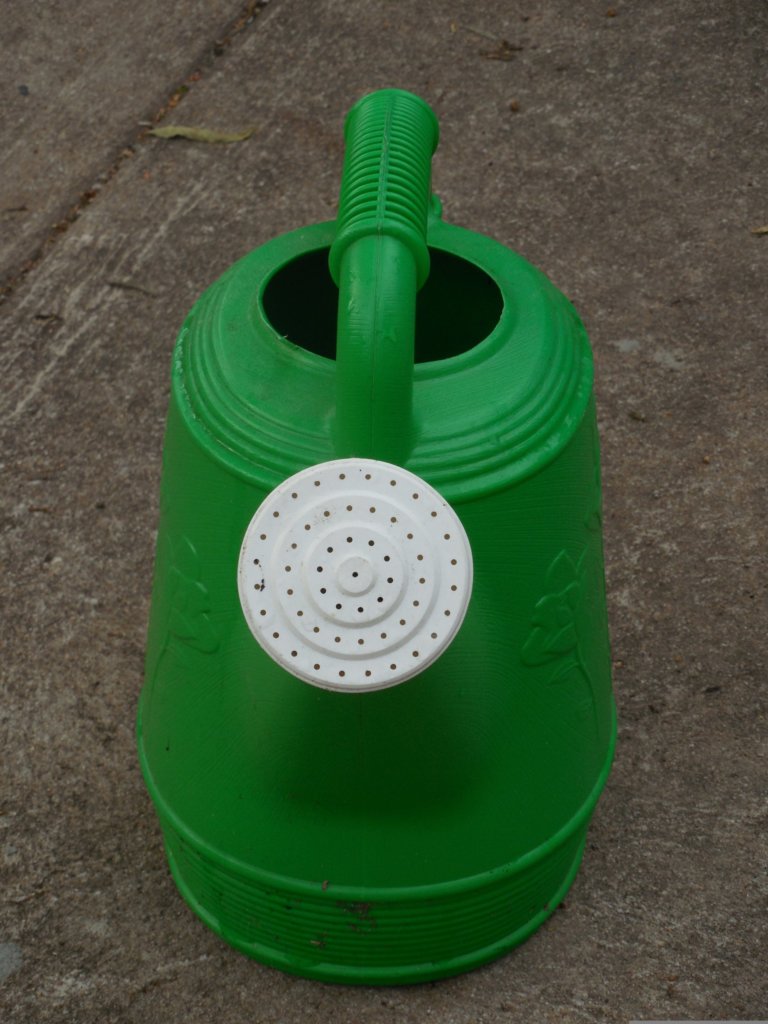
The right tools improve accuracy and reduce stress on your tree. A watering can with a fine nozzle gives you control and even coverage.
Avoid high-pressure hoses unless you attach a gentle spray head. Strong water can erode soil and expose roots.
A moisture meter or soil moisture meter helps you judge when to water. Insert it into the root zone, not just the surface. Check several spots for an accurate reading.
Use tools as guides, not as replacements for observation. Look at leaf firmness, soil color, and pot weight. Lift the pot after watering, then lift it again before the next watering. The weight difference helps you judge moisture levels.
Keep tools clean. Dirty nozzles and trays can spread disease.
Best Time and Water Quality
Water early in the morning when possible. Cool air and lower sun reduce evaporation and give roots time to absorb moisture before heat increases.
During very hot weather, you may need to water again in late afternoon. Avoid watering at night if leaves stay wet for long periods, as this can increase fungal risk.
Use clean water with low mineral content. Rainwater is ideal because it lacks salts and chlorine. If you use tap water, let it sit overnight to allow chlorine to dissipate.
Ensure your pot has proper drainage holes. Even perfect timing and good water quality cannot prevent damage if water cannot escape. Proper drainage protects roots from standing water and rot.
Managing Soil, Drainage, and Preventing Problems
Healthy bonsai depend on the right soil mixture, steady drainage, and careful watering habits. You control root health by choosing proper soil composition and by preventing waterlogging before it starts.
Choosing the Right Bonsai Soil Mixture
You should not use regular potting soil for bonsai. It holds too much water and limits airflow around the roots.
Bonsai soil usually blends inorganic soil and small amounts of organic soil. Inorganic parts improve drainage and structure. Common materials include:
- Akadama – holds water and nutrients while allowing airflow
- Pumice – stores moisture and supports root growth
- Lava rock – improves drainage and keeps soil open
Organic soil, such as pine bark, adds some water retention. Use it in small amounts so the mix does not stay wet too long.
Granule size also matters. Particles around 1–4 mm help water move through the pot without clogging. Larger particles increase drainage. Smaller ones increase water retention.
Match the soil mixture to your tree species and climate. In wet climates, use more lava rock and pumice. In dry areas, increase akadama for better moisture control.
Balancing Drainage and Water Retention
Your bonsai soil must drain well but still hold enough moisture for the roots. Roots need both water and oxygen.
If water drains too fast, the tree dries out quickly. If water drains too slowly, roots sit in wet soil and weaken. Good drainage allows water to pass through the pot while keeping small amounts inside each particle.
Use pots with clear drainage holes. Without them, excess water cannot escape. You can also place mesh over the holes to prevent soil loss while keeping water flow steady.
Check how fast water exits after you water. It should run through within seconds, not pool on top. If water sits on the surface, your soil may be compacted.
Repot every 2–5 years, depending on the tree. Fresh soil prevents compaction and keeps drainage reliable.
Preventing Overwatering and Root Rot
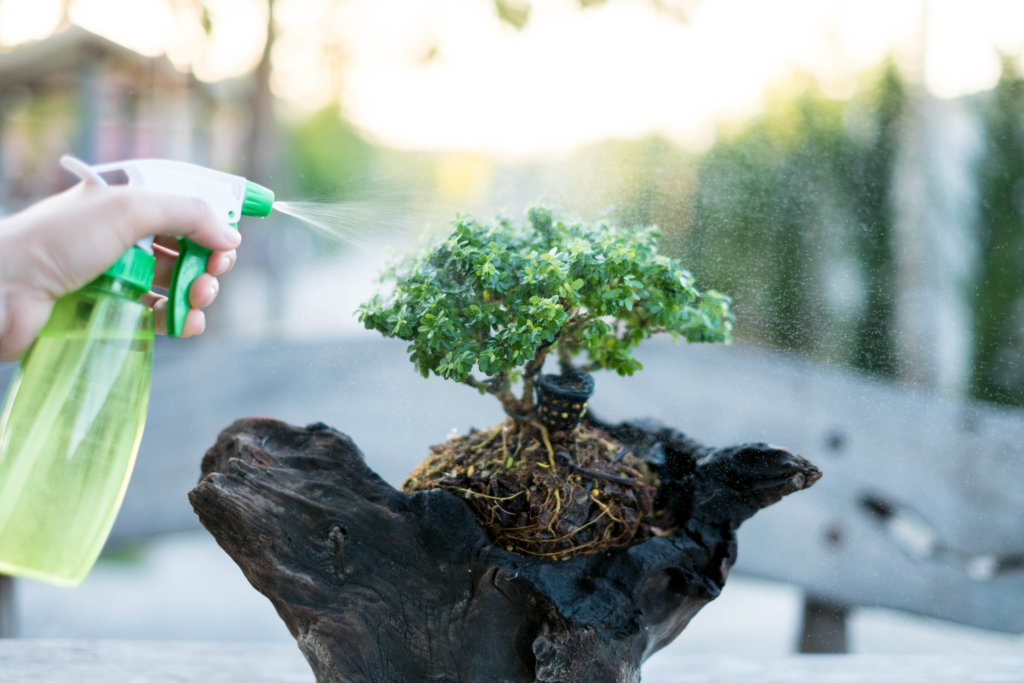
Overwatering causes more damage than underwatering. When soil stays wet, roots lose access to oxygen.
This can lead to root rot, a fungal problem that destroys weak roots. Signs of overwatering include:
- Yellow leaves
- Soft or black roots
- Sour smell from the soil
- Wilting even though soil feels wet
To prevent root rot, water only when the top layer of soil feels slightly dry. Do not follow a fixed schedule. Check the soil with your finger.
If soil stays wet for days, improve drainage. Repot into a more porous bonsai soil mixture with more pumice or lava rock. Healthy roots grow in moist, not soaked, soil.
Common Watering Mistakes and Solutions
Many watering mistakes start with poor observation. You must respond to the tree, not the calendar.
Mistake: Watering a little every day.
Solution: Water deeply until water flows from the drainage holes.
Mistake: Using heavy organic soil.
Solution: Switch to a balanced mix with akadama, pumice, and lava rock.
Mistake: Ignoring signs of underwatering.
Signs include dry, crumbly soil and brittle leaves.
Solution: Increase watering frequency and check soil daily during hot weather.
Mistake: Letting soil compact over time.
Solution: Repot on schedule and refresh the soil mixture.
When you manage soil composition and drainage carefully, you reduce stress on the roots and prevent most watering problems before they start.
Tailoring Watering Practices to Different Bonsai Types
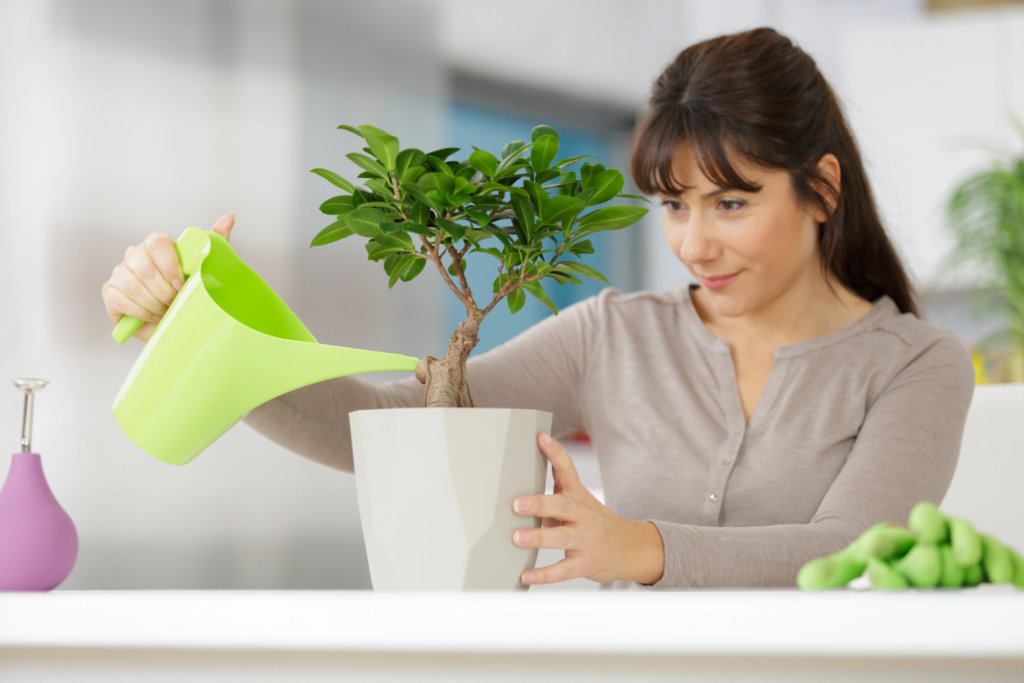
You must adjust your watering habits based on where the tree grows, the local climate, and the species you own. Pot size, soil mix, and growth stage also shape how often and how deeply you water bonsai trees.
Adapting Watering for Indoor Bonsai
Indoor bonsai watering requires close attention to light, heat, and air flow. Most indoor bonsai sit in stable room temperatures, but dry indoor air can cause soil to dry faster than you expect.
Check the top inch of soil with your finger each day. If it feels dry, water until liquid drains from the holes at the bottom of the pot. Do not add small amounts of water. You want to soak the entire root ball.
Place a humidity tray with water and gravel under the pot to raise moisture in the air. This helps tropical species like ficus and Chinese elm.
Avoid fixed schedules. Instead, watch the soil and the leaves. Yellowing, soft leaves may signal overwatering, while dry, brittle leaves often point to underwatering.
Adjusting for Outdoor and Climate Variations
Outdoor bonsai face wind, sun, and rain. These factors change how often you need to water bonsai trees.
In hot summer weather, you may need to water once or even twice a day. Small pots dry out fast, especially in full sun. In cool or rainy seasons, water less often and always check the soil first.
Wind dries soil quickly. Place trees in a sheltered spot if strong wind persists. During heavy rain, ensure the pot drains well so roots do not sit in water.
In winter, many outdoor bonsai enter dormancy. They use less water, but the soil should not dry out fully. Water lightly when the soil becomes slightly dry, and avoid watering when the soil is frozen.
Species-Specific Watering Considerations
Different species have different water needs. You must learn the habits of your specific tree.
Conifers like juniper and pine prefer slightly drier soil between waterings. Let the top layer dry a bit before you water again. Deciduous trees such as maple often need more frequent watering during active growth.
Tropical species usually require consistent moisture. Do not let their soil dry out completely.
Use this quick guide:
| Type | Soil Preference | Key Tip |
|---|---|---|
| Conifer | Slightly dry between waterings | Avoid constant wet soil |
| Deciduous | Even moisture in growing season | Increase water in summer |
| Tropical | Consistently moist | Monitor indoor humidity |
Always adjust based on pot size, soil type, and tree health. Watch for leaf changes and slow growth, and refine your watering as needed.