
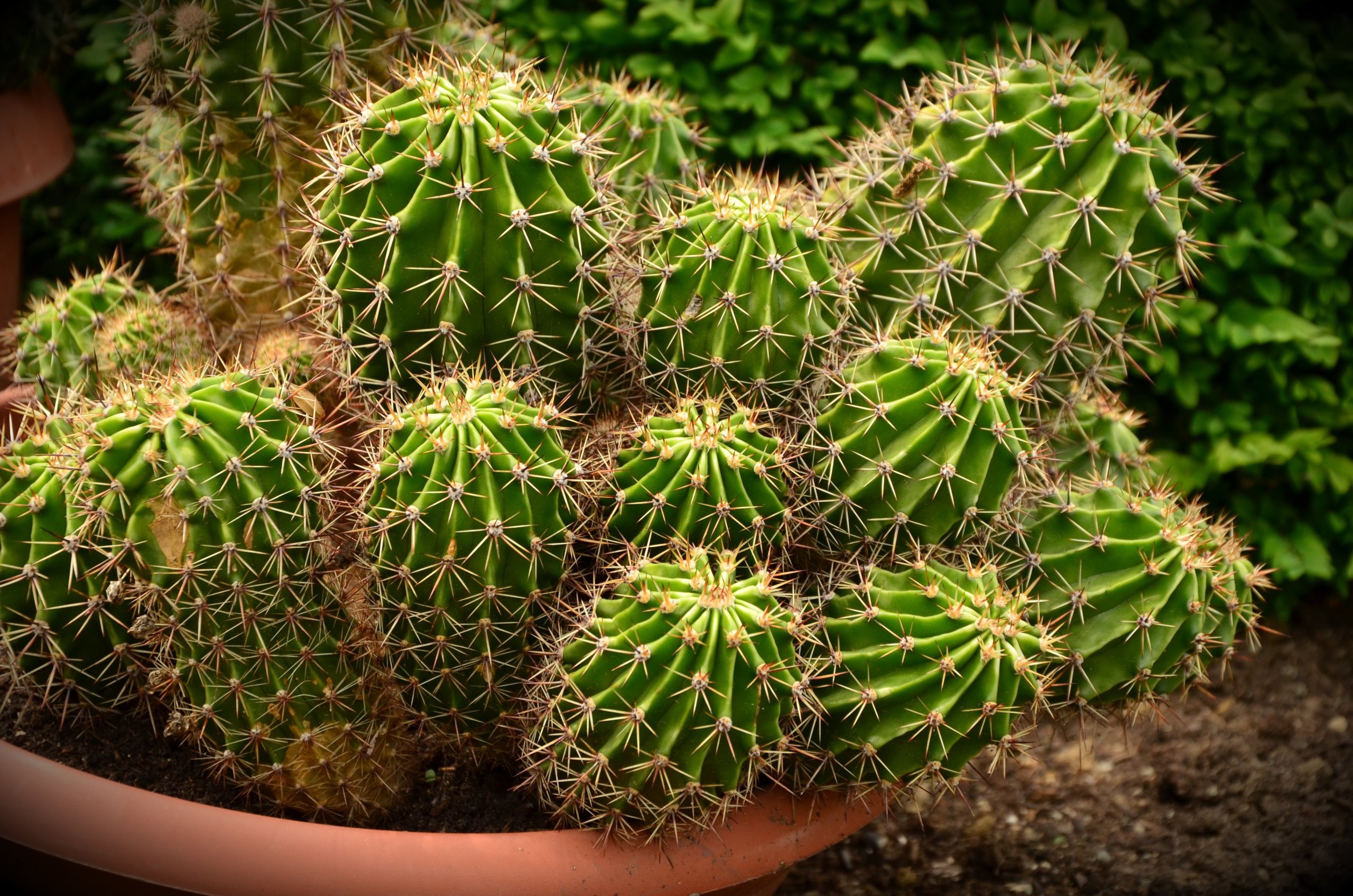
Cactus Dormancy Explained
Your cactus slows down for a reason, and it is not a problem to fix. Cactus dormancy is a natural rest period when growth slows to save energy during colder, darker months. This pause helps your plant stay healthy and ready for new growth later.
Shorter days, cooler air, and dry soil signal your cactus to rest. Water needs drop, growth pauses, and the plant focuses on survival instead of size. When you understand this cycle, you avoid common mistakes like overwatering or forcing growth.
You can support dormancy with small care changes and know when it ends. With the right approach, your cactus wakes up strong, stable, and ready to grow again.
What Is Cactus Dormancy?
Cactus dormancy is a normal phase when growth slows or stops. Your cactus shifts how it uses water and energy to match changes in light, temperature, and moisture. This rest period helps it survive harsh seasons and stay healthy long term.
Dormancy in Cacti: Definition and Function
Dormancy in cacti means your plant enters a rest state. During this time, cell growth slows, and the cactus uses less water and energy. It does not mean the plant is dying or unhealthy.
This phase helps the cactus conserve stored nutrients. It also protects the plant from damage during cold or dry periods. Many species need this break to support future growth and flowering.
Key functions of cactus dormancy include:
- Energy conservation during low light or cool weather
- Growth control to keep the plant compact
- Protection against tissue damage from freezing temperatures.
- Facilitation of the hormonal shifts necessary for blooming.
Seasonal vs. Stress-Induced Dormancy
Seasonal dormancy follows natural cycles. Shorter days and cooler temperatures signal your cactus to rest. This type of dormancy is healthy and expected, especially in summer-growing species during the winter months.
Stress-induced dormancy happens for different reasons. Poor light, extreme heat, lack of water, or root damage can force your cactus to shut down. In this case, dormancy acts as a survival response, not a planned rest.
You can tell the difference by looking at conditions. If care stays consistent and seasons change, dormancy is likely natural. If problems appear after sudden care issues, stress may be the cause.
Why Do Cacti Go Dormant?
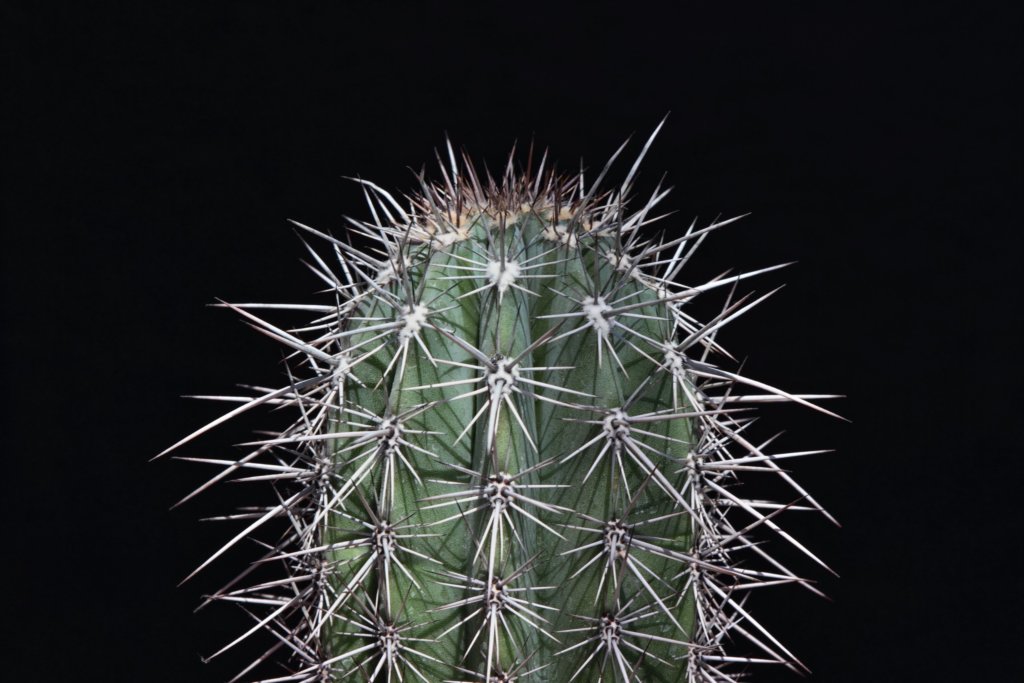
You may wonder why do cacti go dormant at all. In nature, dormancy helps them survive deserts with cold nights or long dry seasons. Your indoor cactus still follows these instincts.
Main triggers include:
- Reduced daylight hours
- Cooler temperatures
- Lower soil moisture
Hormone levels shift inside the plant. Metabolism slows, and water use drops. This change prevents rot and energy loss when growth would fail.
Common Signs of Dormant Cacti
Dormant cacti show clear but subtle signs. Growth slows or stops, and new spines may not form. While the plant’s overall size and structure remain largely unchanged, it may undergo minor shifts in texture and color.
Other common signs include:
- Slightly softer, more flexible tissue
- Duller skin color without shriveling
- Soil remains damp longer due to reduced water uptake
These signs differ from disease. A dormant cactus stays structurally stable. Soft spots, dark patches, or foul smells point to care problems, not dormancy.
Understanding Winter Dormancy in Cacti
Winter dormancy affects how your cactus grows, drinks water, and handles cold. You support healthy dormant cacti by matching light, water, and temperature to the season and to the cactus type.
Environmental Triggers for Dormancy
Shorter days start winter dormancy. As daylight drops, your cactus slows growth and uses less energy.
Cool temperatures also matter. Many cacti respond when nights fall near 50–60°F (10–15°C). If daytime temperatures remain high, the cactus may fail to enter full dormancy.
Water plays a role. Dry soil tells your cactus to rest. Too much water during winter raises rot risk because dormant cacti drink very little.
Key triggers you control during cactus winter care:
- Light: Bright light, fewer hours
- Temperature: Cool, stable conditions
- Water: Infrequent, light watering or none
Humidity can interfere. High winter humidity increases disease risk, especially in cool rooms. Good airflow helps.
How Winter Dormancy Differs by Cactus Type
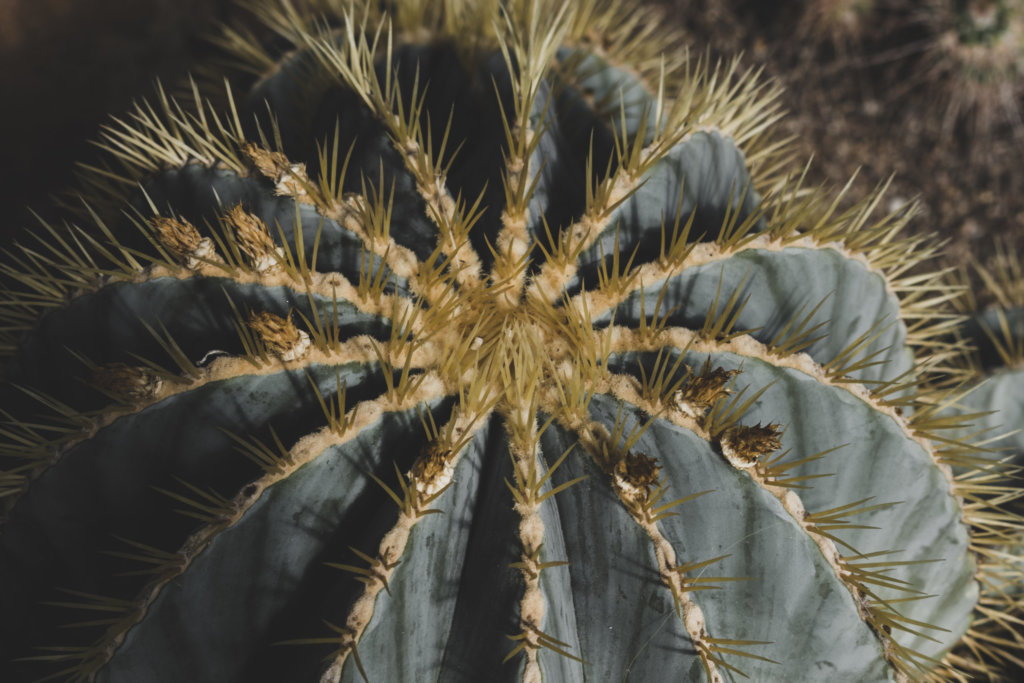
Not all cacti rest the same way. Desert cacti usually need a clear dormancy to stay healthy.
Examples include barrel cacti and many columnar types. These prefer cool, dry winters and almost no water.
Forest cacti differ. Holiday cacti come from humid forests and may keep light growth. You still reduce water, but not as much.
Hardy outdoor cacti handle cold better. Some tolerate frost if the soil stays dry.
Use this quick guide:
| Cactus Type | Winter Water | Temperature |
|---|---|---|
| Desert cacti | Very low | Cool |
| Forest cacti | Low | Mild |
| Hardy cacti | Minimal | Cold-tolerant |
Matching care to type prevents stress during cactus dormancy.
Benefits of Winter Dormancy
Dormancy protects your cactus. It saves energy when light and warmth drop.
This rest period supports stronger growth later. In spring, dormant cacti often grow faster and form better spines.
Dormancy also improves flowering. Many species need cool, dry winters to set buds.
You reduce problems by respecting this cycle. Less water lowers rot risk. Stable temperatures limit pest activity.
Winter dormancy acts as a natural reset. When you support it, your cactus stays healthy year after year.
Caring for Cacti During Dormancy
Dormant cacti need less water, stable light, cooler temperatures, and minimal interference. Care during this period focuses on preventing rot, avoiding forced growth, and keeping roots dry and healthy.
Reduce Watering Practices
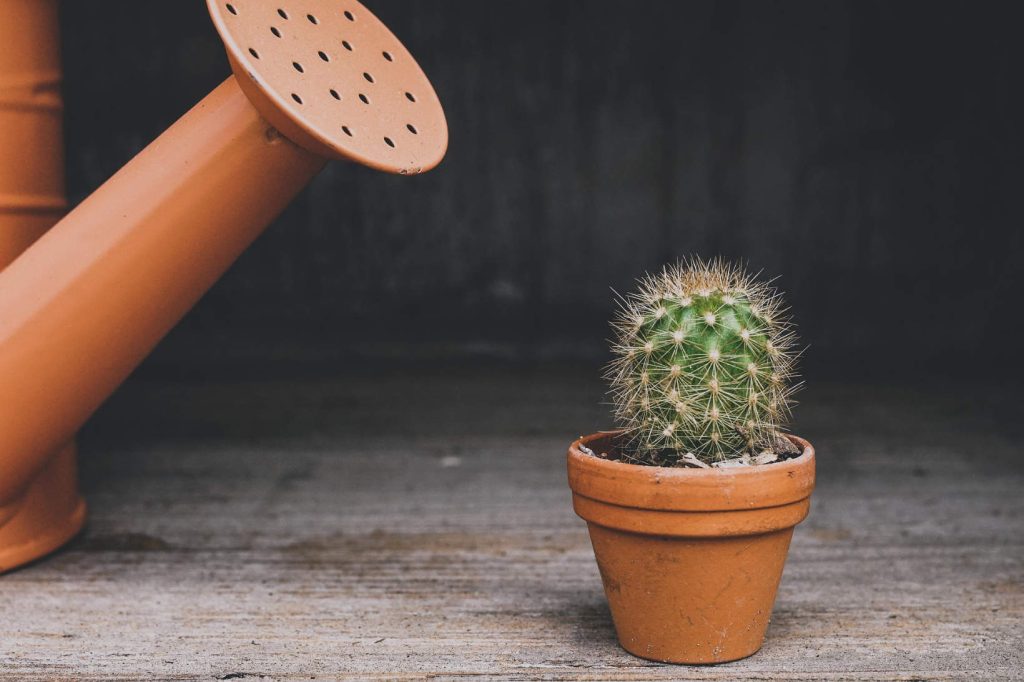
Reduce watering as soon as growth slows. Most cacti need water only every 3 to 6 weeks during dormancy, and some desert types need none at all.
Let the soil dry out completely between waterings. Cold, damp soil raises the risk of root damage. When you water, drench the soil thoroughly until it drains, but never let the pot sit in standing water.
A moisture meter helps confirm that soil is fully dry at the root level. Do not rely on surface dryness alone. Indoor cactus care often fails in winter due to hidden moisture buildup.
Managing Light and Temperature
Give your desert cactus bright, direct light. Short winter days reduce natural light, so place plants near a south- or west-facing window if possible. Tropical varieties prefer bright, filtered light.
Lower temperatures support dormancy. Many desert cacti prefer 41–50°F (5–10°C) at night, while tropical types tolerate slightly warmer conditions.
Keep cacti away from heat vents and cold drafts. Sudden temperature swings stress plants and interrupt dormancy. Stable conditions matter more than warmth during cactus winter care.
Avoiding Fertilization
Stop fertilizing during dormancy. Cacti do not absorb nutrients when growth pauses, and unused fertilizer salts build up in the soil.
Fertilizing during this period can trigger weak, stretched growth. That growth drains stored energy and leaves the plant more vulnerable to disease.
Resume feeding only when you see new growth in spring. Use a diluted cactus fertilizer and return to a normal schedule gradually. Proper timing supports long-term cactus care.
Preventing Root Rot and Monitoring Health
Proper drainage is the best defense against rot. Use pots with drainage holes and a gritty cactus mix that sheds water fast.
Check plants every few weeks for early warning signs. Watch for:
- Soft or mushy stems
- Dark spots near the base
- Shriveling with wet soil
A moisture meter helps you confirm safe conditions below the surface. If rot is detected, you must cut away the affected tissue and repot the plant in fresh, sterile soil to save it.
Resuming Active Growth After Dormancy
Dormant cacti restart growth when light, temperature, and water shift in a steady way. You guide this change by spotting early growth signs, easing into warmer conditions, and updating cactus care without rushing.
Recognizing the End of Dormancy
You can spot the end of dormancy by watching the plant, not the calendar. Look for new spines, fresh color, or swelling at the crown. Some cacti show tiny buds or new pads first.
Check firmness. A cactus that feels slightly fuller often signals active growth. Soft tissue still points to rest or stress.
Use this quick check:
| Sign | What It Means |
|---|---|
| New spines or hairs | Growth has started |
| Brighter green skin | Rehydration and pigment shift |
| Buds or offsets | Energy use resumed |
Avoid forcing growth. If nights stay cold or light stays weak, dormant cacti may pause again.
Gradual Transition to Spring Conditions
You should change conditions in steps. Sudden warmth or full sun can shock a resting plant.
Start by raising temperatures by 5–10°F over one to two weeks. Keep nights cooler than days. This pattern matches natural spring shifts.
Move plants closer to brighter light, but avoid direct sun at first. Use morning sun or filtered light.
Helpful steps:
- Open blinds earlier each day.
- Increase airflow to prevent moisture buildup.
- Maintain or slightly increase humidity to support new growth.
This slow shift protects roots and skin. It also supports steady hormone changes tied to growth.
Adjusting Water and Light for Growth
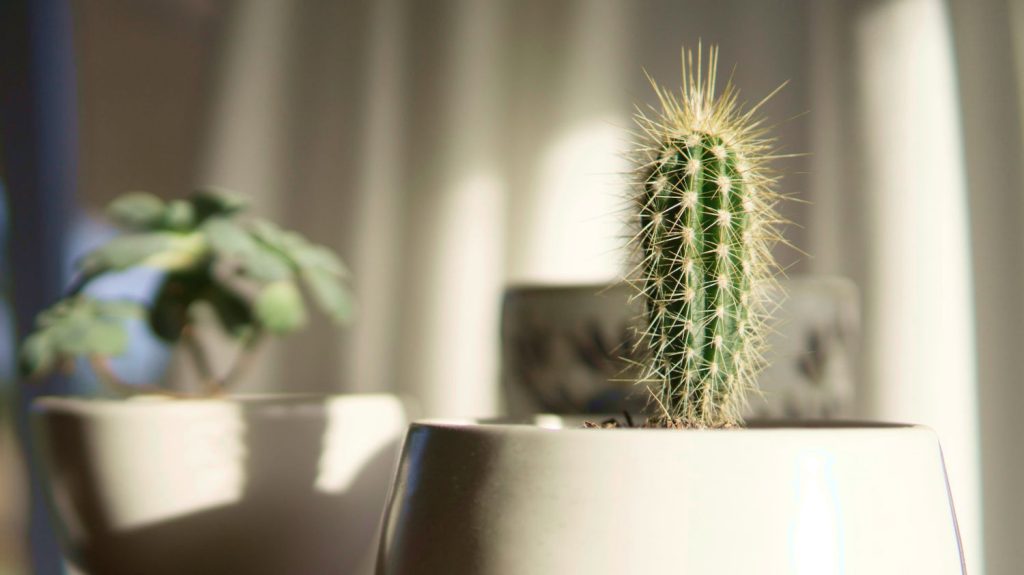
Water marks the biggest change in cactus care after dormancy. Start with small amounts, then increase only after the soil dries fully.
Follow this approach:
- First watering: light soak, then drain.
- Wait 10–14 days.
- Increase volume as growth continues.
Do not fertilize until you see clear growth. When you do, use a dilute, low-nitrogen feed once a month.
Always balance light and water: High water with low light causes rot, while high light with low water can lead to sunburn or dormancy rather than growth.
Frequently Asked Questions
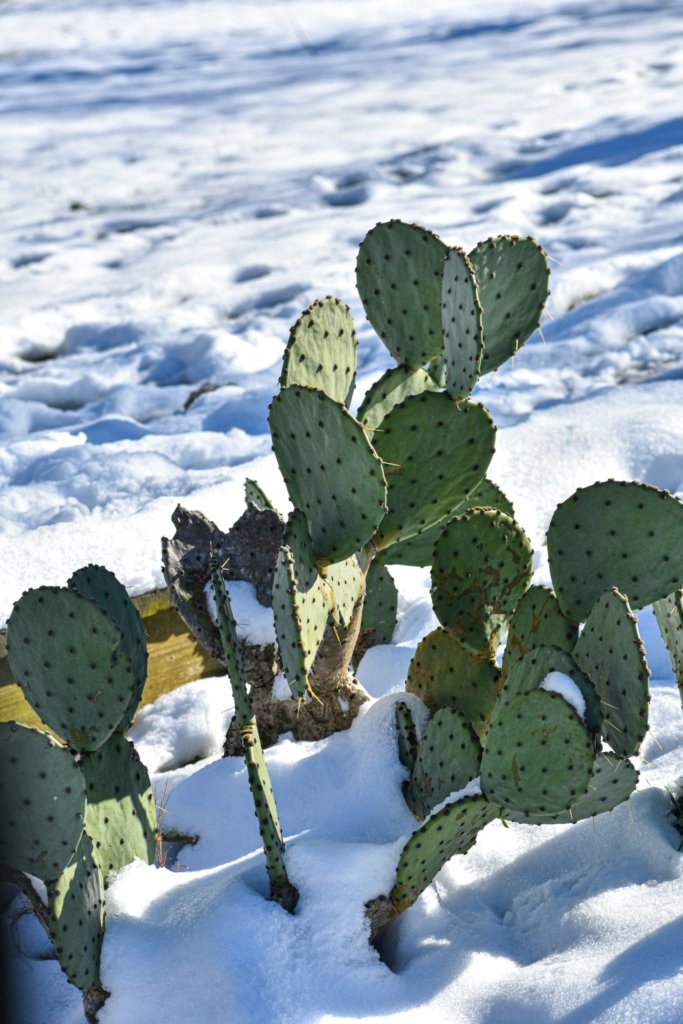
Cactus dormancy affects growth, water needs, and care timing. You can spot dormancy by changes in growth and adjust light, water, and temperature to keep your plant healthy.
How can I tell if my cactus is in a dormant state?
You will notice little to no new growth for several weeks or months. While many cacti remain firm, some may slightly shrivel or change color; this is a natural protective state, not a sign of poor health. If the soil stays dry longer than usual and no new spines appear, your plant is likely dormant.
What triggers dormancy in cacti species?
Shorter daylight hours trigger dormancy in most cacti. Cooler temperatures also play a strong role.
These signals tell the plant to slow its internal processes. The cactus shifts energy use to survival instead of growth.
During what seasons do cacti typically enter dormancy?
Most desert cacti enter dormancy in late fall and winter. This timing matches cooler, drier conditions in their native habitats.
Some species rest in summer instead, especially those from very hot regions. Always check the species you grow.
Are there specific care guidelines for cacti during their dormancy period?
You should reduce watering and avoid feeding. Fertilizer can stress a resting plant.
Keep the cactus in bright light but away from cold drafts or frost unless the species tolerates it. Stable conditions support healthy dormancy.
Can interrupting a cactus’s dormancy affect its health and growth?
Yes, forcing growth can weaken the plant. Extra water, heat, or fertilizer can cause rot or thin growth.
A cactus needs its rest cycle to store energy. Skipping dormancy often leads to long-term problems.
Is water necessary for cacti during dormancy, and if so, how much?
Cacti need very little water during dormancy. In many indoor settings, you may not need to water at all for weeks.
If the plant starts to shrivel, give a small amount of water. Let the soil dry fully before adding more.