
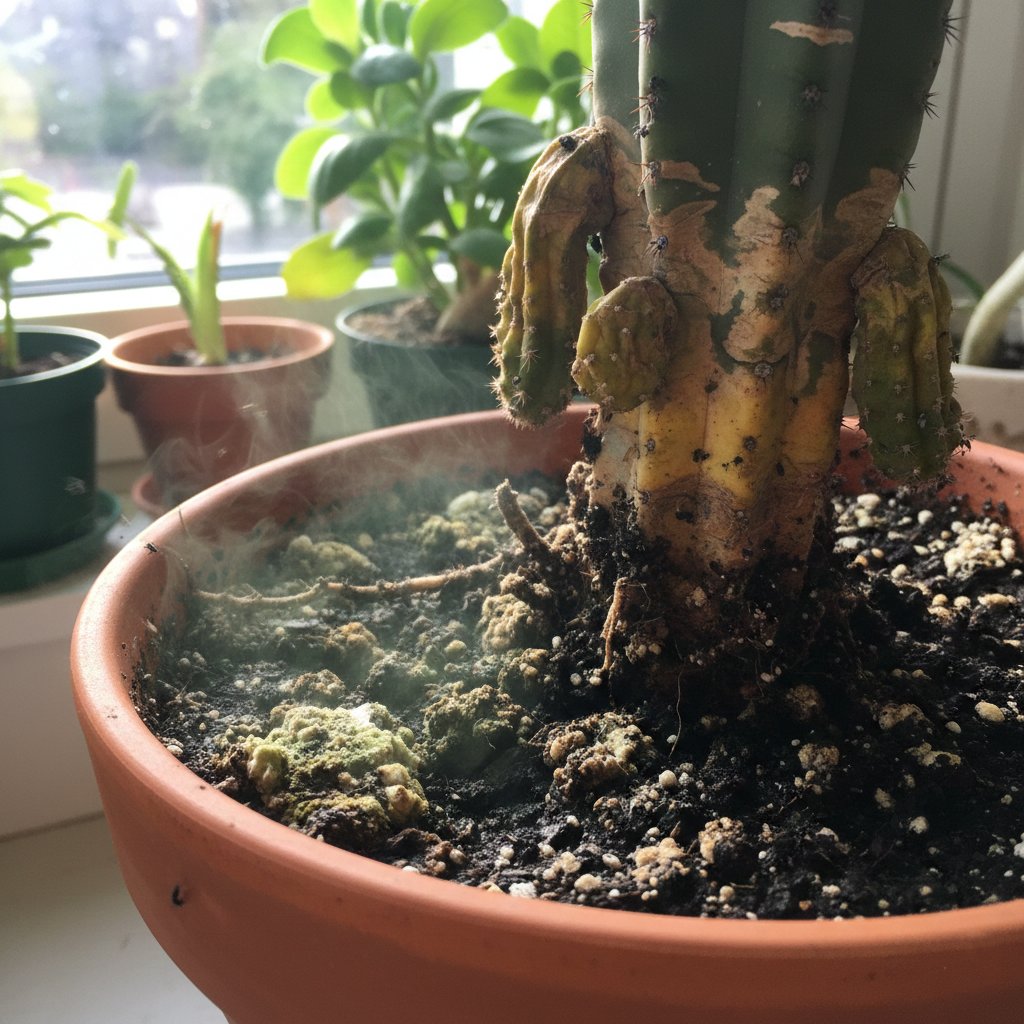
Cactus Soil Smells Bad: Causes And Fixes
When the soil around your cactus gives off a sour or rotten smell, it’s a clear sign that something in your pot isn’t right. Healthy cactus soil should smell earthy and clean, not like decay. A bad smell usually means the soil is waterlogged, poorly drained, or that root rot has already started.
You can often fix the issue by improving drainage, adjusting your watering schedule, or replacing the soil. Understanding what causes these odors helps you prevent further damage and keep your cactus thriving.
In this guide, you’ll learn what leads to smelly soil, how to identify early warning signs, and which simple fixes restore fresh, healthy conditions.
Main Causes Of Bad Smells In Cactus Soil
Bad smells from cactus soil often point to problems with water, air circulation, or breakdown of organic materials. You can trace most odors to extra moisture, poor drainage, or microbial growth that leads to decay. Addressing these factors early helps prevent root damage and keeps your cactus healthy.
Root Rot Due To Overwatering
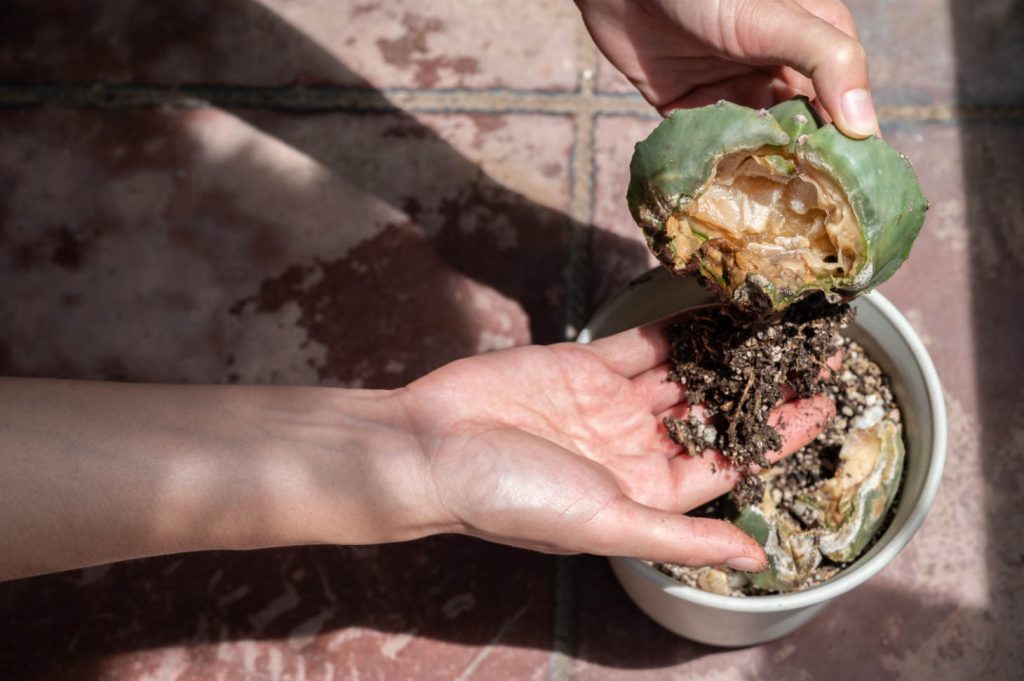
Overwatering is one of the most common reasons cactus soil starts to smell unpleasant. When the roots stay too wet for too long, they lose access to oxygen. This stress causes the tissues to die and rot, releasing a sour or musty odor.
You can often notice root rot through a soft stem base, blackened roots, or soggy soil that never seems to dry. The smell may become stronger as bacteria and fungi break down the dead plant material.
To fix root rot, remove the plant from the pot and trim off any soft or dark roots. Repot it in fresh, dry cactus soil designed for good airflow. Water only after the soil has completely dried out.
Poor Drainage Problems
Cactus roots need air pockets in the soil to stay healthy. Soil that holds too much water, or pots without sufficient drainage holes, can create a waterlogged environment. This lack of oxygen leads to anaerobic activity, which produces a foul or earthy smell similar to rotting organic matter.
Symptoms of poor drainage include compacted soil, standing water in the pot, or a damp smell that lingers even when you water less. The longer this continues, the more likely you’ll see root decay and pest activity.
Choose soil with gritty ingredients, such as pumice, perlite, or coarse sand, to improve drainage. You can also mix in small pieces of bark or gravel. Make sure your pot has open drainage holes.
Fungal Infection And Moldy Soil
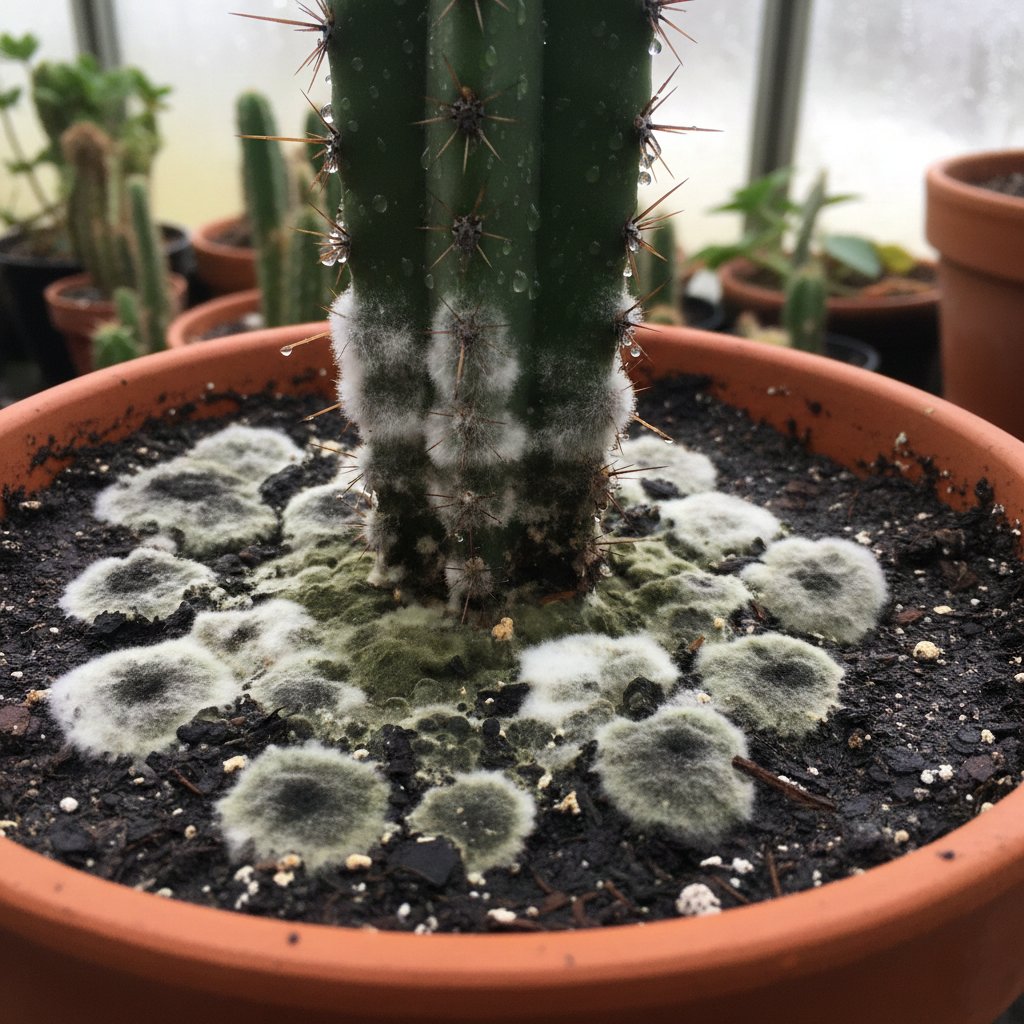
Fungal growth often develops when cactus soil remains damp for long periods. Mold and mildew spread quickly in warm, humid spaces, creating a musty or sour odor. You might also see white fuzz or dark spots on the soil surface.
Pathogenic fungi can severely harm the cactus by infecting and destroying the roots (root rot). This destruction prevents the plant from absorbing water and nutrients, which causes the plant’s body to soften or become discolored.
To correct moldy soil, scrape off the top layer and let the pot dry in a well-ventilated spot. Lightly dust the surface with cinnamon powder or a safe fungicide to reduce fungal spores. Always allow the soil to dry out between waterings to discourage future growth.
Excess Fertilizer Or Compost
Too much fertilizer or decomposing compost can also cause bad smells in cactus soil. Excess organic materials, especially when overwatered, break down anaerobically (without oxygen) and can release foul, sour, or ammonia-like smells. This decomposition encourages harmful anaerobic bacteria, and high salt or nutrient buildup from fertilizers can exacerbate the issue.
If you notice this issue, stop fertilizing and flush the soil with clean water to remove excess salts. Avoid compost mixes meant for typical houseplants, as they tend to hold more moisture than cactus soil requires.
Use fertilizers sparingly, only during the cactus’s active growing season and in diluted form. Choosing a balanced product made for cacti prevents nutrient overload and keeps the soil clean-smelling and stable.
Identifying Signs Of Smelly Cactus Soil
Bad smells from cactus soil often point to rot, poor drainage, or fungal activity. The odor usually comes from decomposing roots or mold in damp soil. Paying attention to the smell, how the cactus looks, and changes in soil texture helps you act before lasting damage occurs.
Recognizing Foul Odors
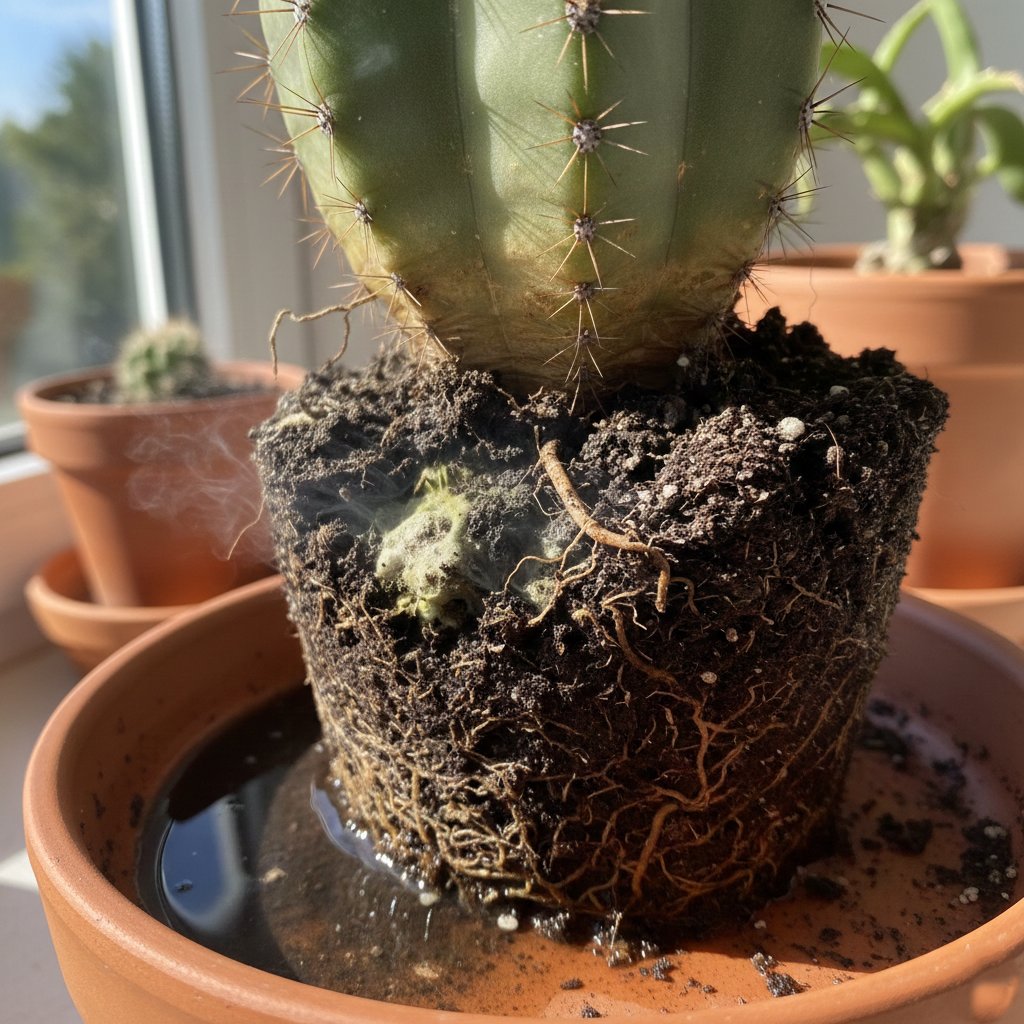
A healthy cactus soil mix should smell fresh or earthy. When the soil gives off a musty, sour, or rotten scent, something is wrong. These odors often indicate root rot, caused by soggy conditions or decaying organic matter. You might notice the smell getting stronger after watering or when disturbing the soil surface.
If the scent reminds you of rotten eggs or standing water, bacteria and fungi may be breaking down wet roots. This process creates gases like sulfur compounds that produce foul odors. Over time, the smell can spread beyond the pot.
To confirm the source, remove the cactus and inspect the roots. Healthy roots are firm and light-colored (white or tan/light beige) and are nearly odorless. Dark, soft, or slimy roots with an unpleasant smell confirm decay.
| Type of Odor | Likely Cause | Action Needed |
|---|---|---|
| Earthy or neutral | Healthy soil | Maintain care routine |
| Sour or musty | Fungal growth | Improve aeration |
| Rotting or sulfur-like | Root rot | Repot in dry, fresh mix |
Visual Symptoms Of Root And Soil Issues
Your cactus may show visual clues before or along with bad smells. Yellowing at the base, soft spots, and wilting pads suggest that the roots can’t take up water correctly. A soggy cactus base or dark discoloration often means excess moisture has caused partial rot.
Check the soil surface. If it stays wet for many days after watering, drainage might be poor. Compact or clumped soil holds water too long, leading to oxygen loss around the roots. You might also see white mineral crusts or dark wet patches, both signs of imbalance.
When repotting, pay attention to root color and texture. Healthy roots appear firm. Once they start turning black or brown and feel mushy, removing the damaged parts and changing the soil mix becomes essential.
Indicators Of Fungal Growth
Fungal growths thrive in damp, poorly ventilated soil. In smelly cactus soil, fungi are likely contributing to the odor. Common indicators of fungal growth include a white/gray coating, fuzzy molds, or dark patches on the soil line. These growths are typically present when humidity is high and airflow is low.
You might also notice fuzzy molds or dark patches at the soil line. These fungi break down organic matter and roots, creating a musty or stale smell. If untreated, the infection spreads deeper into the pot.
To manage fungi, reduce moisture levels and increase air movement around your cactus. Use a clean, well-draining cactus soil mix and sterilize pots before reuse. In severe cases, a diluted fungicide or cinnamon powder on the affected area can help limit further growth.
Best Solutions And Prevention Methods
Healthy cactus soil should stay dry between waterings and smell earthy, not foul. You can stop unpleasant odors and prevent plant damage by improving drainage, watering correctly, and removing decaying roots or infected soil when needed.
Improving Drainage And Soil Choice
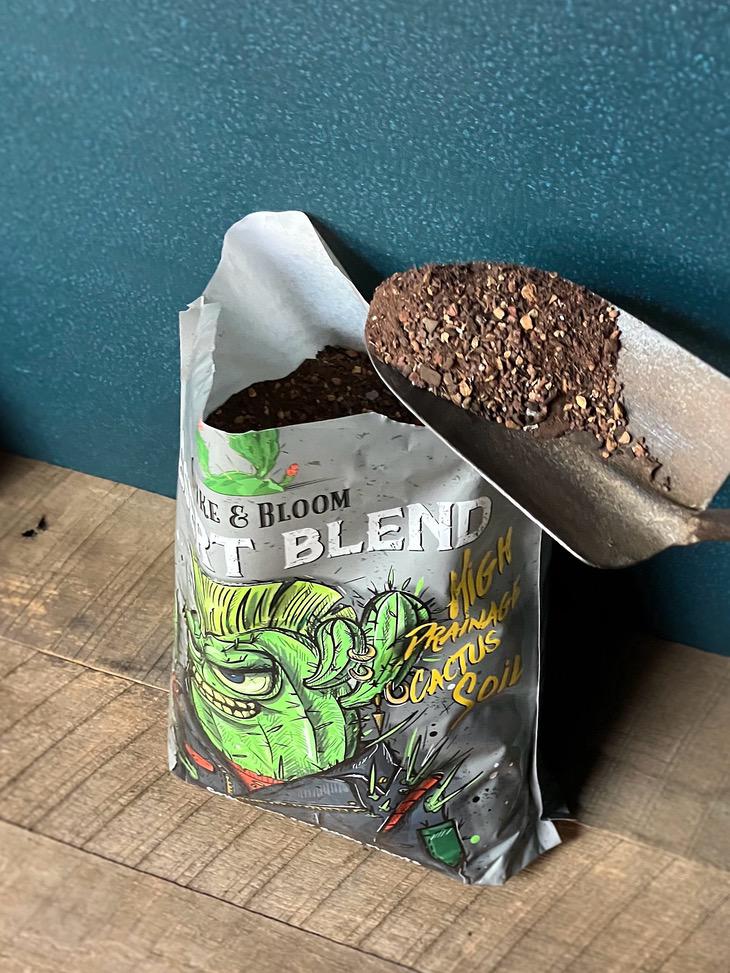
Poor drainage is the main cause of bad-smelling cactus soil. When soil stays wet for too long, it becomes waterlogged and low in oxygen, allowing bacteria and fungi to thrive. To fix this, use a well-draining soil mix formulated for cacti.
Combine ingredients such as coarse sand, perlite, pumice, and a small amount of potting soil. These materials help water flow through quickly and prevent pooling around the roots. If water collects at the pot’s base, check that the pot has proper drainage holes.
Avoid dense soils with high organic content because they hold too much moisture. Maintaining good airflow and light exposure around the plant helps soil dry evenly and discourages fungal growth.
Proper Watering Techniques
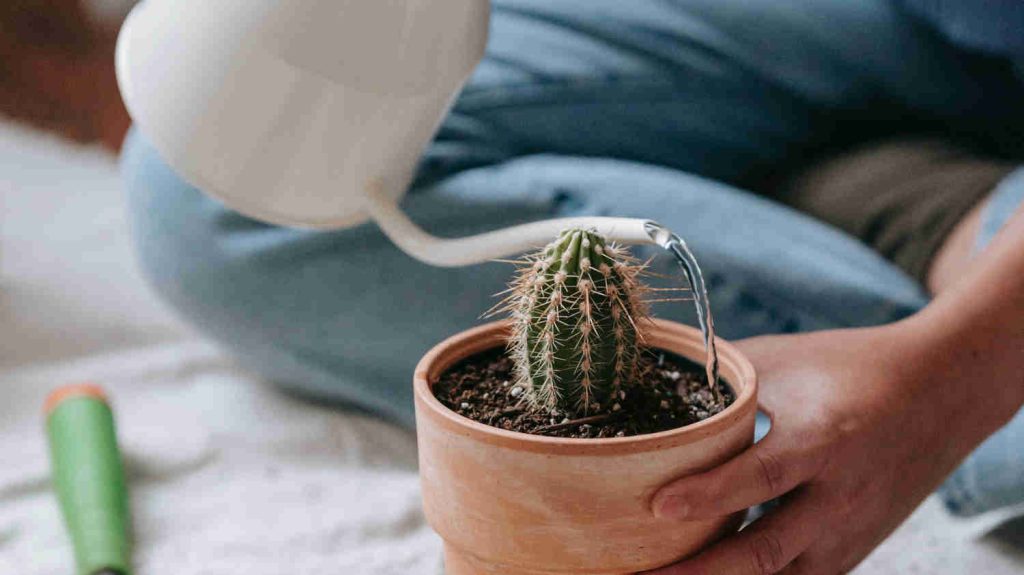
A sour or musty smell in cactus soil often signals root decay, which is primarily caused by overwatering. Cacti store moisture in their tissues and need far less water than most plants. Always water only when the top few inches of soil are completely dry.
Use the “soak and dry” method: water thoroughly until moisture drains from the bottom, then wait until the soil is fully dry before watering again. During the winter or in low-light areas, reduce both the amount and frequency of watering.
Consider using a moisture meter or simply check by touching the soil with your finger. Avoid letting the pot sit in water-filled trays since this traps moisture near the roots. Consistent, careful watering keeps soil fresh and prevents the sour or musty odor that signals decay.
Treating Root Rot And Fungal Infections
A foul smell often means root rot or a fungal infection is developing. These problems start when roots sit in stagnant water and begin to break down. To check, remove the cactus from its pot and inspect the roots.
Healthy roots are firm and pale. Rotted roots appear dark, mushy, and may have a slimy feel. Trim away the affected parts using sterile scissors or a knife. After trimming, let the plant rest in a dry, shaded spot for a day or two so the cuts can callus.
Dusting the roots with fungicide powder or natural alternatives like cinnamon can help prevent further infection. Replace the old soil with fresh, dry cactus soil mix that drains well. Removing the diseased material eliminates the smell source and stops the rot from spreading.
Repotting And Refreshing Old Soil
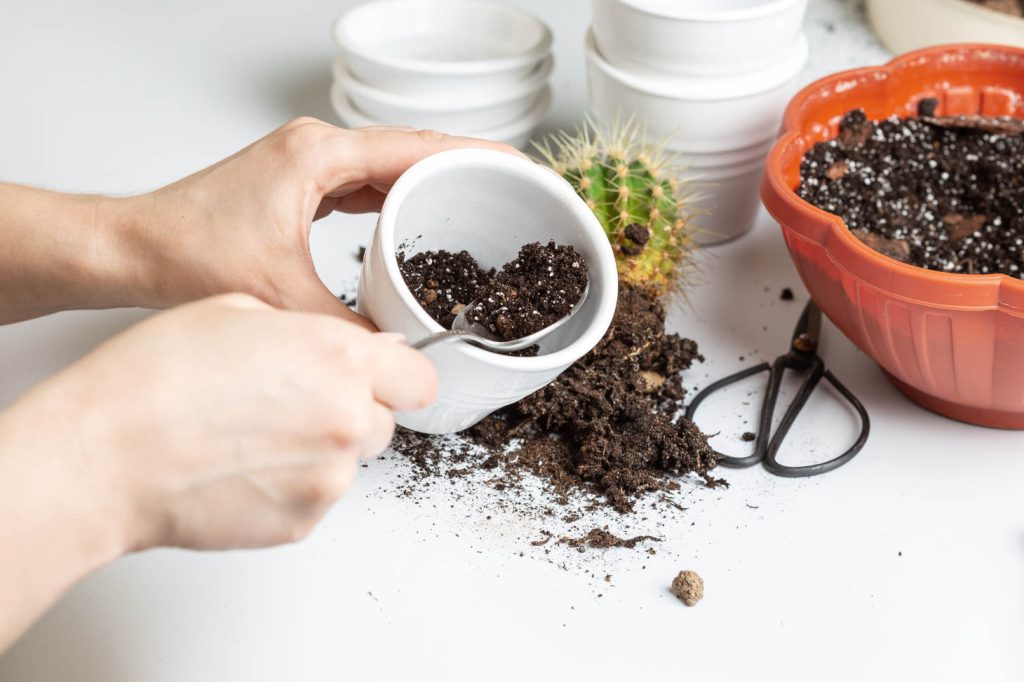
Cactus soil can break down over time, becoming compacted or sour. Repot your cactus every 2–3 years or sooner if the soil starts to smell bad or drains poorly. Always remove as much of the old soil as possible before replacing it.
Choose a clean pot with unclogged drainage holes and sterilize it with mild soap or diluted vinegar before reuse. Repot into fresh cactus soil or your own mix that includes perlite or pumice for aeration.
If your cactus has been in the same pot for several years, check the root system for crowding or hidden decay. Refreshing the soil renews nutrients, improves drainage, and removes trapped moisture that causes odor. Regular maintenance like this keeps the cactus healthy and the soil environment clean.
Additional Tips For Cactus Health
Keep your cactus clean, well-ventilated, and free from outside disturbances. Managing animals, airflow, and environmental conditions helps prevent foul odors, fungal issues, and stress that can lead to poor plant health.
Dealing With Pet Interference
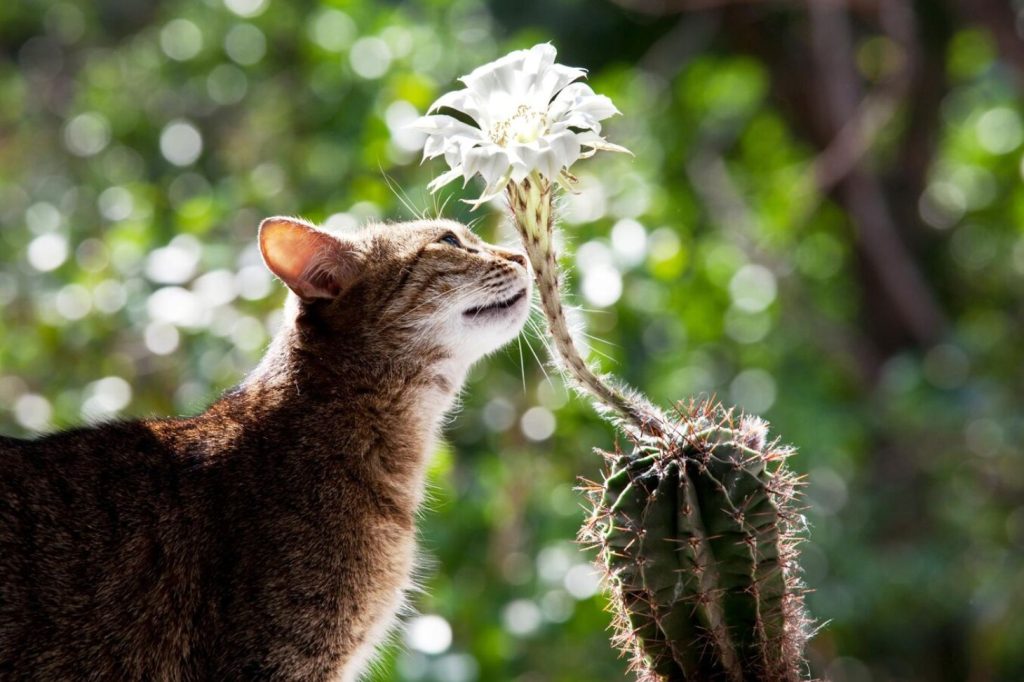
Pets can accidentally damage your cactus or contaminate its soil. Cats may use potted plants as litter boxes, while dogs or small animals might chew on the fleshy stem or pads. These actions introduce bacteria, excess moisture, and high ammonia from urine, which can cause odor, chemical burn, or root rot.
Place your plants on high shelves or behind barriers if pets roam indoors. You can also use non-toxic deterrents like citrus peels around the pot, as many pets dislike the scent. Choose heavier planters or add small stones on top of the soil to discourage digging behavior.
Inspect your plants regularly for any signs of chewing or contamination. If you notice an odor or discoloration, remove the top layer of soil, clean the pot, and replace it with fresh cactus soil. Preventing interference early avoids long-term damage and unpleasant smells.
Air Circulation And Environmental Factors
Good air circulation keeps your cactus healthy and reduces odor problems. Stagnant, humid air encourages fungal growth in the soil, which often leads to bad smells. Ensure that your plants live in a space with steady airflow and moderate humidity.
Avoid placing them in sealed corners or near damp windows. A small fan or open window can help dry excess moisture after watering. When growing indoors, use pots with drainage holes and a gritty, fast-draining soil mix to keep roots from staying wet too long.
Keep sunlight consistent but not harsh. Temperature extremes can cause plant stress, making the plants vulnerable to rot, which leads to odor. Maintaining balance in light, air, and temperature keeps your cacti fresh and healthy.
Frequently Asked Questions
Bad smells from cactus soil often come from excess moisture, poor air circulation, or decaying organic matter. Identifying the source and correcting it quickly helps protect your cactus from root rot and other moisture-related problems.
What could be causing a foul odor in my cactus potting mix?
A foul odor generally signals that the soil is waterlogged and has become anaerobic (lacks oxygen). Common causes include stagnant water, rotting roots, or fungal growth. If the smell is sour or musty, it often signals bacteria or mold active in oxygen-poor soil.
How can I determine if poor soil drainage is responsible for the unpleasant smell in my cactus soil?
Check how long the soil stays wet after watering. Well-draining cactus soil should dry within a few days. If it stays damp or feels heavy for a week or more, the drainage is likely poor. Slow-drying soil limits airflow, creating the anaerobic conditions that cause bad odors.
Are there specific types of organic matter in cactus soil that lead to bad smells?
Yes. Soil mixes that contain too much peat moss, compost, or wood-based material can trap water and break down over time. As these materials decompose, they release gases that smell unpleasant. Using coarse sand, perlite, or pumice instead helps reduce odor issues.
What are effective methods for eliminating bad odors from cactus soil without harming the plant?
Let the soil dry completely before watering again. You can also repot the cactus in fresh, well-draining soil after trimming away any rotted roots. Adding a layer of dry gravel on top can improve air exchange. Avoid using chemical deodorizers that might damage the plant.
How often should I change the soil of my cactus to prevent odor issues?
Replace the soil every 2–3 years or when you notice persistent smells, poor drainage, or compacted texture. Fresh soil restores airflow and nutrients while removing harmful buildup. Always use a container with drainage holes to maintain healthy conditions.
Can overwatering contribute to a cactus soil’s bad smell, and how can I correct this?
Yes, overwatering is a primary cause of smelly soil. When roots sit in waterlogged conditions, they start to decay and release foul odors. To fix this, water only when the soil is fully dry, ensure the pot drains freely, and use a gritty mix that allows excess moisture to escape.