
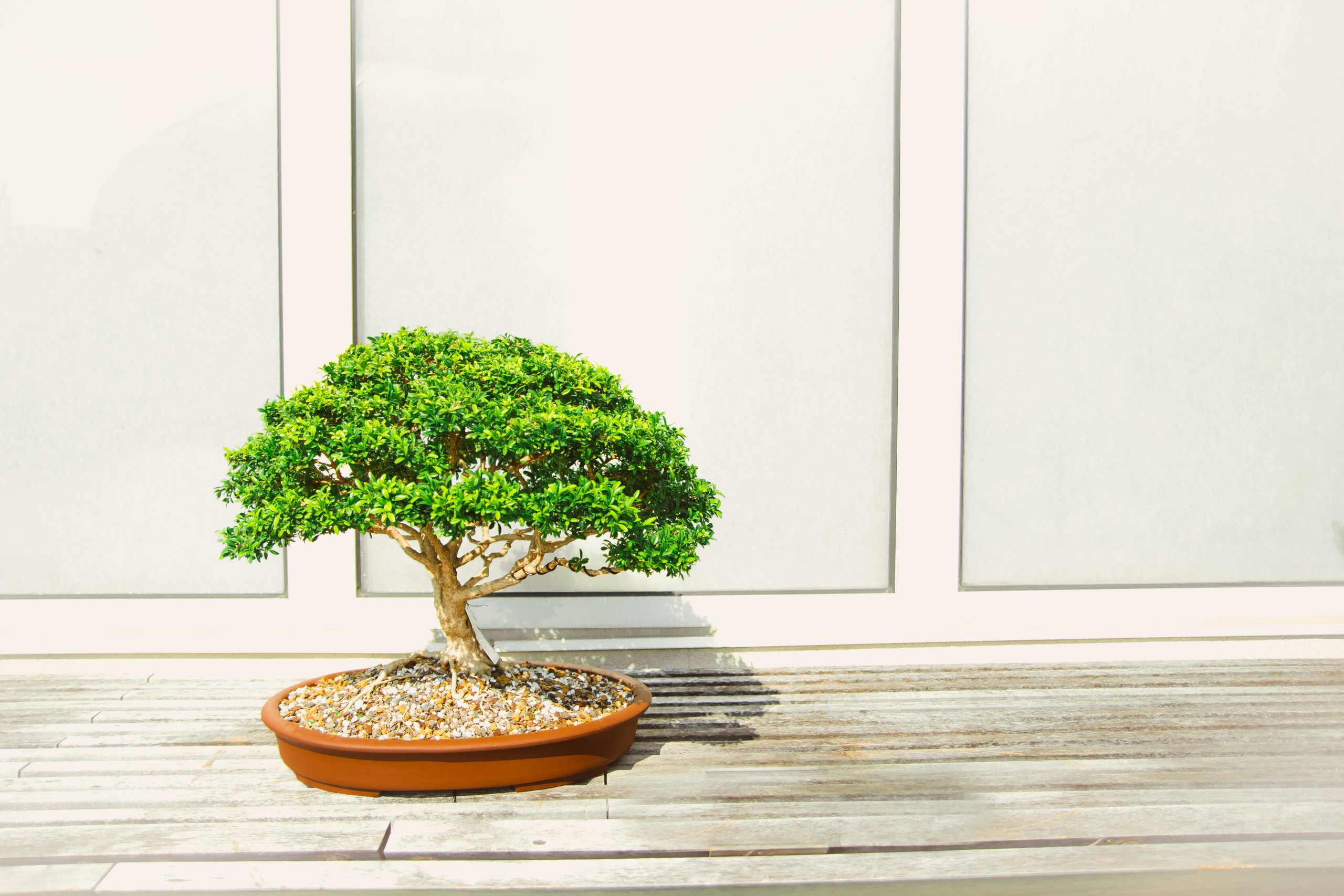
How Much Light Does a Bonsai Tree Need?
You cannot keep a bonsai healthy without the right light. Light drives growth, leaf color, and overall strength. If you give too little or too much, your tree will struggle.
Most bonsai trees need about 4 to 6 hours of direct sunlight each day, though the exact amount depends on the species and whether you grow it indoors or outdoors. Outdoor bonsai like juniper and pine often need full sun. Most indoor types thrive in bright, indirect light, with south-facing windows providing the ideal exposure, followed by east and west as excellent secondary options.
When you understand your tree’s light needs, you prevent weak growth, yellow leaves, and slow decline. You also learn when to move your bonsai, adjust window placement, or use a grow light. Small changes in light can make a clear difference in health and shape.
Key Takeaways
- Most bonsai need 4–6 hours of sunlight daily, based on species.
- Outdoor trees usually need full sun, while indoor types prefer bright, indirect light.
- Proper light prevents weak growth and keeps your bonsai healthy.
Understanding Light Requirements for Bonsai Trees
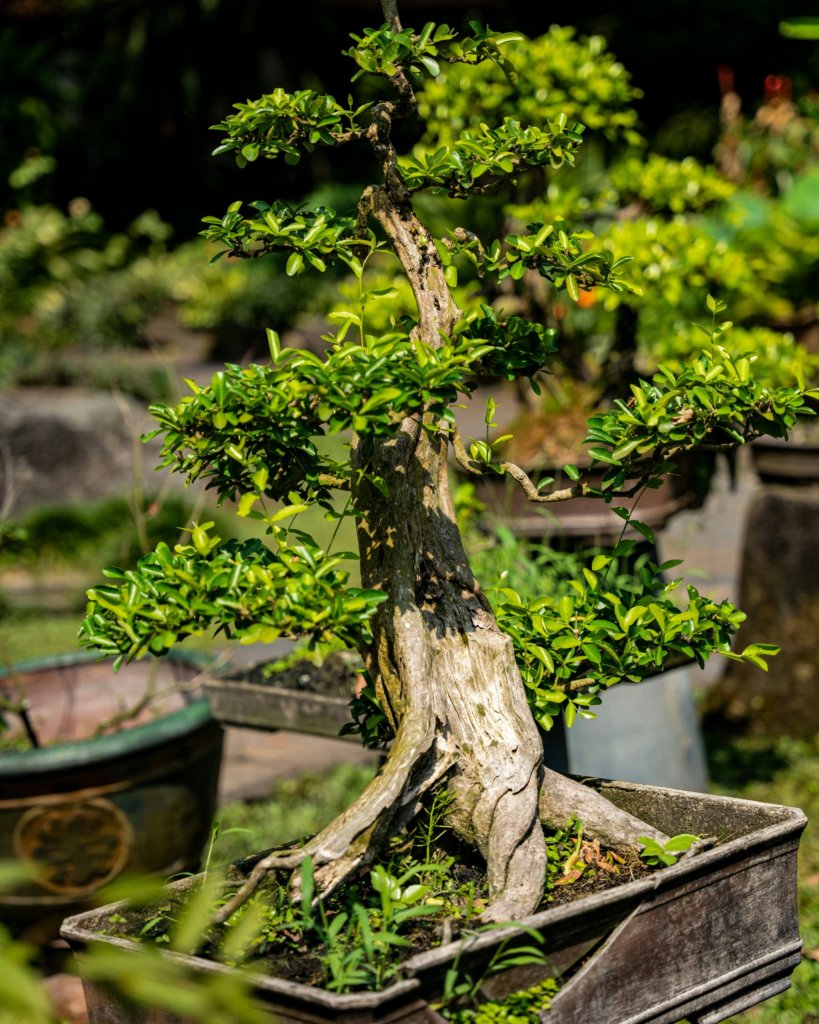
Light controls how your bonsai trees grow, form leaves, and stay healthy. When you understand the light requirements for bonsai, you can adjust placement, timing, and support to match each species.
The Role of Sunlight in Bonsai Health
Do bonsai trees need sun? In most cases, yes. Many outdoor species, such as Juniper and Pine, need full sun for several hours each day to stay compact and strong.
Most bonsai trees grow best with 4 to 6 hours of light per day. Morning sun works well because it is bright but less harsh than late afternoon heat.
Indoor bonsai, especially tropical types like Ficus, adapt better to filtered light. Place them near a south-, east-, or west-facing window for steady brightness. If natural light is weak, use full-spectrum LED grow lights to maintain stable conditions.
Each species has different light needs. You must match your tree’s natural habitat to its current setting to keep it healthy.
Photosynthesis and Energy Production
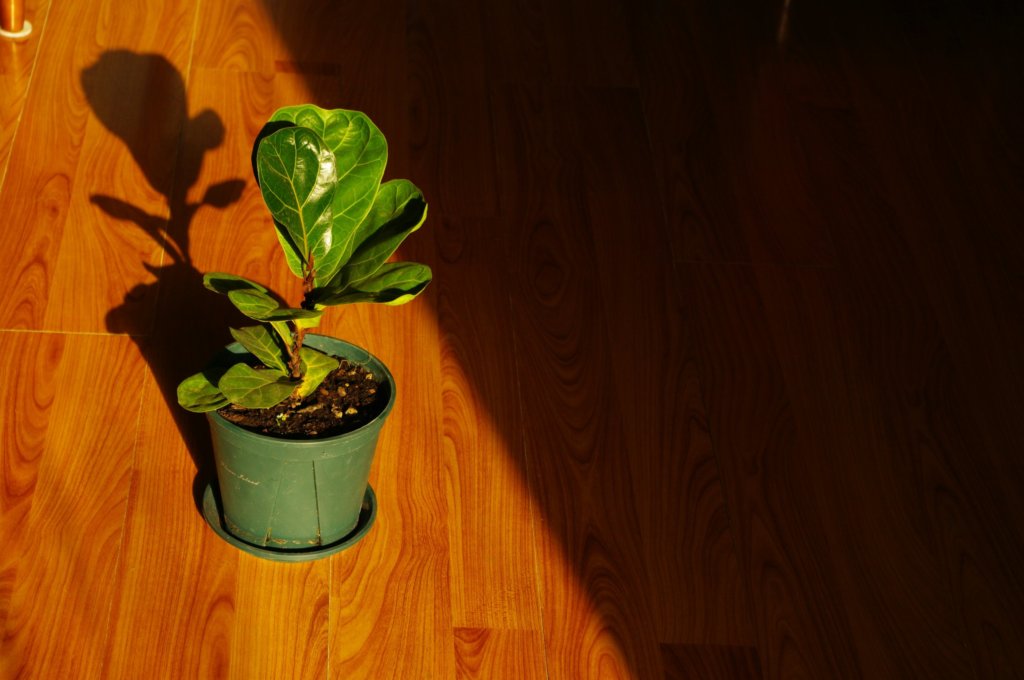
Light drives photosynthesis, the process by which your bonsai uses light energy to create chemical energy (sugars). Without enough light, your tree cannot produce the sugars it needs for growth.
When your bonsai receives steady light, it forms strong roots, small dense leaves, and firm branches. These traits matter because bonsai design depends on tight growth and short internodes. Strong light helps control leaf size and keeps the tree compact.
If you grow bonsai indoors, light intensity drops quickly just a few feet from a window. Even a bright room may not provide enough usable light. Grow lights placed 6–12 inches above the canopy can improve energy production.
Healthy light exposure supports:
- Steady leaf growth
- Balanced root development
- Strong branch structure
- Consistent bud formation
Without proper lighting, your tree loses strength over time.
Consequences of Inadequate or Excessive Light
Too little light causes clear problems. Your bonsai may develop pale leaves, long weak shoots, and wide gaps between leaves. Growth becomes thin and stretched as the tree searches for light.
You may also notice leaf drop, especially in indoor bonsai trees. Over time, weak growth reduces the tree’s ability to recover from pruning or wiring.
Too much light can also harm your tree. Intense midday sun may scorch leaves, especially on tropical species moved outdoors too quickly. Dry soil combined with strong sun can stress roots and cause browning at the leaf edges.
Watch for these warning signs:
- Yellow or pale leaves – either extreme (low light or sun bleach)
- Leggy, stretched growth – not enough direct light
- Burned leaf tips – too much direct sun
- Sudden leaf drop – rapid light change
You protect your bonsai by adjusting light slowly and monitoring its response. Proper balance keeps growth steady and controlled.
Bonsai Lighting Essentials
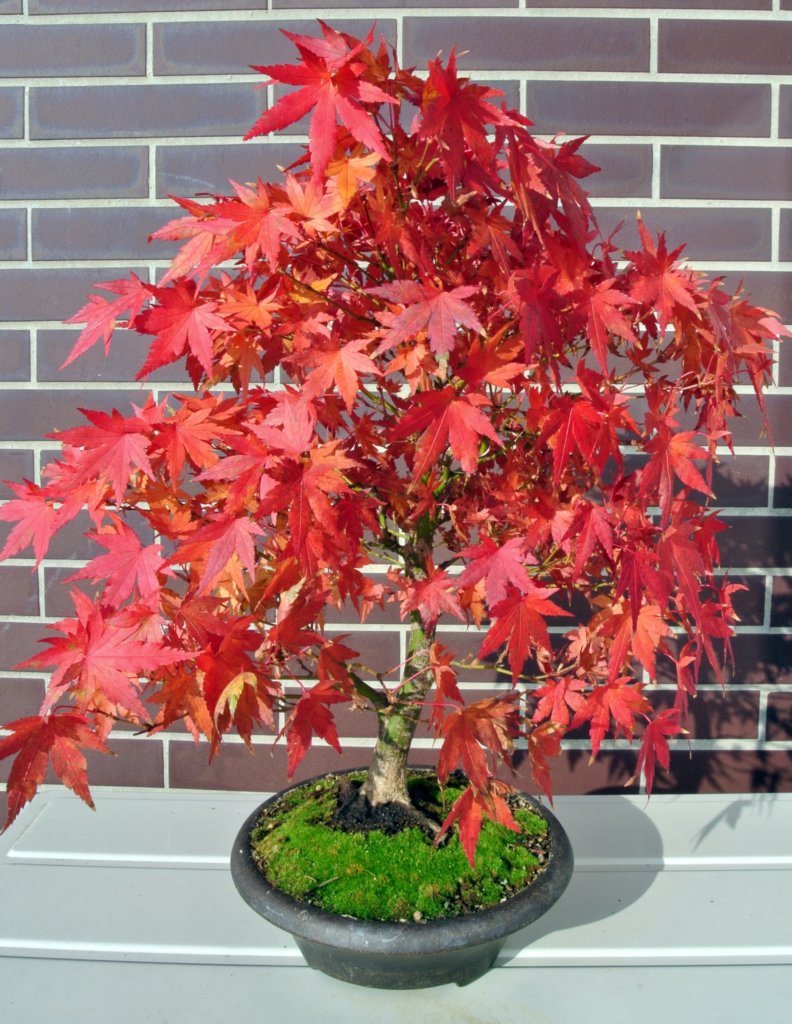
Most bonsai trees need several hours of direct sunlight each day, but the exact amount depends on the species. You must match the light to the type of tree, your climate, and the season to keep your bonsai healthy.
General Recommendations by Bonsai Type
Different bonsai trees have different light requirements. You should first know if your tree is an outdoor species or an indoor tropical species.
Outdoor bonsai, such as juniper, pine, and maple, usually need 4–6 hours of direct sunlight daily. Place them outside where they get morning or early afternoon sun. These trees grow best in full sun and fresh air.
Indoor bonsai, such as ficus or Chinese elm kept indoors, need bright, indirect light plus some direct sun. Aim for 4–6 hours of direct sunlight near a south-, east-, or west-facing window. If your home lacks natural light, use a full-spectrum grow light for 12-14 hours per day.
Flowering and fruiting bonsai often need more light than foliage-only trees. Without enough sun, they may produce fewer blooms or weak growth.
Factors Influencing Light Needs
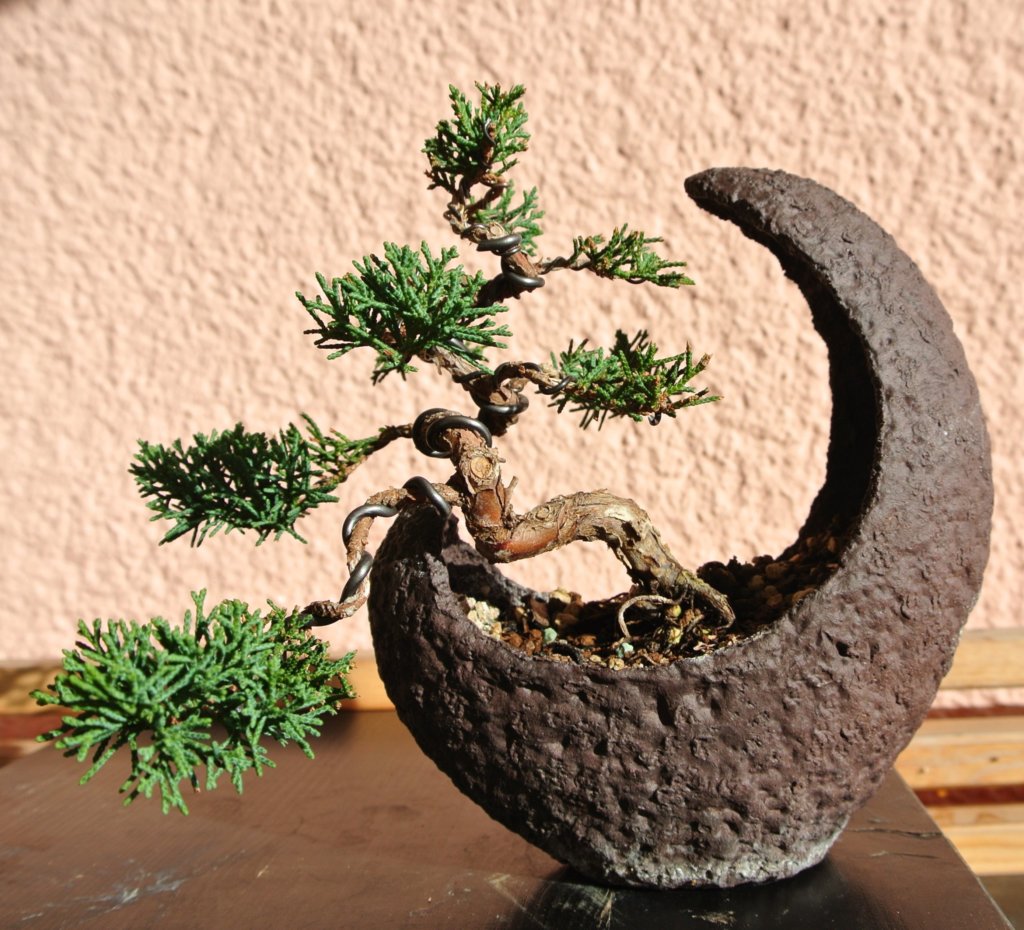
Light needs vary based on several key factors. You should adjust your bonsai care based on these conditions:
- Species type
- Age and size of the tree
- Pot size and soil type
- Indoor vs. outdoor placement
Young bonsai in small pots dry out faster and depend on steady light for strong root growth. Trees grown in shallow containers need balanced light to support healthy foliage and roots.
Window direction also matters. South-facing windows provide the strongest indoor light. East-facing windows offer gentle morning sun, which works well for many bonsai trees.
Watch for signs of poor lighting. Pale leaves, long weak stems, or leaf drop often mean your bonsai needs more light. Burned or crispy leaves may mean too much direct sun.
Seasonal and Climate Considerations
Seasons change how much light your bonsai receives. In summer, sunlight is stronger and lasts longer. You may need to protect your tree from harsh afternoon sun, especially in hot climates.
In winter, daylight hours drop. Outdoor deciduous bonsai go dormant and need less light, but they still need natural outdoor conditions. Do not move hardy outdoor bonsai inside for winter unless the species requires it.
Indoor bonsai often struggle in winter due to shorter days. You can use grow lights to maintain steady exposure. In cloudy or cold regions, artificial light helps keep growth stable.
Always adjust placement as the seasons shift. Rotate your bonsai every week or two so all sides receive even light.
Identifying and Addressing Light-Related Issues
Light problems show clear signs in bonsai trees. When you spot them early and adjust placement or intensity, you protect growth and overall bonsai care.
Signs of Insufficient or Excess Light
Your bonsai tree will show physical changes when the light levels are wrong. These signs often appear in the leaves first.
Low light often causes:
- Pale or yellowing leaves
- Long, weak stems with wide gaps between leaves
- Slow growth
- Leaf drop from the inner branches
Indoor bonsai trees placed far from windows often stretch toward the nearest light source. This weak growth reduces branch density and affects the tree’s shape.
Too much light can also cause harm. Watch for:
- Brown or scorched leaf tips
- Dry, crispy leaves
- Faded leaf color
- Rapid soil drying
Outdoor bonsai trees may burn during intense afternoon sun, especially in summer. Some species tolerate direct sun, but others need protection during peak heat.
Adjusting Lighting Conditions
You can correct most light issues by changing placement. Small moves often make a big difference in bonsai care.
If your bonsai lacks light, move it closer to a bright window. South- or west-facing windows usually provide stronger light. Keep the tree within a few feet of the window, not across the room.
When natural light is limited, use a grow light. Place it 6–12 inches above the canopy and run it for 12–14 hours a day, depending on the species.
If your bonsai gets too much sun, shift it to a spot with bright, indirect light. For outdoor bonsai trees, provide shade during the hottest part of the day. You can use shade cloth or move the tree under a patio or larger plant.
Monitor changes weekly. Healthy leaves, steady growth, and compact form show that your lighting is now balanced.