
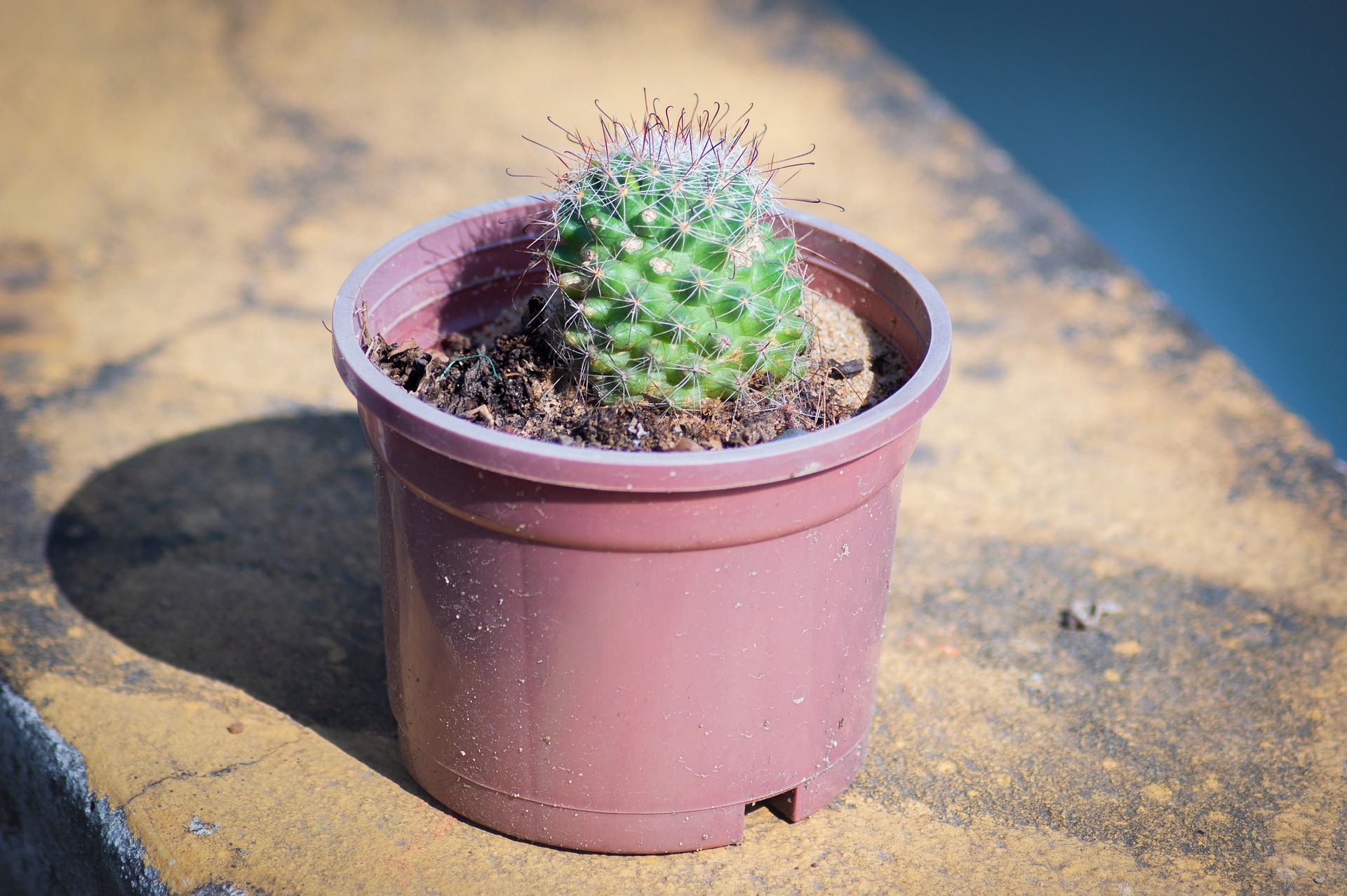
How To Dry Out Overwatered Cactus Soil
When your cactus soil stays soggy for too long, it can quickly lead to root rot and decay. Acting fast makes all the difference. To dry out overwatered cactus soil, stop watering, let the soil dry completely, improve air circulation, and move the plant to a bright, warm spot. Taking a few careful steps now can save your plant before the damage spreads.
You’ll learn how to handle the problem right away, from drying the soil safely to checking for root rot. You’ll also see how to treat and repot your cactus using well-draining soil that keeps moisture balanced.
By understanding what causes overwatered soil and how to correct it, you can give your cactus a healthy start again and prevent future watering mistakes.
Immediate Steps to Dry Out Overwatered Cactus Soil
You can save an overwatered cactus by removing excess moisture, improving airflow, and ensuring proper soil drainage. These actions help prevent root rot and allow the cactus to recover without additional stress.
Stop Watering and Remove Excess Moisture

Stop watering immediately. Adding more water can worsen the problem by keeping the roots saturated and blocking oxygen. If the soil feels soggy, gently tilt the pot to drain any standing water. You can also use paper towels or a dry cloth to absorb moisture from the top layer.
Next, loosen the soil surface with a small stick or chopstick. This creates air pockets that help the soil dry faster. Avoid damaging the roots while you do this. Place the cactus in a warm, bright spot with indirect sunlight. Avoid direct sun, which can easily sunburn a stressed, waterlogged plant.
If the pot lacks good drainage, consider temporarily placing the cactus on a towel or newspaper to wick moisture from the bottom. Keep it there for a few hours, not days, to prevent chilling or further stress.
Improving Air Circulation Around the Cactus
Air circulation is important because stagnant air traps moisture around the cactus and slows evaporation. Move the plant to a spot with good airflow, such as near a small fan or an open window. Use a low, gentle fan setting to speed up soil drying without cooling the plant too much.
Avoid placing the cactus near cold drafts or vents. A steady temperature and moving air help moisture evaporate evenly from both the soil and the surface. If your cactus sits in a cluster of plants, space them apart to give each one more breathing room. Crowded plants trap humidity and slow soil drying.
You can check progress by gently touching the soil. If the top inch feels dry, airflow has likely improved. Continue monitoring until the moisture no longer clings to your finger.
Draining Standing Water and Checking Drainage Holes
Poor drainage often causes chronic overwatering. Start by tipping the pot carefully to remove any remaining water from the saucer or bottom. Wipe the excess so the pot sits dry and clean.
Check that the drainage holes are open and not clogged with compact soil or roots. Use a thin stick, skewer, or chopstick to clear them if needed. If the pot has no drainage holes, the soil cannot release water effectively. In this case, repot the cactus into a container with at least one hole before watering again.
Make sure the potting mix drains well. Use a gritty cactus mix that includes coarse sand, pumice, or perlite for better soil drainage. Never water, including “bottom watering”, until the soil has completely dried out. Small fixes like clear drainage holes and proper soil mixture protect your cactus from repeated overwatering issues.
Soil Treatment and Repotting Solutions
Careful soil treatment helps your cactus recover after overwatering. Focus on removing it from soggy soil, trimming damaged roots, selecting an airy mix, and placing it in a container that supports proper drainage.
Removing Cactus from Saturated Soil
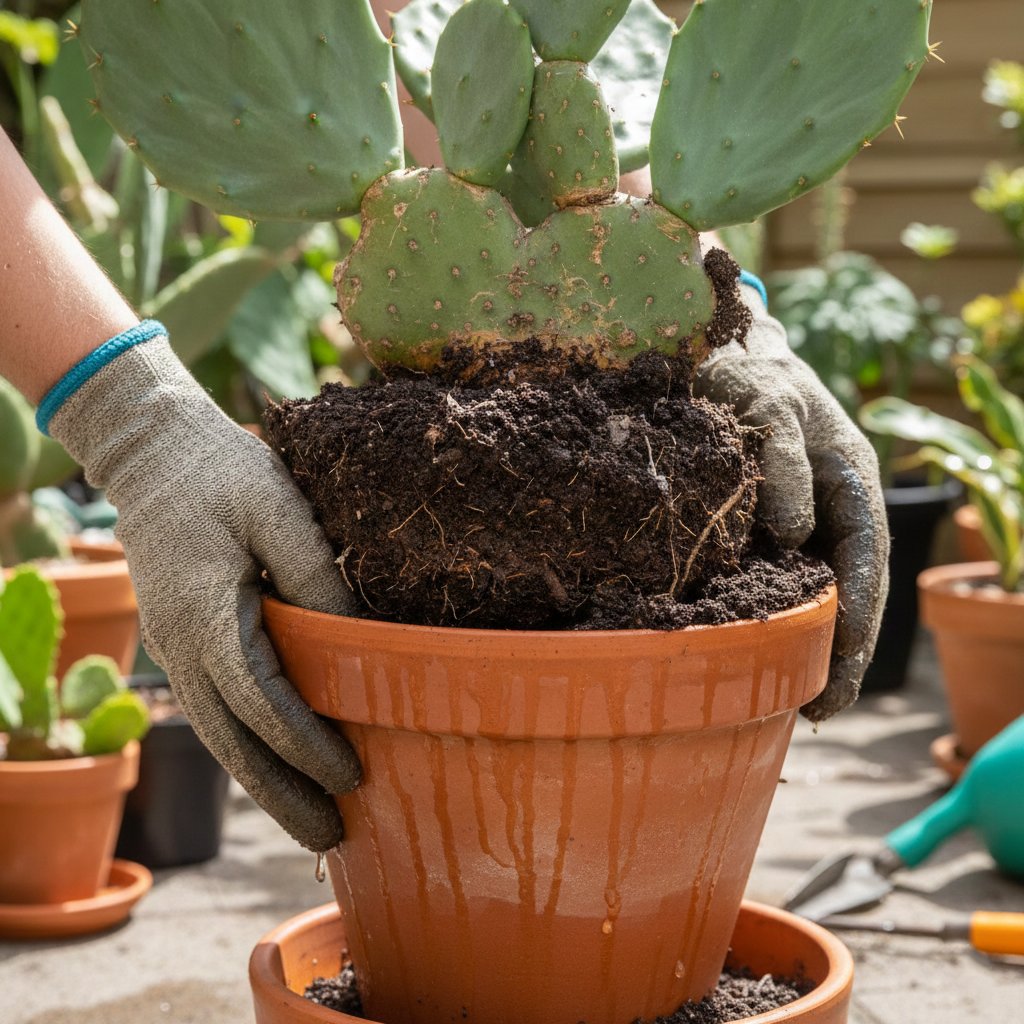
Start by taking the cactus out of its pot gently. Hold the base, not the stems, to avoid injury or breakage. If the potting soil is compacted and wet, tilt the pot slightly and tap the sides to loosen it. Avoid pulling too hard since wet roots tear easily.
You can brush off old soil with a soft, dry brush or use a chopstick to dislodge soil clumps. If the soil is stuck, a brief, gentle rinse is acceptable to fully expose the root system. Keep handling gentle, as cactus roots are delicate when saturated and soft.
Lay the cactus on a clean surface lined with paper or a towel. Let roots air dry for one to three days until completely dry to the touch. This pause helps excess moisture evaporate, preventing fungal infections before you repot into fresh, well-draining cactus mix.
Treating Root Rot and Cleaning Roots
Once the roots are visible, check for signs of root rot. Rotted parts appear dark, mushy, or have a foul smell. Use sterilized scissors or pruning shears to remove any affected sections. Cut slightly into healthy tissue to ensure no decayed matter remains.
After trimming, dust the cut ends with powdered sulfur or cinnamon. These help reduce bacterial and fungal growth. Leave the roots in open air for another day to allow cut surfaces to callus over, which protects the plant from infection after repotting.
If lots of roots are lost, note that recovery may take time. Avoid fertilizing until new growth appears. Keep the plant dry during this healing period. Cacti often survive significant root loss if given a clean medium and controlled watering afterward.
Selecting a Well-Draining Potting Mix

Use a well-draining potting mix made for cacti and succulents. A standard recipe includes:
- 2 parts coarse sand
- 2 parts perlite
- 1 part potting soil
- 1 part coarse grit (such as chicken grit or clay)
Avoid heavy garden soil because it traps water. Mix ingredients thoroughly before filling the pot. You can test drainage by moistening a handful; the mix should crumble, not clump.
When in doubt, lean toward a grittier texture. Faster drying soil lowers the chance of repeat overwatering. Replace old soil completely; reusing damp material carries leftover moisture and bacteria that can damage new roots.
Choosing the Right Pot Size
Select a pot size that fits the root system closely without extra space around it. Oversized pots hold too much soil, which retains moisture longer than cacti prefer. The pot should be about 1 inch wider in diameter than the root ball.
Ensure the container has drainage holes. Do not add a gravel layer at the bottom, as this actually hinders drainage. Avoid decorative pots without drainage unless used as an outer cover with a removable inner pot.
Choose materials that breathe, such as an unglazed and porous clay like terracotta. These encourage evaporation through the sides of the pot, reducing moisture buildup. Plastic pots are fine only if you water sparingly and check soil moisture regularly.
Repot only after the soil is completely dry and the roots have healed from trimming. Gently fill around the cactus with fresh mix, tap the pot to settle soil, and wait about a week before watering. This allows the plant to adjust and encourages new root growth.