How To Identify Cactus Species By Shape And Spines
You can spot many cactus species by close observation, even without expert tools. You identify cactus species by comparing their overall shape and growth pattern with the size, spacing, and type of spines that grow from each areole. These features stay consistent as the plant matures, which makes them reliable clues.
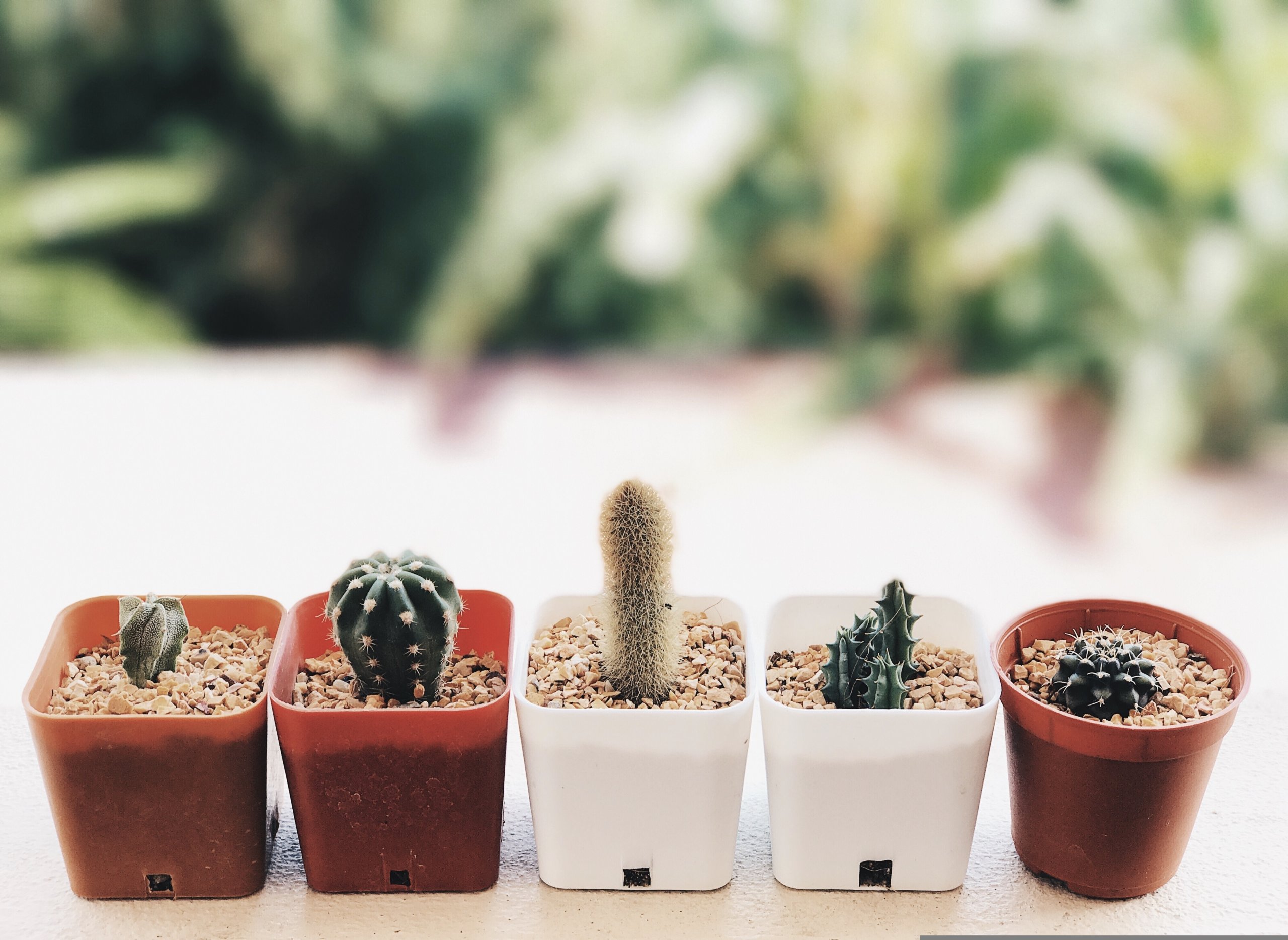
Shape gives you an early signal about what you are seeing. Some cacti grow as tall columns, others form round barrels, and some spread as flat pads or low clusters. Growth habit often points you toward a smaller group of possible species before you study finer details.
Spines add another strong layer of proof. Their length, color, density, and direction vary by species and help separate similar-looking plants. When you combine shape, spines, and other traits like flowers or fruit, you can narrow down an identity with far more confidence.
Key Features for Cactus Identification
You can identify cactus species by close study of surface details. Shape and spines help, but small features often give the clearest clues when species look alike.
Recognizing Areoles and Their Importance
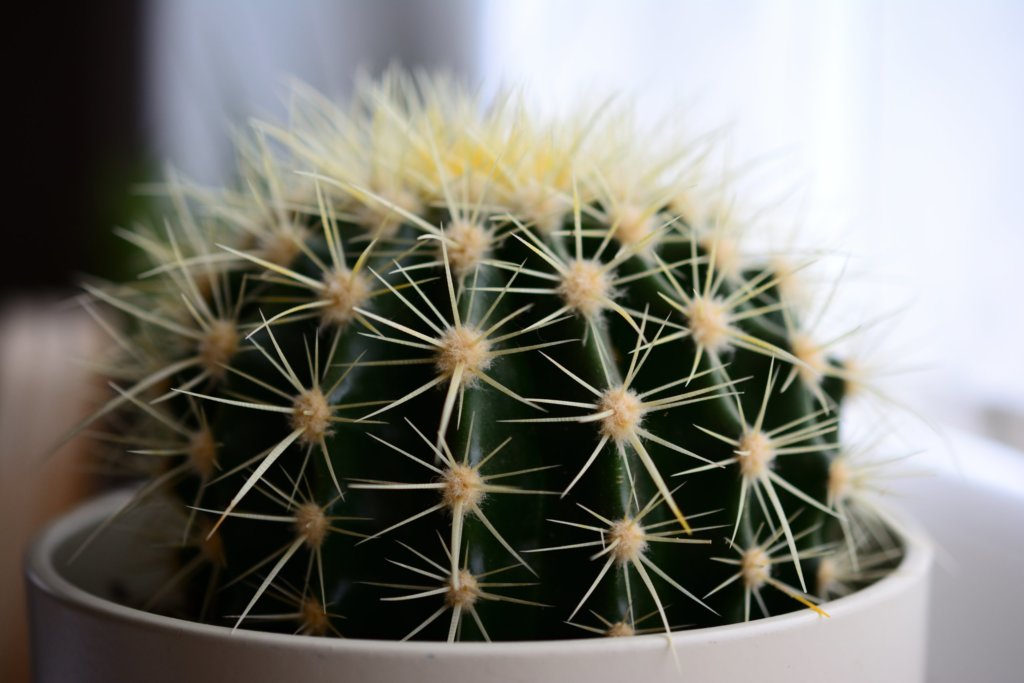
Areoles are small pads or bumps where spines, hairs, and flowers grow. You will only find them on cacti, not on other succulents. This makes areoles a key sign for cactus identification.
You should note the size, shape, and spacing of areoles. Some cactus species have large, woolly areoles, while others have small and smooth ones. The distance between areoles often matches the growth pattern of the plant.
Areoles may sit on ribs, on tubercles, or on flat pads. In some cacti, areoles line up in neat rows. In others, they appear scattered. These patterns help narrow down cactus species quickly.
Differences Between Spines, Glochids, and Hairs
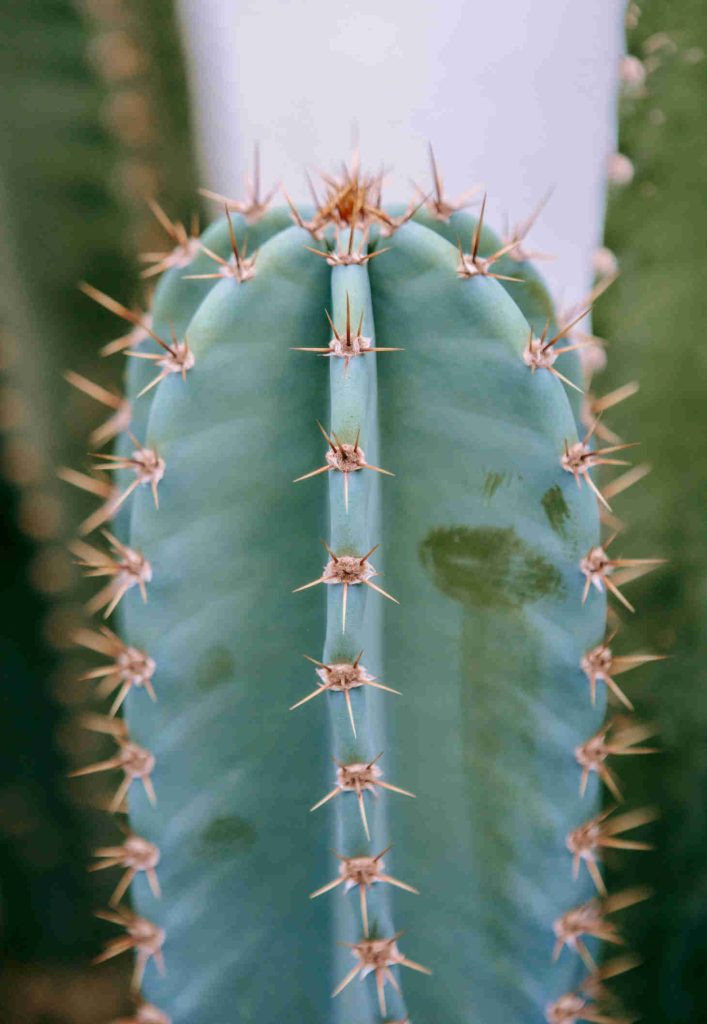
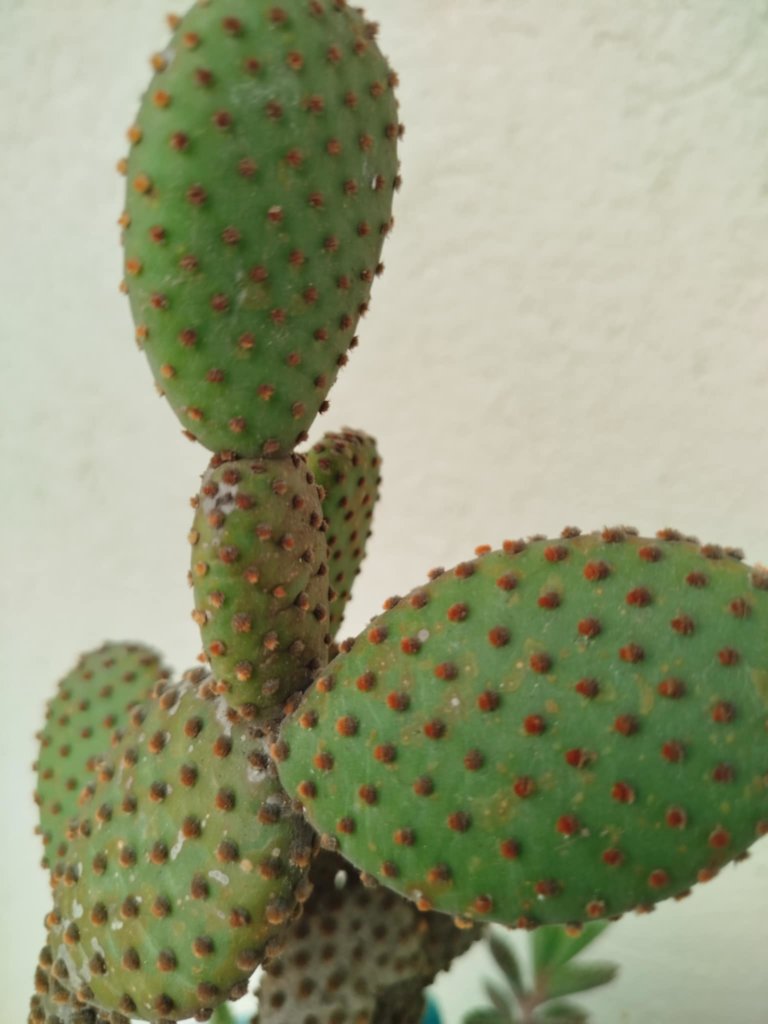
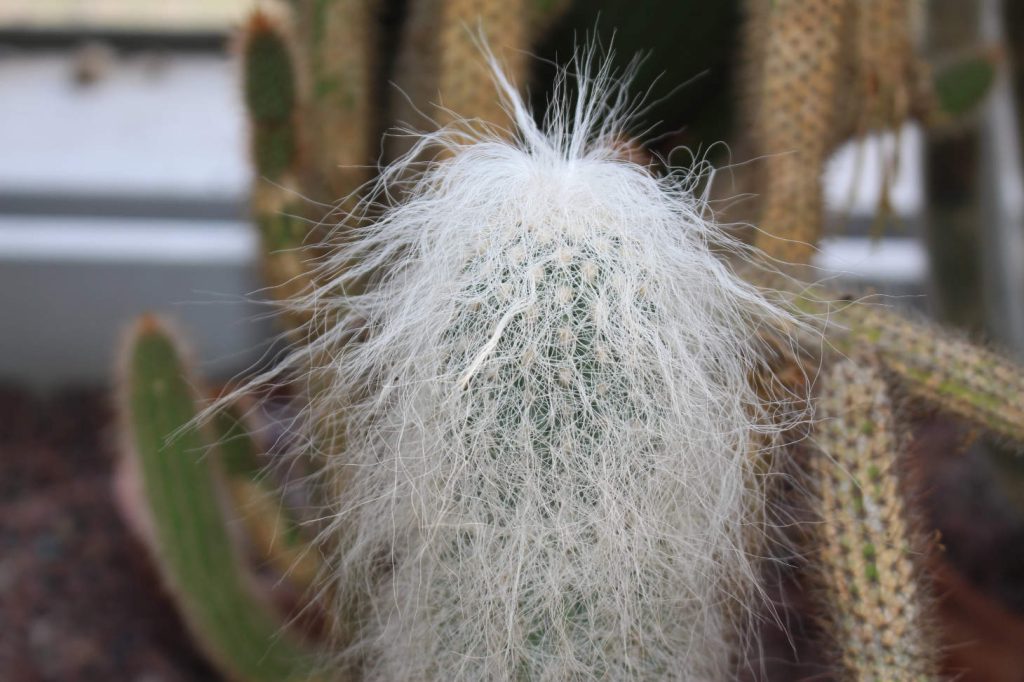
Not all sharp or fuzzy growths are the same. You should know the difference because each type points to certain cacti.
| Feature | What to Look For | Common Use |
|---|---|---|
| Spines | Hard, stiff, needle-like | Defense and shade |
| Glochids | Tiny, barbed, easy to detach | Common in prickly pears |
| Hairs | Soft, thin, flexible | Sun and cold protection |
Spines vary in length, color, and thickness. Some grow straight, while others curve or hook. Glochids cause skin irritation and often appear in clusters. Hairs look harmless but still grow from areoles, not the stem.
Examining Ribs, Tubercles, and Stem Texture
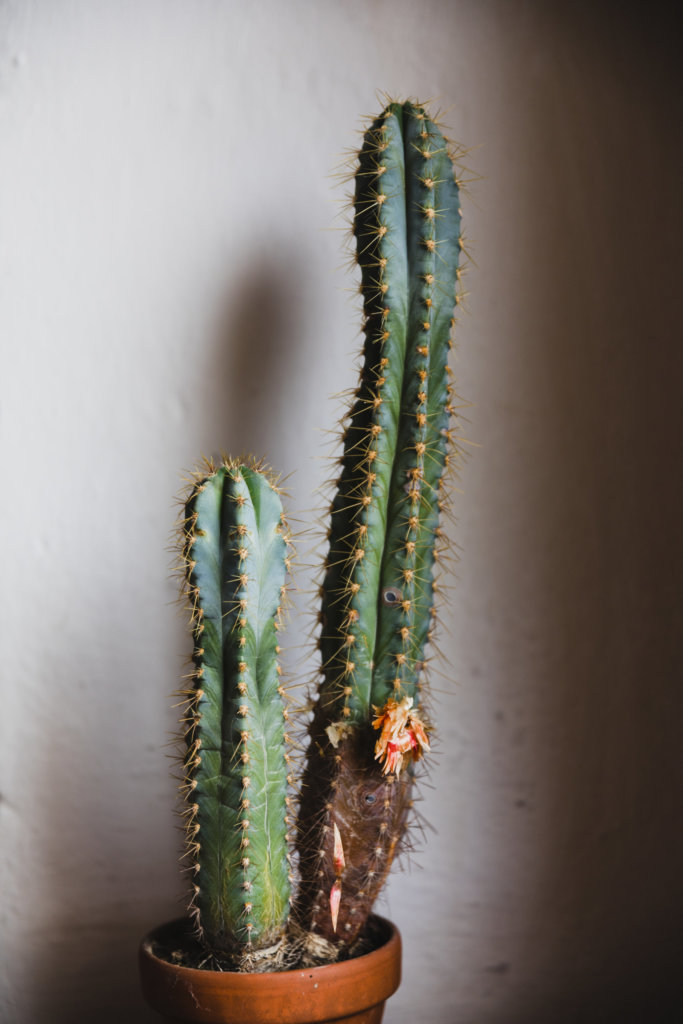
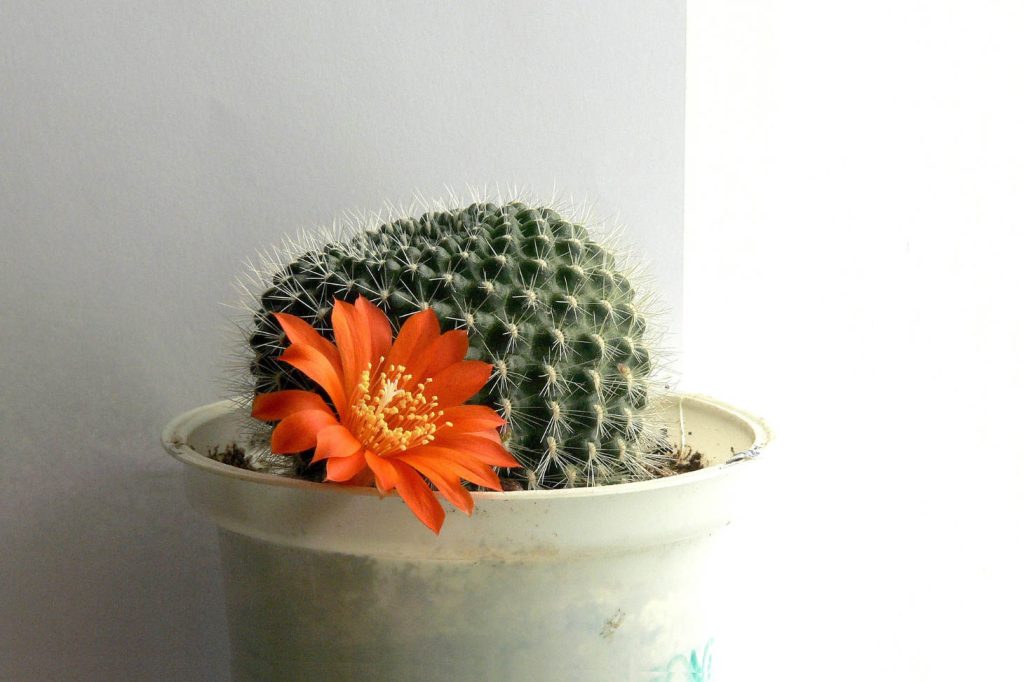
You should study the cactus body, not just the spines. Many cacti grow vertical ribs that expand after rain. Others grow rounded tubercles, which look like small bumps.
Ribs and tubercles help manage water storage. Their shape and count stay consistent within a cactus species. Some plants even show both ribs and tubercles at once.
Stem texture also matters. You may see smooth, waxy, rough, or wrinkled skin. Color shifts from blue-green to deep green can signal different cactus species or growing conditions.
Identifying Cactus Species by Shape and Growth Habit
You can identify many cactus species by studying their overall shape and how they grow over time. Height, branching pattern, and whether stems stand upright, spread outward, or hang down give clear clues about species and care needs.
Columnar Cacti: Tall, Upright Species
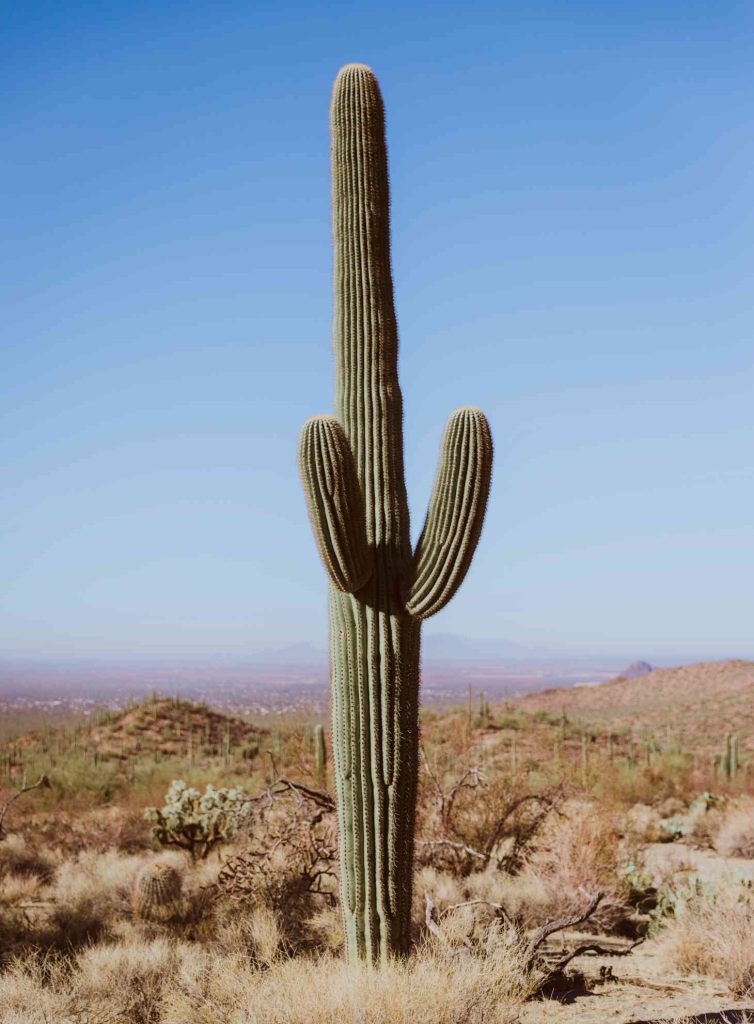
Columnar cacti grow as tall, upright columns with thick, ribbed stems. You often see them growing straight up, sometimes with arms that branch from the main stem. This form helps them store water and handle strong sun.
The saguaro (Carnegiea gigantea) is a classic example. It can reach great heights and develops arms only after many years. Other columnar cacti, such as Cereus and Trichocereus, grow faster and stay smaller.
Look for these key traits:
- Vertical growth with few or no pads
- Deep ribs instead of flat surfaces
- Spines emerging from areoles (small bumps) spaced along the rib edges.
Globular and Barrel Cacti: Round or Cylindrical Forms
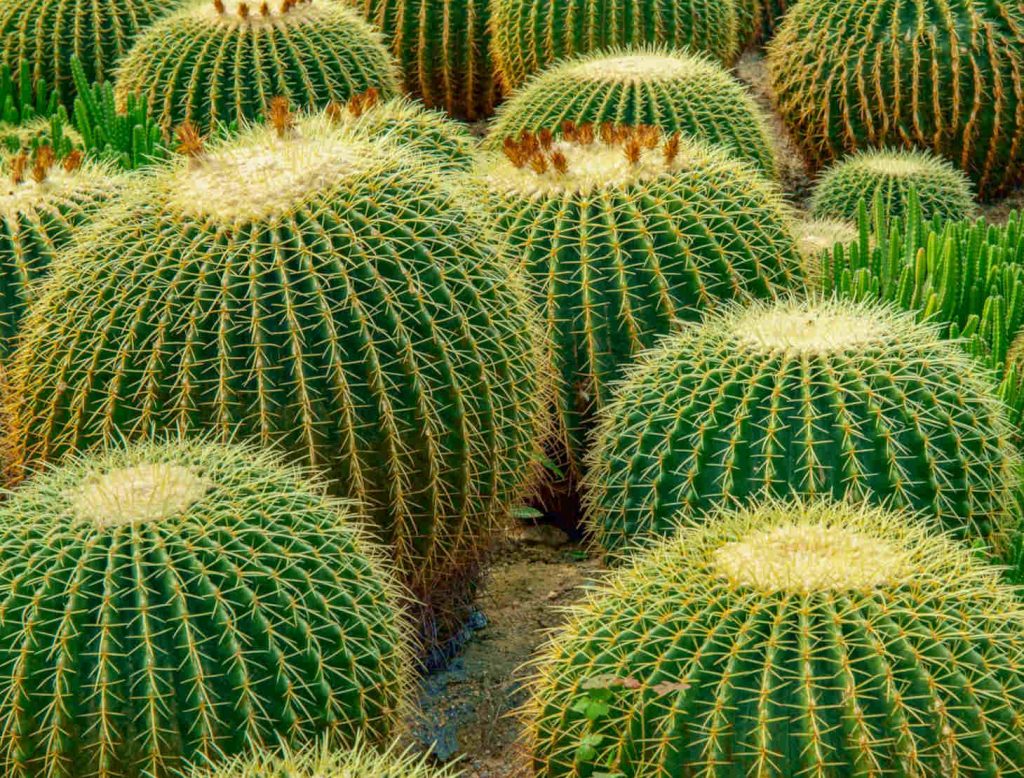
Globular and barrel cacti grow low to the ground and form round or short cylindrical shapes. This compact form reduces water loss and protects the plant from heat. Many species stay wider than they are tall.
The golden barrel cactus (Echinocactus grusonii) shows this shape well. It has a near-perfect round form when young. Other barrel cactus types include Ferocactus and some Echinocactus species.
Common features include:
- Rounded or squat bodies
- Strong ribs that run from top to base
- Thick, stiff spines that curve outward
Pad and Segmented Cacti: Pads, Segments, and Jointed Structures
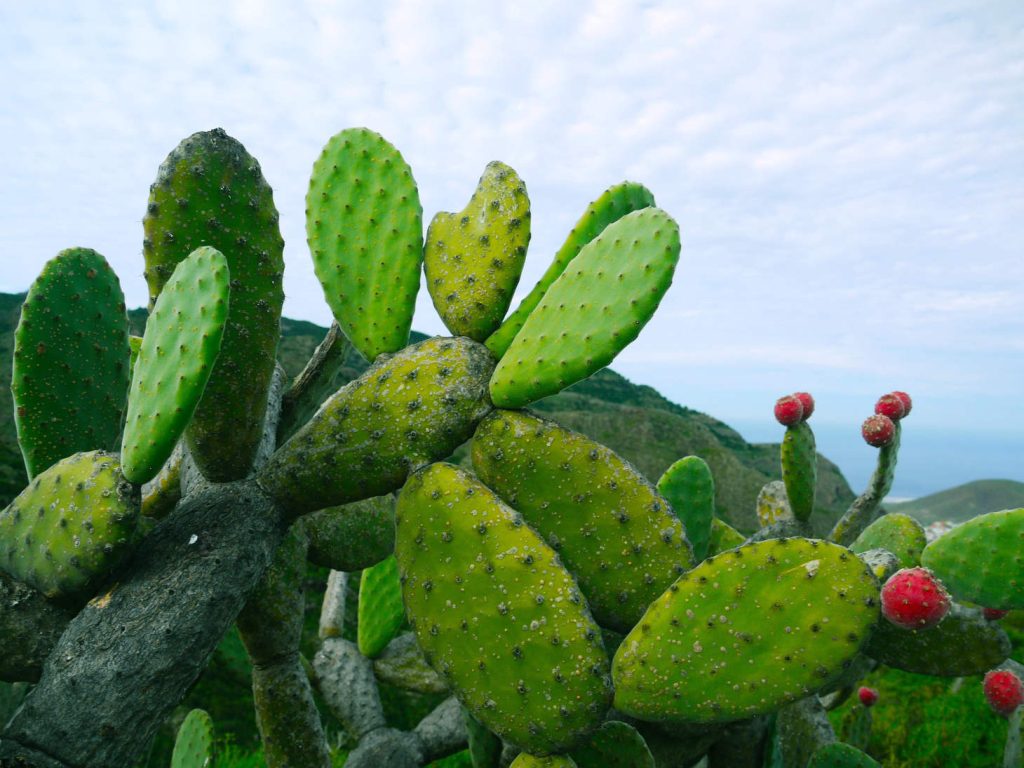
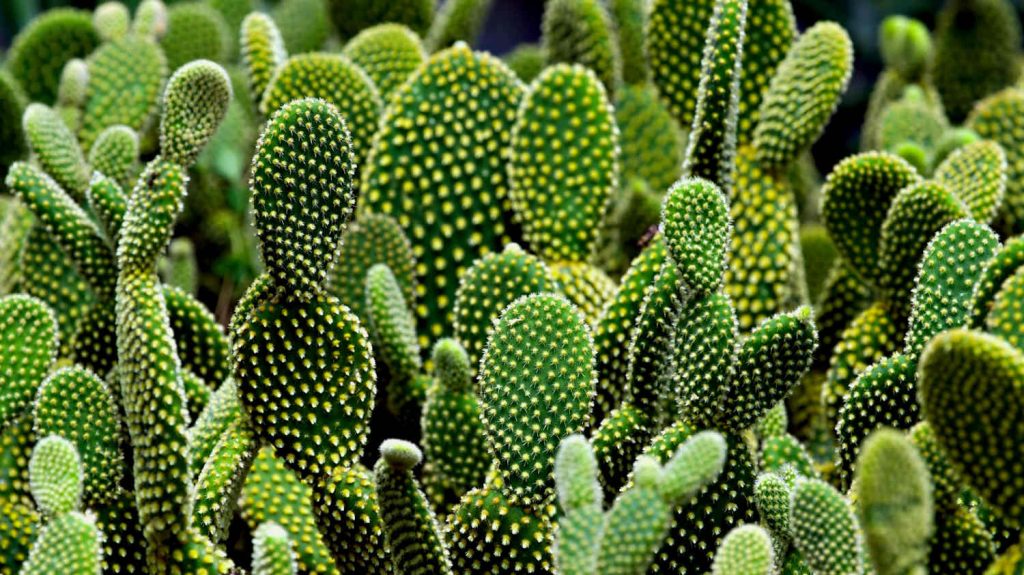
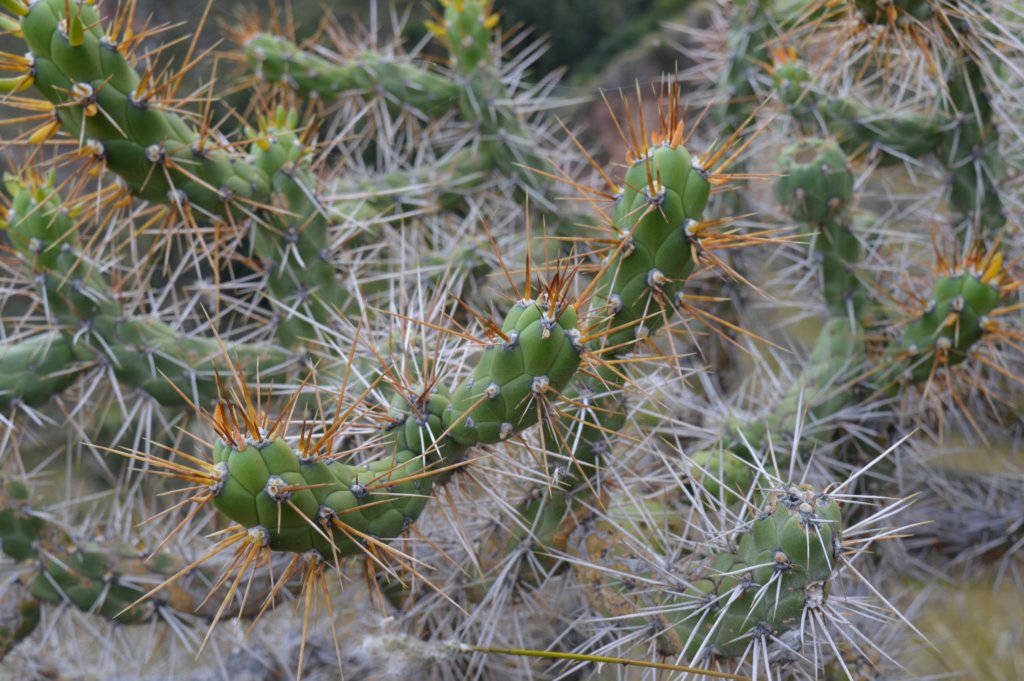
Pad and segmented cacti grow as flat or jointed sections instead of ribs. These sections are called pads or cladodes. New growth forms at joints, which makes the plant easy to spot.
Prickly pear (Opuntia) species have wide, flat pads. Opuntia microdasys (Bunny Ears Cactus) stands out due to dense glochids, which are tiny barbed hairs. Cholla (Cylindropuntia) looks similar but has round, jointed segments instead of flat pads and an abundance of long, sharp spines.
Watch for:
- Distinct joints between segments
- Pads that break off easily
- Clusters of fine spines or glochids
Trailing and Epiphytic Cacti: Hanging and Rainforest Varieties
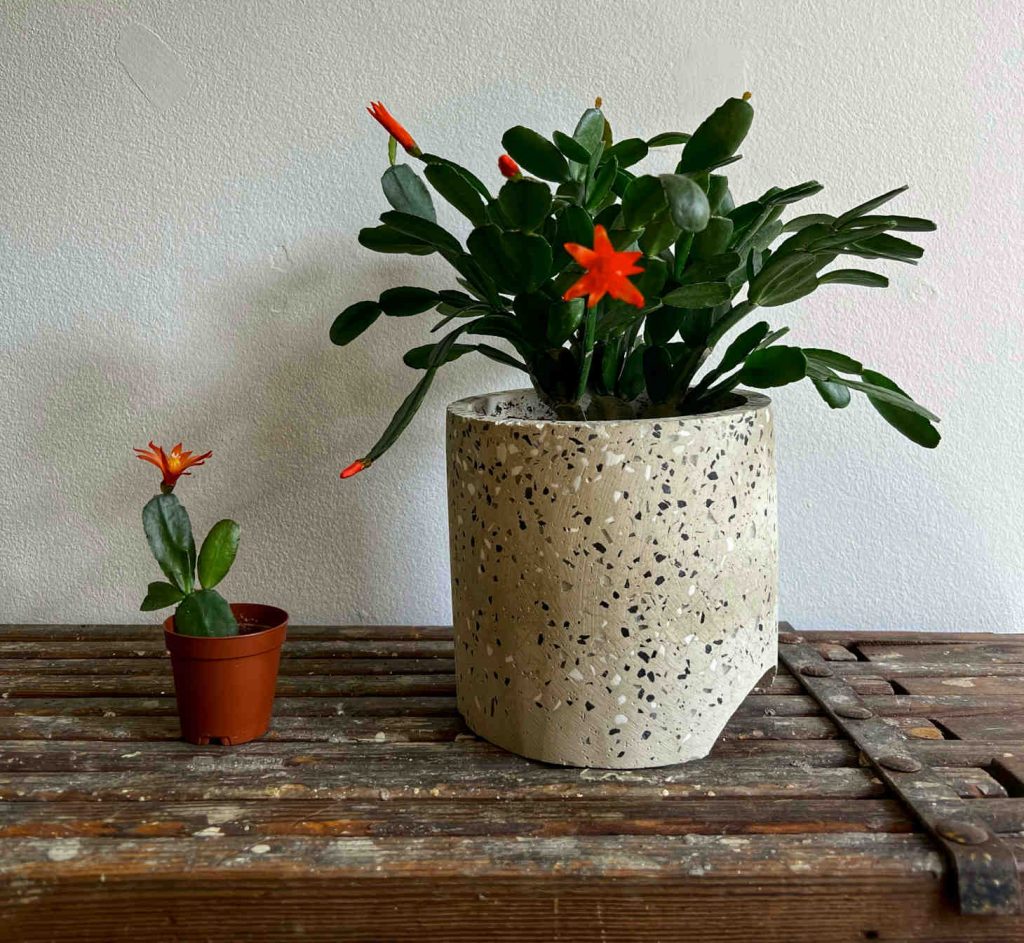
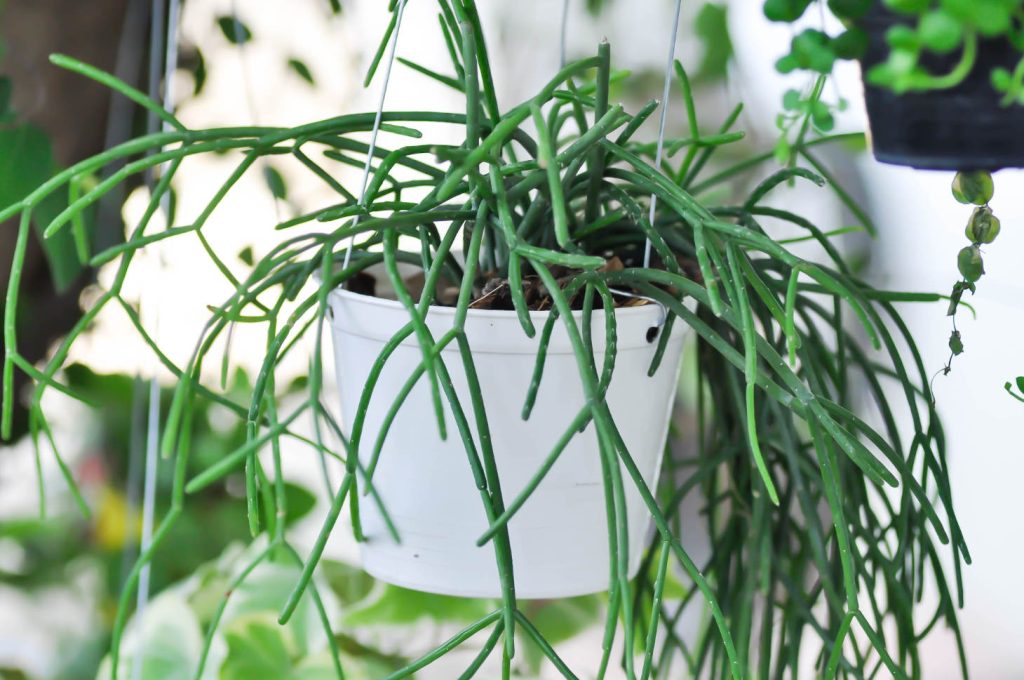
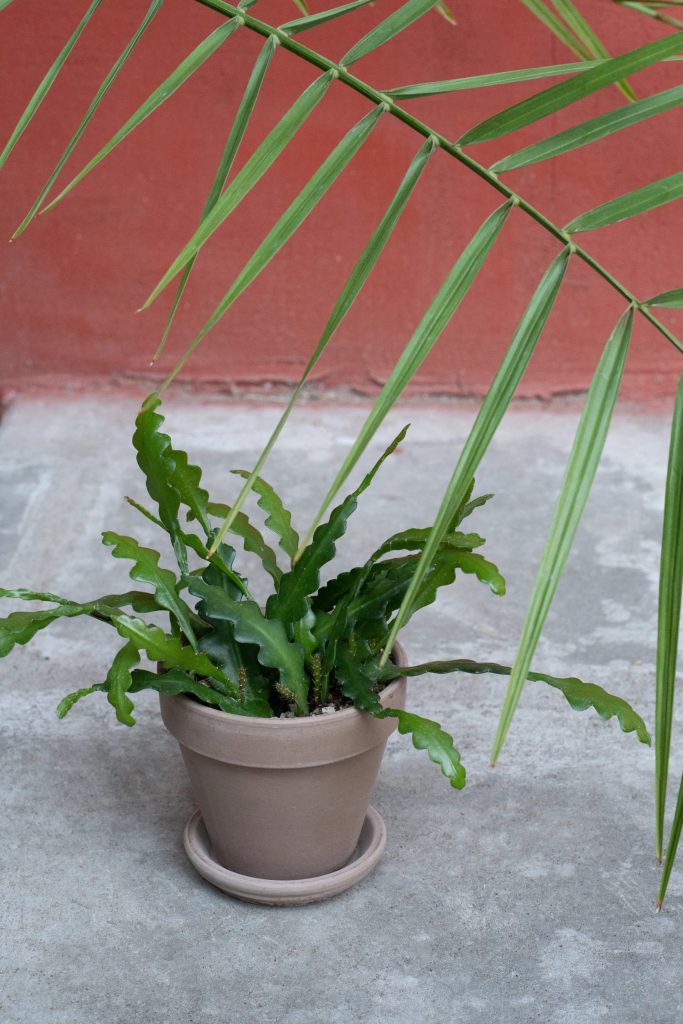
Trailing and epiphytic cacti grow very differently from desert types. You often see them hanging, draping, or spreading across surfaces. Many come from rainforest environments, not dry deserts.
The Christmas cactus (Schlumbergera) has flat, segmented stems and grows best in bright, indirect light. Rhipsalis, also called mistletoe cactus, forms thin, dangling stems. Epiphyllum and Selenicereus produce long, flat or climbing stems and large flowers.
Key signs include:
- Soft, flexible stems
- Little to no visible spines
- A natural trailing or hanging habit
Using Spines and Areoles for Accurate Cactus Identification
You can identify many cactus species by close study of their spines and areoles. These features stay consistent as plants age and often separate similar shapes with clear, visible clues.
Spine Characteristics: Color, Length, Density, and Arrangement
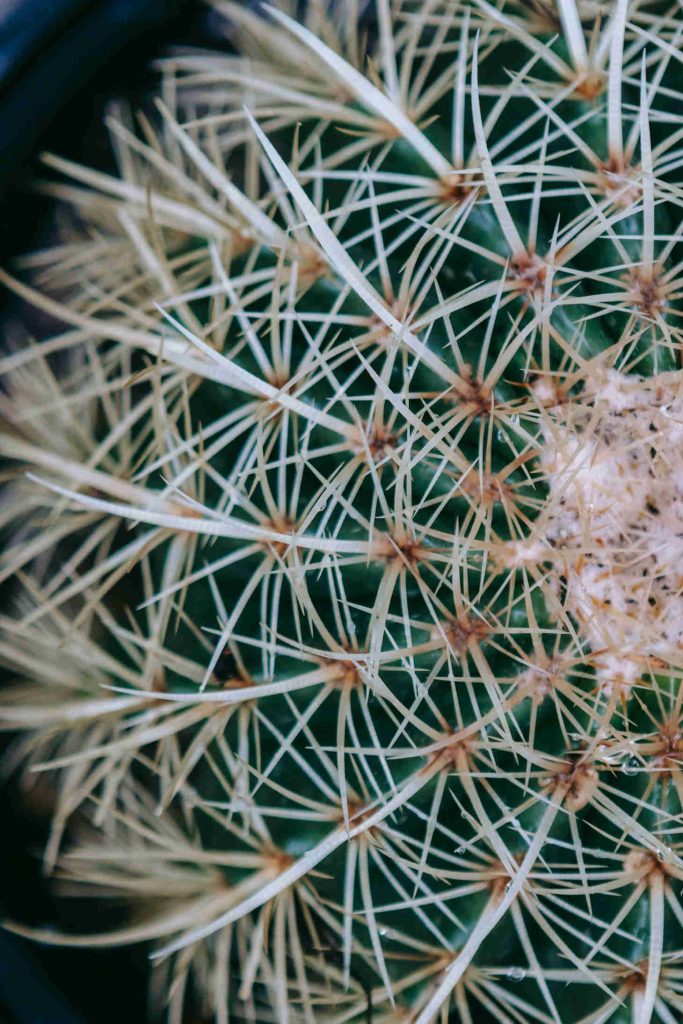
Spines vary by color, length, thickness, and spacing, and these traits narrow down species fast. You should look at both young and mature growth since spines can change over time.
| Spine Trait | What to Check | Examples |
|---|---|---|
| Color | White, yellow, red, brown | Mammillaria spinosissima has reddish spines |
| Length | Short vs. long | Cephalocereus senilis shows very long spines |
| Density | Sparse vs. packed | Echinocactus grusonii (Golden Barrel) has dense spines |
| Arrangement | Straight, curved, radial | Coryphantha often has clear radial patterns |
You should also note if spines lie flat or stick out. Dense, stiff spines typically shield desert species from intense UV and predators, while hair-like spines can help trap moisture.
Areole Patterns and Their Role in Classification
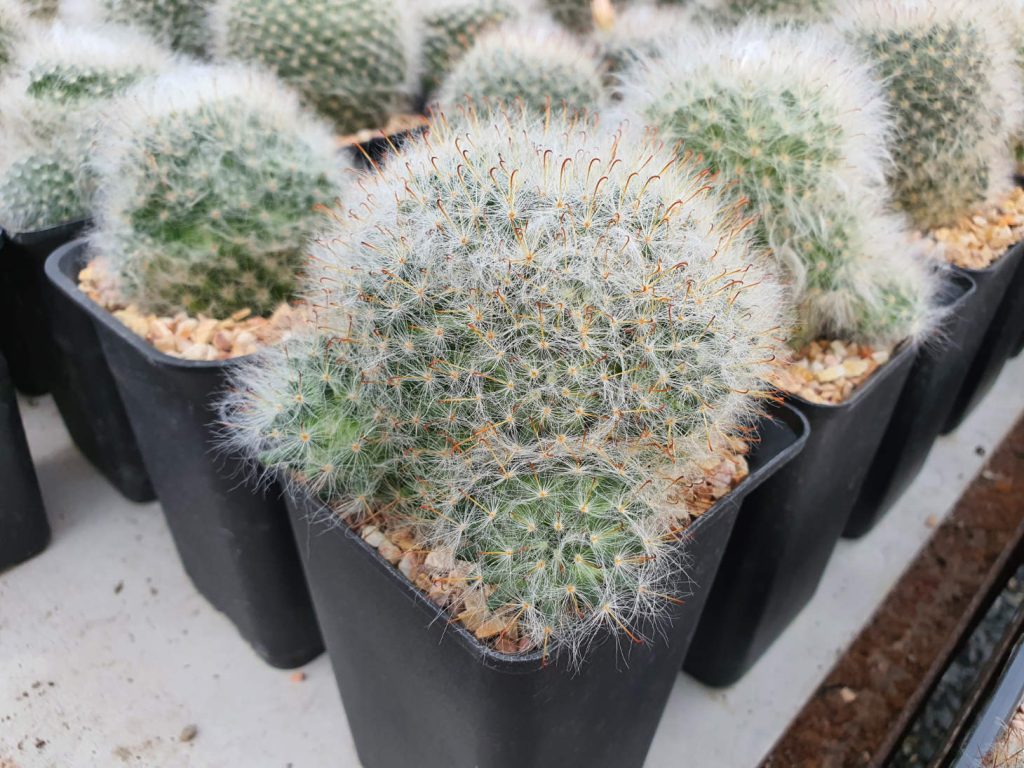
Areoles are small pads where spines, flowers, and new growth form. Only cacti have areoles, so their presence confirms you are looking at a cactus and not another succulent.
You should study areole spacing, size, and placement. In Mammillaria, areoles sit on cone-shaped bumps called tubercles. Species like Mammillaria elongata show tight rows, while Mammillaria bocasana has wider spacing.
In Opuntia, areoles appear on flat pads and often carry glochids. These tiny bristles detach easily and irritate skin. Their presence helps separate Opuntia from other flat-stem cacti.
Unique Spine Types: Hair-Like, Woolly, and Barbed
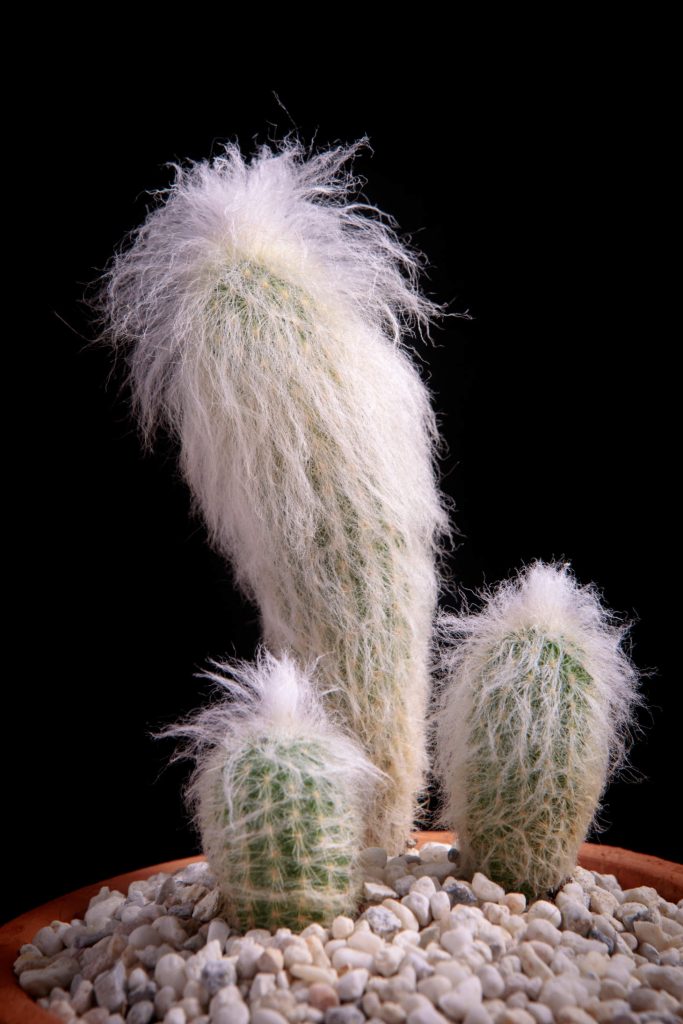
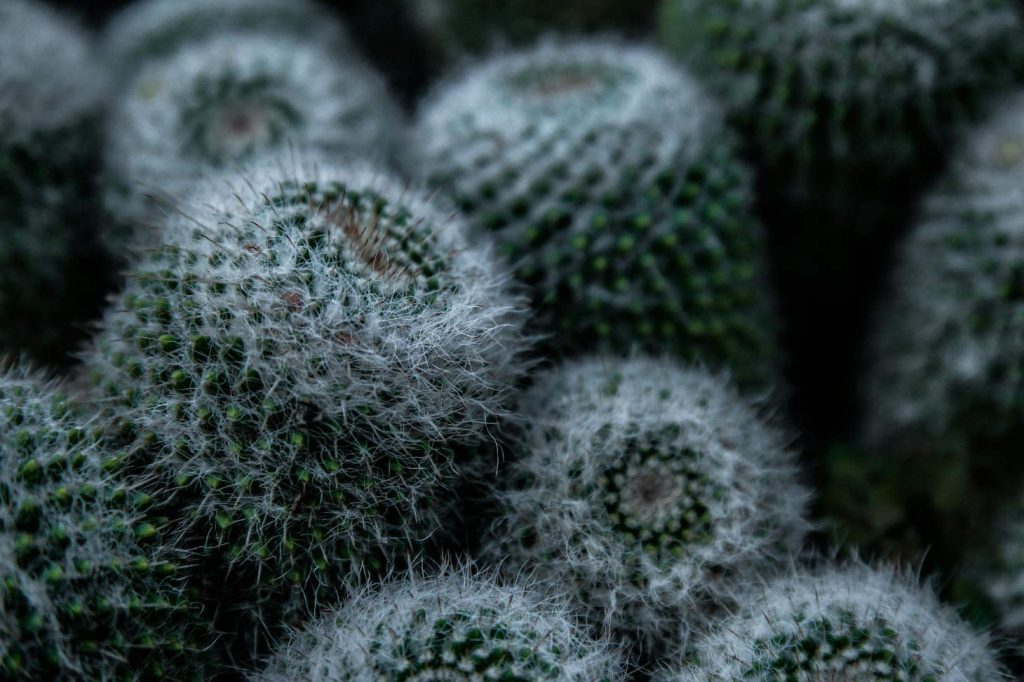
Some cacti have spine types that stand out right away. These features often point to a small group or even a single species.
You may see hair-like or woolly spines that cover the plant body. The old man cactus (Cephalocereus senilis) grows long white hairs that shade the stem. Mammillaria hahniana, also called old lady cactus, forms a soft white coat.
Feather cactus and powder puff cactus types show fine, feathery spines that hide the stem. In contrast, Opuntia produces barbed glochids that look soft but cause pain on contact.
These unusual spine forms give you strong, reliable ID clues when shape alone falls short.
Other Identification Clues: Flowers, Fruit, and Habitat
Shape and spines give strong clues, but flowers, fruit, and location often confirm the exact species. These traits help you narrow choices when several cacti look alike, especially when differentiating between arid desert species and tropical forest cacti.
Observing Cactus Flowers by Color and Bloom Time
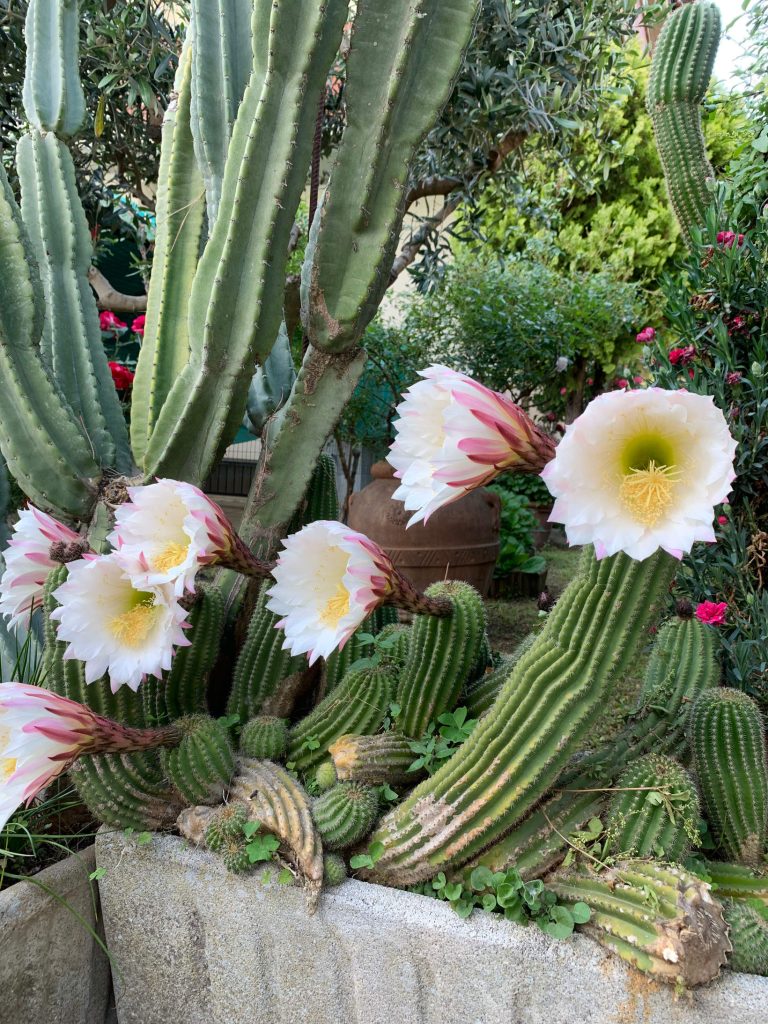
Cactus flowers show clear patterns that help you identify species. Because most cacti lack true leaves, focus on flower color, position, and timing rather than vegetative shape.
Many species bloom once a year for a short time. Echinopsis often has large white or pink cactus blooms that open at night. Night-blooming cereus, also called queen of the night, opens after dark and closes by morning. Day-blooming types, like many Mammillaria, show small rings of pink or white flowers.
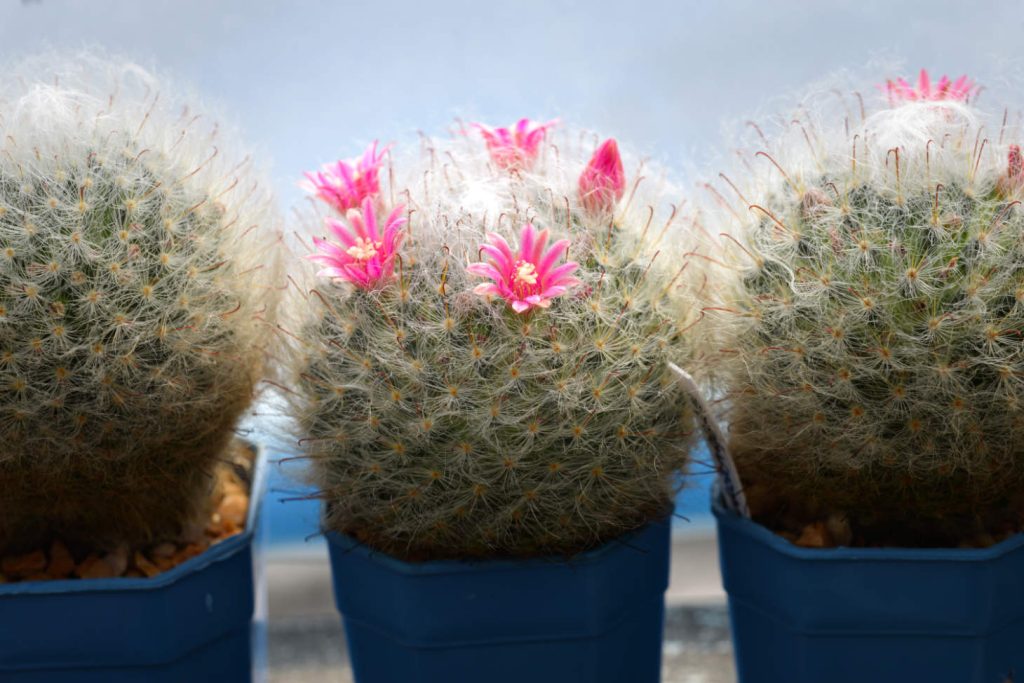
Use bloom timing as a key clue.
- Night blooms often large, white, and fragrant (pollinated by bats or moths)
- Day blooms usually brightly colored (red, yellow, pink) to attract bees and birds
Flower position also helps. Some flowers grow at the tip, while others form along the sides.
Cactus Fruits as Indicators of Species
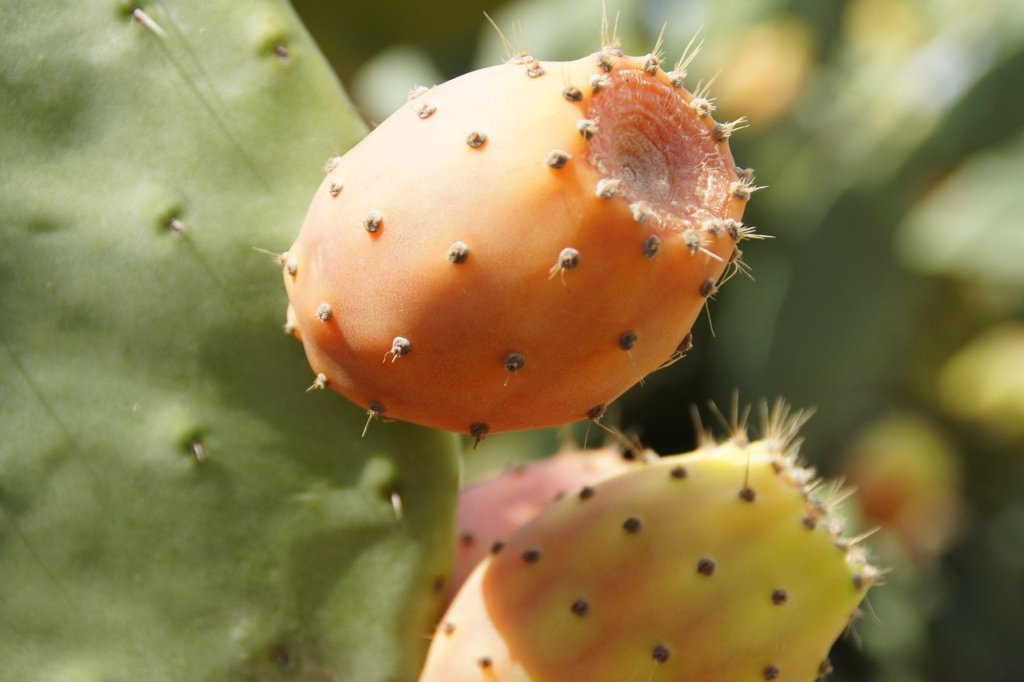
Cactus fruit adds another layer of detail. Shape, color, and surface texture vary by species.
Prickly pear produces edible fruits called tunas. These fruits are oval, bright red or purple, and grow on flat pads. Other cacti form small, dry fruits that stay close to the stem. Some fruits have spines or fine hairs, while others feel smooth.
Look at these features:
- Color: red, yellow, green, or purple
- Size: large and fleshy vs. small and firm
- Surface: smooth, spiny, or hairy
Fruit often appears after flowering. If you track both stages, you reduce guesswork and avoid mislabeling similar plants.
Environmental Context and Native Regions
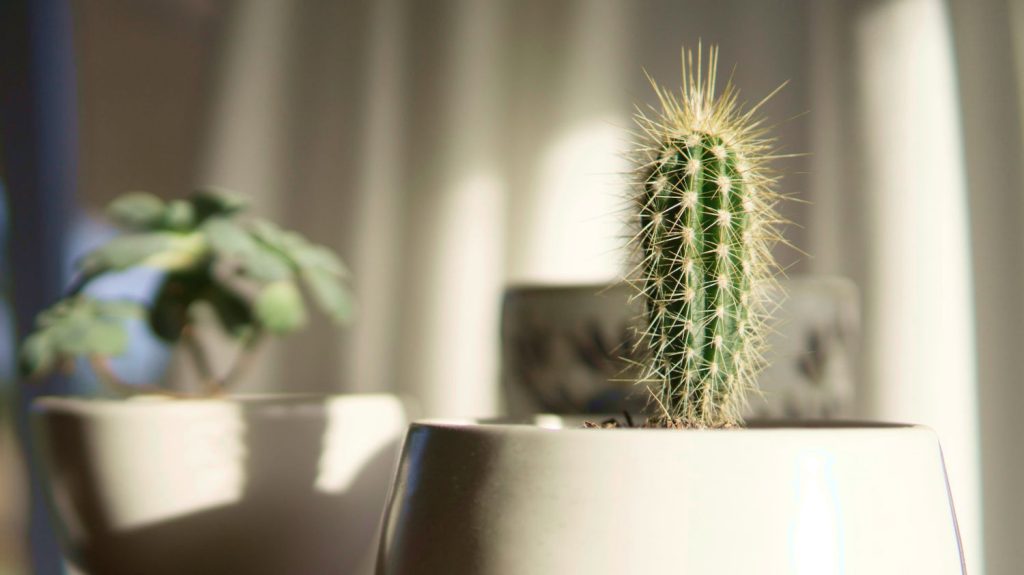
Where a cactus grows gives strong identification clues. Many desert plants come from specific regions with clear climate patterns.
Columnar species often grow in hot, open deserts with full sun. Forest cacti prefer shade and higher humidity. If you keep an indoor cactus, check its original range to match it with the right group.
Use environment as a filter:
- Dry, rocky deserts: thick skins, strong spines
- Tropical forests: softer stems, fewer spines
- Indoor settings: slow growth, compact form
Linking form to habitat ensures you provide specialized care rather than treating all cacti as identical desert plants. Tropical forest cacti demand regular hydration, whereas desert varieties require intense sunlight and specialized, fast-draining soil to thrive.