
How To Store Leftover Cactus Soil
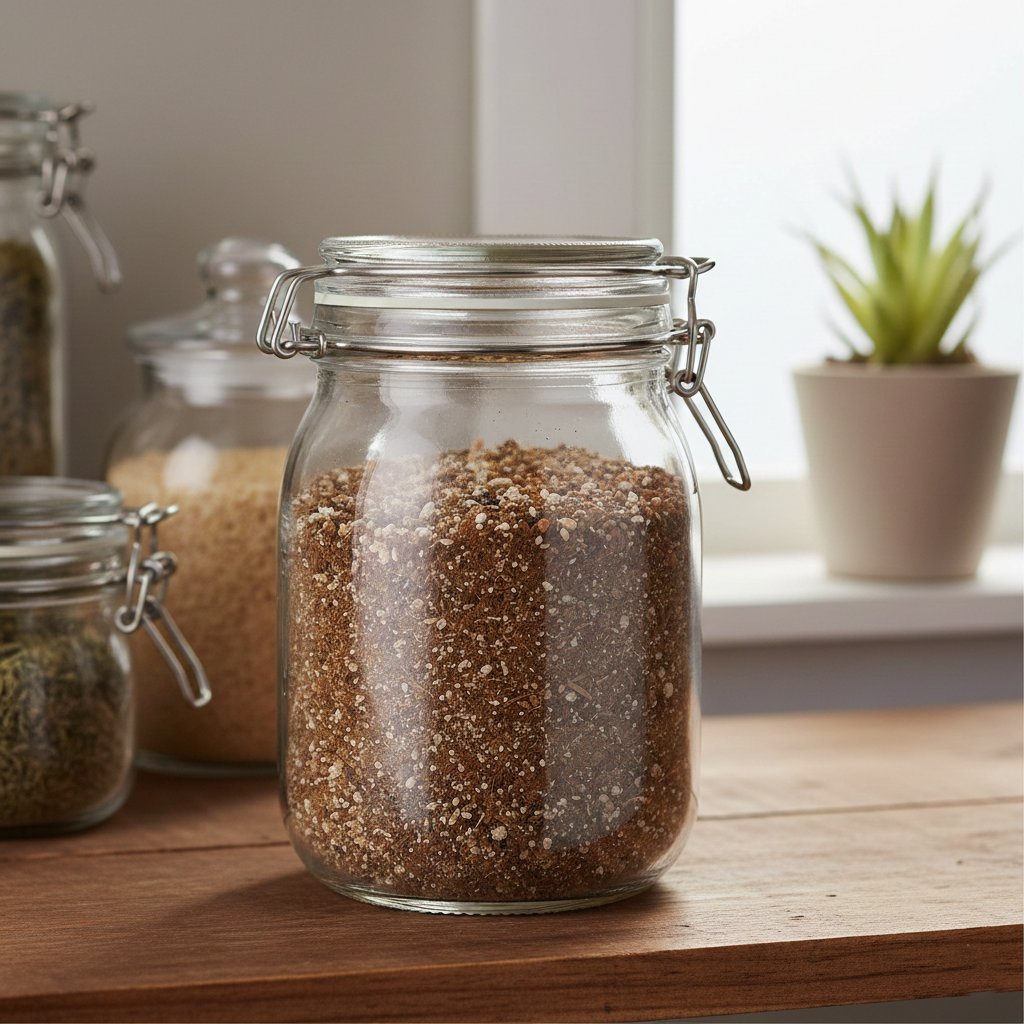
Leftover cactus soil doesn’t need to go to waste. You can keep it fresh and ready for your next planting with simple storage habits. Store your leftover cactus soil in a dry, airtight container away from moisture and temperature changes to keep it clean and usable. This quick habit saves money and prevents pest problems or mold growth.
When you store cactus mix the right way, it stays light, well-draining, and perfect for any future succulents or cacti. Skipping this step can cause the soil to clump or lose its nutrients, making it less effective later. A small effort now makes all the difference for your plants’ health down the road.
Key Takeaways
- Proper storage keeps cactus soil fresh and pest-free.
- Dry, sealed containers help maintain soil quality longer.
- Reusing stored soil saves money and supports healthy plants.
Why Proper Storage of Leftover Cactus Soil Matters
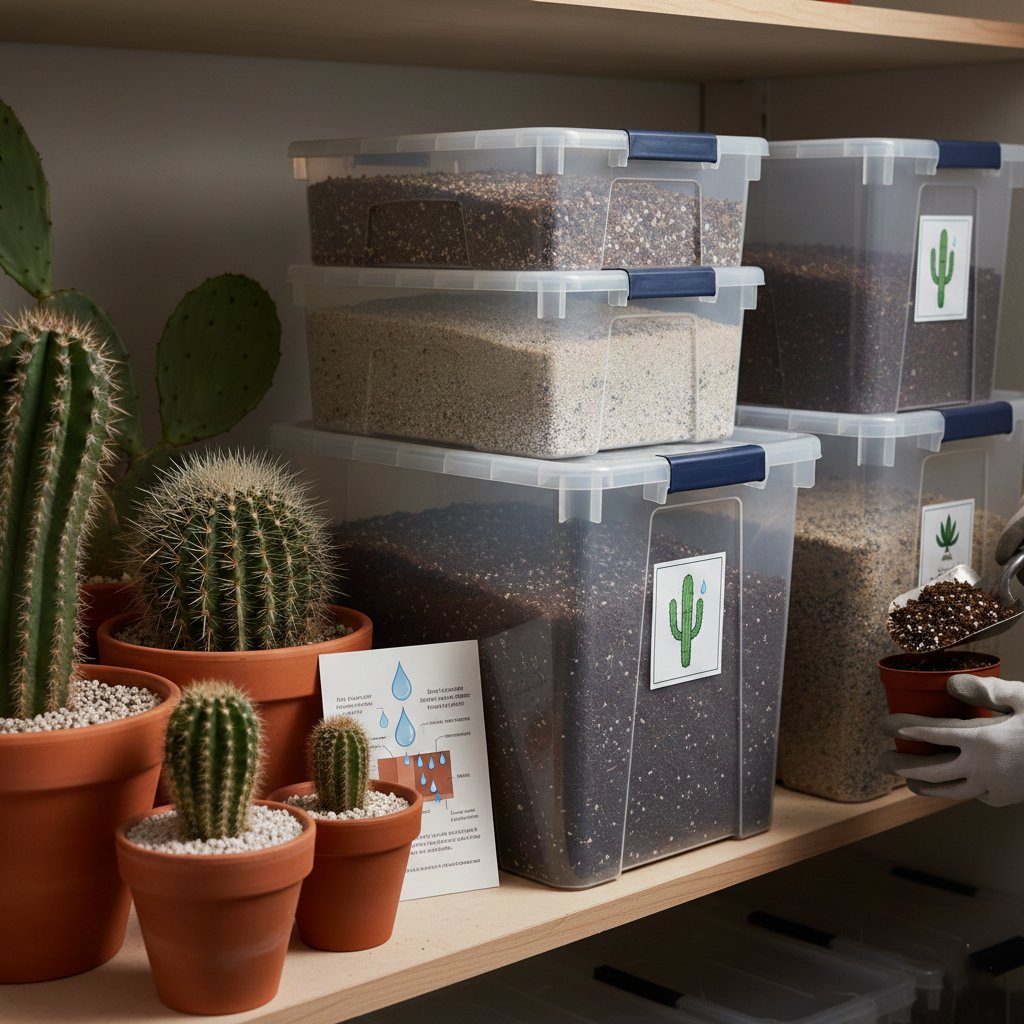
Storing leftover cactus soil correctly is essential to maintain its original quality. It keeps the mix’s drainage, texture, and nutrients stable, helping your cacti stay healthy and avoid root problems later. Poor storage, on the other hand, allows moisture, pests, or mold to ruin the soil before you use it again.
Importance of Maintaining Soil Quality
Cactus soil balances moisture retention with rapid drainage. This helps prevent root rot and keeps oxygen flowing around the roots. When moisture or heat changes the mix’s structure, it can lose that balance and harm the soil’s performance.
You protect soil quality by storing it in airtight containers that block humidity. A sealed bin or heavy-duty plastic bag keeps both inorganic materials (like perlite and coarse sand) and organic matter (like compost or peat) stable. Avoid direct sunlight and damp areas since temperature swings can cause condensation and clumping.
Healthy cactus soil also supports proper water movement and nutrient balance. Keeping these physical and chemical traits intact means the soil remains usable for months and performs almost like new when you repot your plants.
Consequences of Improper Storage
Improper storage can make cactus soil nearly useless. If moisture enters the container, the soil clumps, grows mold, and may attract fungus gnats or other pests. Once wet and spoiled, it becomes heavy and loses the aeration cactus roots need.
When the mix stays damp too long, bacteria and fungi grow. Using this soil for cacti leads to root rot, one of the most common causes of plant death. Even a small amount of contamination spreads fast through pots, especially in warm indoor environments.
Over time, stored soil exposed to air and moisture also undergoes structural and chemical changes, which can break down essential organic components and potentially leach or concentrate soluble salts. To avoid this, always ensure lids fit tightly and store the container in a cool, dry place like a shed, basement, or garage.
Signs of Spoiled or Degraded Cactus Soil
You can tell cactus soil has gone bad by checking its texture, smell, and color. Good soil feels loose, grainy, and dry. Spoiled soil usually feels damp, compacted, or sticky. If it smells sour, earthy, or musty, it likely contains mold or decaying organic matter.
Look for white fuzz or dark patches, signs of fungal growth. Insects or larvae crawling in the mix mean the soil has attracted pests and should not be reused. You may also notice the mixture separating, with finer materials settling at the bottom and heavier grit at the top.
Keeping track of your storage date helps you judge freshness. A simple table or label can help:
| Soil Type | Date Stored | Condition Check | Safe to Use? |
|---|---|---|---|
| Cactus Mix | June 2025 | Dry, clean | ✅ Yes |
| Cactus Mix | August 2024 | Damp, mold spots | ❌ No |
If the soil shows any of these warning signs, replace it rather than risk harming your cacti plants.
Best Methods for Storing Leftover Cactus Soil
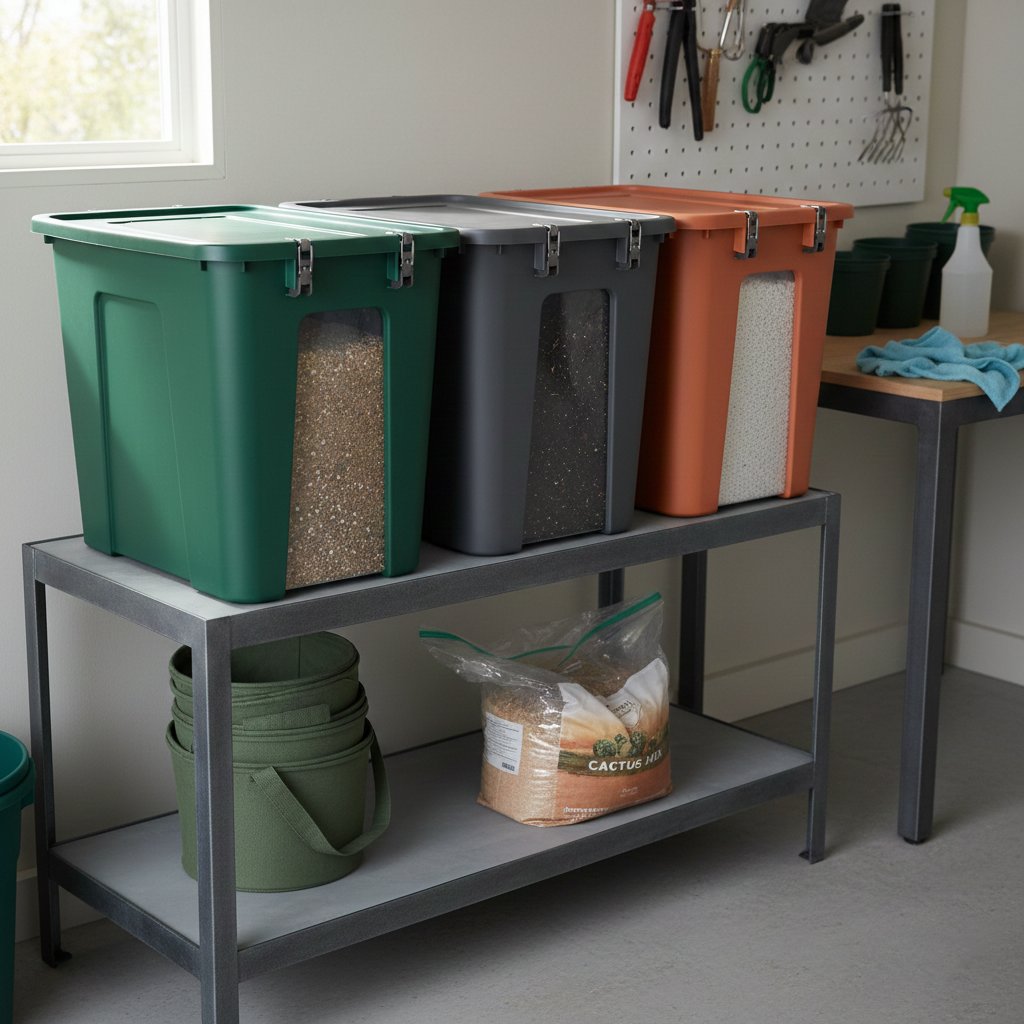
Storing leftover cactus soil correctly keeps it clean, dry, and effective for your next use. Proper storage prevents pests and mold and maintains the mix’s well-draining structure and overall quality.
Choosing the Right Storage Container
Use a sealed, airtight container to protect your cactus soil mix from air, insects, and humidity. Plastic storage bins with tight lids work well, but you can also use heavy‑duty buckets or large zip‑seal bags. Avoid the original soil bag unless you plan to use the rest soon; thin plastic tears easily and allows moisture inside.
Choose containers that can withstand temperature changes without cracking. If possible, use opaque bins to block sunlight, which can warm and dry out the soil unevenly. Before filling any container, wipe it clean and dry it completely. Dirty or damp surfaces encourage mold and decomposition of organic material such as peat or compost.
For convenience, store containers by soil type or ingredient, one for cactus mix, another for general potting soil. This helps you keep track of your materials and prevents cross‑contamination.
Controlling Moisture and Humidity
Cactus soil depends on low moisture retention to stay well‑draining. To prevent dampness, make sure the soil is completely dry before sealing it. If the mix feels moist, spread it thinly on a tarp in an airy, well-lit, or sunny spot for a day or two until dry.
Monitor humidity in your storage area using a small hygrometer if possible. Damp air can introduce condensation inside containers. For extra protection, add moisture absorbers like silica gel packets or small bags of activated charcoal. Store soil away from appliances like water heaters, washers, or sinks, as heat and fluctuating moisture levels can compromise the mix.
If you notice clumping or a musty odor later, spread the soil again to dry before reuse. keeping the mix dry extends the life of both its organic and inorganic materials, such as perlite, pumice, or coarse sand, that give cactus soil its drainage and aeration qualities.
Ideal Storage Locations
Place your sealed containers in a cool, dry, and stable environment. Temperature swings cause condensation, which raises soil moisture and promotes mold. Optimal storage temperatures are between 50°F and 70°F (10°C to 21°C), paired with low, steady humidity. A climate-controlled basement or interior closet works best. Avoid non-climate-controlled garages or sheds due to high instability.
Avoid outdoor spots where rain or frost might reach the containers. If you must store them outside, keep the bins off the ground and under a covered area. Check lids occasionally to confirm a tight seal.
A small table can help you organize multiple containers neatly. Elevated storage also improves air circulation and reduces contact with cold floors that may create condensation.
Labeling and Dating Soil Mixes
Always label each container with details such as “Cactus Soil Mix,” main materials (for example, pumice + peat + coarse sand), and the date stored. Write clearly using waterproof markers or adhesive labels that can handle dust and moisture.
This helps you track how long a batch has been stored. Though cactus soil can last a long time if dry, organic ingredients may slowly break down. If a mix contains organic ingredients, consider replacing or refreshing any batch stored for over two years to maintain optimal drainage and aeration. Mixes with pre-mixed fertilizer should be used sooner, as the nutrients will degrade.
Include space on the label for notes, such as when the mix was last inspected or dried. Keeping an organized labeling system saves time, reduces waste, and ensures you always have a usable supply for potting or repotting succulents.
Reusing and Repurposing Leftover Cactus Soil
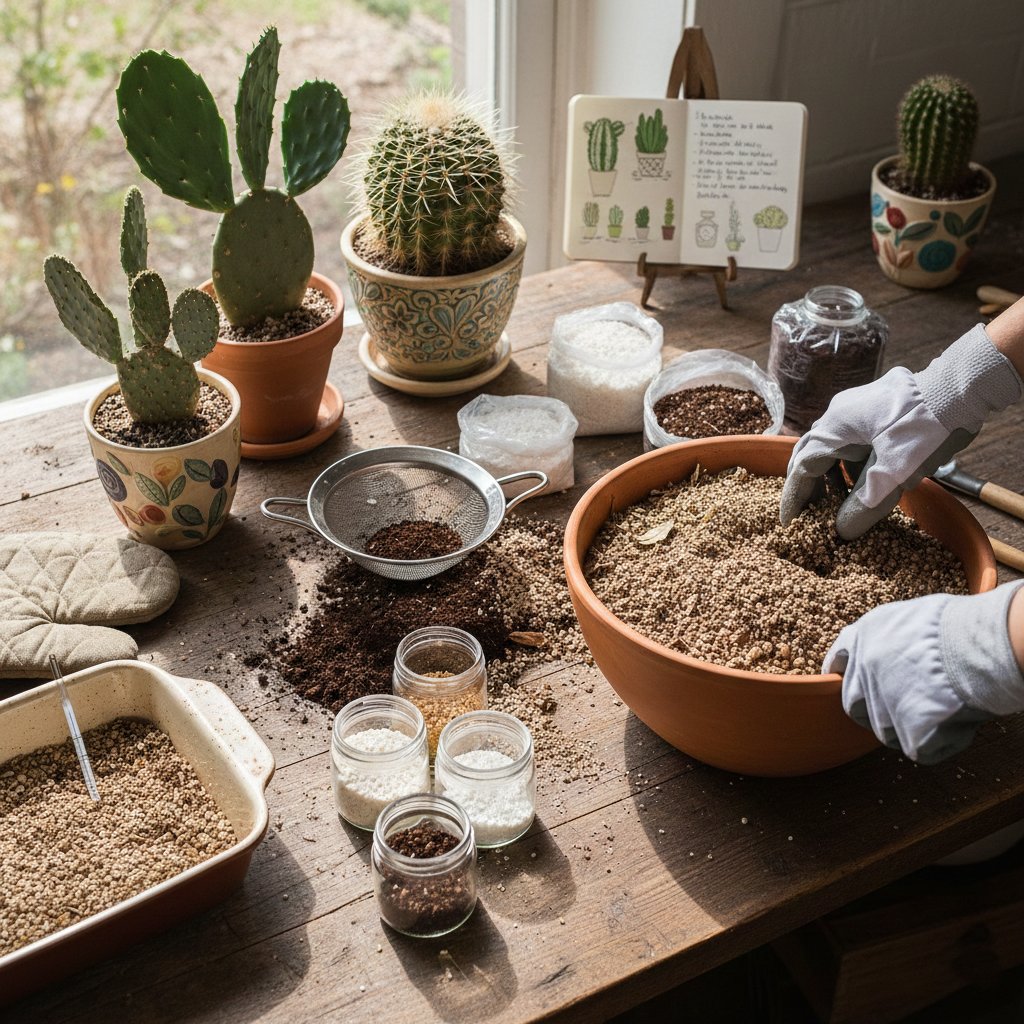
Leftover cactus soil can stay useful long after you finish repotting your plants. By handling it correctly, you can reuse or repurpose it to support cacti growth, improve other potting mixes, or use it in other areas of your garden.
When and How to Reuse Cactus Soil
You can reuse cactus soil when it’s clean, well‑draining, and free of pests or mold. Check for compacted or sour-smelling soil, these are signs it needs replacing. Remove any plant roots, dead leaves, or organic debris before reusing.
Refresh old soil with small amounts of new desert cactus soil, vermiculite, or grit to restore proper drainage. Add some orchid bark or perlite for air flow. Mixing a spoonful of compost or balanced fertilizer can also help replace lost nutrients.
Avoid reusing soil from sick or rotting cactus plants. Fungal spores can spread easily and harm healthy plants. When in doubt, sterilize the old potting mix by baking it in a shallow pan at 200°F (93°C) for 30 minutes (after the soil reaches temperature). Once cooled, it’s safe to reuse for hardy desert cacti.
Mixing Old and New Soil Safely
Reused cactus soil works best when blended with new material. Use about 1 part old soil to 2 parts new mix to maintain structure and fertility. This ratio keeps good drainage and prevents compaction over time.
When preparing a mix for jungle cactus species like Epiphyllum or Rhipsalis, include extra moisture-retentive materials such as vermiculite or coco coir. For desert cactus, rely more on gritty sand, pumice, and small gravel. Adjust the recipe depending on your plant’s origin and water needs.
Always pot your cactus in containers with drainage holes. Even a perfect cactus soil recipe cannot prevent root rot in stagnant water. Label your reused mix clearly so you know when it was last refreshed and for which plants it’s safe to use.
Alternative Uses for Extra Cactus Soil
If you have more leftover mix than you need, you can repurpose it in several ways. Spread it under succulent beds or add it to regular potting soil for plants that prefer drier conditions, like lavender or rosemary.
The mix’s gritty texture improves aeration in heavy garden soil. You can also use it to fill gaps in planters.
Use it as a base for starting seedlings that need quick drainage, amending it with compost and perlite for nutrients. Avoid using it for vegetables that require rich, moist soil, since cactus mix drains too rapidly for those crops.