
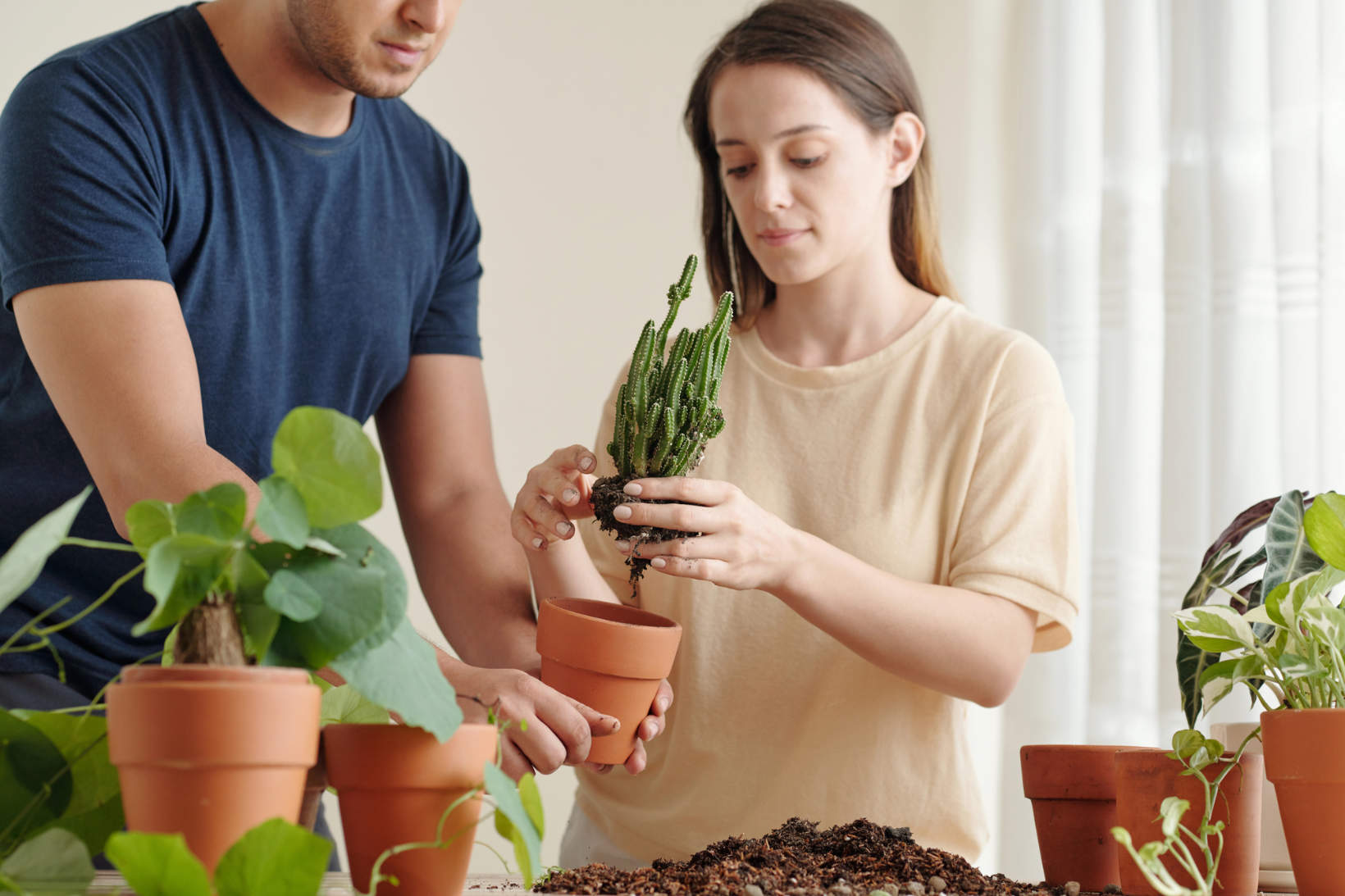
How To Tell If Your Cactus Needs Repotting
Your cactus may look low‑maintenance, but it still needs attention to stay healthy. Over time, its roots can run out of room, the soil can become compacted, and growth can slow down. If you notice roots poking through drainage holes, compact soil, or a cactus that seems stuck in place, it’s likely time to repot.
Repotting gives your plant the space and nutrients it needs to thrive again. By learning a few key signs and checking on the root system, you can decide the right time to move it into a new container.
This guide walks you through how to recognize these signals and evaluate your cactus’s root health so you can keep it strong and growing for years.
Key Signs Your Cactus Needs Repotting
Cacti show clear signs when they need a larger container or fresh soil. You may see roots poking through the bottom, slow or uneven growth, or a plant that leans because the pot can’t support it anymore. Soil that holds too much water or shows mineral buildup can also point to the need for repotting.
Roots Growing Out of Drainage Holes
When roots grow through the pot’s drainage holes, it usually means your cactus has outgrown its container. The roots have no more room to spread and start to wrap around inside the pot. This makes it harder for them to absorb water and nutrients, slowing the plant’s development.
Lift the pot and check the bottom. If you see thick roots sticking out or circling the container’s edge, it’s time to repot your cactus. Severely packed roots will inhibit water absorption and lead to poor growth.
Choosing a pot one or two sizes larger gives the roots more space to expand. Use a container with good drainage and a gritty cactus mix to avoid waterlogging. Healthy root room encourages new growth and overall stability.
Slow or Stunted Growth
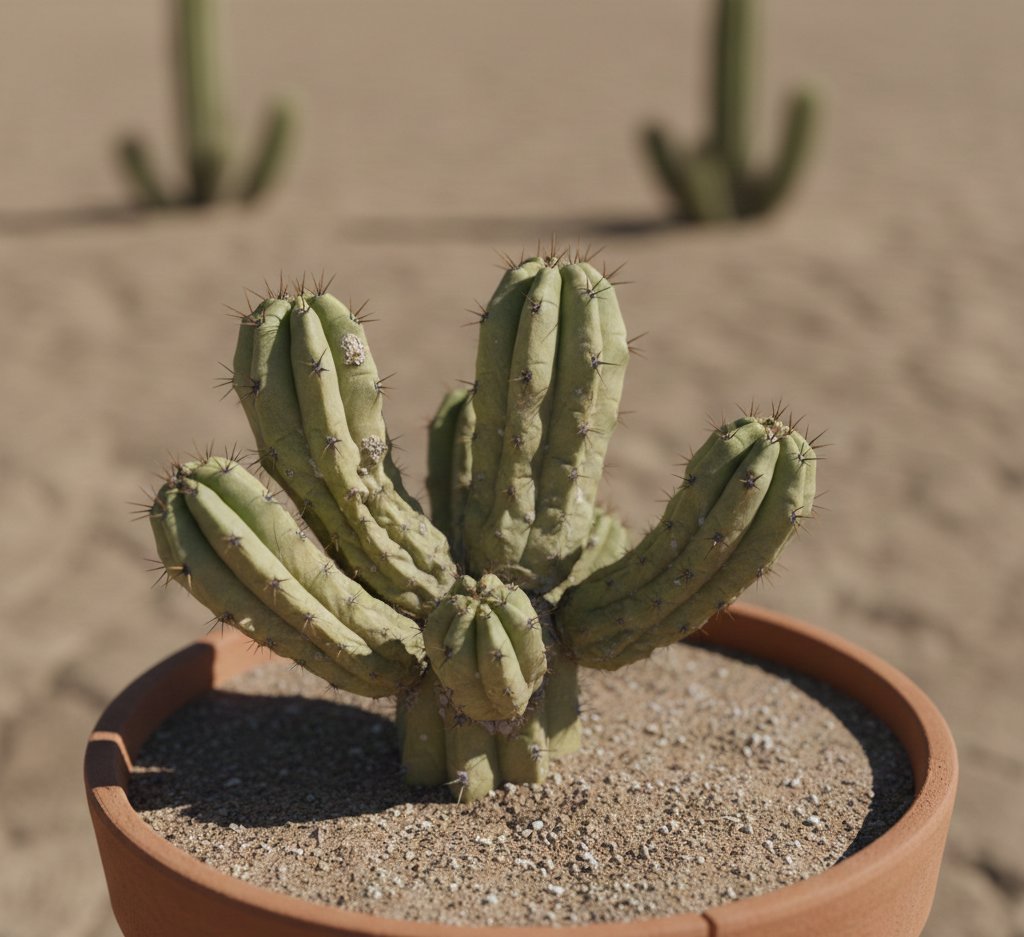
When your cactus suddenly stops growing during its active season, it may be root-bound or low on nutrients. Cacti grow slowly by nature, but if yours hasn’t added new spines or size in several months, take a closer look at its roots and soil condition.
Old or compacted soil loses structure and drains poorly. This limits oxygen flow and holds water for too long, which can cause root rot. A nutrient-poor mix also fails to support steady cactus growth.
Repot your cactus with fresh soil to replenish nutrients and restore proper drainage. Using new cactus mix with coarse sand or perlite helps the plant recover and resume healthy growth patterns.
Top-Heavy or Unstable Cactus
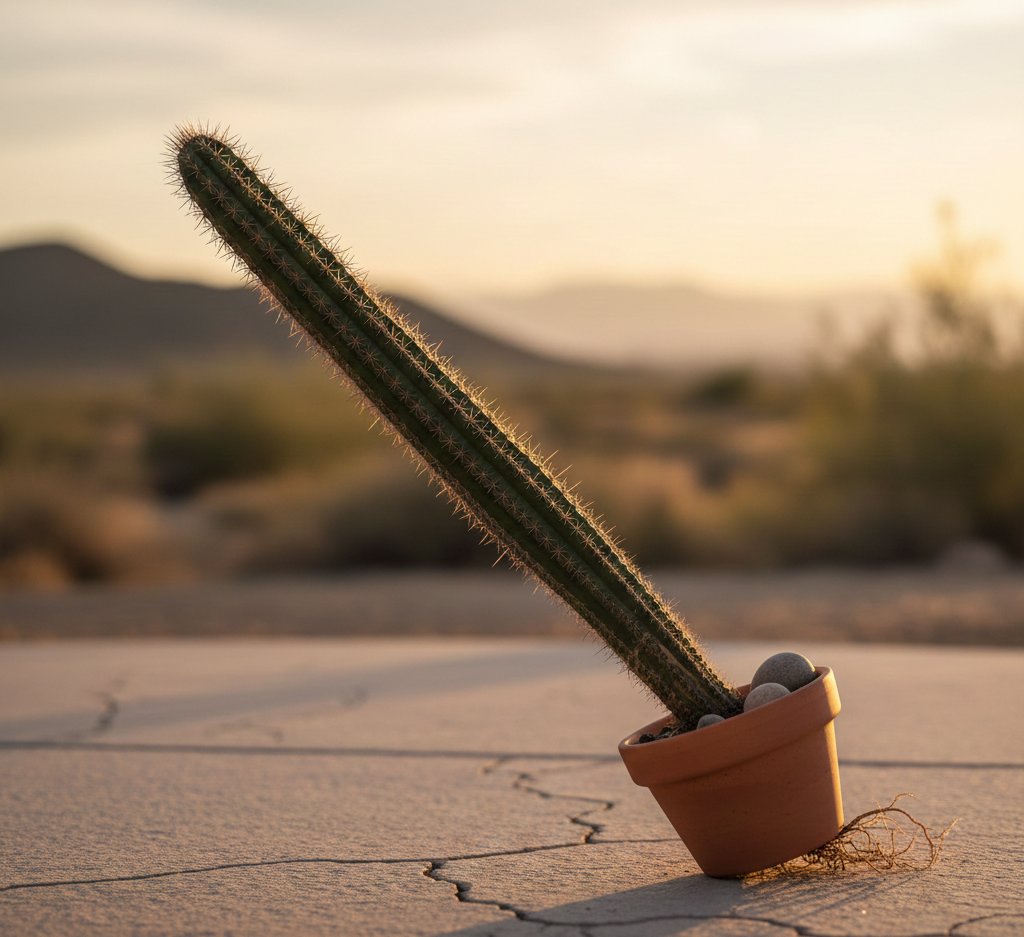
A cactus that leans or tips easily may have an unbalanced root system or a pot that’s too small. Over time, the upper part of the cactus grows heavier while the roots stay crowded at the bottom. This makes the plant unstable and can strain the stem base.
You can check whether the problem is pot size or weak roots by gently shifting the cactus. If it rocks or loosens from the soil, it likely needs more room. Repotting it into a deeper, wider container allows roots to anchor the plant better.
You can add a layer of gravel or coarse sand to the surface (top dressing) for added stability and to protect the stem base from rot. A firm base keeps the cactus upright and protects it from stem stress or breakage.
Mineral Deposits and Soil Issues
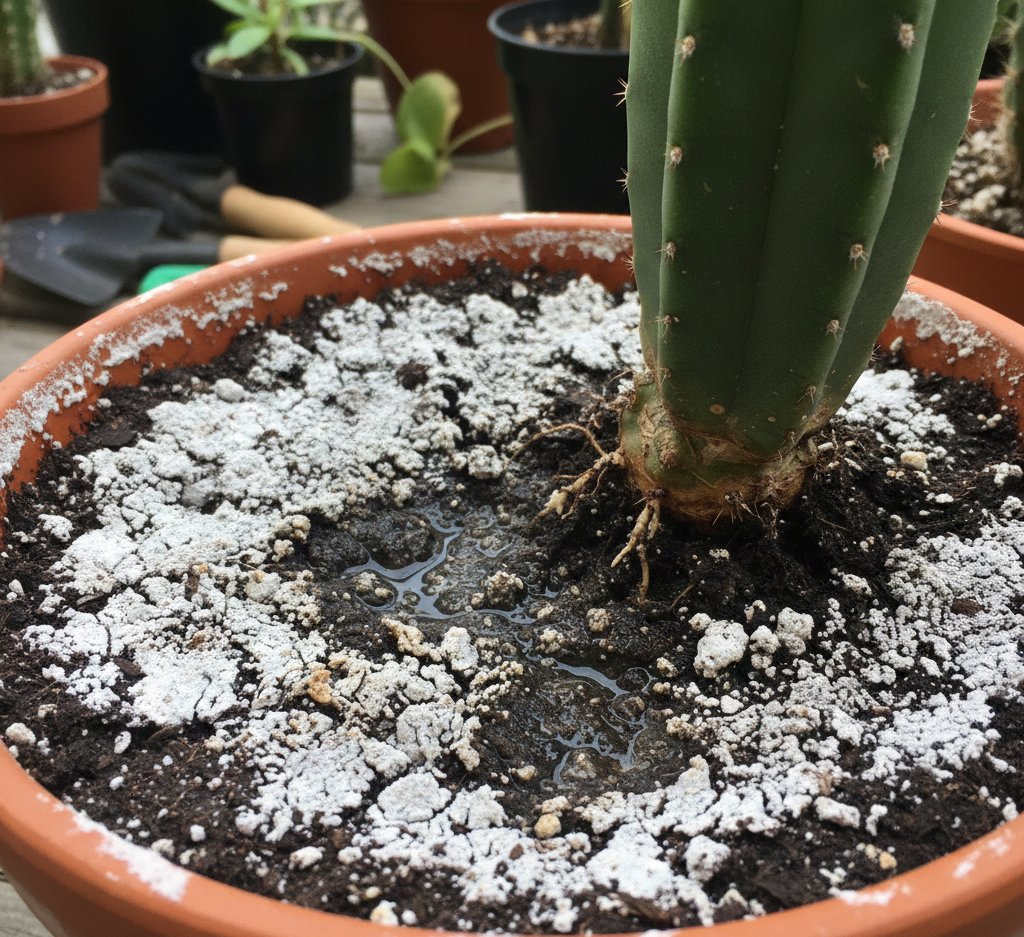
White crust or chalky buildup on the soil surface signals mineral deposits from hard water or fertilizer salts. These deposits can change the soil’s balance and block moisture from reaching the roots. Caked or compacted soil is another warning that drainage has declined and air movement is restricted.
Over time, this environment makes roots more prone to rot and limits cactus growth. If you notice water pooling on the surface or soil that stays damp for days, consider repotting your cactus with a fresh, well-draining mix.
Before repotting, remove as much old soil as possible and inspect the roots. Trim any blackened or mushy sections. Repotting with new soil removes built-up salts and restores the necessary well-draining, aerated environment for a healthy cactus.
Evaluating Root Health and Growth
Healthy roots help your cactus absorb water, stay balanced, and continue growing. When roots become crowded or rotten, the plant’s growth slows and its stability weakens, signaling that it may be time for repotting.
Identifying Root Bound Conditions
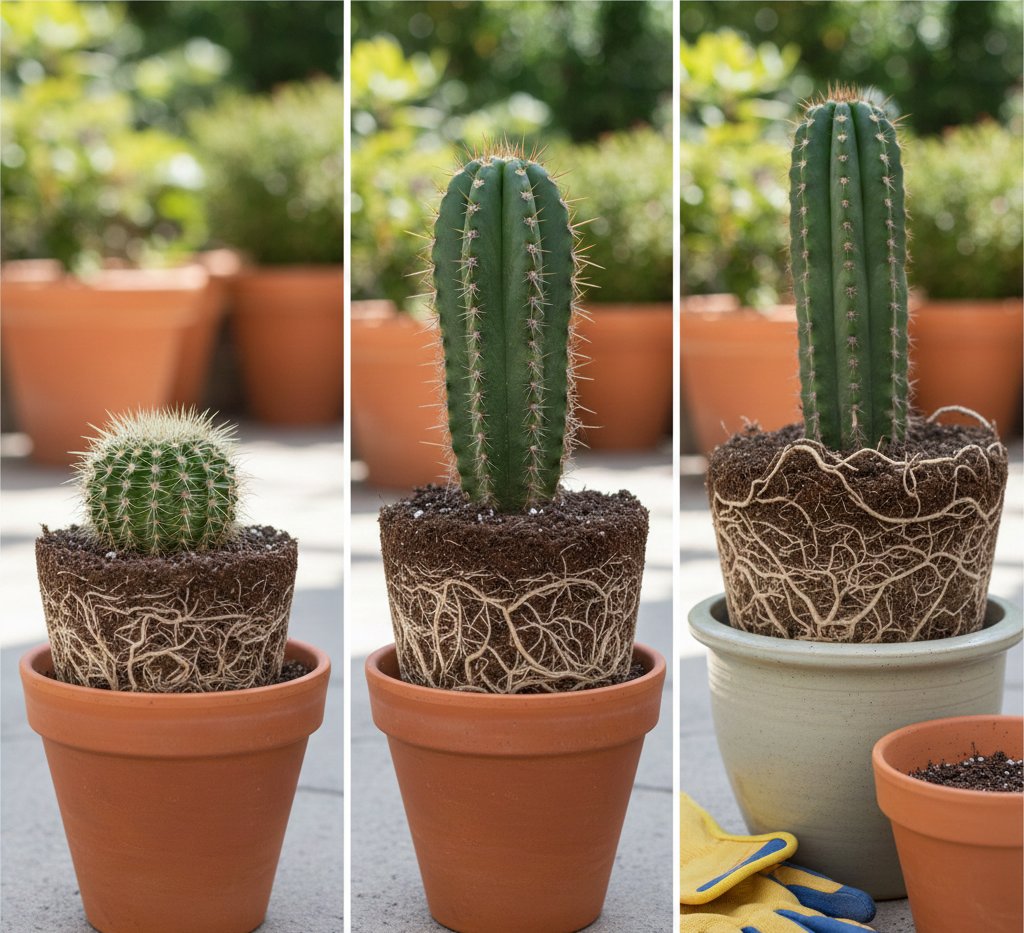
A cactus becomes root bound when its roots fill the entire pot and have no room to expand. This condition limits water absorption and nutrient intake. To check, gently remove your cactus from its container and look for roots circling tightly around the soil or pressing through the drainage holes.
If you see thick mats of roots with little visible soil, it’s time to move the plant to a slightly larger pot. Dense root systems can also push the cactus upward or make it lean. In severe cases, the plant may become top-heavy because the restricted roots can’t anchor it properly.
A quick visual comparison can help:
| Root Condition | Description | Action |
|---|---|---|
| Compact, circling roots | Little space left in soil | Repot soon |
| Roots visible through holes | Roots escaping bottom | Immediate repotting |
| Established, non-circling roots | Ample soil to grow | No repot needed |
Inspecting for Root Rot
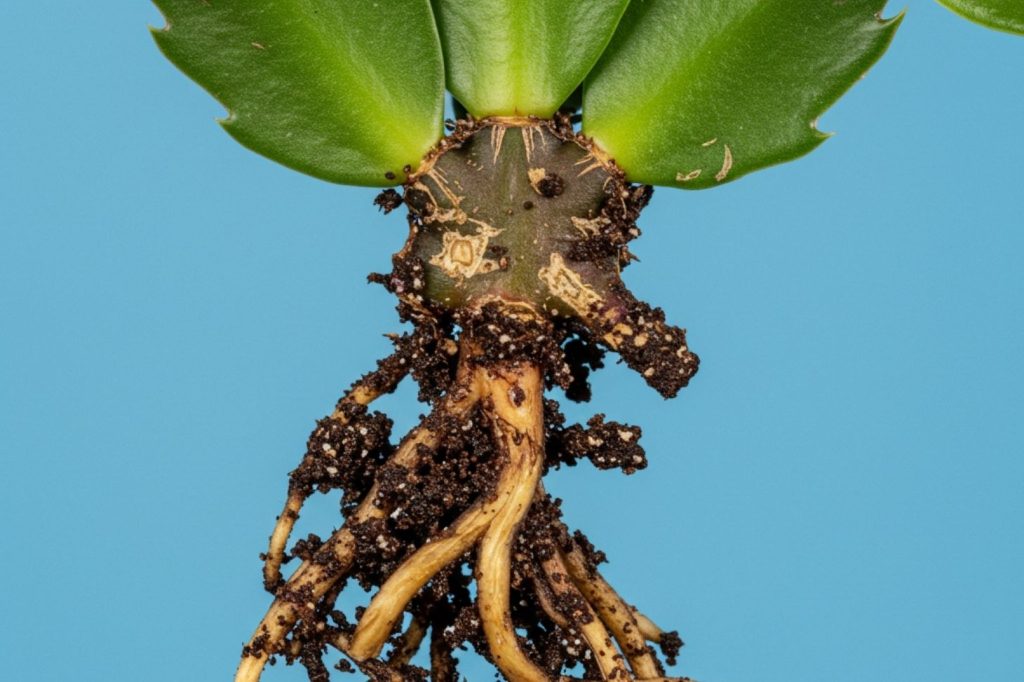
Root rot often results from poor drainage or excess watering. It’s one of the most common problems for potted cacti. When inspecting roots, look for dark, soft, or mushy sections. Healthy roots should appear firm and pale in color, usually white or light tan.
If you notice a foul smell or easily crumbling roots, rot has likely set in. To treat, use a clean, sharp knife to cut away all damaged sections. Dust the remaining healthy roots and cut surfaces with a fungicide or cinnamon powder and let the plant dry for 3–7 days until the cuts have calloused over. Repot into fresh, dry soil in a container with excellent drainage. Always use a pot with proper drainage and avoid watering until the soil feels completely dry.
You can reduce future risks by using a well-draining mix of coarse sand, perlite, and cactus soil. Proper airflow and sunlight also help roots stay dry and strong.
Root Growth Patterns
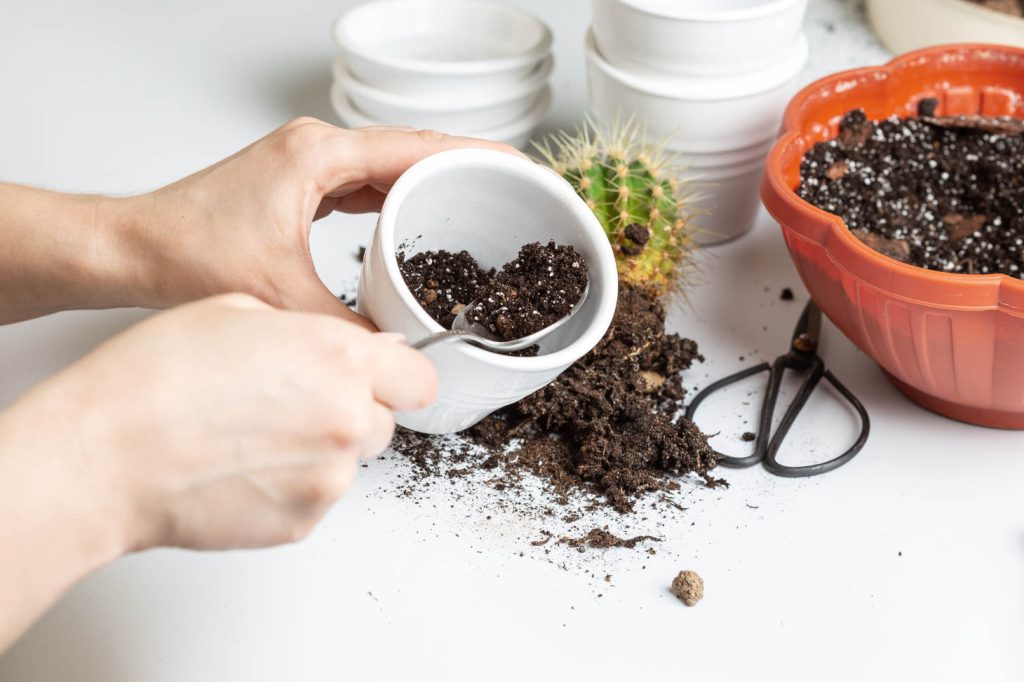
Regularly monitoring root growth gives you early insight into your cactus’s health. Steady, outward root development shows a balanced plant, while uneven or tangled roots suggest overcrowding or stress. When roots grow mainly in circles or appear overly thick, they’re searching for more room.
Healthy root systems branch outward rather than downward in a tight mass. During repotting, loosen any tangled roots gently so they can grow freely in the new soil. When firm, spreading roots begin to fill the container and reach the edges, it is usually time to upgrade the pot size.
Track how often roots reach the edges of the container, this helps decide repot timing. Cacti that show minimal new root growth over several months may have compacted soil that prevents healthy expansion. Replacing or loosening the soil often restores proper root function and growth balance.
Frequently Asked Questions
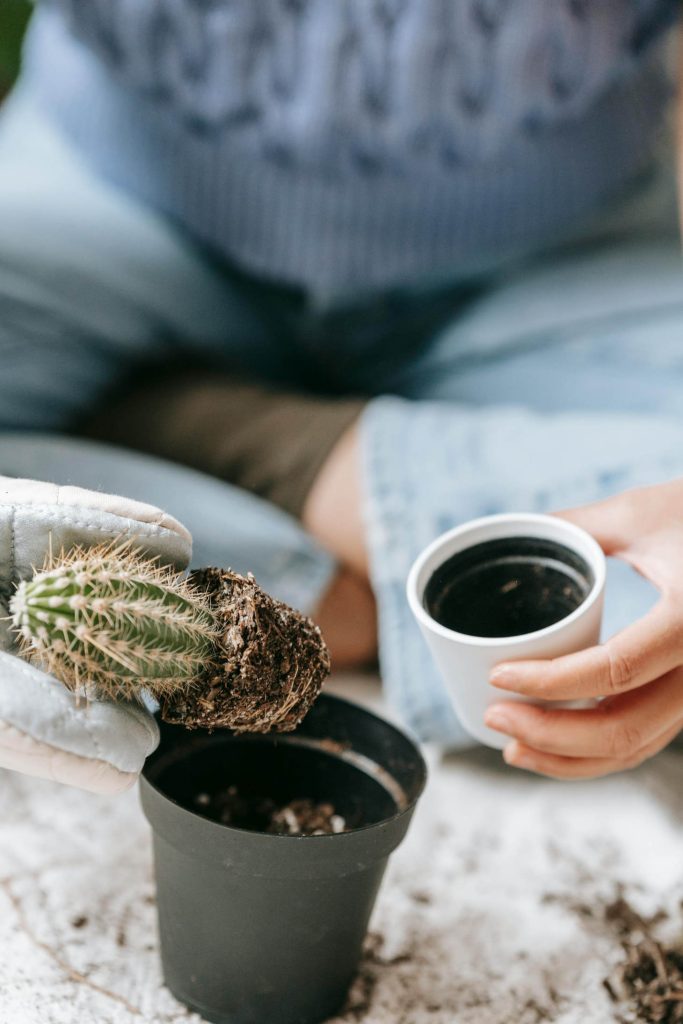
Keeping your cactus healthy requires knowing when it needs more space, what materials support strong roots, and the safest way to handle repotting. You’ll also need to choose the right time of year and recognize signs that signal your plant’s pot is no longer suitable.
What are the signs that a cactus has outgrown its pot?
When roots grow through the drainage holes, your cactus has likely outgrown its container. You may also observe the plant becoming top-heavy, leaning, or even lifting upward due to severely compacted roots. Slowed or stunted growth, yellowing, or compacted soil that dries out too quickly are other indicators.
How often should one repot a cactus plant?
Most cacti typically require repotting every two to four years, depending on their growth rate and size. Smaller or younger plants may need fresh soil more often, while mature ones can go longer. If the soil looks depleted or the roots fill the pot, it’s time to repot.
Can you describe the root-bound symptoms in cacti?
A root-bound cactus has tangled roots wrapped tightly around the root ball, sometimes forming a dense mass. When removed from its pot, you might see thick roots circling the base instead of spreading outward. This limits nutrient and water absorption and can cause poor growth.
What is the best season to repot a cactus?
Late winter to early spring is the most suitable time to repot. During this period, your cactus begins its active growth phase, giving it time to recover from the stress of transplanting. Avoid repotting when the plant is dormant in colder months.
What type of pot and soil should be used when repotting a cactus?
Use a pot with drainage holes to prevent excess moisture buildup. Choose a container slightly larger than the current one. For soil, select a well-draining cactus mix made with coarse sand, perlite, or small gravel to help air reach the roots.
What are the steps for safely repotting a cactus?
Wear thick gloves or use folded newspaper to grip the plant safely. Gently loosen the root ball and remove old, compacted soil without damaging roots. Place the cactus in its new pot, fill around it with fresh, well-draining cactus soil, and wait at least a week before watering to allow any root injuries to heal.