
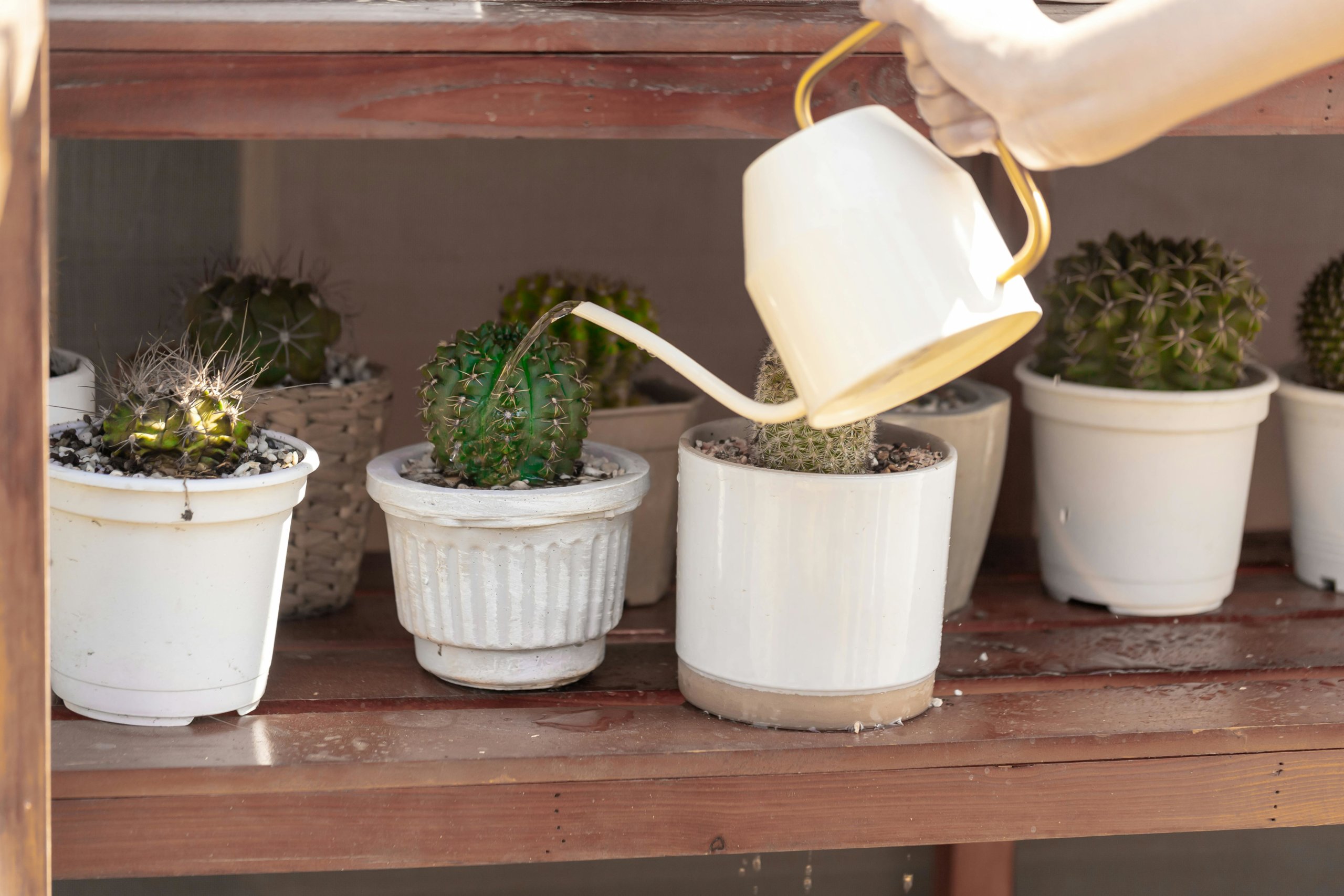
How To Water Cactus On Vacation
Leaving home for a week or two doesn’t have to mean coming back to a shriveled cactus. Cacti can handle dry spells, but timing, soil condition, and environment still matter when you’re away.
To ensure your cactus remains healthy while you are away, check that its soil is completely dry before you leave. Do not water it right before you go. Place the plant in a cooler, less sunny spot to slow down any moisture loss, and avoid all slow-watering methods like self-watering setups, which will likely cause fatal root rot.
You’ll learn how to prepare your cactus before you go, including adjusting its watering schedule and checking soil drainage.
Each section of this guide focuses on practical steps that help your cactus handle your time away, from avoiding overwatering to caring for different cactus types.
Preparing Your Cactus for Vacation
Before leaving for vacation, you should make sure your cactus can handle the change in routine. Check its health, adjust watering habits to fit your trip length, and prepare the soil to hold the right amount of moisture. These steps help your cacti maintain stability and prevent stress while you are away.
Assessing Cactus Health Before Leaving
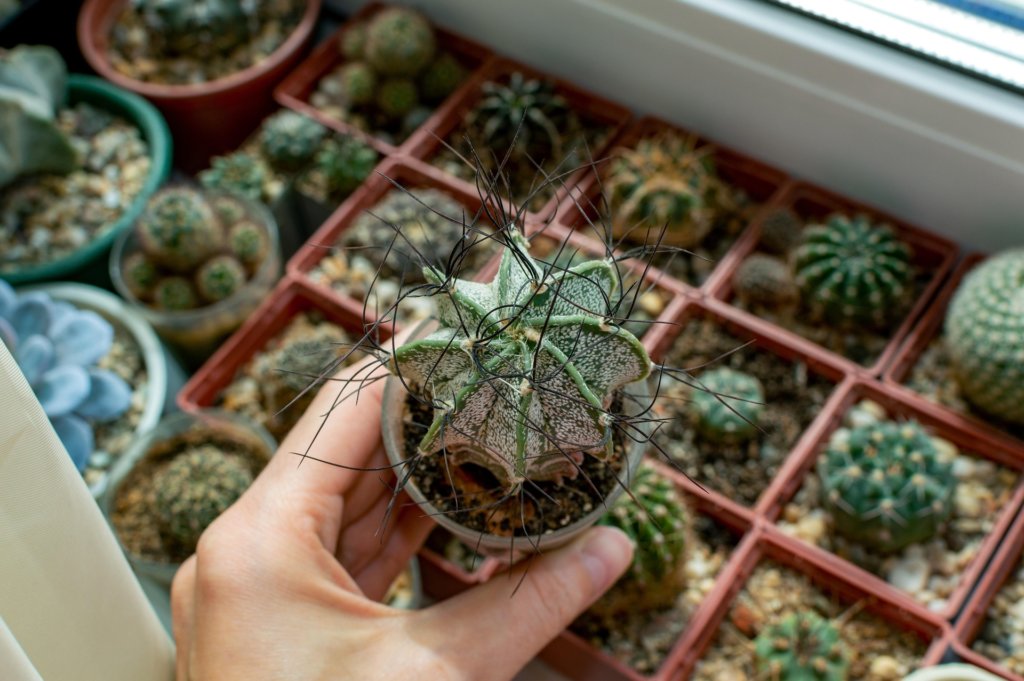
Start by examining your cactus for early signs of poor health. Look for discoloration, soft spots, or shriveled stems, as these can indicate watering or pest problems. Prune any dead or damaged sections immediately to prevent the spread of rot and disease to healthy tissue.
Only inspect roots if the cactus is already showing severe, persistent distress and you have sufficient time for recovery. Healthy roots should appear firm and white, not dark or mushy. If your cactus looks weak or diseased, delay major watering changes or repotting until it recovers.
Clean debris around the base to discourage pests. Check areas where mealybugs or spider mites might hide, especially if your cactus has dense spines. A stable, pest-free cactus stands a better chance of thriving in your absence.
Adjusting Watering Schedule in Advance
Gradually adjust your watering schedule a week or two before leaving. This helps your cactus adapt and reduces shock from any sudden moisture change. Overwatering just before your trip increases the risk of root rot.
Typical timing:
| Climate | Last Watering | Notes |
|---|---|---|
| Hot and dry | 4–5 days before leaving | Allow soil to dry slightly before departure |
| Mild or humid | 7–10 days before leaving | Ensure soil is completely dry when you leave. Do not keep soil moist. |
| Cold or dormant months | 2–3 weeks before leaving | Most cacti need little or no water |
If you expect very hot conditions indoors, move the cactus to a spot with indirect light. Slightly cooler temperatures help reduce water loss through evaporation.
Using Well-Draining Soil for Rapid Drainage
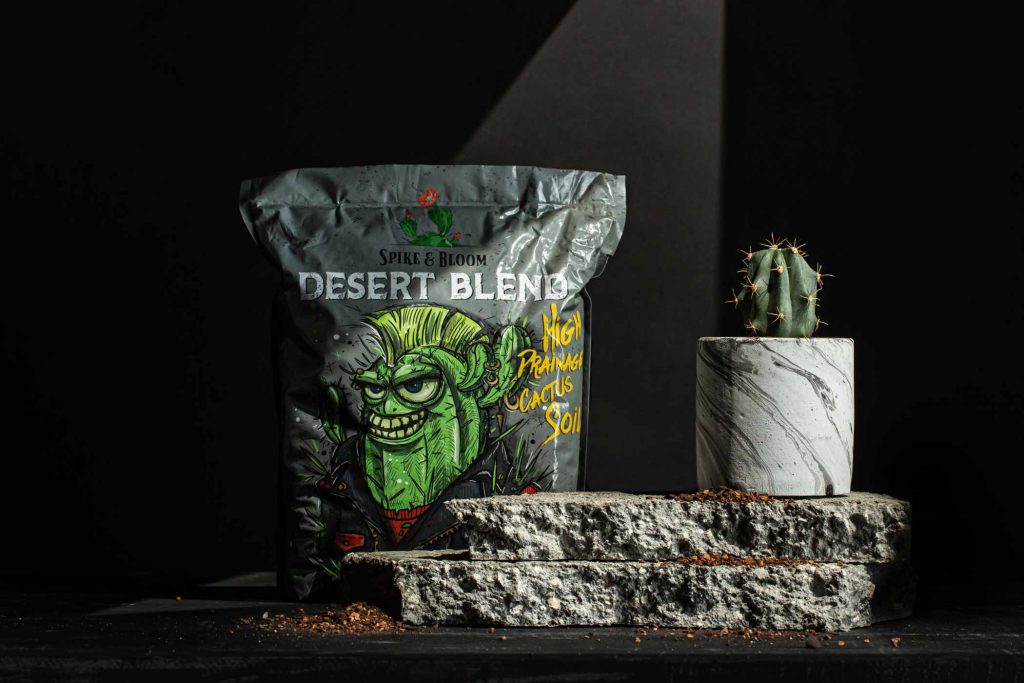
Use well-draining soil to prevent waterlogging, which is essential for healthy root systems, especially before a trip. A good cactus soil mix usually combines coarse sand, perlite, and a small amount of organic matter. This composition allows water to drain quickly while keeping minimal moisture available for roots.
Avoid soil that stays soggy. Wet, heavy soil suffocates roots and encourages fungal growth. If you have not repotted in over a year, consider doing so a few weeks before your trip to refresh compacted soil.
Adding a top layer of small gravel or pumice helps slow evaporation without trapping excess water. This layer also prevents soil from splashing onto the cactus base during watering, keeping the stem dry and healthy.
Techniques for Watering Cactus During Absence
Keeping your cactus healthy while you are away depends on smart watering preparation. The right moisture balance, proper soil drainage, and protective coverings can reduce stress on the plant until you return. Each technique supports slow, even water use that mimics the cactus’s natural survival methods.
Implementing the Soak-and-Dry Method
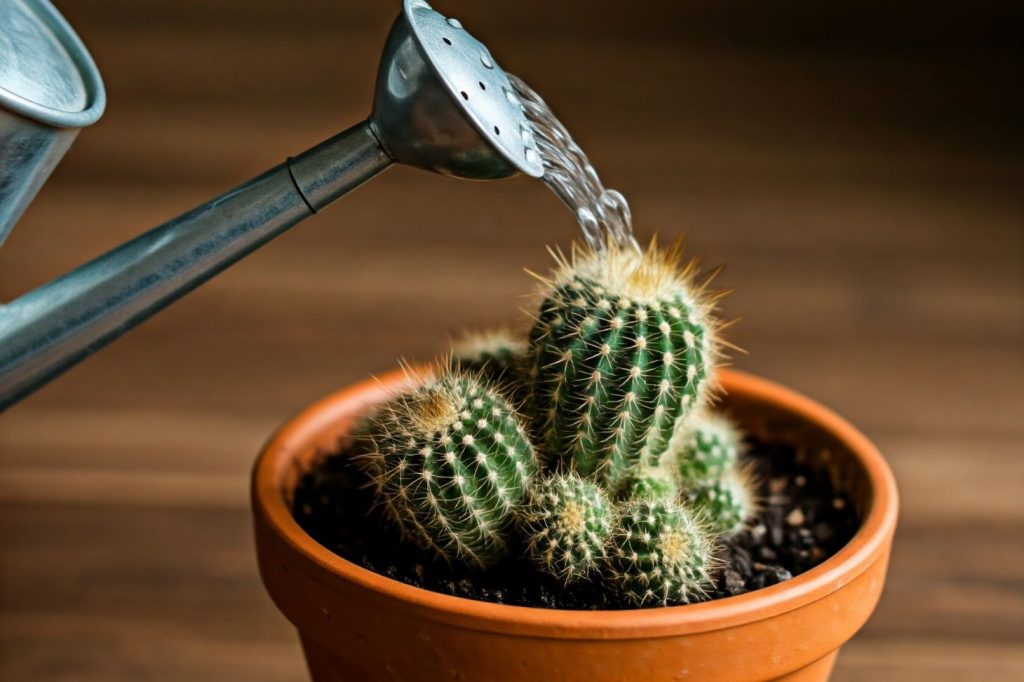
Use the soak-and-dry method before leaving. Water your cactus deeply until liquid drains from the holes at the bottom of the pot. Then let the soil dry out completely before your trip. This encourages roots to absorb water evenly and prevents rot from standing moisture.
A moisture meter helps confirm when the soil is dry. For most cacti, you should wait until the reading registers as “Dry” (the lowest level) before watering again. Avoid light misting; moisture on the surface does not reach the roots and can cause fungus.
For extended absences, ensure the plant has been thoroughly watered and the soil has had ample time to fully dry out before you depart. This gives the plant time to absorb moisture without leaving the soil soggy.
Applying Mulch or Pebble Coverings

A top layer of mulch or small pebbles helps limit evaporation and keeps the soil temperature stable. Spread a thin, even layer, about 1-2 inches thick, on top of the soil.
Choose materials like gravel, small stones, or coarse sand. The protective layer slows water loss caused by heat and airflow, allowing roots to draw water over a longer period.
This simple step also reduces soil compaction and prevents splashing, keeping your cactus cleaner and more resilient while you are away.
Special Considerations for Different Types of Cacti
You need to adjust how you care for your cactus depending on its type and environment. Desert cacti hold water for long periods, while tropical cacti grow in more humid areas and need different conditions to stay healthy during your time away.
Caring for Desert Cacti
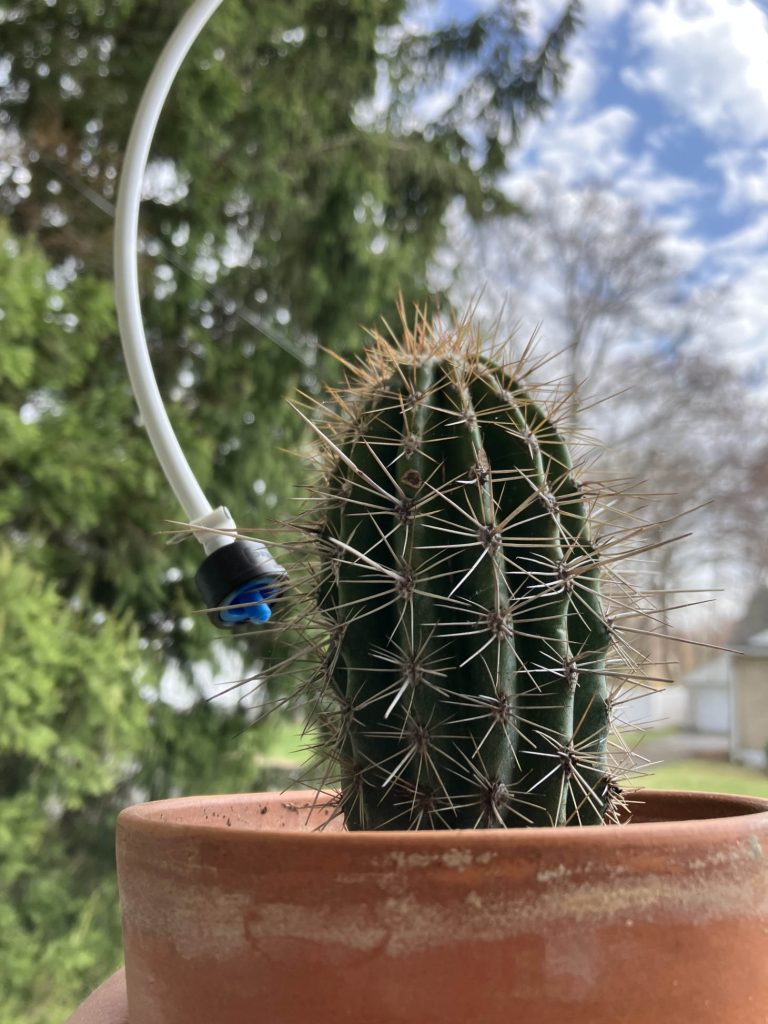
Desert cacti, such as the Barrel or Saguaro cactus, survive in dry, hot areas. Before leaving, water deeply, ensuring moisture reaches the full root zone, but only when the soil is completely dry. These cacti prefer infrequent but thorough watering rather than frequent light watering.
Use a gritty, well-draining soil mix to prevent root rot and allow air to reach the roots. Terra cotta pots help moisture escape faster, reducing the chance of stagnant water.
For trips of several weeks, move the cactus to a bright, but slightly cooler indoor spot to slow water loss. Avoid sealed containers or saucers that trap water underneath.
For long trips, consider using a drip system or wick to release small amounts of water slowly, but only if your indoor space is very hot and dry. Most desert cacti can safely go two to four weeks without watering when kept in moderate indoor conditions.
Caring for Tropical Cacti
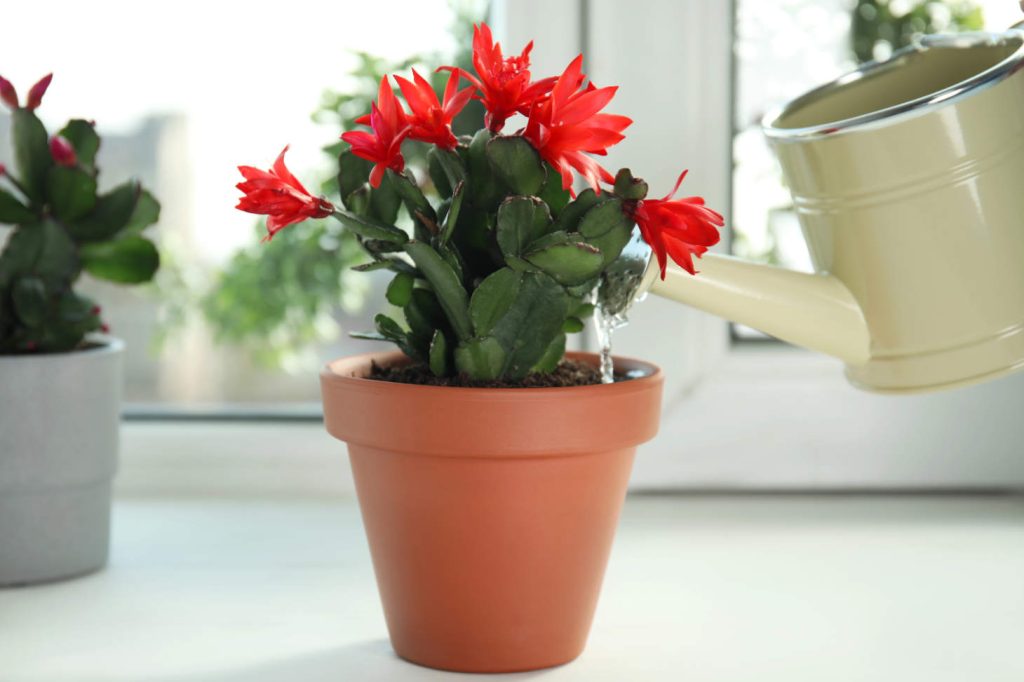
Tropical cacti, such as Epiphyllum or Christmas cacti, grow naturally in forests where the air is humid and the soil stays slightly moist. They need more consistent moisture than desert cacti. Before leaving, water them evenly until moisture drains from the bottom of the pot. Avoid soaking the roots for long periods.
Use a potting mix that retains some moisture, like one with peat or coco coir. These materials hold water without becoming soggy.
Keep tropical cacti in an area with indirect light and stable humidity. A humidity tray or grouping plants together helps maintain moisture in the air. If you’ll be gone for more than a week, a self-watering pot or a reliable watering friend is better than misting.
These cacti should never dry out completely, but the surface soil can dry slightly before the next watering. Balancing moisture and airflow keeps them healthy until you return.
Frequently Asked Questions
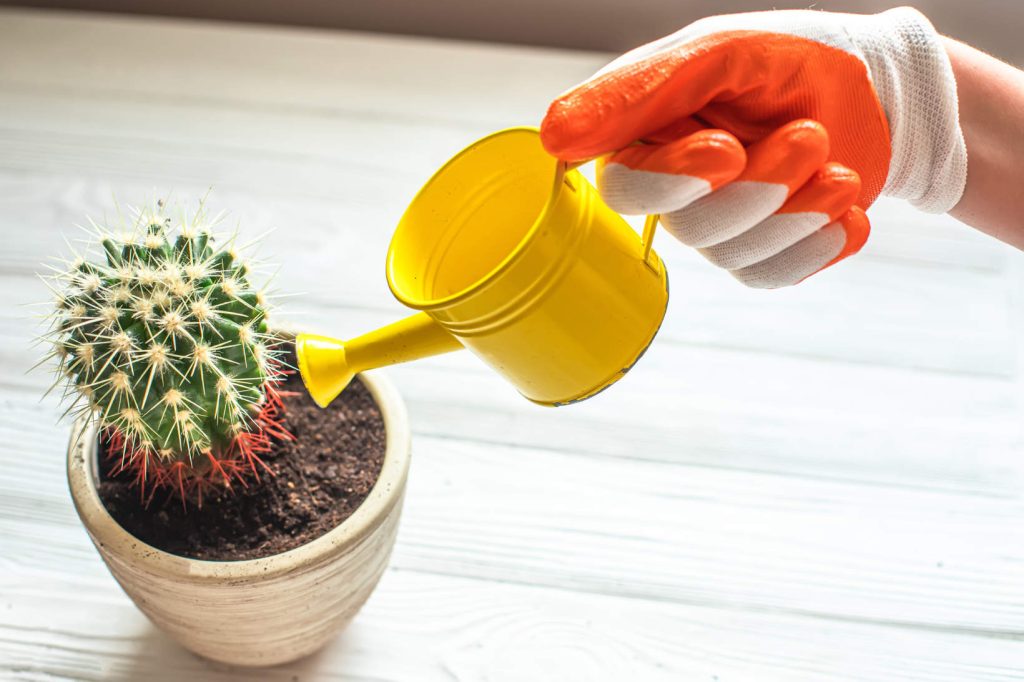
When you prepare to leave your cactus unattended, it’s important to plan how moisture, light, and temperature will remain stable. Using well-draining soil, timing your last watering, and selecting suitable tools can help your cactus stay hydrated but not waterlogged while you’re away.
What are effective methods for watering cacti while away for an extended period?
To prepare your cactus for an extended absence, water it deeply until the water drains out, then allow the excess to completely drain away (the soak-and-dry method). Place the pot in indirect light to slow evaporation. For longer absences, you can use techniques like grouping plants together to retain humidity or applying a layer of mulch to reduce drying.
Can self-watering pots be a reliable solution for cacti care during vacations?
Self-watering pots are generally not recommended for cacti due to the high risk of root rot. Cacti need the soil to dry out completely between waterings. Standard self-watering pots, especially wicking types, keep the soil consistently moist. If attempted, use a fast-draining potting mix and only a very shallow, small reservoir.
How often should a cactus be watered if I’m going to be away from home?
Most cacti need water only when the soil is completely dry. In warm months, this is usually every 10–14 days, but always check first. In cooler seasons, watering every 4–6 weeks is often enough. If leaving for a period shorter than this, give the plant a thorough soak before you go and ensure all excess water drains out.
What precautions should be taken to ensure a cactus receives the right amount of water in absence?
Make sure your cactus sits in a container with drainage holes and fast-drying soil. Avoid sealed covers or closed containers that trap moisture. Place the plant in a location with bright light and protect it from uncontrolled sources of water, like direct rain.
Are there any automated watering systems recommended for cacti?
Drip irrigation systems with adjustable timers can offer controlled watering if set to deliver small amounts infrequently. Capillary mats or slow-release water globes also help, though they must be tested beforehand to avoid excess moisture. Always check that the system allows soil to dry fully between waterings.
What are the risks of over-watering a cactus when setting up vacation care routines?
Too much water can cause root rot, soft stems, and fungal growth. Cacti store moisture naturally, so extra watering often harms more than helps. It’s safer to let the plant stay slightly dry during your trip than to leave it standing in damp soil.