
How to Wire a Bonsai Tree
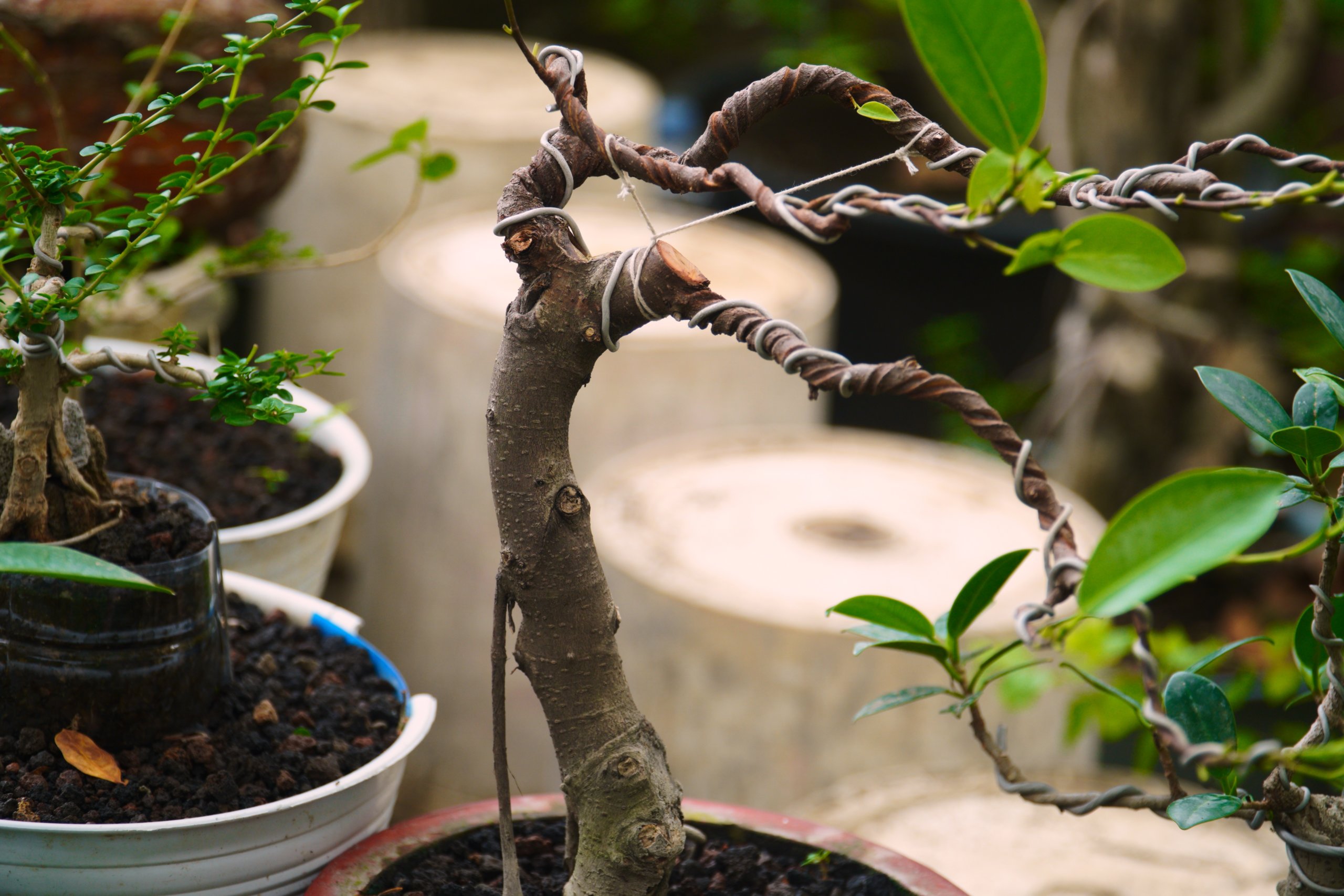
Wiring shapes your bonsai by guiding each branch into place with careful bends and steady support. You use wire to train the trunk and limbs, helping the tree grow in the direction you choose. When you apply the right method, you create clean lines without harming the tree.
To wire a bonsai tree, wrap the correct gauge wire around the trunk or branch at a 45-degree angle, bend the branch gently into position, and monitor it until the shape sets before removing the wire. You must choose healthy branches, use proper tension, and check the wire often so it does not cut into the bark.
With the right tools and timing, you can shape your bonsai with control and care. A few simple steps make the process clear and safe, and steady attention keeps your tree strong as it forms its new design.
Key Takeaways
- Use the right wire size, wrap at a 45-degree angle, and bend branches slowly to shape them safely.
- Prepare healthy branches and apply firm but gentle tension to avoid damage.
- Check the wire often and remove it before it marks the bark.
Wiring a Bonsai Tree: Tools, Materials, and Preparation
You need the right wire, proper tools, and a healthy tree before you begin. Careful preparation prevents scars, broken branches, and slow recovery.
Choosing the Right Bonsai Wire and Wire Gauge
Select bonsai wire based on strength, flexibility, and your skill level. The two main types are anodized aluminum and annealed copper.
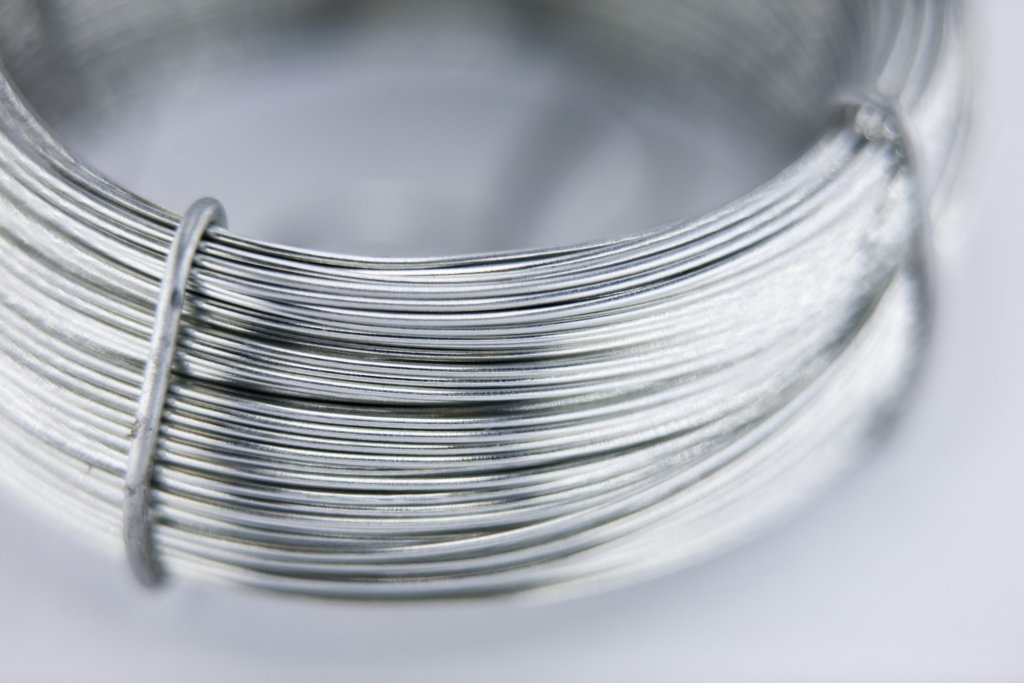
- Anodized aluminum: softer, easier to bend, best for beginners
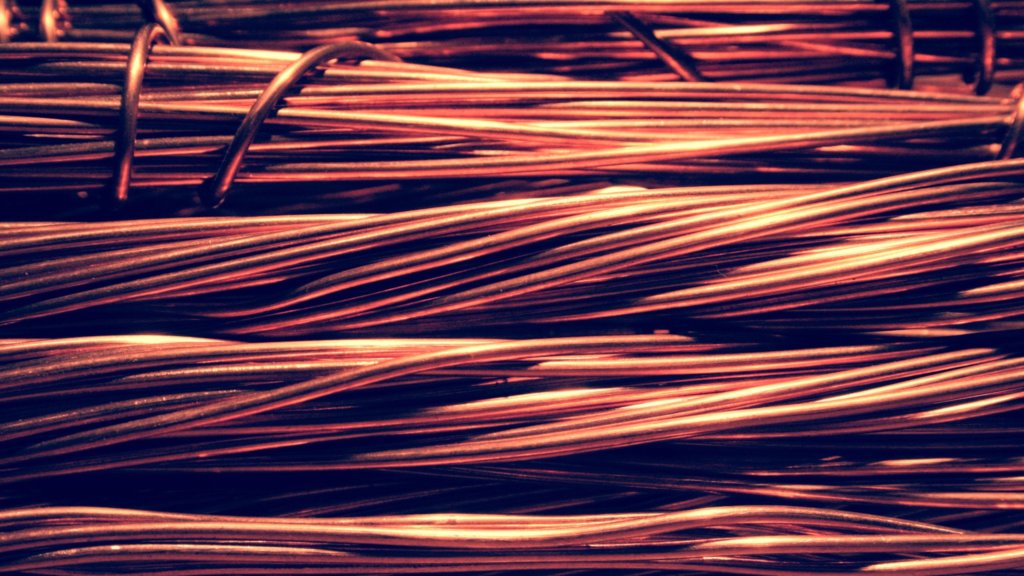
- Annealed copper: stronger hold, used often on conifers, harder to apply
Match the wire gauge to the branch thickness. A good rule is to choose a wire that is about one-third the thickness of the branch you plan to shape. If the wire is too thin, it will not hold the branch. If it is too thick, you may damage the bark.
Common bonsai wire gauge sizes range from 1 mm to 6 mm. Keep several sizes on hand. You may need different gauges for the trunk, primary branches, and smaller shoots.
Always test the wire on a similar branch if you are unsure. The wire should hold the bend with steady pressure, not force.
Essential Tools for Bonsai Wiring
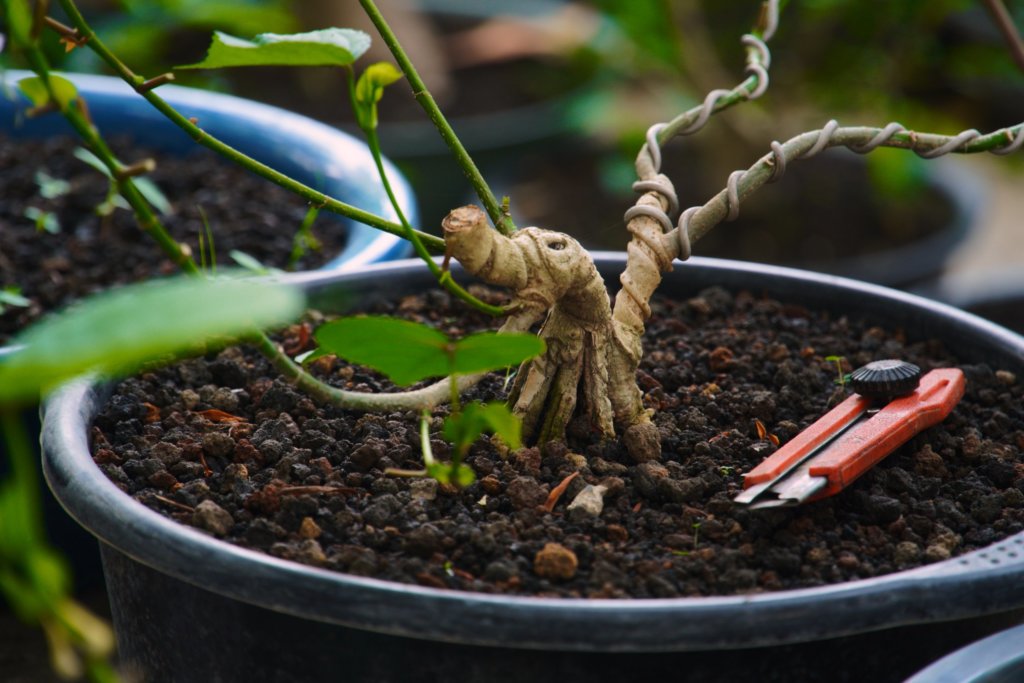
You only need a few tools, but each one matters. Quality tools reduce strain and prevent damage.
Basic tools for wiring:
- Bonsai wire (multiple gauges)
- Wire cutters
- Bonsai shears
- Raffia wrap (optional for protection)
Use proper wire cutters designed for bonsai. They allow you to cut close to the branch without tearing bark. Do not unwind old wire. Cut it off in small sections to avoid injury to the tree.
Keep pruning shears nearby to remove small shoots that block your wiring path. Clean, sharp tools make precise cuts and reduce stress on the tree.
When working with delicate bark or sharp bends, apply raffia wrap before wiring. Raffia protection spreads pressure across the bark and lowers the risk of cracks.
Preparing the Bonsai Tree for Wiring
Start with a healthy bonsai tree that shows active growth and strong roots. Do not wire a weak or newly repotted tree.
Remove dead leaves, unwanted shoots, and crossing branches before you begin. This step helps you see the structure clearly. You should know the front of your tree and the shape you want before adding wire.
Check branch flexibility by bending it gently with your fingers. If it feels stiff or brittle, move slowly and consider using raffia wrap for support.
Anchor your wire firmly by wrapping it at least twice around the trunk. Secure anchoring keeps the wire from slipping while you bend the branch.
Timing and Tree Health Considerations
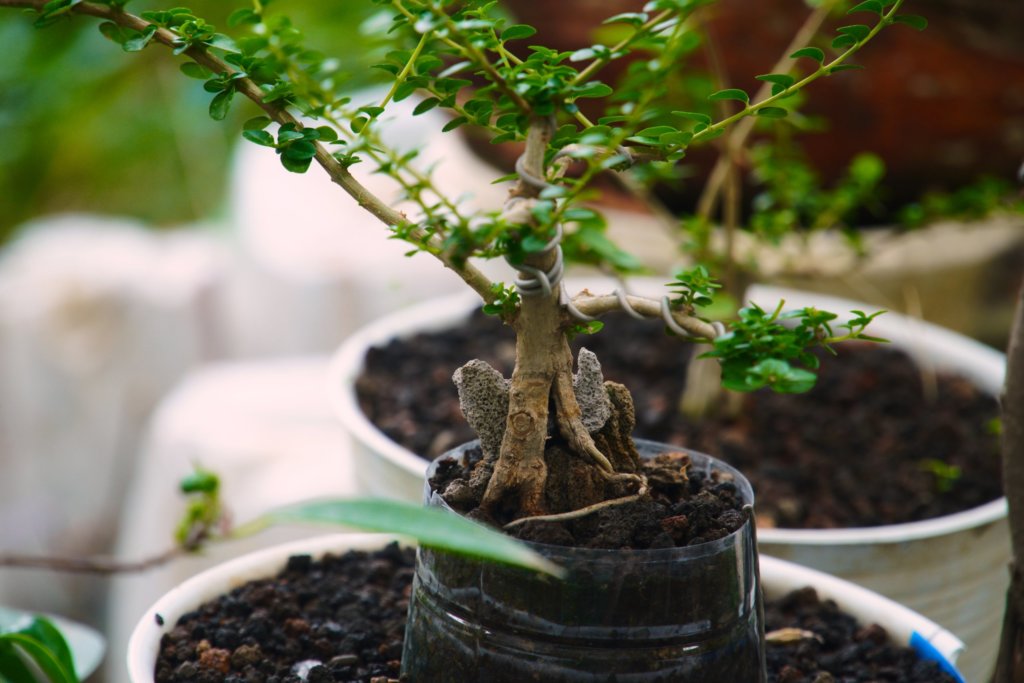
Wire your bonsai when the branches are flexible and accessible to ensure the best results without damaging the tree. Timing varies significantly depending on the species:
- Deciduous Trees: These are best wired in late winter (before buds swell) or early autumn after leaf drop. While you can wire during “active growth,” mid-summer is often avoided because leaves obstruct your view and branches thicken so rapidly that wire can scar the bark in just a few days. Late winter is specifically preferred because it allows you to see the branch structure clearly.
- Conifers: These are typically styled and wired during their dormant autumn and winter phases when the tree’s sap flow has slowed.
Avoid wiring during extreme heat, drought, or frost. Stress from weather can slow recovery and increase damage.
Monitor wired branches every few weeks. As the branch thickens, the wire can bite into the bark. Remove the wire as soon as it begins to mark the surface.
Never leave bonsai wire on longer than needed. Most branches set in a few months, but growth rate varies by species and season. Your attention protects the tree and keeps the design clean.
Step-by-Step Bonsai Wiring Techniques and Aftercare
You shape a bonsai by placing wire with control and removing it at the right time. Careful wrapping, steady bending, and close monitoring prevent damage and help the tree hold its new form.
Wiring Methods and Best Practices
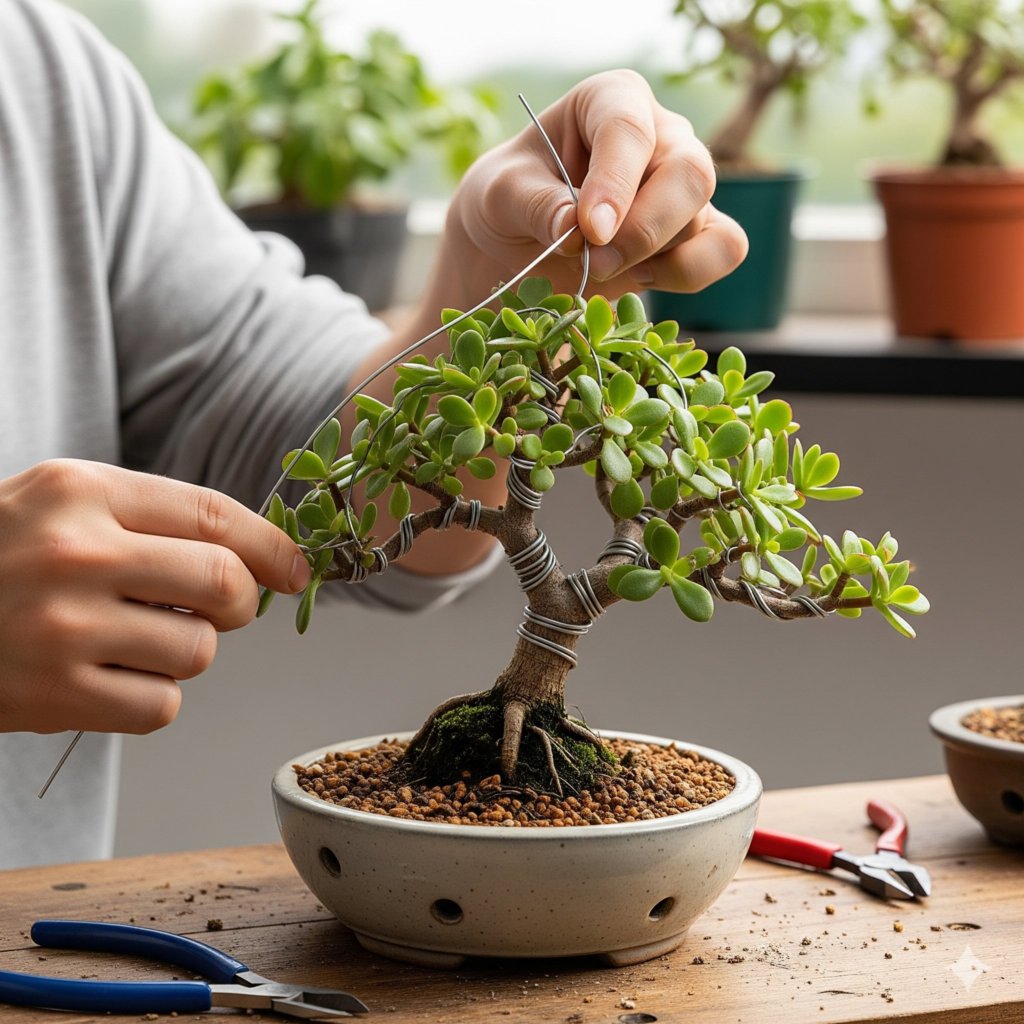
Choose anodized aluminum wire for most beginner work. It bends easily and suits deciduous trees. Use annealed copper wire for strong conifers, but only if you have experience.
Follow these basic steps when learning how to wire a bonsai tree:
- Anchor the wire at the trunk or root base.
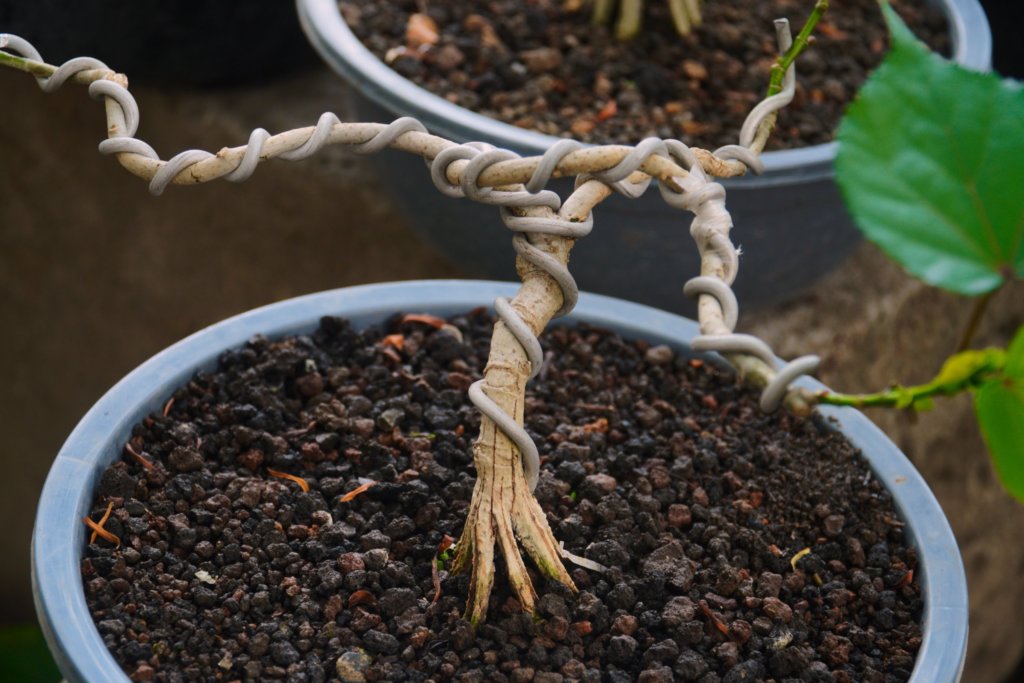
- Wrap at a 45-degree angle along the branch.
- Space each coil evenly without gaps or overlaps.
- Bend the branch slowly after wiring, not during wrapping.
Use one wire for two branches when possible. Wrap around the trunk once between them for stability. Do not cross wires. Crossing creates pressure points and increases the risk of wire bite.
Preventing and Managing Wire Bite
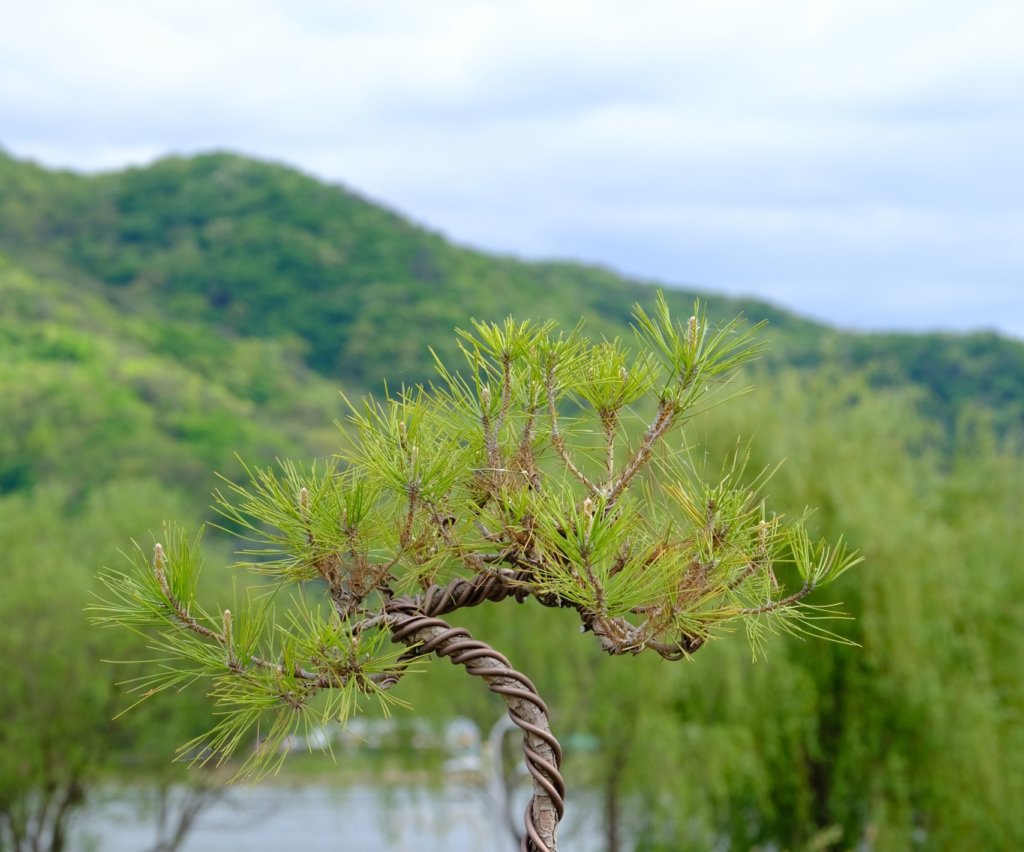
Wire bite happens when the branch grows and the wire cuts into the bark. This can leave scars that last for years.
Prevent wire bite by selecting the correct gauge. The wire should hold the branch in place without digging in. A simple rule: choose a wire about one-third the thickness of the branch.
Check your bonsai every one to two weeks during the growing season. Fast growth increases the risk of wire bite.
If you see the bark swelling around the wire, act at once. Do not unwind the wire. Cut each coil with wire cutters and lift the pieces off gently. Unwinding can tear bark and damage buds.
Light marks may heal over time. Deep scars often stay visible, so early action matters.
Monitoring Progress and Safe Wire Removal
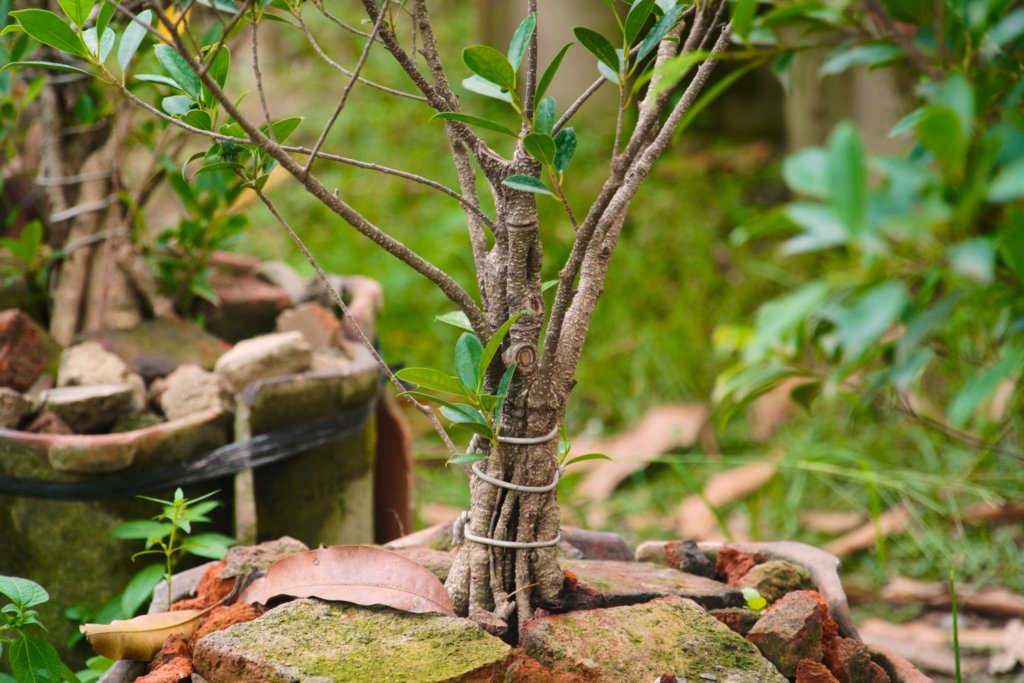
Wiring bonsai trees requires patience. Most branches set in place within 1 to 4 months, depending on species and growth rate.
Check progress by looking for wire contact with the bark. If the wire begins to bite into the wood, remove it immediately.
Always remove wire by cutting it off coil by coil. Use sharp bonsai wire cutters and work slowly. Pulling or unwrapping can strip bark and undo your work.
After removal, continue regular care:
- Water as usual.
- Protect from strong wind for a few days.
- Avoid heavy pruning right away.
Careful aftercare supports healthy growth and keeps the new shape stable.
Frequently Asked Questions
Wiring shapes your bonsai by guiding branch direction with steady pressure and proper timing. You need the right wire type, correct size, careful technique, and close follow‑up to avoid scars or damage.
What are the basic steps to wire a bonsai tree for shaping?
Start by choosing the right wire type and thickness for your tree. Cut a piece long enough to wrap the branch with extra length to anchor it.
Anchor the wire at the trunk or a stable branch. Wrap it around the branch at a 45‑degree angle, spacing the coils evenly.
Bend the branch slowly into the shape you want. Use steady pressure with your fingers, not sudden force.
Check the branch over the next few weeks. Adjust or remove the wire before it cuts into the bark.
Which type of wire is best suited for bonsai training, aluminum or copper?
Use anodized aluminum wire if you are a beginner or working with deciduous trees. It bends easily and is simple to remove.
Use annealed copper wire for conifers or thicker branches. It is stronger and holds shape with less thickness.
Copper requires more skill because it hardens as you bend it. If you are new to wiring, aluminum gives you more control.
How do you determine the correct wire size to use on a bonsai?
Choose a wire that is about one‑third the thickness of the branch you plan to bend. This ratio works well for most species.
If the branch springs back after you bend it, the wire is too thin. If you struggle to wrap it or it crushes bark, it is too thick.
Keep several sizes on hand. Small bonsai often need 1–3 mm wire, while thicker branches may need 4 mm or more.
What is the proper technique for applying wire to a bonsai branch without damaging it?
Wrap the wire at a consistent 45‑degree angle. Keep the coils snug but not tight.
Support the branch with one hand while you wrap with the other. This reduces stress on the base of the branch.
Bend the branch in small movements. For delicate or brittle branches, consider wrapping raffia around the branch first to protect the bark.
Avoid crossing wires. Crossed wires press into bark and can cause scars.
How long should wires stay on a bonsai tree before removal?
Leave the wire on until the branch holds its new shape. For many trees, this takes about 1 to 4 months.
Fast‑growing species may need wire removal in a few weeks. Slow growers can hold wire longer.
Check your tree every week. Remove the wire as soon as you see it pressing into the bark.
Cut the wire off in small pieces instead of unwinding it. This prevents damage to the branch.
Can you wire bonsai trees during any season or are there specific times of the year that are better?
Wire most bonsai during late winter or early spring. The tree has less foliage, and you can see the branch structure clearly.
You can also wire in early autumn. Growth slows, and branches set their shape well.
Avoid wiring during strong spring growth or extreme heat. Active growth increases the risk of wire marks and bark damage.