Indoor Vs Outdoor Bonsai
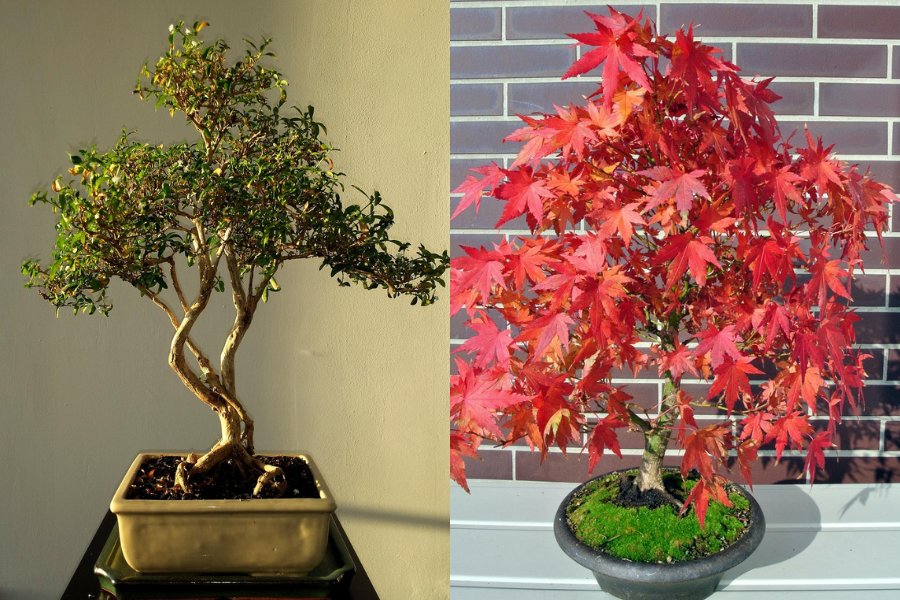
Choosing between indoor and outdoor bonsai shapes how much time, space, and care you will give your tree. You need to match the tree to your home, climate, and daily routine. Indoor bonsai grow best in stable indoor light and temperatures, while outdoor bonsai need natural sunlight and seasonal weather to stay healthy.
Indoor bonsai usually come from tropical or subtropical species. They handle steady room temperatures but still need bright, indirect light and careful watering. Outdoor bonsai come from temperate species. They rely on direct sun, fresh air, and even cold winters to complete their growth cycle.
When you understand these differences, you can avoid common mistakes and choose a tree that fits your space. You will see how light, temperature, humidity, and watering needs change based on where you keep your bonsai.
Key Differences Between Indoor and Outdoor Bonsai
Indoor bonsai and outdoor bonsai differ in light, temperature, and seasonal cycles. You must match the tree’s natural habitat to your space if you want strong growth and long-term health.
Fundamental Environmental Requirements
You need to control light, temperature, and humidity when you grow indoor bonsai trees. Most indoor bonsai require bright, indirect light and stable room temperatures between 60–75°F. Dry indoor air can stress miniature trees, so you may need a humidity tray or regular misting.
Watering indoors depends on soil moisture. In bonsai cultivation, you should never water on a set schedule (e.g., “every Tuesday”). You must water only when the soil feels slightly dry to the touch, as environmental factors change the tree’s needs daily.
Soil dries more slowly without wind and full sun, so overwatering is a common problem.
Outdoor bonsai trees depend on natural weather. They need direct sunlight for several hours a day and benefit from rain, airflow, and seasonal temperature shifts. Outdoor trees tolerate heat, cold, and wind better, but you must protect them from extreme frost or heat waves.
Indoor environments stay stable year-round. Outdoor settings change daily and seasonally. That difference shapes every part of bonsai cultivation.
Recommended Bonsai Species for Each Environment
You should choose bonsai species based on where you plan to grow them. Not all bonsai trees can live indoors.
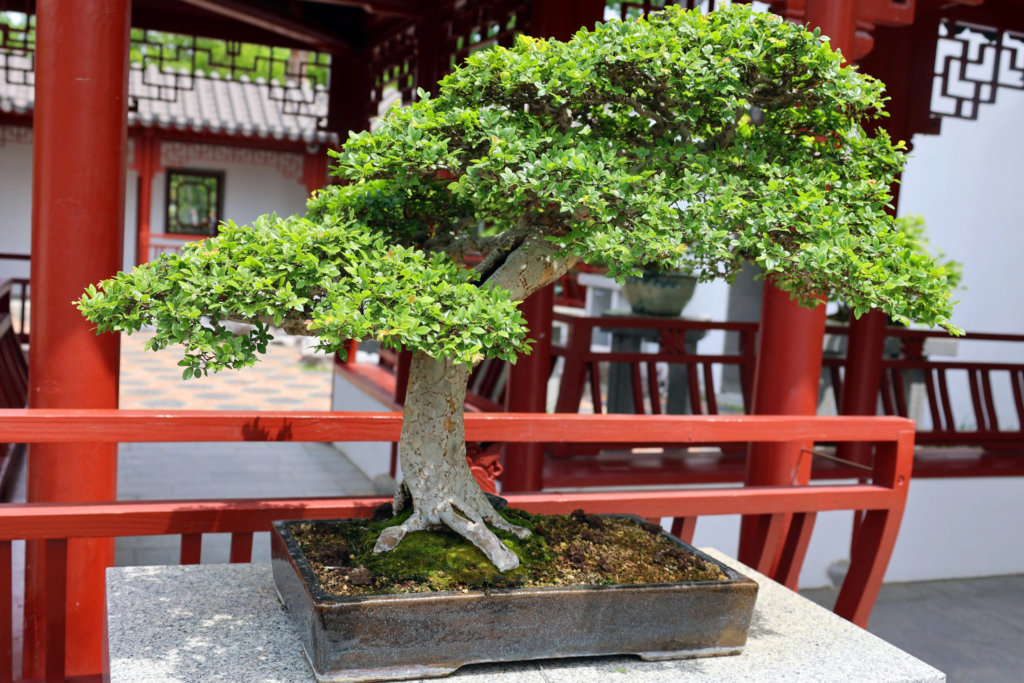
Common indoor bonsai species include:
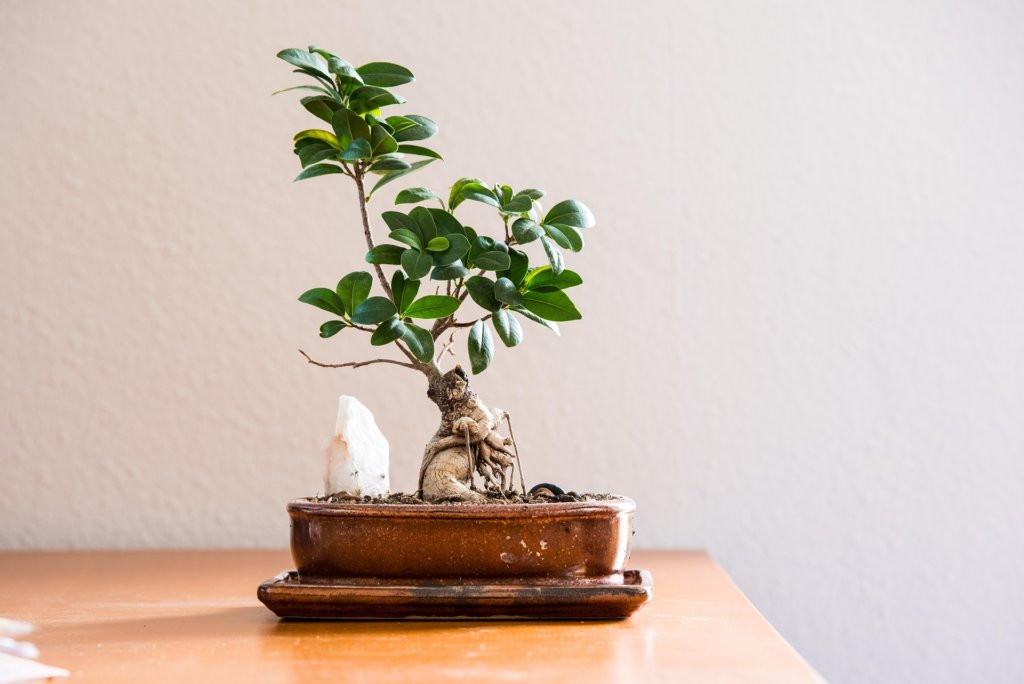
- Ficus bonsai
- Chinese Elm (in bright rooms)
- Dwarf Schefflera
- Other tropical bonsai
These trees come from warm climates. They handle steady indoor temperatures and lower light better than temperate species.
Most outdoor bonsai species are temperate trees. Popular choices include:
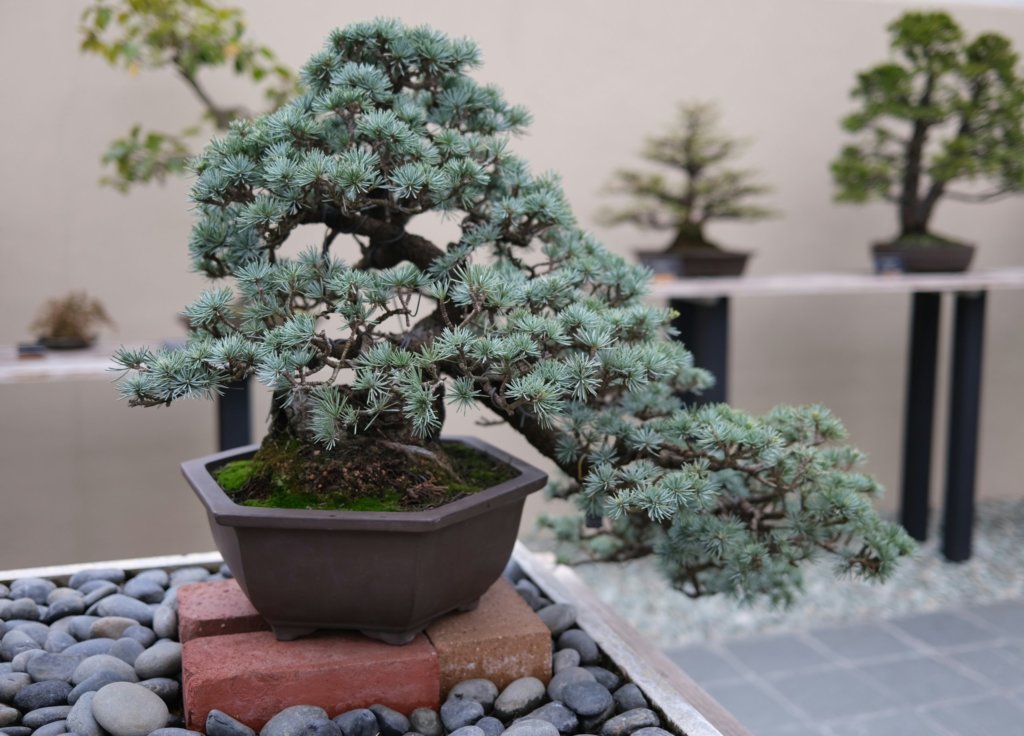
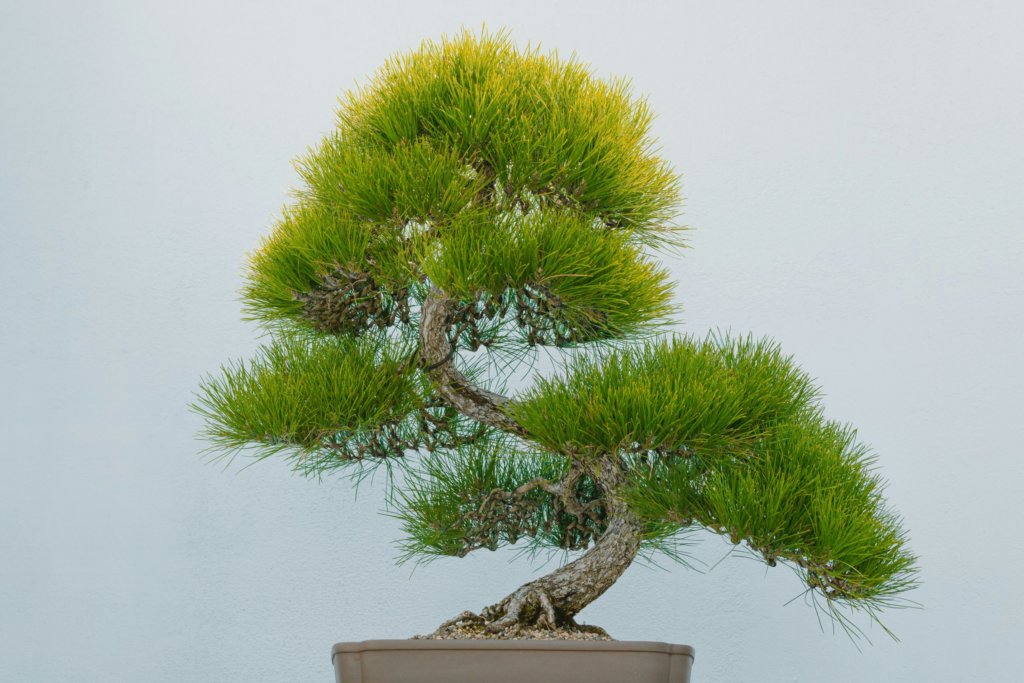
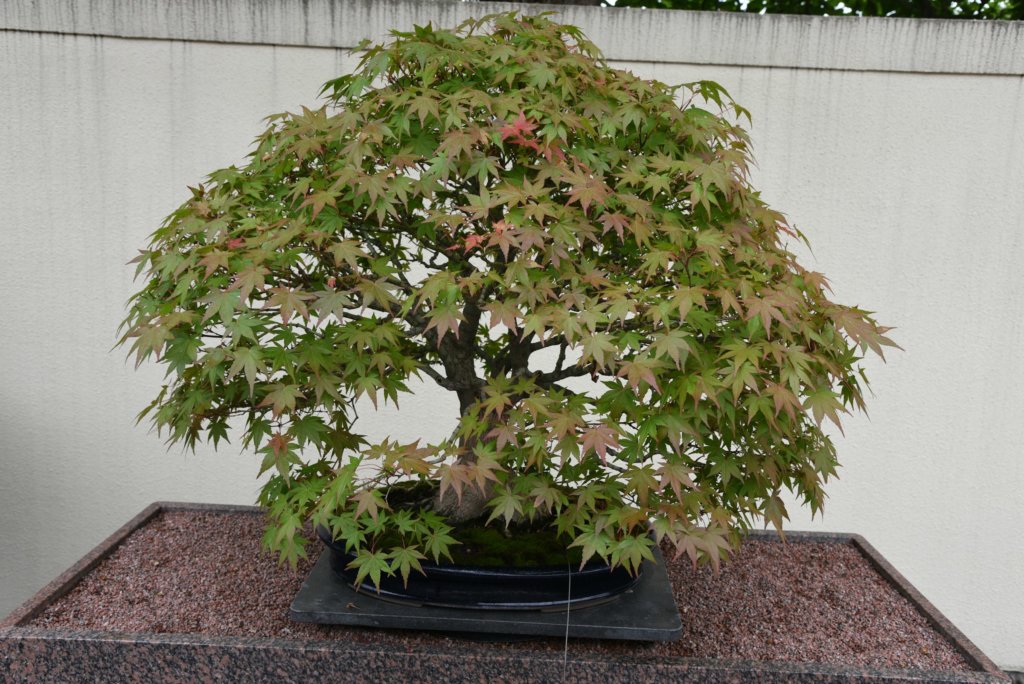
These trees require cold winters to complete their life cycle. If you keep a juniper bonsai indoors year-round, it will weaken because it cannot enter dormancy.
You must match the species to your environment, not the other way around. This choice affects survival more than styling or pot size.
Growth Habits and Seasonal Needs
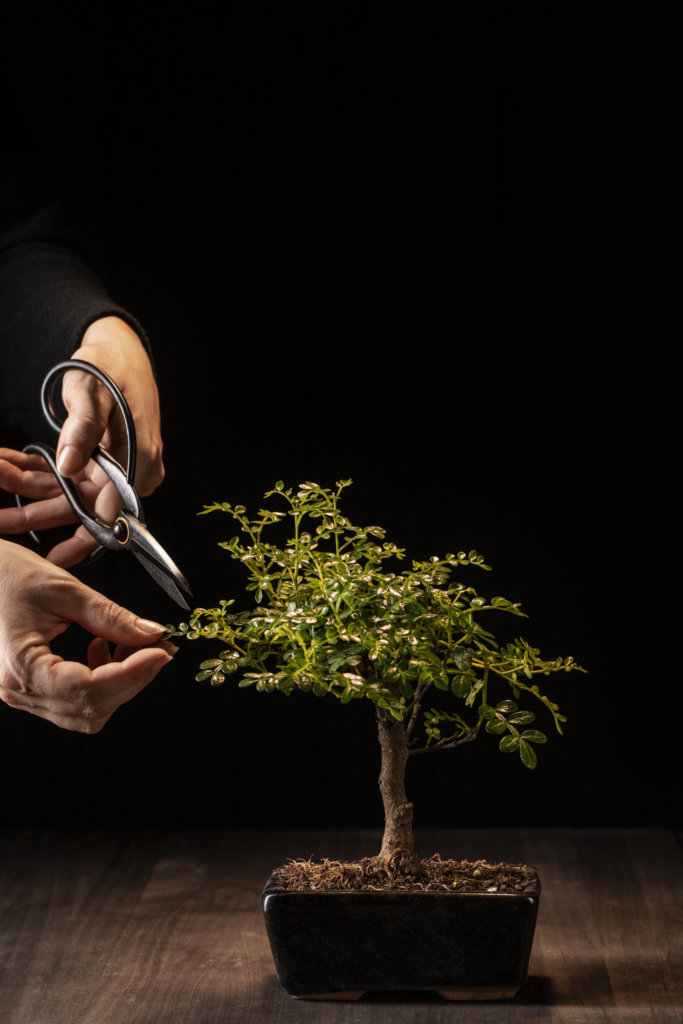
Outdoor bonsai trees follow clear seasonal patterns. In spring and summer, they grow new shoots and leaves. In fall, growth slows. In winter, many species enter dormancy and conserve energy.
You must allow this rest period for trees like pine bonsai and juniper bonsai. Without winter dormancy, they decline over time.
Indoor bonsai trees grow more evenly throughout the year. Tropical bonsai, such as ficus bonsai, do not need cold dormancy. They may slow down in low winter light, but they usually keep their leaves.
Seasonal change also affects pruning and fertilizing. Outdoor bonsai cultivation depends on timing work with the seasons. Indoor bonsai care focuses more on light levels and steady growth patterns.
These differences shape how you plan watering, feeding, pruning, and long-term bonsai art design.
Care Considerations for Indoor vs Outdoor Bonsai
Indoor and outdoor bonsai care differs in light, water, soil, and seasonal needs. You must match your tree’s natural habitat to your home or garden conditions to keep it healthy.
Lighting and Humidity Management
Light drives growth in all bonsai trees. Most outdoor bonsai need direct sunlight for several hours each day. You should place them in a bonsai garden, patio, or balcony where they receive morning sun and some afternoon protection in very hot climates.
Indoor bonsai care requires bright, indirect light. Place your tree near a south- or west-facing window. If natural light is weak, use a grow light for 12–14 hours a day to prevent weak growth and pale leaves.
Humidity also matters. Indoor air often stays dry, especially in winter. You can raise humidity by using a humidity tray filled with water and gravel or by grouping plants together. Outdoor bonsai usually adapt to natural humidity levels without extra effort.
Watering, Soil, and Fertilization Practices
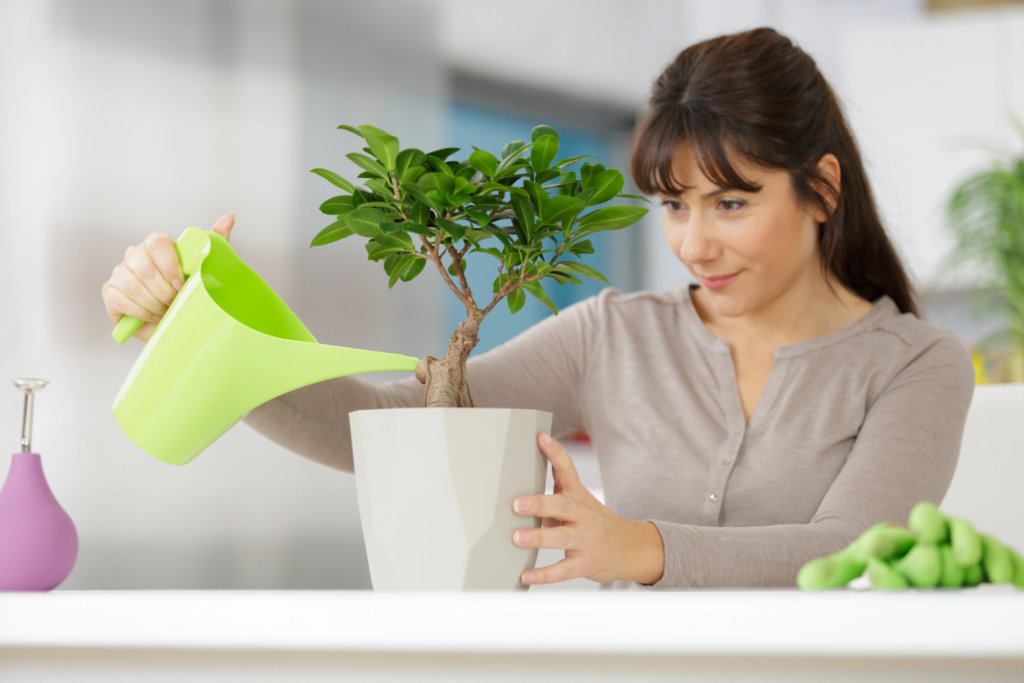
Watering habits differ based on location and species. Outdoor bonsai often dry out faster due to the sun and wind. You may need to water daily in summer. Indoor bonsai usually need less frequent watering, but you must still check the soil every day.
Follow these basic steps:
- Check the top half-inch of bonsai soil.
- Water thoroughly when it feels slightly dry.
- Let excess water drain from the bonsai pot.
Avoid constant wet soil. Poor drainage leads to root rot, a common problem in indoor bonsai care.
Use well-draining bonsai soil, not regular garden soil. A mix with akadama, pumice, or lava rock supports airflow around roots.
Feed your tree during active growth. Outdoor bonsai often need fertilizer from spring to early fall. Indoor bonsai may grow year-round, so use a mild, balanced fertilizer in small, regular doses.
Temperature and Seasonal Adaptations
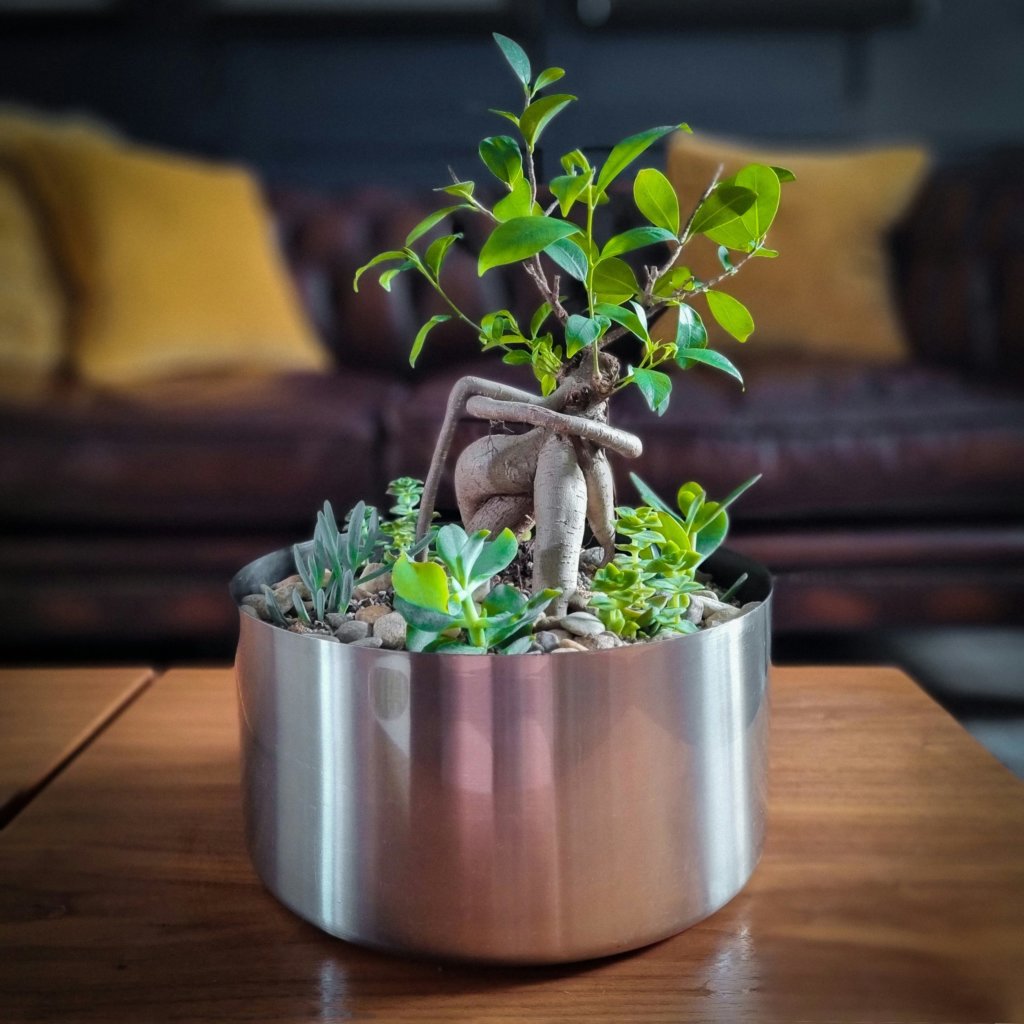
Bonsai temperature needs depend on species. Most outdoor bonsai require seasonal changes. Many temperate trees need winter dormancy with cold temperatures to stay healthy. Keep them outside in winter, but protect roots from deep freezes by insulating the bonsai pot.
Indoor bonsai are usually tropical or subtropical species. They prefer steady temperatures between 60–75°F (15–24°C). Keep them away from heaters, fireplaces, and cold drafts.
You cannot keep a temperate outdoor tree inside all year. It will weaken without a cold rest period. For bonsai for beginners, tropical species often work better indoors because they adapt to stable home conditions.
Common Pests, Diseases, and Prevention
Indoor bonsai often face pests like spider mites and scale insects. Dry air increases the risk. Check leaves and stems each week. Wipe leaves clean and improve airflow to reduce problems.
Outdoor bonsai attract aphids, caterpillars, and beetles. You should inspect new growth often, especially in spring. Remove insects by hand or use mild insecticidal soap when needed.
Both indoor and outdoor bonsai can develop fungal diseases such as powdery mildew. Good airflow, proper spacing, and correct watering reduce risk. Avoid wetting leaves late in the day.
Strong bonsai care habits prevent most issues. Healthy trees in the right environment resist pests and disease better than stressed ones.