
Most Expensive And Collectible Cactus Varieties
You might be surprised to learn that some cactus varieties can cost more than luxury furniture or even a car. Collectors value them for their rarity, slow growth, and unusual shapes that stand out in any plant collection. The most expensive and collectible cactus varieties combine scarcity, beauty, and distinct form, making them highly sought after by enthusiasts around the world.
You’ll explore species known to sell for hundreds or even thousands of dollars, like the famed Haageocereus tenuis, which once fetched $250,000. Some rare specimens, such as Ariocarpus or Astrophytum varieties, attract attention for their geometric designs and the difficulty of cultivating them successfully.
As you discover these extraordinary plants, you’ll see how unique textures, colors, and growth patterns turn simple desert species into prized collectibles. Whether you aim to grow your own rare cactus or just want to understand what makes them valuable, this guide offers insight into the fascinating world of high-end cactus collecting.
Overview of the Most Expensive and Collectible Cactus Varieties
Cacti with distinctive forms, limited availability, and slow growth often command high market prices. You can identify their value by studying their appearance, growth patterns, and the rarity of their natural or cultivated varieties.
Key Features That Drive Value and Rarity
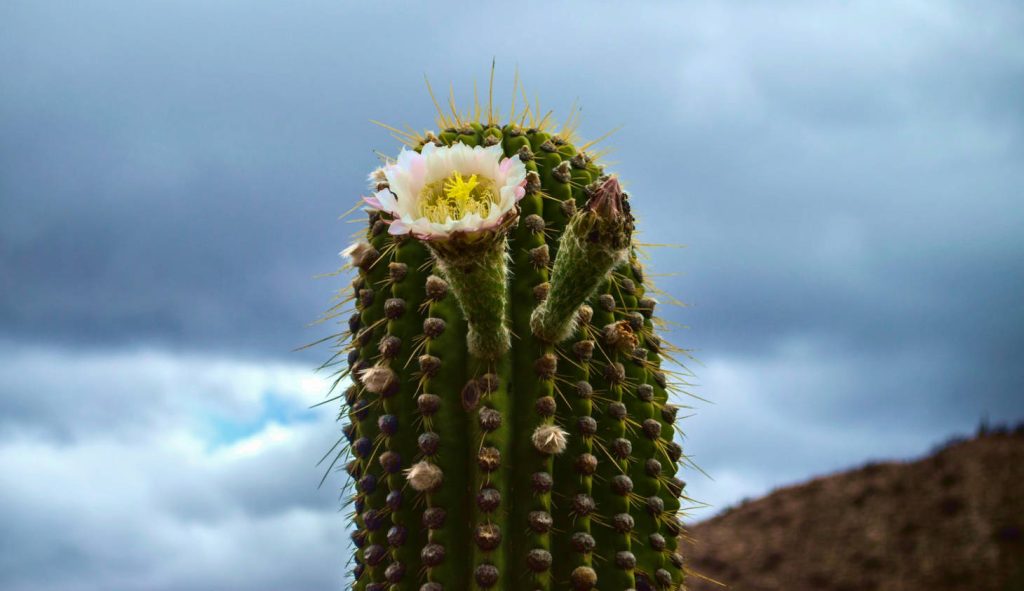
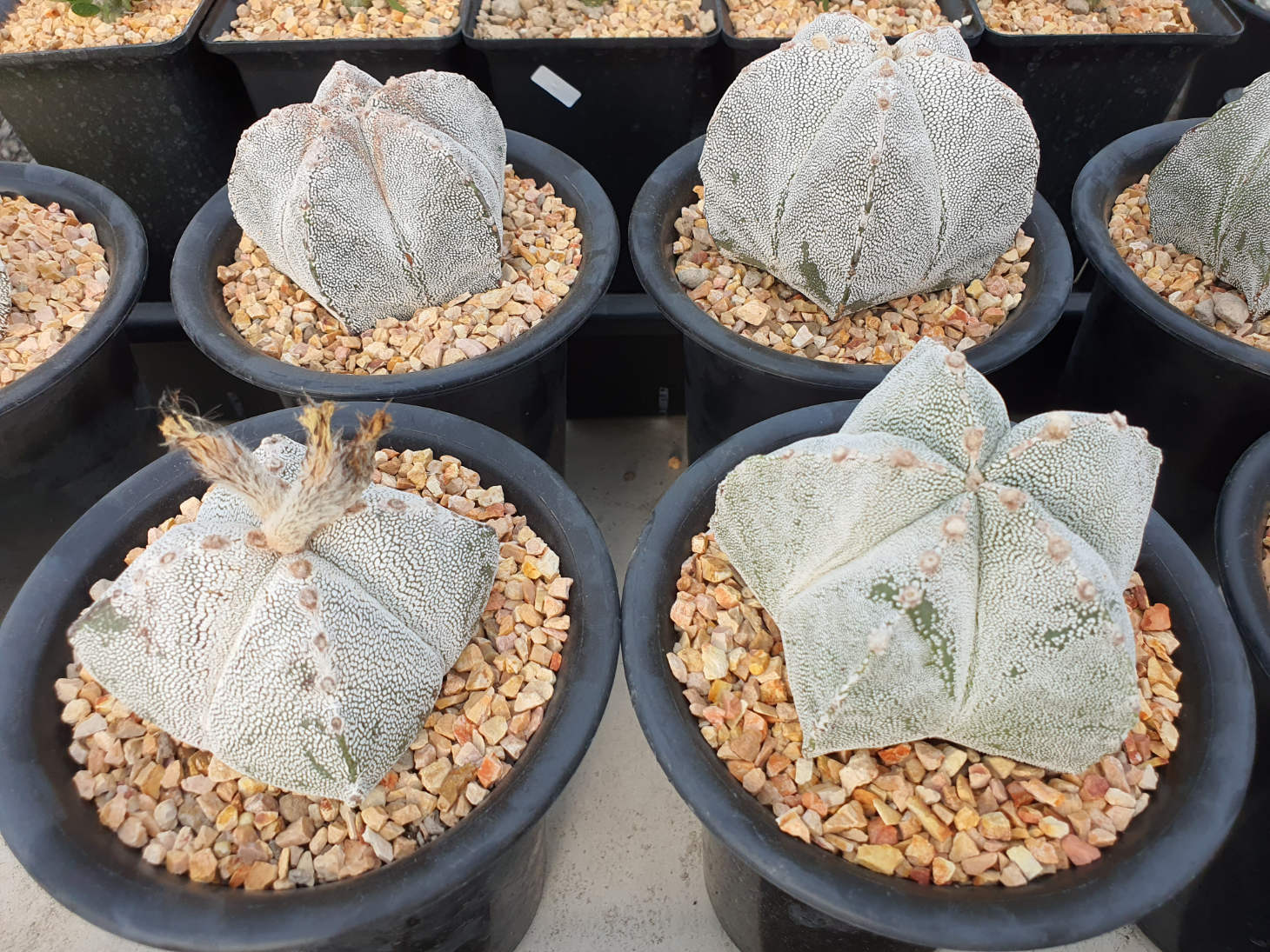
The price of rare cacti depends on many factors, including origin, growth rate, and overall health. Species that take decades to mature, like the Saguaro Cactus, can cost thousands of dollars due to their age and size. Others, such as the Bishop’s Cap Cactus, are valued for their symmetrical shapes and white flecked patterns that resemble stars.
Collectors also prize unusual coloration or spineless forms. A cactus showing strong variegation or vibrant blooms often has higher demand in the expensive succulent market. The Seven Star Cactus, known for its red-orange flowers, illustrates how unique flowering can increase value.
Rarity also depends on regulation and habitat loss. Endangered species with limited native populations often need special permits, which further drives price. Small mutations and selectively bred hybrids also raise collector interest and resale potential.
| Feature | Why It Matters | Example |
|---|---|---|
| Growth Rate | Slow-growing plants are rarer and harder to cultivate | Saguaro Cactus |
| Form / Pattern | Distinctive shapes or markings increase visual appeal | Bishop’s Cap |
| Color / Bloom | Unique hues or flowering behavior enhance desirability | Seven Star Cactus |
Distinguishing Rare Cacti from Common Succulents
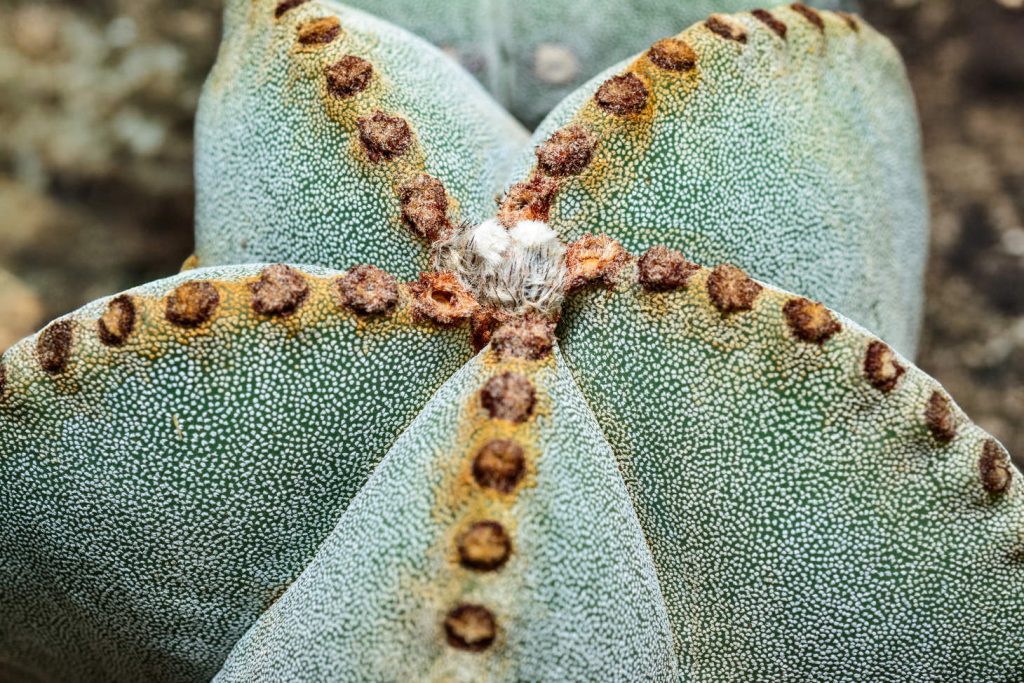
You can separate rare cacti from everyday succulents by looking at structure, origin, and care needs. Cacti usually have areoles, small padded spots where spines or flowers grow, while most succulents do not. This is often the simplest physical clue.
Native environment also plays a role. Many collectible cacti come from limited desert or mountain zones where they grow under harsh, specific conditions. In contrast, common succulents like echeverias and jade plants can thrive indoors and multiply easily.
Supply strongly affects value. A unique cactus that propagates slowly will stay scarce, while mass-produced succulents remain affordable. Collectors often track wild locations, small-batch growers, and verified nurseries to ensure authenticity. Knowing these traits helps you identify which plants hold investment-level appeal compared to decorative varieties sold in garden stores.
Iconic Expensive Cactus Species
Some cactus species attract collectors because of their unique forms, slow growth, and limited availability. These plants can be both a horticultural challenge and a long-term investment that rewards patience and care.
Ariocarpus fissuratus: The Living Rock Cactus
You can recognize the Ariocarpus fissuratus, known as the Living Rock Cactus, by its flattened, rock-like shape that blends into desert soil. It lacks spines and displays triangular tubercles that make it appear like part of the landscape.
Its natural habitat spans dry areas of Texas and northern Mexico. Because it grows very slowly and is hard to propagate, mature specimens often sell for high prices. The cactus produces delicate pink or magenta flowers each fall, offering a sharp visual contrast to its gray-green body.
Collectors value this species for both its survival strategy and rarity. Cultivating it requires precise watering and porous soil that mimics desert conditions. A healthy, well-aged Ariocarpus can be worth hundreds of dollars, especially when legally sourced and in bloom.
Lophophora williamsii: Peyote
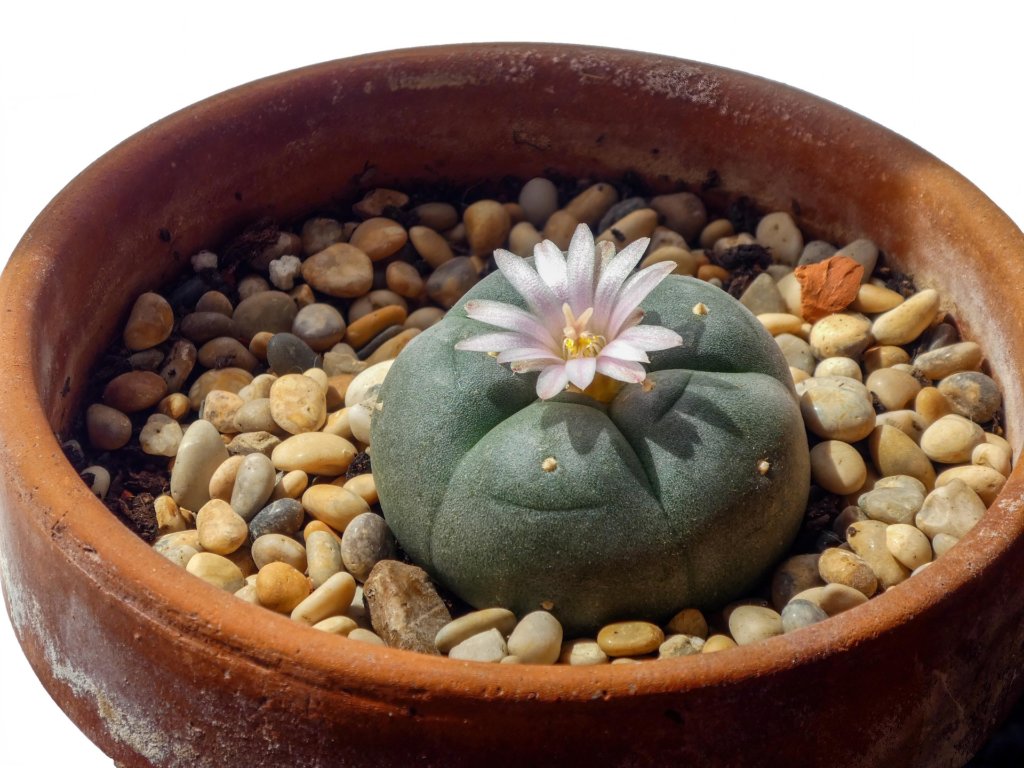
Lophophora williamsii, or Peyote, is famous for its button-like shape and blue-green surface. It grows slowly and stays small, with woolly tufts where other species might grow spines.
Historically, this cactus holds deep cultural and spiritual importance among Indigenous peoples of North America. Peyote contains psychoactive mescaline and is classified as a Schedule I controlled substance in the U.S. Consequently, its trade and possession are generally federally illegal, with the exception for religious use by members of the Native American community.
Peyote thrives in limestone-rich soils under bright but indirect sunlight. Its rarity in the wild and limited legal supply make cultivated specimens a prized acquisition. You should always verify that any Peyote offered for sale comes from sustainable and lawful sources.
Astrophytum asterias: The Star Cactus
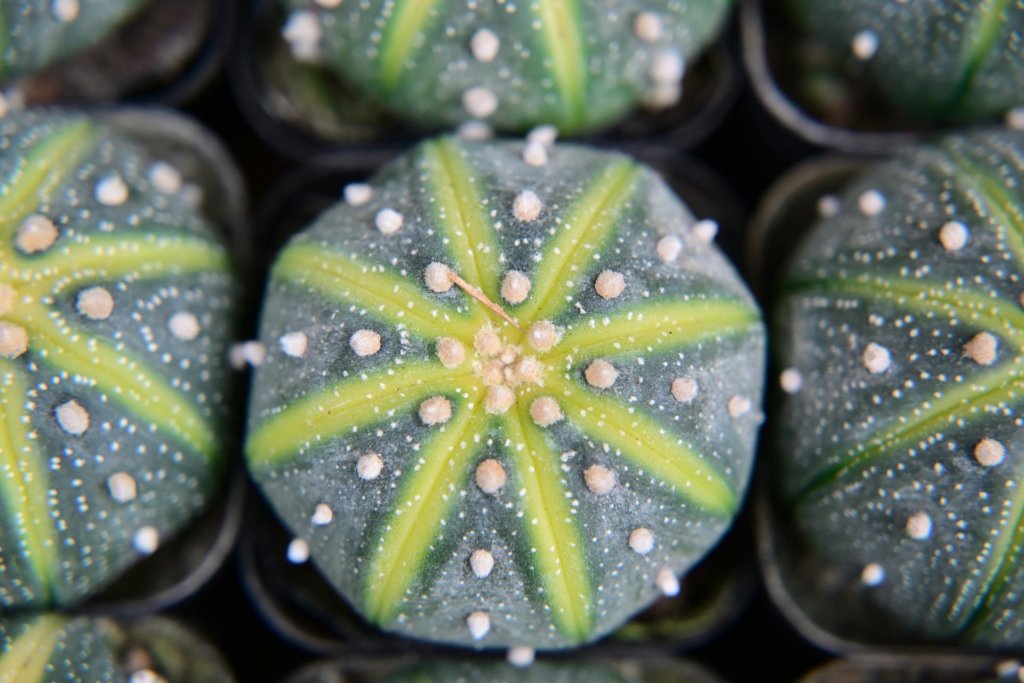
The Astrophytum asterias, called the Star Cactus, features a symmetrical shape with distinct ribs that give it a star-like pattern when viewed from above. It usually lacks spines and develops a smooth, spotted surface that looks almost decorative.
Native to small regions of Northeastern Mexico and historically the Lower Rio Grande Valley of Texas, its populations face severe habitat loss. The species is classified as vulnerable globally, though the U.S. population is endangered. Its slow growth makes it a challenge for nurseries, and mature, seed-grown plants can command high prices.
You can appreciate its compact beauty when it produces bright yellow flowers with orange centers. Many collectors admire it for both its aesthetic form and conservation significance. Caring for it requires controlled watering and ample light without overheating the plant body.
Astrophytum myriostigma: Bishop’s Cap Cactus
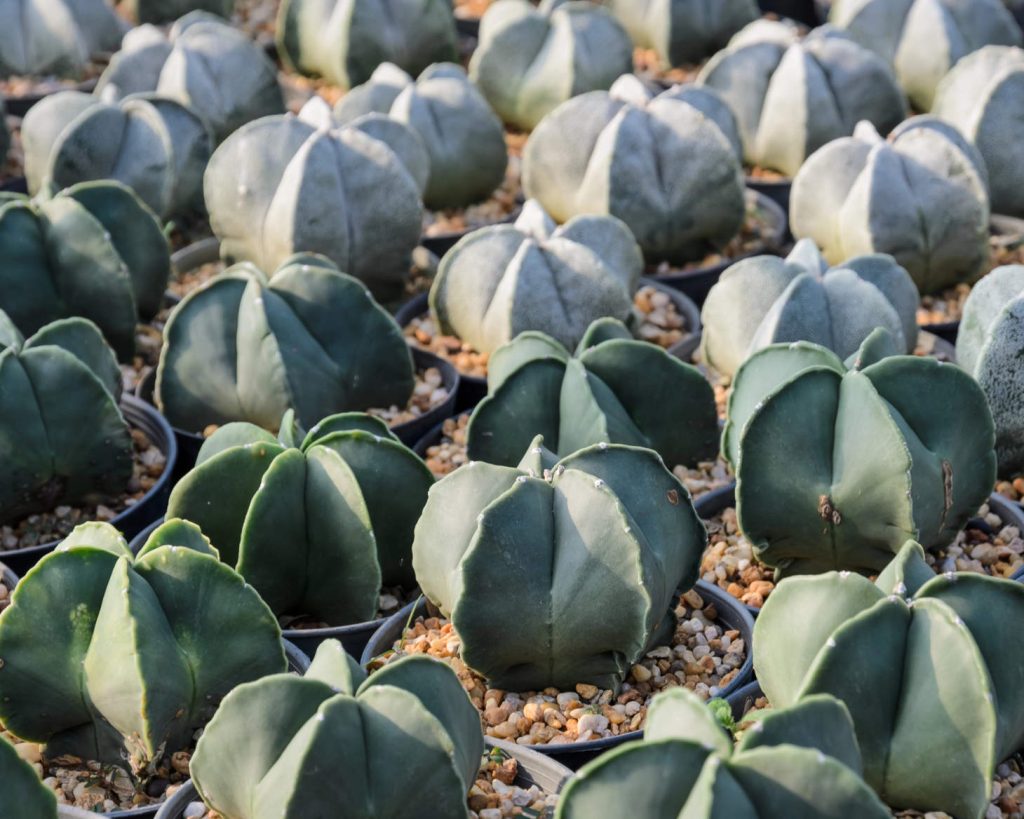
Astrophytum myriostigma, known as the Bishop’s Cap Cactus, stands out for its ribbed, spineless, and geometric form. Its gray-green surface is covered with small white dots that form subtle decorative patterns.
Native to northeastern Mexico, this species tolerates high heat but cannot handle extended wet periods. You must let the soil dry completely between waterings. It grows faster than many rare cacti, which appeals to growers who want results without waiting decades.
Older specimens may produce yellow flowers in spring, enhancing their ornamental value. While not as expensive as some slower-growing species, the Bishop’s Cap remains one of the most collectible cacti for its elegant structure and relative ease of cultivation.
Other Unique and Valuable Cactus Varieties
Some cacti gain value for their rare shapes, slow growth, and unusual surface patterns. Their distinctive appearances make them desirable for collectors who appreciate form and structure as much as rarity.
Spiral Cactus and Distinctive Growth Forms
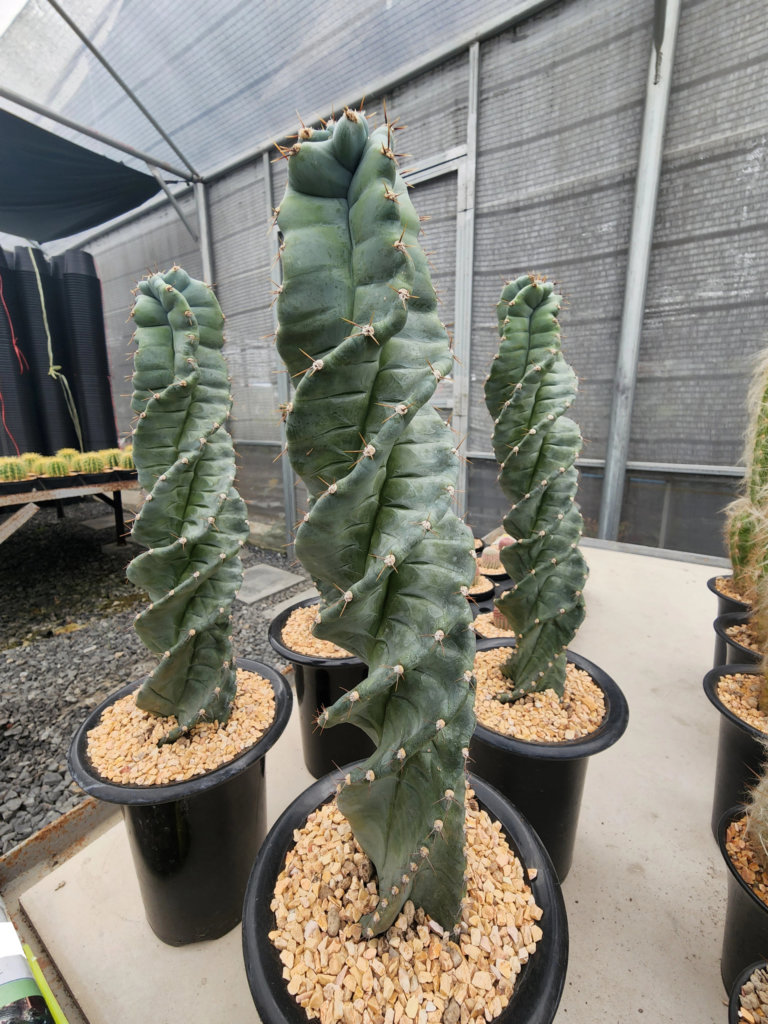
The Spiral Cactus (Cereus forbesii ‘Spiralis’) stands out with its twisted column and precise spiral ribs. You can recognize mature plants by their perfectly symmetrical curves that appear to rotate as the cactus grows upward. Each plant’s spiral direction, left or right, develops naturally, creating unique visual character.
Collectors value these plants for their geometry and slow, steady growth. They do best in bright light and well-drained soil. Over‑watering or low light can distort the spiral, so keeping a stable environment is important. As it matures, the plant may reach over 5 feet in height, creating a striking focal point indoors or outdoors.
Crested Myrtillocactus geometrizans: The Brain Cactus
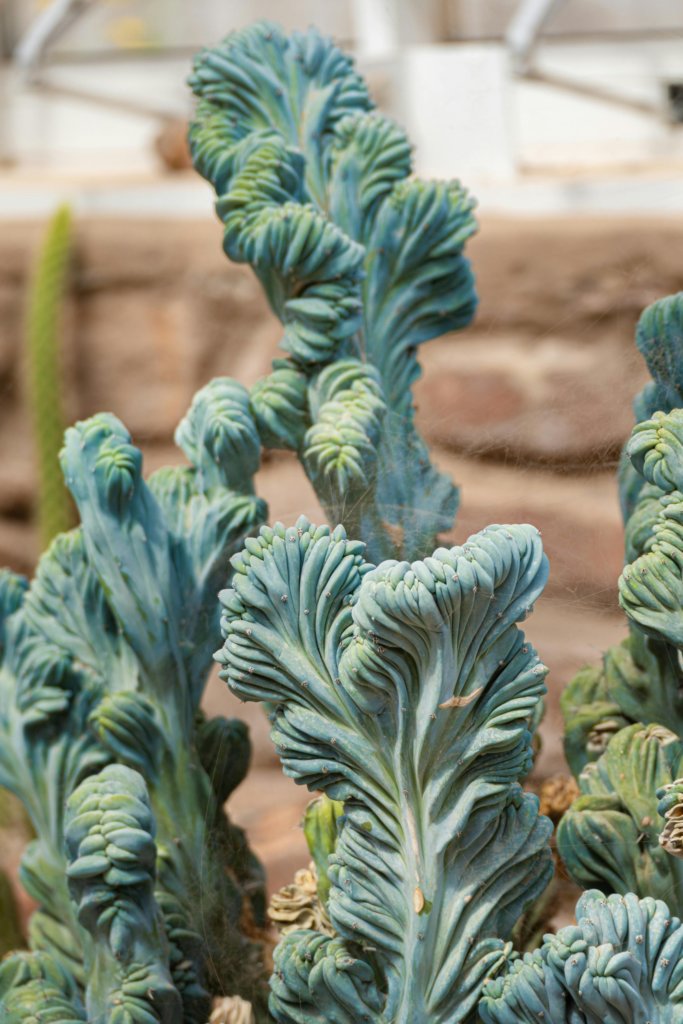
The Crested Myrtillocactus geometrizans, often called the Brain Cactus, forms wavy folds along its ridges that resemble the surface of a brain. This growth pattern:
- comes from a natural mutation called cristate growth
- spreads sideways instead of upright
- gives each specimen a one‑of‑a‑kind form
You can grow this cactus both indoors and outdoors in bright light with moderate watering. The blue‑green tone of its skin contrasts with its irregular ridges, making it a popular display piece. Mature plants can reach nearly 3 feet across when properly cared for. Their sculptural look attracts collectors who focus on plant morphology over flower display.
Notable Collector’s Specimens
Certain cactus species have achieved high sale prices due to rarity, slow reproduction, or unusual adaptations. Examples include:
| Species | Key Trait | Typical Price Range* |
|---|---|---|
| Ariocarpus fissuratus (The Living Rock Cactus) | Flat, stone-like body | $50–$300 |
| Astrophytum asterias(The Star Cactus) | Star‑shaped form with dots | $40–$250 |
| Haageocereus tenuis | Creeping growth, gray spines | Up to $250,000 (record sale) |
*Prices vary by size, maturity, and condition.
You may also find hybrids and variegated forms that command high value among collectors. Each specimen’s worth often depends on how well it displays its distinct structure and how many years it has taken to develop naturally.