Olive Tree Bonsai Care
Olive tree bonsai care focuses on giving your tree strong light, careful watering, well-draining soil, and regular pruning to keep it healthy and shaped. You care for an olive tree bonsai by placing it in full sun, watering only when the soil begins to dry, using fast-draining soil, and pruning often to control growth and maintain form. When you meet these basic needs, your tree stays compact, stable, and strong.
You also need to understand how olive trees grow in nature. They prefer bright light, tolerate dry conditions better than wet soil, and grow best in mild climates with cool but frost-free winters. With the right setup indoors or outdoors, you can support steady growth without stress.
As you move forward, you will learn how to manage soil, watering, and feeding, along with shaping, repotting, and solving common health problems. Clear, simple care keeps your olive bonsai healthy and balanced year-round.
Fundamentals of Olive Tree Bonsai Care
You need to understand the species you grow, place it in strong light, and protect it from harsh cold. Olive bonsai trees stay healthy when you match their Mediterranean roots with the right indoor or outdoor setup.
Understanding Olive Bonsai Species and Varieties
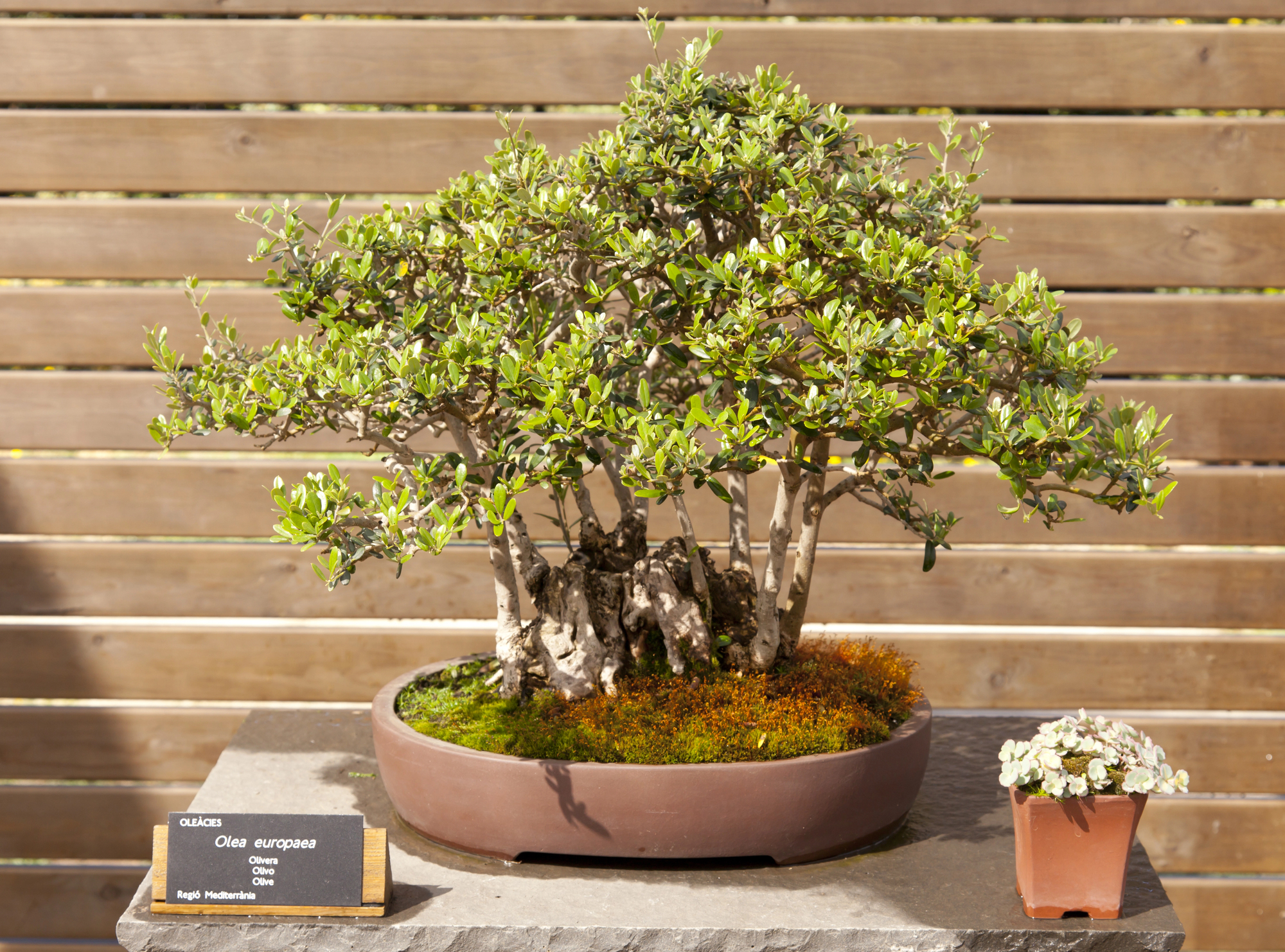
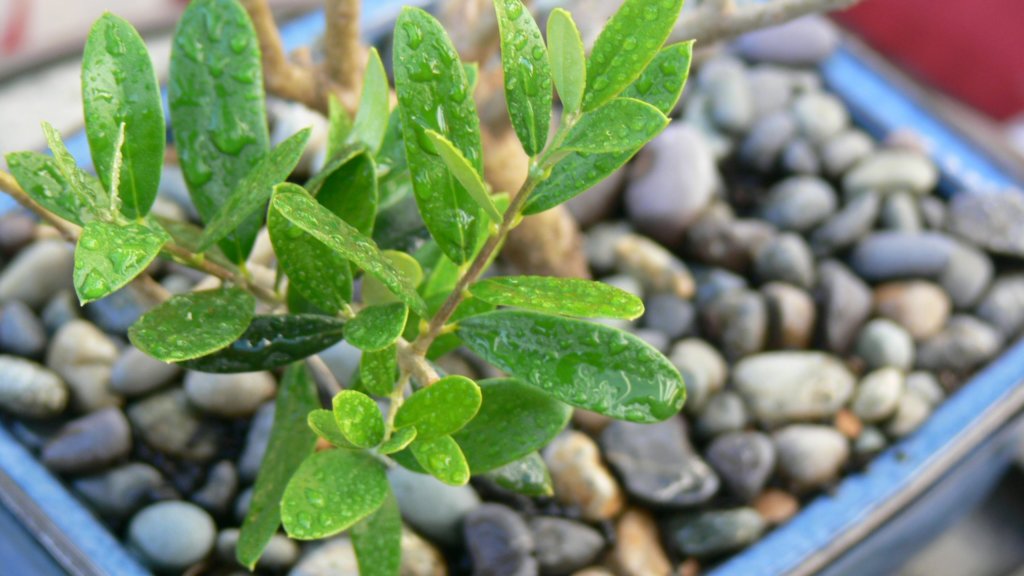
Most olive bonsai come from Olea europaea, often called the European olive or Mediterranean olive. This species has small, narrow leaves with a gray-green color and rough bark that ages well. It responds well to pruning and shaping.
You may also see wild olive bonsai, often labeled Olea europaea sylvestris. Wild types usually have smaller leaves and tighter growth. That makes them useful for compact designs.
Common options include:
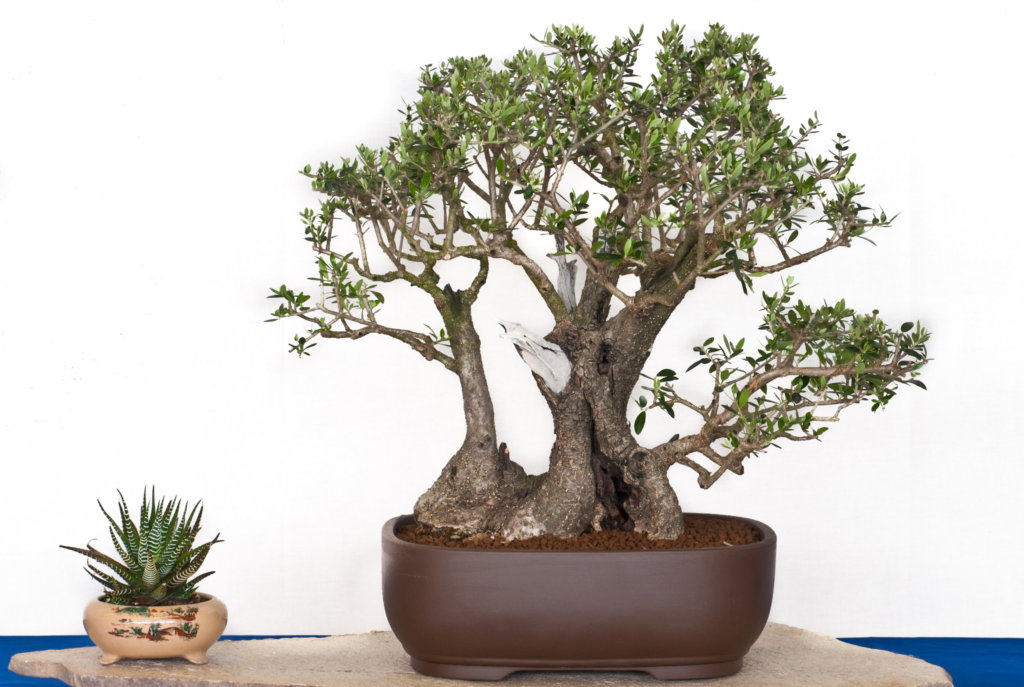
- European olive (Olea europaea) – strong trunk, classic look
- Wild olive (Olea europaea sylvestris) – smaller leaves, dense growth
All olive bonsai trees prefer similar care. Focus on leaf size, trunk movement, and health when choosing a tree, not just the name.
Essential Light and Placement Requirements
Olive trees grow in full Mediterranean sun. Your olive bonsai needs at least 6 hours of direct sunlight daily. More light leads to smaller leaves and tighter growth.
Place your olive bonsai tree outdoors during spring and summer if possible. A south-facing patio or balcony works well. Indoors, set it directly in front of a bright south- or west-facing window.
If light is weak, growth becomes thin and leaves grow larger. In dark homes, use a strong grow light for 10–12 hours per day.
Avoid deep shade. Without strong light, your olive bonsai will weaken over time.
Optimal Temperature and Humidity Conditions
Olive trees handle heat well. Your olive bonsai can tolerate summer temperatures above 90°F (32°C) if you water it properly.
In winter, protect it from hard frost. Mature olive bonsai can handle brief light frost, but roots in shallow pots freeze faster than garden trees. Move the tree to a frost-free greenhouse, cold frame, or unheated garage when temperatures drop below 28–30°F (-2 to -1°C).
Olives prefer dry air over high humidity. Normal outdoor air works well. Indoors, avoid placing the tree near heating vents that cause sudden temperature swings.
Keep winter conditions cool, between 35–50°F (2–10°C), to support a natural rest period.
Soil, Watering, and Fertilizing Techniques
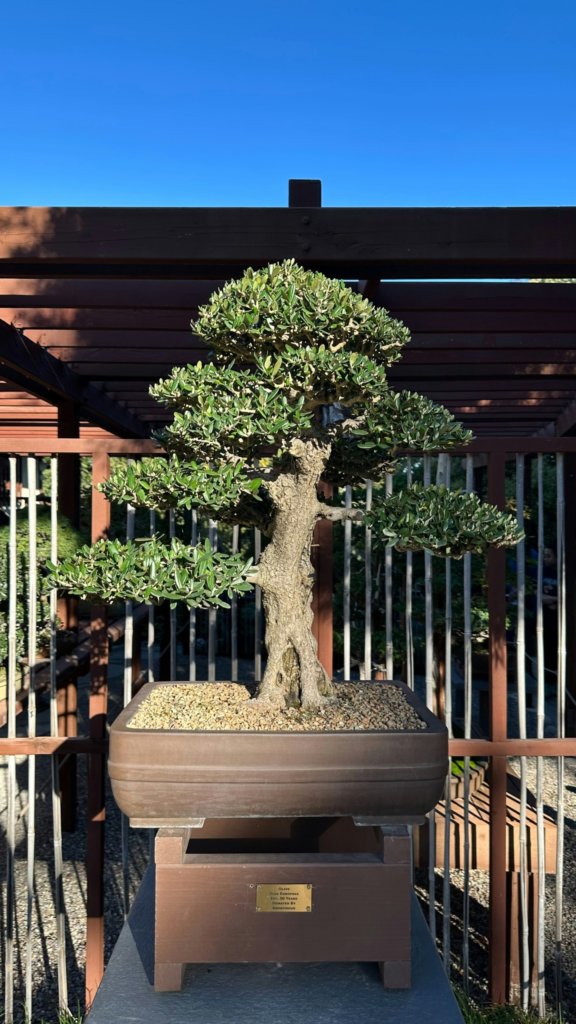
Your olive bonsai depends on fast-draining soil, careful watering, and steady feeding during the growing season. When you control these three factors, you reduce root problems and support steady growth.
Choosing the Right Soil Mix for Olive Bonsai
Olive trees dislike wet feet. You must use a soil mix that drains fast and allows air to reach the roots.
A common mix for olive tree bonsai includes:
- Akadama for moisture control
- Pumice for drainage and root health
- Lava rock for structure and airflow
A simple blend of equal parts akadama, pumice, and lava rock works well in most climates. In very wet areas, reduce akadama slightly to improve drainage. In dry climates, increase akadama to help hold moisture a bit longer.
Avoid regular garden soil. It compacts easily and holds too much water. Compacted soil can cause root rot and weak growth.
Repot every 2–3 years, or when roots fill the pot. Refreshing the soil keeps your olive bonsai healthy and prevents drainage problems.
Proper Watering Practices
Water your olive bonsai thoroughly when the top layer of soil feels dry. Do not water on a fixed schedule.
Insert your finger about one inch into the soil. If it feels dry, water until liquid runs from the drainage holes. This method flushes out salts and fully hydrates the root ball.
Olive bonsai prefer slightly dry conditions over constant moisture. Letting the soil dry slightly between waterings encourages strong roots. However, do not allow the root ball to dry out completely.
During summer, you may need to water daily. In winter, watering drops significantly, especially if the tree rests in a cool space.
Use normal tap water if it is not heavily treated. Consistent watering habits protect your olive tree bonsai from leaf drop and stress.
Effective Fertilization Schedule
Feed your olive bonsai regularly during active growth. Start in early spring when new shoots appear and continue through late summer.
Young trees benefit from a fertilizer higher in nitrogen to support leaf and branch growth. Mature trees in refinement need a more balanced formula.
Follow this basic schedule:
- Spring to mid-summer: Fertilize every 2 weeks
- Late summer to early fall: Reduce to once per month
- Winter: Stop feeding if growth slows
Use either liquid fertilizer or slow-release pellets. Always apply fertilizer to moist soil to prevent root burn.
Do not overfeed. Excess fertilizer can cause long, weak shoots and salt buildup in the soil. Balanced feeding keeps your olive bonsai compact and healthy.
Pruning, Shaping, and Repotting Olive Tree Bonsai
Prune your bonsai olive tree to control size and keep a clear structure. Shape it with careful wiring, then repot on time to support steady root growth and long-term health.
Maintenance Pruning and Defoliation
Use maintenance pruning to keep your olive compact and well-balanced. Olive trees grow steadily in warm, bright conditions, so check new shoots often during spring and summer.
Cut back new growth to 1–2 leaf pairs once it reaches 5–6 pairs. This method keeps internodes short and builds dense branching. Always use sharp, clean scissors to avoid tearing wood.
Remove suckers that grow from the base or trunk. Thin crowded areas so light and air can reach the inner branches.
You can defoliate a healthy bonsai olive tree in early summer to reduce leaf size. Remove most leaves but leave the leaf stems in place. Only defoliate strong trees that show active growth. Do not defoliate weak or recently repotted trees.
Bonsai Styles and Wiring Methods
Olive trees adapt well to classic bonsai forms. You can train them into chokkan (formal upright), moyogi (informal upright), shakan (slanting), or sokan (twin trunk).
- Chokkan: Straight trunk with balanced side branches
- Moyogi: Curved trunk with natural movement
- Shakan: Trunk leans to one side
- Sokan: Two trunks rise from one root base
Use aluminum wire to shape young, flexible branches. Wrap the wire at a 45-degree angle and avoid wrapping too tightly. Olive bark can mark easily, so check wired branches every few weeks.
Remove the wire before it cuts into the bark. Shape slowly over time instead of forcing sharp bends in one session.
Repotting Timing and Techniques
Repot your olive bonsai every 2–3 years. Younger trees may need repotting more often because they grow roots faster.
Repot in early spring as buds begin to swell. This timing supports quick recovery and new root growth.
Lift the tree from its pot and comb out the root ball with a root rake. Trim back long, thick roots and keep fine feeder roots close to the trunk. Remove no more than one-third of the root mass at one time.
Use well-draining bonsai soil. A mix with akadama, pumice, and lava rock works well. After repotting, water deeply and place the tree in light shade for about two weeks. Avoid heavy pruning at the same time you repot.
Health, Propagation, and Troubleshooting
Healthy olive bonsai need careful propagation, strong pest control, and steady seasonal care. When you act early and follow clear steps, you prevent most serious problems.
Propagation Methods for Olive Bonsai
You can propagate an olive tree bonsai from cuttings, air layering, or seed, but cuttings work best for most growers.
Take semi-hardwood cuttings in late spring or early summer. Cut a 4–6 inch stem with several leaf nodes. Remove the lower leaves, dip the end in rooting hormone, and plant it in well-draining soil such as pumice and perlite.
Keep the soil slightly moist, not wet. Place the pot in bright light but avoid strong midday sun. Roots often form in 6–8 weeks.
Air layering works well on older olive bonsai with thick branches. You remove a ring of bark, apply rooting hormone, wrap it with moist sphagnum moss, and seal it with plastic. Once roots grow, cut below the layer and pot it.
Growing from seed takes longer and may not match the parent tree’s traits.
Common Pests, Diseases, and Prevention
Olive bonsai can attract scale, spider mites, and aphids. You may notice sticky leaves, webbing, or small bumps on stems.
Inspect your tree every week. Wipe leaves and branches with a damp cloth to remove dust and pests. Good airflow and strong light reduce many pest issues.
Use insecticidal soap or neem oil if pests appear. Spray in the evening to prevent leaf burn. Repeat every 7–10 days until the pests are gone.
Root rot is the most common disease. It develops when the soil stays wet for too long. Prevent it by using fast-draining soil and watering only when the top layer feels dry.
Prune crowded growth to improve air flow. Clean your tools before and after trimming to prevent spreading disease.
Seasonal Care Tips and Problem Solving
Olive trees need strong light and fresh air during the growing season. In spring and summer, place your olive bonsai outdoors in full sun. Water deeply, then let the soil partly dry before watering again.
Feed with a balanced liquid fertilizer every two weeks from spring through early fall. Stop feeding in late fall as growth slows.
In winter, protect your olive bonsai from hard frost. Keep it in a cold but frost-free space, ideally between 35–50°F (2–10°C). Reduce watering, but do not let the root ball dry out fully.
If leaves turn yellow, check your watering habits first. If growth becomes weak and leggy, increase light exposure. Adjust care quickly when you see changes, and your olive tree will recover more easily.
Frequently Asked Questions
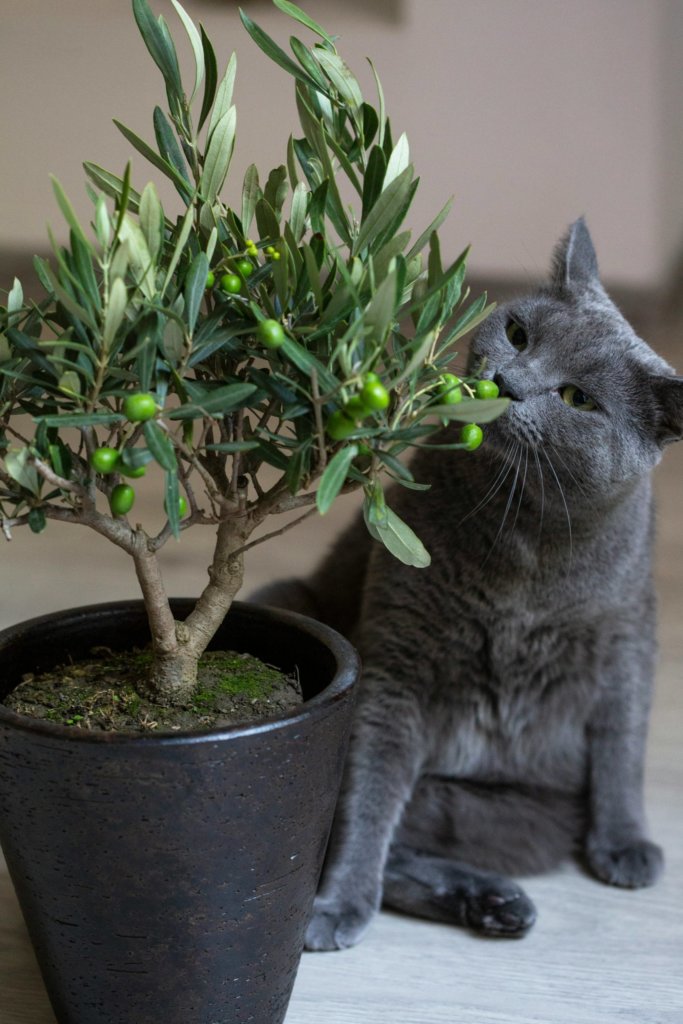
Olive tree bonsai need steady watering, strong light, fast-draining soil, and timely pruning. You also need to watch for pests and adjust care if you grow your tree indoors.
How often should I water my olive tree bonsai?
Water your olive bonsai when the top inch of soil feels dry. Do not water on a fixed schedule.
In warm months, you may need to water two to four times per week. In winter, you will water less often.
Soak the soil fully until water drains from the bottom. Then let the soil dry slightly before you water again. Avoid keeping the soil constantly wet.
What type of soil is best for olive tree bonsai growth?
Use fast-draining bonsai soil. Olive trees do not tolerate heavy or compacted soil.
A mix with akadama, pumice, and lava rock works well. You can also use a cactus-style mix blended with grit for drainage.
Good drainage prevents root rot and keeps roots healthy. Always use a pot with drainage holes.
How much sunlight does an olive tree bonsai require?
Place your olive bonsai in full sun. It needs at least 6 hours of direct sunlight each day.
More light supports strong growth and smaller leaves. Weak light causes leggy shoots and pale foliage.
During winter, keep the tree in the brightest location you have. A south-facing window or greenhouse works best.
When is the right time to prune an olive tree bonsai?
Prune in late spring or early summer when the tree is actively growing. This helps it recover quickly.
Trim back long shoots to maintain shape. Leave one to two pairs of leaves on each shoot.
You can remove small unwanted growth at any time. Avoid heavy pruning in late fall or winter.
Can olive tree bonsais be kept indoors year-round?
You can grow an olive bonsai indoors only if you provide strong light year-round. Most homes do not offer enough natural sunlight.
Place it in a bright south-facing window. If needed, use a grow light for 10 to 12 hours per day.
Olive trees prefer outdoor conditions during warm months. They also need a cool, frost-free rest period in winter.
What are common pests that affect olive tree bonsais and how can I protect against them?
Watch for spider mites, scale insects, and aphids. These pests often target trees weakened by improper climate.
Inspect leaves and stems every week. Look under the leaves for tiny insects or sticky residue.
Wash the tree with water to remove light infestations. Use insecticidal soap or neem oil if pests persist. Ensure good airflow and correct humidity levels to prevent future outbreaks.