
Outdoor Bonsai Care
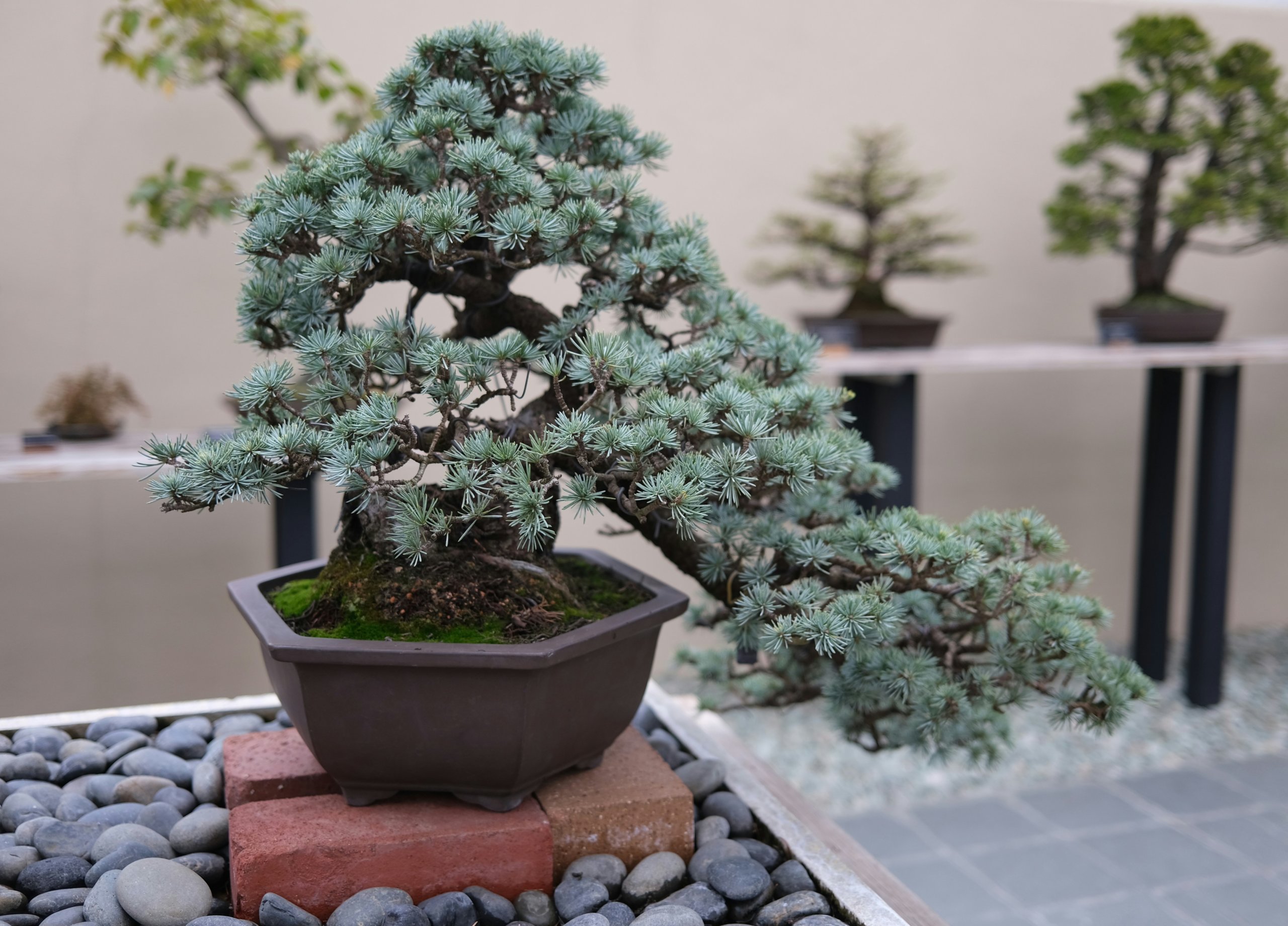
Caring for an outdoor bonsai means you grow a tree in a small pot while keeping it outside year-round, where it follows natural seasons. You choose a species that fits your local climate, place it in the right spot, and adjust your care as weather changes.
You keep an outdoor bonsai healthy by matching the tree to your climate, watering when the soil starts to dry, pruning to control growth, and protecting roots during extreme heat or freezing cold. When you do this well, your tree grows strong and keeps its shape without losing vigor.
Outdoor bonsai need sun, fresh air, and seasonal changes. You must watch soil moisture closely, feed during active growth, and shield the roots in winter to prevent freeze damage. With steady care and smart placement, your bonsai can thrive on a patio, balcony, or garden bench.
Key Takeaways
- Choose a tree that fits your local climate and outdoor space.
- Water, prune, and fertilize based on season and growth stage.
- Protect roots from extreme heat and freezing temperatures.
Key Principles of Outdoor Bonsai Care
Outdoor bonsai care depends on three core factors: where you grow the tree, how you shape it, and which species you choose. You must match your bonsai tree to real outdoor conditions, not just design goals.
Understanding Outdoor vs. Indoor Bonsai
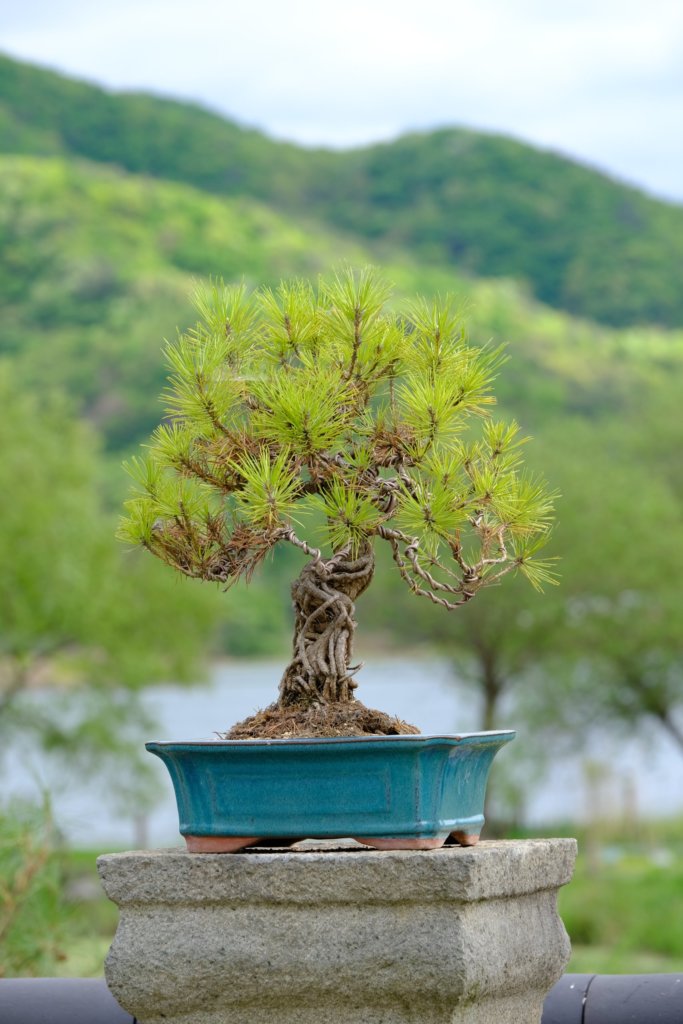
You should treat most bonsai as outdoor trees, not houseplants. Many bonsai species come from temperate climates and need full sun, fresh air, and seasonal changes to stay healthy.
Outdoor bonsai needs vary, with some preferring full sun and others needing partial shade. To prevent health issues, research your specific species’ light requirements and ensure the pot has proper airflow and drainage.
Temperate outdoor bonsai also need winter dormancy. Cold periods help regulate growth cycles and maintain long-term health. During winter, protect the roots from deep frost and strong wind, but do not keep the tree in a heated room.
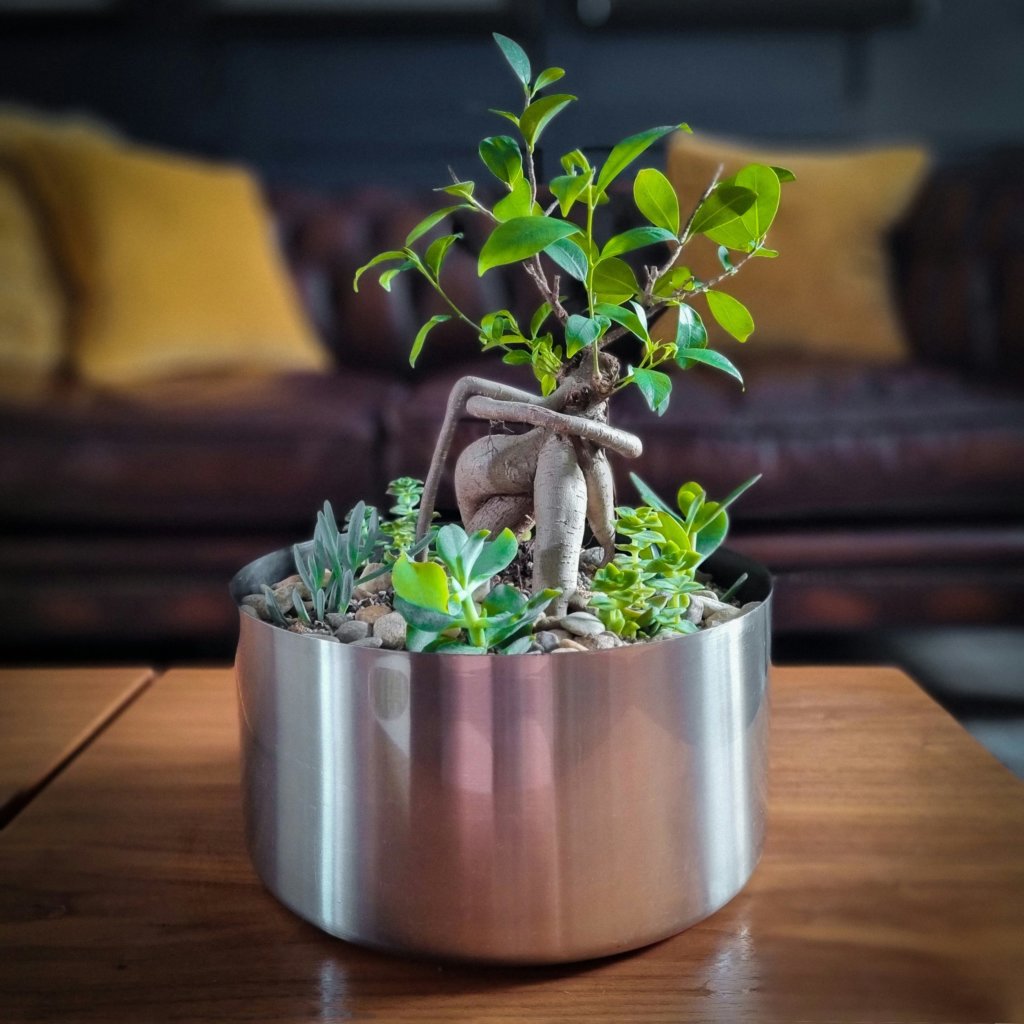
Indoor bonsai usually consist of tropical or subtropical species. These trees tolerate stable indoor temperatures, but they still need bright light and careful watering. Do not move an outdoor bonsai indoors for long periods, as this disrupts its natural cycle.
The Art and Styles of Bonsai
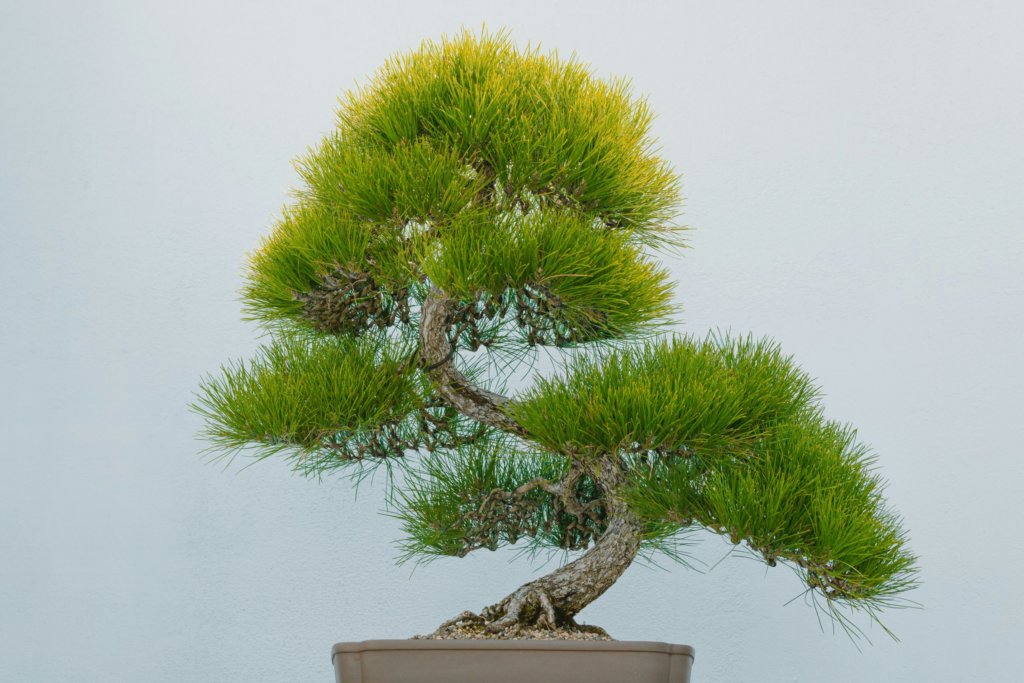
The art of bonsai combines horticulture and design. You shape a living tree to reflect mature forms found in nature, but at a small scale.
Common bonsai styles include:
- Formal upright – straight trunk with balanced branches
- Informal upright – curved trunk with natural movement
- Slanting – trunk leans to one side
- Cascade – trunk flows downward below the pot
- Forest planting – several trees grouped together
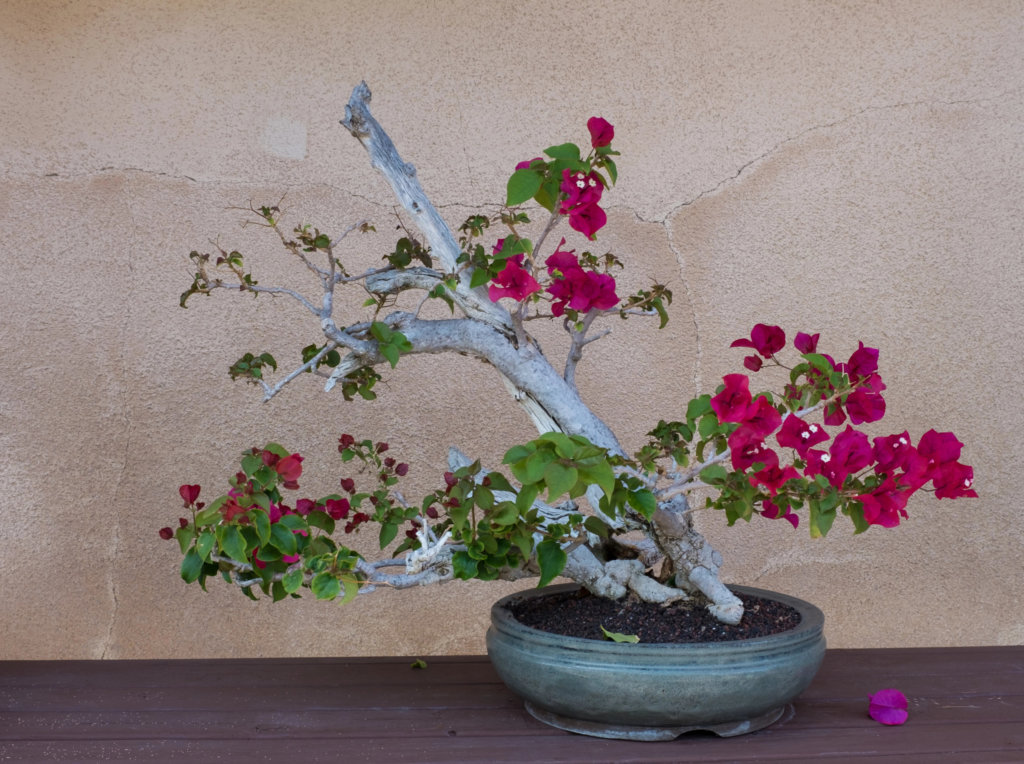
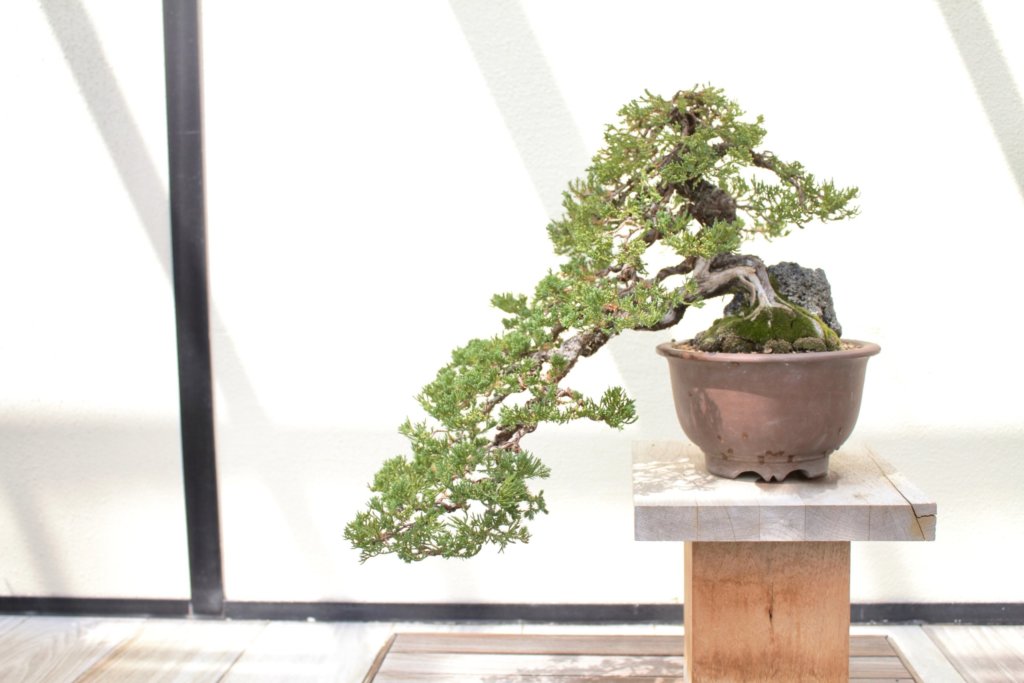
Each style affects how you prune, wire, and position your outdoor bonsai. For example, cascade styles need deeper pots to support root stability and visual balance.
You must plan design changes around the tree’s growth cycle. Major structural shaping works best during late dormancy, while light maintenance pruning happens during active growth.
Major/Heavy pruning is best done in late winter or early spring (end of dormancy) so the tree can heal as it wakes up. Pruning “heavy” during active growth can cause the tree to “bleed” too much sap and lose excessive energy. Maintenance pruning (light trimming) is what happens during active growth. Good bonsai tree care supports both health and form.
Matching Bonsai Species to Local Climate
You should always match your bonsai species to your local climate and USDA hardiness zone. Climate affects watering, winter care, and survival rates.
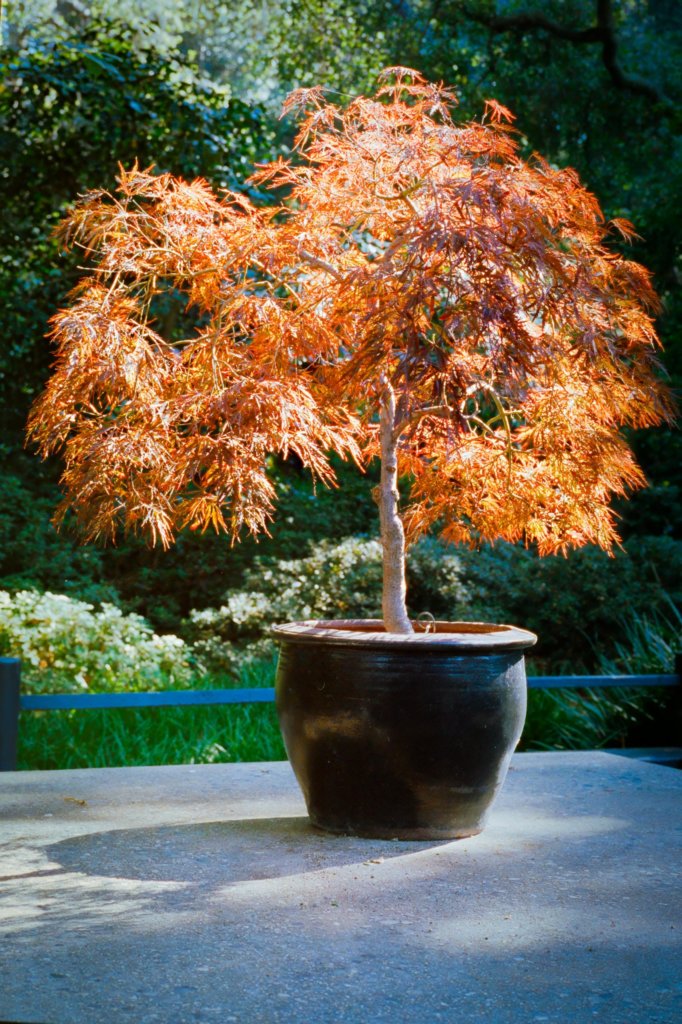
Temperate species such as maple, pine, and juniper handle cold winters but still need root protection in freezing weather. Tropical species require warm temperatures year-round and cannot survive frost.
Consider these climate factors:
- Winter lows and frost frequency
- Summer heat and sun intensity
- Humidity levels
- Wind exposure
If you live in a cold region, choose hardy outdoor bonsai species and protect pots from root freeze. In hot climates, provide afternoon shade and monitor soil moisture closely.
When you match the right bonsai tree to your environment, you reduce stress and simplify daily bonsai tree care.
Selecting and Placing Outdoor Bonsai Trees
Choose bonsai species that match your climate, then place each tree where light, air, and temperature support steady growth. Careful placement in your bonsai garden prevents stress and reduces common problems.
Popular Outdoor Bonsai Species and Their Needs
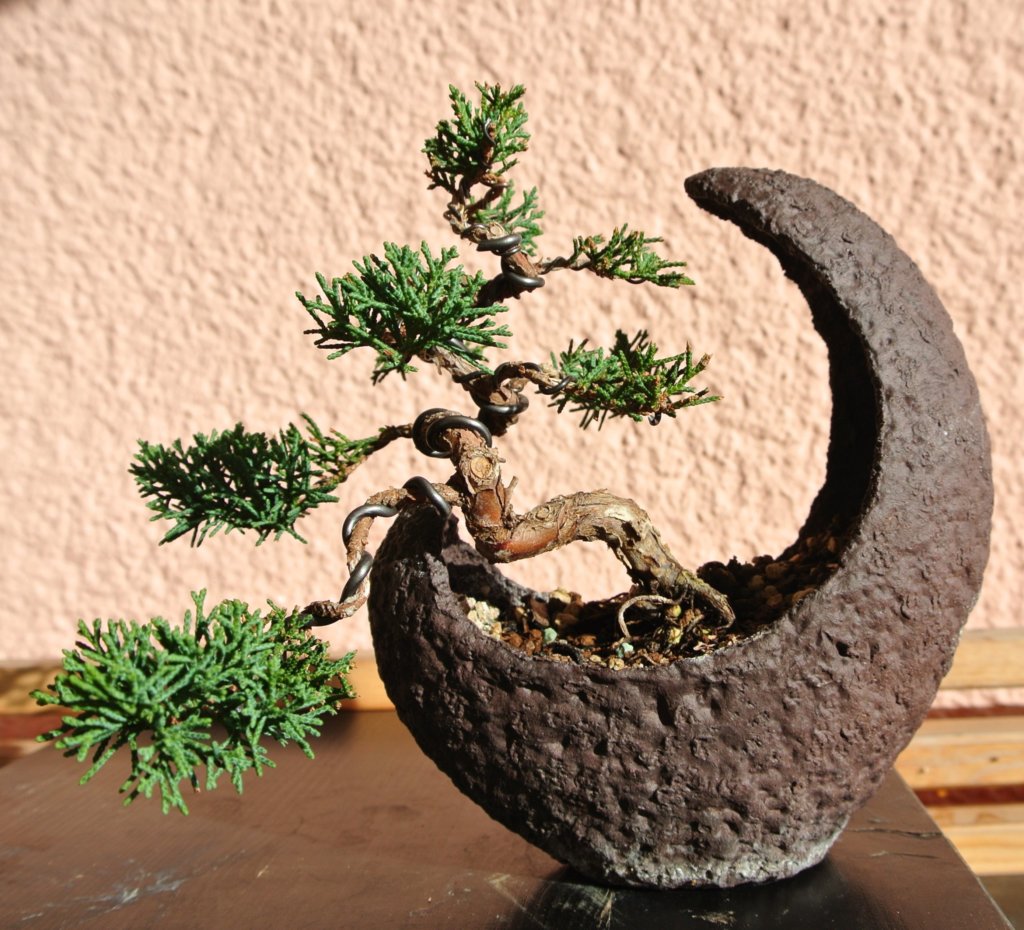
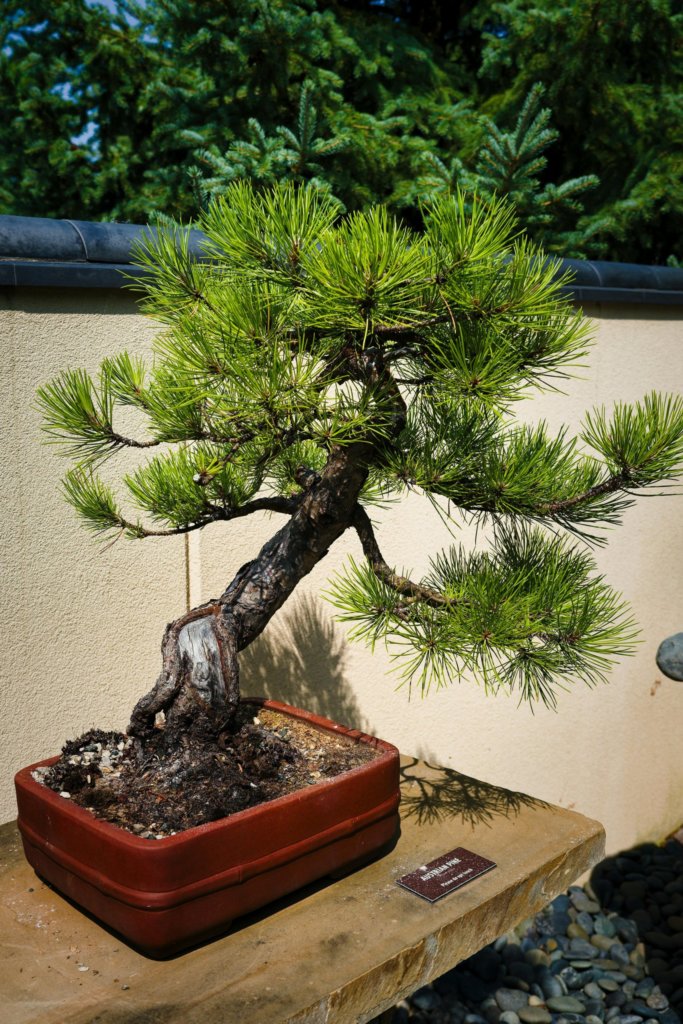
Start with bonsai species that fit your local climate. Native trees often adapt better to your winters and summers than tropical types.
Common outdoor bonsai trees include:
- Juniper bonsai – Hardy and beginner-friendly. Prefers full sun and good air flow. Tolerates cold but needs protection from extreme frost in shallow pots.
- Pine bonsai – A coniferous bonsai that needs full sun. Requires winter dormancy and dislikes constant wet soil.
- Maple bonsai – Deciduous and cold-hardy. Enjoys morning sun and light afternoon shade in hot climates. Needs winter chill.
- Azalea bonsai – Flowering species that prefers partial sun and acidic soil. Requires sun for blooms but protection from intense heat and heavy rain.
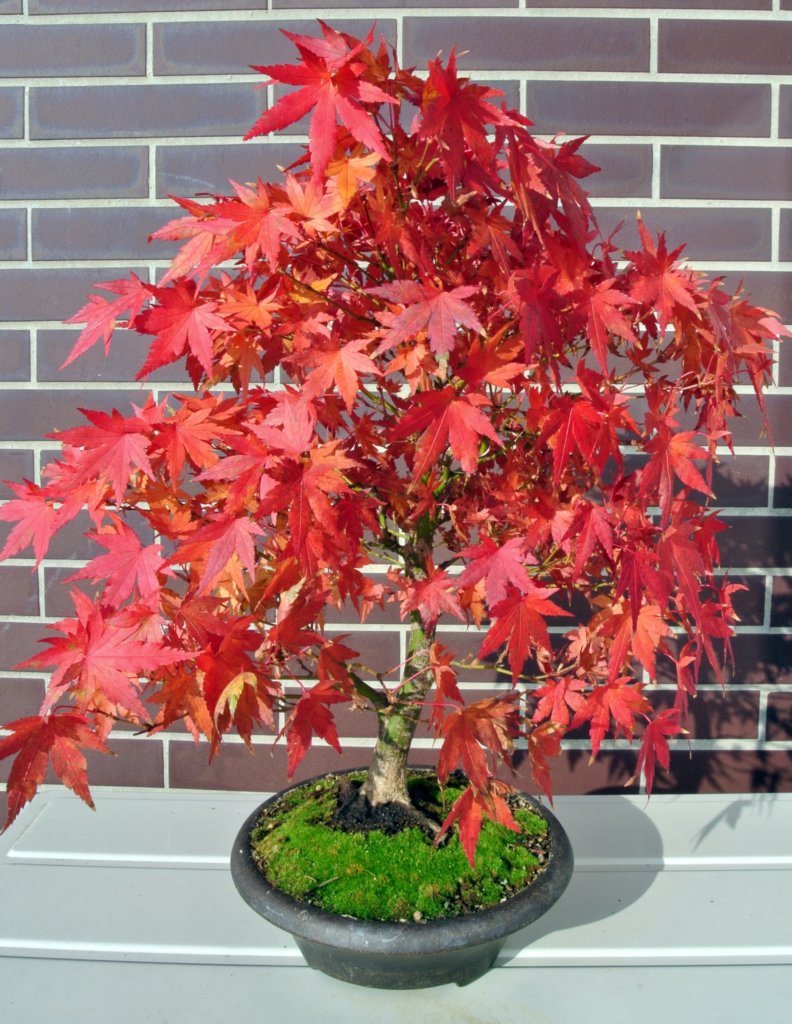
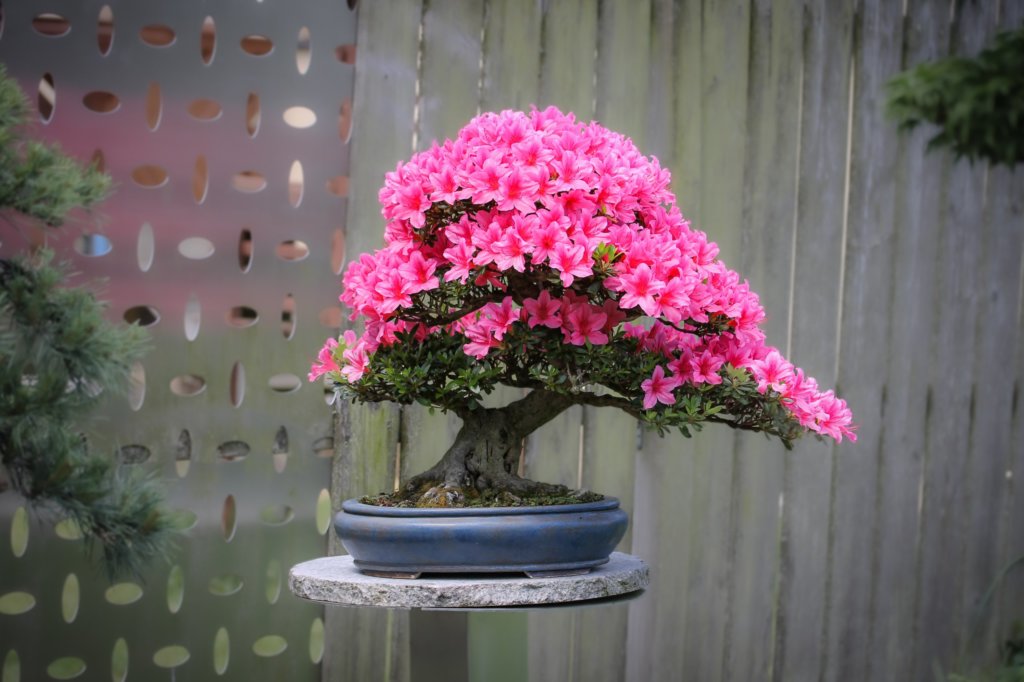
Most outdoor bonsai need exposure to natural seasons. They rely on temperature changes to regulate growth cycles.
When selecting pre-bonsai, check leaf size, trunk movement, and root health. Avoid weak roots or damaged bark, as these problems worsen outdoors.
Site Selection for Optimal Growth
Place your outdoor bonsai tree where it receives the right amount of sunlight for its species. Most coniferous bonsai need 6-8 hours of direct sun. Many deciduous trees prefer strong morning light and filtered afternoon sun.
Good air flow reduces fungal disease. Avoid tight corners, enclosed patios, or spots against solid walls with no breeze.
Use this simple guide:
| Condition | What to Provide |
|---|---|
| Sunlight | Match to species needs |
| Drainage | Free-draining soil and pots |
| Air Flow | Open space, not crowded |
| Stability | Level benches, away from strong wind |
Raise pots on benches to improve drainage and airflow. Keep them off the earth to stop roots from growing into the ground.
In a bonsai garden, group trees with similar light and water needs together. This makes daily care easier and more consistent.
Adapting Placement by Season
Adjust placement as the weather changes. Outdoor bonsai trees should experience the seasons, but you must limit extreme stress.
In summer, protect sensitive trees like maple bonsai and azalea bonsai from intense afternoon sun. Use shade cloth if temperatures rise above normal for your area.
In winter, allow hardy species such as juniper bonsai and pine bonsai to go dormant. Move pots to a sheltered area, such as against a north-facing wall or inside a cold frame, to protect roots from deep freezes.
During spring and fall, return trees to full light as growth increases. Watch for late frost, which can damage new shoots.
Adjusting placement through the year keeps your outdoor bonsai healthy and aligned with natural growth cycles.
Essential Outdoor Bonsai Maintenance Techniques
Strong outdoor bonsai care depends on correct watering, steady feeding, careful pruning, and proper soil work. When you manage these tasks with the right timing and tools, your tree stays healthy through each season.
Watering and Humidity Control
Bonsai watering requires close attention. Check the soil moisture several times daily during the growing season. If the top half inch feels dry, water deeply until water drains from the holes.
Avoid light, frequent watering. It prevents full saturation and causes salt buildup in the substrate. Instead, soak the entire root ball so the roots grow evenly.
Weather changes your schedule. Hot wind and full sun dry bonsai soil fast, while cool, rainy days slow moisture loss. Adjust your routine instead of following a fixed calendar.
You can place a humidity tray filled with gravel and water under the pot to raise local humidity. This helps during dry, windy periods, but it does not replace proper watering. Good drainage remains critical for healthy roots.
Fertilizing for Seasonal Health
Outdoor bonsai tree care includes steady feeding during active growth. Use a balanced bonsai fertilizer in spring when new leaves appear. Choose slow-release pellets or liquid feed at half strength to avoid root burn.
In early summer, continue regular feeding every two to four weeks. Reduce nitrogen in late summer to slow soft growth and prepare the tree for fall.
Stop or reduce fertilizer in late fall and winter for temperate species. Many outdoor bonsai need winter dormancy. Feeding during this rest period can stress the tree.
Organic bonsai fertilizers break down slowly and improve soil structure. Synthetic options act faster but require careful dosing. Follow label rates and adjust based on your tree’s growth and leaf color.
Pruning, Pinching, and Shaping
Pruning controls size and keeps your bonsai in proportion. Use sharp bonsai shears for small shoots and fine trimming. For thicker branches, use a concave cutter to create a clean cut that heals with less visible scarring.
Pinch back soft new growth during spring and early summer to encourage shorter internodes and denser foliage. This should primarily be done on trees in the refinement stage, as pinching can hinder those still building their main structure.
While effective for deciduous trees, avoid pinching conifers like Junipers by hand, as it can cause the tips to brown. Above all, do not remove too much at once; heavy pruning can weaken the tree.
Shape with purpose. Remove crossing branches, inward growth, and shoots that block light. Always step back and check the balance before making each cut.
Clean your bonsai tools after use. Sharp, clean blades reduce disease risk and create precise cuts that support long-term bonsai tree care.
Soil, Repotting, and Tools
Healthy roots depend on well-draining bonsai soil. Standard garden soil holds too much water. Use mixes with particles like akadama, pumice, and lava rock to improve drainage and airflow.
Repot most outdoor bonsai every two to three years. Fast-growing species may need more frequent repotting. Early spring, just before bud break, works best for many temperate trees.
During repotting, use a root hook to comb out old soil and untangle roots. Trim long or circling roots to promote a compact root system. Never remove more than one-third of the roots at one time.
Secure the tree firmly in the pot and water thoroughly after repotting. Proper soil, careful root work, and the right bonsai tools support strong growth and long-term stability.
Seasonal Challenges and Protection
Outdoor bonsai trees face cold winters, shifting pests, and sudden stress from weather changes. You protect your trees by planning for dormancy, checking for pests often, and fixing problems early before they spread.
Winter Dormancy and Frost Protection
Most temperate outdoor bonsai trees need a cold dormancy period to stay healthy. You should not bring hardy species indoors for winter, as they rely on natural light and cool air.
Protect roots first. Bonsai pots freeze faster than garden soil.
Use these frost protection steps:
- Place the pot on the ground, not on a table.
- Bury the pot in mulch or soil up to the rim.
- Wrap the container in burlap or bubble wrap.
- Move trees to an unheated shed or cold frame during deep freezes.
Water lightly during winter. Keep the soil slightly moist, not dry or soaked. Dry roots suffer damage faster than cold roots.
Check your specific species’ hardiness. Most temperate trees need extra insulation below 15°F-20°F (-9°C to -7°C ), while tropical varieties must remain above 45°F (7°C).
Pest and Disease Management
Outdoor bonsai trees attract insects in spring and summer. Aphids, spider mites, scale, and caterpillars cause the most damage.
Inspect leaves and stems every week. Look under leaves and along branch joints.
Common signs include:
- Sticky residue on leaves
- Yellow or spotted foliage
- Fine webbing
- Chewed leaf edges
Act fast. Spray aphids and mites with a strong stream of water. Use insecticidal soap for larger problems. Avoid spraying in direct sun, which can burn leaves.
Fungal diseases often appear during wet weather. Black spots, white powder, or wilting shoots signal trouble. Improve air flow and avoid overhead watering late in the day.
Healthy trees resist pests better. Follow steady bonsai care practices such as correct watering, pruning, and feeding.
Troubleshooting Common Issues
Yellow leaves often point to watering problems. Overwatering suffocates roots, while underwatering dries them out.
Check the soil before you water. If the top half inch feels dry, water deeply until it drains from the bottom.
Weak growth may mean poor sunlight. Most hardy species require several hours of daily exposure, but transition them gradually to prevent foliage burn.
Leaf scorch appears as brown, crispy edges in extreme heat. Provide afternoon shade during heat waves, especially in hot local climates.
If branches die back, scrape the bark lightly. Green tissue means the branch lives. Brown and dry tissue means it has died, and you should prune it off with clean tools.
Consistent observation prevents small issues from turning into major damage.