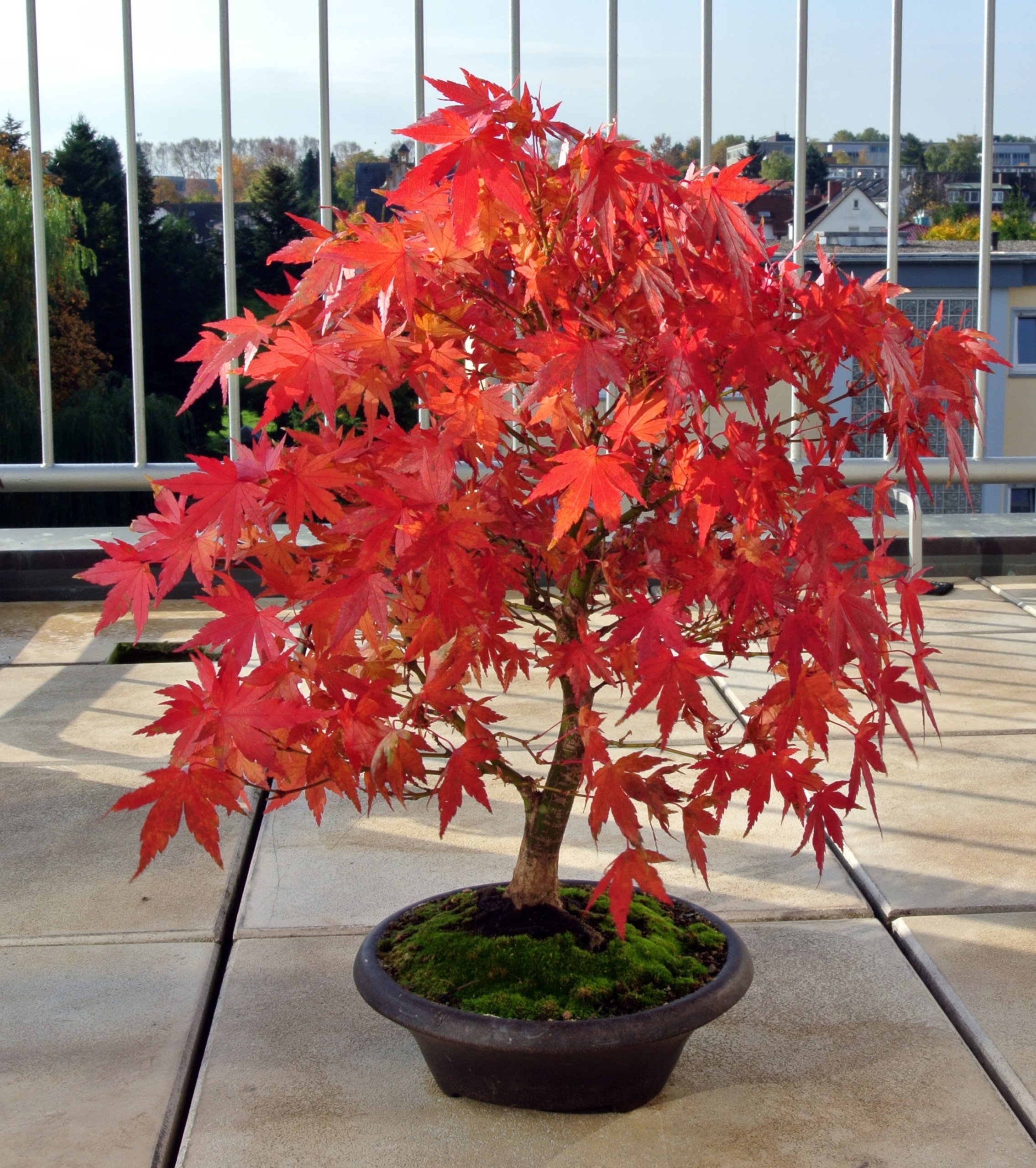
Red Maple Bonsai Care
A red maple bonsai adds bold color and fine leaf shape to your space, but it needs steady care to stay healthy. You should grow this tree outdoors in temperate climates, providing full sun while protecting it from deep freezes. When you meet its basic needs, it rewards you with strong growth and bright fall color.
To care for a red maple bonsai, you must provide full sun, moist but well-draining soil, regular pruning, and repotting every few years to keep the roots healthy. You also need to watch for pests and adjust watering with the seasons. Too much or too little water can weaken the tree fast.
As you shape and train your bonsai tree, you guide its form while keeping it balanced and strong. With the right soil, careful watering, and steady maintenance, you can help your red maple bonsai thrive year after year.
Essential Requirements for Red Maple Bonsai
You need the right species, proper light, and a clear plan for seasonal care. When you meet these basic needs, your red maple bonsai tree grows with strong structure and healthy foliage.
Choosing the Right Red Maple Species
Start by choosing a species that fits your climate and skill level. The two most common options are Acer rubrum (red maple) and Acer palmatum (Japanese maple).
Acer rubrum is native to eastern North America. It grows fast, adapts well to different soils, and shows bright red to orange fall color. Its leaves are larger than many other maple bonsai types, so you may need regular pruning and leaf control to keep proportions balanced.
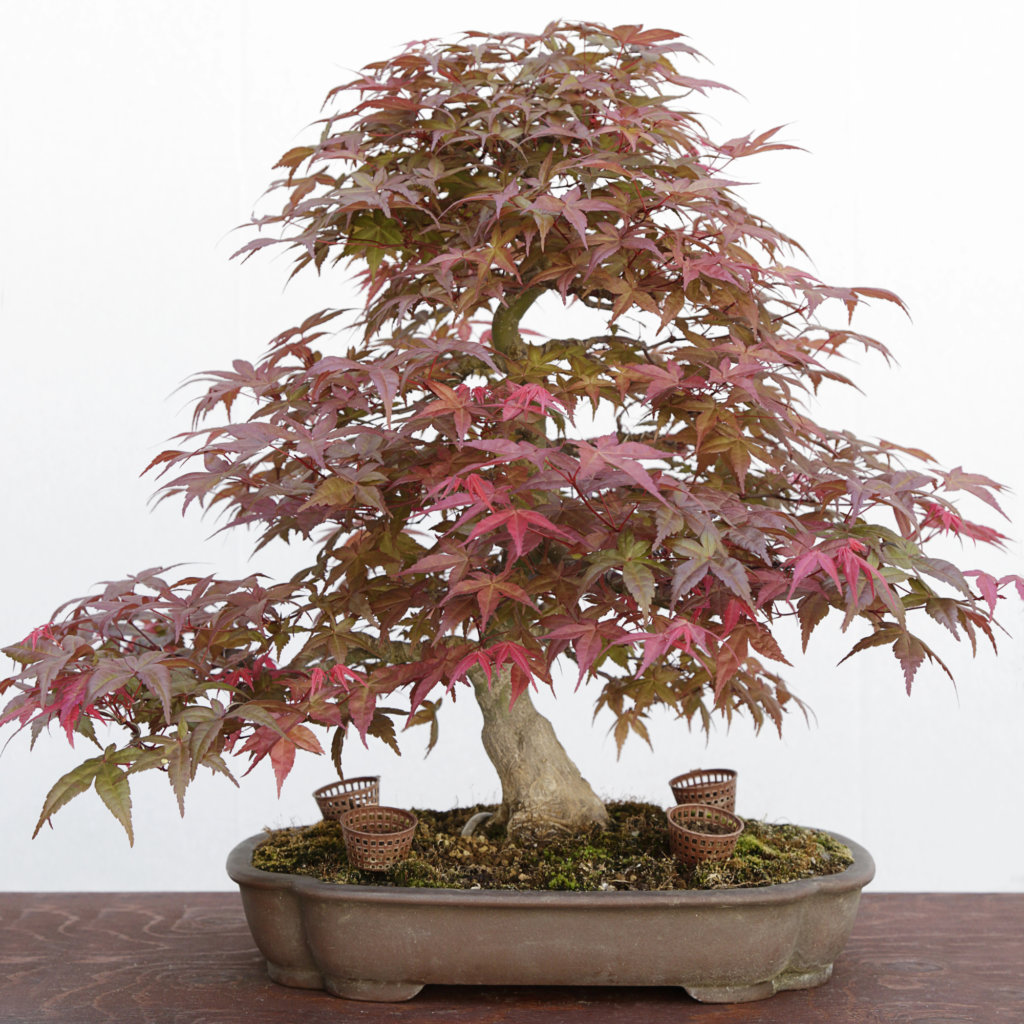
Acer palmatum is more common in bonsai. It has naturally smaller leaves and fine branching, which makes shaping easier. Numerous varieties provide year-round red or seasonal green leaves.
While Acer palmatum often has smaller leaves, the phrase “Japanese red maple” usually refers to specific red-leafed cultivars (like ‘Deshojo’ or ‘Atropurpureum’). The species itself frequently features green leaves that only transition to red during the fall.
Choose a healthy nursery plant with:
- Strong surface roots
- No trunk scars or damage
- Even branch spacing
Avoid trees with a high or obvious graft union, especially if it creates a bulge, reverse taper, or bark mismatch near the base of the trunk. Also steer clear of weak, leggy growth or poor trunk taper that will be difficult to correct as the tree matures.
A good base plant makes long-term training much easier.
Optimal Placement and Lighting
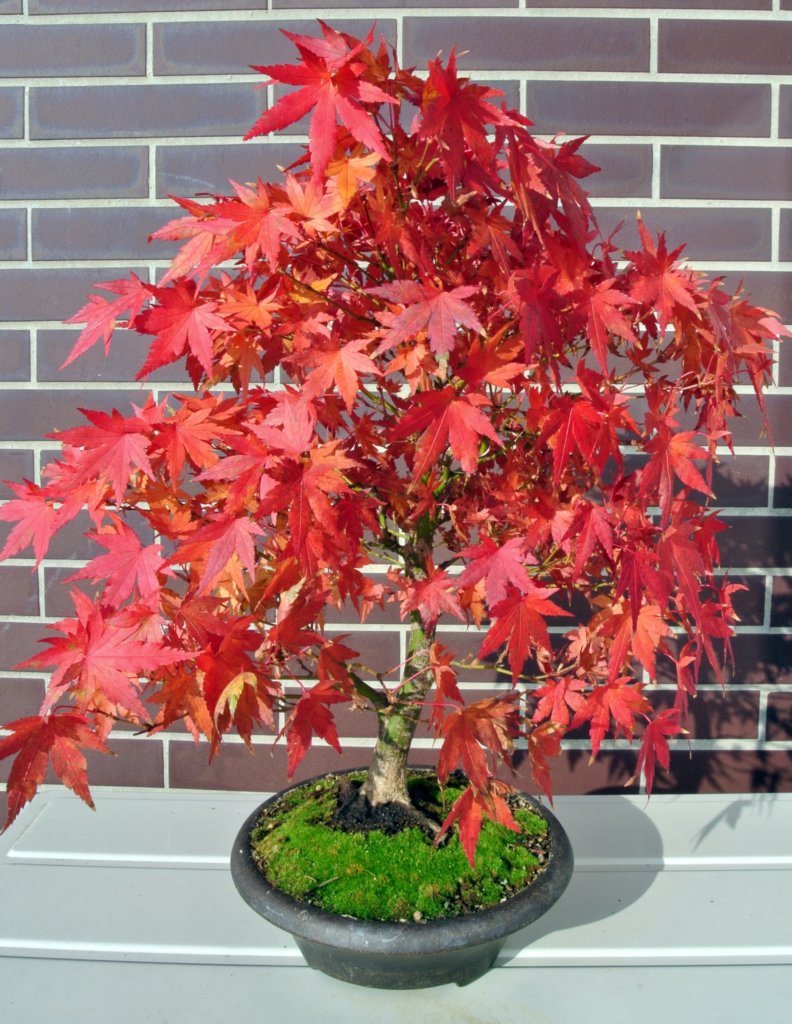
Place your maple bonsai outdoors. Red maple bonsai trees need real sunlight and fresh air to stay strong.
During the growing season, give your tree at least 6 hours of direct sun daily. Morning sun works best. In very hot climates, protect it from harsh afternoon sun to prevent leaf scorch.
If you keep your bonsai indoors for short periods, move it back outside quickly. Indoor light is usually too weak for long-term health.
Watch the leaves for signs of stress:
- Pale or weak growth means not enough light
- Burned edges may mean too much intense sun
- Long, thin shoots show low light levels
Adjust placement as seasons change. Light needs shift between spring, summer, and fall.
Temperature and Seasonal Dormancy Needs
Red maple (Acer rubrum) and Japanese maple (Acer palmatum) bonsai trees require winter dormancy. They cannot stay warm all year.
In fall, leaves change color and drop. This is normal. Your tree must rest in cold conditions for several weeks to reset its growth cycle.
Most maple bonsai tolerate freezing temperatures, but you should protect the roots. In winter, place the pot:
- In an unheated garage
- In a cold frame
- On the ground with mulch around the container
Avoid heated indoor spaces during winter. Warm temperatures can weaken the tree and disrupt dormancy.
In spring, move your red maple bonsai tree back into full light as buds begin to swell. This cycle of growth and rest keeps your maple bonsai healthy year after year.
Soil and Watering Practices
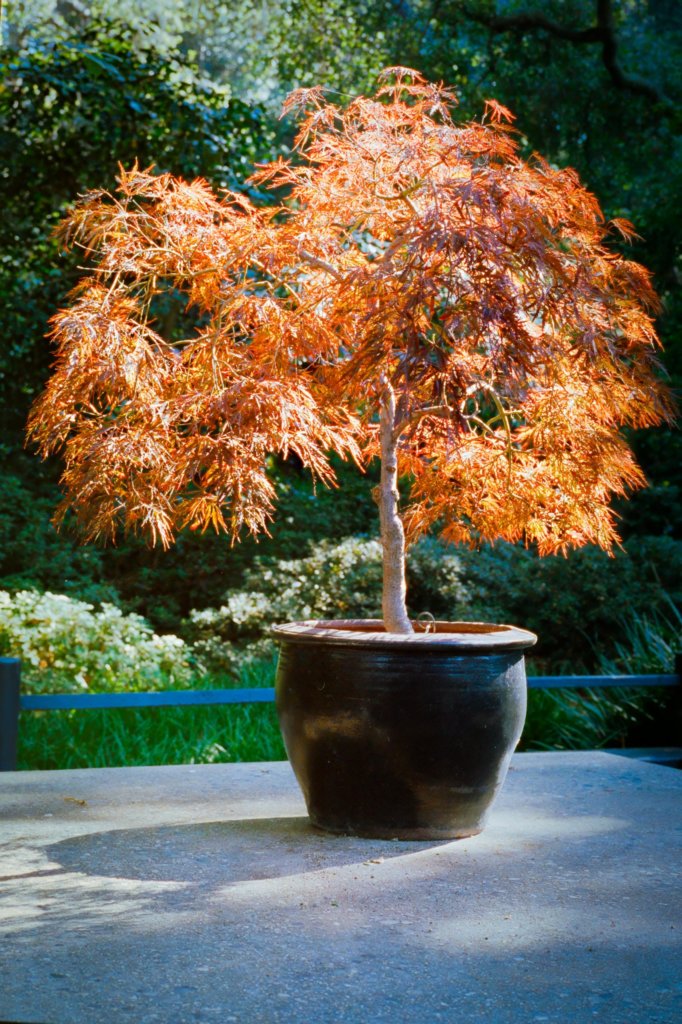
You must balance moisture and drainage to keep your red maple bonsai healthy. The right bonsai soil and steady watering prevent root rot, leaf scorch, and weak growth.
Best Bonsai Soil Mix for Red Maple
Your red maple bonsai needs soil that holds moisture but drains fast. Red maple roots do not tolerate dry soil for long, yet they also suffer in soggy conditions.
Use a well-draining bonsai soil mix with moisture retention. A common blend includes:
- 1 part Akadama (medium grain)
- 1 part pumice
- 1 part lava rock or coarse grit
Akadama absorbs water and releases it slowly. Pumice improves drainage while keeping the mixture lightweight and aerated. Lava rock improves airflow and prevents compacted soil.
Avoid standard garden soil. It compacts in small pots and blocks oxygen to the roots. Poor airflow often leads to root rot, which is a common cause of bonsai decline.
Repot every 2–3 years in early spring. Fresh bonsai soil keeps the root system healthy and supports steady growth.
Effective Watering Techniques
Water your maple bonsai when the top layer of soil begins to dry. Do not wait until the soil becomes fully dry.
Check moisture daily during spring and summer. Red maple prefers consistently moist soil, especially during active growth.
When you water, soak the entire root mass. Pour water evenly over the soil surface until it drains from the bottom holes. This method flushes out salt buildup and ensures even moisture.
In hot weather, you may need to water once or even twice per day. In winter, reduce watering because growth slows and the tree uses less water.
Avoid shallow watering. Light surface watering leaves deeper roots dry and weak.
Managing Humidity and Drainage
Red maple bonsai grows best in moderate humidity. Dry air can cause leaf edges to brown, especially in summer.
You can increase humidity by:
- Placing the pot on a humidity tray with water and gravel
- Grouping bonsai together
- Misting lightly in the morning during dry weather
Do not rely on misting alone for hydration. It does not replace proper watering.
Good drainage is essential. Always use a pot with large drainage holes. Cover holes with mesh to keep soil in place while allowing water to escape.
Never let your maple bonsai sit in standing water. Constant saturation blocks oxygen and damages roots. Balanced moisture and airflow keep your red maple strong and stable.
Pruning, Shaping, and Training
You shape a red maple bonsai through careful pruning, leaf control, and wiring. Each step guides growth, improves structure, and protects the health of your Acer rubrum bonsai tree.
Pruning for Shape and Health
Pruning controls size and builds strong structure. You should prune your red maple bonsai in late winter or early spring before buds fully open.
In early spring, cut back long shoots to 1–2 pairs of buds. This step directs energy into lower branches and keeps the bonsai compact. Avoid heavy pruning once leaves fully open, because Acer rubrum can bleed sap when cut at the wrong time.
During the growing season, trim new shoots after they develop 3–4 nodes. Reduce these branches back to 1–2 leaf pairs. This method keeps the branch structure tight and prevents long, weak growth.
When you repot and prune roots, also reduce top growth. Balanced pruning keeps the root system from becoming overstressed.
Use clean, sharp tools. Make clean cuts close to a bud or branch junction to help wounds heal properly.
Leaf Pruning and Internode Reduction
Red maple bonsai often grow large leaves. You reduce leaf size through controlled leaf pruning and careful feeding.
Partial defoliation works best. Remove the largest leaves in early summer once the first flush of growth hardens. Leave smaller leaves in place. This action allows light to reach inner buds and can produce a second flush with smaller leaves.
Do not fully defoliate a weak bonsai tree. Acer rubrum needs strong energy reserves to respond well.
To shorten internodes, manage three key factors:
- Light: Provide full sun or strong light.
- Water: Avoid constant overwatering.
- Fertilizer: Use moderate feeding, not high nitrogen.
Too much nitrogen causes long shoots with wide gaps between leaves. Steady, balanced care leads to tighter growth and better proportion.
Wiring and Structural Training
Wiring sets the main shape of your bonsai. You can train Acer rubrum in styles such as informal upright, slanting, clump, or forest.
Wire young branches when they are still flexible. Older branches become stiff and may crack. Apply aluminum wire at a 45-degree angle and avoid wrapping too tightly.
Check wired branches every 2–3 weeks during active growth. Red maple thickens quickly, and wire can scar bark if left too long.
For major structure changes, combine light wiring with directional pruning. Cut back to a bud that faces the direction you want the branch to grow.
Use wiring to guide structure, not force sharp bends. Gradual shaping protects the health of your red maple bonsai and creates natural movement.
Maintenance, Repotting, and Problem Prevention
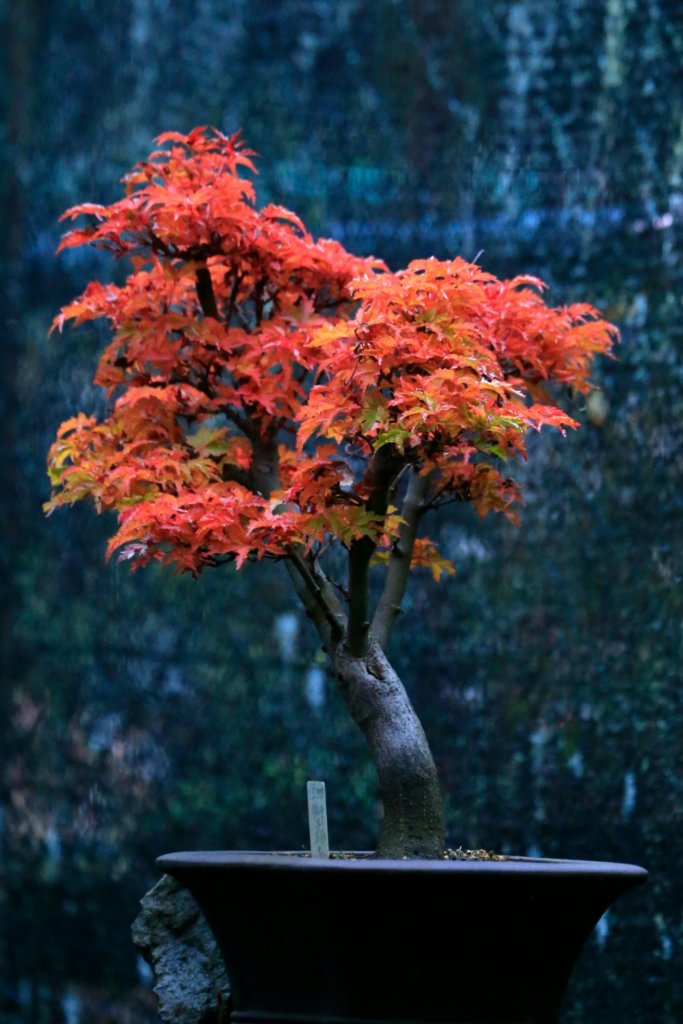
Consistent feeding, timely repotting, and close inspection keep your red maple bonsai strong and balanced. You must manage roots, soil, and foliage with care to support steady growth and reduce stress.
Fertilizing for Vigorous Growth
Your red maple bonsai needs regular feeding during the active growing season. Start fertilizing in early spring when buds begin to swell.
Use a balanced liquid or granular fertilizer every two weeks through late spring. In summer, switch to a milder formula or reduce feeding if growth slows in high heat.
Avoid high-nitrogen fertilizer late in the season. Strong nitrogen in late summer can push soft growth that will not harden before winter.
Follow this simple schedule:
- Early spring to early summer: Balanced fertilizer, every 2 weeks
- Mid to late summer: Lower nitrogen, every 3–4 weeks
- Fall: Stop feeding once leaves begin to drop
Do not fertilize a weak or newly repotted bonsai tree for about four weeks. Let the roots recover first.
Repotting Guidelines and Root Care
Repot your red maple bonsai in early spring, just before the leaf buds open. This timing reduces stress and supports quick root recovery.
Younger trees often need repotting every 2 years. Mature bonsai usually need it every 3–5 years, depending on root growth.
Red maple bonsai prefer standard-sized pots. They need enough root mass to stay healthy.
During repotting:
- Remove the tree and comb out the roots gently.
- Trim back long roots by up to one-third.
- Remove any circling or damaged roots.
- Replant in fresh, well-draining bonsai soil.
Water thoroughly after repotting. Keep the tree in light shade for two weeks and protect it from strong wind.
Pests, Diseases, and Seasonal Concerns
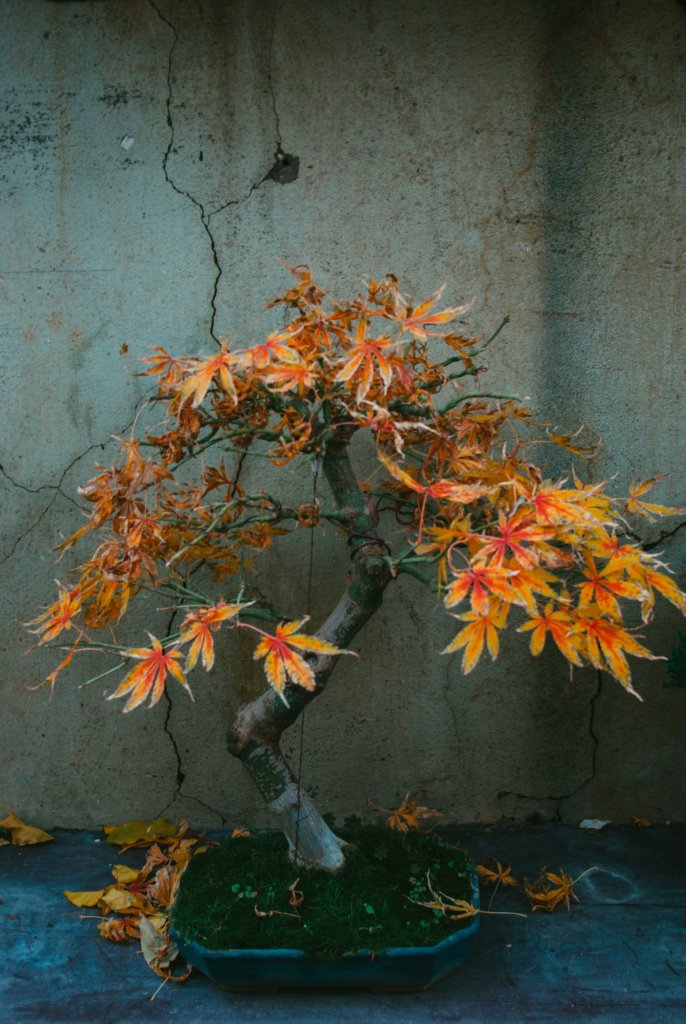
Inspect your bonsai tree weekly during the growing season. Early action prevents most serious problems.
Common pests include:
- Aphids
- Spider mites
- Scale insects
You can remove small infestations by hand or use insecticidal soap. Rinse leaves often in summer to reduce mite risk, especially in dry weather.
Watch for fungal issues like leaf spot or powdery mildew. Improve air flow and avoid overhead watering late in the day to limit disease.
As a deciduous bonsai, your red maple bonsai must go dormant in winter. Protect roots from deep freezing by placing the pot in an unheated garage, cold frame, or against a sheltered wall. Keep the soil slightly moist, not wet, until spring returns.
Frequently Asked Questions
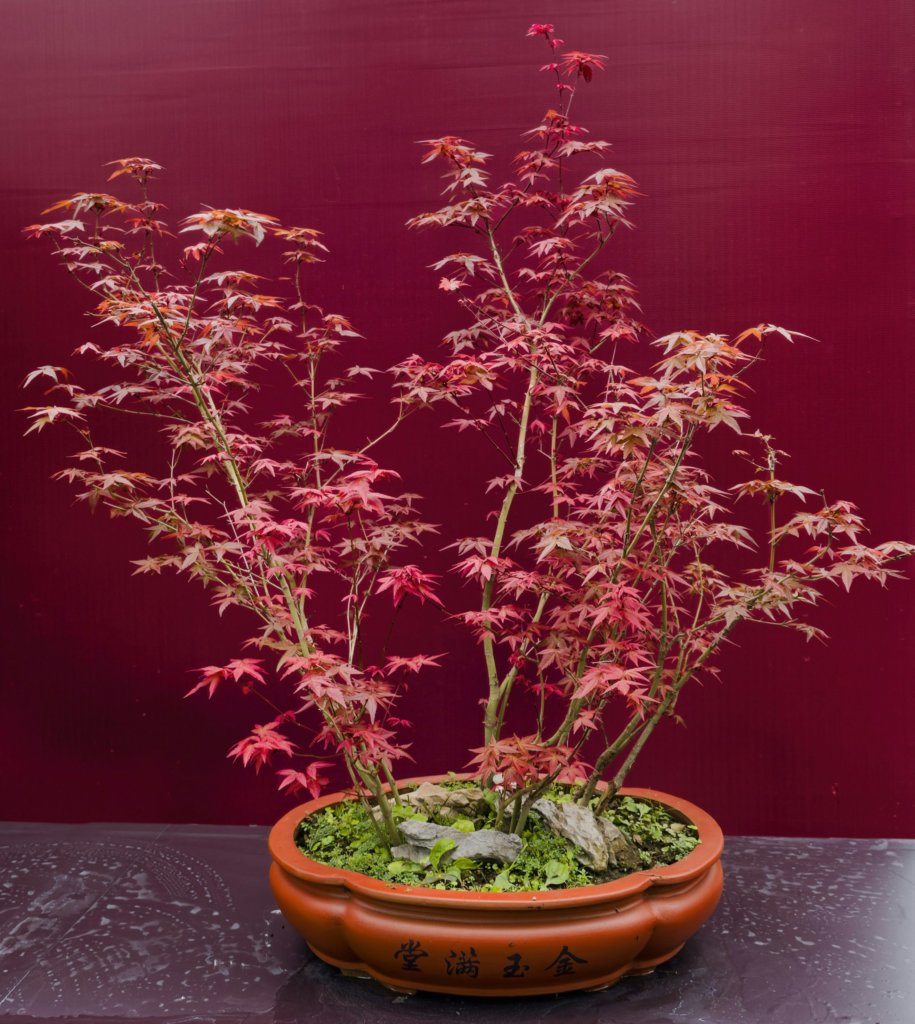
Red maple bonsai need steady watering, strong light, timely pruning, and well-draining soil. You also need to watch for nutrient problems and common pests to keep the tree healthy and stable.
How often should I water my red maple bonsai?
Water your red maple bonsai as soon as the soil surface starts to feel dry. In spring and summer, you may need to water once a day, especially in warm weather.
Do not follow a fixed schedule. Check the soil daily, since heat, wind, and pot size change how fast the soil dries.
Water deeply until it drains from the bottom holes. This helps flush out salt buildup and keeps roots evenly moist.
What is the optimal lighting for a red maple bonsai?
Place your red maple bonsai outdoors in full sun to partial shade. It grows best with at least 6 hours of direct sunlight each day.
In very hot climates, give afternoon shade to prevent leaf burn. Too little light can cause weak growth and larger leaves.
Do not keep this tree indoors for long periods. It needs natural light and seasonal changes to stay healthy.
When is the appropriate time to prune a red maple bonsai?
Prune structure in late winter or very early spring before new growth starts. This timing reduces stress and heavy sap flow.
Trim 3–4 node shoots back to 1–2 leaf pairs during the growing season.
Avoid heavy pruning in late fall. The tree needs energy stored for winter dormancy.
What type of soil mixture is best for red maple bonsai growth?
Use a fast-draining soil mix that still holds some moisture. A common mix includes akadama, pumice, and lava rock in equal parts.
If you do not have these materials, use a bonsai mix that drains well and does not stay soggy. Red maples do not tolerate compacted soil.
Repot young trees every 2 years. Younger trees may need repotting more often as roots fill the pot.
How can I tell if my red maple bonsai is receiving adequate nutrients?
Healthy leaves should have strong green color in spring and summer. In fall, they should change to red, orange, or yellow, depending on the variety.
Pale leaves, slow growth, or small new shoots can signal low nutrients. Use a balanced fertilizer during the growing season, from spring through early fall.
Do not fertilize during winter dormancy. Reduce feeding if the tree shows weak or stressed growth.
What are common pests affecting red maple bonsai, and how do I manage them?
Aphids, spider mites, and scale insects often attack red maple bonsai. Check the undersides of leaves and along stems each week.
If you see pests, rinse the tree with water or apply insecticidal soap. Treat early to prevent heavy damage.
Fungal issues like leaf spot or wilt can also occur. Prune affected areas and improve air flow around the tree.