
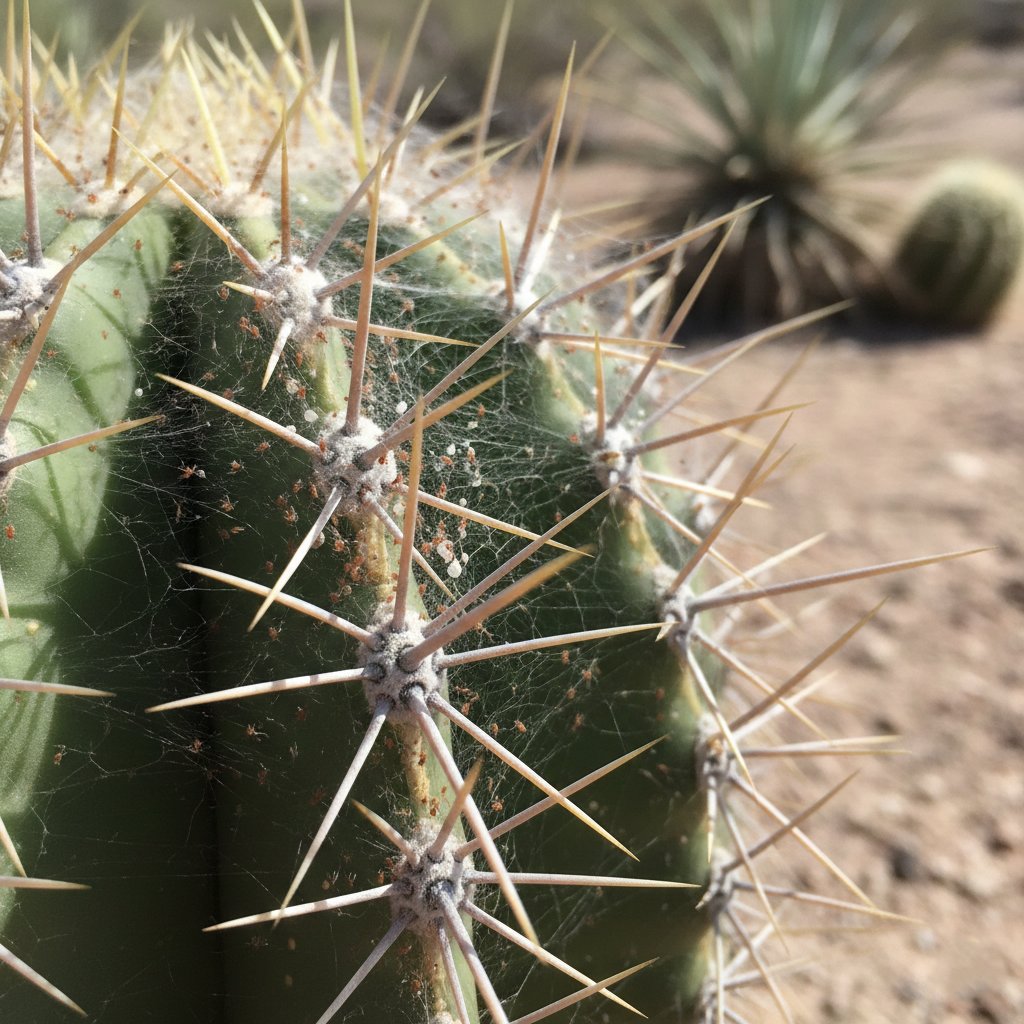
Why Your Cactus Has Webbing Between Spines
You notice thin, web-like strands stretched between your cactus spines and wonder if something went wrong. That webbing stands out because cacti usually stay clean and dry, with spines that help shade the plant and reduce water loss. When webbing appears, it signals a change that deserves attention.
Your cactus has webbing between its spines because tiny pests, most often spider mites, spin silk as they feed and shelter on the plant. Dust, stress from dry air, and poor airflow can make the problem worse and help the webbing spread faster.
This topic matters because early action can protect your cactus and stop lasting damage. Understanding what causes the webbing helps you decide when simple care changes work and when treatment becomes necessary.
Key Takeaways
- Webbing usually points to spider mites or similar pests
- Dry, dusty conditions make webbing more likely
- Early care and treatment protect your cactus
Understanding Webbing Between Cactus Spines
Webbing between cactus spines often signals pest activity or plant stress. The pattern, thickness, and location of the webbing help you identify the cause and decide what to do next.
What Webbing on Cacti Indicates
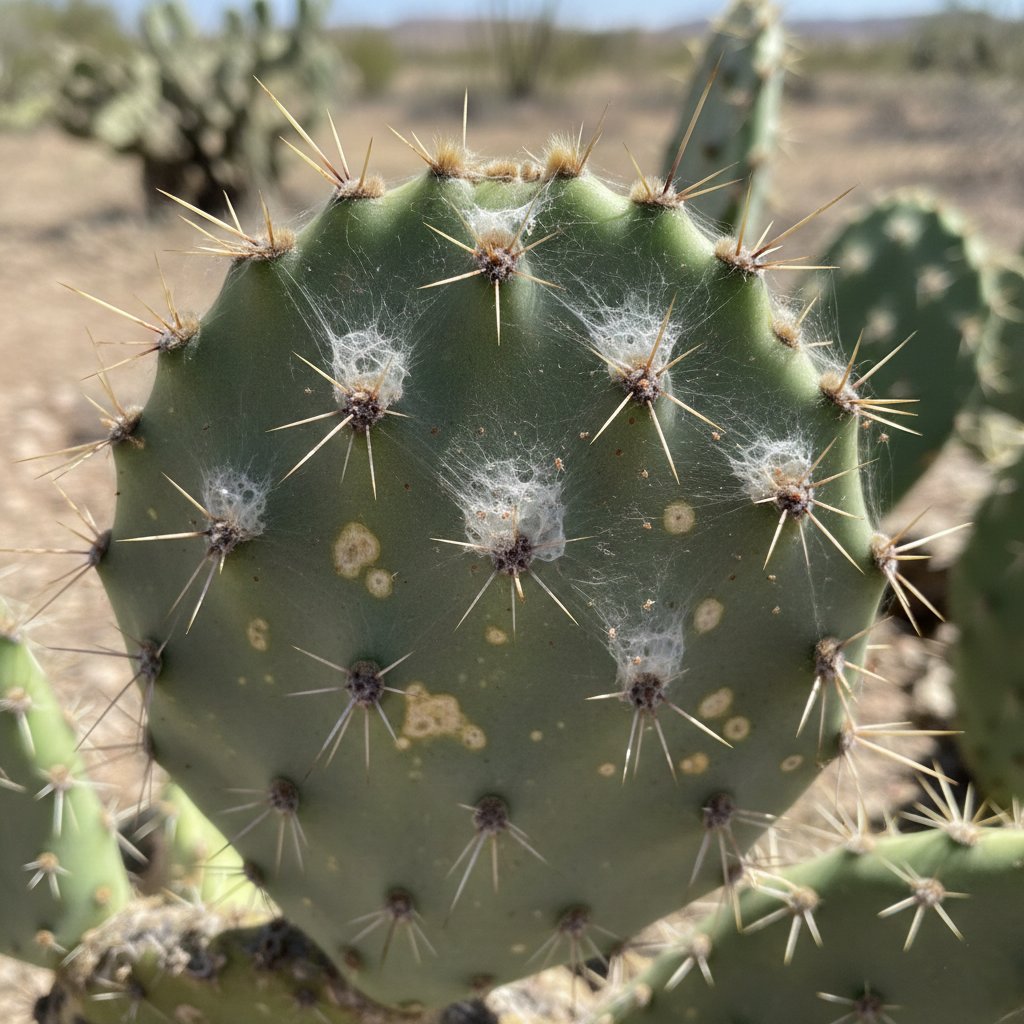
Webbing usually points to spider mites or related pests. These insects spin fine silk between cactus spines as they feed on plant tissue. You often see the webbing first in tight spaces where spines cluster.
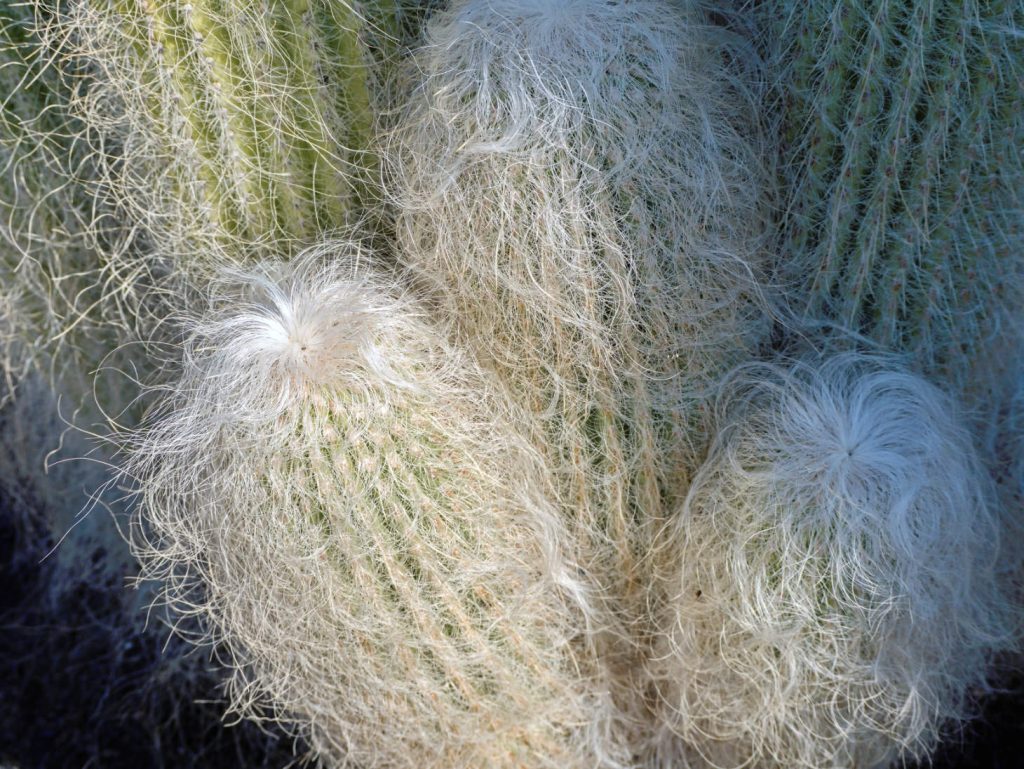
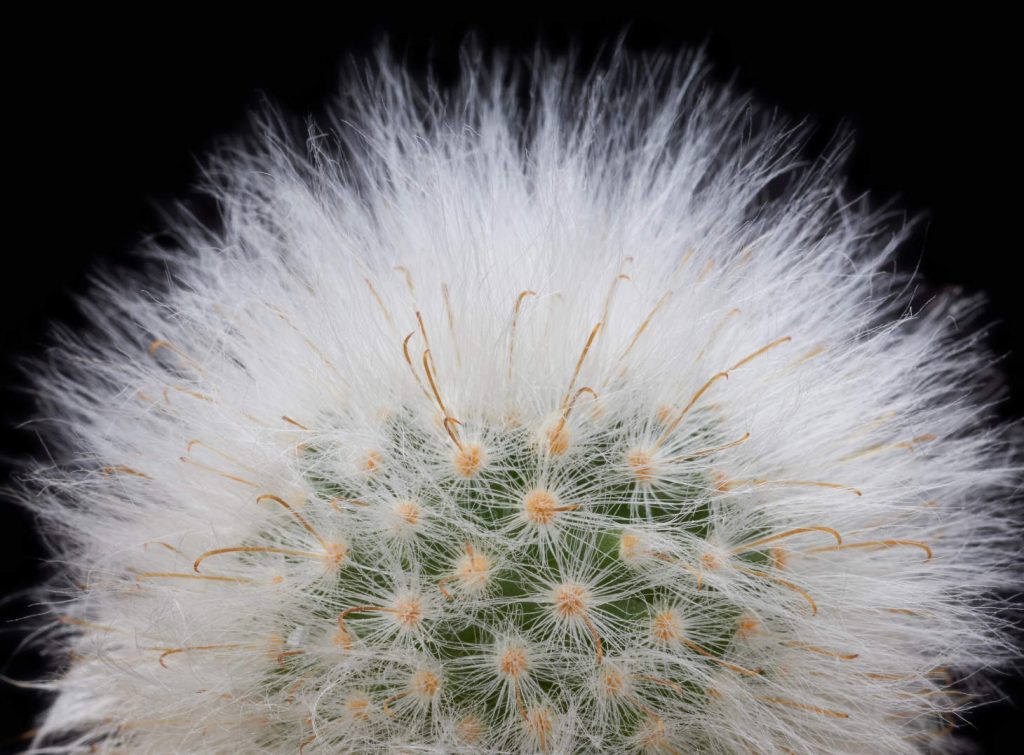
Healthy cactus spines do not produce webbing, though some species like the Oreocereus (“Old Man Cactus”) naturally grow white, hair-like “wool” from their areoles for protection against sun and frost. To a beginner, this natural fiber can easily be mistaken for a pest infestation. However, because cacti do not produce actual “spider-like” silk, any fine, sticky webbing is a sign of an external cause, such as spider mites.
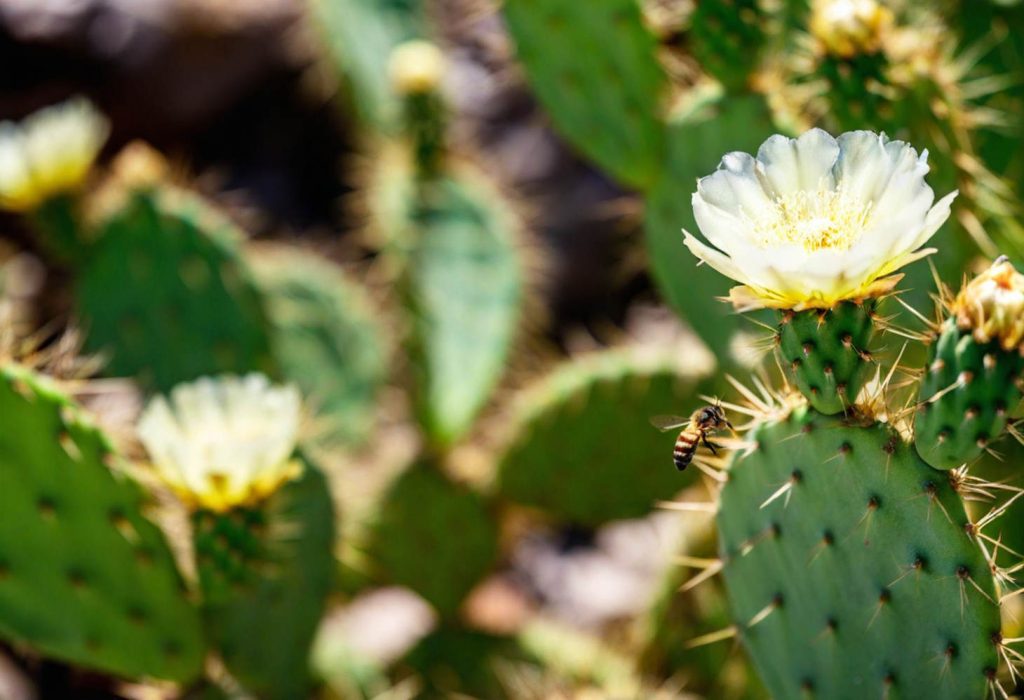
You may also notice other signs. These include pale spots, dull skin, or slow growth. On prickly pear, webbing often forms around areoles where glochids grow. On round cacti, it often sits low on the body where air flow stays poor.
Common Causes of Webbing Formation
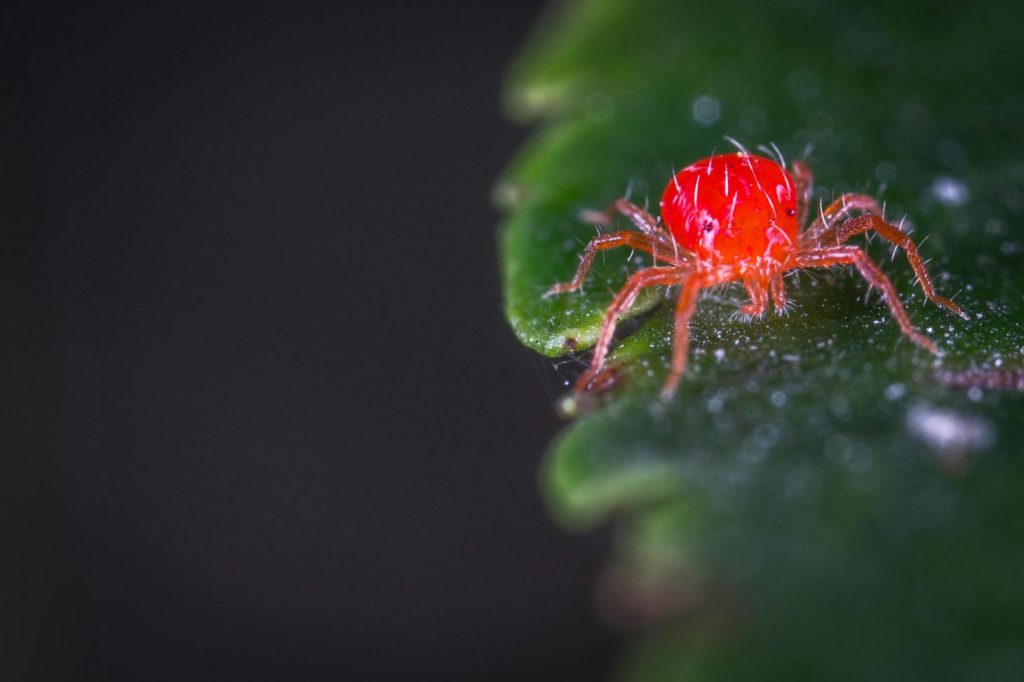
Spider mites cause most webbing problems on indoor and outdoor cacti. They thrive in dry, warm air and spread fast. Their webbing looks thin, dusty, and uneven.
Other pests can add to the issue. Mealybugs sometimes leave cottony strands, though this looks thicker than mite webbing. Wind-blown debris can also catch on spines, but it does not anchor tightly.
Poor conditions raise your risk. Low humidity, weak light, and crowded plants help mites spread. While pests can weaken any cactus, they are most drawn to plants in dry, dusty environments with minimal disturbance.
Common causes at a glance
| Cause | Webbing Type | Key Clue |
|---|---|---|
| Spider mites | Fine, silky | Tiny moving dots |
| Mealybugs | Cottony | White clumps |
| Debris | Loose strands | Falls off easily |
Types of Cacti Prone to Webbing Issues
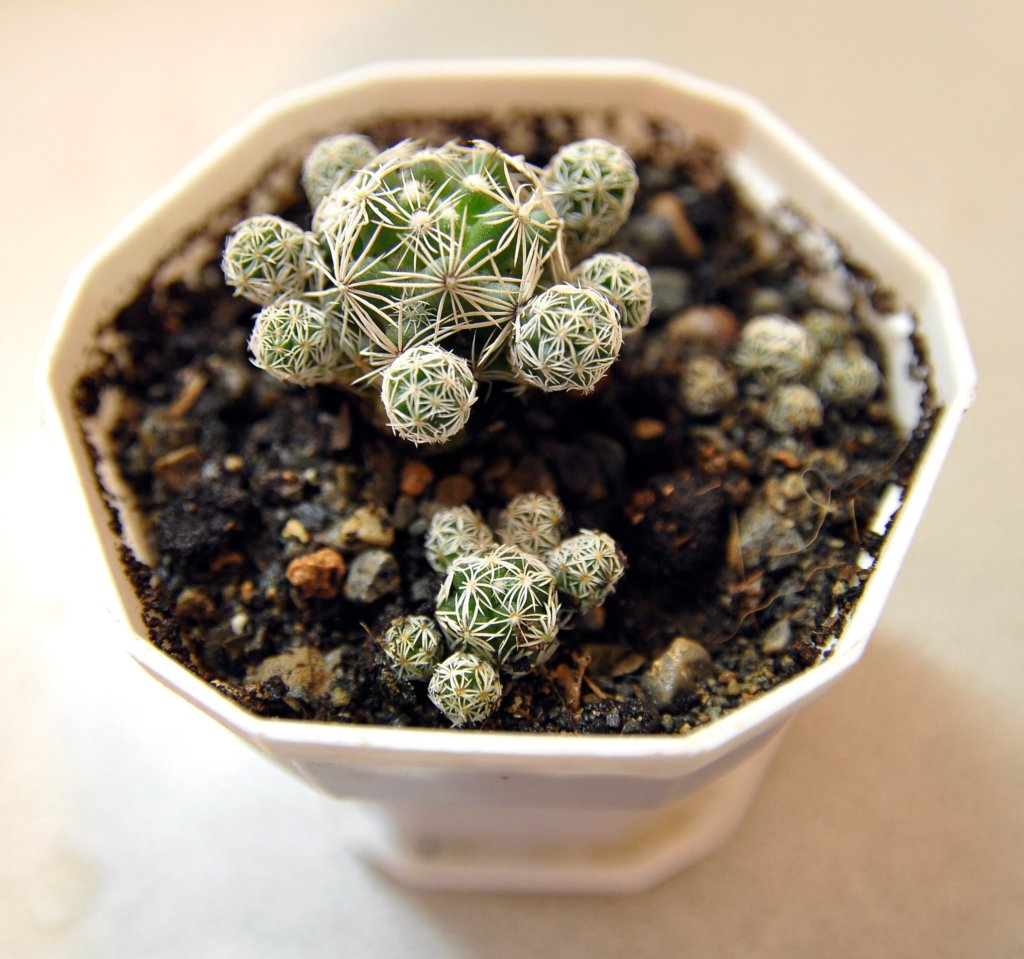
Dense spine structures in genera like Mammillaria and Coryphantha provide an ideal scaffolding for silk, allowing webbing to accumulate between tubercles. These tight spaces protect mites from both predators and airflow.
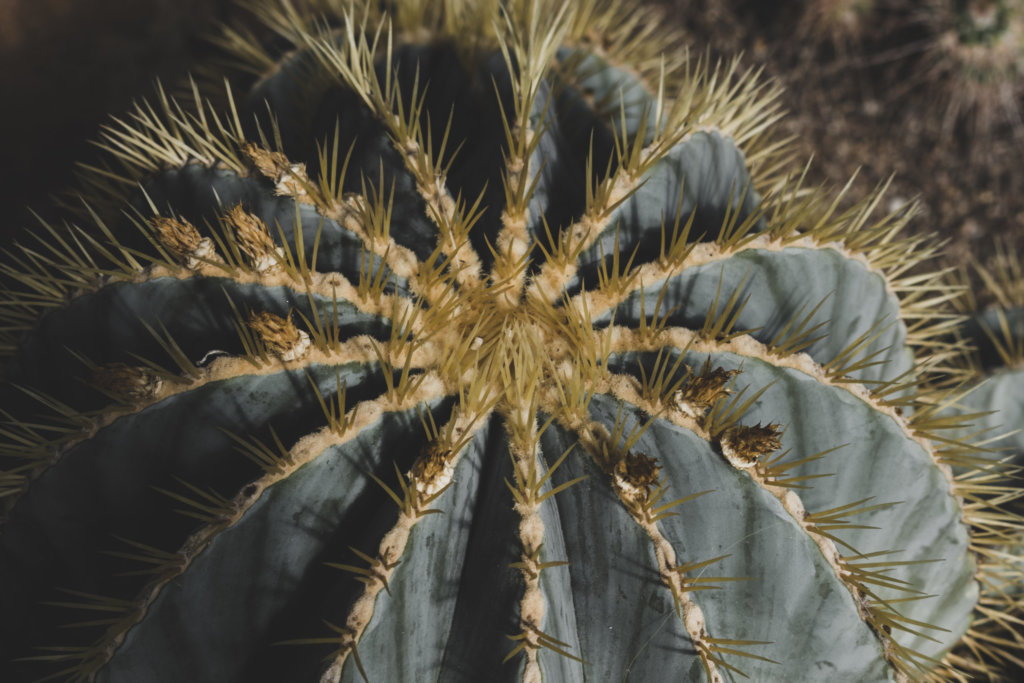
Ferocactus can also show webbing, especially near the base where thick spines block air flow. Large bodies make early signs easy to miss.
Prickly pear attracts pests around areoles filled with glochids. These fine hairs hold webbing in place and protect mites from predators.
Cacti with tight spines need closer checks. You should inspect shaded areas and spine joints, not just open surfaces.
Biological Role and Evolution of Cactus Spines
Cactus spines shape how your plant survives heat, animals, and water loss. These structures grow from special tissues and follow clear rules across the Cactaceae family.
Why Cacti Have Spines

Your cactus uses spines instead of leaves for several reasons. Spines protect soft, water-filled tissue from animals. Sharp clusters make it hard to bite or step on the plant.
Spines also help control heat and water. They reduce exposed surface area, which limits water loss. Many spines cast light shade on the stem during the day. That shade lowers stem temperature and slows evaporation.
Some spines help guide moisture. Fog or light rain can collect on the spines and drip toward the base. This feature matters in dry places where rain comes in short bursts. Because these structures are modified leaves, they emerge from specialized buds called areoles, unlike the simple surface prickles found on roses.
Spine Development and Areoles
Spines grow from areoles, not from random points on the stem. An areole is a small pad of tissue unique to cacti. You can see it as a fuzzy or raised spot where spines, flowers, and new growth appear.
Genetically, spines are modified leaves. Instead of developing into photosynthetic tissue, these “leaves” are programmed to harden through lignification. The cells fill with lignin and die, which makes the spine stiff and sharp. This change stops water loss through leaves while keeping defense strong.
Areoles explain why spines appear in neat groups. Beyond protection, areoles often produce fine hairs or wool (trichomes) that can help collect moisture or protect the plant from intense UV radiation.
Key features of areoles:
- Found only in Cactaceae
- Produce spines, flowers, and hair
- Control spacing and pattern of spines
Differences Between Spines and Glochids
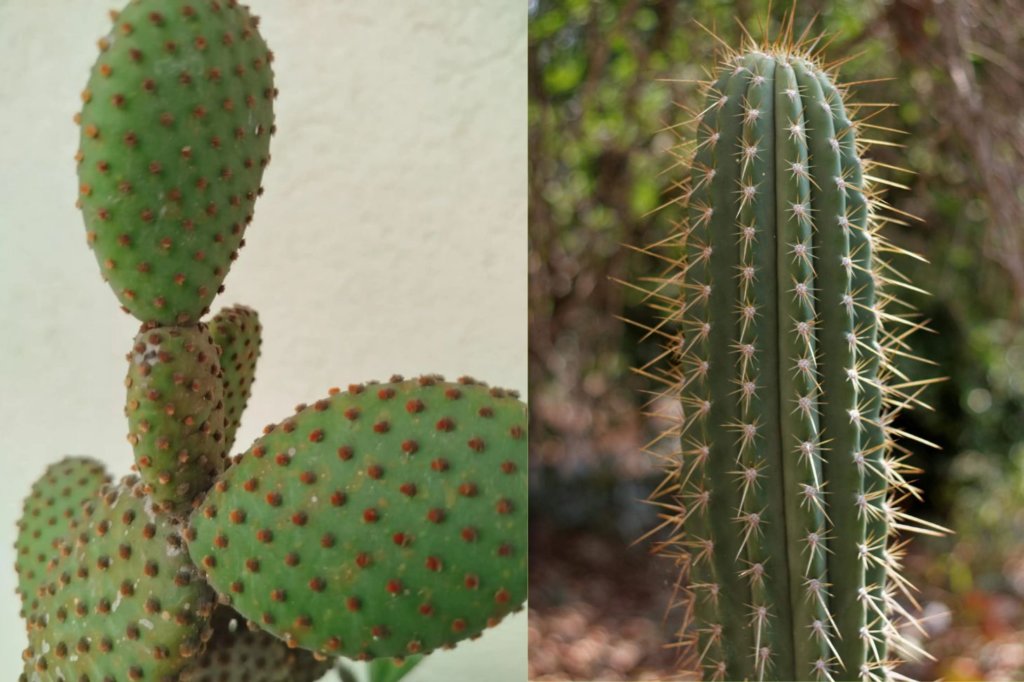
Not all sharp parts on your cactus are the same. Spines and glochids differ in size, structure, and risk.
| Feature | Spines | Glochids |
|---|---|---|
| Size | Long and firm | Short and tiny |
| Attachment | Strong | Break off easily |
| Common on | Most cacti | Mainly Opuntia |
| Handling risk | Visible and avoidable | Hard to see, irritating |
Glochids still count as modified leaves, but they act differently. They detach with light contact and lodge in skin. This trait adds defense without using large spines.
Note that while areoles may produce natural “wool,” fine silken webbing usually indicates a pest infestation rather than plant growth.
Environmental and Pest Factors Related to Webbing
Webbing between cactus spines usually points to pest activity or growing conditions that help pests spread. In the cactaceae family, webbing often appears first in tight spaces around spines, areoles, and new growth.
Pest Infestations Leading to Webbing
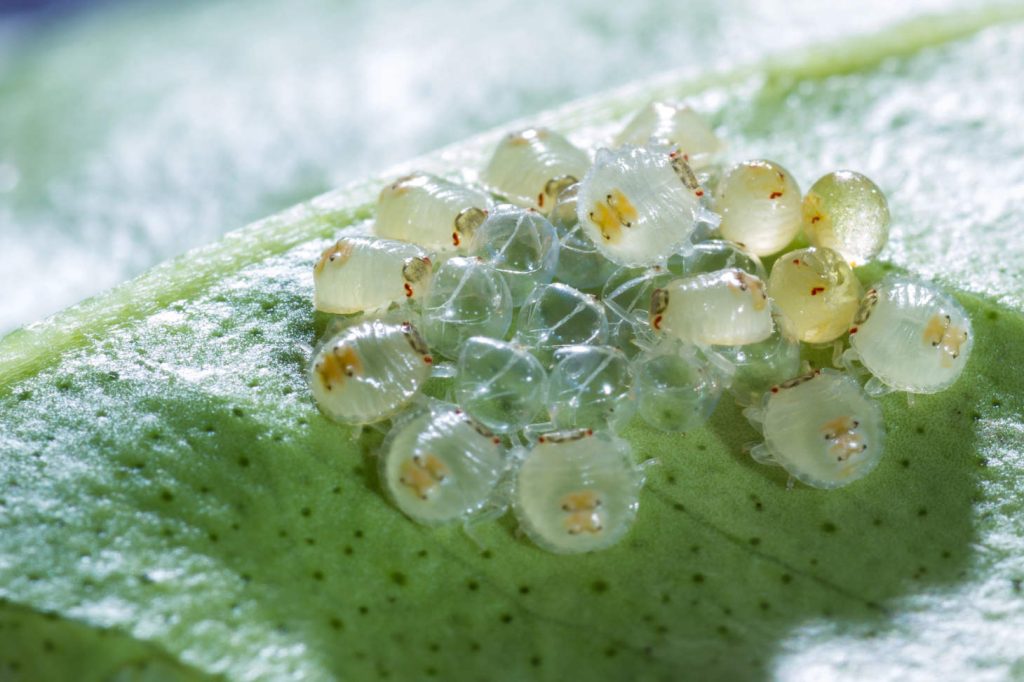
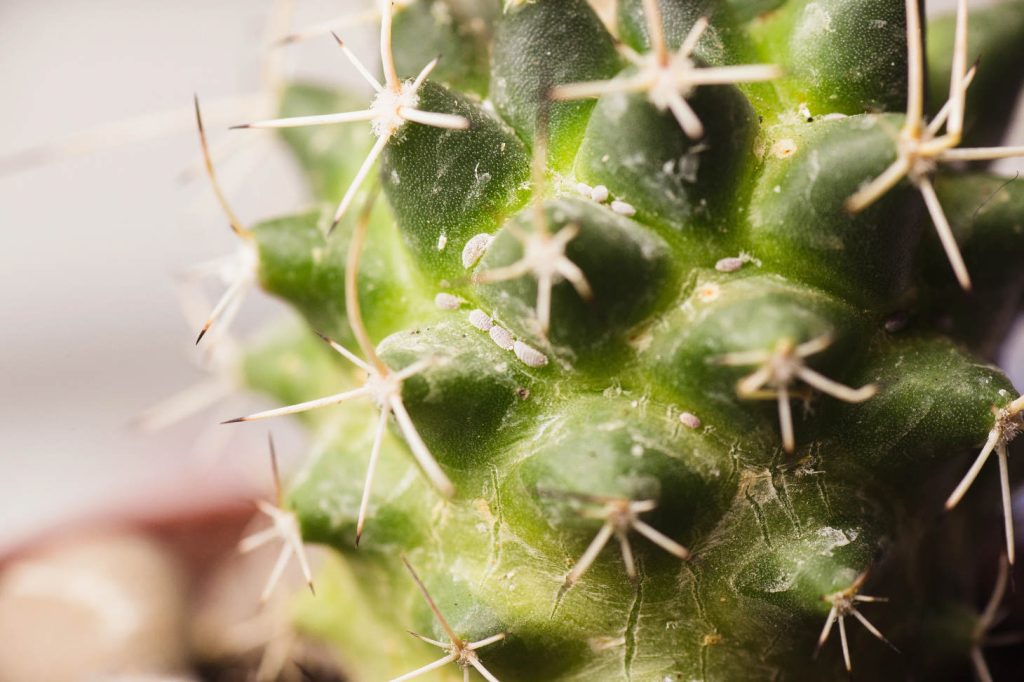
Spider mites cause the most common webbing on cacti. These pests spin fine, white webs between spines and along the skin. You may also see tiny pale dots where they feed on plant tissue.
Mealybugs do not spin true webs, but their white, cotton-like clusters can look similar at first. They often hide near the base of spines or in creases on mammillaria and prickly pear pads.
Use this table to tell them apart:
| Pest | Webbing Type | Key Sign |
|---|---|---|
| Spider mites | Thin, silky threads | Speckled skin |
| Mealybugs | Cottony masses | Sticky residue |
Environmental Conditions That Promote Webbing
Dry air encourages spider mites to multiply fast. Indoor cacti near heaters, vents, or sunny windows face higher risk.
Poor airflow also helps pests settle in. Crowded shelves or grouped pots trap warm air around spines, which favors mite activity.
Furthermore, drought stress weakens cactus defenses, making them more susceptible. Spider mites specifically thrive on under-watered plants because the sap becomes more concentrated and the lack of internal water pressure prevents the plant from naturally deterring their feeding.
Dust buildup plays a role as well. Dust blocks light and creates shelter for pests, especially on fuzzy or dense-spined species.
Prickly pears are particularly vulnerable in low-humidity interiors where air circulation is minimal.
Preventing and Managing Webbing Issues
Inspect your cactus weekly, especially around spines and new growth. Early webbing is easier to control.
Improve airflow by spacing plants and opening windows when possible. Aim for steady air movement without cold drafts.
Control pests using simple steps:
- Rinse affected areas with water
- Wipe mealybugs with alcohol on a cotton swab
- Use insecticidal soap for spider mites
Keep plants clean and healthy. Balanced light, proper watering, and clean pots help your cactus resist pests and reduce repeat webbing.
Frequently Asked Questions
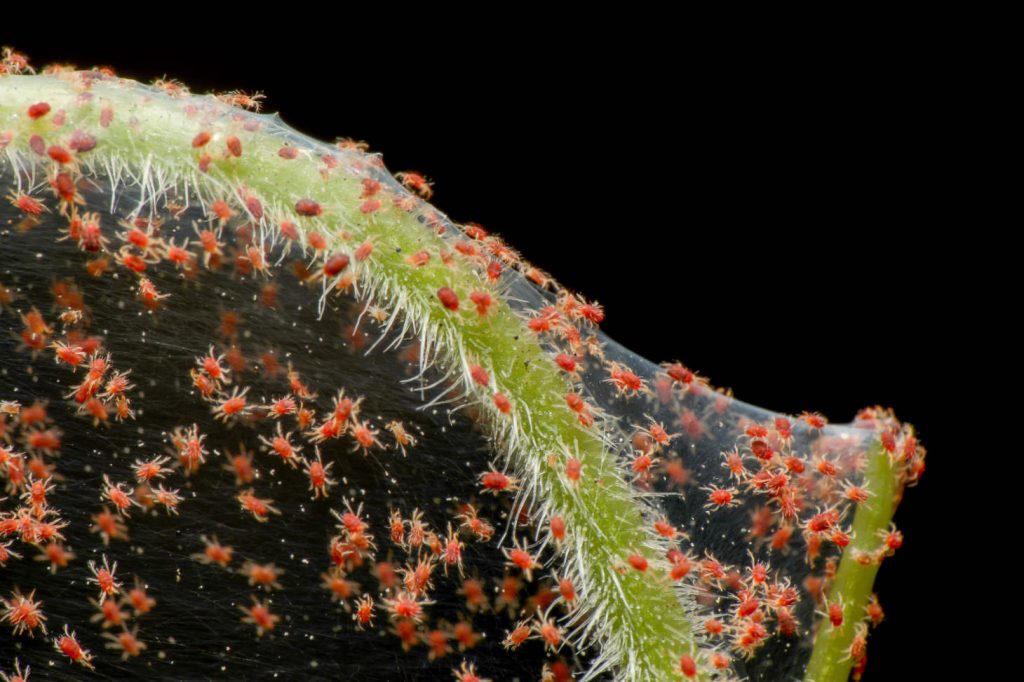
Webbing on cacti usually signals pests like spider mites, though some species naturally grow white, woolly fuzz. You can spot the cause by checking the web texture, plant damage, and recent changes in care or environment.
What causes cobweb-like formations on cacti?
Spider mites cause the most common webbing you see between spines. They spin fine, dusty webs and feed on plant tissue.
While some cacti have a natural waxy coating (epicuticular wax) or scale insects, these typically appear as smooth or crusty layers rather than loose webbing.
How can I identify pest infestations on my cactus?
Check for fine webs, tiny moving dots, or pale spots on the skin. Spider mites often leave yellow or brown speckles where they feed.
Look closely at the base of spines and new growth. Pests gather in these areas first.
Are there natural predators for the pests creating webs on cacti?
Yes, several insects eat spider mites. Lady beetles, lacewings, and predatory mites help control them.
These predators work best outdoors or in greenhouses. Indoor plants rarely get enough of them to stop an active problem.
What are the best practices for treating spider mites on cacti?
Isolate the cactus to stop the spread. Rinse the plant with a steady stream of water to remove webs and mites.
Use insecticidal soap or neem oil made for succulents. Apply in the early morning or evening and avoid use during hot weather.
Is the webbing on cacti a sign of disease or poor health?
Webbing usually points to pests, not disease. Fungal problems do not create spider-like webs.
Heavy infestations can weaken your cactus over time. Early treatment prevents lasting damage.
Can changes in the environment lead to webbing issues on cactus plants?
Dry air and high heat help spider mites thrive. Poor airflow also raises the risk.
Sudden moves indoors, near heaters, or into full sun can stress your cactus. Stress makes pests more likely to settle in.