
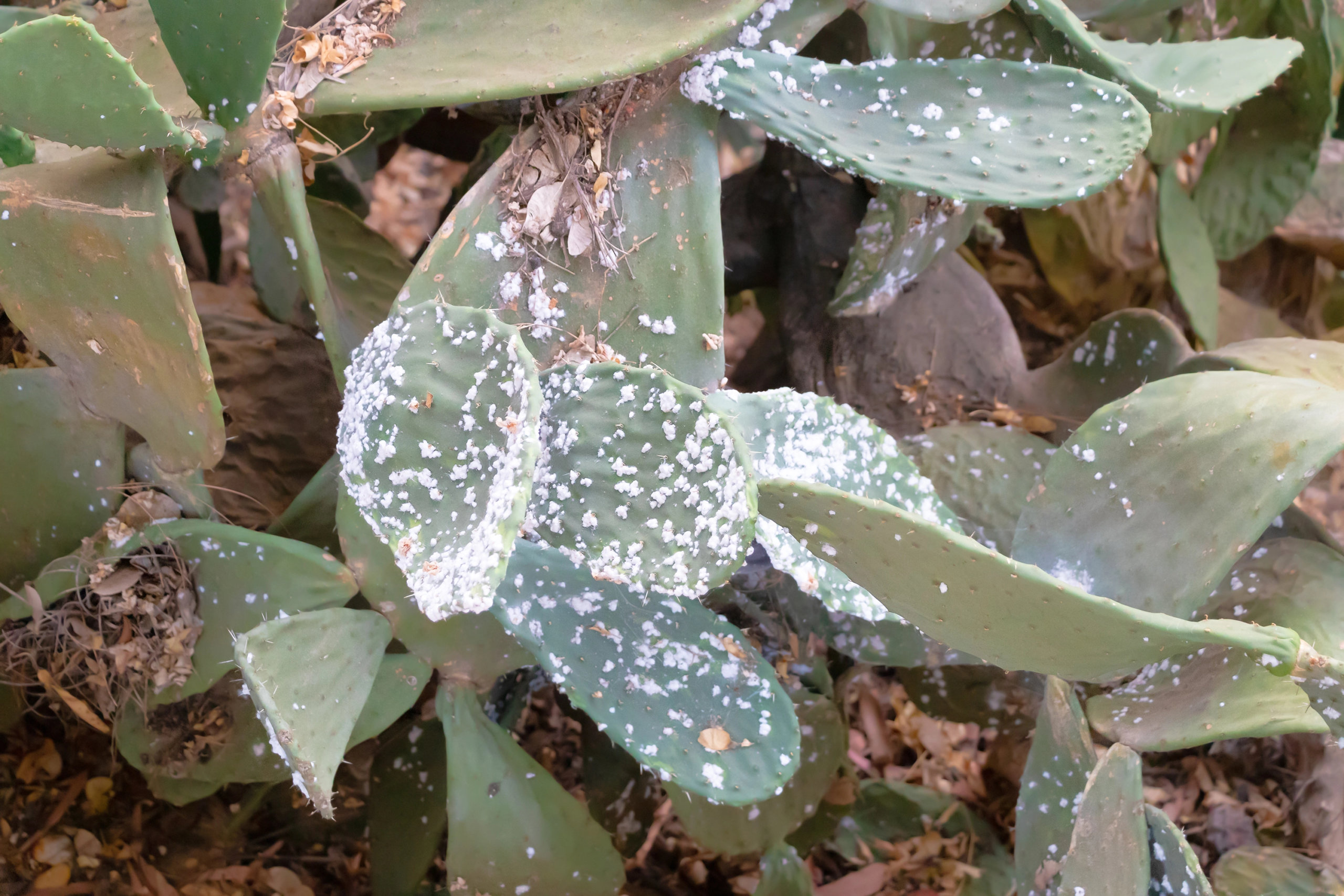
Why Your Cactus Has White Fuzz
You notice white fuzz on your cactus and wonder if something went wrong. That soft, cottony look often signals a problem that can spread if you ignore it. Acting early helps protect the plant and stop damage.
White fuzz on your cactus usually comes from mealybugs or a fungal growth. Mealybugs cluster on stems and joints and feed on sap, which weakens growth. Fungus can appear when air stays still or soil stays wet, and it can spread fast.
You can fix most cases with close inspection and simple care. Once you know the cause, you can clean the plant, adjust light and water, and keep the fuzz from coming back.
Key Takeaways
- White fuzz often points to pests or fungus.
- Fast action helps limit plant damage.
- Good light and watering reduce future issues.
Understanding White Fuzz on Cactus
White fuzz on your cactus usually points to pests, disease, or normal plant growth. You can protect your plant by learning the source and acting early. Some types look similar at first, but they behave very differently over time.
Common Causes of White Fuzz
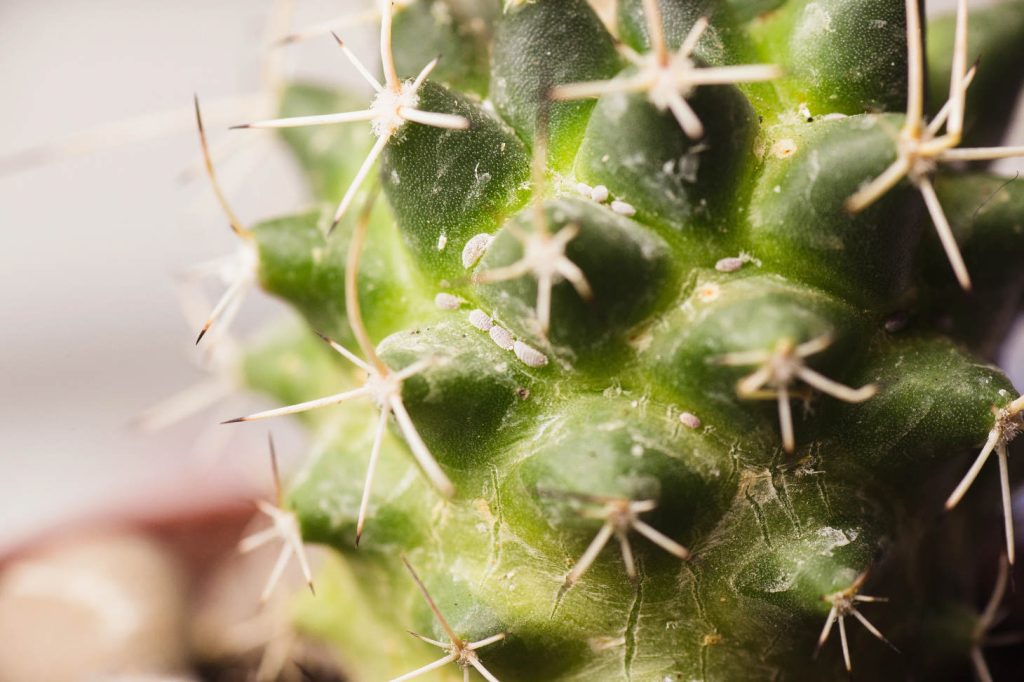
The most common cause of white fuzz is mealybugs. These pests cluster in joints, roots, and areoles. They feed on sap and leave a cotton-like coating that spreads fast.
Another cause is powdery mildew, a fungal disease. It forms a fine white layer on the surface of the cactus. Poor airflow and high humidity often trigger it.
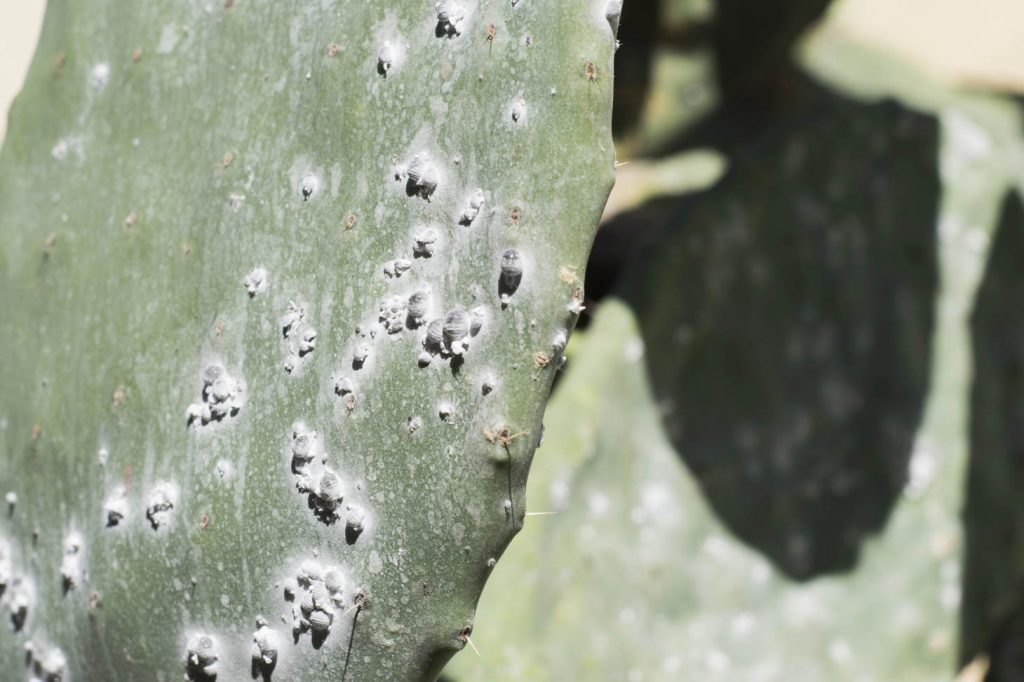
Some cacti, especially opuntia, attract cochineal bugs or cochineal scale. These insects create white, waxy patches and can cause white spots on cactus pads. Left untreated, pests weaken growth and slow recovery.
How to Identify the Source
Look closely at the white fuzz using a magnifying glass. Mealybugs appear as small insects under the cottony mass. You may also see sticky residue or ants nearby.
Gently dab the fuzz with a cotton swab dipped in rubbing alcohol. If it turns reddish, you likely have cochineal insects. This reaction does not occur with fungus or natural growth.
Check where the fuzz forms. Pests gather in tight spaces like areoles and pad joints. Powdery mildew spreads evenly across flat surfaces. Tracking location and texture helps you choose the right treatment.
| Sign | Likely Cause |
|---|---|
| Cotton clumps, insects present | Mealybugs |
| Fine white dust, no insects | Powdery mildew |
| Red stain when dabbed | Cochineal bugs |
Natural Cactus Features That Mimic Fuzz
Some cacti grow natural wool that looks like white fuzz. This growth protects the plant from sun and cold. It often appears clean, even, and firmly attached.
You will see this wool around the areoles, where spines grow. It does not spread or change quickly. Touching it will not crush or smear it.
Certain species always show white fibers as part of their structure. If the cactus looks healthy and firm, the fuzz may be normal. Compare new growth with older sections to spot changes.
Pests Behind White Fuzz: Diagnosis and Impact
White fuzz on cactus often points to sap-sucking insects that hide on pads, stems, and joints. These pests weaken your plant by draining sap and leaving residue that causes more problems.
Mealybug Infestation Symptoms
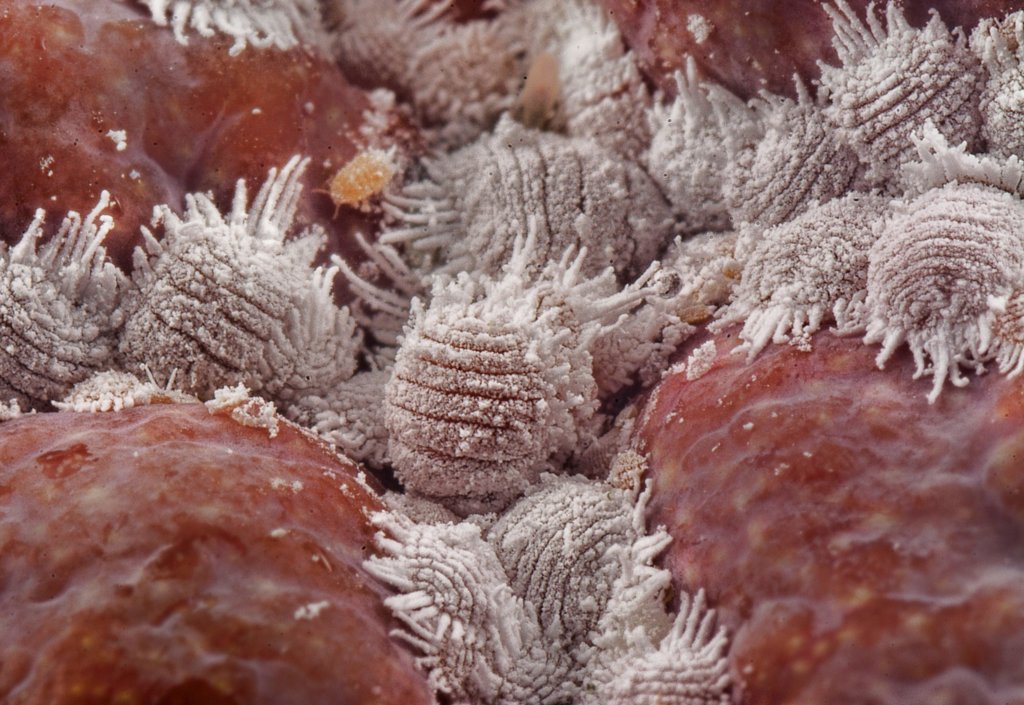
Mealybugs cause the most common white fuzz on cactus. You will see soft, cotton-like clumps in crevices, areoles, and near new growth. The fuzz comes from a waxy coating that protects the insects.
These cactus pests feed by piercing the skin and pulling out sap. Over time, your cactus may show slow growth, yellowing, or shriveled pads. In severe cases, pads may drop or collapse.
Check shaded areas and tight joints first. Mealybugs prefer spots with low airflow. On indoor plants, infestations spread fast when you place cacti close together.
Cochineal Insects and Scale
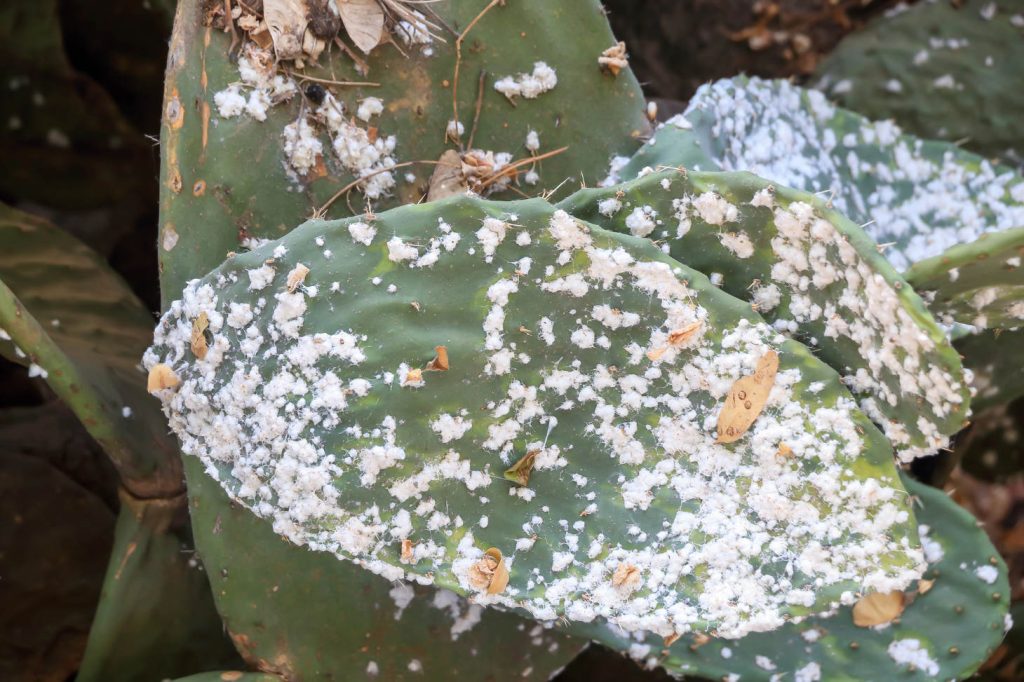
Cochineal insects, also called cochineal bugs or cochineal scale, mainly attack Opuntia species. They appear as white, fuzzy patches stuck firmly to the pads. Unlike mealybugs, these insects do not move much once attached.
When crushed, cochineal insects release a red liquid. This reaction helps you confirm the pest. While they look harmless, heavy infestations reduce photosynthesis and stress the plant.
Scale insects can also create a pale, fuzzy or crusty look. They stay fixed in place and blend in with the cactus surface. Both pests weaken your cactus over time if you ignore them.
Sticky Residue and Secondary Signs
Sap-sucking insects leave behind a sticky residue called honeydew. You may notice shiny spots on pads, pots, or nearby surfaces. This residue attracts ants and encourages fungal growth.
Watch for ants crawling on your cactus. Ant activity often signals hidden pests feeding on sap. You may also see black, sooty mold growing on the honeydew.
Use these signs to spot problems early:
- Sticky residue on pads or soil
- Ant trails leading to the plant
- White fuzz paired with dull or wrinkled skin
Early detection limits damage and keeps your cactus healthy.
Treating and Preventing White Fuzz Issues
White fuzz on cactus often comes from pests like mealybugs or from mold linked to poor care. You can control the problem by removing pests, using treatments with care, and improving daily cactus care and air circulation.
Manual and Biological Pest Control
Start by checking your cactus closely, especially around joints and spines. If you see cottony clumps, remove them with a cotton swab dipped in isopropyl alcohol. This kills mealybugs on contact and limits spread.
For larger plants, rinse the cactus with a gentle stream of water. Let it dry fully before placing it back in light. Repeat checks every few days.
You can also use biological control. Cryptolaemus montrouzieri, known as the mealybug destroyer, feeds on mealybugs. It works best in warm, indoor spaces or greenhouses. This is highly effective for moderate to heavy infestations, whether you have a single large specimen or an entire collection.
Safe Use of Chemical Treatments
Use chemicals only when manual control fails. Insecticidal soap works well for light to moderate pest problems. Spray all affected areas, including hidden crevices. Apply in the early morning or evening to avoid plant stress.
Neem oil helps control pests and disrupts their life cycle. Mix it exactly as directed and test it on a small area first. Excessive application can clog stomata (breathing cells) and cause tissue damage.
For severe infestations, systemic insecticides may help. These absorb into the plant and kill pests that feed on it. Use them sparingly and only as a last step.
Improving Air Circulation and Care Practices
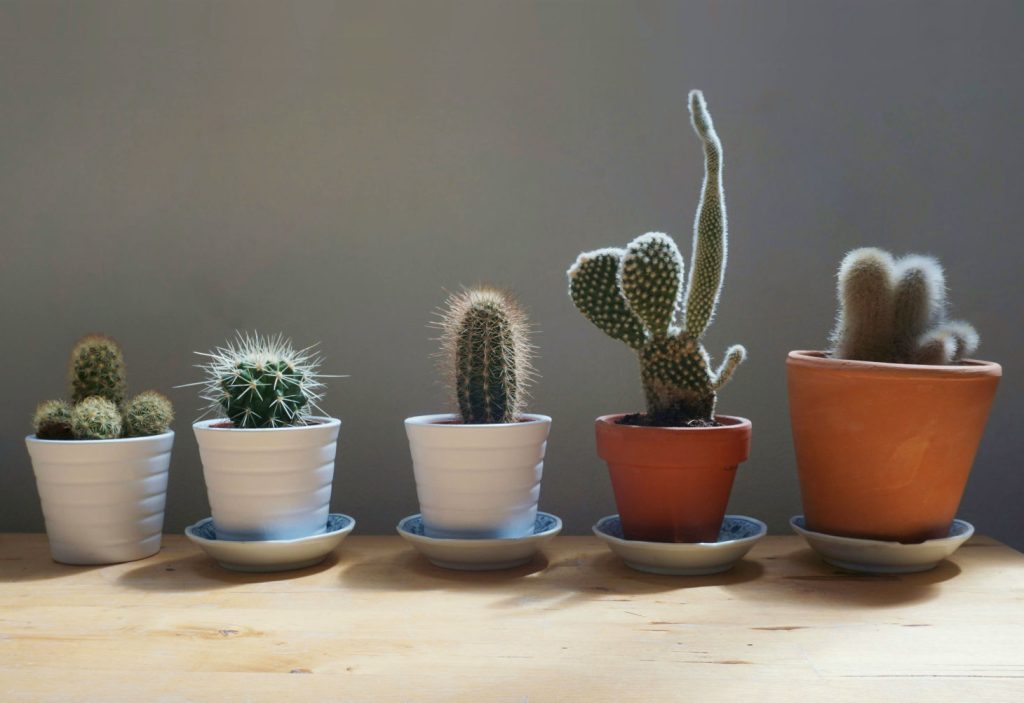
Good air circulation reduces mold and pest risk. Space your cacti so air can move between them. Avoid placing them in closed, damp areas.
Water only when the soil dries out fully. Wet soil and humid air support white mold and mildew. Use fast-draining soil and pots with drainage holes.
Place your cactus in bright, indirect light unless the species needs full sun. Clean tools, remove dead plant parts, and inspect new plants before placing them nearby. These steps strengthen long-term cactus care and prevention.
Other Causes and Long-Term Health Concerns
White fuzz on cactus does not always come from insects. Some causes develop slowly and affect the plant’s health over time if you ignore them.
Distinguishing Fungal Problems
Fungal issues can create white fuzz that looks similar to pests. Powdery mildew is one of the most common examples. It forms a soft, white coating on the surface of the cactus and spreads in still, humid air.
You can spot fungal growth by its flat, dusty look. It does not clump like mealybugs and does not move when touched. A cactus fungus often appears after poor airflow, high moisture, or water left on the plant.
Key signs of fungal problems include:
- Even white patches across the skin
- Slow growth or pale color
- No visible insects or sticky residue
Improve airflow, reduce humidity, and avoid overhead watering. Remove affected areas when possible to limit spread.
Root Rot and Environmental Factors
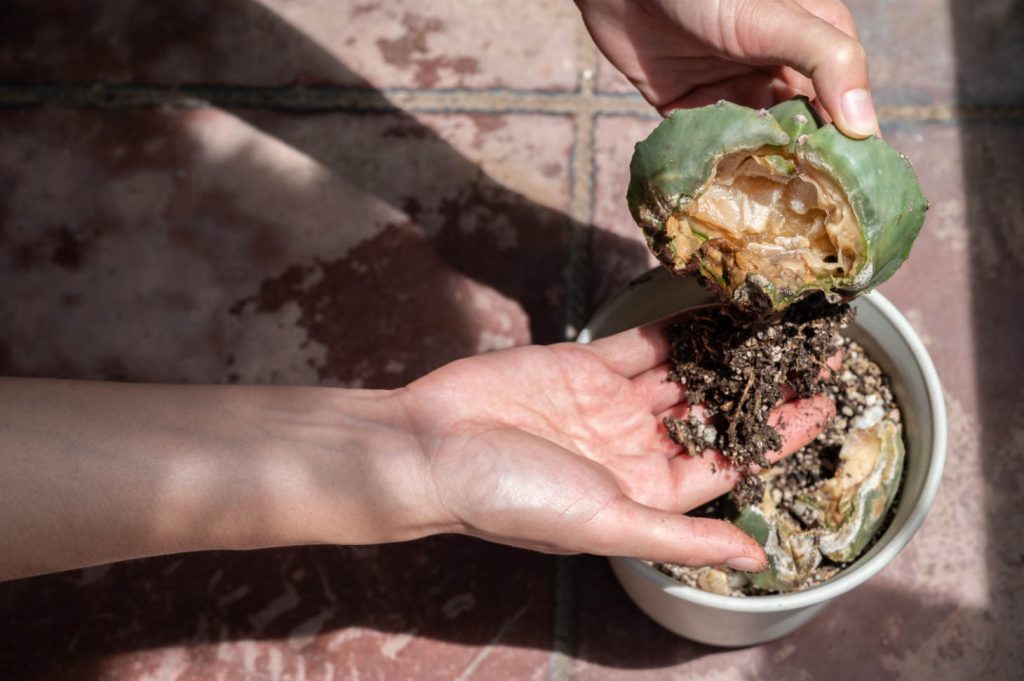
Root rot can also lead to white fuzz on cactus, even if the roots stay out of sight. This problem starts below the soil when roots sit in wet conditions for too long. The plant weakens, making it easier for fungus to form on the surface.
Early signs include yellowing, mushy stems, and a fermented odor. Poor drainage, dense soil, and frequent watering raise the risk.
Check these factors to protect your cactus:
- Fast-draining soil with grit or sand
- Pots with drainage holes
- Water only when the soil is fully dry
Healthy roots help prevent long-term stress and reduce fungal growth.