
Why Your Cactus Is Splitting Open
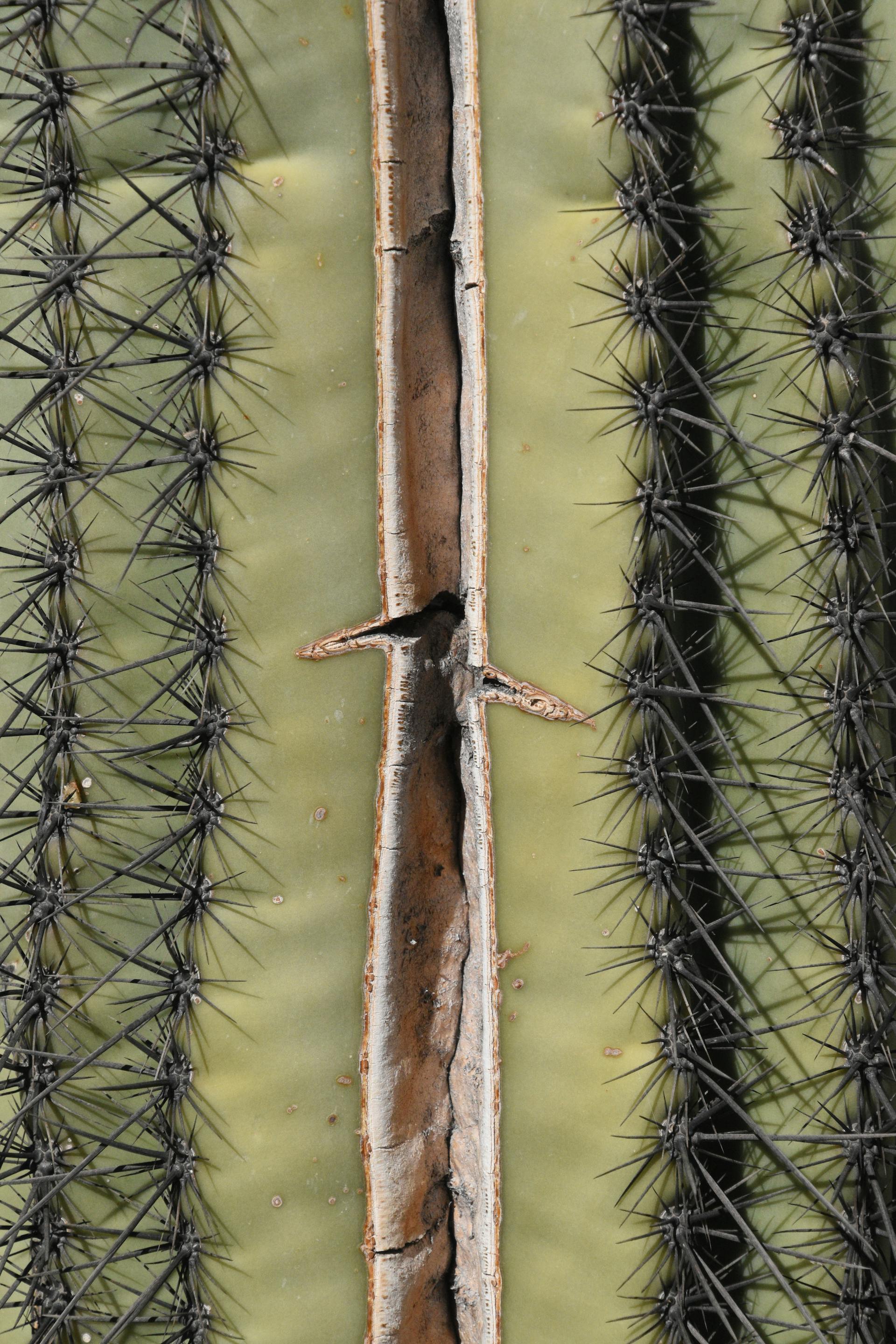
You notice a crack running down your cactus and start worrying something is wrong. This kind of splitting happens more often than you might think, especially when watering habits change suddenly. Your cactus splits open because it takes in water too quickly after a dry period, causing the stem to swell and the skin to tear.
It might look alarming, but it can be managed with the right care. You can identify the cause, understand what part of your watering or light routine led to it, and help your cactus recover without lasting damage.
Once you know why it happened, you can adjust how you water, position, and monitor your cactus to prevent future splits. With a few simple steps, you can keep it healthy and avoid the shock of another sudden crack.
Primary Causes of Cactus Splitting
Cactus splitting usually happens when water and environmental conditions change faster than the plant can handle. Too much or too little water, sudden rain after long dryness, or stress from temperature shifts can all cause the stem or pads to crack.
Rapid Water Uptake After Prolonged Dryness
If your cactus stays dry for weeks and then receives a large amount of water, the cells expand too quickly. The tough outer skin can’t stretch fast enough, causing a visible split. This often happens after heavy rain or sudden irrigation when the soil finally saturates.
Cacti such as barrel and columnar types are most prone to this because they store water in fleshy stems. When water floods the plant after drought, the inner tissues swell before the outer layer adjusts.
To reduce the risk, when watering a plant that has been severely dry, apply water gradually and evenly over a short period. Allow the soil to absorb moisture in stages instead of all at once. Gradual watering keeps cell pressure stable and prevents sudden ruptures.
| Condition | Likely Outcome |
|---|---|
| Long dryness followed by heavy rain | Rapid swelling, stem cracking |
| Gradual watering after drought | Controlled expansion, less damage |
Overwatering and Irrigation Mistakes
Overwatering is one of the most common reasons for a cactus split. Cacti evolved to store limited water, and constant moisture keeps their inner tissues swollen. If you water too often or use poorly draining soil, the plant stays oversaturated.
Roots then absorb more water than the stem can hold, and small cracks may appear along ribs or joints. Repeated cycles of overwatering can make splits deeper or even cause rot.
Use well-draining soil with coarse sand. Always let the soil dry fully before watering again, especially in cooler months when evaporation slows.
Common signs of water stress include:
- Mushy or discolored sections
- Cracks forming from the base upward
Environmental Stress Factors
Environmental stress also contributes to cactus splitting. Rapid temperature swings, intense sunlight, or low humidity can cause the outer skin to harden and lose flexibility. This rigid tissue is prone to tearing when the plant rapidly takes up water, causing a surge in internal pressure (turgor).
Indoor cacti may experience shock from sudden moves between bright and low-light areas. Outdoor cacti can face stress after heat waves followed by rain.
Provide steady conditions, consistent temperatures, filtered light, and moderate humidity help prevent cracks.
Tip: Avoid placing your cactus near drafty windows or air vents. Stable surroundings support gradual growth, keeping the skin elastic and better able to handle moisture changes.
Identifying and Assessing a Split Cactus
A split cactus often shows visible damage before it worsens. Paying attention to early stress signs and examining the type of split helps you decide how to respond and care for your plant correctly.
Visual Signs of Splitting
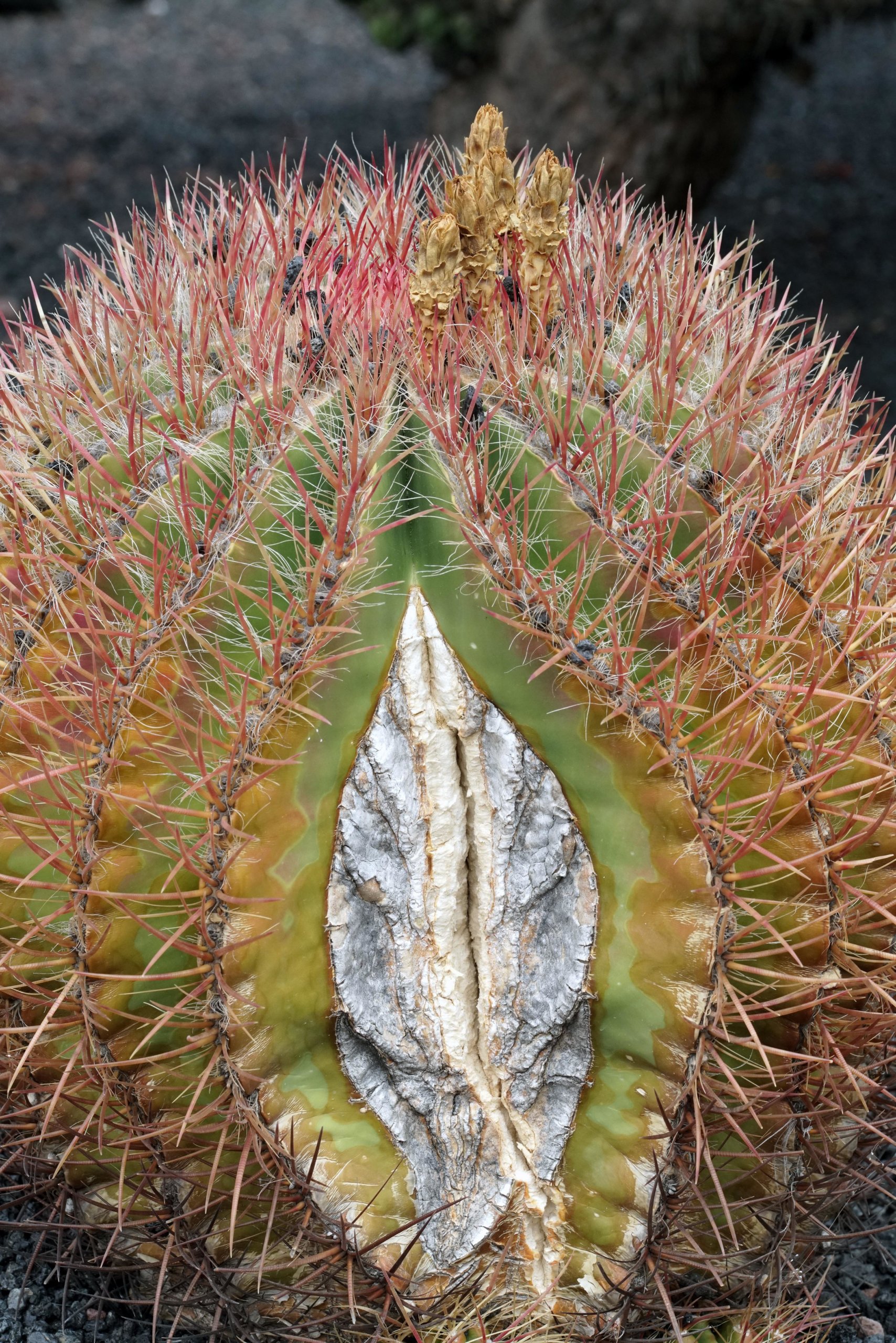
You can usually spot a cactus split by looking for vertical cracks on the stem or body. These splits often appear between ribs or along seams where the cactus expands. The tissue around the crack may look stretched, lighter in color, or slightly swollen before it breaks open.
Small splits might look like thin surface lines, while deeper ones expose the moist inner flesh. In some cases, you may notice scabbing, dry edges, or brown calluses forming as the plant tries to heal. If the cactus looks soft or discolored around the split, that could mean rot is starting.
A helpful check is to gently press near the area. Firm tissue means the cactus is still healthy, but soft or damp spots need attention. Place the plant in a bright, well-ventilated area, avoiding direct, intense afternoon sun, to encourage drying and strengthening of the wound.
Types of Splits and Their Severity
Not all splits are the same. They range from hairline cracks to deep, structural fissures that expose the inner tissue. All splits will callous over, but the scar is permanent.
The following table can help you gauge severity:
| Split Type | Description | Typical Action |
|---|---|---|
| Superficial | Small crack between ribs | Keep dry and let callous |
| Structural/Deep | Large, deep opening, often vertical. | Stop watering, keep dry, apply sulfur powder/fungicide to the wound |
| Base/Rot Risk | Deep split near the base or soft/decaying wound | Stop watering, treat wound, consider propagating a healthy section |
Larger or vertical splits that run down the main stem often occur in taller species and may take months to heal. When assessing your split cactus, always note how far the damage extends and whether the edges stay dry or begin to decay.
How to Respond and Promote Recovery
When a cactus splits, the goal is to stop further damage and help the tissue heal. Splitting often happens because of excess water, rapid growth, or sudden temperature changes. Acting quickly and adjusting your care routine helps your plant recover and reduces the chance of more splits.
Short-Term Care Steps
Start by inspecting the split area. Make sure there’s no rot or mold. If you see dark or soft spots, use a sterilized knife to trim away the damaged tissue. Keep tools clean to lower the risk of infection.
Let the wound dry and callus over before watering again. This drying process can take several days to a week, depending on temperature and humidity. Do not cover the wound; the open air helps it dry faster.
Move the cactus to a bright area with indirect sunlight to prevent further stress and keep the wound dry. Avoid watering until the split tissue looks firm and dry. Overwatering is a common cause of splitting, so withhold moisture until you see signs of recovery.
Checklist for immediate action:
- Remove damaged tissue carefully
- Allow wound to dry naturally
- Keep soil completely dry
- Move plant to bright, indirect light
Long-Term Plant Health Strategies
To prevent more splits, focus on balanced watering. Water cacti only when soil is fully dry, usually every 2 to 4 weeks, depending on climate and pot size. Use a gritty, fast-draining soil mix that allows excess water to escape.
Keep the plant in a stable environment. Avoid sudden changes in light, temperature, or watering habits. If your cactus grows outdoors, protect it from heavy rain and frost.
Fertilize lightly during spring and summer using a low-nitrogen cactus fertilizer. Too much fertilizer or water can cause uneven growth, which leads to splitting.
Track changes in your cactus by noting any soft spots, discoloration, or stretching. Observing these details early helps you make small adjustments before serious damage occurs.
Preventing Future Splitting in Cacti
Keeping your cactus from splitting depends on controlling how much and how quickly it takes in water and adapting its surroundings to reduce stress. Proper irrigation and environmental balance protect the plant’s structure and prevent cracks.
Watering Best Practices
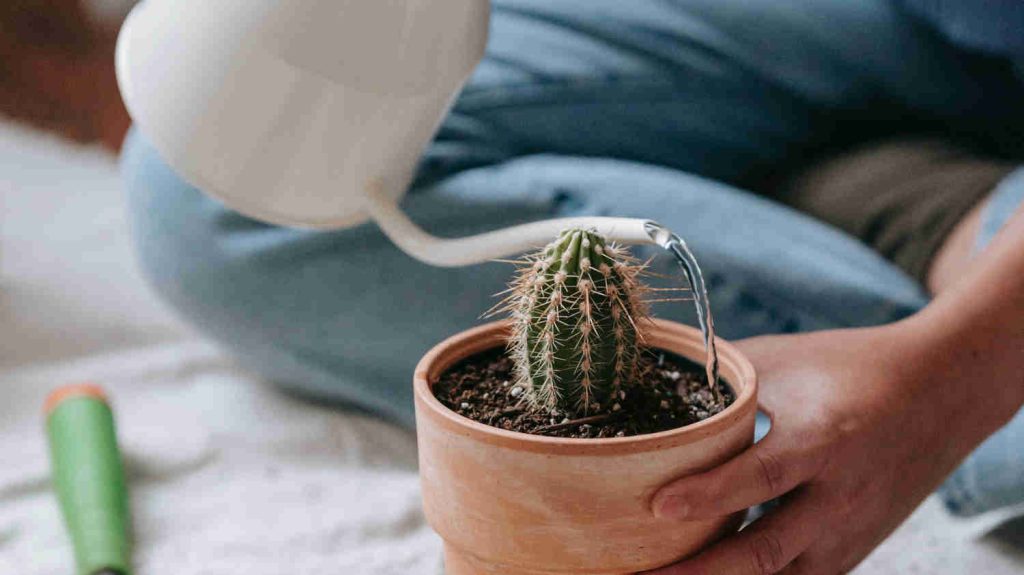
Cacti store water in their specialized tissues. Splitting (or rupturing) occurs when a plant takes up a large amount of water too rapidly after a prolonged dry period, causing its tissues to expand faster than the outer skin can stretch. To avoid this, water only when the soil feels completely dry one or two inches below the surface.
Use a soak and dry method: water deeply until water runs out of the drainage hole, then let the soil dry fully before the next watering. Avoid frequent light watering, which keeps the surface moist but leaves inner roots dry and stressed.
Choose soil that drains quickly, such as a mix of potting soil, coarse sand, and perlite. Good drainage helps maintain natural dryness between waterings. Fertilizers should be low in nitrogen to prevent rapid, soft growth, which is more prone to splitting.
| Factor | Recommendation |
|---|---|
| Watering frequency | Only when soil is dry |
| Soil composition | Fast-draining mix (potting soil + perlite + coarse sand) |
| Fertilizer ratio | Low nitrogen, higher phosphorus |
Environmental Management
Changes in temperature, humidity, and light also affect how a cactus handles moisture and stress. For most species, provide bright, direct sunlight and good airflow. Sudden shifts from dry to humid air can make internal water pressure rise, leading to cracks.
Try to maintain steady indoor conditions, especially during seasonal transitions. In cool months, reduce watering and move the plant away from cold drafts or damp windowsills. During hot months, gradually acclimatize it to strong sun to prevent sunburn.
If you grow cacti outdoors, ensure rainwater can drain freely from the pot or garden bed. Excess moisture trapped around roots can cause swelling and make the stem split. Small adjustments to environment and irrigation work together to keep your cactus healthy and intact.