Bonsai History
You see bonsai trees as small and calm, but their story spans over two thousand years. Bonsai began in ancient China as penjing, and later developed into the refined art of bonsai in Japan. What you know today as the art of bonsai grew from early Chinese miniature landscapes and changed as it moved across cultures.
By around 700 CE, Chinese growers shaped dwarf trees in containers using careful pruning and training. Japanese artists later adopted these ideas and shaped them into a distinct style. Over time, bonsai became part of Japanese culture, from temples to private homes, and the word “bonsai” came into common use.
As you explore the history of bonsai, you see how simple gardening turned into a respected art form. Careful shaping, patience, and design transformed bonsai trees into living works of art that people now grow around the world.
Key Takeaways
- Bonsai started in ancient China and later developed into a Japanese art form.
- The history of bonsai shows how techniques and styles changed across cultures.
- The art of bonsai grew from simple plant care into a respected global practice.
Origins and Early Development
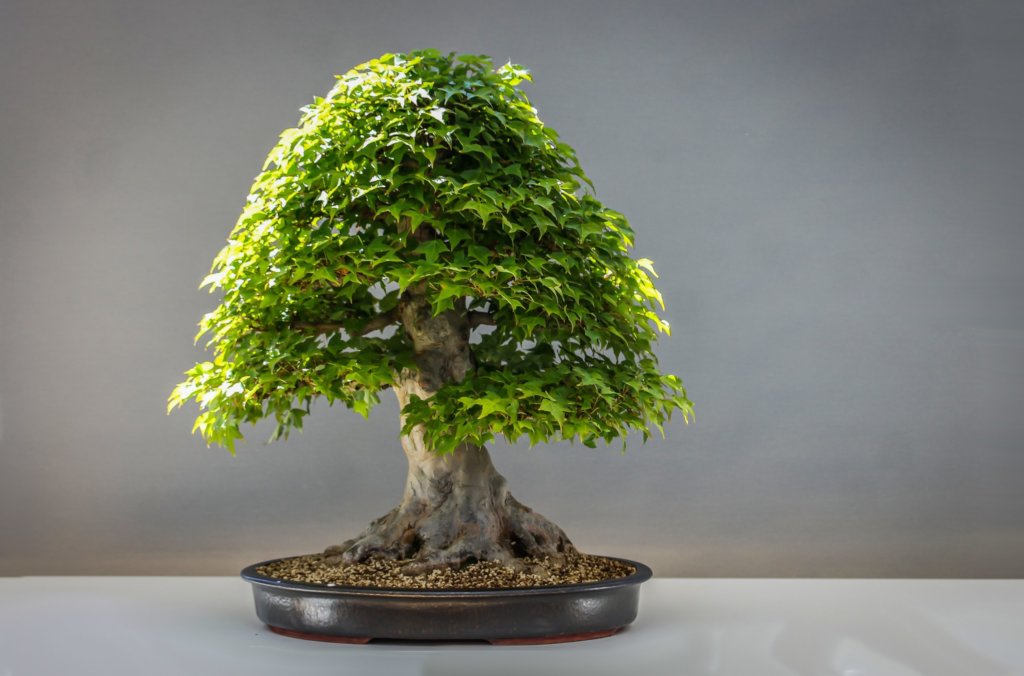
You can trace the origin of bonsai to ancient China, where artists first shaped miniature trees and landscapes in shallow containers. Over time, Japan refined these ideas into the form you now recognize as bonsai.
Ancient Chinese Penjing and Penzai
The bonsai origin begins in China more than 1,000 to 2,000 years ago. Chinese artists created miniature landscapes called penjing. They also used the term penzai or pun-sai, which means “tray planting.”
In penjing, you would see small trees, rocks, water features, and tiny figures arranged in shallow trays. The goal was to show a full natural scene, not just a single tree. Artists shaped dwarf trees to look old and weathered.
These works often reflected Daoist and Buddhist ideas. They showed harmony between people and nature. Tomb paintings from the Tang period show early images of tray plantings.
China also developed related arts such as hòn non bộ in Vietnam. Over time, penjing spread beyond China and shaped the early bonsai origins in Japan.
Introduction and Adaptation in Japan
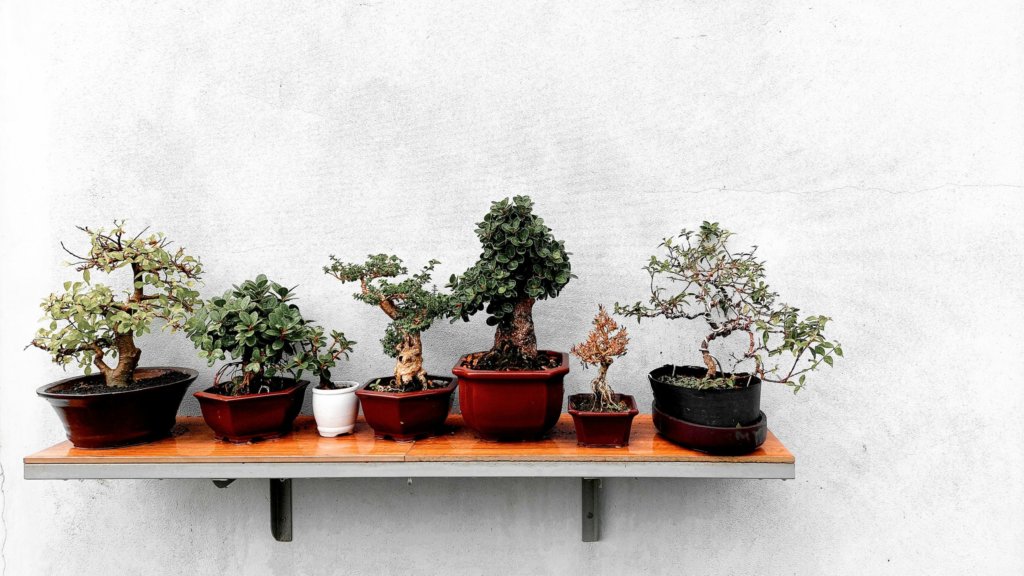
Japan adopted penjing ideas around the 6th to 9th centuries, likely through trade and Buddhist monks. During the Kamakura period, Japanese artists began to refine the practice.
The specific term bonsai only emerged around 1800 to distinguish the art from ordinary potted plants. Early records instead used the word hachi-no-ki or the landscape-focused bonsan.
Over time, they simplified the designs. Instead of full miniature landscapes, they focused on a single tree in a pot. This shift marked a key step in the origin of bonsai as a distinct Japanese art.
Japan also developed related forms such as bonkei, which used sand and rocks, and later saikei or bonsai-saikei, which combined trees and landscapes again. Major exhibitions like Kokufu-ten, founded in 1934, eventually established the formal standards for modern bonsai.
Bonsai in Japanese Literature, Art, and Folklore
You can see early bonsai in Japan through scrolls and stories. The 13th-century picture scroll Saigyo Monogatari Emaki shows tray plantings in noble homes.
The work Boki Ekotoba also includes images of small potted trees. These records prove that bonsai in Japan had become part of elite culture.
The Noh play Hachi-no-ki tells the story of a poor samurai who burns his last potted trees to warm a traveling monk. This tale shows how people valued these trees.
Stories linked to the Legends of Kasuga Shrine and Kasuga Shrine itself also connect bonsai with faith and tradition. Through art and folklore, you can see how bonsai moved from a foreign idea to a respected Japanese practice.
Evolution of Bonsai as an Art Form
Bonsai grew from simple tray plantings into a structured art with clear rules, named styles, and public exhibitions. You can trace this shift through Zen ideas, formal displays in Japan, and later global exchange.
Formalization and Influence of Zen Aesthetics
As bonsai moved from China to Japan, artists refined it into Japanese bonsai with clear design rules. During the Kamakura period and later under leaders such as Tokugawa Iemitsu, interest in cultivated plants increased among elites.
Zen Buddhism shaped bonsai aesthetics. You see this influence in simple lines, empty space, and quiet balance. Artists valued age, asymmetry, and natural form over bright color or heavy decoration.
Over time, growers defined classic bonsai styling forms:
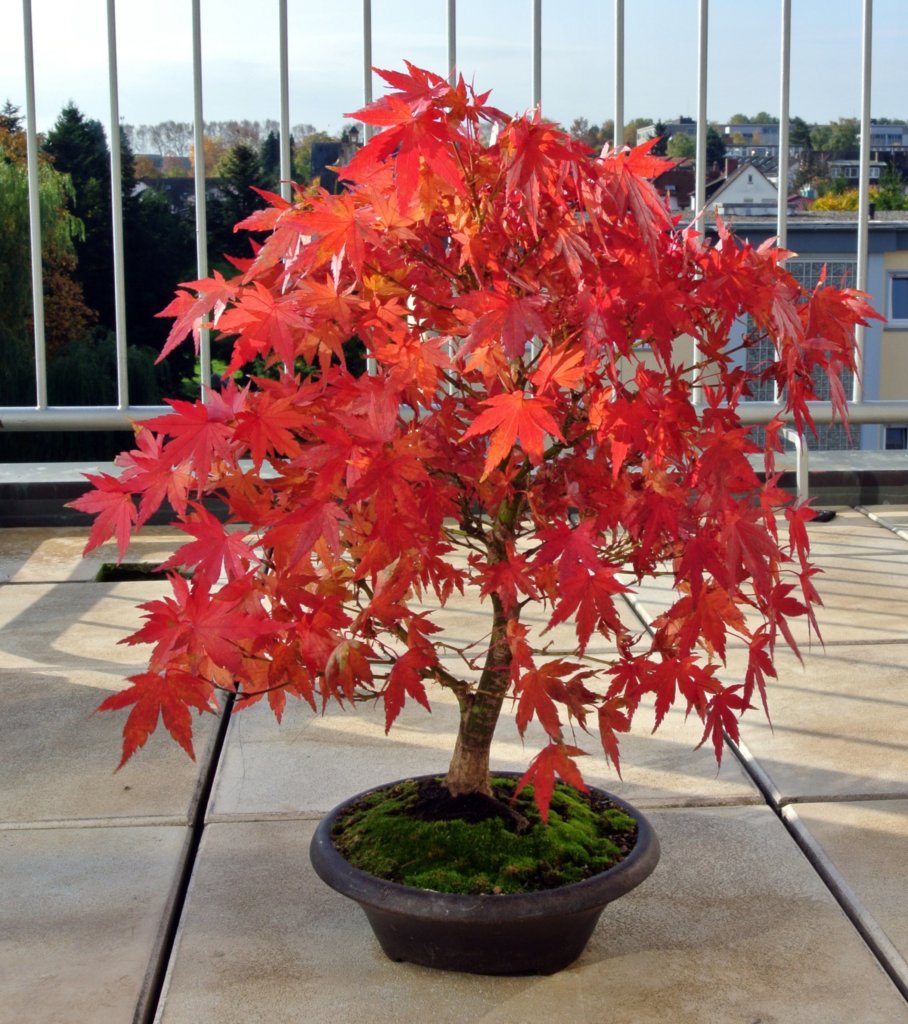
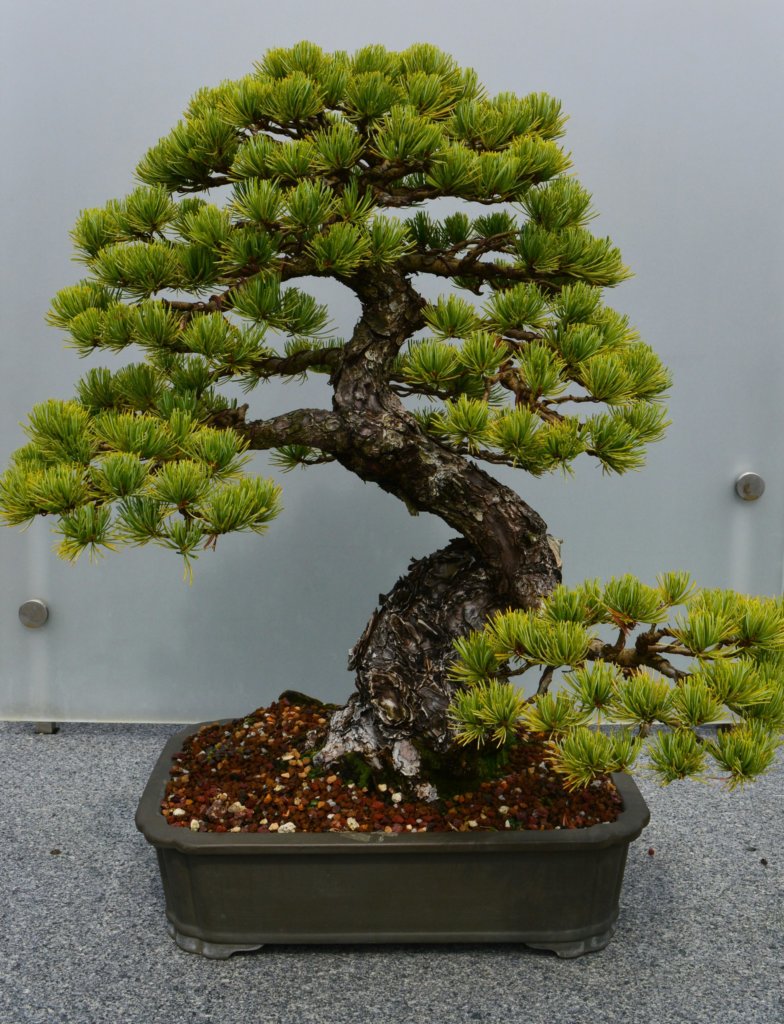
- Chokkan (formal upright)
- Moyogi (informal upright)
- Shakan (slanting)
- Kengai (cascade)
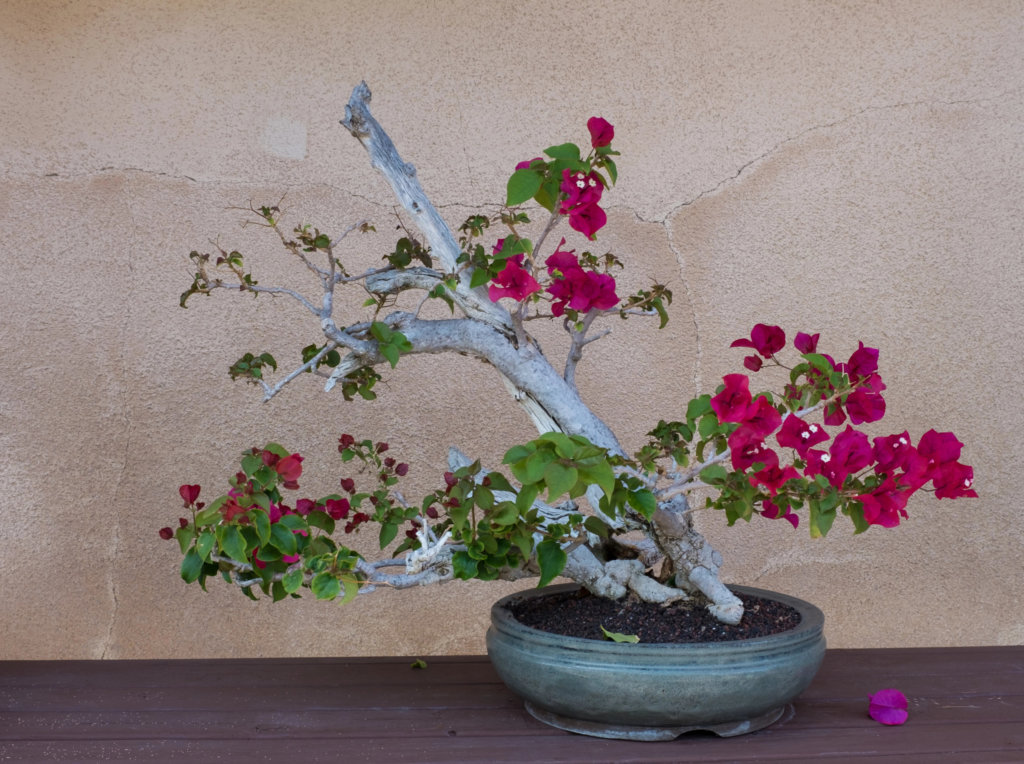
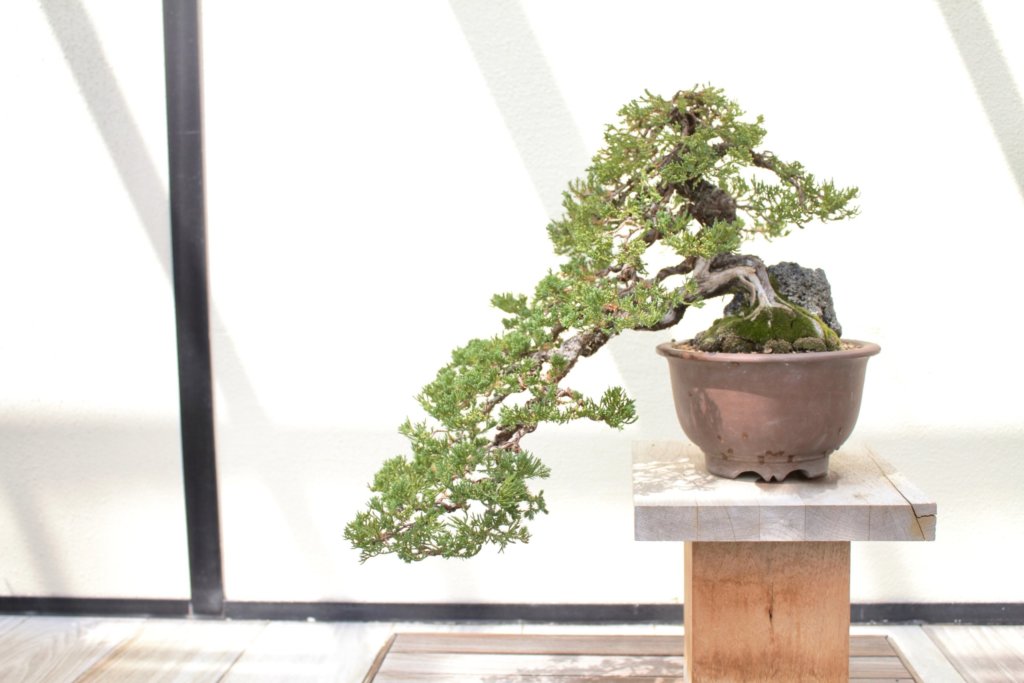
These styles guided bonsai design and display.
You also see technical growth. Artists improved root management, pruning, and wiring bonsai to shape trunks and branches. They selected trees such as Pinus pentaphylla for fine needles and balanced growth.
Care became more precise. Growers matched trees with proper bonsai pots, well-draining bonsai soil, and soil components like akadama. This shift marked bonsai’s move from hobby to disciplined bonsai cultivation.
Popularization and Cultural Expansion in Japan
By the Edo and Taisho periods, bonsai reached a wider public. Merchants and townspeople began collecting trees, not only samurai and nobles.
Specialized bonsai nurseries opened in areas such as Tokyo. Publications like Bonsai Gaho shared techniques and seasonal advice. You could now follow a basic bonsai care guide and learn standard methods.
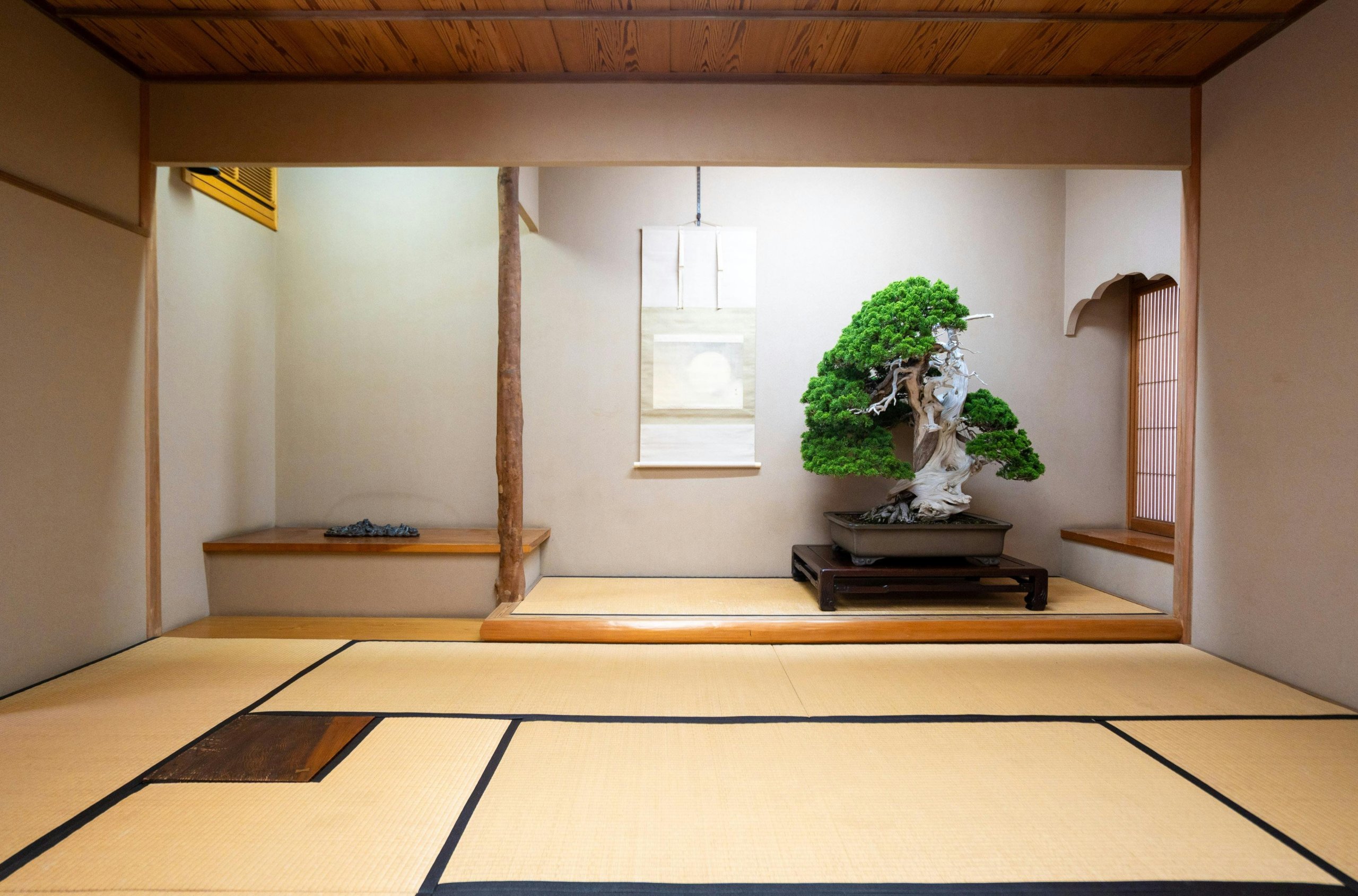
Public bonsai exhibitions helped define quality. The Kokufu-ten, first held in the early 20th century, set high standards for display and craftsmanship. Other shows, such as Sakufu-ten and Gafu-ten, promoted new talent and regional styles.
Display also became formal. Artists paired trees with suiseki stones and selected proper stands and containers. This system shaped modern bonsai culture and raised bonsai art to national status.
Bonsai’s Global Spread and Modern Era
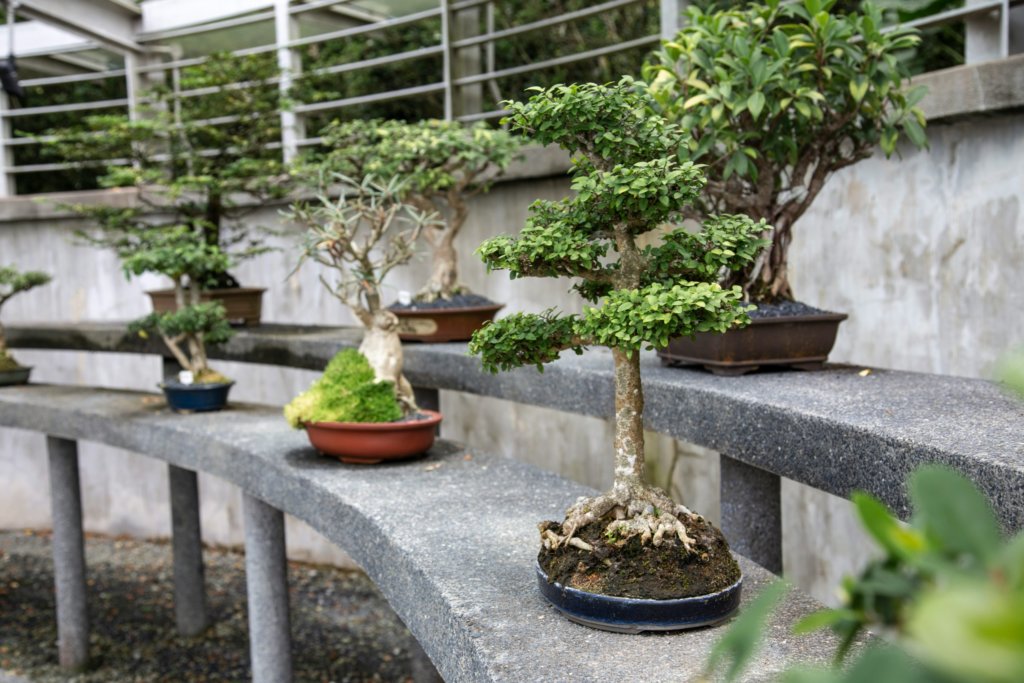
In the 20th century, bonsai spread beyond Japan. Teachers such as Yuji Yoshimura introduced Japanese methods to the United States and Europe. Organizations like the American Bonsai Society helped you access tools, workshops, and shows.
International events increased exchange. The World Bonsai Convention and the World Bonsai Friendship Federation connected artists across continents. Museums, including the National Bonsai & Penjing Museum, displayed historic and donated trees.
Modern bonsai blends tradition with experiment. Some artists collect yamadori, wild trees shaped by nature. Others explore creative bonsai while still respecting core techniques.
You now find improved bonsai tools, refined soil mixes, and global trade in containers. This mix of tradition and innovation defines modern bonsai and keeps the art active today.