
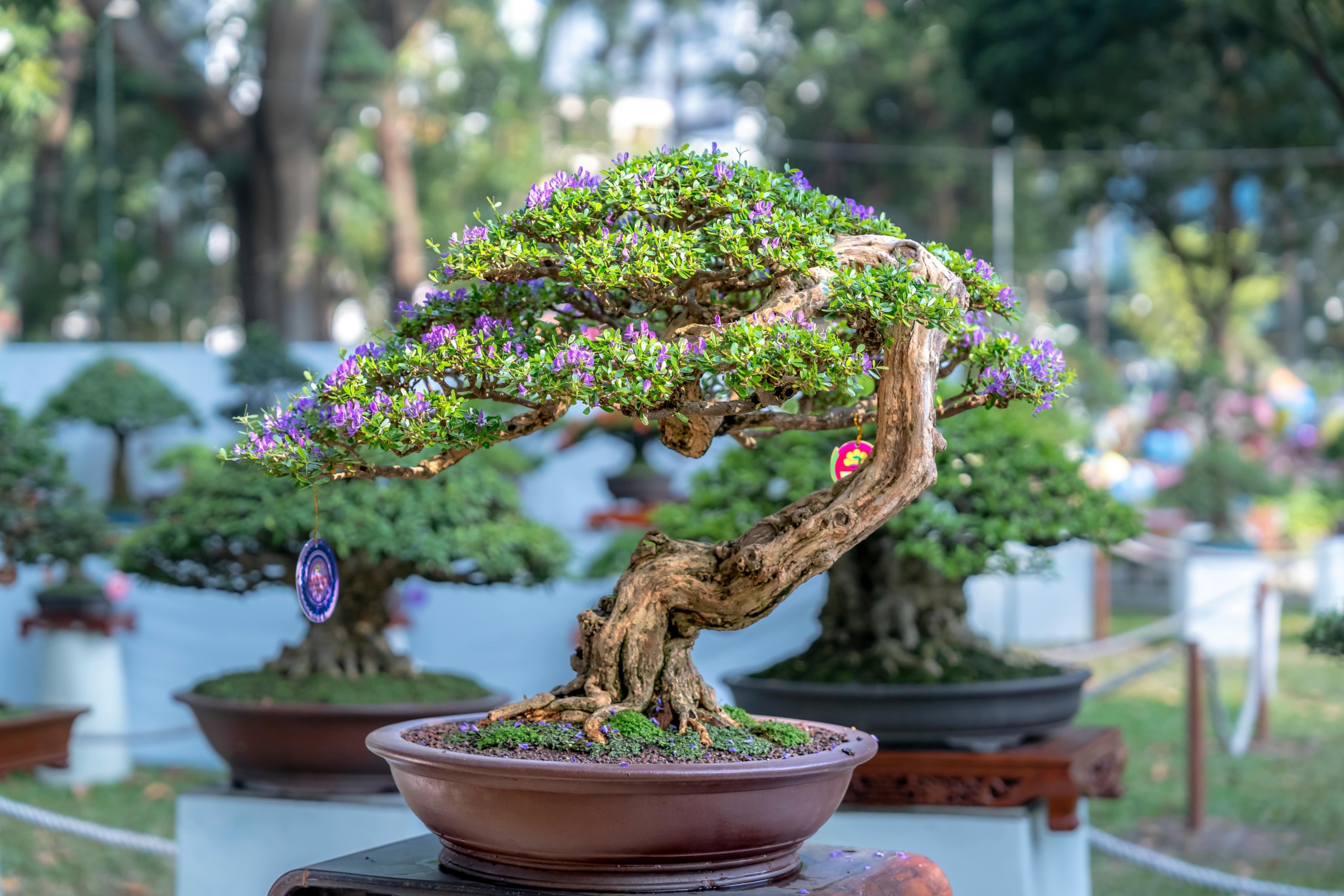
Bonsai Tree Basics
You can grow and shape a bonsai tree by controlling its size through careful pruning, wiring, watering, and proper soil care. Bonsai basics come down to choosing the right tree, giving it the right light and water, and shaping it over time with simple, steady techniques. When you understand these core steps, you turn a normal plant into a small, well‑balanced tree that reflects nature in miniature.
Bonsai is not just about keeping a plant small. You guide growth, trim roots and branches, and train the trunk and limbs into a clear form. Strong foundations help you avoid common mistakes and keep your tree healthy for years.
As you explore bonsai tree basics, you will learn how to pick beginner‑friendly species, shape your tree with confidence, and handle daily care without stress. Clear methods and steady habits make bonsai simple and practical, even when you are just starting out.
Foundations of Bonsai Tree Basics
You build strong bonsai skills by choosing the right tree, placing it in the correct environment, and using proper tools. Clear decisions at the start make daily care, pruning, and shaping much easier.
Selecting Bonsai Tree Species
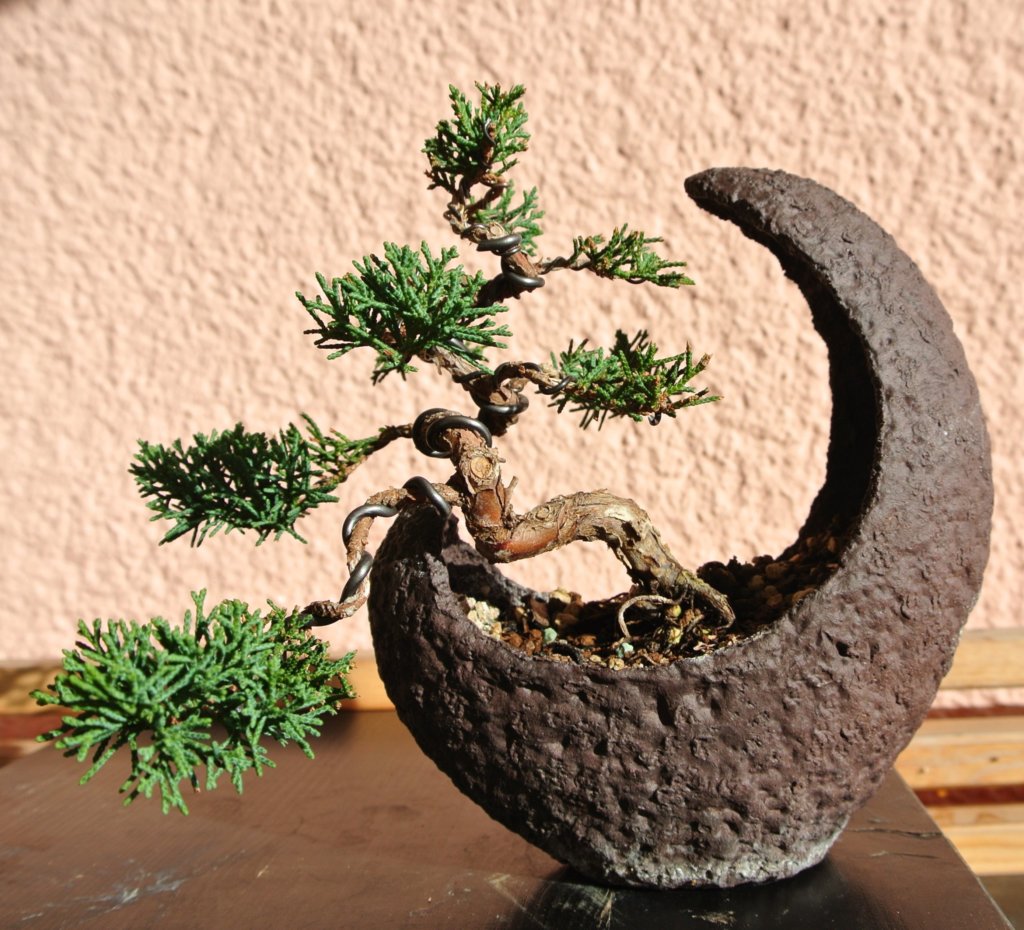
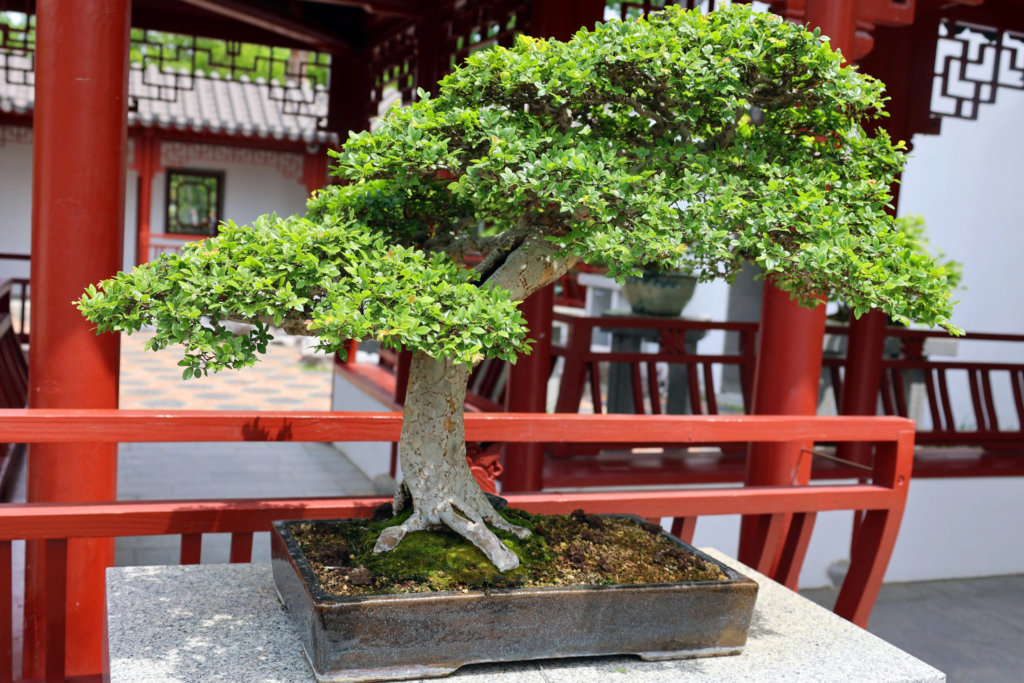
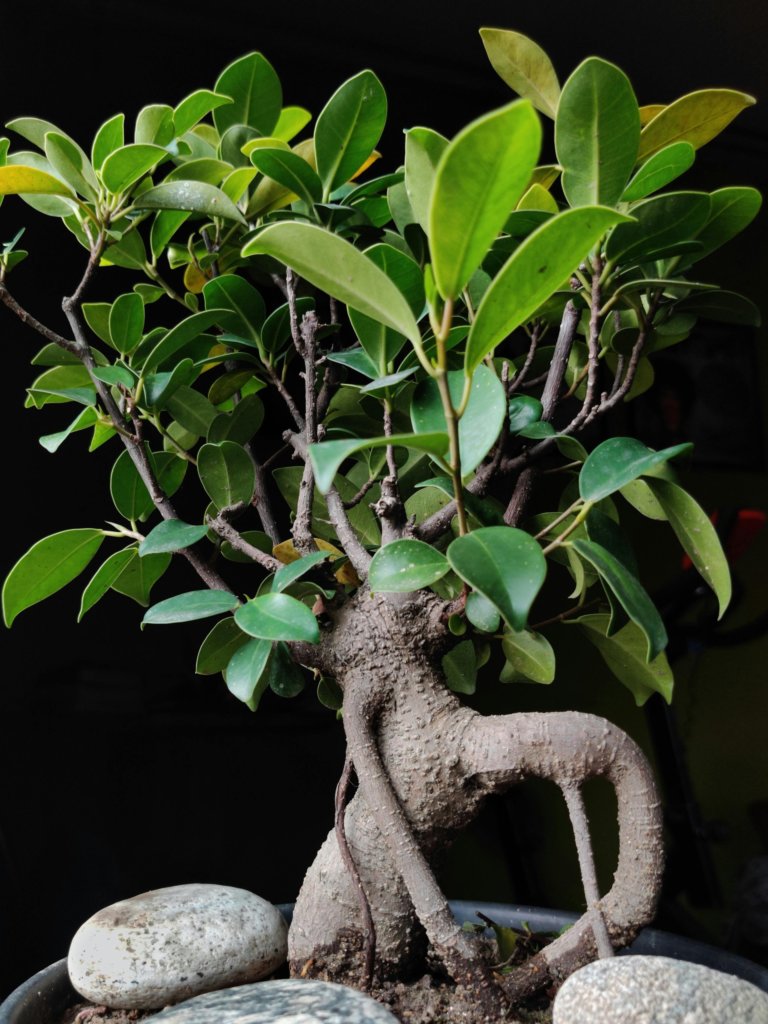
Choose bonsai tree species that match your climate and skill level. Hardy trees such as juniper, Chinese elm, and ficus work well for beginners because they handle minor care mistakes.
If you live in a cold region, select species that tolerate frost, such as pine or maple. In warm areas, consider tropical varieties like ficus or jade.
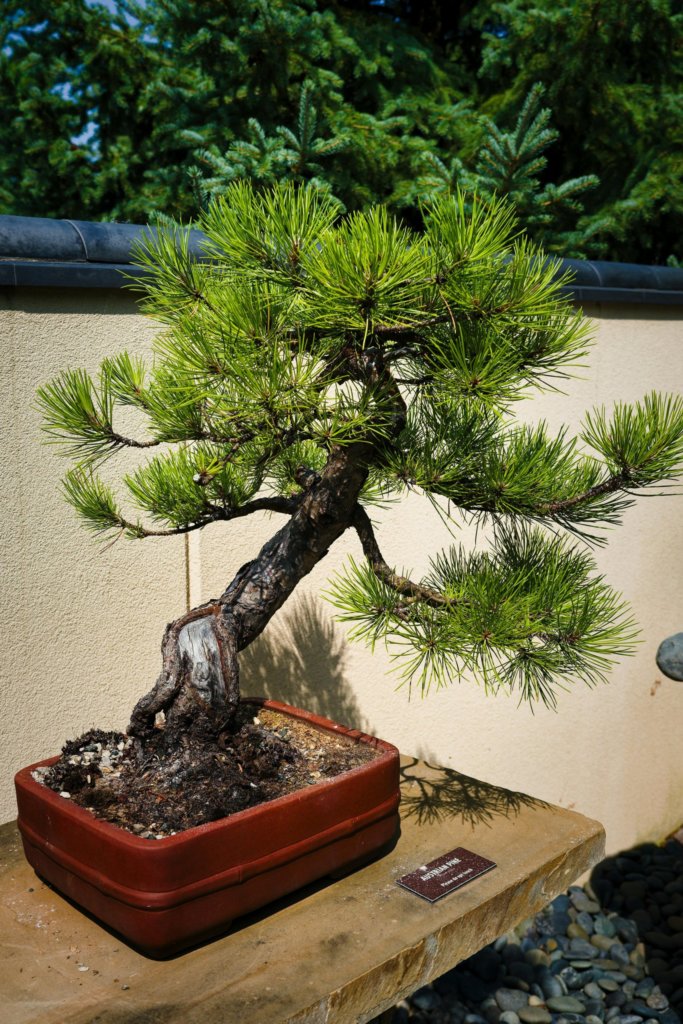
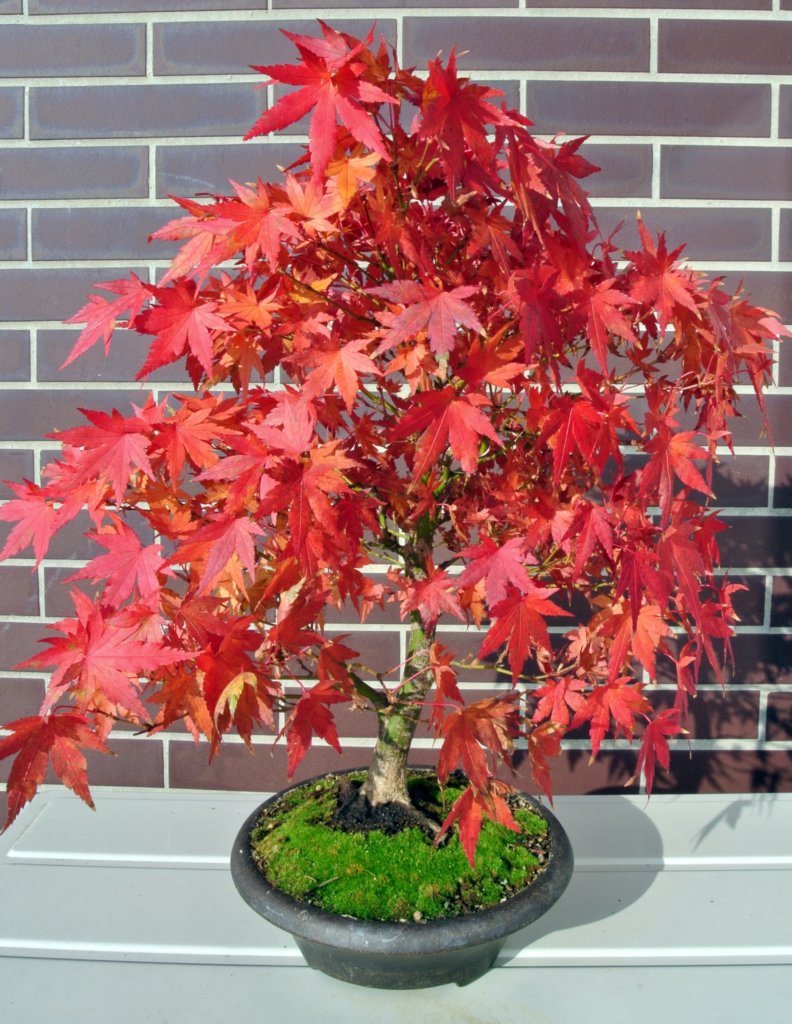
You can also explore different bonsai varieties, including:
- Flowering bonsai like azalea or cherry for seasonal blooms
- Evergreen conifers for year-round foliage
- Deciduous trees for changing leaf color
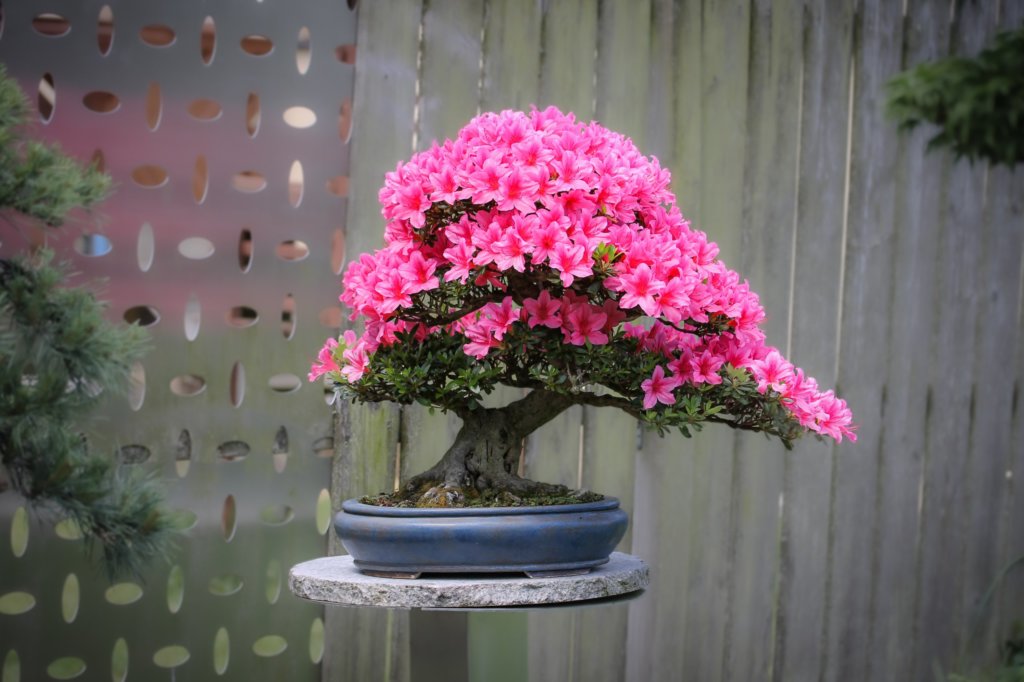
Focus on species that grow well in your local climate. Visit nurseries or talk with members of local bonsai clubs to learn which trees perform best in your area. A healthy tree suited to your environment gives you a strong start.
Indoor Bonsai vs. Outdoor Bonsai
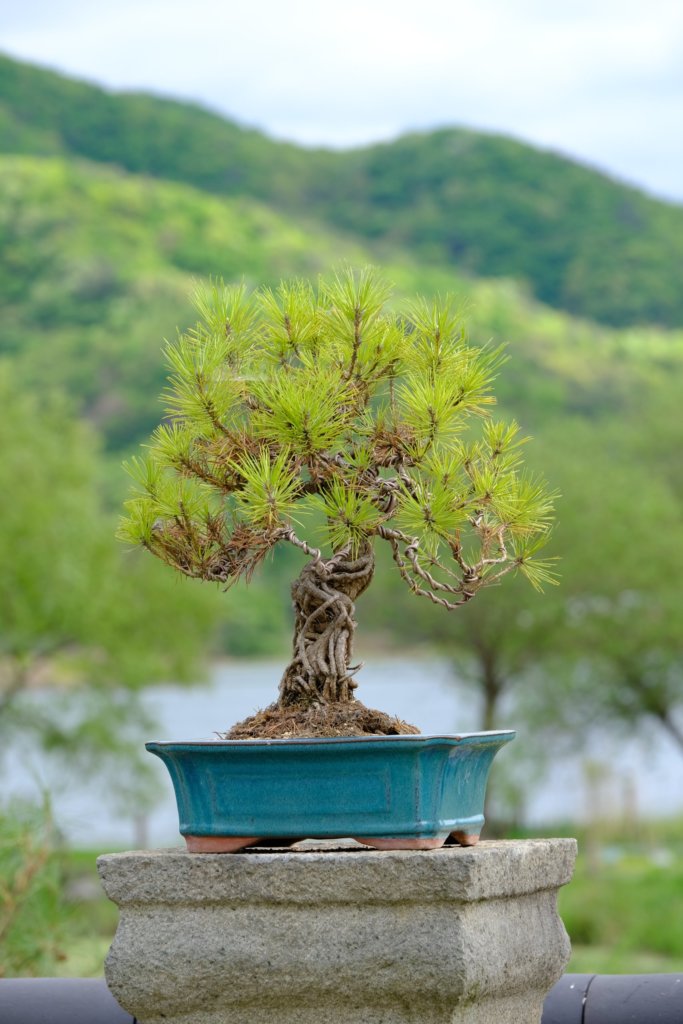
Most bonsai are outdoor bonsai. Trees such as juniper, pine, and maple need fresh air, seasonal temperature changes, and natural sunlight. Keep them outside year-round, even in winter, unless extreme weather requires protection.
Indoor bonsai are usually tropical or subtropical species. Ficus, Chinese elm (in some climates), and jade can grow indoors because they tolerate stable temperatures.
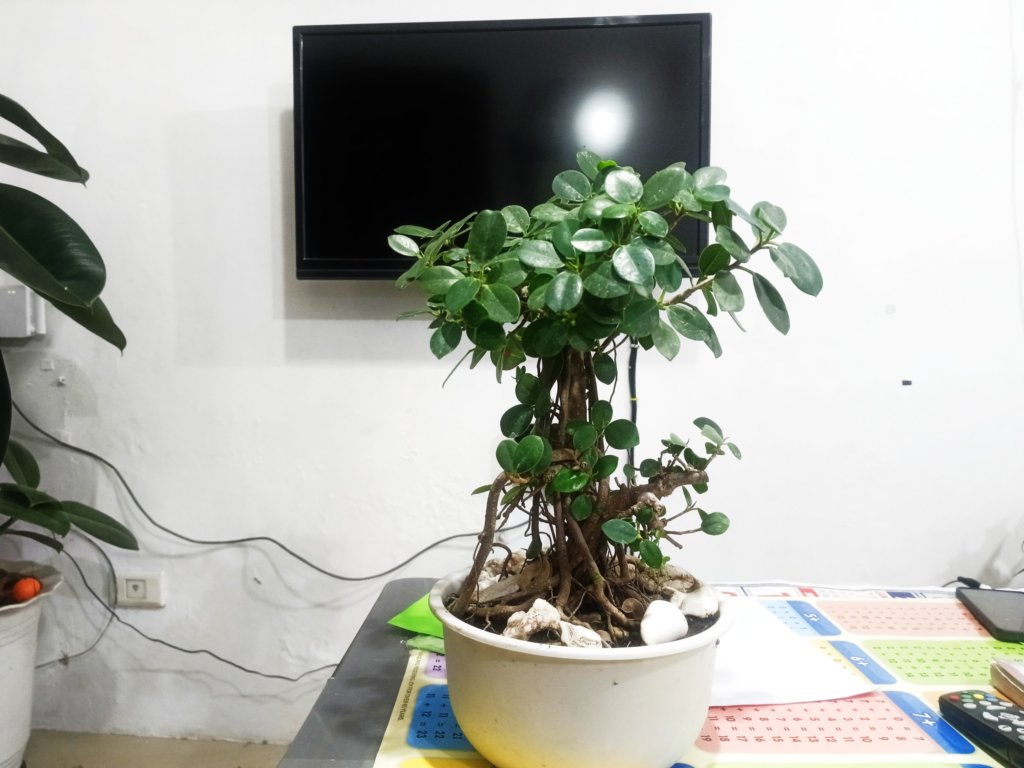
Place indoor bonsai near a bright window with several hours of direct or strong indirect light. Avoid dark corners and rooms far from windows.
Outdoor bonsai need:
- Full or partial sun, depending on species
- Protection from strong wind
- Proper drainage in the bonsai pot
Match the tree’s natural habitat as closely as possible. When you respect its light and temperature needs, growth stays steady and healthy.
Sourcing and Starting Your Bonsai
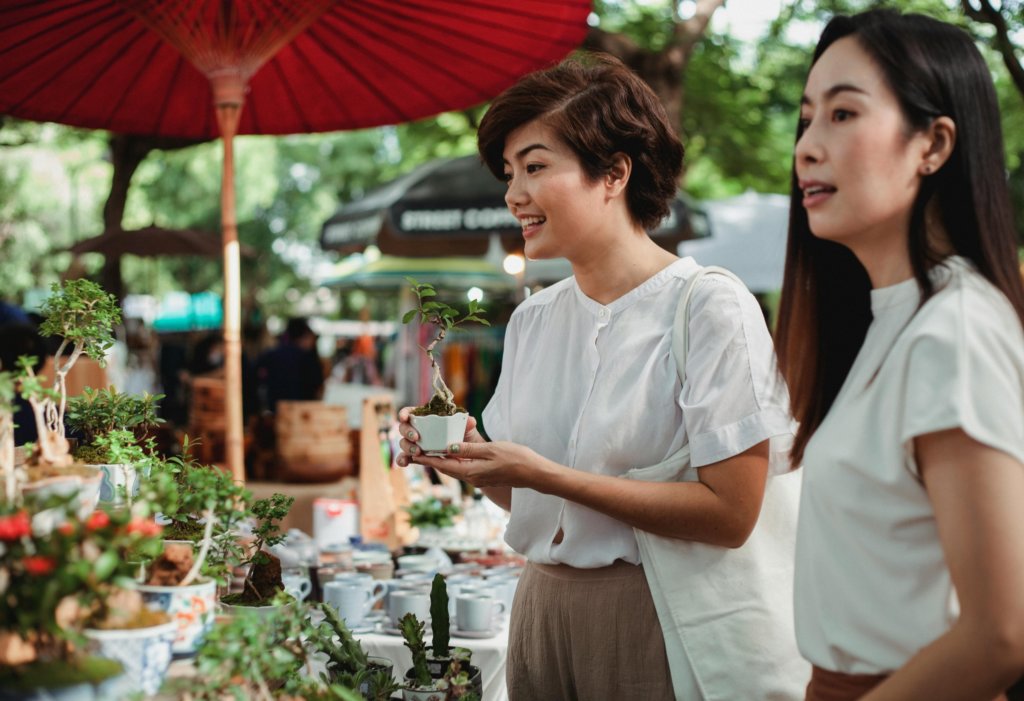
You can begin with a finished bonsai, a pre-bonsai, or nursery stock. A pre-bonsai is a young tree shaped only slightly, which gives you room to practice styling.
Many beginners buy nursery plants and train them over time. This approach costs less and teaches you core skills like pruning and wiring.
When selecting a tree, check for:
- Healthy leaves without spots or pests
- Strong roots that are not rotting
- A firm trunk with no deep scars
Choose a proper bonsai pot with drainage holes. Good drainage prevents root rot and keeps the soil from staying too wet.
Joining local bonsai clubs helps you learn faster. Experienced growers often share advice, host workshops, and sell starter trees suited to your region.
Fundamental Bonsai Tools
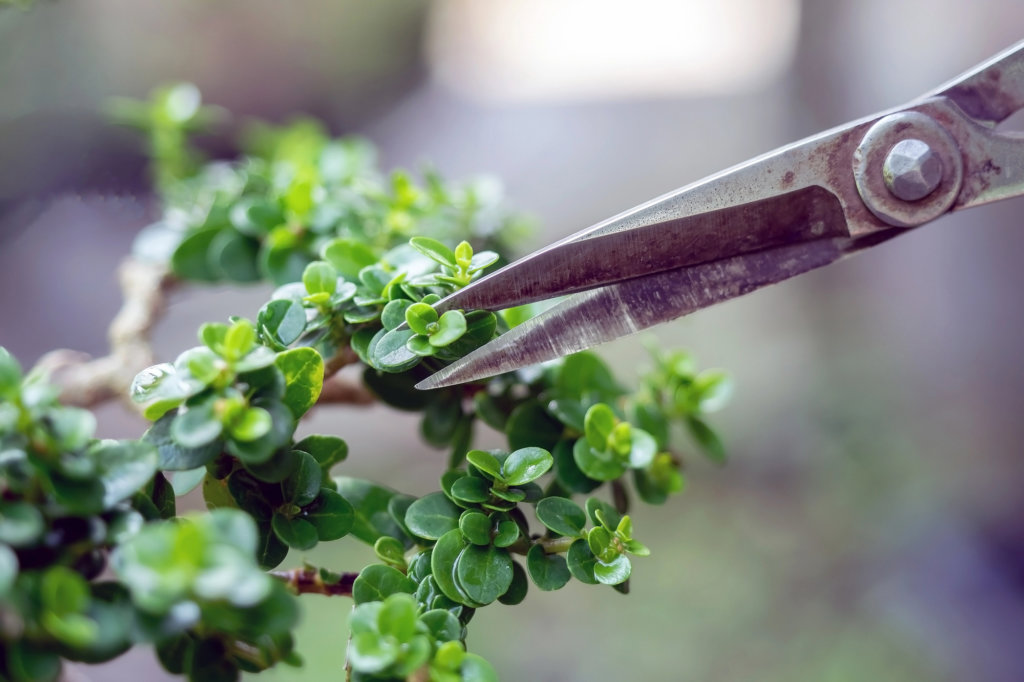
Start with a few essential tools rather than a large kit. Quality tools last longer and make cleaner cuts.
Basic tools include:
- Pruning shears for trimming small branches and shoots
- Bonsai shears for detailed leaf and twig work
- Concave cutters for removing thicker branches with minimal scarring
- A root rake for loosening roots during repotting
- Aluminum wire for shaping and positioning branches
Use pruning shears for general cuts. Switch to concave cutters when removing larger branches, since they create a shallow wound that heals more smoothly.
Copper wire allows you to guide branch direction. Wrap it at a steady angle and remove it before it cuts into the bark.
Clean and dry your tools after each use. Sharp, well-maintained tools protect your tree and give you precise control as you shape it.
Essential Techniques and Care for Bonsai
You shape and maintain a bonsai through careful pruning, wiring, proper soil, and timely repotting. Each task supports healthy growth and keeps your tree small, balanced, and stable in its container.
Pruning and Maintenance Pruning
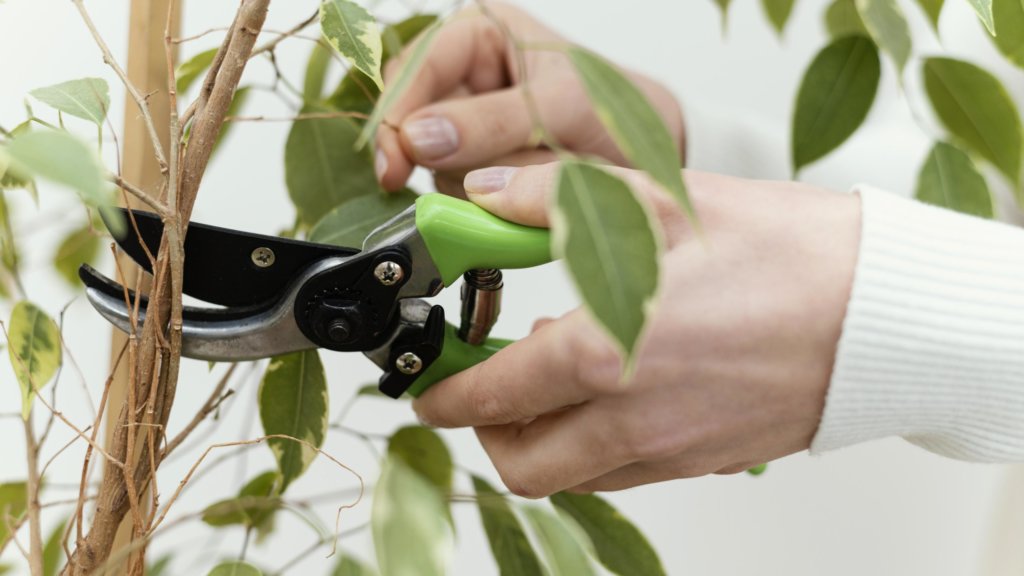
Pruning controls size and builds structure. You use two main types: structural pruning and maintenance pruning.
Structural pruning shapes the main trunk and primary branches. You remove large or poorly placed branches to set the basic design. Make these cuts during dormancy (late winter) or early spring to reduce physiological stress. Use clean, sharp tools to prevent damage and disease.
Maintenance pruning keeps the tree compact. You trim back new shoots to one or two leaves. This method, often called clipping and pinching, helps you refine the outline and encourage dense growth.
Focus on:
- Removing crossing branches
- Cutting back strong shoots
- Keeping light and air inside the canopy
Regular pruning supports healthy bonsai cultivation and prevents weak, crowded growth.
Wiring and Styling Methods
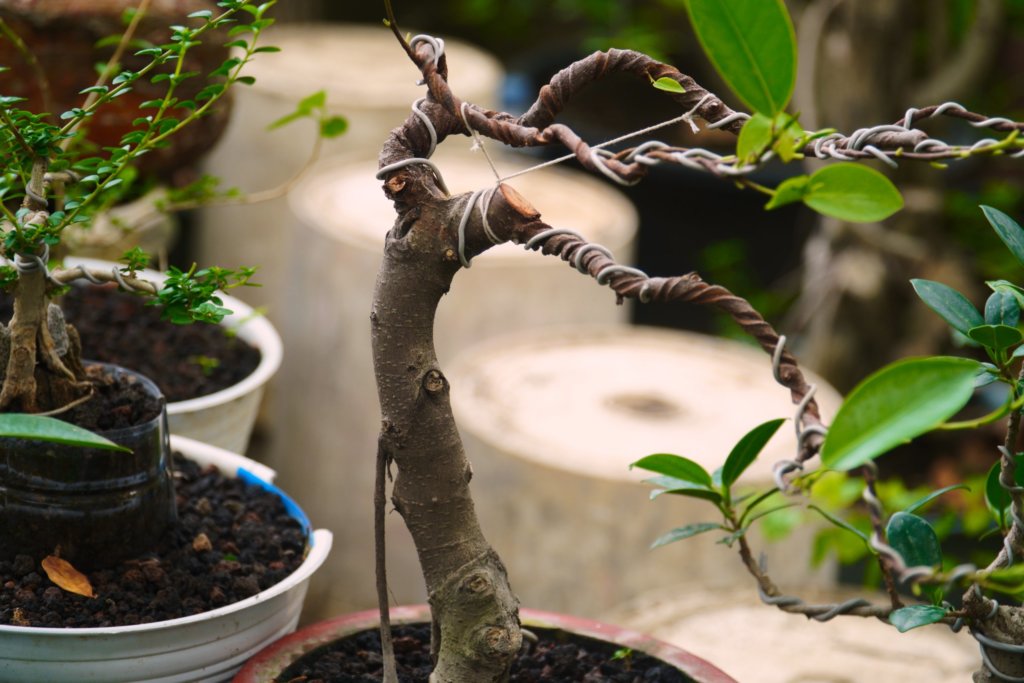
Wiring lets you guide branches into specific positions. You wrap aluminum or copper wire around a branch and bend it slowly into place. This step is a key part of bonsai training and styling.
Anchor the wire firmly, but do not wrap it too tight. The wire should hold the branch without cutting into the bark. Check it every few weeks. Remove it before it leaves marks.
Common bonsai techniques include:
- Bending branches downward for an aged look
- Spreading branches outward for balance
- Creating gentle curves in the trunk
You often combine wiring with pruning. Prune first to remove unwanted growth, then wire the remaining branches. This approach gives you better control over the final shape.
Work slowly and avoid sharp bends. Sudden force can crack wood or split bark.
Soil Mixture and Bonsai Soil Essentials
Bonsai soil must drain well and still hold enough moisture for roots. Standard garden soil compacts too easily and can cause root rot.
A basic soil mixture often includes:
- Akadama for water retention
- Pumice for drainage
- Lava rock for structure
You can adjust the mix based on climate and tree type. For example, tropical species may need slightly more moisture retention, while junipers prefer faster drainage.
Good bonsai soil supports strong root growth. It allows air to reach the roots and prevents water from sitting in the pot.
Avoid fine, dense materials. Healthy roots depend on oxygen as much as water.
Repotting and Root Health
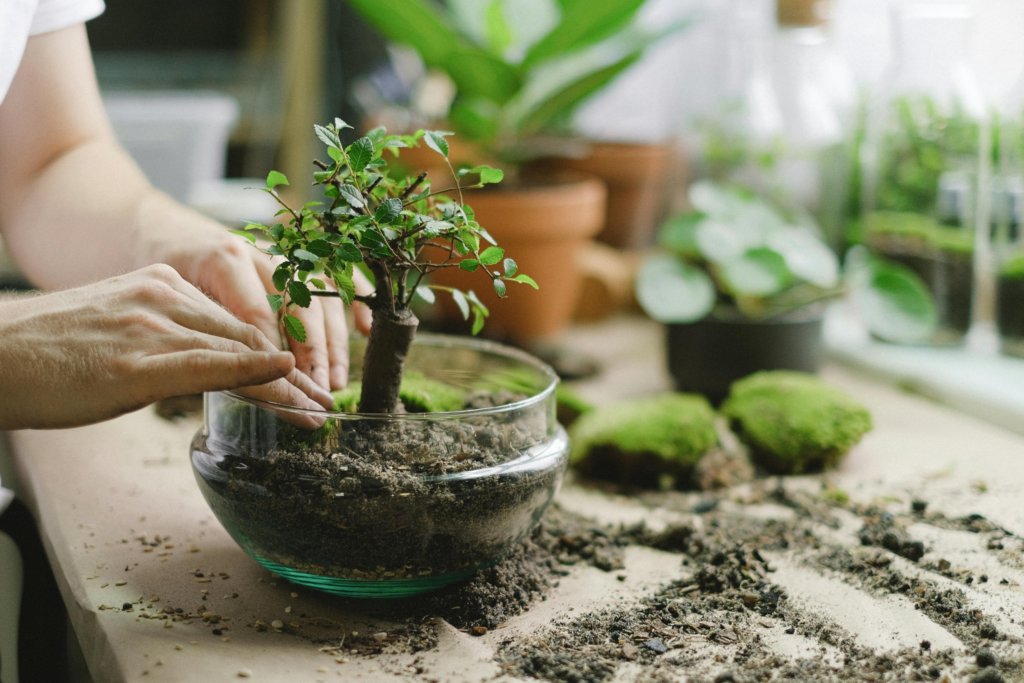
Repotting keeps your tree healthy and prevents it from becoming root-bound. Most bonsai need repotting every 1–3 years, depending on age and growth rate.
You should repot in early spring, just before strong growth begins. Remove the tree from its pot and trim back long or circling roots. This step encourages fine feeder roots, which absorb water and nutrients more efficiently.
During repotting:
- Remove old soil carefully.
- Prune damaged or thick roots.
- Place the tree in fresh bonsai soil.
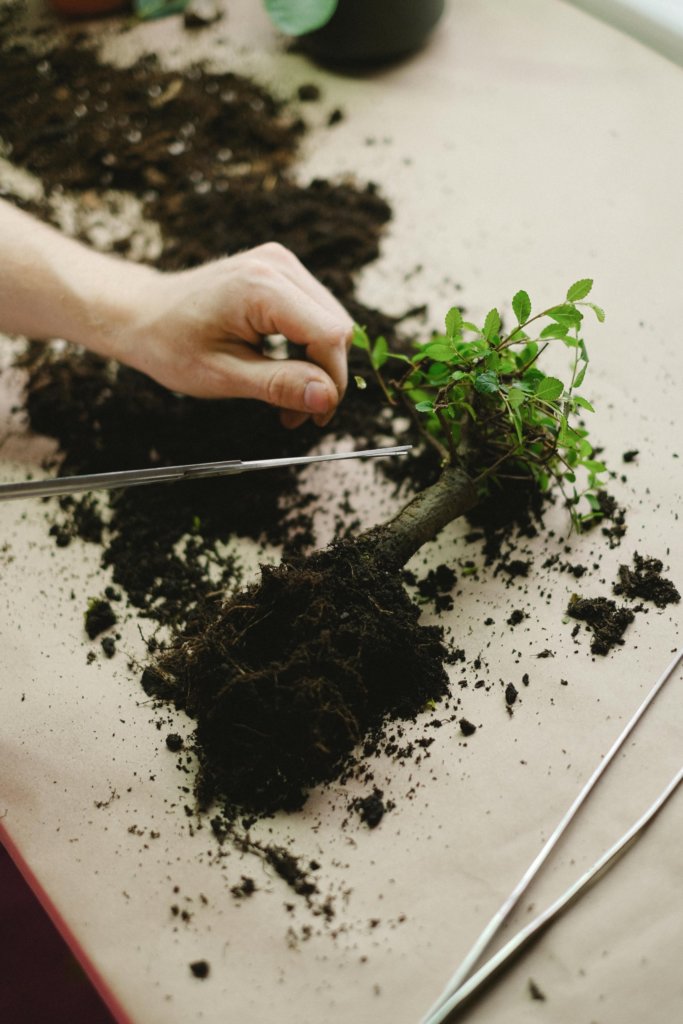
Do not remove more than about one-third of the root mass at once. Excessive root pruning can weaken the tree.
Healthy roots prevent problems such as root rot and poor growth. Regular repotting supports steady cultivation and keeps your bonsai stable in its container.
Frequently Asked Questions
You need to choose the right tree, water it the right way, use proper soil, prune on time, give enough light, and feed it on a steady schedule. Each step affects how well your bonsai grows and keeps its shape.
How do I select the right bonsai tree for beginners?
Start with a hardy species that forgives small mistakes. Ficus, Juniper, and Chinese Elm work well for beginners because they adapt to basic care and simple training.
Decide if you want an indoor or outdoor tree. Juniper grows best outdoors year-round. Ficus handles indoor conditions better, especially in warm homes with good light.
Check your climate before you buy. Choose a tree that matches your local temperatures and seasons so it can grow without stress.
What is the proper way to water a bonsai tree?
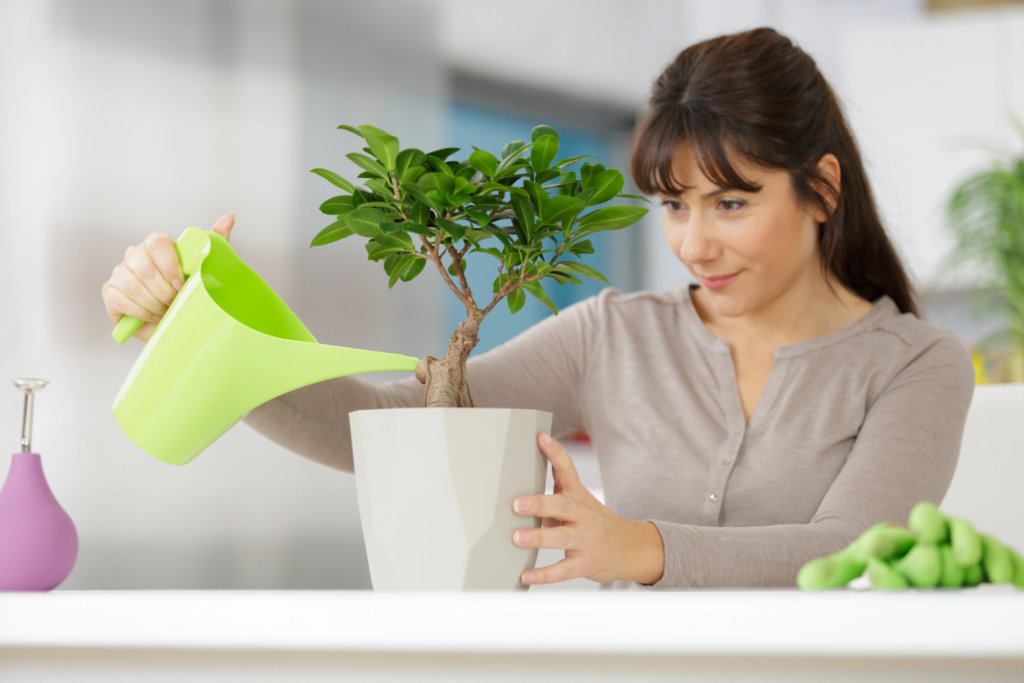
Water your bonsai when the top inch of soil feels slightly dry. Do not water on a fixed schedule. Check the soil with your finger each day.
Pour water evenly over the soil until it drains from the holes at the bottom of the pot. This step ensures the entire root ball gets moisture.
Never let the tree sit in standing water. Empty the drip tray after watering to prevent root rot.
Which types of soil are recommended for bonsai trees?
Use fast-draining soil that holds some moisture but does not stay soggy. Regular garden soil compacts too much and blocks airflow to the roots.
Many growers use a mix of akadama, pumice, and lava rock. For beginners, a pre-mixed bonsai soil from a garden center also works well.
Good soil allows water to drain quickly while keeping roots healthy and oxygenated.
How often should I prune my bonsai tree to maintain its shape?
Trim small amounts of new growth during the growing season to keep the shape neat. Most trees need light pruning every few weeks in spring and summer.
Perform heavier structural pruning once a year, usually during dormancy (late winter) or early spring, before strong growth begins. This timing reduces stress on the tree.
Always use clean, sharp scissors or pruners. Clean cuts heal faster and lower the risk of disease.
What are the best lighting conditions for a bonsai tree indoors?
Place your bonsai near a bright window that gets several hours of direct sunlight each day. South- or east-facing windows often provide enough light.
Keep the tree close to the glass but away from cold drafts. Rotate the pot every week so all sides receive even light.
If natural light is weak, use a grow light for 10 to 12 hours a day. Consistent light helps prevent weak or leggy growth.
Can you provide tips on fertilizing bonsai trees and the schedule for it?
Feed your bonsai during the active growing season, usually from early spring through early fall. Use a balanced liquid fertilizer diluted to half strength.
Apply fertilizer every two to four weeks while the tree grows. Reduce feeding in late fall and stop during winter dormancy for outdoor species.
Always water the tree before adding fertilizer. This step protects the roots from burn and spreads nutrients evenly through the soil.