
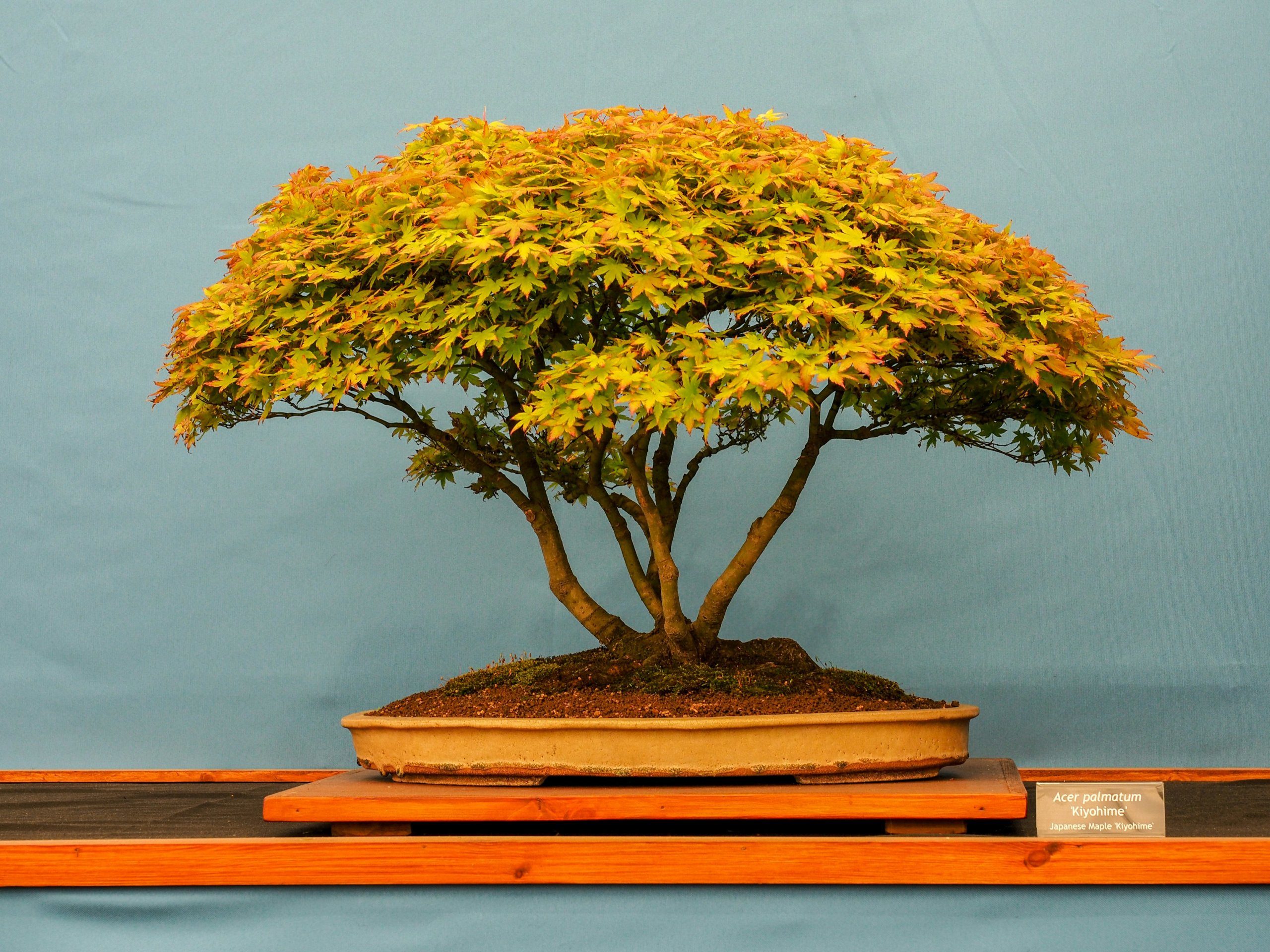
Deciduous Bonsai Trees
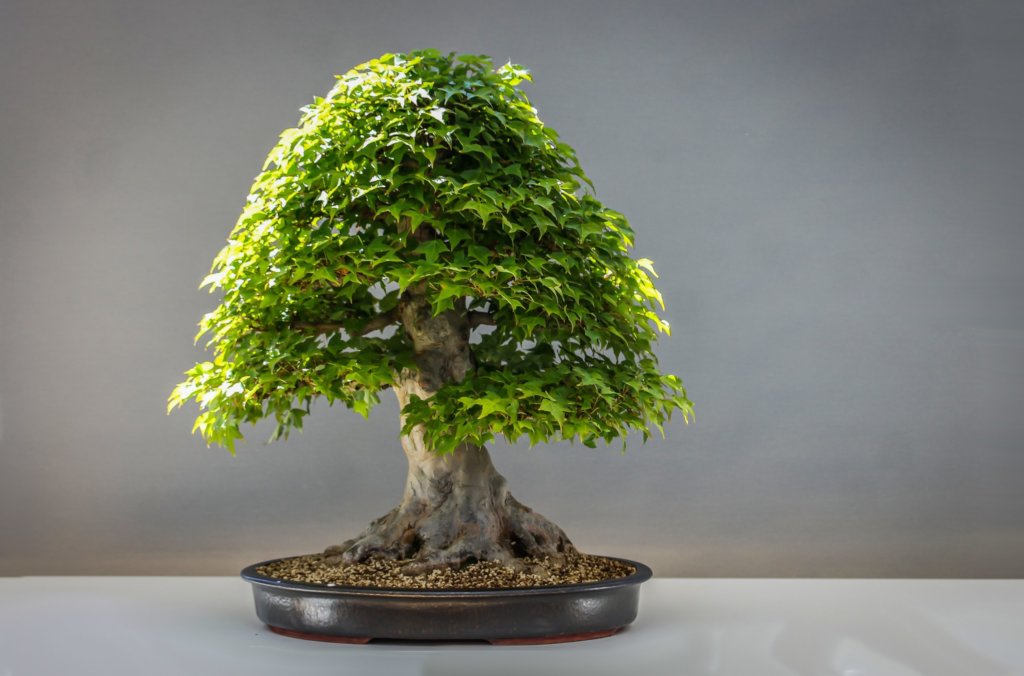
Deciduous bonsai trees bring the full cycle of the seasons into your hands. You grow trees that change through the year, from fresh spring leaves to full summer canopies, bright fall color, and bare winter branches. This natural shift makes them different from evergreen bonsai that stay green all year.
Deciduous bonsai trees are miniature trees that lose their leaves each year and require outdoor care with a winter dormant period. You often see species like maple and elm used for this style because they show strong seasonal color and fine branch structure.
When you care for a deciduous bonsai, you place it outside in spring, summer, and fall where it gets plenty of sunlight. You shape it through careful pruning and manage watering based on the season. As you learn how these trees grow and rest, you gain more control over their size, form, and health.
Key Takeaways
- Deciduous bonsai lose their leaves each year and display clear seasonal changes.
- Popular choices include maple and elm for their color and branch detail.
- You must grow them outdoors and provide proper pruning, watering, and winter dormancy.
Types of Deciduous Bonsai Trees
Deciduous bonsai trees lose their leaves each fall and grow new ones in spring. You can choose from many bonsai varieties, each with different leaf shapes, bark texture, and seasonal color.
Popular Deciduous Bonsai Species
Several deciduous bonsai tree types stand out for their strength and beauty.
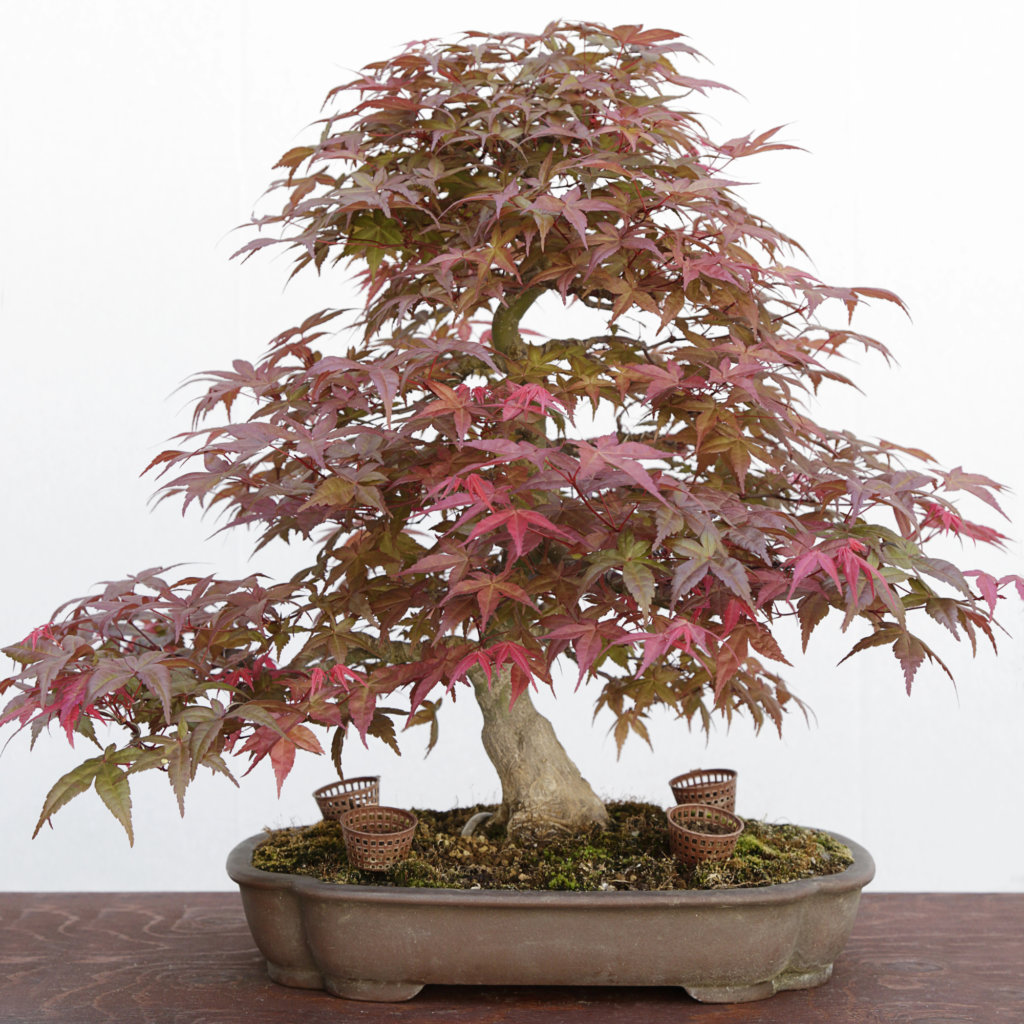
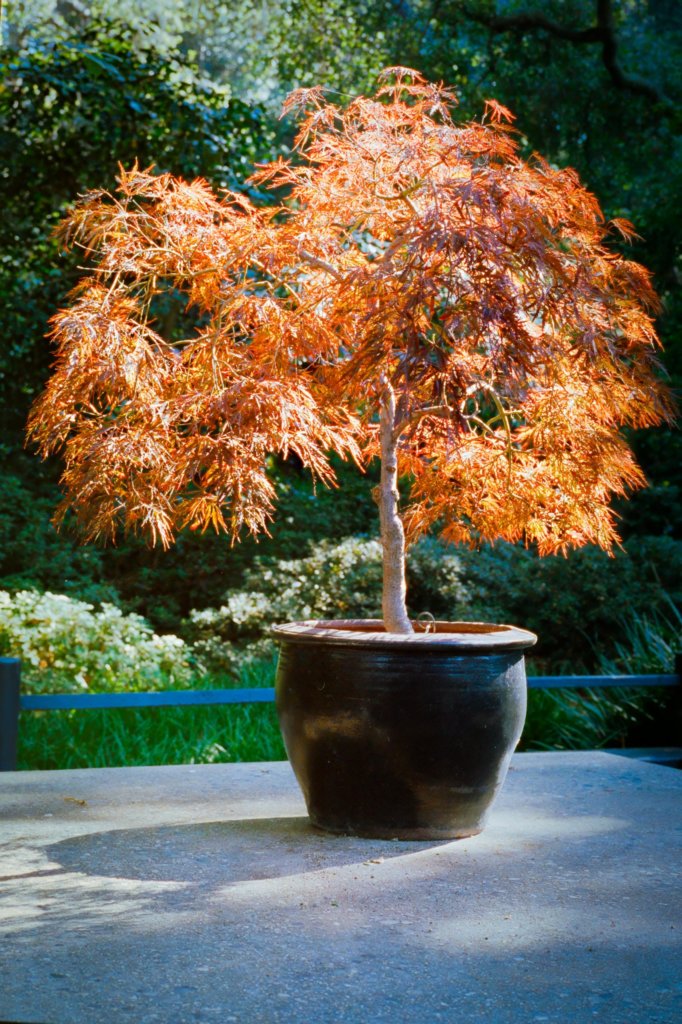
Japanese maple (Acer palmatum) is one of the most popular choices. Its fine leaves and bright red, orange, or yellow fall color make it a favorite for maple bonsai. You can shape it into many styles, and it responds well to pruning.
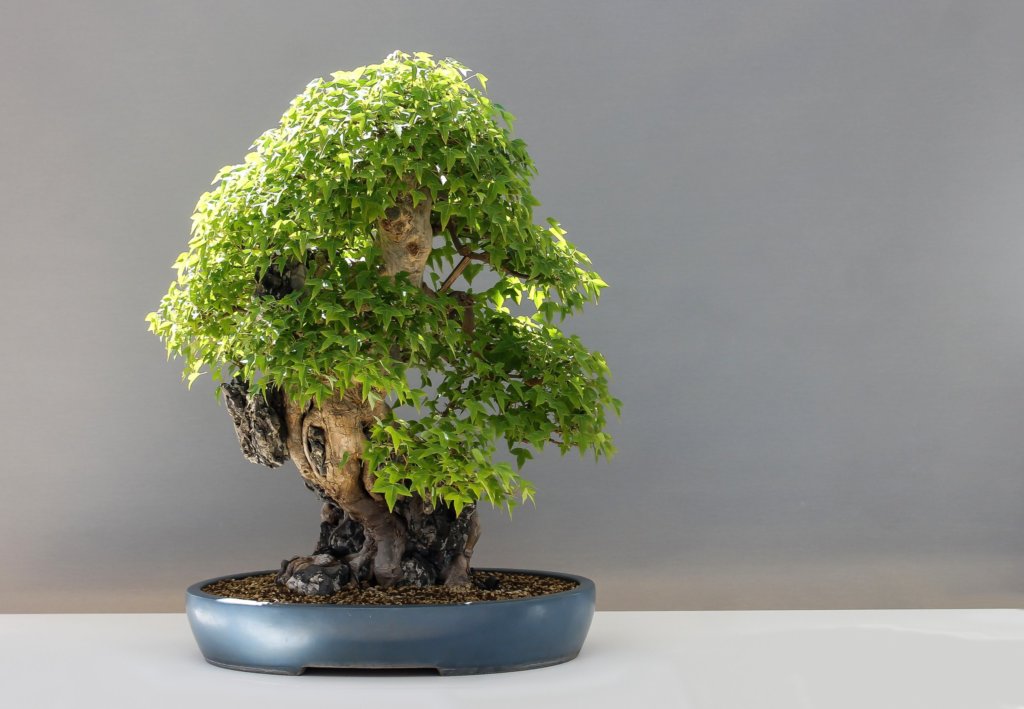
Trident maple (Acer buergerianum) has smaller leaves and strong roots. Many growers choose trident maple bonsai for its fast growth and thick trunk development.
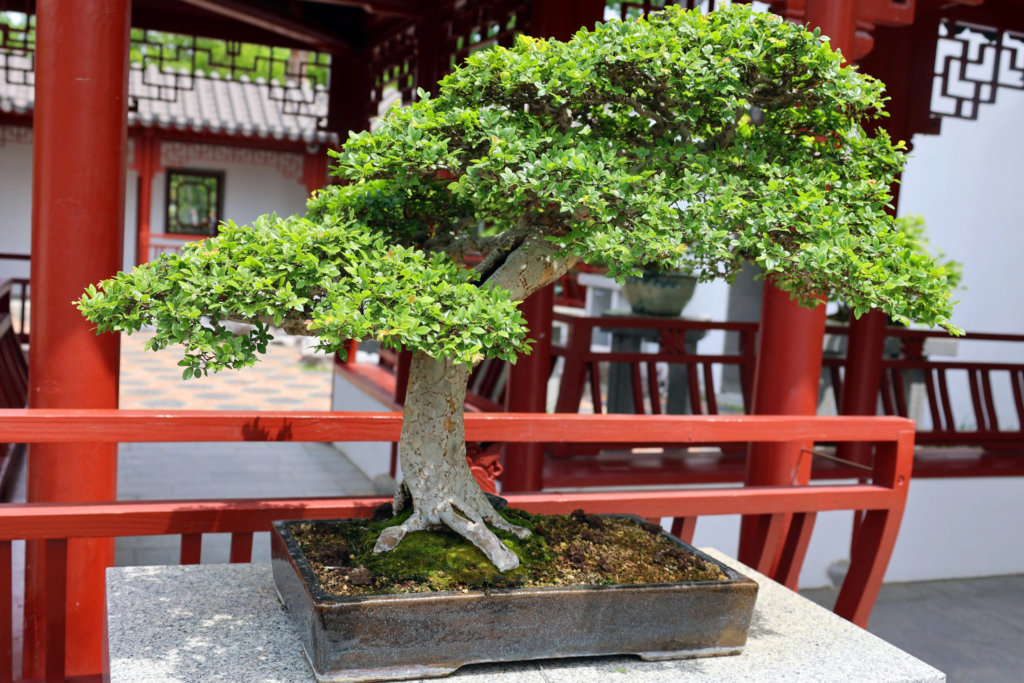
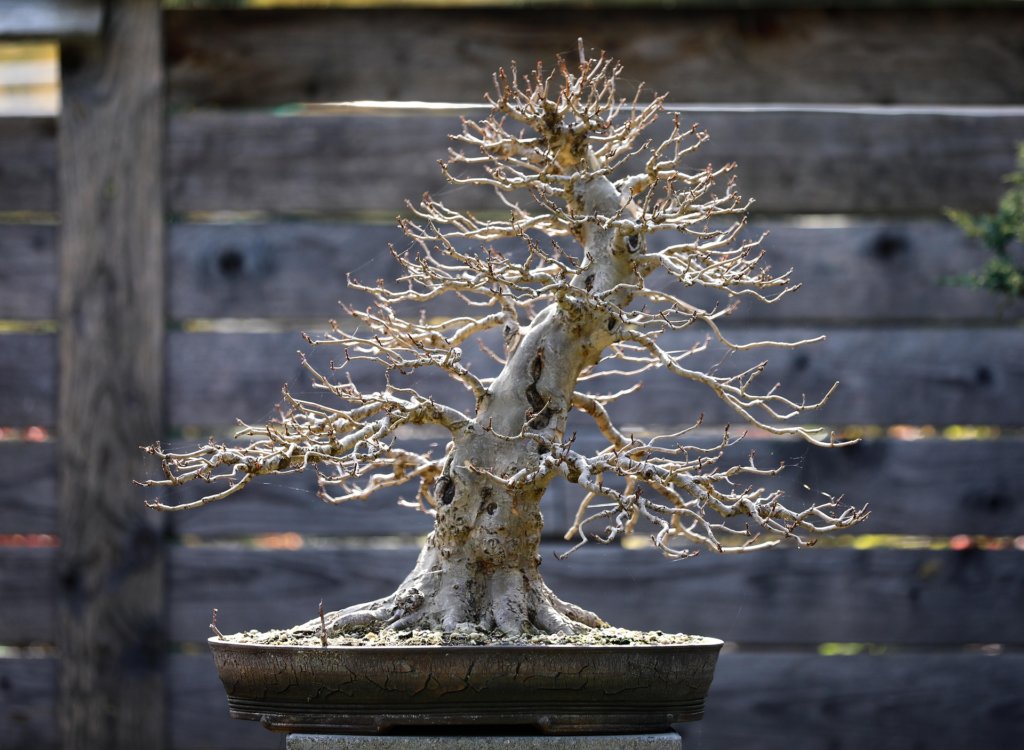
Chinese elm (Ulmus parvifolia) is a hardy elm bonsai. It tolerates mistakes and adapts well to training. Its small leaves and textured bark give it an aged look.
Other common bonsai types include:
- Zelkova serrata (Zelkova bonsai)
- Fagus sylvatica (Beech bonsai)
- Carpinus betulus (Hornbeam bonsai)
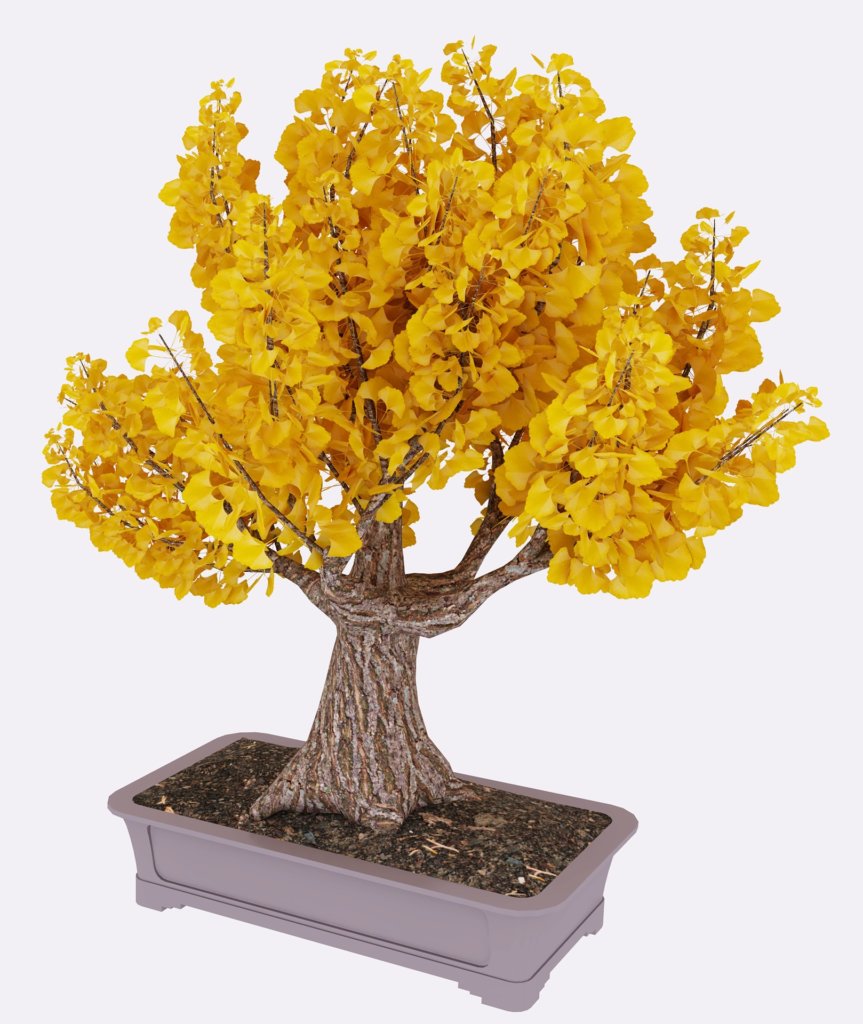
- Ginkgo biloba (Maidenhair Tree)
- Malus species (Crabapple)
Each species offers different leaf size, bark pattern, and seasonal interest.
Unique Characteristics of Deciduous Varieties
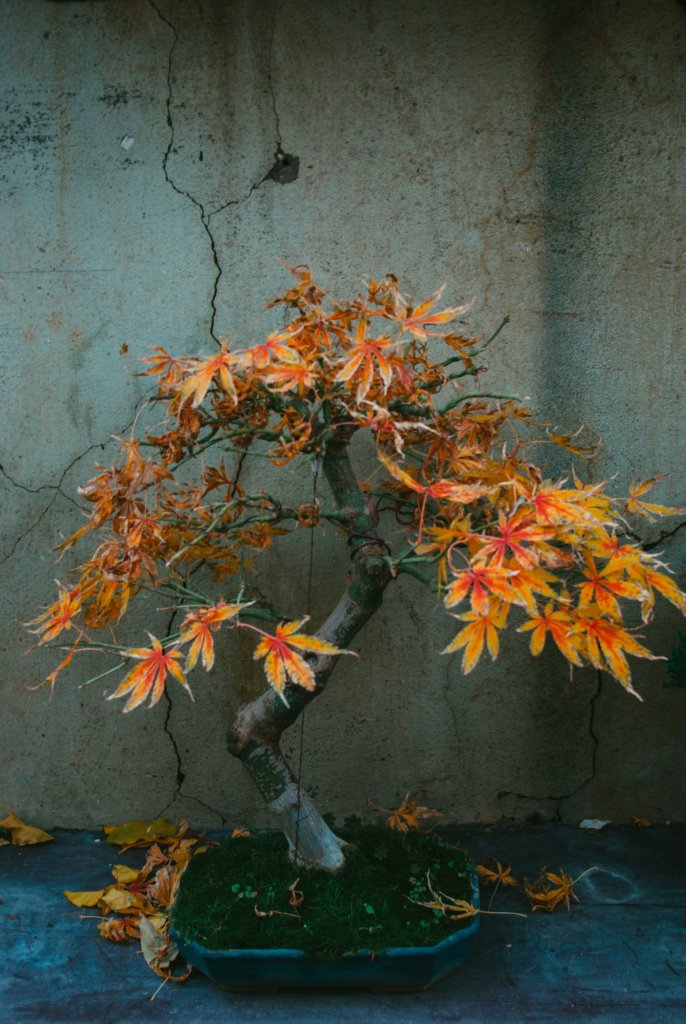
Deciduous bonsai change through the seasons. In spring, you see fresh green leaves. In summer, the canopy fills out. In fall, many species show red, orange, or yellow tones before leaf drop.
Leaf size matters in bonsai. Species like trident maple and Chinese elm naturally grow smaller leaves, which helps keep your tree in scale.
Bark texture also adds value. Ulmus parvifolia (Chinese elm) develops rough, flaking bark over time. Fagus sylvatica (European beech) has smooth gray bark that looks clean and simple. Ginkgo (Ginkgo biloba) shows fan-shaped leaves that stand out from other bonsai trees.
Some deciduous bonsai, such as crabapple bonsai, also produce flowers and fruit. This adds color and interest during the growing season.
These traits help you choose a tree that fits your design goals and climate.
Choosing the Right Deciduous Bonsai
You should match your bonsai to your local climate. Many deciduous varieties need cold winters to stay healthy. If you live in a mild area, Chinese elm bonsai often adapts better than species that require deep dormancy.
Think about your skill level. Beginners often start with elm bonsai or trident maple bonsai because they handle pruning and wiring well. These trees recover faster from mistakes.
Consider the look you want. If you prefer fine leaves and strong fall color, choose Japanese maple bonsai. If you want bold structure and strong roots, try Trident Maple (Acer buergerianum). For a simple winter outline, hornbeam bonsai or zelkova bonsai works well.
When you select from different types of bonsai trees, focus on leaf size, growth rate, and care needs. This helps you build a healthy and balanced deciduous bonsai.
Essential Care and Cultivation Techniques for Deciduous Bonsai
You must adjust light, water, nutrients, and pruning to match the tree’s seasonal cycle. Deciduous bonsai need active care during spring growth and careful protection during winter dormancy.
Seasonal Care Requirements
Deciduous miniature trees change through clear stages each year. You should match your bonsai care to each stage.
In spring growth, buds swell and leaves open. Place your tree outdoors in bright light with partial shade during hot afternoons. This period brings rapid growth, so check the soil and shoots daily.
Summer requires close watching. Heat dries bonsai soil fast, especially in shallow pots. Protect roots from extreme sun, and avoid letting the soil bake dry.
In autumn, leaves change color and drop. Reduce watering as growth slows. Stop strong feeding so the tree prepares for winter dormancy.
During winter, most deciduous bonsai need cold rest. Keep them outside in a sheltered spot, such as an unheated garage or cold frame. Unlike indoor bonsai, like ficus bonsai or jade bonsai, deciduous species should not stay in warm living rooms all winter.
Watering and Humidity Management
Watering frequency depends on season, pot size, and bonsai soil mix. You must water based on soil moisture, not a fixed schedule.
Use a well-draining bonsai soil mix made of particles like akadama, pumice, and lava rock. This structure supports root development and prevents rot. Avoid dense garden soil.
During spring and summer, water when the top layer feels slightly dry. Soak the soil fully until water drains from the holes. In hot weather, you may need to water once or even twice a day.
As temperatures drop in autumn, reduce watering. In winter dormancy, keep the soil slightly moist but never soaked.
Deciduous bonsai prefer a humid environment during active growth. You can group trees together or use a humidity tray. Do not mist as a substitute for proper watering.
Fertilizing Deciduous Bonsai Trees
Fertilizer supports strong leaves, root development, and fine ramification (a dense, intricate network of fine branches and twigs). You should feed during active growth and stop during dormancy.
In early spring, apply a balanced fertilizer every two weeks. This supports healthy leaf and shoot growth. Once the first flush hardens, switch to a milder feeding schedule.
By late summer, use a low-nitrogen fertilizer. This helps strengthen roots and prepare the tree for winter without pushing soft growth.
Do not fertilize during winter dormancy. The tree cannot use nutrients at this stage.
Deciduous species like pomegranate bonsai respond well to steady feeding. Evergreen bonsai, such as juniper bonsai or Japanese black pine, follow a different feeding rhythm, so avoid using their schedule for your deciduous trees.
Pruning and Styling Methods
Pruning controls shape, size, and ramification. You should combine structural pruning with regular maintenance trimming.
In late winter, before buds open, perform major pruning. Remove thick branches to define structure and improve nebari, the surface root spread. This timing reduces sap loss and stress.
During spring and summer, trim new shoots back to two or three leaves. This encourages fine branching and compact growth.
Use clear pruning techniques for your chosen bonsai styles. An informal upright style needs balanced branch placement. A root-over-rock design requires careful root positioning during repotting.
Deciduous trees differ from cedar bonsai, juniper bonsai, and other evergreen bonsai. They back-bud more easily, which gives you more flexibility in shaping. Careful pruning and wiring over time build dense ramification and refined structure.