
Can You Bonsai Any Tree For Beginners?
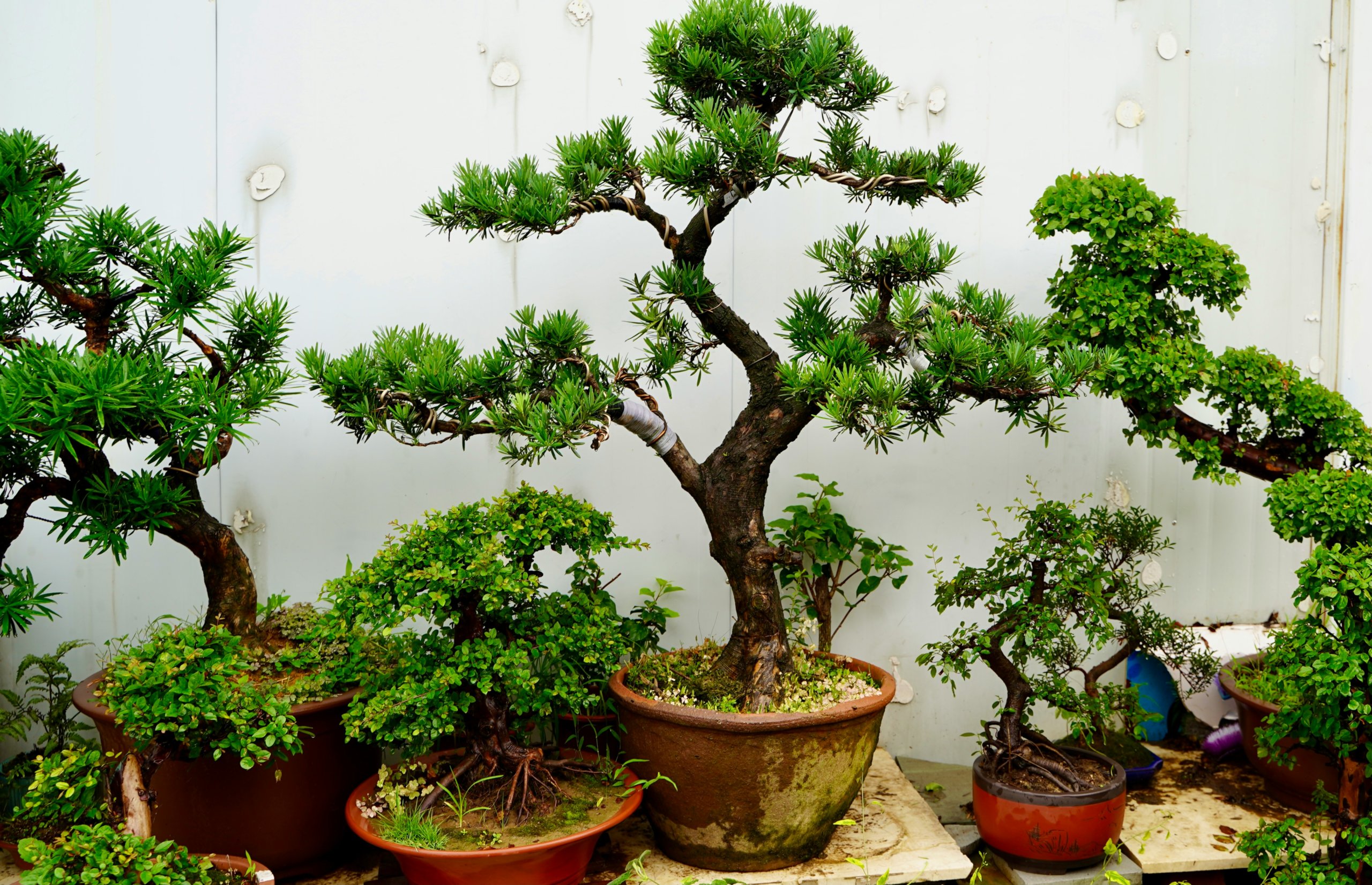
You may wonder if you can bonsai any tree as a beginner. The short answer is yes, you can train almost any woody tree into a bonsai with the right care and pruning. However, some trees are much easier for beginners because they handle shaping, pruning, and indoor or outdoor conditions better than others.
You can more easily turn a juniper, ficus, Chinese elm, jade, and Japanese maple into strong starter bonsai. These types respond well to trimming and adapt to small pots. When you choose a hardy species, you avoid common problems and build skill with less stress.
As you start, focus on picking the right tree for your climate and space. With a good match and simple care, you set yourself up for steady growth and long-term success.
Key Takeaways
- You can bonsai most woody trees, but some species work better for beginners.
- Hardy trees like juniper and ficus handle pruning and shaping more easily.
- Choosing the right tree for your space and climate improves your results.
Can You Bonsai Any Tree as a Beginner?
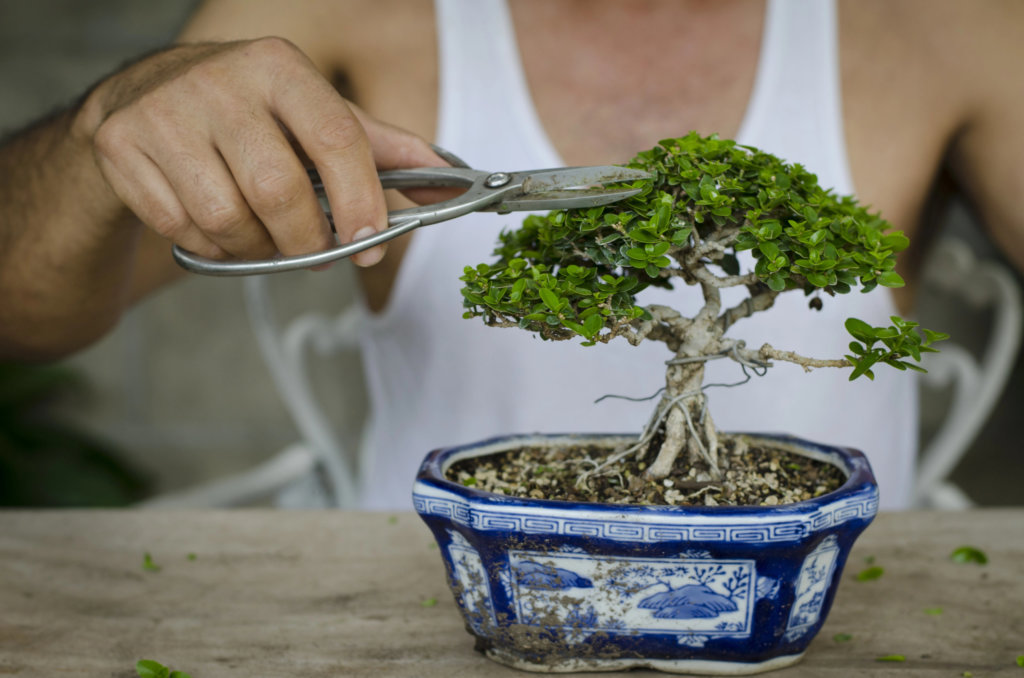
You can turn almost any tree with a woody trunk into a bonsai. But some bonsai species respond better to pruning, wiring, and root trimming than others. As a beginner, you should focus on trees that handle mistakes and grow in a predictable way.
Understanding What Makes a Good Bonsai Candidate
Bonsai is not a special type of tree. It is a method of growing miniature trees in small containers through pruning and root control.
A good bonsai tree has small leaves or needles, flexible branches, and strong roots. These traits make shaping easier. Trees that grow back quickly after pruning also help you fix mistakes.
Look for species that:
- Tolerate root pruning
- Bud back after branch cuts
- Adapt well to containers
- Handle local climate conditions
Climate matters more than most beginners think. If you live in a cold area, choose hardy outdoor bonsai like juniper or pine. If you grow indoors, choose tropical species that survive steady room temperatures.
When you match the tree to your environment, you increase your chances of success.
Species Best Suited for Beginners
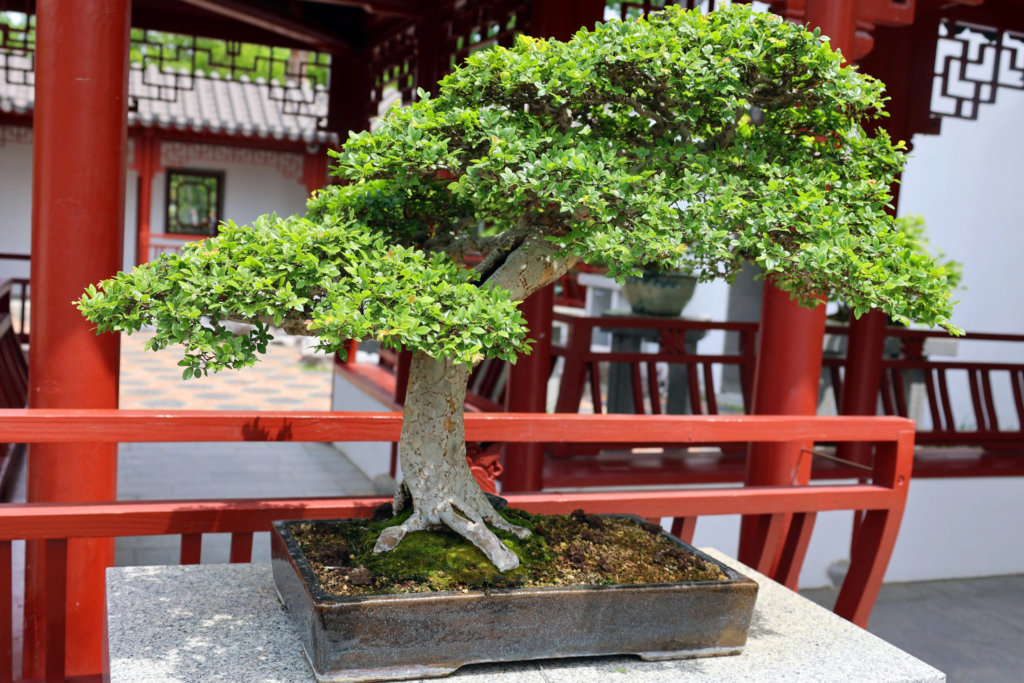
Some bonsai species consistently work well for beginner bonsai growers. These trees stay strong under training and recover quickly.
For indoor bonsai, consider:
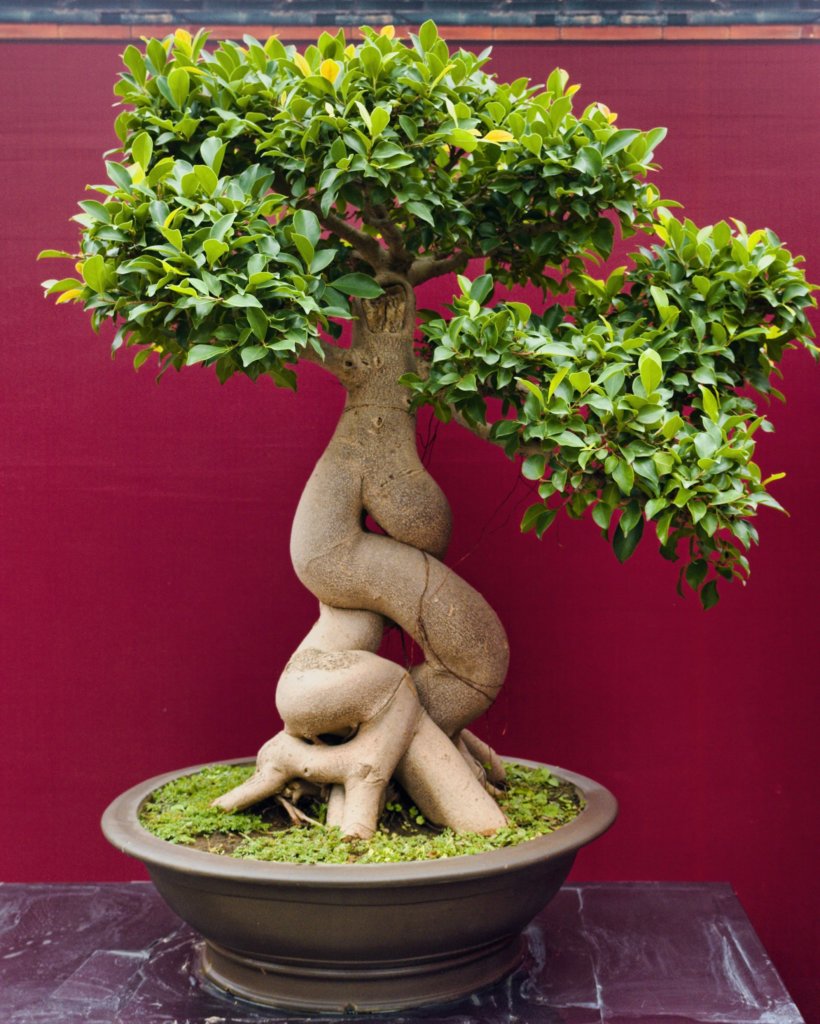
- Ficus bonsai (especially Ficus retusa or ginseng)
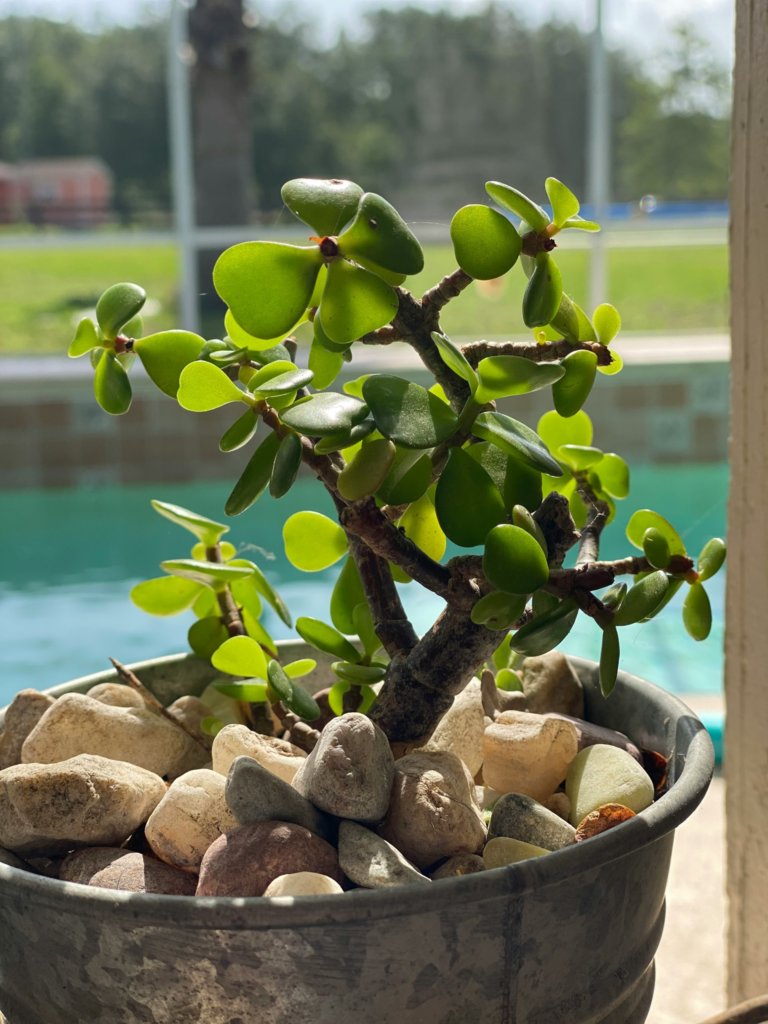
- Jade plant
- Chinese elm (in bright light)
Ficus bonsai handles missed waterings and low humidity better than many species. It also responds well to pruning and wiring.
For outdoor bonsai, reliable choices include:
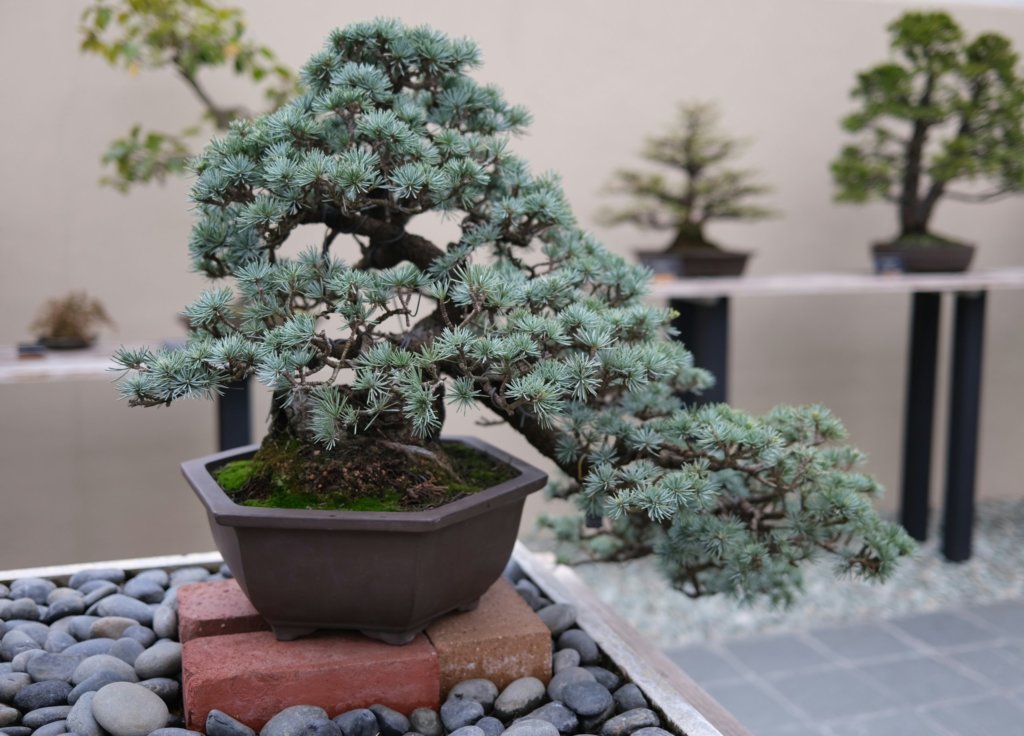
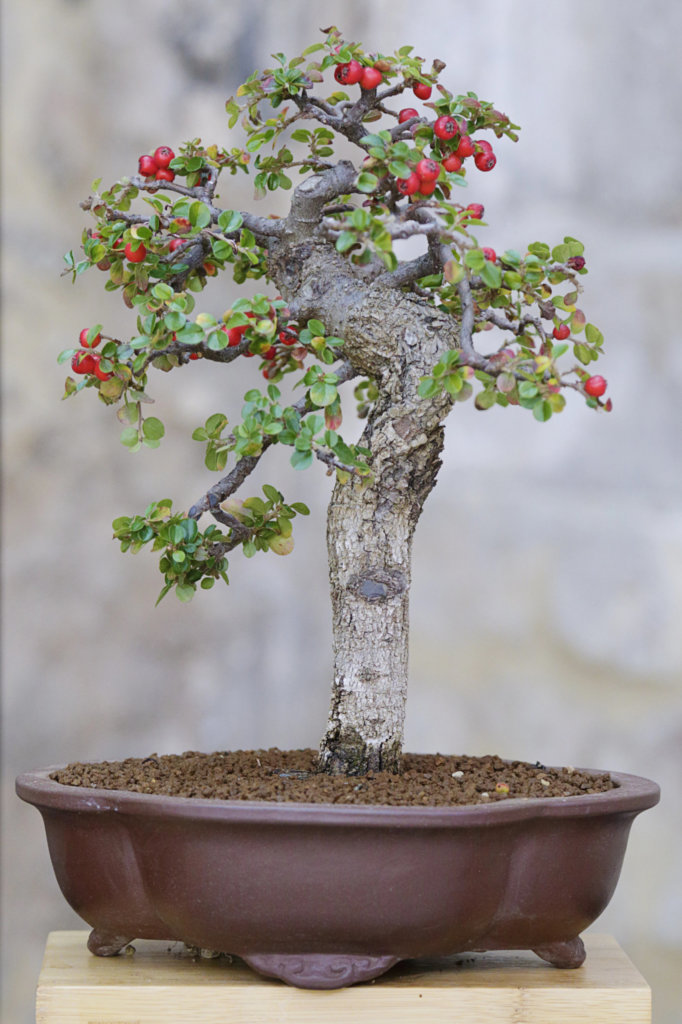
- Juniper bonsai
- Chinese elm
- Cotoneaster
Juniper bonsai remains one of the most recommended starter trees. It is hardy, forgiving, and adapts well to shaping.
If you want seasonal color, try a Japanese maple bonsai, but only if you can provide proper outdoor conditions. Some pine bonsai varieties also work for beginners, though they require more careful pruning techniques.
Why Some Trees Are Challenging to Bonsai
Not all trees make good beginner bonsai. Some species fight against the process.
Trees with very large leaves can look out of scale as miniature trees. Others have brittle branches that snap during wiring. Some species do not grow new buds on old wood, which limits shaping options.
Certain trees demand strict seasonal care. For example, many pine bonsai need precise timing when you prune candles. Japanese maple bonsai can suffer quickly from heat, wind, or poor watering.
You may also struggle if you try to grow an outdoor bonsai inside. Juniper bonsai, for example, needs winter dormancy. Keeping it indoors often leads to decline.
As a beginner, choose strength and flexibility over rarity. A hardy bonsai tree gives you room to learn and improve your skills.
How to Start Bonsai with the Right Tree
Start with a tree that fits your climate, your space, and your skill level. Choose healthy stock, use proper tools and soil, and apply simple pruning and watering habits from the start.
Choosing a Bonsai Tree for Your Environment
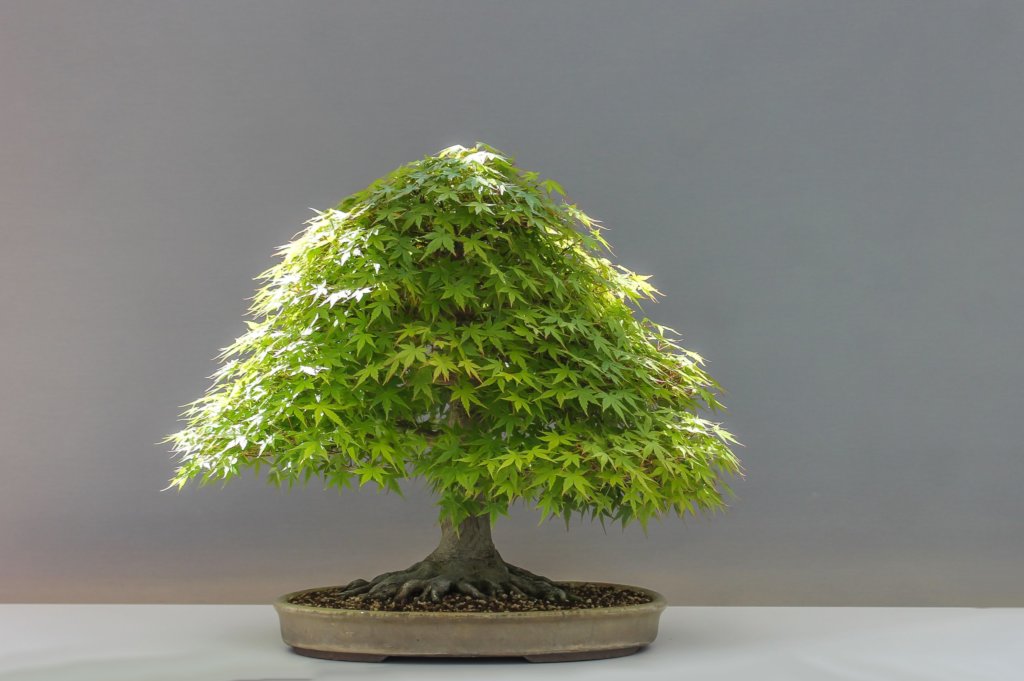
Focus on climate first when choosing a bonsai tree. If you live in a cold region, pick hardy outdoor trees like juniper, maple, or pine. These trees need winter dormancy and should stay outside year-round.
If you plan to grow indoors, select tropical or subtropical trees. Good options include jade, dwarf jade, gardenia, or Hawaiian umbrella tree. These handle stable indoor temperatures better than temperate species.
Also consider light. Most bonsai need strong light. A south-facing window or grow light often works best.
Visit local bonsai clubs if possible. Members can suggest species that grow well in your area. This step reduces guesswork and lowers the risk of failure.
Getting Started with Pre-Bonsai, Seedlings, or Nursery Stock
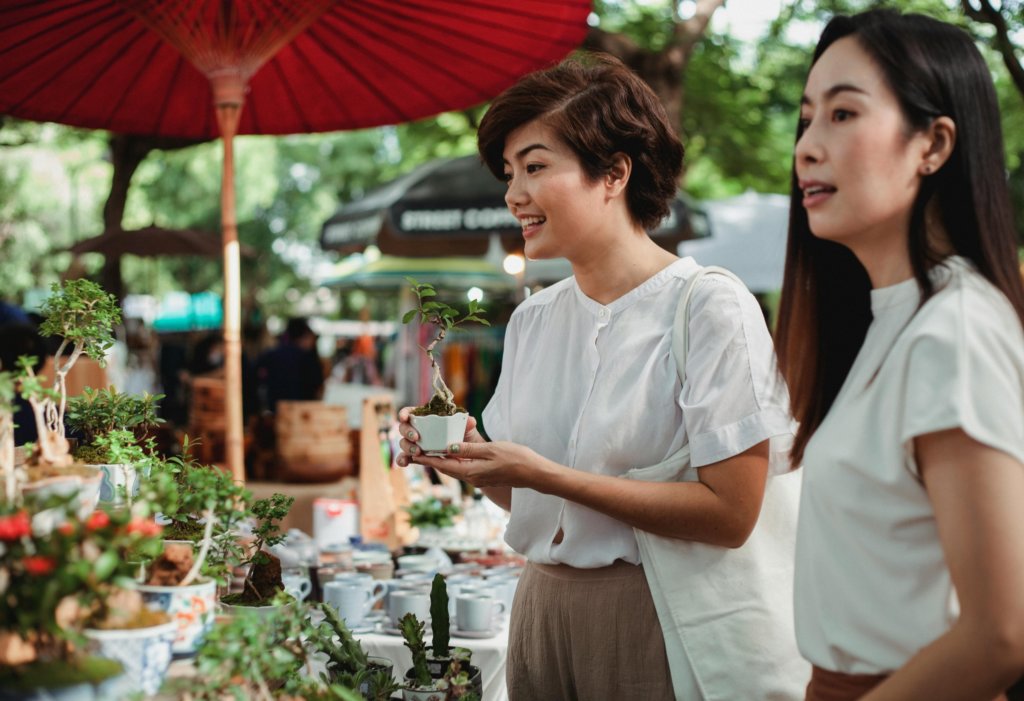
You do not need to start from seed. Seeds take years before they resemble a bonsai.
Many beginners choose pre-bonsai (also called prebonsai). These are young trees already shaped at a basic level. You refine them over time instead of starting from scratch.
Nursery stock is another good option. Look for healthy trees with:
- A thick trunk for their height
- Low branches
- No signs of pests or disease
- Strong roots without rot
Avoid trees with circling roots or soggy soil, which can lead to root rot.
Buying a mature bonsai costs more. Starting with nursery stock or pre-bonsai gives you hands-on practice in growing bonsai and learning how to make a bonsai from early stages.
Essential Tools and Materials for Beginners
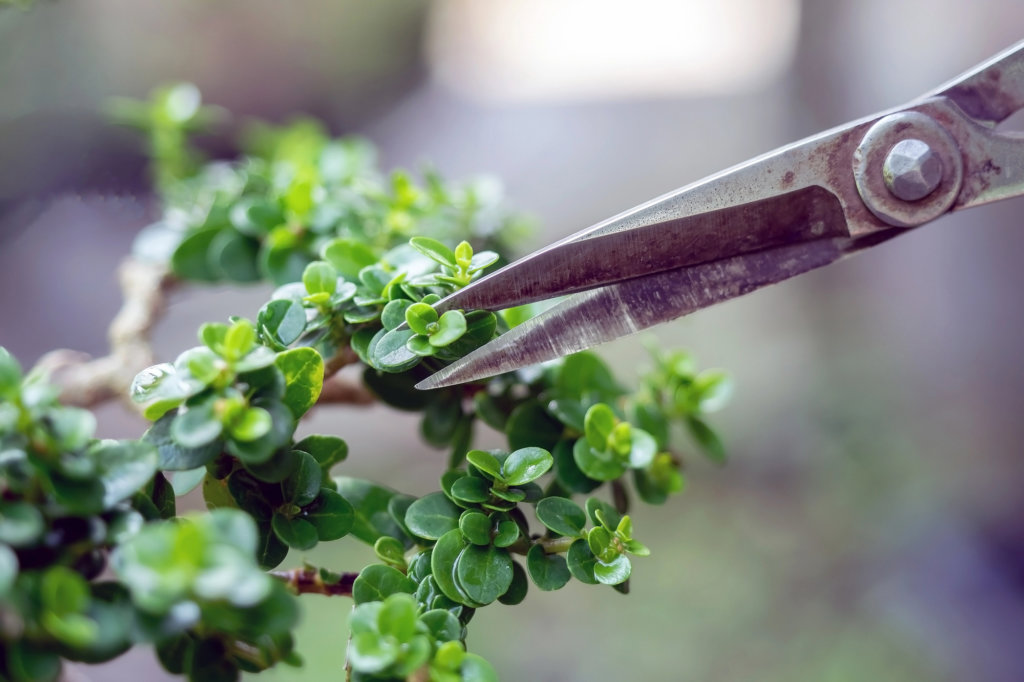
Start with a small set of basic tools. You do not need a large kit.
Essential tools include:
- Pruning shears or bonsai shears for trimming small branches
- Concave cutters for removing thicker branches cleanly
- Wire cutters for removing training wire safely
- Root rake for loosening roots during repotting
Use proper bonsai soil, not regular potting soil. Bonsai soil drains fast and helps prevent root rot. Good drainage keeps roots healthy and supports steady growth.
Choose a bonsai pot with drainage holes. The pot should match the tree’s size and allow roots to spread without crowding.
Clean your tools after use. Sharp, clean tools protect the tree and improve results.
Basic Bonsai Techniques and Care Tips
Learn a few core bonsai techniques before trying complex designs.
Start with simple pruning techniques. Remove dead, weak, or crossing branches first. Then shorten long shoots to maintain shape. Make clean cuts close to the trunk or branch collar.
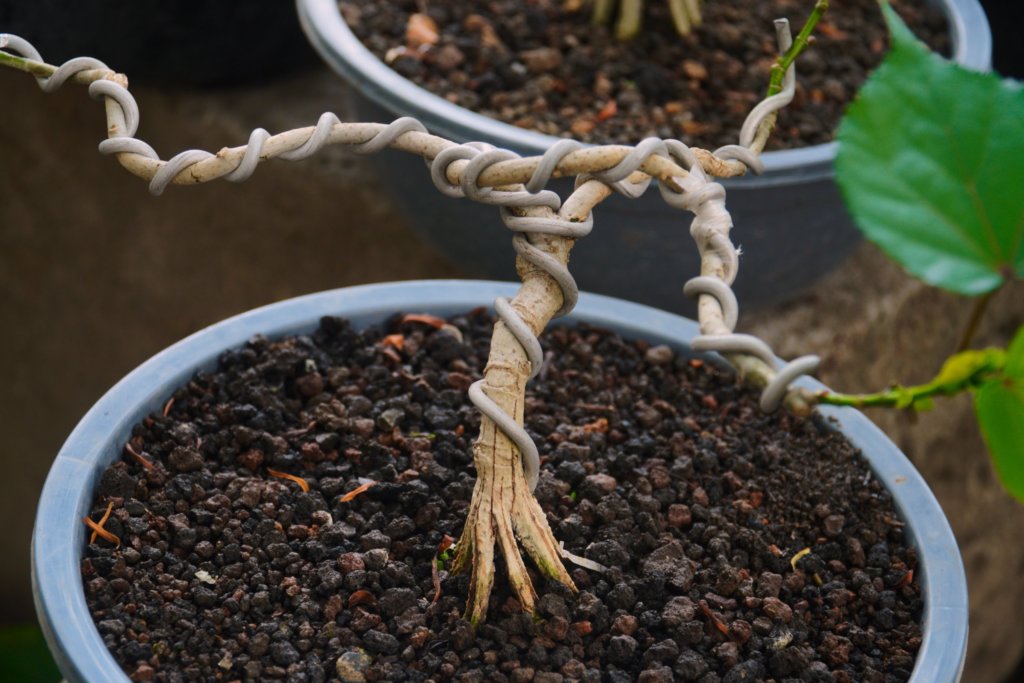
Use wire to guide branch direction. Wrap the wire at a slight angle and avoid wrapping too tight. Check it often. Remove it with wire cutters before it scars the bark.
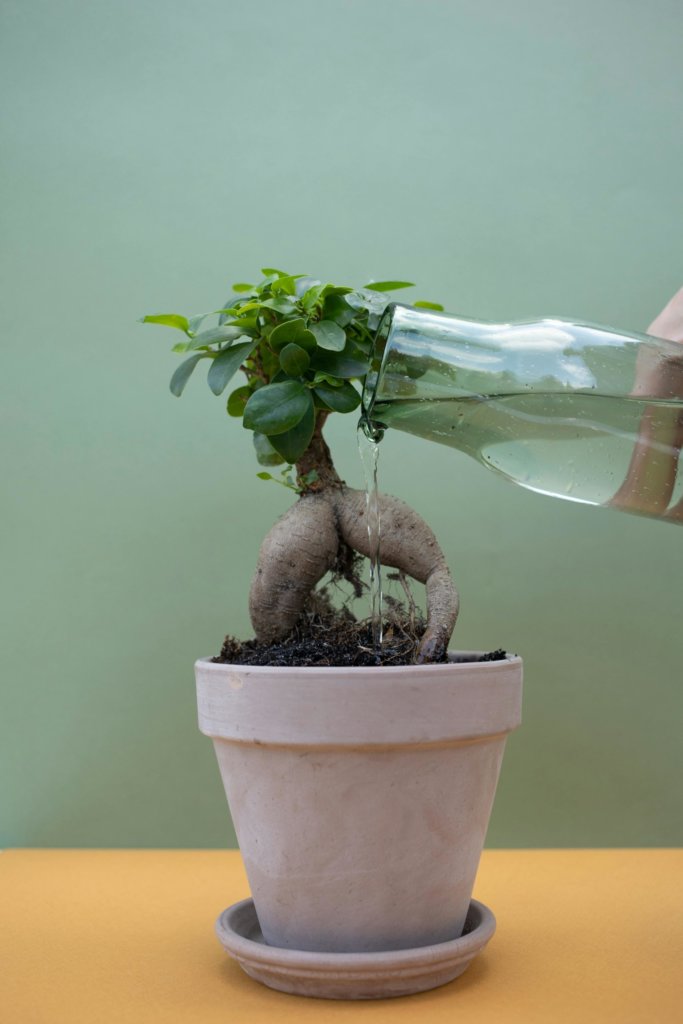
Water based on soil moisture, not a fixed schedule. When the top layer feels slightly dry, water thoroughly until water drains from the bottom of the bonsai pot.
Good bonsai care also includes:
- Placing the tree in proper light
- Feeding during the growing season
- Repotting every 1–3 years depending on growth
Stay consistent. Careful daily attention builds skill and keeps your tree healthy.