Most Common Bonsai Tree
You see bonsai trees in homes, gardens, and nurseries, but you may wonder which one shows up the most. Many species work well for bonsai, yet some stand out because they are hardy, easy to shape, and simple to care for.
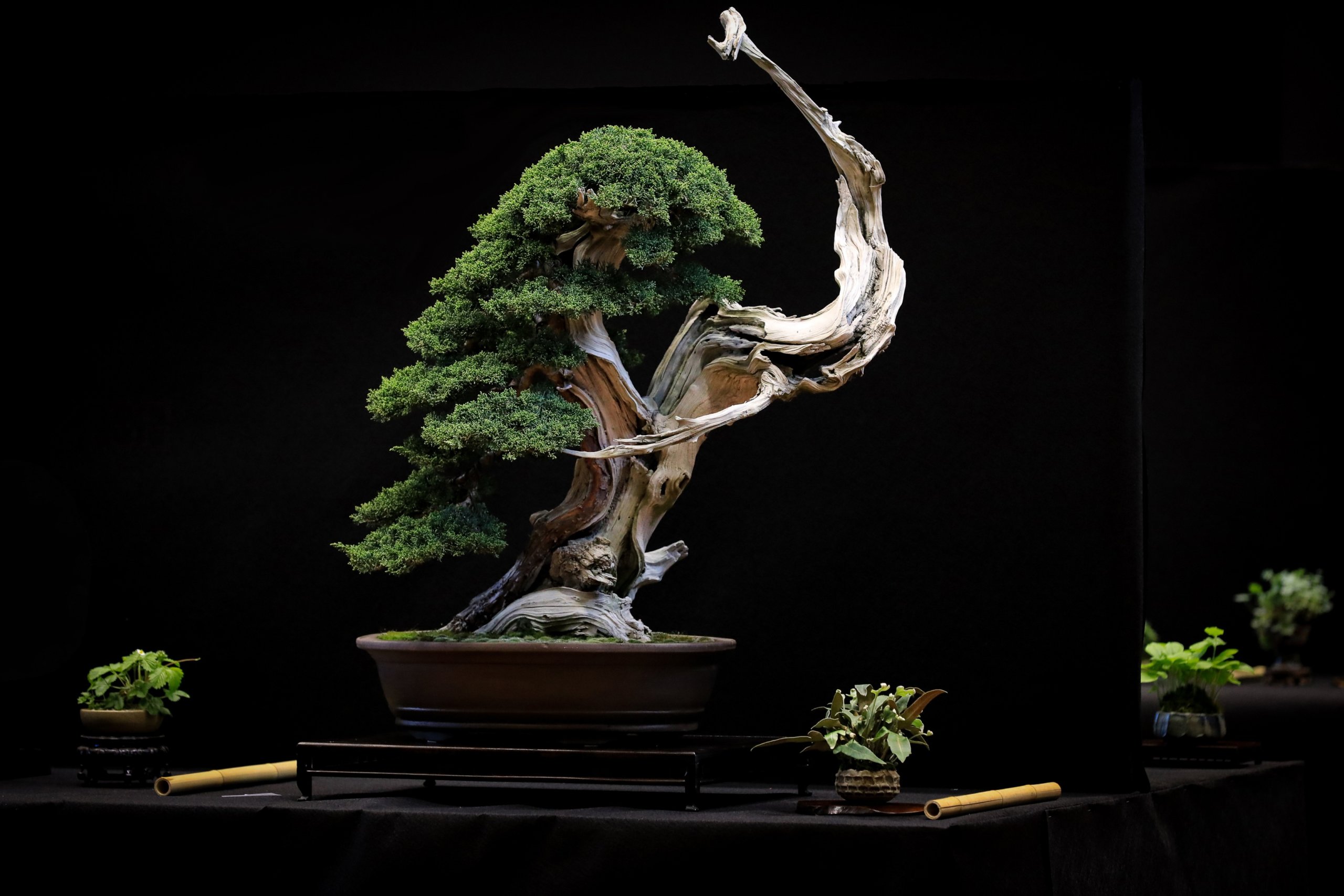
The most common bonsai tree is the Juniper, especially the Chinese Juniper, because it is durable, beginner-friendly, and adapts well to pruning and wiring. You must grow it outdoors to ensure it receives necessary dormancy and light, as it rarely survives long-term inside. It forgives small mistakes and keeps its shape with regular trimming.
Other popular bonsai trees include Ficus, Japanese Maple, and Jade, but Juniper remains the top choice for many growers. If you want a bonsai that looks classic and stays strong with basic care, you will likely start with this trusted favorite.
Key Takeaways
- Juniper is the most common bonsai tree due to its strength and ease of care.
- Several species work well for bonsai, but some are better for beginners.
- Each popular bonsai tree has clear care needs that shape how you grow it.
Most Common Bonsai Tree Species
Many bonsai trees come from hardy tree species that handle pruning, wiring, and shallow pots well. Juniper, ficus, Chinese elm, and pine rank among the most popular bonsai trees because they adapt to training and suit both beginners and experienced growers.
Juniper Bonsai Varieties
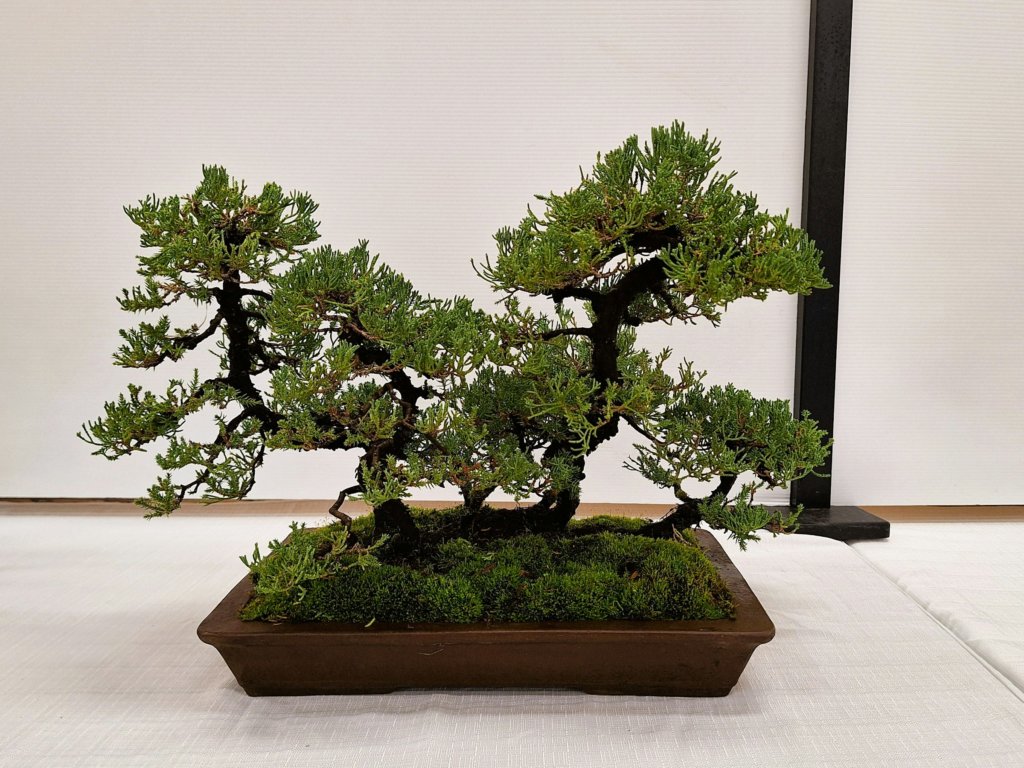
You will often see juniper bonsai listed as the most popular bonsai tree for beginners. Junipers belong to the Juniperus genus and grow well outdoors in many climates.
Common varieties include:
- Juniperus procumbens ‘Nana’ (Japanese garden juniper)
- Juniperus chinensis (Chinese juniper)
- Juniperus squamata (Blue Star juniper)
These bonsai tree species have needle-like or scale-like foliage and flexible branches. You can shape them into informal upright, cascade, or slanting styles with steady pruning and wiring.
Junipers prefer full sun and good air flow. They do not thrive as indoor bonsai. If you want a hardy, low-maintenance option among the many types of bonsai trees, juniper remains a reliable choice.
Ficus Bonsai Types
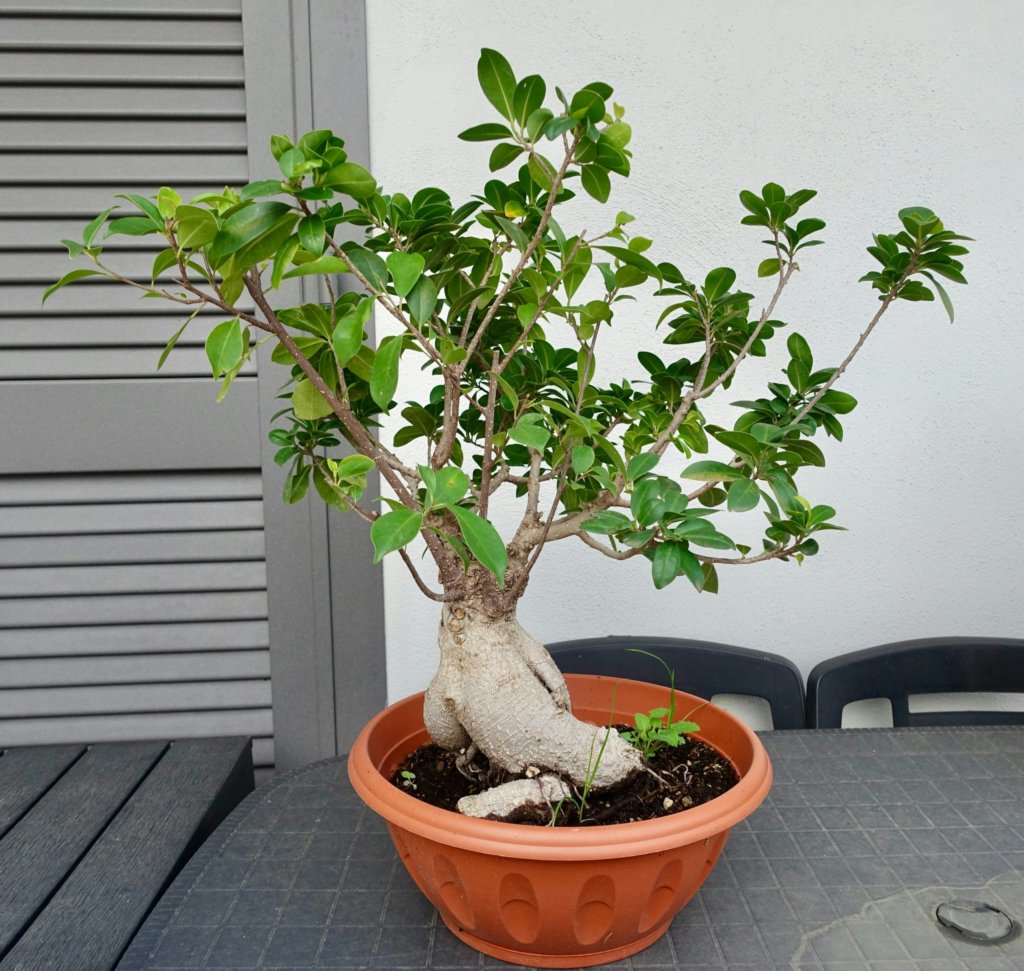
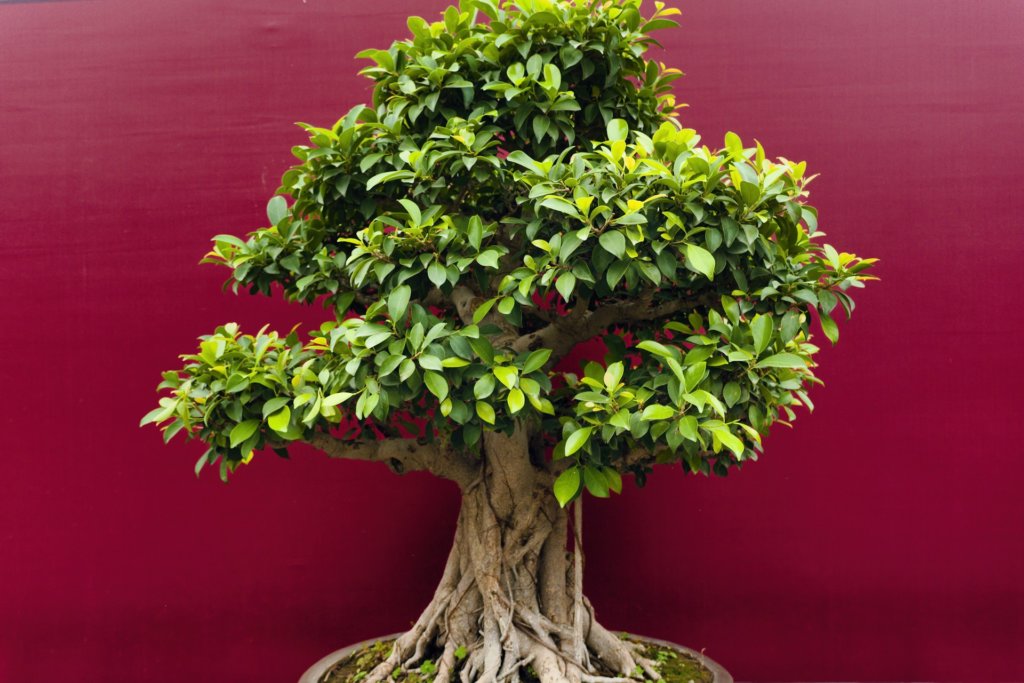
If you want indoor bonsai, ficus stands out. Many growers choose ficus bonsai because it tolerates low humidity and indoor light better than most bonsai species.
Two common types are:
- Ficus benjamina
- Ficus retusa (often sold as Ficus microcarpa)
Ficus benjamina has slender branches and small, glossy leaves. Ficus retusa often features thick trunks and visible aerial roots, which add strong visual structure to your miniature trees.
Ficus trees respond well to pruning and can recover from mistakes. They prefer bright light, warm temperatures, and steady watering. If you are new to bonsai tree types and want a forgiving plant for indoor display, ficus offers a practical starting point.
Chinese Elm Bonsai Characteristics
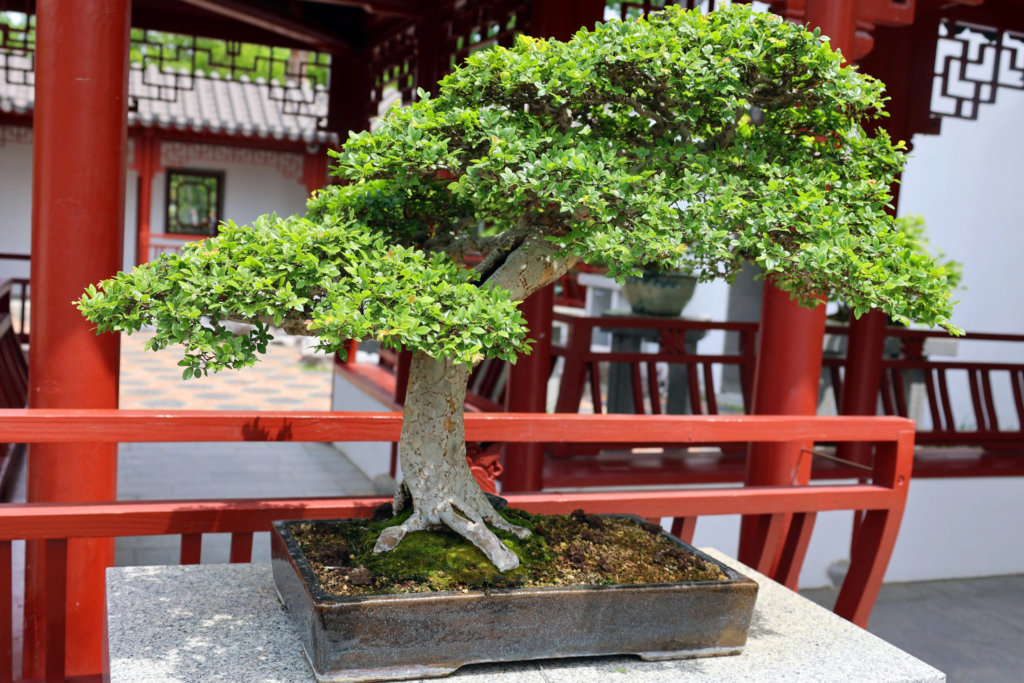
The Chinese elm bonsai, known as Ulmus parvifolia, ranks among the most adaptable bonsai tree species. You can grow it indoors with strong light or outdoors in mild climates.
Chinese elm has small, serrated leaves and fine branching. Its bark develops a mottled, textured look as it ages, which gives your bonsai a mature appearance.
This species handles pruning well and produces dense growth. You can shape it into upright, broom, or informal styles with regular trimming.
Chinese elm needs consistent watering, but also good drainage. If you want balance between indoor flexibility and classic bonsai structure, this species fits well among popular bonsai trees.
Pine Bonsai Cultivars
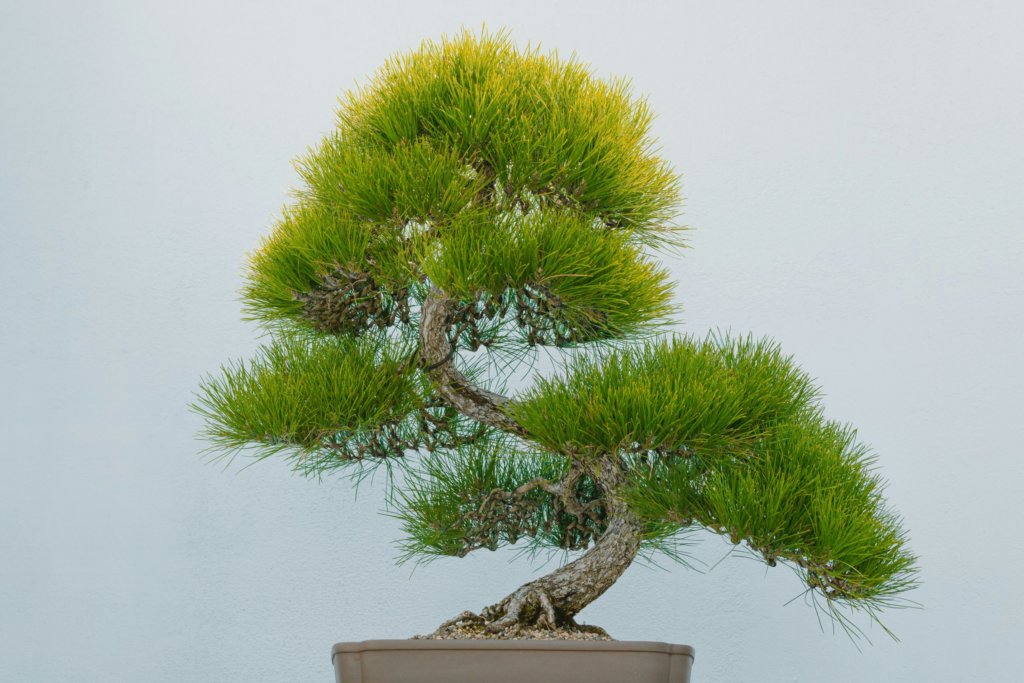
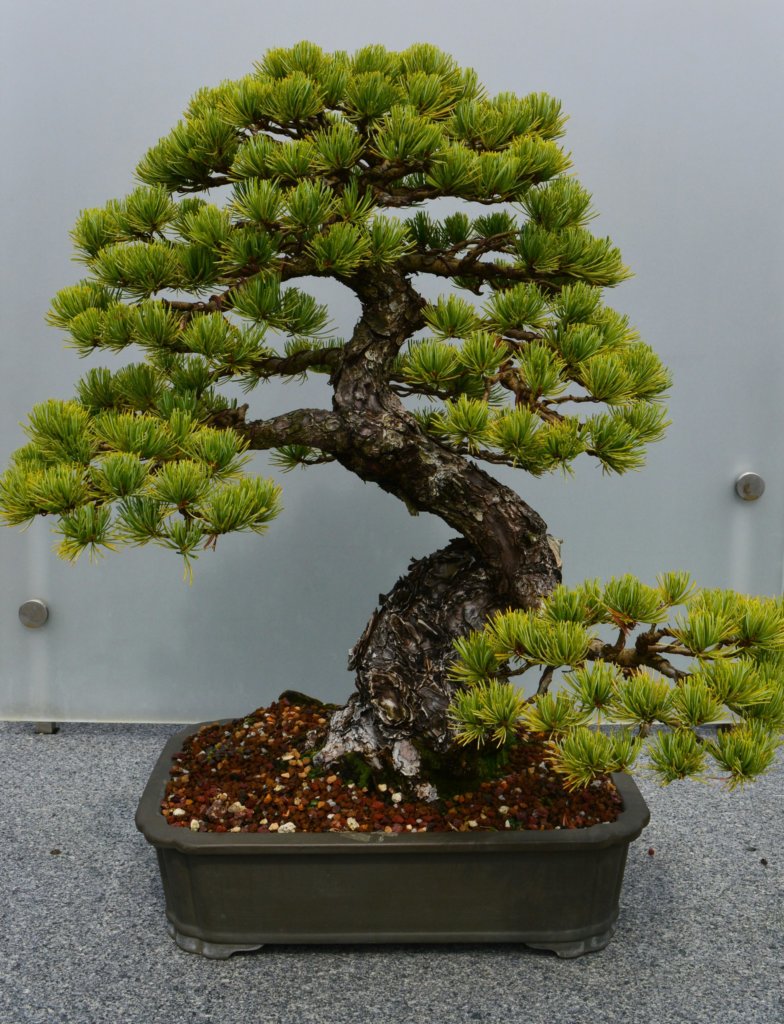
Pine bonsai represent traditional Japanese bonsai practice. Unlike ficus, most pine varieties require outdoor conditions and seasonal change.
Common cultivars include:
- Japanese black pine (Pinus thunbergii)
- Japanese white pine (Pinus parviflora)
- Scots pine (Pinus sylvestris)
Pines have needle clusters and rugged bark. You must manage candle growth and needle length through careful pruning. This process takes more planning than with beginner bonsai options like juniper or ficus.
Pine bonsai demand patience, full sun, and winter dormancy. If you want strong structure and a classic look among the many types of bonsai, pine offers long-term reward with proper care.
Unique Qualities and Care of Popular Bonsai Trees
Each bonsai species has clear needs for soil, water, shaping, and climate. When you match care methods to the tree’s natural habits, you improve health, structure, and long-term design.
Bonsai Soil Mixtures and Watering Needs
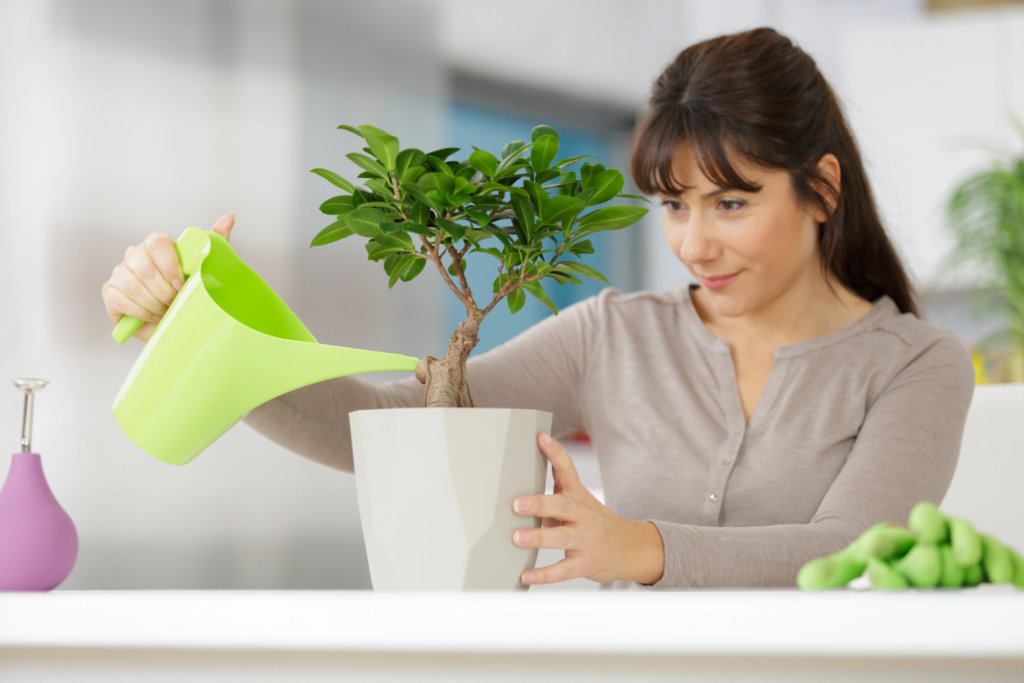
You must use a fast-draining bonsai soil mix to control water and root growth. Standard garden soil stays too wet and compacts in shallow pots.
A basic bonsai soil blend often includes:
- Akadama or clay granules for water control
- Pumice for root growth
- Lava rock or grit for drainage
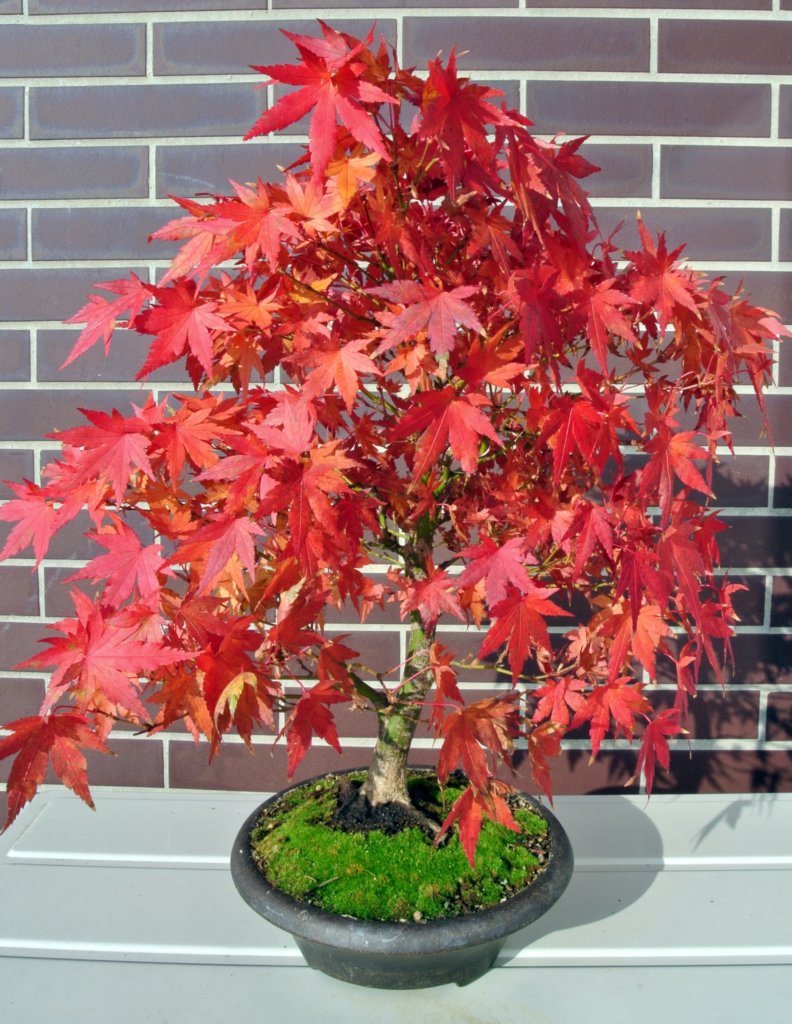
Juniper, cedar bonsai, spruce bonsai, and larch bonsai prefer soil that dries slightly between watering. Japanese maple bonsai (Acer palmatum), beech bonsai (Fagus), and ginkgo bonsai need steady moisture but not soggy roots.
Tropical bonsai, such as jade bonsai and dwarf jade bonsai, tolerate drier soil. Olive bonsai also handles light drought well.
Water when the top layer feels slightly dry. Use a fine spray until water drains from the holes. In dry homes, place tropical bonsai on a humidity tray to raise moisture around the leaves.
Learning how to grow bonsai starts with proper watering. Most problems come from overwatering, not underwatering.
Bonsai Styling and Shapes
You shape bonsai to reflect natural tree forms. Clean lines and balanced branches define strong bonsai aesthetics.
Common bonsai styles include:
- Formal upright
- Informal upright
- Slanting
- Cascade
- Semi-cascade
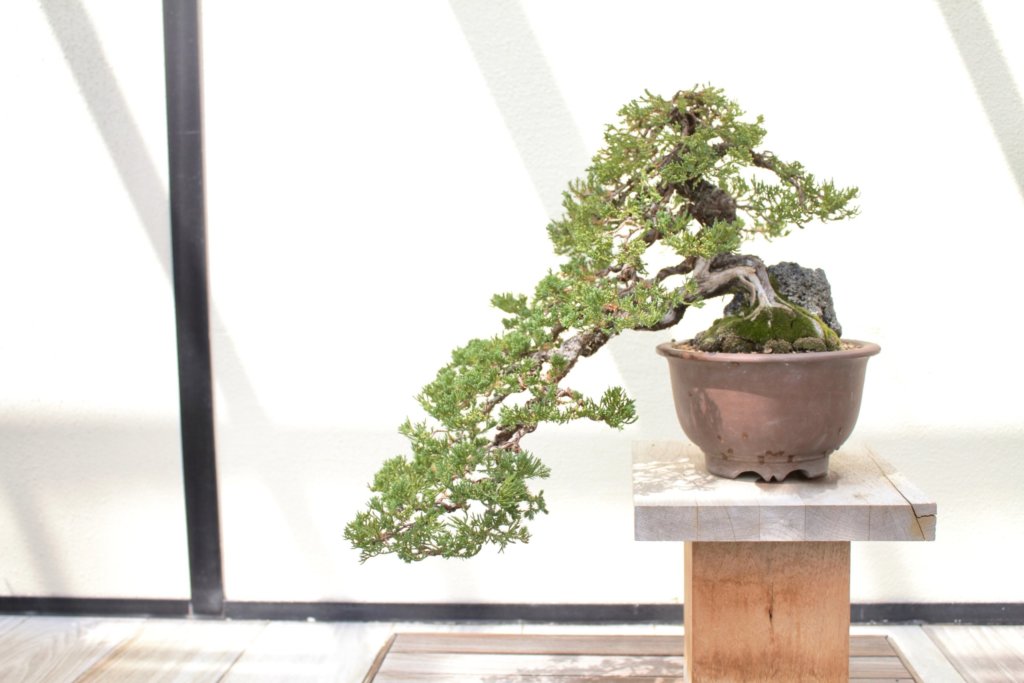
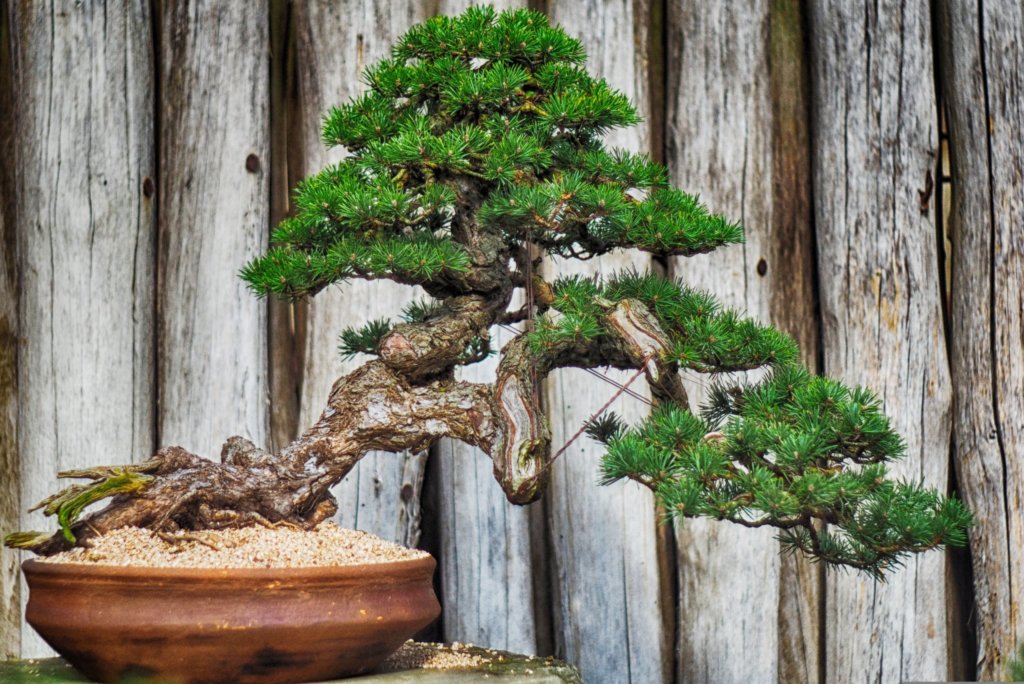
Maple bonsai and ginkgo bonsai suit upright styles because of their straight trunks. Cedar bonsai and cypress bonsai also work well in formal forms.
You can add deadwood features such as shari to juniper or spruce bonsai for an aged look. Tropical bonsai may develop aerial roots, which add visual interest and stability.
Prune to control size and shape. Wire young branches to guide growth. Boxwood bonsai (Buxus microphylla, Buxus sempervirens) responds well to frequent trimming due to dense foliage.
Strong bonsai styling depends on patience and steady pruning, not drastic cuts.
Deciduous, Flowering, and Tropical Bonsai Options
You can choose between deciduous, flowering, and tropical bonsai based on your climate and space.
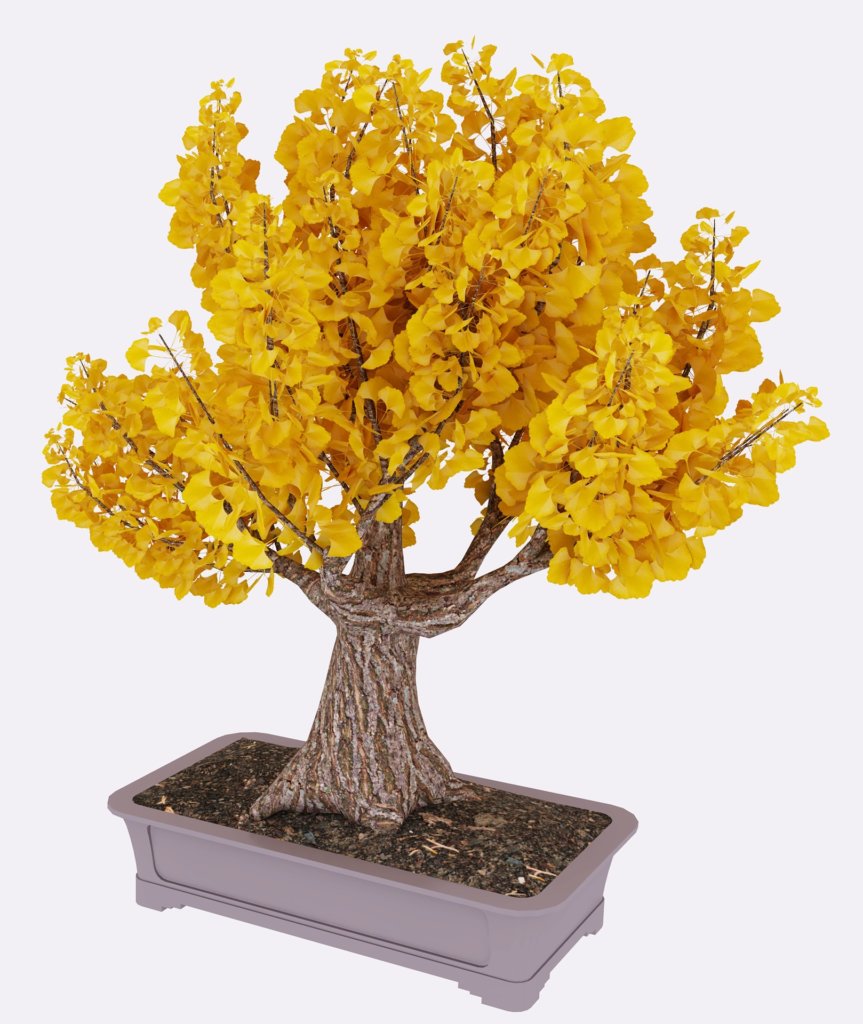
Deciduous bonsai lose leaves in fall. Japanese maple bonsai, beech bonsai, ginkgo bonsai, and larch bonsai show clear seasonal change. Maple bonsai offers colorful fall leaves, while beech trees offer striking golden hues and smooth gray bark
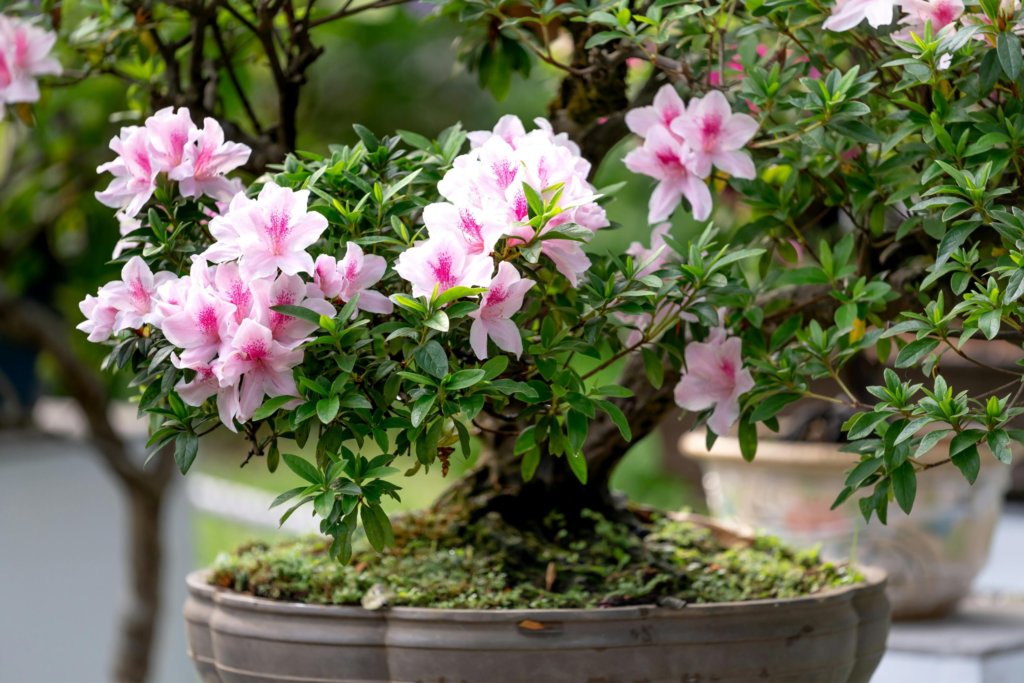
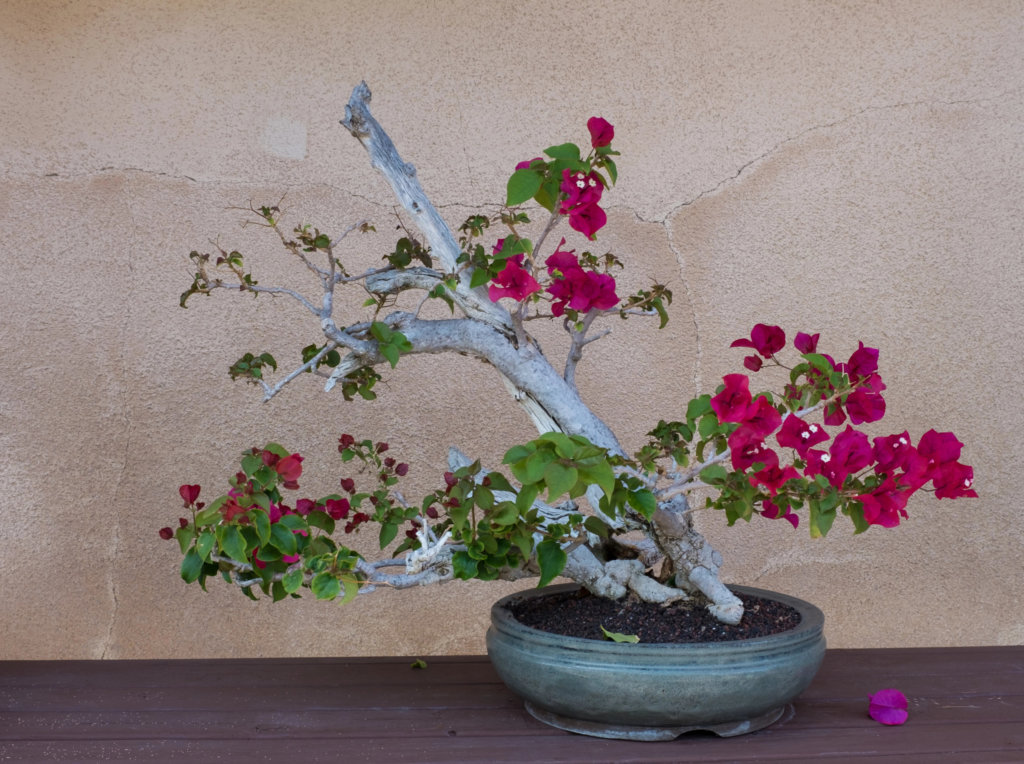
Flowering bonsai add seasonal blooms. Azalea bonsai produces bright spring flowers. Crabapple bonsai grows blossoms and small fruit. Cherry blossom bonsai and cotoneaster bonsai also provide strong visual interest. Cotoneaster often shows red berries after flowering.
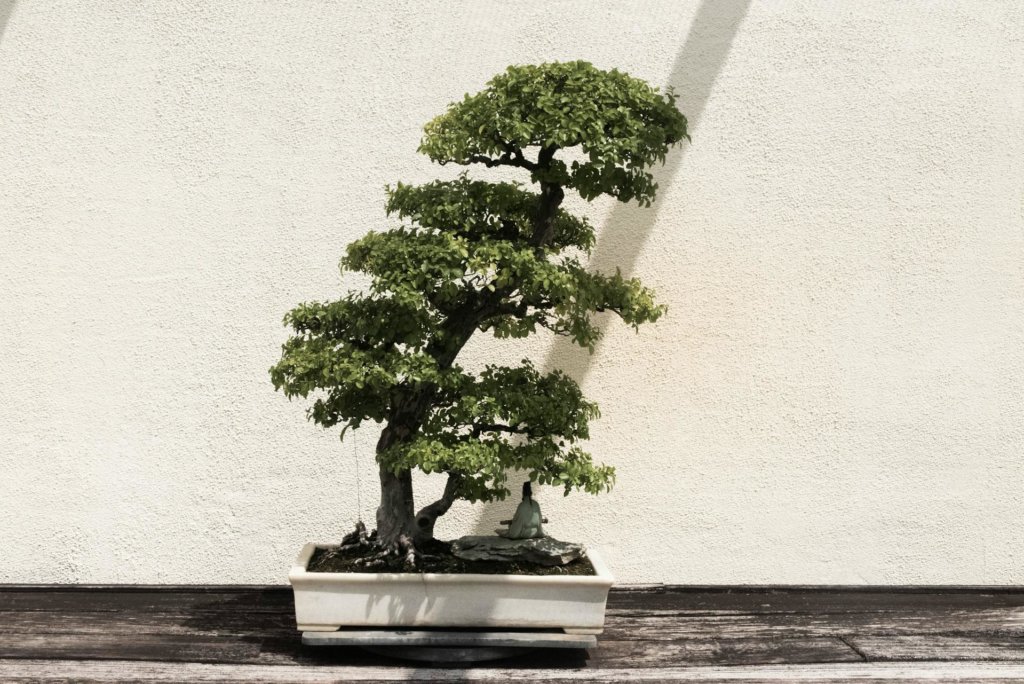
Tropical bonsai stay green year-round indoors. Jade bonsai and dwarf jade bonsai suit beginners. Ficus and Fukien tea or Philippine tea (Carmona retusa) species adapt perfectly to consistent indoor warmth.
Match your tree to your local weather and indoor space. This choice shapes your daily care routine and long-term results.